


Search results
Search for "chemotherapy" in Full Text gives 73 result(s) in Beilstein Journal of Nanotechnology.
The systemic effect of PEG-nGO-induced oxidative stress in vivo in a rodent model
Beilstein J. Nanotechnol. 2019, 10, 901–911, doi:10.3762/bjnano.10.91
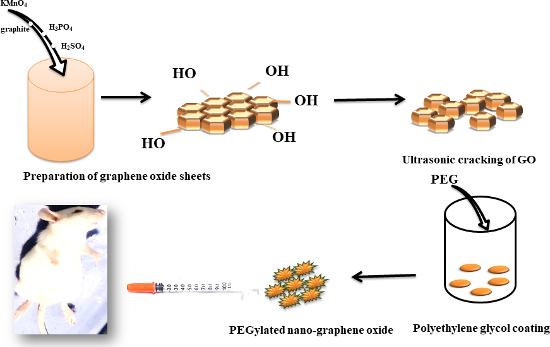
- a chitosan 3D scaffold and enhanced its bioactivity, mechanical properties, and pore formation with GO for optimal bone tissue engineering [15]. Zhang et al. improved the chemotherapy efficacy of anticancer drugs with polyethyleneimine (PEI)-grafted GO [16]. Liu et al. discussed the antibacterial
- combination of GO and drug led to a significant enhancement of the chemotherapy efficacy. The bio-distribution and toxicity of PEG-GO was examined by Yang and co-workers [5]. Their results clearly indicated that PEG-GO mainly accumulated in reticuloendothelial systems in liver and spleen after intravenous


Polydopamine-coated Au nanorods for targeted fluorescent cell imaging and photothermal therapy
Beilstein J. Nanotechnol. 2019, 10, 794–803, doi:10.3762/bjnano.10.79
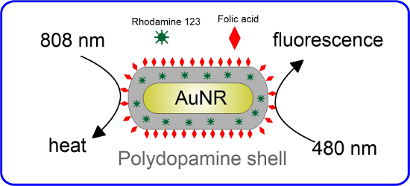
- -targeted PPT and chemotherapy (via Cu(II) release) [34]; AuNR-PDA-pMBA-Ab for targeted SERS cell imaging [31]; AuNR-PDA-MB/DOX for notargeted combined photodynamic and chemotherapy in vivo [32]; AuNR-PDA-Cisplatin-Iodine125-RGDpeptide for targeted MRI imaging and chemotherapy in vivo [33]. However, AuNR


Heating ability of magnetic nanoparticles with cubic and combined anisotropy
Beilstein J. Nanotechnol. 2019, 10, 305–314, doi:10.3762/bjnano.10.29
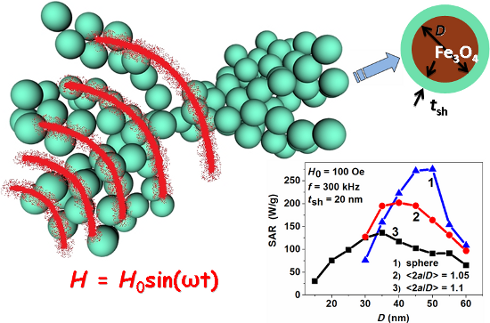
- ; Introduction Magnetic hyperthermia [1][2][3] is a promising therapeutic method that can be used in combination with chemotherapy or radiotherapy for cancer treatment. Iron oxide nanoparticles are among the materials most popular for application in biomedicine due to their biocompatibility, biodegradability [4


Targeting strategies for improving the efficacy of nanomedicine in oncology
Beilstein J. Nanotechnol. 2019, 10, 168–181, doi:10.3762/bjnano.10.16
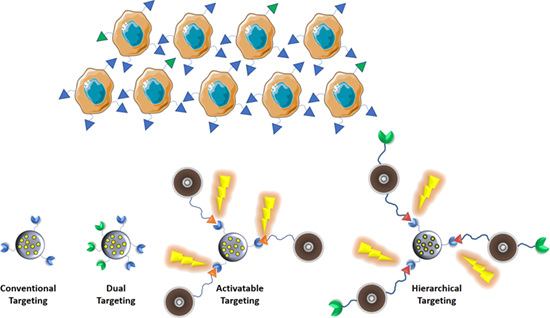
- nanorobots able to perform precision surgery inside the body [4]. One of the applications in which the nanoparticles have found an interesting niche is oncology. The conventional treatment of cancer is based on three strategies: surgery, radiotherapy and chemotherapy. These approaches exhibit a lack of
- selectivity affecting also the surrounding healthy tissues, in the case of surgery and radiotherapy, and/or to the whole organism, in the case of chemotherapy. This last strategy could be visualized as carpet bombing with the aim of destroying an enemy army that is hidden in a populated city. In many cases


The nanoscaled metal-organic framework ICR-2 as a carrier of porphyrins for photodynamic therapy
Beilstein J. Nanotechnol. 2018, 9, 2960–2967, doi:10.3762/bjnano.9.275
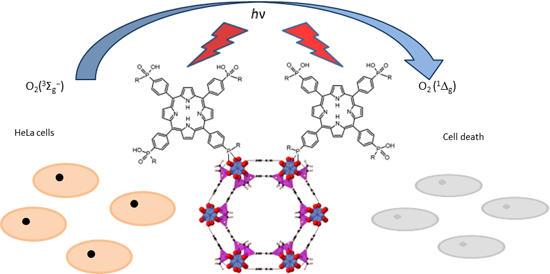
- light [23]. Alternatively, the antitumor activity of porphyrinic PCN-224 was increased by combining photodynamic and photothermal effects with chemotherapy; in this case the MOF was deposited onto gold nanorods and impregnated with a chemotherapeutic agent [24]. Strong phototoxic effects were reported


Hybrid Au@alendronate nanoparticles as dual chemo-photothermal agent for combined cancer treatment
Beilstein J. Nanotechnol. 2018, 9, 2947–2952, doi:10.3762/bjnano.9.273
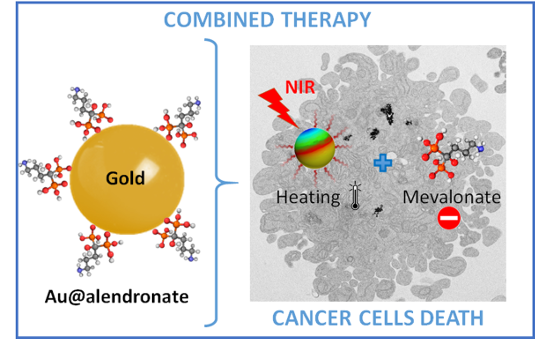
- strategy to increase the PTT efficiency is the combination with magnetic hyperthermia [28], or with chemotherapy [29][30]. Using a one-pot synthesis strategy, we developed Au@alendronate NPs for a combined application of the antitumor activity of alendronate and an efficient gold-mediated PTT. We further


Cytotoxicity of doxorubicin-conjugated poly[N-(2-hydroxypropyl)methacrylamide]-modified γ-Fe2O3 nanoparticles towards human tumor cells
Beilstein J. Nanotechnol. 2018, 9, 2533–2545, doi:10.3762/bjnano.9.236
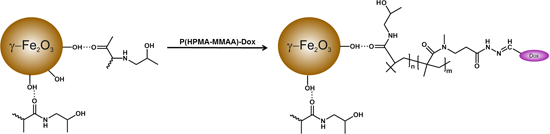
- allows for a stable Dox concentration inside the cells, thus partially decreasing the effectiveness of ABC transporter proteins, which are responsible for drug efflux from the cytosol to the extracellular medium [24]. Other cell lines that are sensitive to chemotherapy (e.g., murine B16F10 melanoma


Hyperthermic intracavitary nanoaerosol therapy (HINAT) as an improved approach for pressurised intraperitoneal aerosol chemotherapy (PIPAC): Technical description, experimental validation and first proof of concept
Beilstein J. Nanotechnol. 2017, 8, 2729–2740, doi:10.3762/bjnano.8.272
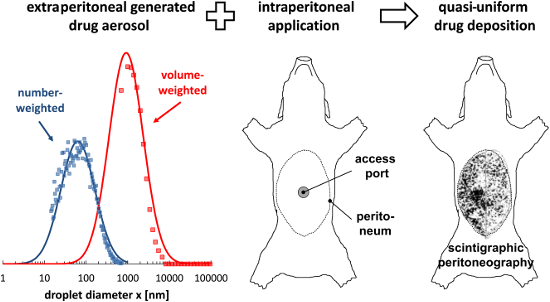
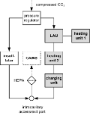
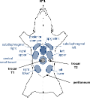
- chemotherapy for the treatment of peritoneal carcinomatosis. However, recent reports reveal limitations of the currently available technology. Material and Methods: A novel approach for pressurised intraperitoneal aerosol chemotherapy (PIPAC), called hyperthermic intracavitary nanoaerosol therapy (HINAT
- substances at minimal systemic toxicity, first approaches for locoregional/intracavitary chemotherapy (ICC) based on liquid drug instillation (LICC) were already developed about forty years ago [2][3][4]. Unfortunately, the effectivity of LICC is limited by low in-tissue penetration and the difficulties to
- distribute the drug-containing solution homogeneously throughout the tumoral tissue [5]. One promising and upcoming approach to treat end-stage patients suffering from enhanced PC is the Pressurised IntraPeritoneal Aerosol Chemotherapy (PIPAC), where the drug-containing solution is aerosolised within a




Optical techniques for cervical neoplasia detection
Beilstein J. Nanotechnol. 2017, 8, 1844–1862, doi:10.3762/bjnano.8.186
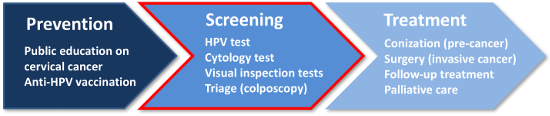
- of efficient classifiers, which can fully explore rich spectral information for accurate and reliable diagnostics. One of the promising applications of RS can be the monitoring of the patients undergoing chemotherapy. A priori knowledge of administrated drugs will help to detect the new Raman peaks



Methionine-mediated synthesis of magnetic nanoparticles and functionalization with gold quantum dots for theranostic applications
Beilstein J. Nanotechnol. 2017, 8, 1734–1741, doi:10.3762/bjnano.8.174
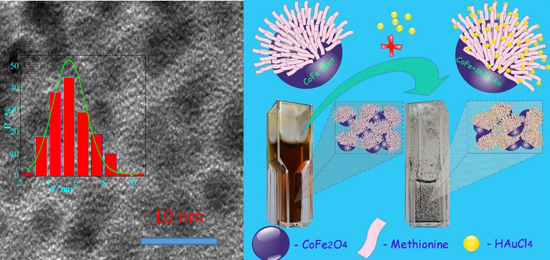
- conjugated with targeting and chemotherapy agents, such as cancer stem cell-related antibodies and the anticancer drug doxorubicin, for early detection and improved treatment. In order to verify our findings, high-resolution transmission electron microscopy (HRTEM), atomic force microscopy (AFM), FTIR


A nanocomplex of C60 fullerene with cisplatin: design, characterization and toxicity
Beilstein J. Nanotechnol. 2017, 8, 1494–1501, doi:10.3762/bjnano.8.149
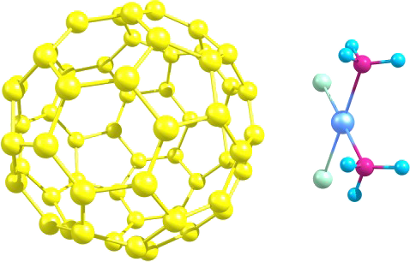
- action and binds covalently to DNA. In tumor cells Cis induces the selective inhibition of DNA synthesis and replication [2]. However, the action of Cis is accompanied by side effects that limit the use of Cis in anticancer chemotherapy. Сіs-induced nephro-, hepato- and cardiotoxicity, as well as
- ][18], including combination chemotherapy [19] and photodynamic therapy [20][21][22]. They are also applied for the targeted delivery of drugs into tumor cells [23][24][25]. However, there are several conflicting reports in the literature regarding the genotoxicity of C60 fullerene [26]. Thus, a strong
- complexation could induce biological synergy for other drugs administered together with C60 fullerene as well [19][23]. Taking into account the importance of Cis in chemotherapy of cancer, this drug could be a candidate molecule for study. A recent extended physico-chemical study has confirmed the formation of



Development of polycationic amphiphilic cyclodextrin nanoparticles for anticancer drug delivery
Beilstein J. Nanotechnol. 2017, 8, 1457–1468, doi:10.3762/bjnano.8.145
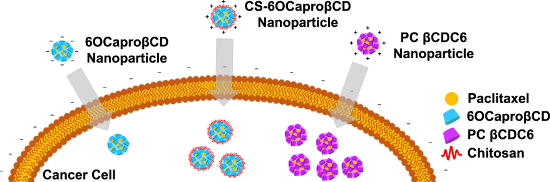
- during chemotherapy. Amphiphilic cyclodextrins are favored oligosaccharides as drug delivery systems for anticancer drugs, having the ability to spontaneously form nanoparticles without surfactant or co-solvents. In the past few years, polycationic, amphiphilic cyclodextrins were introduced as effective
- derivatives provide suitable nanometer-sized drug delivery systems for safe and efficient intravenous paclitaxel delivery for chemotherapy. In the light of these studies, it can be said that amphiphilic cyclodextrin nanoparticles of different surface charge can be considered as a promising alternative for
- self-assembled nanometer-sized drug carrier systems for safe and efficient chemotherapy. Keywords: amphiphilic cyclodextrin; anticancer; nanoparticle; paclitaxel; polycationic; Introduction Paclitaxel (PCX) is an effective wide-spectrum anticancer agent which is isolated from the bark of the tree


Cationic PEGylated polycaprolactone nanoparticles carrying post-operation docetaxel for glioma treatment
Beilstein J. Nanotechnol. 2017, 8, 1446–1456, doi:10.3762/bjnano.8.144
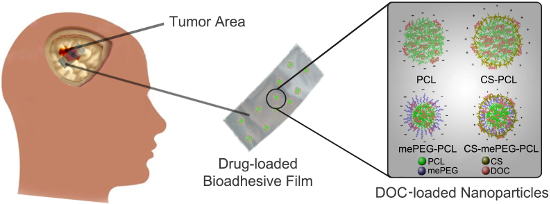
- 19, thus having a high impact on public health and quality of life [1]. Surgical operation is the main treatment option for brain tumors; chemotherapy or radiotherapy are generally applied after surgery to remove remaining tumor cells and avoid the recurrence of the tumor [2][3]. At this stage
- , intravenous or orally administered chemotherapy drugs have very low efficacy due to challenges in reaching the brain and tumor area. The blood brain barrier (BBB) is the essential protection of the brain and only 1% of chemotherapeutic agents can pass this barrier without losing their pharmacological activity
- , facilitating chemotherapy administration to prevent recurrence of the tumor at the time of tumor tissue removal by surgical operation. Among the anticancer drugs that are used in clinics, the taxane family of drugs such as paclitaxel and docetaxel are known to be highly effective against a variety of cancer




Carbon nanomaterials sensitize prostate cancer cells to docetaxel and mitomycin C via induction of apoptosis and inhibition of proliferation
Beilstein J. Nanotechnol. 2017, 8, 1307–1317, doi:10.3762/bjnano.8.132
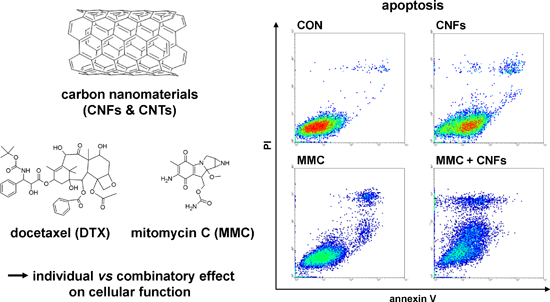
- develop progressive disease following definite treatment and thus will require additional therapy [2][3]. Based on the efficacy and proven survival benefit of palliative chemotherapy in advanced PCa a curative treatment of localized PCa through pre-operative (neoadjuvant) chemotherapy has been discussed
- [3][4]. Neoadjuvant chemotherapy is routinely used in the treatment of other solid tumors such as bladder, breast and colon cancer [3][4]. To date it is not recommended for localized PCa by the current guidelines [2]. However, several clinical trials have demonstrated the efficacy and safety of a
- neoadjuvant systemic chemotherapy with docetaxel (DTX) in combination with hormonal therapy prior to radical prostatectomy in patients with high-risk PCa [5][6][7]. The advantages of a neoadjuvant chemotherapy lie in the down-staging of the malignancy leading to better tumor resectability and improved overall


Antitumor magnetic hyperthermia induced by RGD-functionalized Fe3O4 nanoparticles, in an experimental model of colorectal liver metastases
Beilstein J. Nanotechnol. 2016, 7, 1532–1542, doi:10.3762/bjnano.7.147
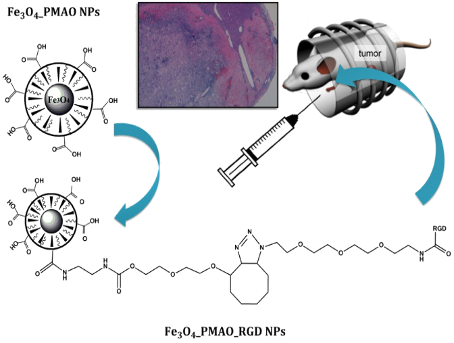
- [1][2][3][4]. However, in those patients with massive liver metastases only systemic chemotherapy, alone or combined with arterial radioembolization, has been reported to achieve some clinical benefits [5][6]. Hyperthermia is currently being explored as a possible new therapeutic tool for liver
- metastases, where it is useful as a coadjuvant for either chemotherapy or radiotherapy as it increases sensitivity for tumor cells [7][8]. Magnetic nanoparticles (MNPs) injected directly into liver tumors have become an important platform in these treatments because the application of an alternating magnetic


Hierarchical coassembly of DNA–triptycene hybrid molecular building blocks and zinc protoporphyrin IX
Beilstein J. Nanotechnol. 2016, 7, 697–707, doi:10.3762/bjnano.7.62
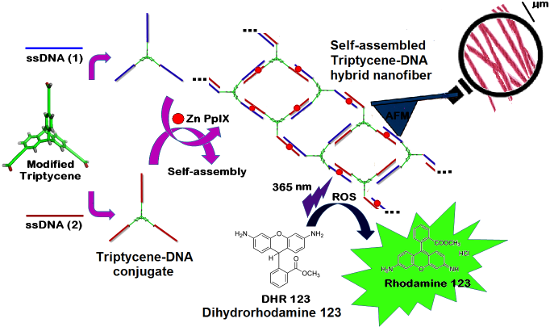
- regard to the light-induced oxidation of DHR 123 than the corresponding free Zn PpIX due to enhanced local confinement of ROS in the composite. Therefore, considering this feature, this system could be explored further for PDT, photodynamic antimicrobial chemotherapy (PACT) and catalysis applications


Tight junction between endothelial cells: the interaction between nanoparticles and blood vessels
Beilstein J. Nanotechnol. 2016, 7, 675–684, doi:10.3762/bjnano.7.60
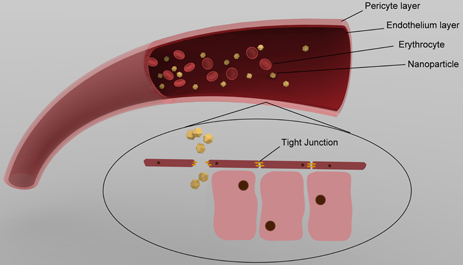
- defeat some of the drawbacks in traditional cancer chemotherapy (such as multidrug resistance (MDR) in tumors [6]). They can be modified to enhance the specificity of tumor therapy. Admittedly, no scientist could ignore its prominent latent prospect, but meanwhile numerous researches show their concerns

Filling of carbon nanotubes and nanofibres
Beilstein J. Nanotechnol. 2015, 6, 508–516, doi:10.3762/bjnano.6.53
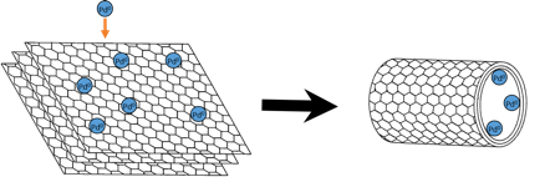
- recent review focussed on the use of CNTs filled with antitumour medication for use in chemotherapy and immunotherapy [49]. In particular, they noted that the high level of selectivity (when functionalized) gave the CNTs the ability to “seek out” and selectively deliver the contained drugs to the tumours


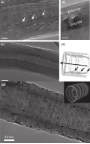
Release behaviour and toxicity evaluation of levodopa from carboxylated single-walled carbon nanotubes
Beilstein J. Nanotechnol. 2015, 6, 243–253, doi:10.3762/bjnano.6.23
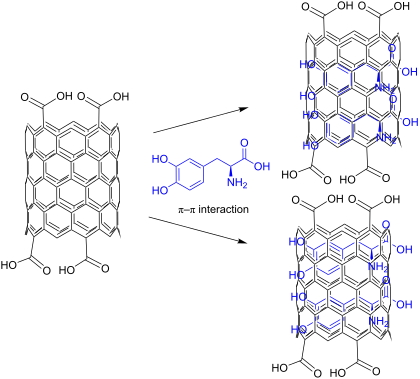
- intense research for theranostic delivery systems, especially in the field of cancer chemotherapy [7][8][9]. Their attractive properties such as good biocompatibility and excellent chemical and thermal stability ensure the stability and solubility of drugs in aqueous environments. Furthermore, their


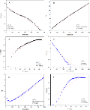
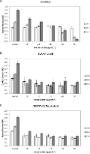


Synthesis of boron nitride nanotubes and their applications
Beilstein J. Nanotechnol. 2015, 6, 84–102, doi:10.3762/bjnano.6.9
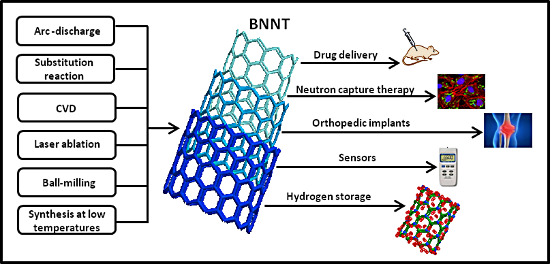
- area of the BNNTs, it was concluded that the constructed structure was ideal for drug delivery purposes [83]. The core–shell structures of BNNTs with europium-doped, sodium gadolinium fluoride (NaGdF4:Eu) were fabricated by using urea to demonstrate the chemotherapy efficiency of the BNNT–NaGdF4:Eu
- –NaGdF4:Eu composites had higher toxicity in the presence of a magnetic field due to increased cellular uptake of the composites and thus increased doxorubicin delivery. It can be said that the BNNT–NaGdF4:Eu composites increase the chemotherapy efficiency by the use of an external magnetic field [84




Nanodiamond-DGEA peptide conjugates for enhanced delivery of doxorubicin to prostate cancer
Beilstein J. Nanotechnol. 2014, 5, 937–945, doi:10.3762/bjnano.5.107
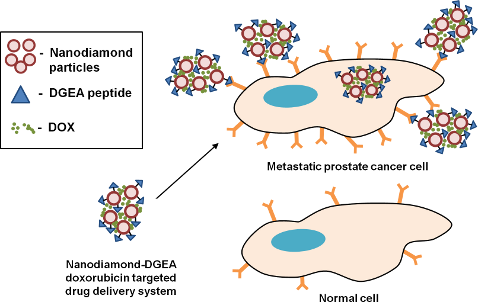
- current standard of care is chemotherapy, which involves the use of toxic anticancer drugs, like doxorubicin (DOX), to treat cancers by inducing apoptosis. DOX has had high success rates with treating prostate cancer [2]. However, it can cause major side effects such as hair loss, nausea [2][3], and
- cardiomyopathy (weakening of the heart muscle) [4][5]. Like most clinical chemotherapy regimens, DOX lacks specificity (or targeting) and eradicates most rapidly dividing cells (e.g., hair, immune, and many other types of normal cells). As a result, there is a need to improve treatment specificity, efficacy, and
- toxicity by incorporating mechanisms for targeted delivery of chemotherapeutics. Nanomedicine has become a viable solution for the specificity and toxicity problems with current chemotherapy treatment regimens [6][7][8][9]. Nanoparticles have facilitated tumor targeting and drug delivery in a variety of


Near-infrared dye loaded polymeric nanoparticles for cancer imaging and therapy and cellular response after laser-induced heating
Beilstein J. Nanotechnol. 2014, 5, 313–322, doi:10.3762/bjnano.5.35
- hyperthermia (HT). HT is currently used in clinical trials for cancer therapy in combination with radiotherapy and chemotherapy. One of the potential problems of HT is that it can up-regulate hypoxia-inducible factor-1 (HIF-1) expression and enhance vascular endothelial growth factor (VEGF) secretion. Results
- chemotherapy and radiotherapy. HT achieves therapeutic benefits by damaging cancer cell proteins and structures as a result of an increase in cell temperature. However, one of the potential problems is that hypoxia-inducible factor-1 (HIF-1) could be up-regulated by HT [10][11]. An overexpression of HIF-1 has
- important as a therapeutic target [34]. Traditional HT with slow and long-term heating appears beneficial as an adjuvant therapy for radiotherapy and chemotherapy since it can hinder DNA damage repair mechanisms and increase drug delivery by enhancing its diffusion into the tumor [35][36]. However, this


Magnetic-Fe/Fe3O4-nanoparticle-bound SN38 as carboxylesterase-cleavable prodrug for the delivery to tumors within monocytes/macrophages
Beilstein J. Nanotechnol. 2012, 3, 444–455, doi:10.3762/bjnano.3.51
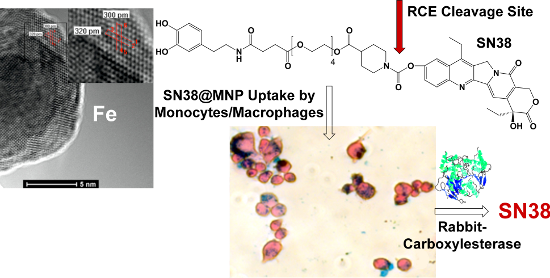
- of hyperthermia with radiation therapy and chemotherapy can greatly improve the efficacy of cancer treatment [30][31]. Ultrasmall magnetic nanoparticles generate heat efficiently in an alternating magnetic field (AMF). Due to their superior properties, such as negligible or low toxicity
- be precisely timed. Localized hyperthermia has the potential to work in synergy with chemotherapy, especially because both hyperthermia and the activation of SN38 can be precisely and independently timed. Furthermore, hyperthermia is known to activate the immune system if the correct temperature is
- of nanoparticles contained 0.427 mg of iron, indicating that this amount of iron would be high enough for alternating magnetic field hyperthermia in combination with chemotherapy [54]. The MTT assay indicated that 8 pg of iron can be easily loaded in each cell (20% inhibition of cell proliferation





