Search results
Search for "collagen" in Full Text gives 74 result(s) in Beilstein Journal of Nanotechnology.
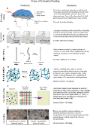
Preparation of micro/nanopatterned gelatins crosslinked with genipin for biocompatible dental implants
Beilstein J. Nanotechnol. 2018, 9, 1735–1754, doi:10.3762/bjnano.9.165
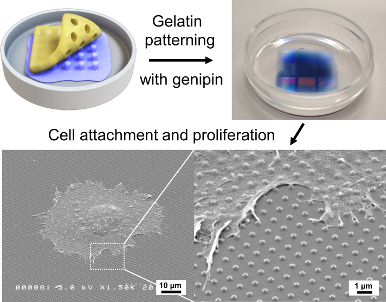
- : Collagen is a basic component of the periodontium and plays an important role in the function of the periodontal unit. Therefore, coating with collagen/gelatin has been applied to enable dental implants to positively interact with peri-implant tissues. Although the micro/nanoscale topography is an
- important property of the surface of dental implants, smaller collagen/gelatin surface patterns have not been sufficiently developed. Furthermore, only few reports on the behavior of cells on gelatin surfaces with different patterns and sizes exist. In this study, we developed micro/nanometer-scaled gelatin
- natural tooth and periodontium, or their biomimetic equivalents. Collagen is a basic component of the periodontium and plays an important role in the function of the periodontal unit [15]. Bundles of collagen fibers in the periodontal ligament, including Sharpey’s fibers, are vertically arranged from the








Review on nanoparticles and nanostructured materials: history, sources, toxicity and regulations
Beilstein J. Nanotechnol. 2018, 9, 1050–1074, doi:10.3762/bjnano.9.98

- , proteins, antibodies and DNA. A list of nanostructures that exist in the human body is presented in Table 1. Even some works categorize bone as a nanomaterial comprised of hierarchical inorganic nano-hydroxyapatite and organic collagen [243]. Additionally, micro-organisms such as viruses and bacteria are
- with the extracellular matrix (ECM) within the stem cells includes influential stem cell behavior through sources of passive mechanical force. A wide structural protein spectrum and polysaccharides of different length scales with dominating nanometer-sized collagen fibrils strands of 35–60 nm diameter


Bioinspired self-healing materials: lessons from nature
Beilstein J. Nanotechnol. 2018, 9, 907–935, doi:10.3762/bjnano.9.85
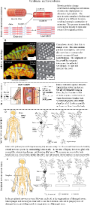
- themselves and secrete extracellular matrix that includes collagen. Collagen is a strong structural protein that forms the cartilage callus, which holds the bone stationary while the remodeling phase occurs. Remodeling entails the phase wherein osteoclasts, large and multinuclear cells, resorb bone at the
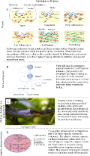
- the body. Inflammation initiates the innate immune response, often seen as a swelling redness as an increase in cells occurs at the site of the wound. In proliferation, fibroblasts (counterparts to the osteoblasts in hard tissue) secrete extracellular matrix, fibrinogen, and collagen to remodel tissue








Liquid-crystalline nanoarchitectures for tissue engineering
Beilstein J. Nanotechnol. 2018, 9, 205–215, doi:10.3762/bjnano.9.22
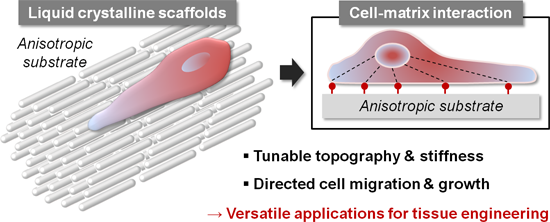
- DNA, collagen, chitin, viruses, as well as phospholipids and cellulose [23][24]. In test tubes, biocolloidal systems can be finely tuned to form self-organized structures by complex interplays between entropic and enthalpic driving forces, electrostatic and viscoelastic effects, and hydrophilic and
- [36] and drug delivery systems [37]. For tissue regeneration, the mostly studied biomaterials are collagen and chitin, which are, respectively, protein-based and glucose-based biopolymers [38][39]. When denatured, collagen and chitin can be transformed into gelatin and chitosan, respectively, which
- are also widely-used raw materials in biomedicine [40][41]. All of these macromolecular chains can be considered as semiflexible rod-like particles that exhibit intrinsic chirality [23]. Consequently, the cholesteric phase is the most commonly found LC organization in living matter [42]. Collagen type


Optical techniques for cervical neoplasia detection
Beilstein J. Nanotechnol. 2017, 8, 1844–1862, doi:10.3762/bjnano.8.186

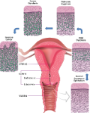
- -vessels in the stroma of neoplastic tissue and stromal angiogenesis [28][29][30]. The observed drop in scattering in CIN 1–3 zones was attributed to the degradation of the stromal collagen matrix of the cervix related to both decomposition of collagen fibers and decrease in concentration of collagen cross
- development leads to the increase of epithelial fluorescence, while stromal fluorescence drops because of a decrease in density of the collagen matrix adjacent to neoplastic epithelium [31][44]. The overexpression of matrix metalloproteinases (enzymes responsible for the degradation of collagen cross-links
- , which are the main source of collagen autofluorescence) was found to be an early sign of malignant transformation in cervical neoplasia [45]. Chidananda et al. [46] studied about 1000 autofluorescence spectra of cervical tissue specimens taken from 62 patients with different cervical pathologies. They



Recombinant DNA technology and click chemistry: a powerful combination for generating a hybrid elastin-like-statherin hydrogel to control calcium phosphate mineralization
Beilstein J. Nanotechnol. 2017, 8, 772–783, doi:10.3762/bjnano.8.80
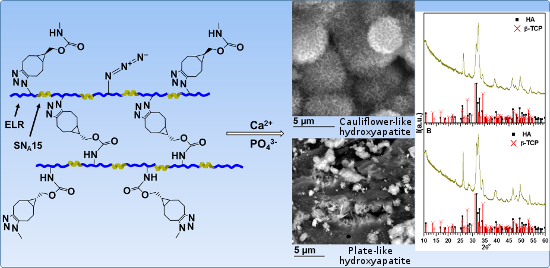
- morphology in natural bone, with the individual rods being roughly aligned parallel to one another throughout the collagen matrix [5][6][7]. β-TCP is a resorbable and degradable synthetic material that can be replaced by naturally re-grown bone tissue [2][3]. As a result, HA and β-TCP have already been used
- the HA formation (JCPDS 01-072-1243). Therefore, the mineralization is kinetically driven where a transient phase β-TCP is formed and eventually transformed into HA. It is worthwhile mentioning that CP precipitation in collagen matrices is also kinetically driven, with transient precursors such as ACP



Silicon microgrooves for contact guidance of human aortic endothelial cells
Beilstein J. Nanotechnol. 2017, 8, 675–681, doi:10.3762/bjnano.8.72
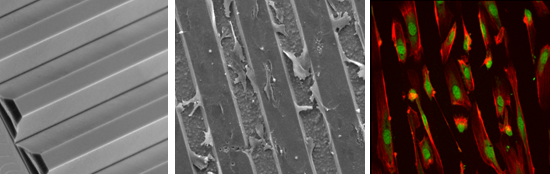
- aim of this work was to prepare different collagen-coated silicon substrates displaying grooves and ridges to mimic the aligned and elongated endothelium found in linear vessels, and to use them as substrates to study cell growth and behaviour. Results: The influence of groove-shaped substrates on
- that allows one to link bioconjugators such as collagen [30]. Collagen is an attractive tool for biomedical applications as it is the most abundant protein in mammalian tissues [31]. We have recently reported the development of collagen-coated silicon-based microstructures, classified as nanoporous
- , macroporous and micropillars, to study the effect of topography on the behaviour of endothelial cells. Collagen was found to stimulate cell adhesion and promote an enhanced cell attachment [32][33]. Herein, to mimic the elongated endothelium in natural lineal vessels, human aortic endothelial cells (HAECs


Uptake of the proteins HTRA1 and HTRA2 by cells mediated by calcium phosphate nanoparticles
Beilstein J. Nanotechnol. 2017, 8, 381–393, doi:10.3762/bjnano.8.40
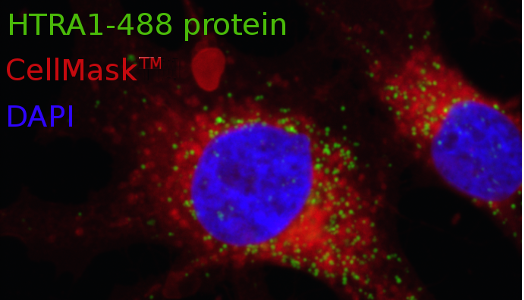
- cells and a decreased tumour growth have been observed upon HTRA1 overexpression [33][34]. A wide range of extracellular matrix proteins has been reported as substrates of the protease HTRA1. Among them are fibronectin, decorin, fibromodulin, aggrecan, type ii collagen, biglycan, clusterin, ADAM9


Nano- and microstructured materials for in vitro studies of the physiology of vascular cells
Beilstein J. Nanotechnol. 2016, 7, 1620–1641, doi:10.3762/bjnano.7.155
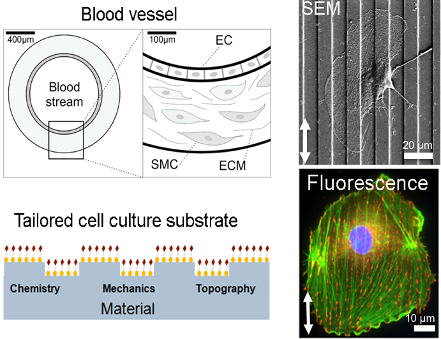
- . Additional examples for materials are listed in Table 1 and in some other review articles [4][5][46][47][71][86][87] Polymers from natural sources can be divided in either protein-based (e.g., collagen, fibrin, matrigel, elastin), polysaccharide-based (e.g., hyaluronic acid, chitin, agar, dextran, alginate
- as fibronectin, laminin, collagen and vitronectin [151][152][153][154]. One has to keep in mind, that in most in vitro and particularly in in vivo environments plenty of different proteins are getting in contact with the surface and alter the initial coating, thus making it difficult to maintain



Possibilities and limitations of advanced transmission electron microscopy for carbon-based nanomaterials
Beilstein J. Nanotechnol. 2015, 6, 1541–1557, doi:10.3762/bjnano.6.158
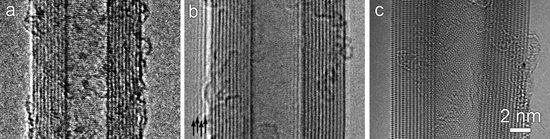
- responsible for its extraordinary mechanical properties [19][20][21]. In the materials mentioned above, nano-structured carbon was used as an essential part to tailor their properties and characteristics. Carbon nanoparticles are mixed with collagen-derived animal glue to achieve a high homogeneity when


Tattoo ink nanoparticles in skin tissue and fibroblasts
Beilstein J. Nanotechnol. 2015, 6, 1183–1191, doi:10.3762/bjnano.6.120
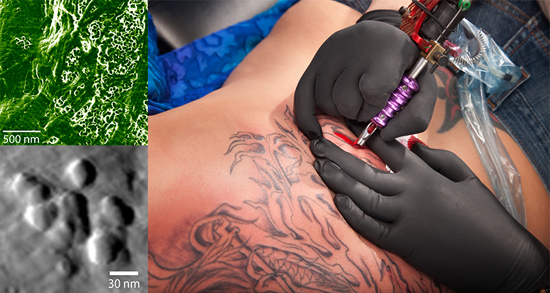
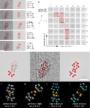
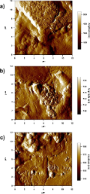
- products. This study examines tattoo ink particles in two fundamental skin components at the nanometre level. We use atomic force microscopy and light microscopy to examine cryosections of tattooed skin, exploring the collagen fibril networks in the dermis that contain ink nanoparticles. Further, we
- numbers of tattoo parlours opening for business. However, despite this striking cultural shift we know very little about the biochemical reactivity of ink particles with skin cells and tissues (including some of the key constituent components, e.g., fibroblasts and associated collagen fibrillar networks
- the resultant bleeding to form a clot. Then the skin tissue swells (edema) followed by a migration of immune system cells to the wound site (neutrophils and macrophages) in order to phagocytose foreign substances, cell debris and microbes. Any damaged collagen in the wounded papillary dermis is then


Mandibular gnathobases of marine planktonic copepods – feeding tools with complex micro- and nanoscale composite architectures
Beilstein J. Nanotechnol. 2015, 6, 674–685, doi:10.3762/bjnano.6.68
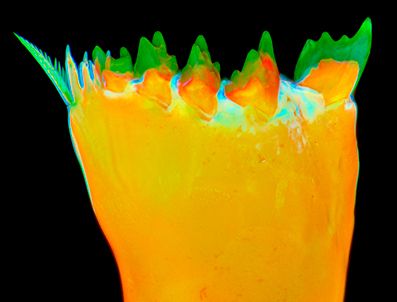
- siliceous teeth is consistent with the mineral α-cristobalite [33]. In nature, silica biomineralisation typically takes place on organic matrices composed of compounds such as chitin and collagen that are preferential sites for nucleation and control the formation of the silica structures [35]. Siliceous


Pulmonary surfactant augments cytotoxicity of silica nanoparticles: Studies on an in vitro air–blood barrier model
Beilstein J. Nanotechnol. 2015, 6, 517–528, doi:10.3762/bjnano.6.54
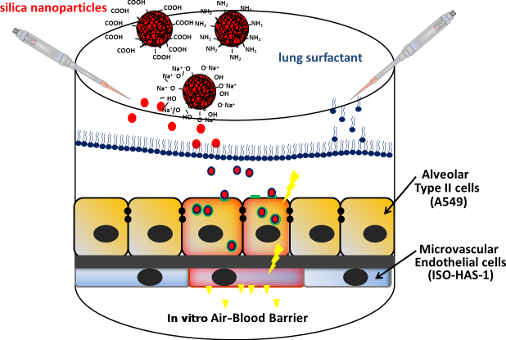
- coated on both sides with rat tail collagen type-I (12.12 µg/cm2, BD Biosciences, Heidelberg, Germany). ISO-HAS-1 cells (2.1 × 10⁴/well 6.9 × 10⁴/cm2) were seeded on the lower surface of the inverted filter membrane. After 2 h of adhesion at 37 °C and 5% CO2, A549 (1.1 × 10⁴/well 3.6 × 10⁴/cm2) were


Overview about the localization of nanoparticles in tissue and cellular context by different imaging techniques
Beilstein J. Nanotechnol. 2015, 6, 263–280, doi:10.3762/bjnano.6.25
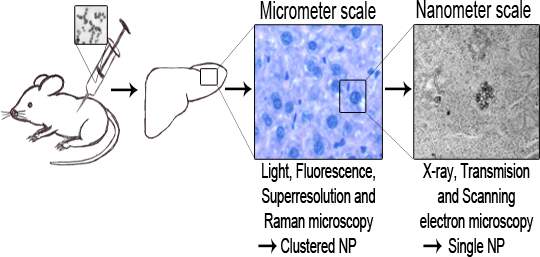
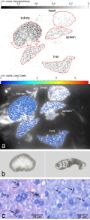
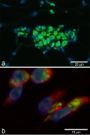
- typically caused by collagen and other autofluorescent structures of tissues is dramatically reduced [92]. NIR light penetrates deeper into biological tissue and thus in vivo tracking of UCNP holds promising applications [93]. The properties, synthesis as well as options of modifications and applications of
- phenomenon of autofluorescence by endogenous fluorophores, e.g., NAD(P)H, collagen, melanin, and keratin [104] or due to tissue preparation artifacts may result in difficulties to distinguish a fluorescent signal yielded by fluorochromes from autofluorescence with conventional color cameras [105]. The
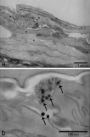
- [39][43][155] and endogenous structures, such as collagen fibers or immune cell granules must be distinguished from NP, requiring a deep understanding of normal and diseased cellular ultrastructure which is the typical domain of a pathologist [20]. Due to its high resolution, TEM is typically employed



Increasing throughput of AFM-based single cell adhesion measurements through multisubstrate surfaces
Beilstein J. Nanotechnol. 2015, 6, 157–166, doi:10.3762/bjnano.6.15
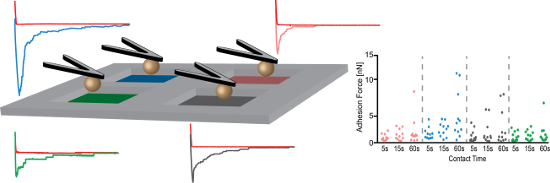
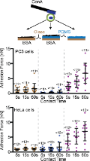
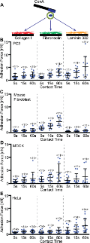
- matrix proteins, fibronectin, collagen I and laminin 332, was examined. The adhesion of each cell line to different matrix proteins was found to be distinct; no two cell lines adhered equally to each of the proteins. The PDMS masks improved the throughput limitation of single-cell force spectroscopy and
- allowed for experiments that previously were not feasible. Since the masks are economical and versatile, they can aid in the improvement of various assays. Keywords: atomic force microscopy; cell adhesion; collagen I; fibroblasts; fibronectin; HeLa; laminin; MDCK; PC3; single cell assay; single cell
- include studies of the adhesion of two Dictyostelium discoideum cells via glycoproteins [26], dendritic cells via activated leukocyte cell adhesion molecules [17], Chinese hamster ovary cells to collagen I via α2β1-integrins [22], pre-osteoblasts to denatured collagen I via α5β1-integrins and integrins


Multifunctional layered magnetic composites
Beilstein J. Nanotechnol. 2015, 6, 134–148, doi:10.3762/bjnano.6.13
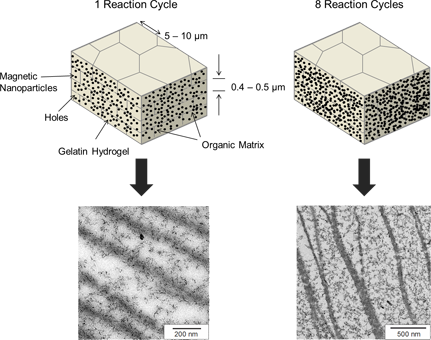
- the particle size. Simulation studies show the potential of collagen and chitin to act as nucleators, where there is a slight preference of chitin over collagen as a nucleator for magnetite. Colloidal-probe AFM measurements demonstrate that introduction of a ferrogel into the chitin matrix leads to a
- , we performed molecular simulation studies of FeII(OH)2 and FeIII(OH)3 motif association to two sets of biomolecular matrices. To allow direct comparison to our previous study on collagen-based composites [34][43], the association of an iron hydroxide ion cluster to collagen (mimicked by a triple
- FeII(OH)2 and FeIII(OH)3 ion clusters was investigated in vacuum. From a series of docking runs we found practically equivalent protein–ion complexes for either collagen or chitin. However, the nature of these complexes was found to differ significantly upon relaxation in aqueous solution. Figure 9





Chemoselective silicification of synthetic peptides and polyamines
Beilstein J. Nanotechnol. 2015, 6, 103–110, doi:10.3762/bjnano.6.10
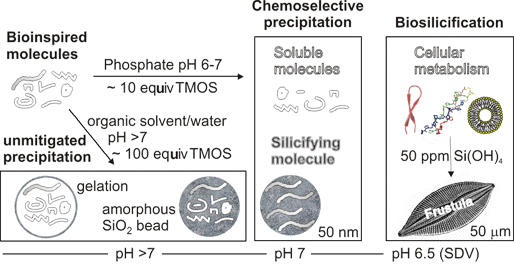
- oligopropylenamines [6], polycationic peptides [7], proteins [8], and polysaccharides [9]. Even higher contents of organic material are found in sponges in which the biosilica is associated with collagen-type proteins [10]. The common feature of all these organic molecules is their modular assembly. We and others




PVP-coated, negatively charged silver nanoparticles: A multi-center study of their physicochemical characteristics, cell culture and in vivo experiments
Beilstein J. Nanotechnol. 2014, 5, 1944–1965, doi:10.3762/bjnano.5.205

- have investigated whether STXM can be applied to investigate the cellular uptake process of silver nanoparticles in human mesenchymal stem cells (hMSC). For this purpose, hMSC were grown on collagen-coated Si3N4-membranes and incubated for 24 h with O2-free aqueous dispersions of silver particles (c


The cell-type specific uptake of polymer-coated or micelle-embedded QDs and SPIOs does not provoke an acute pro-inflammatory response in the liver
Beilstein J. Nanotechnol. 2014, 5, 1432–1440, doi:10.3762/bjnano.5.155
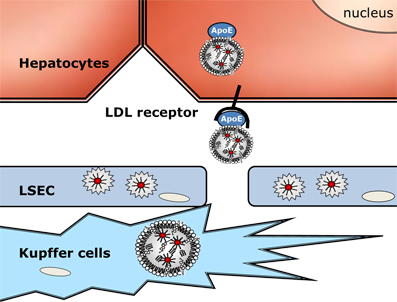
- -inflammatory factors such as TNFα, a cytokine, provoking collagen synthesis and fibrosis [34]. To clarify the quantitative role of Kupffer cells for potential harmful effects of injected nanocrystals, clodronate containing liposomes were injected to ablate Kupffer cell populations in the liver selectively [35


Nanodiamond-DGEA peptide conjugates for enhanced delivery of doxorubicin to prostate cancer
Beilstein J. Nanotechnol. 2014, 5, 937–945, doi:10.3762/bjnano.5.107
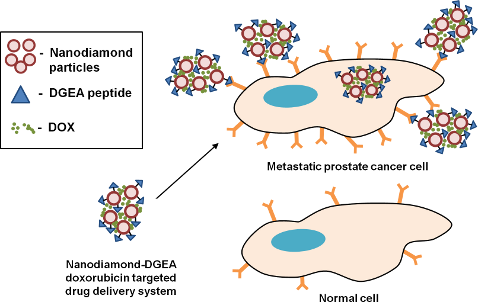
- to residues 435 to 438 of the type I collagen [34]. To our knowledge, current literature does not report the use of DGEA for improving drug delivery in cancers over-expressing α2β1, despite the abilities of DGEA to facilitate in vivo imaging of α2β1 integrins in cancers [31][35]. Thus in the current


Biocalcite, a multifunctional inorganic polymer: Building block for calcareous sponge spicules and bioseed for the synthesis of calcium phosphate-based bone
Beilstein J. Nanotechnol. 2014, 5, 610–621, doi:10.3762/bjnano.5.72
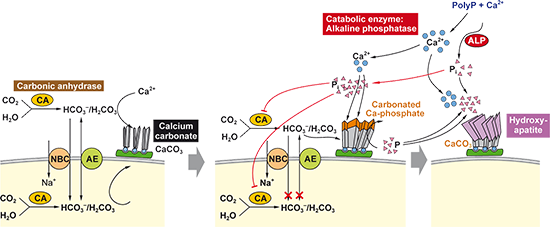
- process between osteoblasts and fibrillar organic structures that starts from collagen fibrils around which poorly crystalline carbonated apatite aggregates are deposited [25][26]. Carbonated apatite are deposits in which carbonate ions (CO32−) reversibly substitute either phosphate (PO43−) or hydroxyl



Effect of spherical Au nanoparticles on nanofriction and wear reduction in dry and liquid environments
Beilstein J. Nanotechnol. 2012, 3, 759–772, doi:10.3762/bjnano.3.85
- release of this agent on contact with hydrocarbons is used as an indication of the presence of oil on recovery of the nanoparticles [10]. In contaminant removal, nanocomposites composed of collagen and superparamagnetic iron-oxide nanoparticles (SPIONs) have been investigated. The collagen selectively




Focused electron beam induced deposition: A perspective
Beilstein J. Nanotechnol. 2012, 3, 597–619, doi:10.3762/bjnano.3.70


Nano-FTIR chemical mapping of minerals in biological materials
Beilstein J. Nanotechnol. 2012, 3, 312–323, doi:10.3762/bjnano.3.35
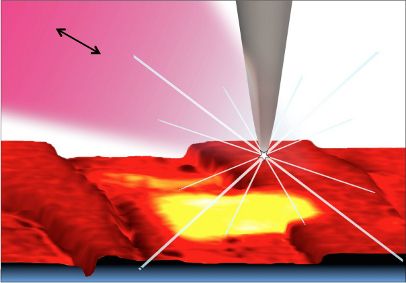
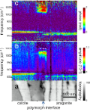
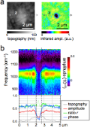
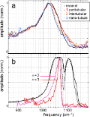
- protein (collagen) or carbonate distributions, usually revealing considerable spatial variation. Moreover, the apatite band exhibits a weak spectral substructure, evident from Fourier self-deconvolution [1]. It reveals relative weights of apatite species that are assigned, with the help of chemical and X
- range [16][37]. Here, we explore dentine, a mineralized collagen-fibril-based [37] biological composite that supports enamel and is similar to bone, but does not remodel and does not contain cells. Dentin contains extensions of the pulp cells, which reside in ca. 1 µm thick tubules that are often
- surrounded by 1 to 2 µm thick mineralized sheaths devoid of collagen. Tubules of teeth are known to branch into nano-tubuli [38] and are easily observed on perpendicularly cut sections. Figure 7 shows a 10 × 10 µm2 area surrounding a typical tubule (filled with PMMA, see methods) inside the tooth