


Search results
Search for "contact" in Full Text gives 1252 result(s) in Beilstein Journal of Nanotechnology. Showing first 200.
Ambient pressure XPS at MAX IV
Beilstein J. Nanotechnol. 2025, 16, 1677–1694, doi:10.3762/bjnano.16.118
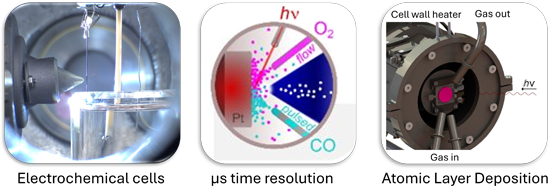
- meniscus must be thin enough to allow photoelectrons to escape, yet thick enough to maintain electrical contact. The meniscus thickness depends on factors such as the wetting properties of the WE, liquid viscosity, surface tension, and pulling speed. This geometry enables true operando studies of solid





Prospects of nanotechnology and natural products for cancer and immunotherapy
Beilstein J. Nanotechnol. 2025, 16, 1644–1667, doi:10.3762/bjnano.16.116
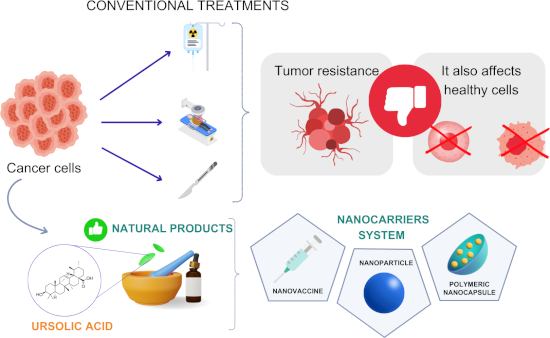
- by Li et al. discussed patent CN115671277 [94]. Nanoparticles Nanoparticles are materials with at least one dimension ranging from 1 to 999 nm [95]. This technology possesses a high contact surface, a high concentration of surface-active centers, and low toxicity due to promoting a reduction in the
- glycolysis, reducing angiogenesis, and promoting the degradation of oncogenic proteins [162][163]. The invention proposes the use of carbon dots (CDs) loaded with BER as an API, with a sustained drug release that increases upon contact with the acidic conditions surrounding tumors. Both non-loaded CDs and


Venom-loaded cationic-functionalized poly(lactic acid) nanoparticles for serum production against Tityus serrulatus scorpion
Beilstein J. Nanotechnol. 2025, 16, 1633–1643, doi:10.3762/bjnano.16.115
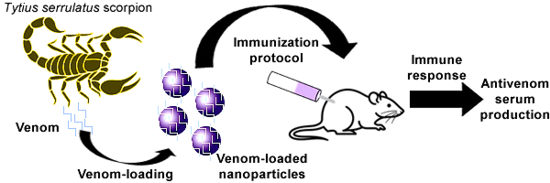
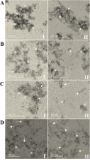
- desiccator for 24 h. The images were obtained with a silicon tip, operating in the attractive region of a cantilever in non-contact mode. For the FEGSEM analyzes, a drop of dispersion was placed in a microscope slide with carbon tapes and dried under a desiccator for 24 h [46]. Protein-loading efficiency The


Nanotechnology-based approaches for the removal of microplastics from wastewater: a comprehensive review
Beilstein J. Nanotechnol. 2025, 16, 1607–1632, doi:10.3762/bjnano.16.114
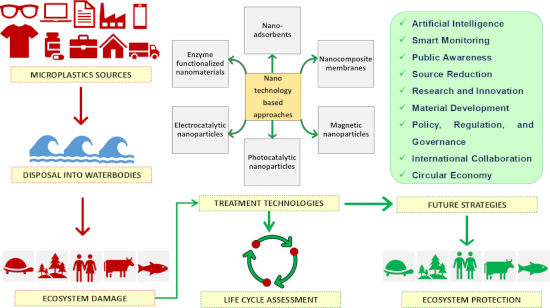
- contact angle decreasing from 84.6° ± 1° to 64.2° ± 1.2°), work of adhesion, wetting energy, porosity, and pore dimensions. Among various loadings, the membrane with 0.5 wt % MIL-100 (Fe) (M0.5) showed the best overall performance. It delivered a pure water flux over ten times higher than M0 and achieved


Bioinspired polypropylene-based functionally graded materials and metamaterials modeling the mistletoe–host interface
Beilstein J. Nanotechnol. 2025, 16, 1592–1606, doi:10.3762/bjnano.16.113
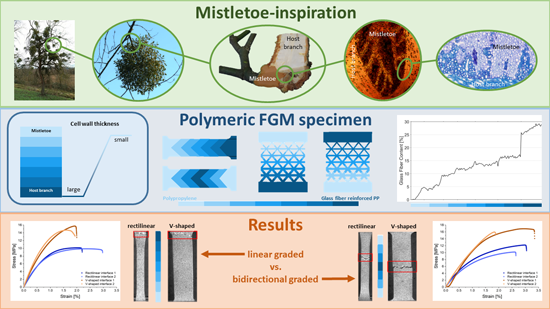
- tissues of the two species. Moreover, a decrease in cell wall thickness from the interface to the inner parts of the mistletoe was found [30]. The material and geometric structuring of the interface increase the contact area and enable a smooth transition between the different mechanical properties of the
- between PP and PPFG. The subsections were assumed to be bonded to one another through contact conditions. The bottom sides of the structure were considered as fixed (clamped) supports without any displacement and rotation, and the loading was applied as a ramped displacement from 0 to 5 mm at the top edge


Photocatalytic degradation of ofloxacin in water assisted by TiO2 nanowires on carbon cloth: contributions of H2O2 addition and substrate absorbability
Beilstein J. Nanotechnol. 2025, 16, 1567–1579, doi:10.3762/bjnano.16.111
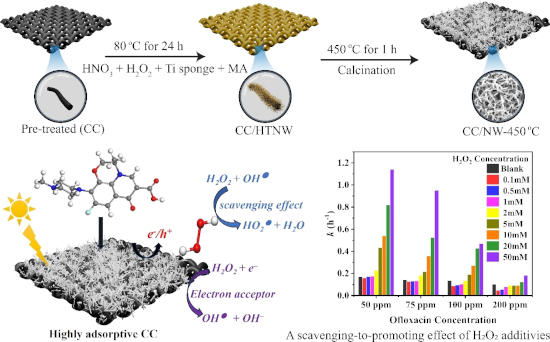
- of as-precipitated nanowires in air at a heating rate of 10 K·min−1 from room temperature to 500 °C. The static water contact angles were measured using a goniometer (OCA 11, DataPhysics Instruments GmbH, Filderstadt, Germany) following the standard sessile drop method. The measurements were
- capability The contact angle measurements in Supporting Information File 1, Figure S9 reveal distinct differences in surface wettability among the samples. The pristine carbon cloth shows a high contact angle of approximately 138.9°, indicating strong hydrophobicity (Supporting Information File 1, Figure S9b
- ). Remarkably, the CC/NW-450 °C composite exhibits a contact angle of 0° (Supporting Information File 1, Figure S9c), showing complete wettability. This significant enhancement in hydrophilicity is attributed to the high surface roughness and porous hydrophilic nanowire architecture formed on the carbon cloth


Modeling magnetic properties of cobalt nanofilms used as a component of spin hybrid superconductor–ferromagnetic structures
Beilstein J. Nanotechnol. 2025, 16, 1557–1566, doi:10.3762/bjnano.16.110
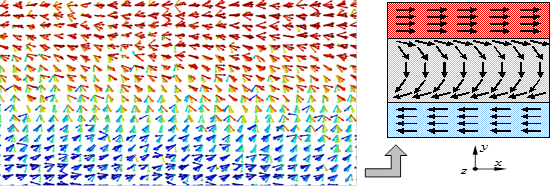
- contact from a multilayer nanostructure” (methodology for modeling magnetic properties) and with the financial support of the Russian Science Foundation (project No. 23-72-30004) (research at ultra-low temperatures) and the project No. 020201 of the Moldova State Program “Nanostructures and advanced


Dendrimer-modified carbon nanotubes for the removal and recovery of heavy metal ions from water
Beilstein J. Nanotechnol. 2025, 16, 1522–1532, doi:10.3762/bjnano.16.107

- adsorbents for both Pb2+ and Cd2+ ions. The impact of contact time on the Pb2+ and Cd2+ ion adsorption efficiency was also investigated (Figure 3d). Each adsorbent showed increased adsorption efficiency for both the metal ions in the case of longer contact time ranging from 0 to 240 min. This behavior
- suggests that longer time is favorable for metal ions to be adsorbed onto the surface of dendrimerized CNTs. However, the adsorption efficiency reached a plateau after 120 min, implying an equilibrium between adsorption and desorption processes. Accordingly, 120 min was chosen as the optimal contact time
- of CNTs, CNTs-MA, CNTs-G0, CNTs-G1, CNTs-G2, CNTs-G3, and CNTs-G5; and (d) TGA curves of CNTs, CNTs-G0, CNTs-G1, CNTs-G2, CNTs-G3, and CNTs-G5. SEM images of (a) CNTs, (b) CNTs-G1, (c) CNTs-G3, and (d) CNTs-G5. Effect of (a, b) adsorbents dosage, (c) solution pH, and (d) contact time on the removal


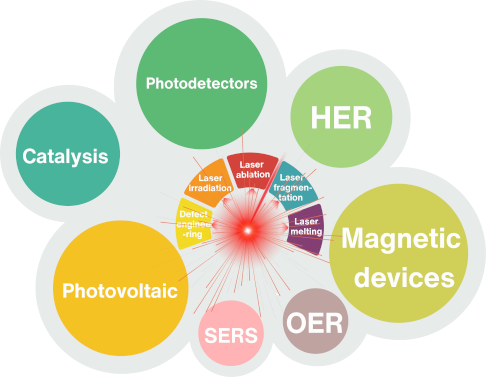
Laser processing in liquids: insights into nanocolloid generation and thin film integration for energy, photonic, and sensing applications
Beilstein J. Nanotechnol. 2025, 16, 1428–1498, doi:10.3762/bjnano.16.104






Parylene-coated platinum nanowire electrodes for biomolecular sensing applications
Beilstein J. Nanotechnol. 2025, 16, 1392–1400, doi:10.3762/bjnano.16.101
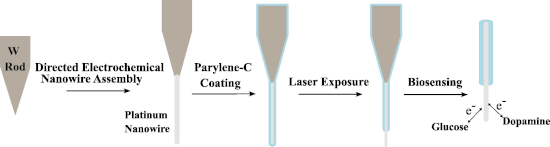
- was gradually increased to 20–75 µm to prevent contact between the growing nanowire and the counter electrode, which leads to a short circuit and damages the nanowire. Parylene-C coating The parylene-C coating system was a modified version of the setup from Gluschke and colleagues [33]. As shown in


Synthesis and antibacterial properties of nanosilver-modified cellulose triacetate membranes for seawater desalination
Beilstein J. Nanotechnol. 2025, 16, 1380–1391, doi:10.3762/bjnano.16.100
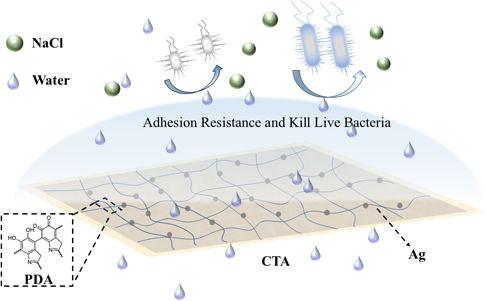
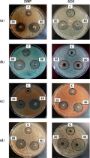
- , Bacillus thuringiensis, Lysinibacillus xylanilyticus, Lysinibacillus lparviboronicapiens and Burkholderia ambifaria after 24 h of contact of the membrane with the above bacteria. The modified membrane of Ag@PCTA demonstrates significant disinfection and sterilization effects on all tested strains


Acrocomia aculeata oil-loaded nanoemulsion: development, anti-inflammatory properties, and cytotoxicity evaluation
Beilstein J. Nanotechnol. 2025, 16, 1277–1288, doi:10.3762/bjnano.16.93
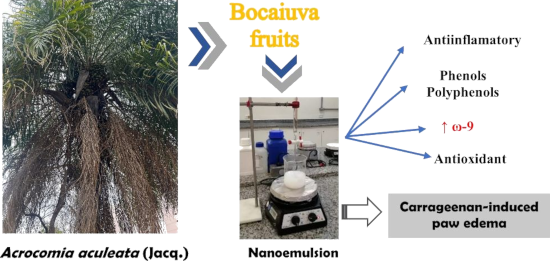
- ) was used as a positive control, whereas cells from the culture without the nanoemulsion served as a negative control. Different concentrations of the nanoemulsion (1.65, 3.30, 6.60, 12.5, 25, 50, and 100 μg/mL) were added to the cultured cells and kept in contact for 24 h. Assays were performed in


Hydrogels and nanogels: effectiveness in dermal applications
Beilstein J. Nanotechnol. 2025, 16, 1216–1233, doi:10.3762/bjnano.16.90
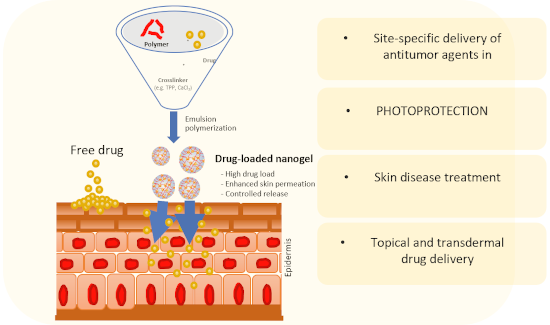
- have emerged as promising alternatives for various medical purposes, including skin [7], nasal [4], and eye [8] applications. The evolution of ocular contact lenses, for example, has benefited from the development of hydrogels [9][10]. Hydrogels can be described as cross-linked polymeric networks
- -linking bonds that break when exposed to a lower pH range [214], resulting in the release of the drug at the target site. This pH-responsive behavior culminates in two favorable outcomes: decrease of side effects by reducing drug contact with healthy tissues, and potentiation of the therapeutic effect of


Chitosan nanocomposite containing rotenoids: an alternative bioinsecticidal approach for the management of Aedes aegypti
Beilstein J. Nanotechnol. 2025, 16, 1197–1208, doi:10.3762/bjnano.16.88
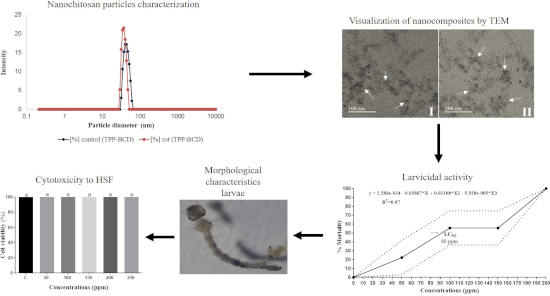
- of 1 cm−1 and an accumulation of 35 scans per spectrum. A compressive force of 15 N was applied to the samples during measurement to ensure proper contact with the ATR crystal surface. Quantification of rotenoids by high-performance liquid chromatography The quantification of rotenoids was performed



Mechanical stability of individual bacterial cells under different osmotic pressure conditions: a nanoindentation study of Pseudomonas aeruginosa
Beilstein J. Nanotechnol. 2025, 16, 1171–1183, doi:10.3762/bjnano.16.86
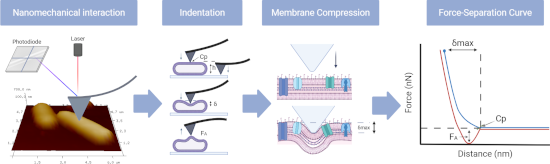
- from hypotonic to hypertonic solutions suggest a softening of the outer envelope, which we associate with intense dehydration and membrane separation between inner and outer envelopes. Application of a contact mechanics model to account for the minute differences in mechanical behavior upon deformation
- investigated sample [11][43][44]. The force–volume (FV) mode allows for mapping surface physical parameters of the analyzed sample via controlled nanoindentations on a pre-programmed grid on the sample surface [44][45][46][47]. In conventional scanning modes (e.g., contact and tapping) the changes in
- a NanoScope V controller operated in fluid conditions throughout all experiments, using a pre-assembled fluid chamber with the appropriate solutions within a sealed O-ring. The instrument was operated in contact mode using MLCT probes from Bruker, cantilever D with a nominal spring constant of 0.03


Deep learning for enhancement of low-resolution and noisy scanning probe microscopy images
Beilstein J. Nanotechnol. 2025, 16, 1129–1140, doi:10.3762/bjnano.16.83
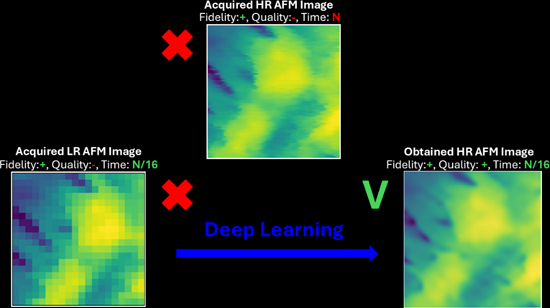
- minutes are typically required for each scan. Second, AFM scans can contain inherent artifacts in the captured image due to the operating system settings or the sample and its interaction with the tip. In principle, tip–surface contact should be carefully controlled to avoid damage due to these
- transforming an image of 128 × 128 pixels to 512 × 512 pixels, amounting to 16 times the total number of pixels. We note here that for some modes, such as contact mode or intermittent contact mode, the data is collected continuously and there is no acquisition time price paid for increased pixels in the fast


Single-layer graphene oxide film grown on α-Al2O3(0001) for use as an adsorbent
Beilstein J. Nanotechnol. 2025, 16, 1082–1087, doi:10.3762/bjnano.16.79
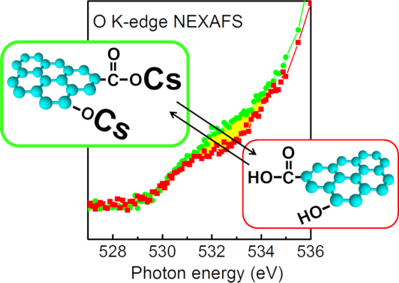
- . Then the SLGO surface was dipped into a 1.0 mol/L CsCl solution with the same pH values. The solutions were kept at room temperature. Both pH adjustment and CsCl solutions were added dropwise on the SLGO surface. The volumes of the solutions and contact times were 1 µL and 5 min, respectively. After Cs


Soft materials nanoarchitectonics: liquid crystals, polymers, gels, biomaterials, and others
Beilstein J. Nanotechnol. 2025, 16, 1025–1067, doi:10.3762/bjnano.16.77
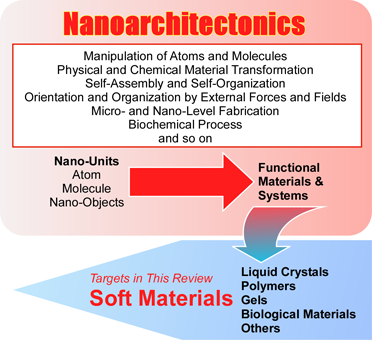
- is advantageous in terms of functionality, as it enables the generation of multiple types of information simultaneously without the need for direct contact. When linearly polarized light is applied, the excitation of condensed molecules can be directional. The orientation of molecules can be induced






Multifunctional properties of bio-poly(butylene succinate) reinforced with multiwalled carbon nanotubes
Beilstein J. Nanotechnol. 2025, 16, 1014–1024, doi:10.3762/bjnano.16.76
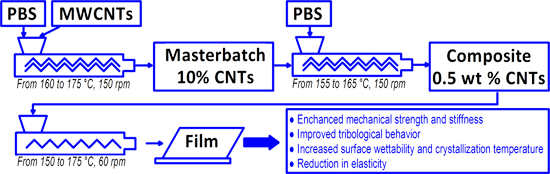
- roll, they exhibited different surface layer structures: a smooth surface (marked as “in”) on the side in contact with the cooling roll and a rough surface (marked as “out”) on the opposite side. The flat films obtained had a thickness of approximately 350 μm and a width of about 100 mm. A reference



Time-resolved probing of laser-induced nanostructuring processes in liquids
Beilstein J. Nanotechnol. 2025, 16, 968–1002, doi:10.3762/bjnano.16.74
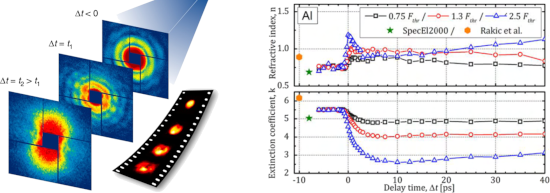
- cases deals with continuous cycling of a large ensemble of particles, which in contact with a liquid medium involves cooperative phenomena, such as heat dissipation, evaporation, creation of shock waves, or reorganization of formed products like fragmented clusters to new objects by ripening. Therefore
- , it is important to understand and quantify such processes that may occur concomitantly and will affect each other. First, we develop a basic hypothesis of how laser irradiation with significant energy deposition into the system of interest (for example an aqueous colloid or solid surface in contact


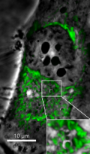
Shape, membrane morphology, and morphodynamic response of metabolically active human mitochondria revealed by scanning ion conductance microscopy
Beilstein J. Nanotechnol. 2025, 16, 951–967, doi:10.3762/bjnano.16.73
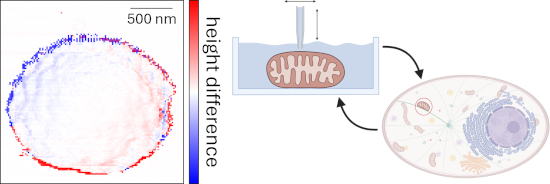
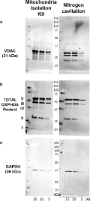
- , Rostock University Medical Center, 18057 Rostock, Germany 10.3762/bjnano.16.73 Abstract Mitochondrial network dynamics play a key role in enabling cells to adapt to environmental changes. Fusion and fission of mitochondria, as well as their contact with other organelles, are central processes
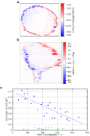
- diabetes mellitus [20][21]. While the inner mitochondrial membrane and its cristae structure have been extensively studied, comparatively little is known about the outer mitochondrial membrane. The outer membrane, in direct contact with the cytosol and the other organelles, plays a crucial role in cellular
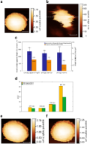
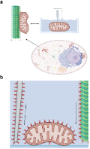
- topography is acquired. SICM is particularly well suited for biological applications, as it is a non-contact method with minimal interaction forces, preserving the native state of the sample [27]. To date, SICM investigations of mitochondria have been limited to subsarcolemmal mitochondria, specifically in



Tendency in tip polarity changes in non-contact atomic force microscopy imaging on a fluorite surface
Beilstein J. Nanotechnol. 2025, 16, 944–950, doi:10.3762/bjnano.16.72
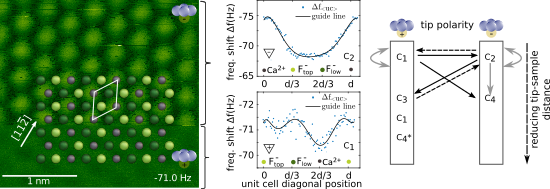
- Bob Kyeyune Philipp Rahe Michael Reichling Institut für Physik, Universität Osnabrück, Barbarastraße 7, 49076 Osnabrück, Germany 10.3762/bjnano.16.72 Abstract We investigate the impact of tip changes on atomic-scale non-contact atomic force microscopy (NC-AFM) contrast formation when imaging a
- . Keywords: atomic resolution imaging; calcium fluoride surface; interaction force; non-contact atomic force microscopy (NC-AFM); tip change; Introduction Non-contact atomic force microscopy (NC-AFM) [1] is a surface science tool that has been used to atomically resolve surfaces of semiconductor and
- tip apex in slight contact with the surface under investigation to form a tip cluster yielding atomic contrast [18]. As structure and chemical composition of the resulting tip-terminating cluster are not known, the understanding of contrast formation with non-functionalized tips has been developed


Focused ion beam-induced platinum deposition with a low-temperature cesium ion source
Beilstein J. Nanotechnol. 2025, 16, 910–920, doi:10.3762/bjnano.16.69
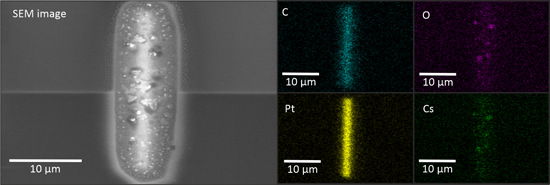
- average grain diameter grows from 1.9 to 5.8 nm when the beam energy increases from 2 to 16 kV. With larger grain diameters, the Pt-rich particles have larger surface areas in close contact. These larger surface areas help the current to flow more easily between the Pt deposits. Therefore, the deposit


Heat-induced transformation of nickel-coated polycrystalline diamond film studied in situ by XPS and NEXAFS
Beilstein J. Nanotechnol. 2025, 16, 887–898, doi:10.3762/bjnano.16.67
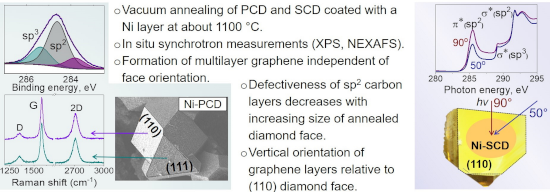
- -vacuum annealing at a temperature of about 1100 °C. To exclude the influence of impurities from the air, the annealed samples were examined in situ using XPS and NEXAFS without contact with the air. XPS and NEXAFS spectroscopy investigations of heat-induced transformation of the surface of bare and Ni
- bare PCD film and that with a nickel coating (denoted Ni-PCD) were placed on the same holder and simultaneously annealed in the vacuum chamber of the RGL-PES end-station of BESSY at 1100 °C for 15 min. After annealing, PCD and Ni-PCD films were cooled to room temperature without contact with air and


Synchrotron X-ray photoelectron spectroscopy study of sodium adsorption on vertically arranged MoS2 layers coated with pyrolytic carbon
Beilstein J. Nanotechnol. 2025, 16, 847–859, doi:10.3762/bjnano.16.64
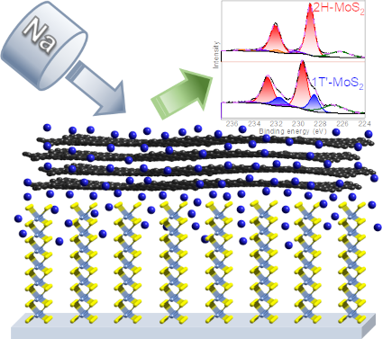
- structure without significant formation of Mo and Na2S [19]. The carbon coating improved the electrical contact between the MoS2 agglomerates, while the sandwich-like structure of MoS2-graphene facilitated the diffusion of sodium ions [20][21]. There are various possibilities to improve the properties of
- , after a total of 30 min of Na deposition, were annealed at 773 K for 30 min in UHV. After the annealing procedure, XPS spectra were recorded again. The samples after each step of Na deposition and annealing did not come into contact with air, their transfer between the analytical and preparation





