


Search results
Search for "development" in Full Text gives 1368 result(s) in Beilstein Journal of Nanotechnology. Showing first 200.
Chiral plasmonic nanostructures fabricated with circularly polarized light
Beilstein J. Nanotechnol. 2025, 16, 2245–2264, doi:10.3762/bjnano.16.154
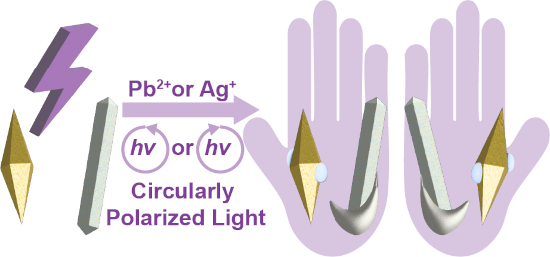
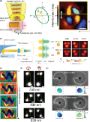
- . Additionally, the optical chirality at the near field is greater than that of the incident CPL, increasing the polarization selectivity of the interactions between molecules and CPL [17][18]. After more than two decades of development, the synthesis of cPNSs has evolved from nanolithography and self-assembly
- fundamental studies are needed to develop material platforms to advance more complicated commercial applications. Integrating nanolithography with CPL-induced solution synthesis can facilitate the construction of chiral metamaterials. This approach will accelerate material development and enhance the





Optical bio/chemical sensors for vitamin B12 analysis in food and pharmaceuticals: state of the art, challenges, and future outlooks
Beilstein J. Nanotechnol. 2025, 16, 2207–2244, doi:10.3762/bjnano.16.153
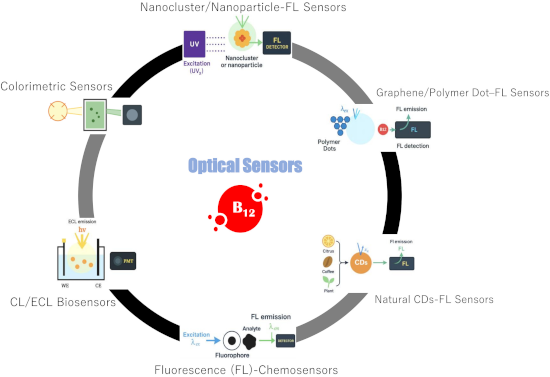
- dot (CD)- and quantum dot (QD)-based sensors). The advent of optical biosensing technologies has resulted in a new era for VB12 analysis, characterized by the development of innovative CD- and QD-based sensors. These nanomaterials offer several advantages over conventional methods, including enhanced
- ]. This water-soluble micronutrient is essential for improving brain and nervous system functions, blood cell development, bone health improvement, energy and DNA production, fertility and embryo development, control of neurological symptoms (e.g., stress, depression, dementia, and visual disturbances
- populations, vegetarians and vegans, pregnant women, and breastfeeding infants of VB12-deficient mothers, particularly in developing countries [10][38][39][40]. VB12 has a pivotal role in the development of the fetal and neonatal brain. Therefore, mothers with vegetarian and vegan diets should significantly


Missing links in nanomaterials research impacting productivity and perceptions
Beilstein J. Nanotechnol. 2025, 16, 2168–2176, doi:10.3762/bjnano.16.149
- internal research and development (R&D) programs focused on various aspects of nanomaterials. However, because their existing production and engineering infrastructures are heavily optimized for bulk materials, these companies are intentionally avoiding disruptive changes in instrumentation, processing
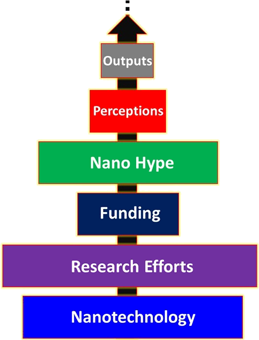
- . Unlike generative AI where a large portion of funding goes directly into product development and use, nanotechnology, still in a growing and exploratory phase has required considerable investment in physical infrastructure, metrology, safety protocols, and specialized facilities. These investments are
- . Although such funding adds to the nominal investment figures, it is frequently used to establish buildings and institutional branding rather than driving core scientific innovation and product development. These CSR contributions, especially when tied to tax benefits/political goodwill, rarely undergo
Microplastic pollution in Himalayan lakes: assessment, risks, and sustainable remediation strategies
Beilstein J. Nanotechnol. 2025, 16, 2144–2167, doi:10.3762/bjnano.16.148
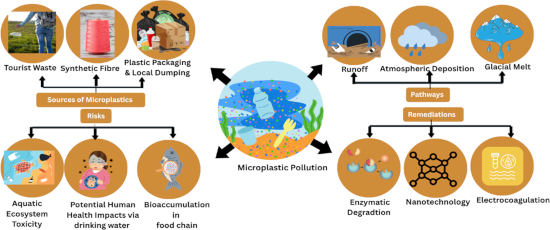
- Sameeksha Rawat S. M. Tauseef Madhuben Sharma Sustainability Cluster, School of Advanced Engineering, UPES, Dehradun, Uttarakhand, India Research & Development, UPES, Dehradun, Uttarakhand, India 10.3762/bjnano.16.148 Abstract Microplastic contamination is a newly emerging environmental problem
- also been used regarding Himalayan catchments to simulate subsurface flow and contaminant loading under varying climate and land use scenarios [22]. The models can be used to simulate MP transport in high-altitude lake basins, although particle-bound adaptations are under development. The melting of
- development of portable, low-cost systems for nanoscale analysis is a significant field of future studies [34]. 5 Remediation techniques 5.1 Overview of current technologies for microplastic removal Various physical, chemical, and biological methods are employed with the hope of effectively removing MPs from


Quality by design optimization of microemulsions for topical delivery of Passiflora setacea seed oil
Beilstein J. Nanotechnol. 2025, 16, 2116–2131, doi:10.3762/bjnano.16.146
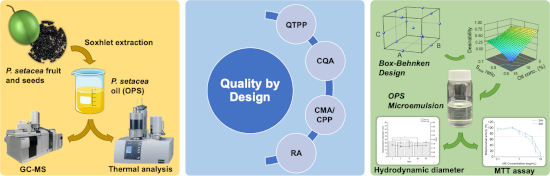
- of the physicochemical properties and interactions of their constituents [7][9]. In this context, the quality by design (QbD) framework provides a systematic and scientifically grounded approach for pharmaceutical formulation development. QbD emphasizes predefined quality objectives, product and
- for Passiflora setacea seed oil. QbD principles and experimental design methodologies were employed to guide formulation development. The microemulsion was designed to enhance physicochemical stability, improve skin application performance, and support future therapeutic applications. Results and
- formulation to ensure quality consistency. Experimental design for the development and optimization of Passiflora setacea microemulsion An initial exploratory 23 full factorial applied was employed to evaluate the effects and interactions among key formulation variables (see Supporting Information File 1


Rapid synthesis of highly monodisperse AgSbS2 nanocrystals: unveiling multifaceted activities in cancer therapy, antibacterial strategies, and antioxidant defense
Beilstein J. Nanotechnol. 2025, 16, 2105–2115, doi:10.3762/bjnano.16.145
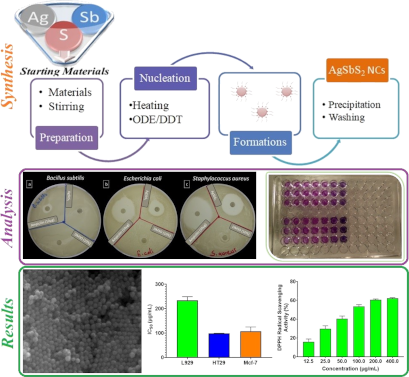
- years, the integration of science and technology has been well orchestrated to address challenges in medicine and health sciences and to evaluate therapeutic aspects [1]. This integration has contributed to the development of a more efficient healthcare system, innovative nanomedical tools and advanced
- , chemical, or biological attributes offer novel foundational elements for the design and development of devices and systems aimed at diagnosing and treating various diseases. Hence, nanoparticles or nanomaterials can be engineered to have various useful medical functions [4]. The assessment of the
- avenue for the development of targeted cancer therapies by leveraging this inherent selectivity. Although direct mechanistic assays such as ROS quantification or apoptosis marker analysis were not performed in this study, previous research on silver-based nanomaterials offers valuable insights into


Toward clinical translation of carbon nanomaterials in anticancer drug delivery: the need for standardisation
Beilstein J. Nanotechnol. 2025, 16, 2092–2104, doi:10.3762/bjnano.16.144

- enhancing therapeutic delivery, particularly in areas such as cancer treatment. This perspective highlights critical considerations in the development of CNM-based nanocarriers, spanning from initial design to clinical implementation. Keywords: carbon nanomaterials (CNMs); carbon nanoparticles (CNPs); drug
- Fund and the European Union [19]. Despite our understanding of preventable contributing factors, cancer remains a global burden, affecting over 10 million people annually. As of 2016, it is the leading cause of death in 55 countries (Figure 2), particularly those with high Human Development Index (HDI
- ) values. The higher cancer burden in high-HDI countries is attributed to the development of vaccines and treatments for infectious diseases and other causes of premature mortality [20][21]. With a 53% drop in cardiovascular disease mortality rates in countries with very high HDI between 1981–1985 and 2006



Molecular and mechanical insights into gecko seta adhesion: multiscale simulations combining molecular dynamics and the finite element method
Beilstein J. Nanotechnol. 2025, 16, 2055–2076, doi:10.3762/bjnano.16.141







Stereodiscrimination of guests in chiral organosilica aerogels studied by ESR spectroscopy
Beilstein J. Nanotechnol. 2025, 16, 2034–2054, doi:10.3762/bjnano.16.140
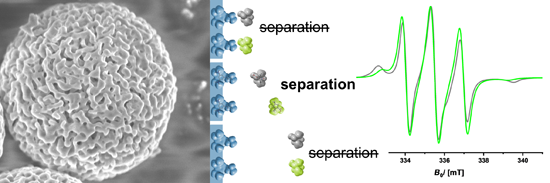
- electromagnetic properties, enabling the development of metamaterials with negative refractive indices or chiral photonic crystals, which can manipulate light in novel ways. Another exciting area of research in chiral materials is developing supports for enantioselective catalysis [5][6]. Enantiomers are




Beyond the shell: exploring polymer–lipid interfaces in core–shell nanofibers to carry hyaluronic acid and β-caryophyllene
Beilstein J. Nanotechnol. 2025, 16, 2015–2033, doi:10.3762/bjnano.16.139
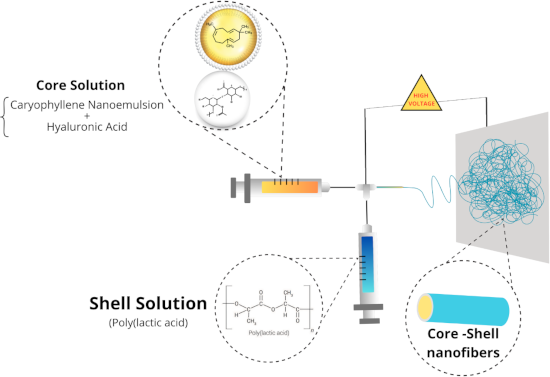
- biomaterials, recent decades have seen intensive research into novel therapeutic strategies for regenerative medicine [1][2][3][4]. Within this scenario, a pivotal current strategy in formulation development focuses on integrating nanocarriers with nanoscale three-dimensional biomaterials, enabling major
- conventional fibrous materials. Their flexibility in fabrication allows for integration into a broad range of applications, from drug delivery scaffolds to composite biomaterials, contributing to their increasing relevance in both scientific research and industrial development [11][12][13][14]. To leverage the
- -adherent dressings. However, for applications where cell adhesion is desired, surface modifications may be necessary. Thus, the data presented here significantly contribute to the understanding of polymer–lipid interactions in coaxial systems and pave the way for the development of multifunctional




Laser ablation in liquids for shape-tailored synthesis of nanomaterials: status and challenges
Beilstein J. Nanotechnol. 2025, 16, 1963–1997, doi:10.3762/bjnano.16.137
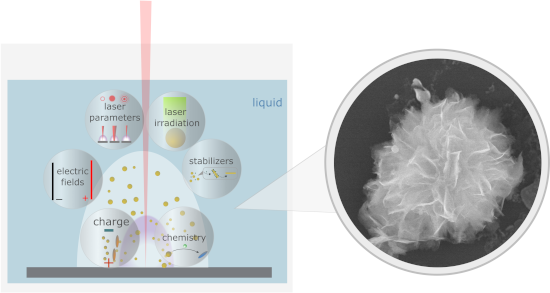
- stage of the development of laser ablation in liquids from the perspective of shape control of the forming nanomaterials. The key parameters influencing the NP shape are highlighted, including the composition of a liquid, laser focusing conditions and introduction of external fields, and the mechanism
- of their impact on the conditions for anisotropic NP formation and growth. The description of the methods developed for the control over nanomaterial morphology is summarized by the vision of the current challenges and development routes of laser ablation in liquids. Keywords: laser ablation in
- development of such fields as energy generation and storage, sensing, and catalysis. Another application area of nonspherical NPs stems from the shape dependencies of their optical properties. The shift of plasmonic bands to the near-infrared spectral range observed for high-aspect-ratio nanostructures, such




Mechanical property measurements enabled by short-term Fourier-transform of atomic force microscopy thermal deflection analysis
Beilstein J. Nanotechnol. 2025, 16, 1952–1962, doi:10.3762/bjnano.16.136
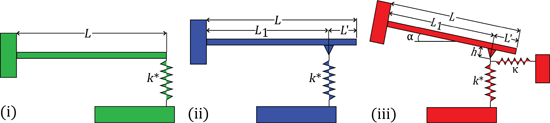
- bring physical meaning to the experimental data. Instead, in almost every example in the literature, the frequency variation is normalized to what is measured on a surface having known mechanical properties [5][9][10]. Alongside the development of CR-AFM and the analytical models used to describe the




Evaluating metal-organic precursors for focused ion beam-induced deposition through solid-layer decomposition analysis
Beilstein J. Nanotechnol. 2025, 16, 1942–1951, doi:10.3762/bjnano.16.135
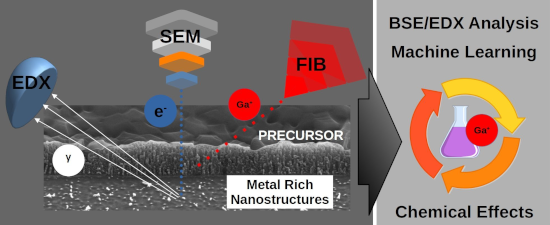
- Copernicus University in Toruń, Gagarina 7, 87-100 Toruń, Poland 10.3762/bjnano.16.135 Abstract The development of modern metal deposition techniques like focused ion/electron beam-induced deposition (FIBID/FEBID) relies heavily on the availability of metal-organic precursors of particular properties. To
- growth process, and greater flexibility in material selection (the ability to deposit a variety of different materials). The usage of ions opens new possibilities for materials development and applications [20][21]. Until now, the development of FEBID has relied on precursors used for chemical vapor
- study was conducted (pressure and cleanliness) differ significantly from those of a typical FIBID process [14]. To guide the development of more effective precursors for FEBID, a pre-screening strategy combining electron ionization mass spectrometry (EIMS) and volatility testing is typically applied


Quantum circuits with SINIS structures
Beilstein J. Nanotechnol. 2025, 16, 1931–1941, doi:10.3762/bjnano.16.134
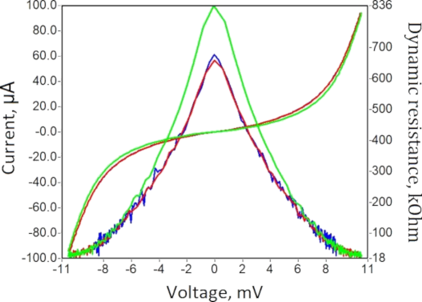
- problems in explaining results is that, when the injection rate of electrons exceeds the internal relaxation rate in the metal to be cooled, the electrons do not obey the Fermi–Dirac distribution, and the concept of temperature cannot be applied as such. This work is an exciting development towards a fully


PEGylated lipids in lipid nanoparticle delivery dynamics and therapeutic innovation
Beilstein J. Nanotechnol. 2025, 16, 1914–1930, doi:10.3762/bjnano.16.133
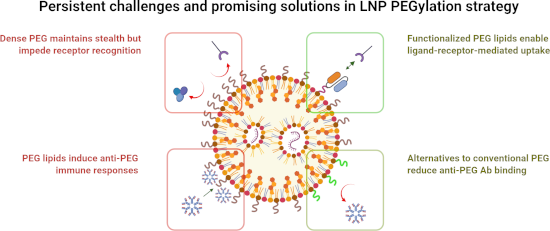
- development of promising alternatives to replace commonly used PEG lipids. By discussing the recent research findings, this review can serve as a guide to the design of surface-engineered or PEG-free LNPs to overcome the persist challenges in LNP delivery systems using conventional PEG lipids. Effects of PEG



Targeting the vector of arboviruses Aedes aegypti with nanoemulsions based on essential oils: a review with focus on larvicidal and repellent properties
Beilstein J. Nanotechnol. 2025, 16, 1894–1913, doi:10.3762/bjnano.16.132
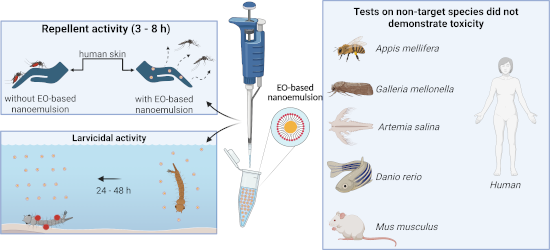
- solubility, high volatility, and intrinsic oxidation sensitivity. Thus, the development of novel formulations to efficiently deliver bioactives represents an innovative approach for Aedes aegypti control. In this context, nanothecnology provides smart formulations with improved drug solubility, controlled
- of multiple complementary approaches as an essential strategy for effective disease control. These include the rational use of chemical insecticides, aimed at minimizing the development of resistance; biological control, through the use of natural predators and larvicidal microorganisms such as
- context, the development of nanoemulsions based on essential oils emerges as a promising innovation within integrated control strategies, offering environmentally friendly larvicidal and repellent alternatives specifically targeted at Aedes aegypti [12][13][14]. Although chemical insecticides are


Programmable soliton dynamics in all-Josephson-junction logic cells and networks
Beilstein J. Nanotechnol. 2025, 16, 1883–1893, doi:10.3762/bjnano.16.131

- . This idea enables us to use the “flaws” of the structure as its important features, opening up a pathway to creating programmable and reconfigurable large circuits. An obvious and widely required application of this technology is in the development of superconductive programmable gate arrays (SPGAs
- flexibly repurposed for different algorithms by simply re-programming the routing paths, a paradigm central to the development of SPGAs. The true potential of this architecture, however, is most evident in its application as an axon-synaptic connection matrix for neuromorphic computing. The ability to
- the picosecond timescales of Josephson junction dynamics. However, this re-configuration time should be considered in the context of hardware development cycles. From this point of view, the re-configuration time is orders of magnitude lower than the time required to design, fabricate, and test a new


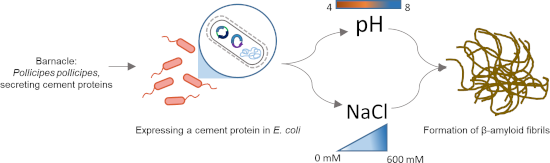
Self-assembly and adhesive properties of Pollicipes pollicipes barnacle cement protein cp19k: influence of pH and ionic strength
Beilstein J. Nanotechnol. 2025, 16, 1863–1872, doi:10.3762/bjnano.16.129
- Galway (https://imaging.universityofgalway.ie/imaging/) and the scientific and technical assistance of Dr. Éadaoin Timmins in TEM imaging. Funding This publication was supported by Taighde Éireann – Research Ireland (Science Foundation Ireland) and co-funded under the European Regional Development Fund


On the road to sustainability – application of metallic nanoparticles obtained by green synthesis in dentistry: a scoping review
Beilstein J. Nanotechnol. 2025, 16, 1851–1862, doi:10.3762/bjnano.16.128
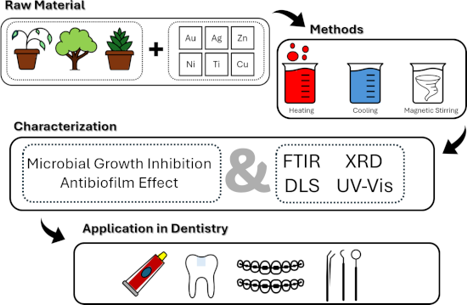
- ; sustainable development; Introduction Nanotechnology is an interdisciplinary field of science that involves the manipulation of materials at the nanoscale, typically ranging from 1 to 100 nm in inorganic nanomaterials, to generate structures with unique physicochemical properties [1][2][3]. Among the most
- development of antimicrobial compounds such as oral antiseptics and toothpastes with prolonged antimicrobial action, restorative materials (including composite resins and cements) with antibacterial properties, nanoparticle-reinforced sealants and fluoride varnishes for caries prevention, and antibiofilm


Current status of using adsorbent nanomaterials for removing microplastics from water supply systems: a mini review
Beilstein J. Nanotechnol. 2025, 16, 1837–1850, doi:10.3762/bjnano.16.127
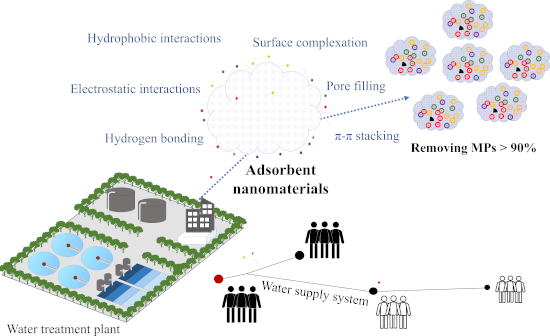
- material also maintained a stable removal efficiency of over 90% during a 3 month evaluation period [72]. Based on the conducted studies, aerogels and sponge-based adsorbents, with their high adsorption efficiency and defined mechanisms, show great promise for the removal of MPs. The continued development
- -term ecological impacts of nanomaterials remain understudied, particularly in soil environments. Future research directions and recommendations Future research should prioritize the development of advanced adsorbent nanomaterials that align with sustainable development goals and support a circular
- ]. Finally, along with the development of information technology, the application of artificial intelligence (AI) and machine learning (ML) can transform water treatment. Leveraging pattern detection, ML simplifies MP classification and enhances nanomaterial identification, improving research efficiency and


Phytol-loaded soybean oil nanoemulsion as a promising alternative against Leishmania amazonensis
Beilstein J. Nanotechnol. 2025, 16, 1826–1836, doi:10.3762/bjnano.16.126

- /). Funding The authors wish to thank the Brazilian National Council for Scientific and Technological Development (CNPq) for financial support (Grant: 308382/2017-0, 311209/2020-3) and Coordination for the Improvement of Higher Education Personal (CAPES) (code 01).


Piezoelectricity of layered double hydroxides: perspectives regarding piezocatalysis and nanogenerators
Beilstein J. Nanotechnol. 2025, 16, 1812–1817, doi:10.3762/bjnano.16.124

- future, systematic research into the effects of LDHs’ composition and structure on piezoelectric properties will be crucial to unlock their full potential. This mini-review aims to inspire the audience with valuable ideas for the development of new LDH-based piezoelectric materials, thereby contributing
- to the development of next-generation high-performance piezoelectric devices. Keywords: layered double hydroxides; nanogenerators; piezocatalysis; piezoelectricity; Introduction Given the ever-increasing global need to reduce dependence on fossil fuels, finding other ways to generate energy from

Electrical, photocatalytic, and sensory properties of graphene oxide and polyimide implanted with low- and medium-energy silver ions
Beilstein J. Nanotechnol. 2025, 16, 1794–1811, doi:10.3762/bjnano.16.123
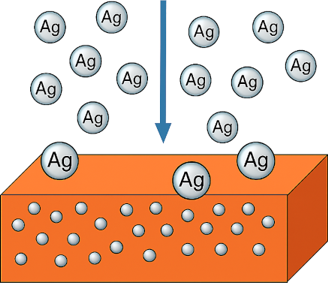
- for the precise introduction of implanted atoms into the surface layers without the need for subsequent chemical modification, thus opening new possibilities in the development of functional thin films. In this study, Ag ions were used to modify polymer matrices to improve chemical and electronic


Exploring the potential of polymers: advancements in oral nanocarrier technology
Beilstein J. Nanotechnol. 2025, 16, 1751–1793, doi:10.3762/bjnano.16.122
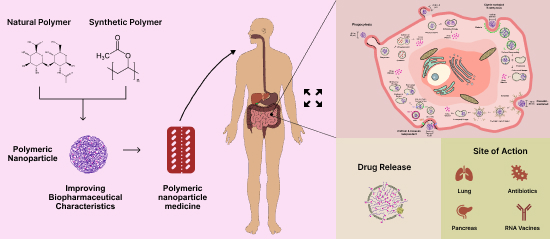
- response to internal signals (e.g., oxidation or reduction, enzymatic activity, or low acidity) or external stimuli such as light and temperature [26][27]. This delivery of active ingredients relies on differential biochemical changes, facilitating the development of more precise therapies with improved
- reference in formulation development, the design of PNs expands the delivery possibilities for drugs in all four BCS classes by overcoming limitations related to poor solubility or permeability [34]. Among the various techniques used for preparing NPs, the polymerization of monomers or dispersion of
- how targeted chemical modifications can enhance the encapsulation capacity and physicochemical protection of sensitive drugs. Such strategies are particularly relevant for the development of PNs for oral administration, where resistance to hydrolysis and oxidation in the gastrointestinal tract is


Advances of aptamers in esophageal cancer diagnosis, treatment and drug delivery
Beilstein J. Nanotechnol. 2025, 16, 1734–1750, doi:10.3762/bjnano.16.121
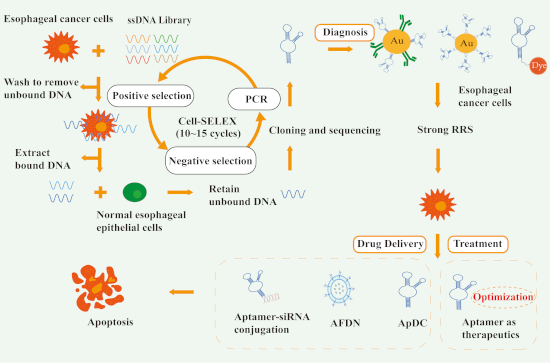
- lifestyle-related risk factors. However, the discovery of aptamers and the development of nanocarriers bring great benefits to the diagnosis, treatment, and targeted drug delivery of EC. Aptamers or peptide aptamers as biosensors or therapeutic agents for the diagnosis or treatment of EC, aptamer–drug
- researchers have led to the development of a noninvasive esophageal cancer screening method utilizing cfDNA methylation analysis [16]. While this innovation addresses the critical need for population-scale screening in China, its widespread implementation may be constrained by substantial economic costs
- development as a cost-effective, yet highly specific, molecular probe. Mass spectrometry analysis confirmed its target as a membrane-associated protein. Another study [57] showed that EpCAM was overexpressed in esophageal cancer samples, and the expression level of EpCAM was detected using antibodies or





