Search results
Search for "diffusion" in Full Text gives 773 result(s) in Beilstein Journal of Nanotechnology. Showing first 200.
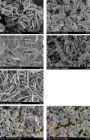
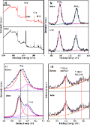
Enhancing the photoelectrochemical performance of BiOI-derived BiVO4 films by controlled-intensity current electrodeposition
Beilstein J. Nanotechnol. 2025, 16, 1289–1301, doi:10.3762/bjnano.16.94
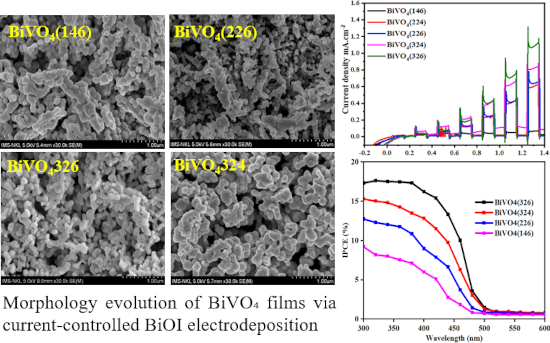
- )2 volumes, suggested improved charge separation and transport pathways. These voids facilitate the diffusion of the reactants and products, reducing the recombination rates and enhancing the water-splitting efficiency. The finer particle sizes and increased porosity, as observed for BiVO4(326



Hydrogels and nanogels: effectiveness in dermal applications
Beilstein J. Nanotechnol. 2025, 16, 1216–1233, doi:10.3762/bjnano.16.90
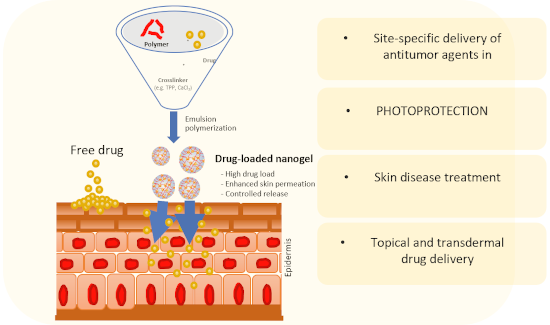
- partition coefficient, the diffusion coefficient, and the path to be taken by the molecule, mainly through SC [174][175][176]. Overall, it is possible to improve drug penetration through the skin by using three different approaches: (i) increasing the drug saturation in the vehicle [177], (ii) elevating the
- drug solubility in the SC [170], and/or (iii) enhancing the drug diffusion through the SC [169][178]. The first approach can be carried out by simply increasing the drug concentration in the vehicle or by changing the formulation to eventually decrease the drug solubility (i.e., by changing the
- thermodynamic activity of the system). Thus, the physicochemical properties related to the first approach involve only the interactions between drugs and vehicles. On the other hand, changing the drug solubility and/or its diffusion through SC is much more complex and comprises multiple interactions among drug


Investigation of the solubility of protoporphyrin IX in aqueous and hydroalcoholic solvent systems
Beilstein J. Nanotechnol. 2025, 16, 1209–1215, doi:10.3762/bjnano.16.89
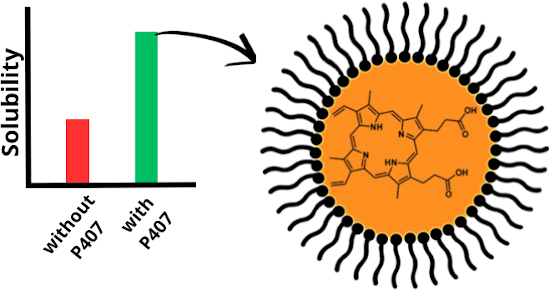
- min. The dissolution profiles of the micellar systems were also evaluated using the Korsmeyer–Peppas model with lag time (tlag), which indicated a Fickian diffusion mechanism, preceded by a thermodynamically driven accommodation stage of PpIX into the micelles. The solubility of PpIX ranged from 0.138
- lag time parameter in the model reflects the initial phase of micelle formation and the subsequent accommodation of PpIX into the micellar core, which precedes the diffusion-driven dissolution process [23]. Among the systems evaluated, water + P407 and EtOH77 + P407 exhibited the highest correlation
- coefficients (R = 0.9007 and 0.8935, respectively), indicating a strong fit and supporting the hypothesis of micelle-mediated stabilization of PpIX in these environments. The release exponent (n) values obtained were all smaller than 0.45, which is characteristic of Fickian diffusion. This suggests that the


Crystalline and amorphous structure selectivity of ignoble high-entropy alloy nanoparticles during laser ablation in organic liquids is set by pulse duration
Beilstein J. Nanotechnol. 2025, 16, 1141–1159, doi:10.3762/bjnano.16.84
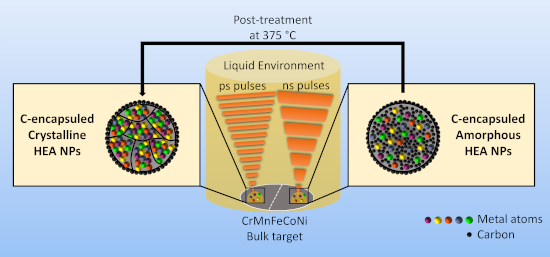
- amorphous structure of the HEA NP (Figure 5 (8)). Looking at the diffusing carbon atoms during the period of TL, we additionally calculated the mean square displacements (MSD) of diffusing carbon atoms by using diffusion coefficients of carbon in FeNi at high temperatures and high pressures as reported by
- Lin et al. [99]. Using the estimated durations of 15 ns for ns-LAL and 2 ns for ps-LAL, the MSD falls within the one-digit nanometer range for both cases, though the value for ns-LAL is three times higher than that for ps-LAL. Notably, the diffusion coefficients reported by Lin et al. were studied
- under conditions that come closer to ns-LAL than to ps-LAL (regarding temperature and pressure). Since diffusion coefficients are inversely proportional to pressure and directly proportional to temperature, it is important to note that the pressure in ps-LAL can be ten times higher than that in ns-LAL




Influence of ion beam current on the structural, optical, and mechanical properties of TiO2 coatings: ion beam-assisted vs conventional electron beam evaporation
Beilstein J. Nanotechnol. 2025, 16, 1097–1112, doi:10.3762/bjnano.16.81
- crucible. Diffusion and a rotary backing pumps enabled a base pressure in the vacuum chamber below 1.5·10−5 mbar. The operating pressure in the IBAD process was kept below 1.7·10−3 mbar, and the thin film coatings were deposited with an additional oxygen gas flow of 100 sccm. The ion beam gun (Advanced
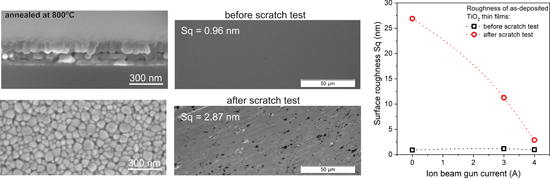
- coating, as the grains tend to grow due to recrystallization and diffusion processes, leading to changes in density and structure. The formation of a double-layer coating, as observed in the cross-section scanning electron microscopy image (inset in Figure 4c) of the annealed TiO2 coating deposited with




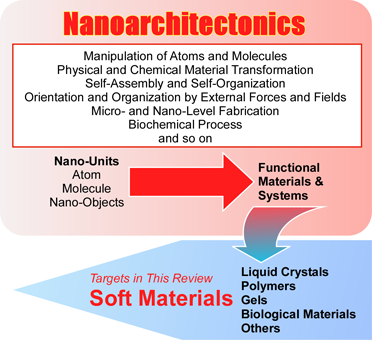
Soft materials nanoarchitectonics: liquid crystals, polymers, gels, biomaterials, and others
Beilstein J. Nanotechnol. 2025, 16, 1025–1067, doi:10.3762/bjnano.16.77
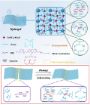
- system reverts to its original state. It was demonstrated that the gold nanorods are capable of significant lateral diffusion, exhibiting a considerable distance of movement. Hybrid materials comprising anisotropic nanoparticles and polymer brushes were designed and subjected to dynamic control






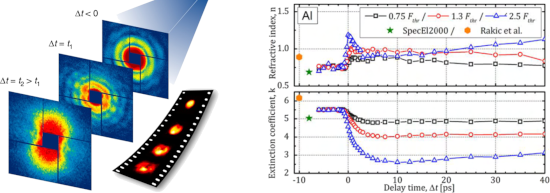
Time-resolved probing of laser-induced nanostructuring processes in liquids
Beilstein J. Nanotechnol. 2025, 16, 968–1002, doi:10.3762/bjnano.16.74


Synthesis of biowaste-derived carbon-dot-mediated silver nanoparticles and the evaluation of electrochemical properties for supercapacitor electrodes
Beilstein J. Nanotechnol. 2025, 16, 933–943, doi:10.3762/bjnano.16.71
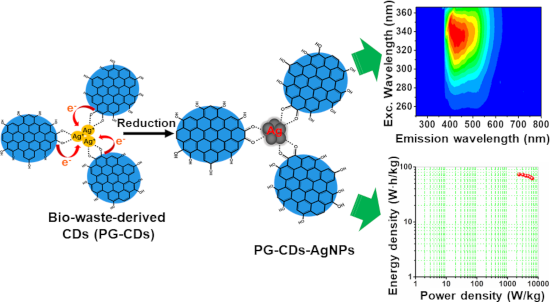
- distribution of PG-CDs-AgNPs was responsible for the enhanced surface area [35]. The pore size distribution plot of PG-CDs-AgNPs suggests the mesoporous characteristics (Supporting Information File 1, Figure S1b), which, via the diffusion of electrolyte ions, is highly efficient for electrochemical charge
- graph that as the scan rates are increased, the current densities rise owing to the quicker diffusion kinetics on the electrode surface [37]. A lower scan rate means that the entire voltammogram takes longer to complete than a high scan rate. At low scan rates, diffusion layers extend further from the
- -electrode investigation, due to the faster diffusion kinetics on the surface of the electrode. At high scan rates (such as 500 mV/s), there was no discernible diversion of the features of the CV profiles. The current responsiveness of the device was adequate even at a 20 mV/s scan rate. For real-time


Heat-induced transformation of nickel-coated polycrystalline diamond film studied in situ by XPS and NEXAFS
Beilstein J. Nanotechnol. 2025, 16, 887–898, doi:10.3762/bjnano.16.67
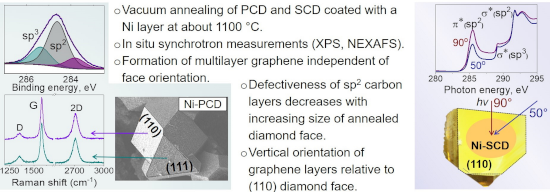
- temperature of about 500 °C [23]. Such a significant decrease in the temperature at which graphitization starts compared to that of the Ni-coated SCD is due to the presence of multiple grain boundaries, along which the diffusion of Ni atoms takes place, facilitating the graphitization process [34]. The
- %) could be associated with the heat-induced reorganization of the Ni layer into particles, which can penetrate into the diamond substrate due to the counter-diffusion of carbon and nickel [19]. The immersing of metal particles into diamond was discussed in detail in previous works [27][28]. The XPS C 1s


Ar+ implantation-induced tailoring of RF-sputtered ZnO films: structural, morphological, and optical properties
Beilstein J. Nanotechnol. 2025, 16, 872–886, doi:10.3762/bjnano.16.66
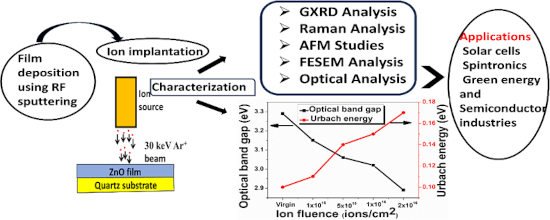
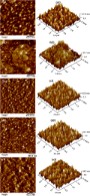
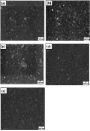
- competition between surface diffusion and ion erosion processes [34][35]. Field-emission scanning electron microscopy The surface morphology of pristine and 30 keV argon-implanted ZnO films was also studied by FESEM. Figure 8 shows the FESEM images of pristine and implanted films. To deduce the change in






Synchrotron X-ray photoelectron spectroscopy study of sodium adsorption on vertically arranged MoS2 layers coated with pyrolytic carbon
Beilstein J. Nanotechnol. 2025, 16, 847–859, doi:10.3762/bjnano.16.64
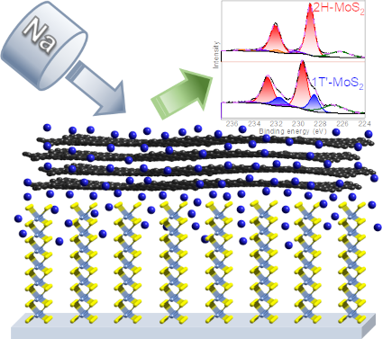
- sample at 773 K in ultrahigh vacuum. The presence of the underlying MoS2 film facilitates the diffusion of sodium through the graphitic coating, but not all of the deposited sodium reaches MoS2. As a result, the sodium-induced rearrangement of the carbon-coated MoS2 is less than that of the free MoS2
- structure without significant formation of Mo and Na2S [19]. The carbon coating improved the electrical contact between the MoS2 agglomerates, while the sandwich-like structure of MoS2-graphene facilitated the diffusion of sodium ions [20][21]. There are various possibilities to improve the properties of
- hybrid anodes based on MoS2. The diffusion of sodium ions in layered MoS2 is highly anisotropic. It is fast along the basal planes and is not possible through defect-free layers [3]. Thus, when the interlayer channels coincide with the Na+ movement paths, the diffusion distance is shortened, resulting in


Synthesis and magnetic transitions of rare-earth-free Fe–Mn–Ni–Si-based compositionally complex alloys at bulk and nanoscale
Beilstein J. Nanotechnol. 2025, 16, 823–836, doi:10.3762/bjnano.16.62
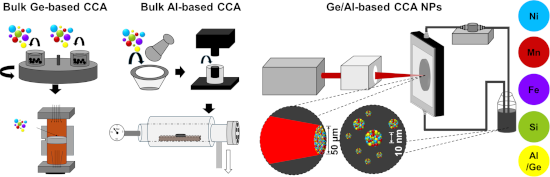
- (14.1%) compared to other elements. This may be attributed to higher diffusion rates due to its lower latent heat of fusion (31.8 kJ·mol−1) and its relatively low melting point (1211 K) compared to other constituents, as observed by Tiwari and colleagues [54]. Additionally, the target composition was re
- . The lower sintering temperature and absence of pre-alloying limits the diffusion of the elements, leading to incomplete alloying. The composition exhibits a much larger percentage variance from the expected bulk composition compared to the Ge-based CCA. Al with its much lower latent heat of fusion


Supramolecular hydration structure of graphene-based hydrogels: density functional theory, green chemistry and interface application
Beilstein J. Nanotechnol. 2025, 16, 806–822, doi:10.3762/bjnano.16.61
- instrument (Jasco). Ultraviolet–visible absorption spectroscopy (UV–vis) and light transmittance spectroscopy were recorded using a V-670 spectrophotometer (Jasco). Microscopic texture and imaging were observed by a stereo zoom microscope (Optika SZM). Agar diffusion assays were used for testing
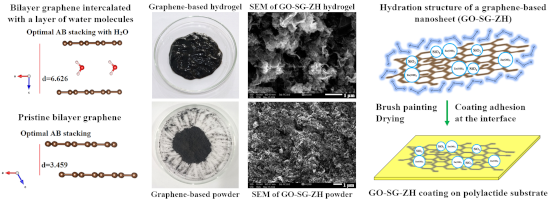
- GO sharp edges with bacterial membranes [57][58]. The crucial antibacterial activity of ZH nanostructures is the delivery of Zn2+ ions to disrupt bacterial membranes and intracellular processes [59][60]. Antibacterial activity of the GO-SG-ZH hydrogel was tested in agar well diffusion assays (Figure
- 9). The photographic results showed inhibition zones against E. coli (Figure 9a) and S. aureus (Figure 9b). The inhibition zones resulted from the diffusion of ZH nanoparticles and Zn2+ cations from the hydrogel to the surrounding agar. As the GO-SG-ZH hydrogel is antibacterial, the brush coating of


Morphology and properties of pyrite nanoparticles obtained by pulsed laser ablation in liquid and thin films for photodetection
Beilstein J. Nanotechnol. 2025, 16, 785–805, doi:10.3762/bjnano.16.60
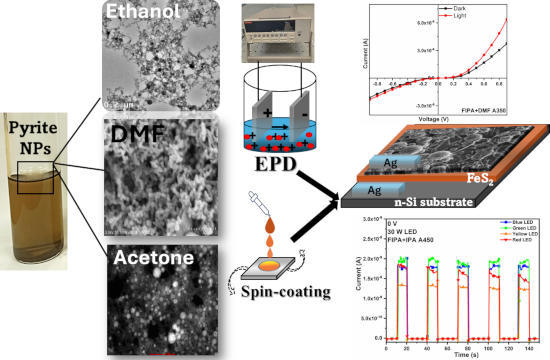
- arises when there is a difference in diffusion rates of the species in the core and shell, leading to the formation of voids within the particle. In our case, there is no presence of core–shell structure but the high viscosity of IPA likely plays a key role in the formation of these hollow structures






Thickness dependent oxidation in CrCl3: a scanning X-ray photoemission and Kelvin probe microscopies study
Beilstein J. Nanotechnol. 2025, 16, 749–761, doi:10.3762/bjnano.16.58
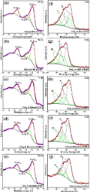
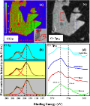
- that the formation of the Cr–O–Cl phase requires a sufficient volume of material, that is, that oxygen-driven phase formation is hindered if there are no specific diffusion processes in the sample. All three SPEM figures (Figure 5, Figure 6, and Figure 7) confirm that the lower-binding-energy component
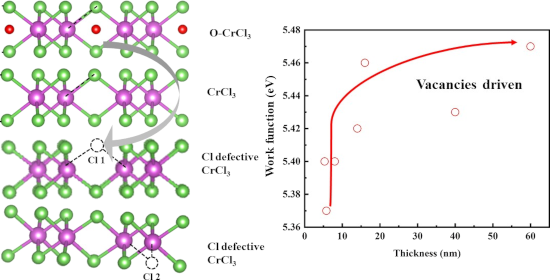
- . This turns the system from a surface Mott–Hubbard insulator to a charge-transfer [8] one in spite of Cr being an early transition metal [32]. What can be presumed from the present study is that Cl–O exchange following Cl vacancy formation is limited in very thin layers because of the limited diffusion





Synthesis of a multicomponent cellulose-based adsorbent for tetracycline removal from aquaculture water
Beilstein J. Nanotechnol. 2025, 16, 728–739, doi:10.3762/bjnano.16.56
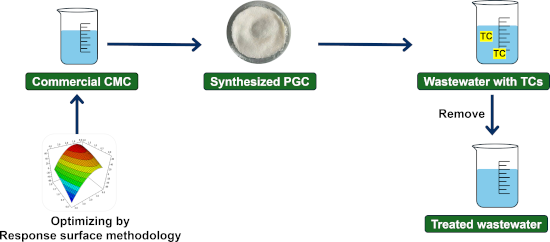
- investigations. Effect of initial TC concentration and time As depicted in Figure 4a, the adsorption capacity (qe) increases with higher initial concentrations of TC. Specifically, at low initial concentrations, adsorption capacity is low owing to the incomplete diffusion of TC molecules into the material
- structure. However, at higher initial concentrations, a larger concentration gradient drives TC diffusion into the PGC surface, resulting in a rapid increase in adsorption capacity. Notably, most of the adsorption occurs within the first 12 h, during which 89–95% of TC is adsorbed. In the first 8 h, the


Efficiency of single-pulse laser fragmentation of organic nutraceutical dispersions in a circular jet flow-through reactor
Beilstein J. Nanotechnol. 2025, 16, 711–727, doi:10.3762/bjnano.16.55
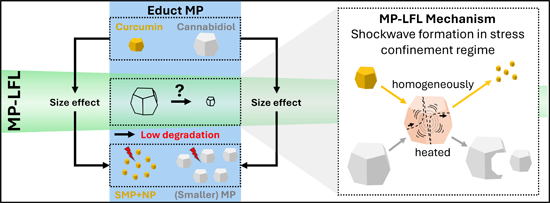
- colloids, for example, to increase their defect density in favor of electrocatalytic or optical properties without changing their size [6][7][8]. In addition, the acronym PUDEL has recently been used for pulsed laser diffusion enhancement in liquids, which refers to an increase in diffusion without
- stirrers containing the NP or microparticle (MP) dispersions, which are irradiated with a laser beam. However, as dispersion volumes in batch setups are only partially illuminated and there is constant back-diffusion, no uniform fluence and number of pulses-per-particle can be guaranteed. This prohibits
- materials, but because of the inefficient irradiation in the batch setup and the constant back-diffusion, a high number of pulses is required, resulting in up to 23% degradation products once SMPs are generated [42]. In our previous work, we have also shown that a 100 times higher fragmentation efficiency


Nanostructured materials characterized by scanning photoelectron spectromicroscopy
Beilstein J. Nanotechnol. 2025, 16, 700–710, doi:10.3762/bjnano.16.54
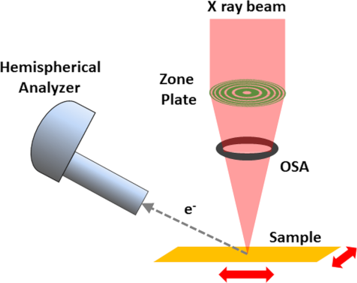
- -ordered cavities were formed at temperatures between 1000–1200 °C. The lateral surfaces of those small cavities or pinholes correspond to the {111} family of planes, which tend to be more reactive owing to the higher concentration of Ni3+. Diverse phenomena, including Ni diffusion and inhomogeneous strain
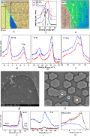


High-temperature epitaxial growth of tantalum nitride thin films on MgO: structural evolution and potential for SQUID applications
Beilstein J. Nanotechnol. 2025, 16, 690–699, doi:10.3762/bjnano.16.53
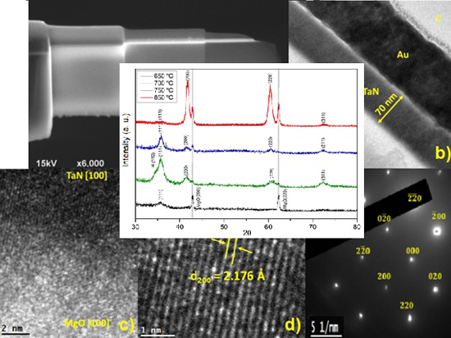
- diffusion barrier with potential application for microelectronics were fabricated [10][11]. In contrast, the stoichiometric mononitride TaN phase with face-centered cubic (FCC) structure exhibits superconductivity with a Tc of 8.15 K [12]; when the thin films were grown epitaxially on an FCC substrate, Tc
- growth. In fact, at 850 °C, the adatom surface mobility and surface diffusion of the deposited atoms are further increased, which has also been shown by Elangovan et al. [20], Adamik et al. [22], and Cheng and collaborators [23]. The variation of resistance of TaN films, measured from room temperature


Aprepitant-loaded solid lipid nanoparticles: a novel approach to enhance oral bioavailability
Beilstein J. Nanotechnol. 2025, 16, 652–663, doi:10.3762/bjnano.16.50
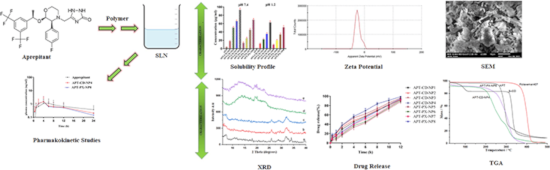
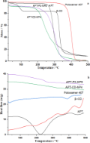
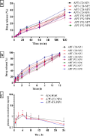
- release (98.89% ± 4.11%) in PBS (pH 7.4) and followed the Higuchi release model (with exponent n = 0.542), indicating non-Fickian diffusion (anomalous transport). The maximum concentration of drug in plasma and the bioavailability of optimal formulation APT-CD-NP4 were higher than those of pure APT
- controlled through diffusion and changes over time. In the Korsemyer–Peppas model, the values of the exponent of drug release (n) of APT-CD-NP1 to APT-PX-NP8 in acidic medium ranged from 0.723–0.978 with regression coefficients R2 = 0.9870–0.9962, indicating anomalous APT release with non-Fickian diffusion
- (Table 2). Regarding the measurements in PBS (pH 7.4), the value of n of all formulations APT-CD-NP1 to APT-PX-NP8 ranged from 0.542 to 0.943, demonstrating non-Fickian diffusion with anomalous drug transport. The drug release from polymer-based APT-loaded formulations is as follows: When the polymeric



Polyurethane/silk fibroin-based electrospun membranes for wound healing and skin substitute applications
Beilstein J. Nanotechnol. 2025, 16, 591–612, doi:10.3762/bjnano.16.46
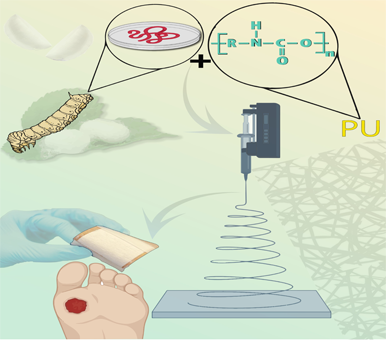
- polyurethane fibers for biomedical applications PU comes in various forms, including flexible foams, coatings, adhesives, and rigid thermosets [150]. PU is frequently used as a material for constructing nanowebs because of its chemical stability, diffusion coefficients, superior mechanical capabilities, and



Feasibility analysis of carbon nanofiber synthesis and morphology control using a LPG premixed flame
Beilstein J. Nanotechnol. 2025, 16, 581–590, doi:10.3762/bjnano.16.45
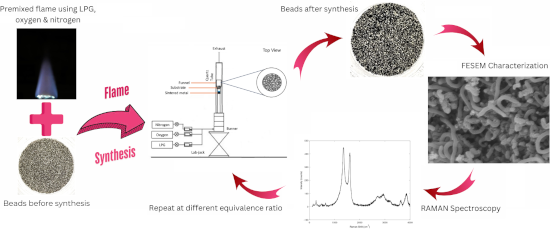
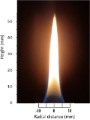
- varying equivalence ratios. The effects of flame equivalence ratio on the CNF morphology and crystallinity are then analyzed systematically. In the present study, a diffusion flame was used to check the stability of the flame at different flow rates, followed by establishing a premixed flat flame of LPG
- an initial diffusion flame to compare the stability to achieve a premixed flame. Flames with different equivalence ratios were systematically used to confirm the feasibility of the synthesis process and the effects of flame conditions on the morphology of the grown CNF. Experimental Preparation of
- placed on a stand. The ideal combustion of the premixed flame was achieved by mixing LPG, oxygen, and nitrogen at 0.18, 0.65, and 1.90 slpm, respectively. The mixture produced a premixed flat flame with a secondary diffusion flame at an equivalence ratio of 1.80. Flame and CNF characterization The



Retrieval of B1 phase from high-pressure B2 phase for CdO nanoparticles by electronic excitations in CdxZn1−xO composite thin films
Beilstein J. Nanotechnol. 2025, 16, 551–560, doi:10.3762/bjnano.16.43

- interdiffusion at the interface between the CdxZn1−xO (x = 0.4) alloy film and the Si wafer substrate [24]. This process initiates significant diffusion of Si atoms, starting at the film–substrate interface and extending into the thin film layer, leading to the formation of Si–O bonds. At an annealing
- temperature of 900 °C, Si diffusion intensifies, resulting in an increased thickness of the amorphous silicon oxide layer at the film–substrate interface [24]. The interdiffusion of Si, O, Cd, and Zn atoms near the SiOx layer (i.e., at the substrate–film interface) facilitates the formation of willemite
- Zn2SiO4 nanoparticles [24]. Previous investigations have elucidated that the out-diffusion of Zn2SiO4 nanoparticles from the film–substrate interface to the surface occurs with a larger unit cell volume (1569.22 Å3) compared to CdO (105.29 Å3) and ZnO (47.40 Å3) generating localized pressure [1]. This


Functionalized gold nanoflowers on carbon screen-printed electrodes: an electrochemical platform for biosensing hemagglutinin protein of influenza A H1N1 virus
Beilstein J. Nanotechnol. 2025, 16, 540–550, doi:10.3762/bjnano.16.42
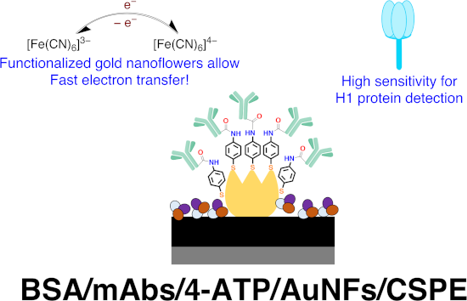
- transfer resistance. A modulation of the Rct magnitude was observed after each modification step on the working electrode of the biosensor (Supporting Information File 1, Figures S2–S6). Finally, the circuit is connected in series to a Warburg element (Wz) representing the diffusion of the [Fe(CN)6]3−/4
- the scan rate (Figure 6), suggesting that the reduction and oxidation of the complex [Fe(CN)6]3−/4− is a diffusion-controlled process. The performance of mouse monoclonal influenza A H1N1 hemagglutinin antibodies was tested using sandwich ELISA. They were selected as biorecognition element in our


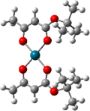
Electron beam-based direct writing of nanostructures using a palladium β-ketoesterate complex
Beilstein J. Nanotechnol. 2025, 16, 530–539, doi:10.3762/bjnano.16.41
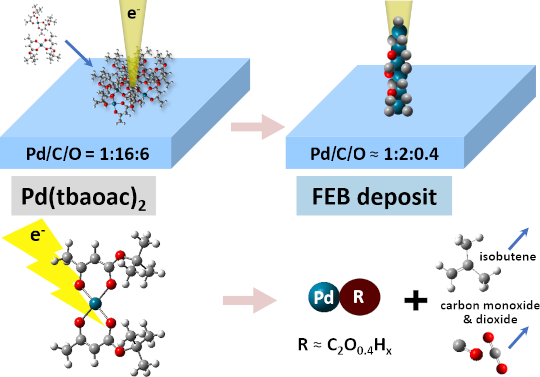
- under electron impact or getting trapped by newly adsorbing precursor molecules or diffusing molecules. The deposition process is governed by dissociation, desorption, adsorption, and diffusion mechanisms, all of which are influenced by experimental parameters [31] such as substrate temperature
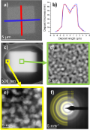
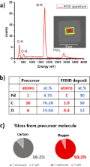
- geometry is primarily due to surface diffusion processes and directional gas flux adsorption [44][45]. No halo region was observed. The volume growth rate was approximately 0.032 µm3·min−1 or 7.62 × 10⁻⁴ µm3·nC−1, with a vertical growth rate of 0.02 nm·s−1. For the STEM analysis, a square deposit was
- , acetaldehyde, and carbon oxide fragments, making the tbaoac ligand favorable for FEBID. Neglecting surface diffusion, the deposition rates νdep (in units of inverse time) and R (in units of distance over time) are given by [23] For the derivation of Equation 1 and for the numerical values used in the following