


Search results
Search for "efficiency" in Full Text gives 1038 result(s) in Beilstein Journal of Nanotechnology. Showing first 200.
Internal 3D temperature mapping in biological systems using ratiometric light-sheet imaging and lipid-coated upconversion nanothermometers
Beilstein J. Nanotechnol. 2025, 16, 2306–2316, doi:10.3762/bjnano.16.159
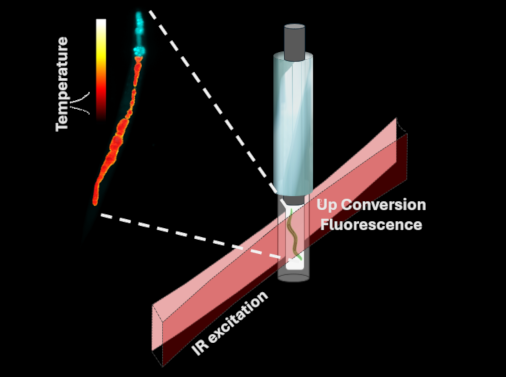
- 62209, México Instituto de Investigaciones en Materiales, Universidad Nacional Autónoma de México, A.P. 70-360, México City 04510, México 10.3762/bjnano.16.159 Abstract Upconversion nanoparticles (UCNPs) are well-known for their high efficiency, photostability, near-infrared excitation, and ability to


Terahertz-range on-chip local oscillator based on Josephson junction arrays for superconducting quantum-limited receivers
Beilstein J. Nanotechnol. 2025, 16, 2296–2305, doi:10.3762/bjnano.16.158
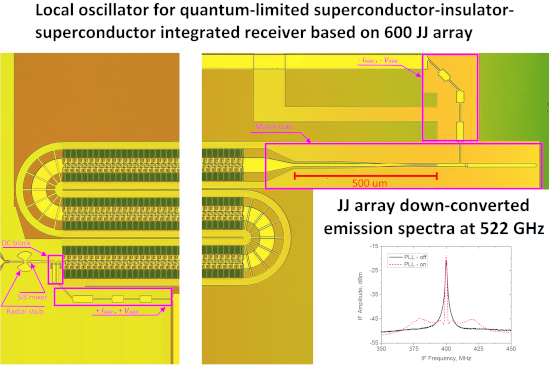
- terahertz range up to 2 mW and efficiency of approx. 5% [12]. However, these devices can be fabricated only in few laboratories around the world (e.g., JPL NASA) and may not be accessible in some countries. The other approach was suggested in previous works [13][14] where the LO based on the FFO is


Improving magnetic properties of Mn- and Zn-doped core–shell iron oxide nanoparticles by tuning their size
Beilstein J. Nanotechnol. 2025, 16, 2285–2295, doi:10.3762/bjnano.16.157
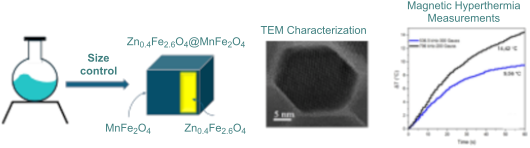
- , we report on the synthesis of polyhedral core–shell SPIONs. Their size was tuned to improve their magnetic properties. Furthermore, by hybridizing into a core–shell inorganic/inorganic structure, the nanoparticles can achieve significantly improved magnetic-to-thermal energy conversion efficiency (at
- , biocompatible ferrite nanoparticles and are higher than those reported in previous studies involving similar core–shell systems [16]. The corresponding heating curves (Figure 6b) show temperature increases of 6.5 and 9.6 °C after 60 s, confirming the efficiency of these nanoparticles for hyperthermia
- to note, however, that magnetic anisotropy alone does not guarantee enhanced heating efficiency. As highlighted by Dirba et al., there exists an optimal range of magnetic anisotropy for effective energy dissipation in alternating magnetic fields [22]. Excessively high anisotropy may hinder relaxation



Optical bio/chemical sensors for vitamin B12 analysis in food and pharmaceuticals: state of the art, challenges, and future outlooks
Beilstein J. Nanotechnol. 2025, 16, 2207–2244, doi:10.3762/bjnano.16.153
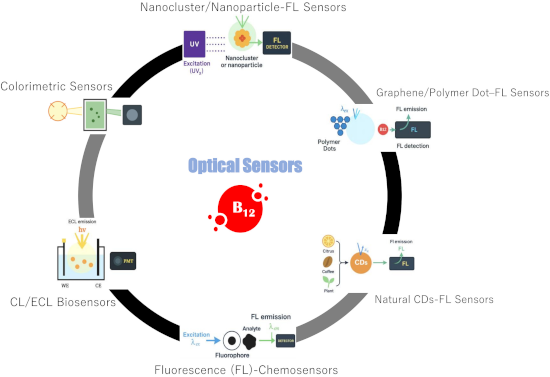
- for adults in the European Union is 4.0 µg [32][33]. The bioavailability of VB12 in food sources for healthy adults with typical absorption efficiency is roughly estimated to be 50%. In contrast, crystalline VB12 incorporated into supplements and fortified foods shows an absorption rate ranging from
- efficiency, and ease of implementation [22]. Moreover, Lok et al. assessed VB12 doses in a continuous-flow lab-on-a-chip system based on luminol-peroxide CL tests to monitor Co2+ in the molecular structure of VB12 [24], where the released Co2+ acted as the recognition target, luminol as the indicator


Electromagnetic study of a split-ring resonator metamaterial with cold-electron bolometers
Beilstein J. Nanotechnol. 2025, 16, 2199–2206, doi:10.3762/bjnano.16.152
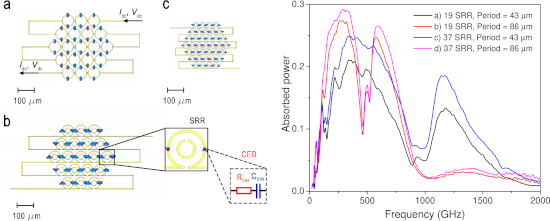
- bandwidth. The trade-off between the bandwidth expansion due to miniaturization and the reduction in absorption efficiency determined by the Airy spot size of the coupling lens is investigated. To solve this issue, a simultaneous miniaturization of the size of the entire structure with an increase in the
- original single-ring structure, larger absorption efficiency at the first peak can be achieved (Figure 4, red line), but the working bandwidth will be narrower than for the structure with smaller rings. Thus, by selecting the overall structure size, a compromise can be found between the maximum absorption
- efficiency and the widest receiving bandwidth. It is important to note that the choice of the number of receiving antennas should be in a proper balance. Although a larger array can better fill the Airy spot, it also increases the total number of bolometers. This, in turn, increases the differential


Missing links in nanomaterials research impacting productivity and perceptions
Beilstein J. Nanotechnol. 2025, 16, 2168–2176, doi:10.3762/bjnano.16.149
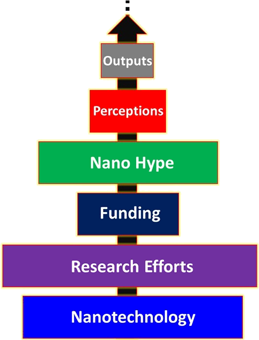
- branches of science and engineering. Importantly, all of these studies are directly related to the creation of nanomaterials aimed at delivering much higher efficiency for specific applications compared to their conventional counterparts. In this way, progress in nanomaterial research has seen a remarkable
- the form of publications and patents, but when it comes to translating that research into real-world products, they often withdraw support. This is not necessarily due to a lack of interest in innovation and efficiency, but rather because they are reluctant to engage in the rigorous and often
- , and manufacturing tools. Of course, the goal such tech companies are to continue to profit from legacy systems, especially since most of their competitors are not yet adopting nanomaterials, although these could offer considerably better performance, sustainability, longevity, and efficiency. The
Microplastic pollution in Himalayan lakes: assessment, risks, and sustainable remediation strategies
Beilstein J. Nanotechnol. 2025, 16, 2144–2167, doi:10.3762/bjnano.16.148
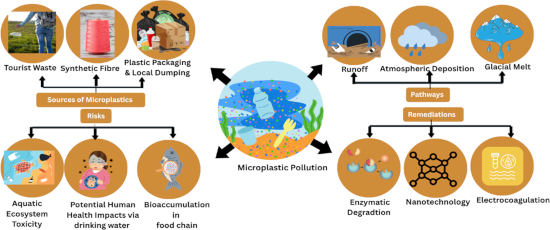
- methods are easy to implement and scalable but lack efficiency in open, natural environments such as Himalayan lakes and often require energy-consuming setups [43]. Research also indicates that sophisticated filtering systems, including granular activated carbon (GAC) filters, effectively capture small
- environmental factors like pH, temperature, and the availability of nutrients [50]. There has been promising development within the field of genetic engineering in relation to the creation of microbial consortiums optimized for high-efficiency degradation [46]. As reported by Rizvi et al., some fungi, such as
- them are new electrochemical technologies, membrane separation technologies, microbial technologies, and AOPs. The efficiency, mechanism, strengths, weaknesses, and applications of each technology are utilized to assess each technology. These technologies are indicative of the multidimensional


Toward clinical translation of carbon nanomaterials in anticancer drug delivery: the need for standardisation
Beilstein J. Nanotechnol. 2025, 16, 2092–2104, doi:10.3762/bjnano.16.144

- biological models. Determining the appropriate dosage is another crucial factor as therapeutic performance is influenced by drug loading capacity, drug release kinetics, and loading efficiency. Careful optimisation of these parameters is required to achieve effective drug delivery while minimising harm to




Molecular and mechanical insights into gecko seta adhesion: multiscale simulations combining molecular dynamics and the finite element method
Beilstein J. Nanotechnol. 2025, 16, 2055–2076, doi:10.3762/bjnano.16.141
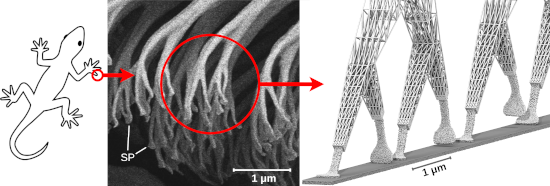
- while avoiding unnecessary computational cost. We note that the substrate model is an idealized approximation chosen for consistency with our prior work [10][12] and computational efficiency. Modeling biologically realistic interfaces will require extending the present model to include stratification






Stereodiscrimination of guests in chiral organosilica aerogels studied by ESR spectroscopy
Beilstein J. Nanotechnol. 2025, 16, 2034–2054, doi:10.3762/bjnano.16.140
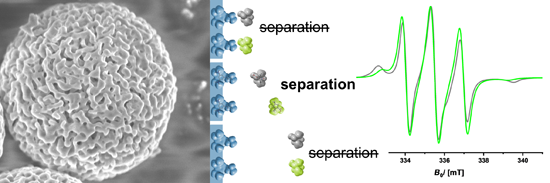
- learn about the factors determining efficiency in chiral chromatography. Obviously, a selectivity factor of more than 1.5 combined with a fraction of molecular species interacting with the surfaces of the stationary phase of the order of 20% is sufficient to reach satisfactory separation results




Beyond the shell: exploring polymer–lipid interfaces in core–shell nanofibers to carry hyaluronic acid and β-caryophyllene
Beilstein J. Nanotechnol. 2025, 16, 2015–2033, doi:10.3762/bjnano.16.139
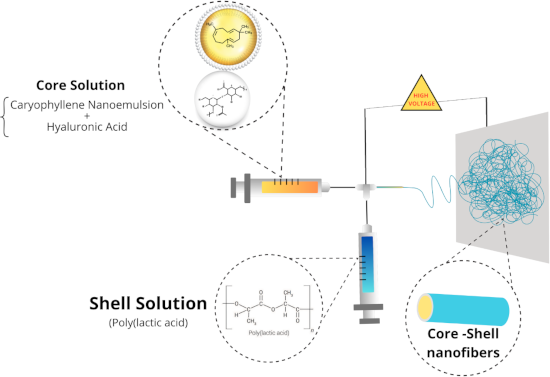
- –shell nanofibers can enhance the system in various scenarios (e.g., improving formulation stability, increasing the encapsulation efficiency, and tailoring the controlled release of therapeutically active molecules [39][40]). This approach has demonstrated promising results, especially for topical drug
- specific interactions is essential for precise modulation of encapsulation efficiency, ensuring system stability and achieving tailored kinetic release. Therefore, the primary objective of this study was to thoroughly investigate lipid–polymer interactions within coaxially electrospun PLA nanofibers
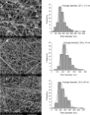
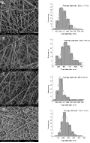
- surface distribution may compromise encapsulation efficiency and alter release kinetics [76]. Surface hydrophilicity The hydrophilicity of the membranes was evaluated through contact angle measurements. Figure 10 shows photographs of a water droplet in contact with the surface of the samples: (a




Laser ablation in liquids for shape-tailored synthesis of nanomaterials: status and challenges
Beilstein J. Nanotechnol. 2025, 16, 1963–1997, doi:10.3762/bjnano.16.137




Evaluating metal-organic precursors for focused ion beam-induced deposition through solid-layer decomposition analysis
Beilstein J. Nanotechnol. 2025, 16, 1942–1951, doi:10.3762/bjnano.16.135
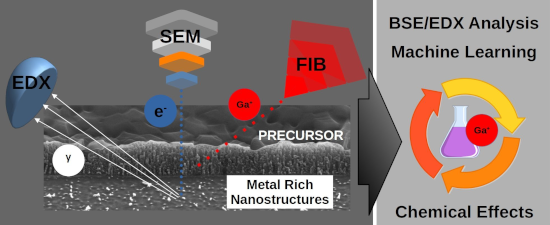
- film composition, metal oxidation states, or actual deposition efficiency. Results are also sensitive to sample purity and ionization conditions, and the method does not replicate the real gas-phase or ion-beam environments encountered in FIBID [27]. One has to mention that testing new metal-organic


Quantum circuits with SINIS structures
Beilstein J. Nanotechnol. 2025, 16, 1931–1941, doi:10.3762/bjnano.16.134
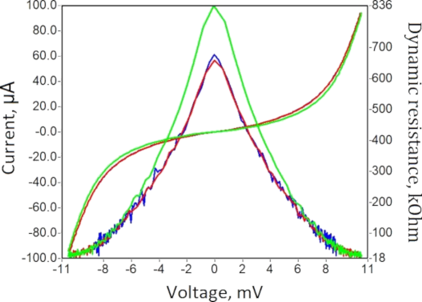
- thermodynamic temperature of Jupiter at 100 GHz is 172.6 K; the angular diameter of Jupiter is 41.68 arcsec; the BTA main mirror diameter is 6 m, and the aperture efficiency of 0.8 gives an effective area of Aeff = 22.6 m2. The solid angle occupied by Jupiter is of the order of Ω = 3.20 × 10⁻⁸ sr. The spectral


PEGylated lipids in lipid nanoparticle delivery dynamics and therapeutic innovation
Beilstein J. Nanotechnol. 2025, 16, 1914–1930, doi:10.3762/bjnano.16.133
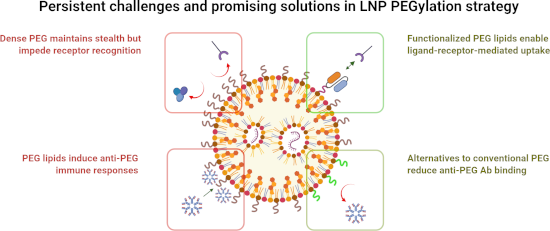
- properties of LNPs including particle size, surface charge, and encapsulation efficiency. Subsequent sections explore the roles of PEG lipids in modulating protein corona formation and cellular uptake. The latter parts highlight the potential of functionalized PEG lipids for targeted delivery and the
- -based LNPs formulated with varying DMPE-PEG2k content from 1 to 5 mol %, changes were observed in nanoparticle diameter, polydispersity index (PDI), surface charge, and payload encapsulation efficiency (EE%). Increasing the PEG lipid content led to a reduction in the hydrodynamic diameter of LNPs, with
- fraction of PEG lipids can affect LNP characterizations. In DMPE-PEG5k LNPs, increasing the PEG lipid fraction from 1.5 mol % to 5 mol % resulted in no significant change in particle size but led to a substantial encapsulation efficiency drop from over 90% to below 80%. While in LNPs incorporating Chol-PEG



Targeting the vector of arboviruses Aedes aegypti with nanoemulsions based on essential oils: a review with focus on larvicidal and repellent properties
Beilstein J. Nanotechnol. 2025, 16, 1894–1913, doi:10.3762/bjnano.16.132
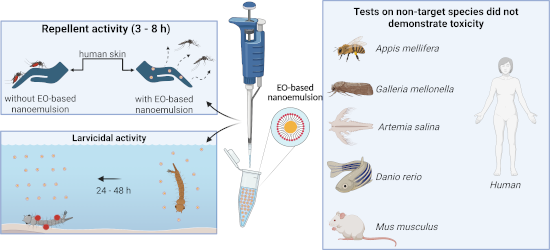
- with complex chemical composition extracted from different parts of plants [23]. They stand out for their efficiency in combating the vector at different stages of the evolutionary cycle, especially as larvicides, wherein the mosquito is at its most vulnerable stage [24]. In addition, they can act as
- efficiency reached 85.4%, according to gas chromatography analysis. In the tests, Sprague Dawley rats received the formulation applied to their backs before being exposed to 50 female Ae. aegypti for 8 hours. The average protection was 87.81%, surpassing the pure oil (54.57%) and falling below DEET (100


Programmable soliton dynamics in all-Josephson-junction logic cells and networks
Beilstein J. Nanotechnol. 2025, 16, 1883–1893, doi:10.3762/bjnano.16.131

- capacitance matrix), which is defined by the capacitive coupling coefficients from Equation 6. A key property of is its sparsity, which arises directly from the local connectivity of the circuit topology; each node is connected to a small subset of other nodes. To increase computational efficiency, we


Low-temperature AFM with a microwave cavity optomechanical transducer
Beilstein J. Nanotechnol. 2025, 16, 1873–1882, doi:10.3762/bjnano.16.130
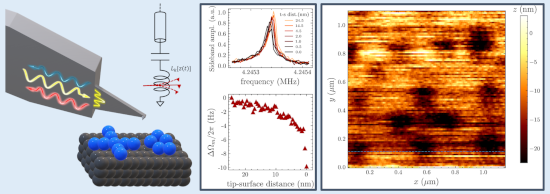
- requirement for achieving SQL is the same as for any dispersively coupled optomechanical system, that is, operating the cavity at the optimal intracavity photon number and maximizing the measurement efficiency (κex ≈ κ, nadd ≈ 0). Operating the sensor near the optimal point requires . For a given g0 and Γ we


On the road to sustainability – application of metallic nanoparticles obtained by green synthesis in dentistry: a scoping review
Beilstein J. Nanotechnol. 2025, 16, 1851–1862, doi:10.3762/bjnano.16.128
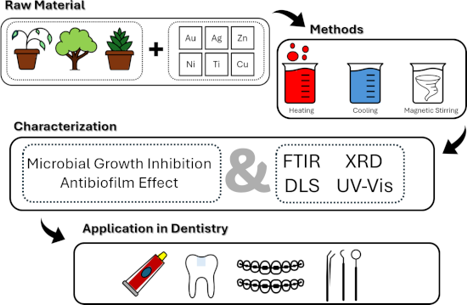
- -mediated AgNPs and ZnO-NPs demonstrated significant antibacterial activity against Streptococcus mutans biofilms [8][9][43], whereas in endodontics, their integration into irrigants and sealers improved disinfection efficiency against Enterococcus faecalis [44]. These findings underscore the translational


Current status of using adsorbent nanomaterials for removing microplastics from water supply systems: a mini review
Beilstein J. Nanotechnol. 2025, 16, 1837–1850, doi:10.3762/bjnano.16.127
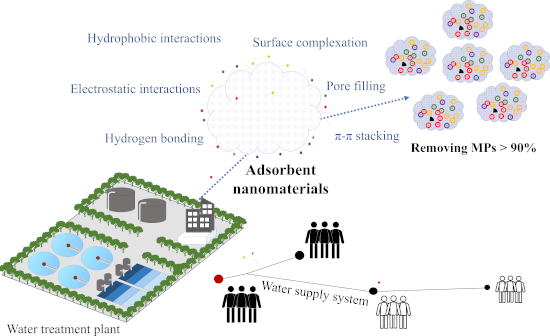
- supply systems is a global concern due to their persistence and ability to adsorb toxic pollutants. Despite having effectiveness, conventional water treatment processes still have limited efficiency in removing MPs, especially smaller particles. Thus, it requires researchers to develop effective and
- efficiency of MPs in water supply systems, as well as the mechanisms and performance when applying these materials for treatment. In addition, the related risk of adsorbent nanomaterials is also considered. Microplastics from land-based sources and wastewater plants persist in water supplies, with
- daily life, and the potential application of adsorbent nanomaterials for MP removal. Sajid et al. provided an overview of various adsorbent materials and their efficiency [24]. However, the authors do not deeply explore the potential challenges related to large-scale applications or the integration of


Phytol-loaded soybean oil nanoemulsion as a promising alternative against Leishmania amazonensis
Beilstein J. Nanotechnol. 2025, 16, 1826–1836, doi:10.3762/bjnano.16.126

- pharmaceutical application by reducing bioavailability [18]. To overcome these limitations, the incorporation of phytol into nanostructured delivery systems, has been proposed to improve its solubility, stability, and intracellular delivery efficiency [19]. Nanotechnology-based drug delivery systems that
- formulation parameters – such as drug miscibility with the oil phase, droplet size, and size uniformity – have been directly correlated with permeation efficiency across the skin barrier [32][33]. Specifically, the encapsulation of lipophilic compounds like phytol in finely dispersed droplets within oil-in


Further insights into the thermodynamics of linear carbon chains for temperatures ranging from 13 to 300 K
Beilstein J. Nanotechnol. 2025, 16, 1818–1825, doi:10.3762/bjnano.16.125
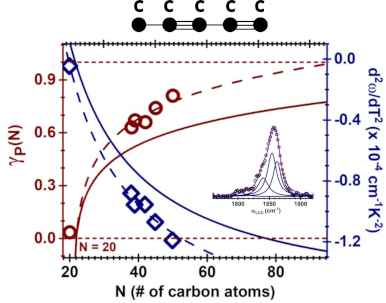
- phonons, and gain and loss of energy of carriers [1][2][10][17][24][25][26][27][28]. The phonon lifetime as well as the selection rules behind ph–ph and e–ph interactions determine the efficiency of such phonon emission and absorption [1][2][10][17][24][25][26][27][28]. Phonons need to be in an excited


![[Graphic 23]](/bjnano/content/inline/2190-4286-16-125-i25.svg?max-width=637&scale=1.18182)
Piezoelectricity of layered double hydroxides: perspectives regarding piezocatalysis and nanogenerators
Beilstein J. Nanotechnol. 2025, 16, 1812–1817, doi:10.3762/bjnano.16.124

- different thicknesses were investigated for the piezo-photocatalytic degradation of carbamazepine [6]. The ultrathin samples achieved an efficiency of 95.8% with a reaction rate constant of 0.148 min−1. This effect was attributed to the higher sensitivity of ultrathin LDH sheets to both light irradiation
- for activating peroxymonosulfate (PMS) to degrade norfloxacin [9]. The obtained catalyst demonstrated effective degradation within 15 min, achieving a degradation efficiency of 91.50% and a rate constant of 0.1644 min−1. In this study, the main PMS activation mechanism was non-radical. The
- -LDH alone. The authors proposed that the enhanced efficiency was due to the interaction between the lamellar structure of Zn/Al-LDH and the piezoelectric attributes of BaTiO3, along with heterojunctions within the BaTiO3/LDH composite. However, this study raises doubts concerning the successful

Electrical, photocatalytic, and sensory properties of graphene oxide and polyimide implanted with low- and medium-energy silver ions
Beilstein J. Nanotechnol. 2025, 16, 1794–1811, doi:10.3762/bjnano.16.123
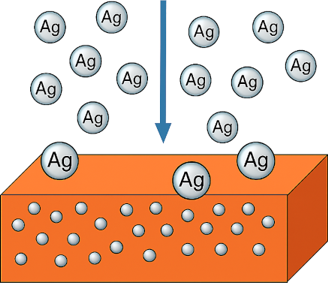
- spectral range, enhancing light absorption and enabling the utilization of a broader portion of the solar spectrum [19]. These combined effects result in a significantly higher photocatalytic efficiency of implanted samples compared to their non-implanted samples, both in terms of reaction rate and quantum
- × 1012 cm−2, there is a slight increase in photocatalytic activity, but the value is significantly lower than at the same fluence with an energy of 20 keV. A similar decrease in efficiency was observed at higher fluences. It is evident that roughness can affect the photocatalytic properties of GO as seen
- implantation energy. A comparison of these morphological characteristics with the photocatalytic results shows that the highest efficiency is achieved using samples with moderate nanoscale roughness, that is, GO implanted with 20 keV at a fluence of 3.75 × 1012 cm−2 (RMS = 102 nm, k ≈ 0.0033 min−1) and PI


Exploring the potential of polymers: advancements in oral nanocarrier technology
Beilstein J. Nanotechnol. 2025, 16, 1751–1793, doi:10.3762/bjnano.16.122
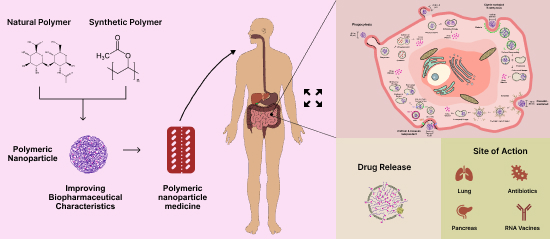
- biodistribution while preventing undesirable interactions and degradation before reaching target tissues and cells [10]. Moreover, by overcoming the biological and chemical barriers of the body, nanotechnology increases the efficiency and effectiveness of therapeutic and diagnostic regimens, offering less
- adjustments in the disassembly pH can optimize this mechanism, which must occur during the endo/lysosomal pathway to minimize cytotoxic effects. This highlights the significance of polymeric chemical functionality as a key factor for escape efficiency [85]. Once endocytosis followed by endosomal escape occurs
- these mechanisms and developing optimized nanocarrier systems are essential to enhance therapeutic efficiency, minimize adverse effects, and expand the potential for oral administration of PNs. 4 Polymer based nanoparticles for oral administration 4.1 Nanoparticles: oral administration based on natural





