Search results
Search for "glucose" in Full Text gives 177 result(s) in Beilstein Journal of Nanotechnology.
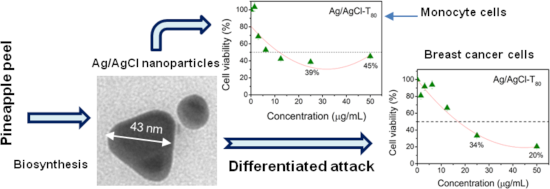
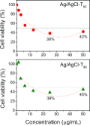
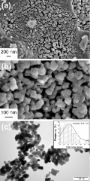
In search of cytotoxic selectivity on cancer cells with biogenically synthesized Ag/AgCl nanoparticles
Beilstein J. Nanotechnol. 2022, 13, 1505–1519, doi:10.3762/bjnano.13.124
- MCF-7 human breast cell line was obtained from the American Type Culture Collection (ATCC®). This cell line was at passage 4 when used in the study and was routinely cultured on monolayers at 80% confluence in Dulbecco's modified Eagle's high glucose medium (DMEM), supplemented with 10% of fetal





Structural studies and selected physical investigations of LiCoO2 obtained by combustion synthesis
Beilstein J. Nanotechnol. 2022, 13, 1473–1482, doi:10.3762/bjnano.13.121
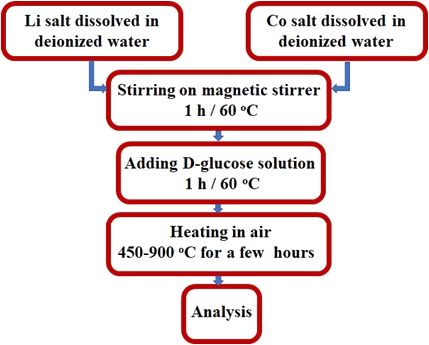
- powders 25.408 g of high-purity cobalt(II) acetate tetrahydrate (C4H6O4Co·4H2O, reagent grade), 10.408 g of lithium acetate dihydrate (C2H3O2Li·2H2O, purum p.a., crystallized, 97.0% (NT)) and 20 g of ᴅ-(+)-glucose (C6H12O6, ≥99.5% (GC), Sigma-Aldrich) were used to synthesize LiCoO2 nanocrystalline powders
- . Cobalt and lithium acetate salts were dissolved separately in small amounts of deionized water. Then, the solutions were mixed together and a solution of ᴅ-(+)-glucose was added. The prepared solutions were then evaporated until a gel was obtained. The resulting gel precursor was heated from 450 to 900




LED-light-activated photocatalytic performance of metal-free carbon-modified hexagonal boron nitride towards degradation of methylene blue and phenol
Beilstein J. Nanotechnol. 2022, 13, 1380–1392, doi:10.3762/bjnano.13.114
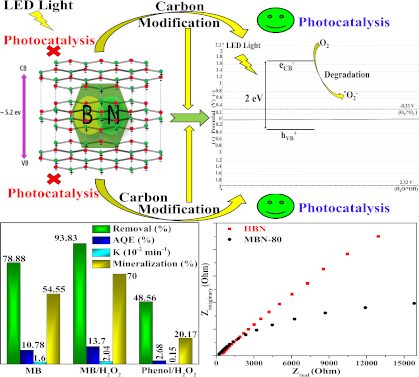
- light photocatalyst. Materials and Methods Chemicals required Boric acid (H3BO3), melamine, glucose, hexagonal boron nitride nanopowder (BET surface area: 19 m−2 g−1), MB, and phenol were purchased from Alfa Aesar and TCI chemicals. All the purchased chemicals were high purity analytical grade reagents
- and utilized without any further purification. Synthesis procedure The modified HBN was synthesized through a solid-state reaction approach with various modifications to the process described in Wang et al. [17]. An equimolar mix (0.1 M) of melamine, boric acid, and glucose was finely grounded in an
- agate mortar pestle to form a uniform white mixture. The bandgap could be regulated by the amount of carbon substituted into the lattice sites, with higher concentration of C atoms leading to better light harvesting and electronic properties [17][18]. Thus, the amount of glucose utilized for this study


Recent trends in Bi-based nanomaterials: challenges, fabrication, enhancement techniques, and environmental applications
Beilstein J. Nanotechnol. 2022, 13, 1316–1336, doi:10.3762/bjnano.13.109
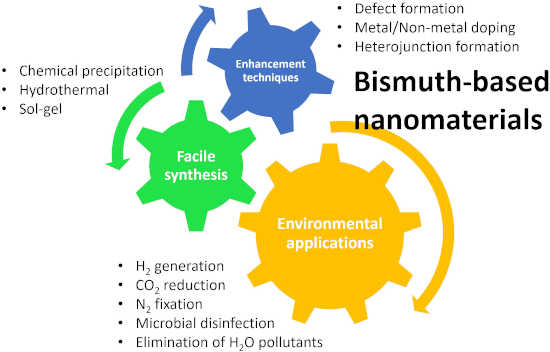
- of Bi2MoO6, they employed glucose as a reducing agent. To test the photocatalytic activity, they exposed the as-prepared materials to simulated solar irradiation and measured the degradation efficiency of RhB (7.321%), MB (92.98%), and Cr(VI) (70.54%). The highest hydrogen generation rate was 173.41




Design of surface nanostructures for chirality sensing based on quartz crystal microbalance
Beilstein J. Nanotechnol. 2022, 13, 1201–1219, doi:10.3762/bjnano.13.100
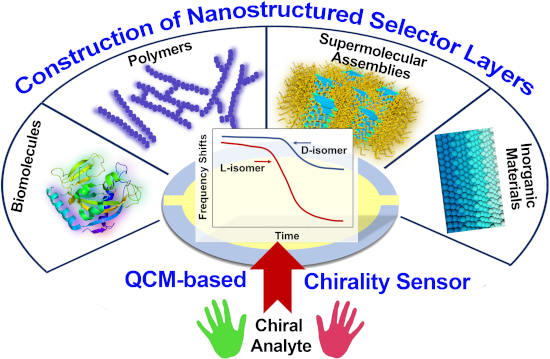
- QCM electrodes for chiral sensing. Cyclodextrin derivatives. Cyclodextrins (CDs) are a class of oligomers composed of glucose units. They possess hollow truncated cones with a lipophilic inner cavity and a hydrophilic edge. The hydroxy groups at the edge can undergo different chemical reactions, which
- allows for modifications by a variety of functional substituents [60][61][62]. Therefore, CDs and derivatives are the most used host superstructures to adapt the selection of various chiral guests. The chiral recognition sites of CDs may arise from their glucose chiral units and functionalities on the


Recent advances in green carbon dots (2015–2022): synthesis, metal ion sensing, and biological applications
Beilstein J. Nanotechnol. 2022, 13, 1068–1107, doi:10.3762/bjnano.13.93
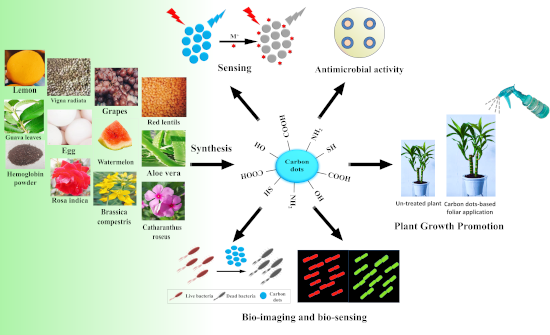
- described the reaction mechanism, which involves hydrolyzation of starch to form glucose, and then glucose is condensed to form CDs by ring-closure condensation. These CDs have been effectively used in bioimaging of cervical cancer cells as a suitable PL probe [124]. Wen et al. have created an incredibly




Interaction between honeybee mandibles and propolis
Beilstein J. Nanotechnol. 2022, 13, 958–974, doi:10.3762/bjnano.13.84
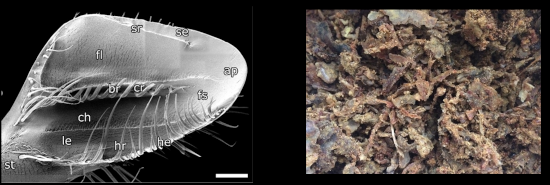
- that due to gland development, only older stingless bees are able to handle propolis [20]. Mandibular glands of honeybees have been found to have a high potential to produce lipids [41]. Glucose oxidase, produced in the mandibular glands, has been found in propolis [42][43]. Which could be an indicator


A non-enzymatic electrochemical hydrogen peroxide sensor based on copper oxide nanostructures
Beilstein J. Nanotechnol. 2022, 13, 424–436, doi:10.3762/bjnano.13.35
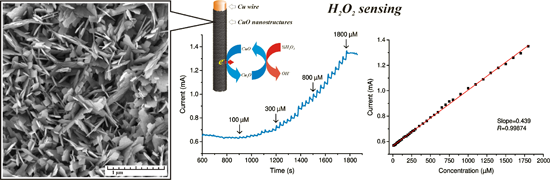
- interfering substances, that is, ascorbic acid, uric acid, dopamine, NaCl, glucose, and acetaminophen, do not affect the electrochemical response. The real milk sample test showed a high recovery rate (more than 95%). According to the obtained results, this sensor is suitable for practical use for the
- ), uric acid (C5H4N4O3, CAS number: 69-93-2), dopamine hydrochloride ((HO)2C6H3CH2CH2NH2HCl, CAS number: 62-31-7), glucose (C6H12O6, CAS number: 50-99-7), acetaminophen (CH3CONHC6H4OH, CAS number: 103-90-2), and sodium chloride (NaCl, CAS number: 7647-14-5) were purchased from Sigma-Aldrich. All reagents
- NaOH was used. The experiment was started at 0 µM concentration of H2O2, then every 60 s either H2O2 or an interfering substance at a concentration of 100 µM was added to the solution, in the following order: H2O2, ascorbic acid, uric acid, dopamine, NaCl, glucose, and acetaminophen. Then, the whole




Engineered titania nanomaterials in advanced clinical applications
Beilstein J. Nanotechnol. 2022, 13, 201–218, doi:10.3762/bjnano.13.15
- shell for the selective and rapid capture of peptides from human serum and urine samples [17]. Many studies have been published on using TiO2 nanotubes as photoelectrochemical glucose sensors for health purposes [18][19][20]. The present review focuses on contemporary research of TiO2 nanoparticles and


A photonic crystal material for the online detection of nonpolar hydrocarbon vapors
Beilstein J. Nanotechnol. 2022, 13, 127–136, doi:10.3762/bjnano.13.9
- ][16]. The impregnation and immobilization methods are rather close; they are used for the determination of inorganic ions (Cu2+, Pb2+, Hg2+, Ni2+ and Cd2+) [2][11][17][18][19] and organic molecules of simple and complex structure (glucose, organophosphates, urea, creatinine, ciprofloxacin and sarin


Theranostic potential of self-luminescent branched polyethyleneimine-coated superparamagnetic iron oxide nanoparticles
Beilstein J. Nanotechnol. 2022, 13, 82–95, doi:10.3762/bjnano.13.6
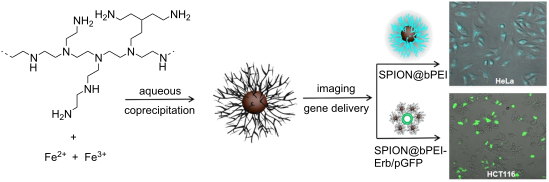
- quantified by the absorbance at 260 nm using the Nanodrop. Different volumes of PIC or plasmid (500 µg/mL) and SPION@bPEI (5 mg/mL) in HEPES-buffered glucose (HBG, 20 mM of HEPES, 5% w/v of glucose) pH 7.4 were mixed at a final volume of 250 µL and incubated at room temperature for 30 min to generate a
- @bPEI-Erb/pGFP was tested on HeLa, MCF7 (breast cancer cell line) and HCT116 (human colon cancer cell line) cells. The cells were grown onto 75T culture flasks in Dulbecco’s Modified Eagle’s culture Medium (DMEM) with 4.5 g/L ᴅ-glucose, ʟ-glutamine, and pyruvate (Life Technologies USA) and supplemented




Sputtering onto liquids: a critical review
Beilstein J. Nanotechnol. 2022, 13, 10–53, doi:10.3762/bjnano.13.2
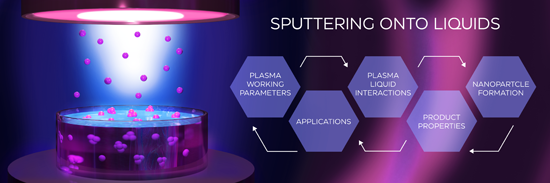
- metal precursor, usually a salt such as HAuCl4, is chemically reduced by a (ii) reagent (e.g., sodium citrate, sodium borohydrate, ascorbic acid, glucose, hydrazine, or various amines) in the presence of a (iii) stabilizing agent (e.g., organic thiols, amines, acids, or various surfactants, i.e






Alteration of nanomechanical properties of pancreatic cancer cells through anticancer drug treatment revealed by atomic force microscopy
Beilstein J. Nanotechnol. 2021, 12, 1372–1379, doi:10.3762/bjnano.12.101
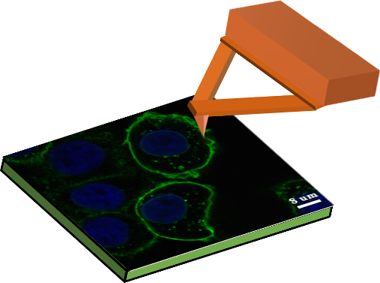
- PaCa-2 was cultured in DMEM high-glucose medium with 10% fetal bovine serum, 2.5% horse serum, 1% sodium pyruvate and 1% double antibody. Cells are cultured in a humidified atmosphere at 37 °C with 5% CO2. For the cell–drug interaction, DOX in different concentrations (10, 30, and 50 µg/mL) was added


An overview of microneedle applications, materials, and fabrication methods
Beilstein J. Nanotechnol. 2021, 12, 1034–1046, doi:10.3762/bjnano.12.77
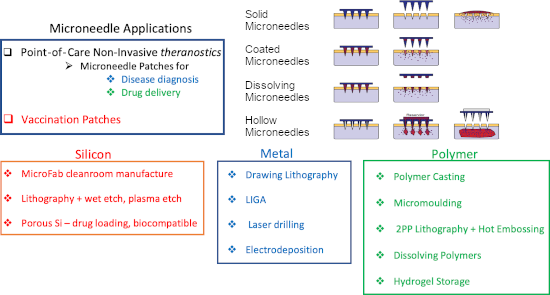
- human metabolic parameters (such as blood glucose in diabetic patients), diseases may be diagnosed by the observation of clinical symptoms informed immediately by micropatch biochemical analyses. Traditionally, testing is performed in laboratories by medically trained scientists and technicians, often


The role of deep eutectic solvents and carrageenan in synthesizing biocompatible anisotropic metal nanoparticles
Beilstein J. Nanotechnol. 2021, 12, 924–938, doi:10.3762/bjnano.12.69
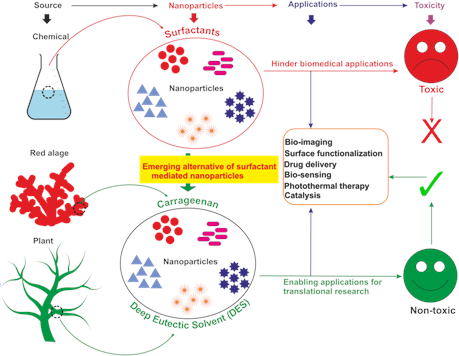
- for dissolving many species of high polarity, for example, amino acids, metal salts, glycerol, benzoic acid, citric acid, and glucose [26][76]. They are also promising in the dissolution of different polymers, such as starch, cellulose, lignin, chitin, and are also used in the pre-treatment of


Modification of a SERS-active Ag surface to promote adsorption of charged analytes: effect of Cu2+ ions
Beilstein J. Nanotechnol. 2021, 12, 902–912, doi:10.3762/bjnano.12.67
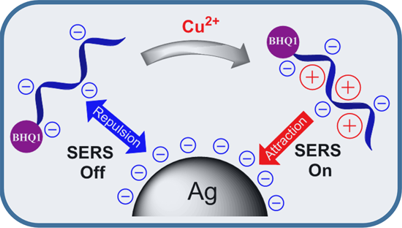
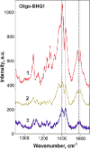
- detector (Princeton Instruments). Spectra were excited by a 441.6 nm of a He–Cd laser. Synthesis of silver NPs The synthetic procedure was analogous to that described in [36]. 50 mL of deionized water, 42 mg of sodium bicarbonate, 15 mg sodium citrate, and 450 mg of water-free glucose were added into a


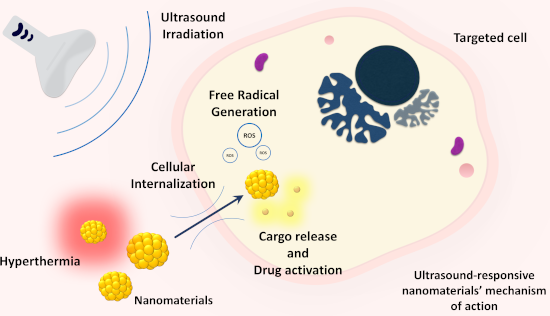
Comprehensive review on ultrasound-responsive theranostic nanomaterials: mechanisms, structures and medical applications
Beilstein J. Nanotechnol. 2021, 12, 808–862, doi:10.3762/bjnano.12.64


Recent progress in actuation technologies of micro/nanorobots
Beilstein J. Nanotechnol. 2021, 12, 756–765, doi:10.3762/bjnano.12.59
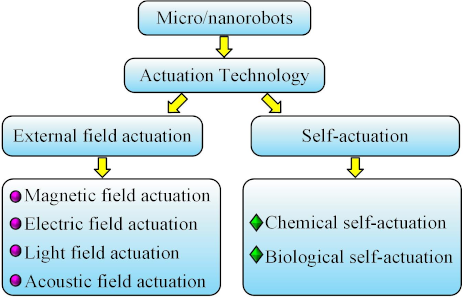
- /nanorobots, for example, the flagella or cilia of swimming microorganisms. Behkam and Sitti [45] suspended droplets of bacteria, such as E. coli, and polystyrene in a solution of water and glucose. After absorbing the glucose nutrient, the rotating flagella of the bacteria pushed the droplets forward, and


Nanogenerator-based self-powered sensors for data collection
Beilstein J. Nanotechnol. 2021, 12, 680–693, doi:10.3762/bjnano.12.54
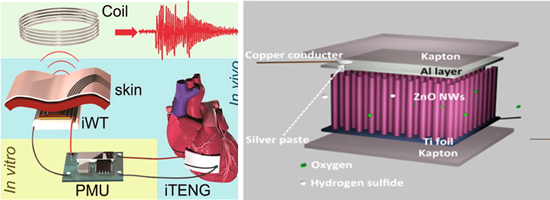
- be used for health monitoring. When analyzing the components in body fluids, such as glucose, external sensors will lose accuracy due to interference from other components in body fluids [92]. An internal blood glucose sensor would be more reliable. Given the many possible TENG materials, materials
- the same position shows that the 0.58 Hz signal captured by the traditional TENG is a breathing signal. The ATNG can capture the gastrointestinal movement signal with the small 0.32 Hz intestinal movement signal and eliminate the interference of breathing. Under anesthesia, glucose solution was
- direction of future medicine. Zhang et al. [31] developed a self-powered implantable blood glucose meter based on the piezo-enzymatic-reaction coupling effect of GOx@ZnO (GOx: glucose oxidase) nanowires. By collecting the mechanical energy generated by human movement, the output voltage provided information




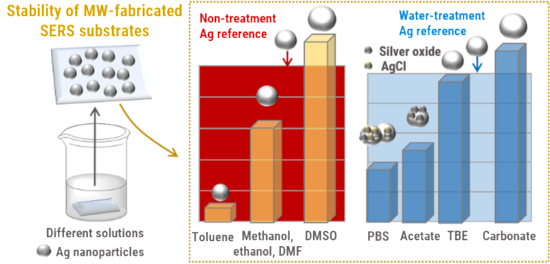
On the stability of microwave-fabricated SERS substrates – chemical and morphological considerations
Beilstein J. Nanotechnol. 2021, 12, 541–551, doi:10.3762/bjnano.12.44
- choice of a suitable media is of utmost importance for many biological investigations as it can alter the structure of biomolecules (e.g., proteins) [33]. We tested five commonly used buffer systems which include phosphate-buffered saline (PBS), HEPES-buffered glucose solution (HBG), tris-borate-EDTA


Solution combustion synthesis of a nanometer-scale Co3O4 anode material for Li-ion batteries
Beilstein J. Nanotechnol. 2021, 12, 424–431, doi:10.3762/bjnano.12.34
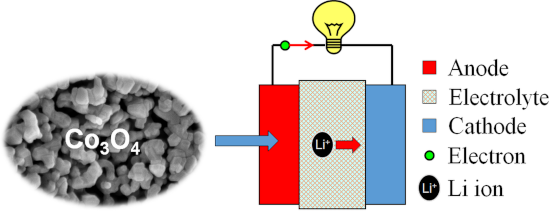
- ][44][45][46][47][48][49][50]. The SCS process is based on strongly exothermic redox reactions in which oxidants, such as metal nitrates, carbonates, or sulfates, react with reducing organic agents, frequently called fuels, such as starch, urea, glycine, or glucose [42][43][45][46][47][48][49][50
- , annealing or calcination. The SCS method has been successfully used to produce spinel-structured Co3O4 nanomaterials [48][49][50][51][52]. Taking advantage of these reports, we decided to design a new SCS synthesis path in which we applied for the first time ᴅ-(+)-glucose as the reducing agent instead of
- the previously used urea [48][49][51] and citric acid [50][52]. ᴅ-(+)-glucose has been used as alternative fuel for the SCS process mainly for two reasons. The first one is that ᴅ-(+)-glucose is a naturally abundant form of glucose, which is formed during photosynthesis by plants and most algae [53


A review on the biological effects of nanomaterials on silkworm (Bombyx mori)
Beilstein J. Nanotechnol. 2021, 12, 190–202, doi:10.3762/bjnano.12.15
- colleagues used silkworm as a model organism in studying the effects of human insulin in hyperglycemic silkworms [91]. Reports from this study indicated that the sugar levels in the silkworm hemolymph reduced after insulin was administered. The group also reported that silkworms fed with a high glucose diet
- for over 18 h exhibited a hyperlipidemic phenotype and the administration of pioglitazone or metformin improved the glucose tolerance in hyperlipidemic silkworms. The downregulation of the PARK7/DJ-1 gene generated p-translucent (op) silkworms by reducing xanthine oxidase synthesis and elevating body
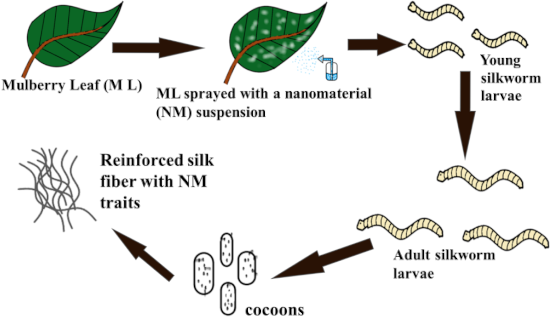
- 78.79 MPa, respectively). The crystalline structures of BSA-Au NCs silk were unchanged with an enhanced crystallization of the silk proteins. Zhang et al. [172] focused on the impact of glucose-coated Ag NPs on the silkworm larvae diet and on silk protein synthesis. Silk fibers exposed to glucose-coated


A review on the green and sustainable synthesis of silver nanoparticles and one-dimensional silver nanostructures
Beilstein J. Nanotechnol. 2021, 12, 102–136, doi:10.3762/bjnano.12.9
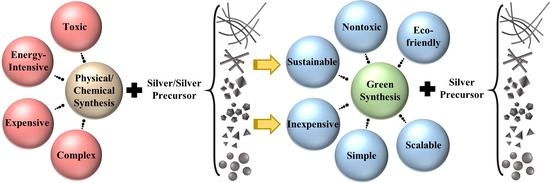
- micelle method has served as a common approach for the synthesis of AgNPs throughout the past two decades [152]. Regular reducing agents used in this method include sodium borohydride (NaBH4) [236], hydrazine (N2H4) [237], glucose [238], and quercetin [152][239], to name a few. The size and size


Selective detection of complex gas mixtures using point contacts: concept, method and tools
Beilstein J. Nanotechnol. 2020, 11, 1631–1643, doi:10.3762/bjnano.11.146
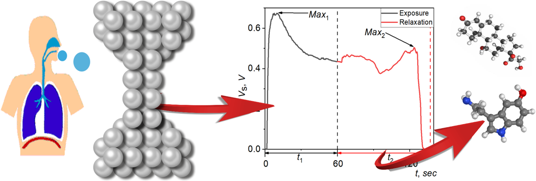
- activity by decreasing their glucose consumption and stimulating its arrival to other organs. Cortisol prevents the secretion of substances in the organism that can cause inflammation [53]. At the same time, a high level of cortisol inhibits the immune system and worsens the ability of the organism to


![[Graphic 4]](/bjnano/content/inline/2190-4286-11-146-i8.svg?max-width=637&scale=1.18182) in th...
in th...

![[Graphic 7]](/bjnano/content/inline/2190-4286-11-146-i11.svg?max-width=637&scale=1.18182) in the...
in the...
Cu2O nanoparticles for the degradation of methyl parathion
Beilstein J. Nanotechnol. 2020, 11, 1546–1555, doi:10.3762/bjnano.11.137
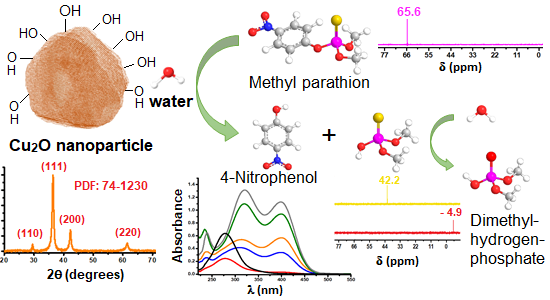
- pentahydrate (CuSO4·5H2O; J.T.Baker, 99.9%), sodium citrate dihydrate (Na3C6H5O7·2H2O; Aldrich, ≥99%), Glucose (C6H12O6; Aldrich, ≥99.5%), sodium carbonate (Na2CO3; J.T.Baker, 99.9%), sodium hydroxide (NaOH, 1 M), dimethyl sulfoxide (DMSO; J.T.Baker, 99.9%), methyl parathion (C8H10NO5PS; Aldrich, ≥95%), and
- pH value because glucose is the reducing agent. Alkaline pH values favor the open-chain form of glucose also known as the aldehyde form, and the aldehyde group makes glucose a reducing sugar. It is essential to point out that different mixtures of H2O and DMSO are used in order to obtain NPs of
- reaction involved can be simplified as follows: It is important to note that the reaction in Equation 1 is not balanced in order to point out that a 1:1 mole ratio between the copper complex and glucose is needed. Glucose loses an electron while copper gains an electron. Also, the DMSO/H2O mixture is only