


Search results
Search for "interaction" in Full Text gives 1559 result(s) in Beilstein Journal of Nanotechnology. Showing first 200.
Stereodiscrimination of guests in chiral organosilica aerogels studied by ESR spectroscopy
Beilstein J. Nanotechnol. 2025, 16, 2034–2054, doi:10.3762/bjnano.16.140
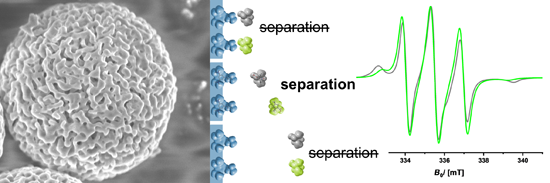
- of a surface influences the stereoselectivity of the enantiomers at the surface. Despite the difference in the interaction enthalpies being only in the 1–2 kJ·mol−1 range, an ideal surface would exclusively interact with one enantiomer. However, the question of which selectivity is sufficient or
- detailed information about the local environment. Furthermore, dipolar coupling to other electron spins in the direct environment allows for the determination of distances from 0 to 10 nm [38][39]. Giamello et al. have discussed in detail how this effect can be used to characterize the interaction of spin
- low temperatures, there is a notable fraction of surface-adsorbed species, which indicates that there is weak confinement and weak interaction between the pore walls and 3CP. The data recorded at room temperature shows no indication of surface-adsorbed compounds, and only quickly rotating 3CP is seen




Beyond the shell: exploring polymer–lipid interfaces in core–shell nanofibers to carry hyaluronic acid and β-caryophyllene
Beilstein J. Nanotechnol. 2025, 16, 2015–2033, doi:10.3762/bjnano.16.139
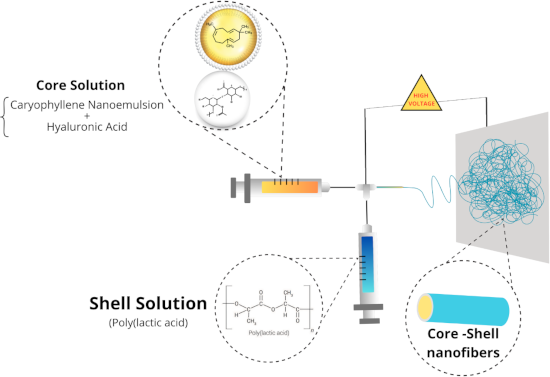
- origin, high structural conservatism across species, and minimal interaction with blood components make HA and HA-based materials exceptionally biocompatible, a non-negotiable prerequisite for biomedical use. Hyaluronic acid is also recognized and listed in the US FDA inactive ingredient database for
- presence of the core did not reduce the thermal stability of the nanofibers, suggesting that the hybrid HA+NE core may have enhanced this stability, likely due to an interaction between the core and the shell. Complementing the thermal analysis performed by TGA, DSC was used to obtain detailed information




Laser ablation in liquids for shape-tailored synthesis of nanomaterials: status and challenges
Beilstein J. Nanotechnol. 2025, 16, 1963–1997, doi:10.3762/bjnano.16.137
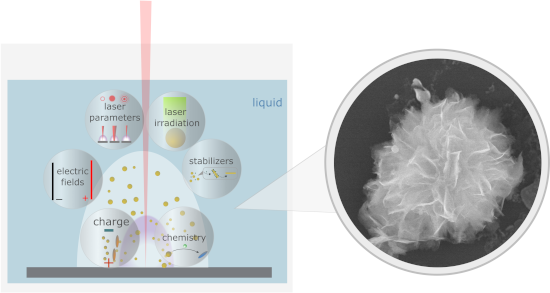
- target surface. The current understanding of the mechanisms of PLAL distinguishes the process depending on the laser pulse duration (Figure 1a). For the ultrashort pulses (femtosecond duration) the interaction of the ejected material with the laser pulse can be neglected. For longer laser pulses
- (nanosecond), this interaction should be taken into account, resulting in the ionization and heating of the ejected material. The initial stages of interaction of a laser beam with a solid target are strongly dependent on laser pulse duration and fluence, surrounding liquid, target morphology and composition
- throughout the whole ablation process. However, laser ablation is typically performed in the batch liquid reactor. Therefore, interaction of the as-grown particles with the next laser pulses also occurs, which might result in the change of NP size and shape in the photoinduced processes [24] as demonstrated





Quantum circuits with SINIS structures
Beilstein J. Nanotechnol. 2025, 16, 1931–1941, doi:10.3762/bjnano.16.134
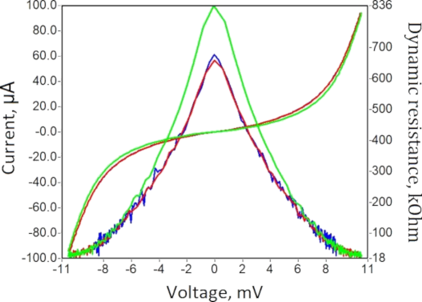
- fact that, in the case of heating the absorber by direct current, the electron temperature of all conduction electrons increases. In the equilibrium state, the electron temperature is determined by the incoming power and the electron–phonon interaction. However, in cases of absorption of a photon with
- device receiving the signal. Approximately, in the simplest case, the NEP of the SINIS detector can be calculated using the following formula: NEPe−ph is the noise equivalent power of electron–phonon interaction, caused by the discreteness of energy exchange between electrons and phonons: where kB is the
- Boltzmann constant, Λ is the volume of the absorber, Σ is the constant of electron–phonon interaction, and Te and Tph are the temperatures of the electron and phonon subsystems, respectively. NEPNIS is the noise equivalent power of NIS junction. It is a combination of shot noise that occurs as a result of


PEGylated lipids in lipid nanoparticle delivery dynamics and therapeutic innovation
Beilstein J. Nanotechnol. 2025, 16, 1914–1930, doi:10.3762/bjnano.16.133
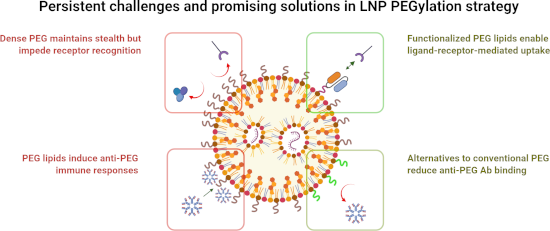
- reduced both LNP binding and cellular uptake, confirming that the interaction was mediated specifically through the PD-L1 receptor. Intravenous administration of Pep-LNPs in vivo showed a 4.2-fold increase in tumor accumulation and 2.6-fold higher transgene expression over peptide-free LNPs [47]. Using
- . Imaging and histological analysis showed that maleimide-LNPs remained localized near the injection site, implying enhanced interaction with the tumor microenvironment. In contrast, carboxylic acid-LNPs showed a reduced cellular association, likely due to electrostatic repulsion [52]. PDP-LNPs had minimal
- effect on uptake or transfection efficiency, suggesting limited interaction enhancement through that functional group. This study highlights that even without ligands, functionalized PEG lipids may be able to modulate LNP surface interactions and biodistribution, though the effect strongly depends on


Targeting the vector of arboviruses Aedes aegypti with nanoemulsions based on essential oils: a review with focus on larvicidal and repellent properties
Beilstein J. Nanotechnol. 2025, 16, 1894–1913, doi:10.3762/bjnano.16.132
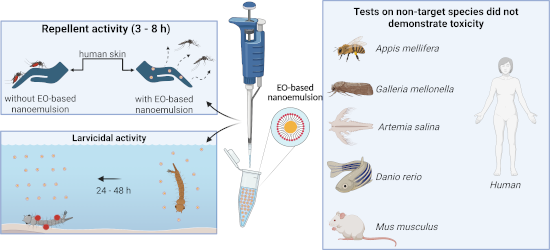
- -in-water (O/W), water-in-oil (W/O), or multiple emulsions (W/O/W or O/W/O) (Figure 2), depending on the preparation techniques and the choice and interaction of formulation components [34][88][89]. Nanoemulsions exhibit several advantages, making them promising systems for pharmaceutical and


Programmable soliton dynamics in all-Josephson-junction logic cells and networks
Beilstein J. Nanotechnol. 2025, 16, 1883–1893, doi:10.3762/bjnano.16.131

- flowing through the series junctions connecting the nodes. The current between nodes k and k + 1 () is plotted at the midpoint index k + 0.5 for visual clarity.This visualization allows for a direct comparison of the system’s state before and after soliton interaction. The solid lines depict the initial


Low-temperature AFM with a microwave cavity optomechanical transducer
Beilstein J. Nanotechnol. 2025, 16, 1873–1882, doi:10.3762/bjnano.16.130
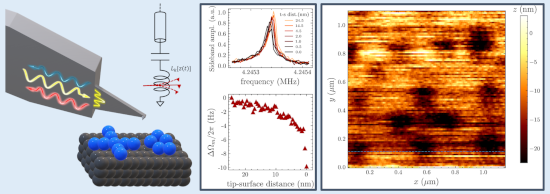
- , new record values of fundamental figures of merit have been reported at a surprisingly rapid rate. The field is now mature for the next challenge, that is, application-ready devices. Optomechanical interaction has been proposed to enable or improve many applications [1], including accelerometers [2


Self-assembly and adhesive properties of Pollicipes pollicipes barnacle cement protein cp19k: influence of pH and ionic strength
Beilstein J. Nanotechnol. 2025, 16, 1863–1872, doi:10.3762/bjnano.16.129
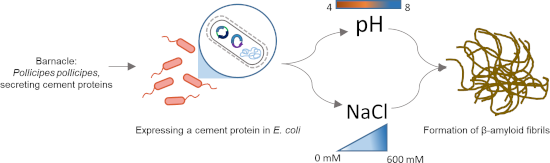
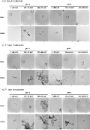
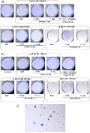
- needle like fibres were observed to form clusters of apparently aggregated protein which exhibited surface binding. This supports the hypothesis that unstructured or partially assembled cp19k fibrils may maximise surface interaction prior to curing and becoming stained by Coomassie homogenously, whereas


On the road to sustainability – application of metallic nanoparticles obtained by green synthesis in dentistry: a scoping review
Beilstein J. Nanotechnol. 2025, 16, 1851–1862, doi:10.3762/bjnano.16.128
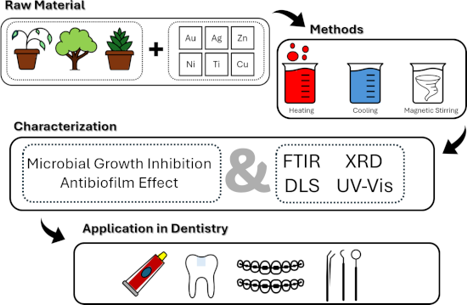
- phytochemicals not only facilitate the formation of stable colloidal nanostructures but also contribute synergistically to their bioactivity, enhancing their interaction with microbial membranes and disrupting biofilm formation [10][24]. In this study, silver (66%) was the main metal used in nanoparticle


Phytol-loaded soybean oil nanoemulsion as a promising alternative against Leishmania amazonensis
Beilstein J. Nanotechnol. 2025, 16, 1826–1836, doi:10.3762/bjnano.16.126

- thermal degradation of sensitive compounds, as well as excessive loss of volatile substances such as PHYT [30]. The small droplet size results in a large surface area, which enables effective interaction with biological membranes and consequently enhances drug penetration and retention [31]. Key
- in the treatment against cutaneous leishmaniasis. Although no permeation assay was conducted in the present study, the physicochemical profile of PHYT-NE supports its potential for efficient skin interaction and warrants further investigation in permeation studies. As a future perspective, ex vivo


Further insights into the thermodynamics of linear carbon chains for temperatures ranging from 13 to 300 K
Beilstein J. Nanotechnol. 2025, 16, 1818–1825, doi:10.3762/bjnano.16.125
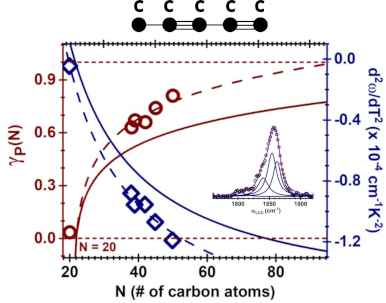
- Raman spectra as well as the independent evolution as a function of temperature of the Raman bands from CNT and LCC (see Figure 1 and Figure S1 in Supporting Information File 1) suggest that the interaction between distinct LCC, and LCC and CNT are not strong enough to affect their electronic and phonon


![[Graphic 23]](/bjnano/content/inline/2190-4286-16-125-i25.svg?max-width=637&scale=1.18182)
Piezoelectricity of layered double hydroxides: perspectives regarding piezocatalysis and nanogenerators
Beilstein J. Nanotechnol. 2025, 16, 1812–1817, doi:10.3762/bjnano.16.124

- -LDH alone. The authors proposed that the enhanced efficiency was due to the interaction between the lamellar structure of Zn/Al-LDH and the piezoelectric attributes of BaTiO3, along with heterojunctions within the BaTiO3/LDH composite. However, this study raises doubts concerning the successful

Electrical, photocatalytic, and sensory properties of graphene oxide and polyimide implanted with low- and medium-energy silver ions
Beilstein J. Nanotechnol. 2025, 16, 1794–1811, doi:10.3762/bjnano.16.123
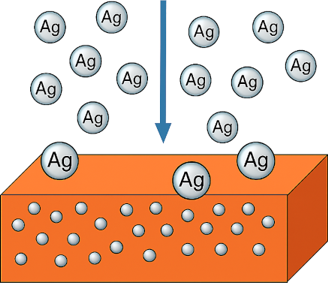
- conductivity, the implantation of silver ions can also significantly affect the interaction of the material with water molecules, thereby improving its sensing response to changes in air humidity [13]. By modifying the chemical composition and microstructure of the surface, the affinity of the material for air
- at 20 keV with fluence of 3.75 × 1012 cm−2 and for 1.5 MeV Ag ions with fluence 3.75 × 1012 cm−2. These samples show a gradual decrease in surface resistivity with increasing humidity, suggesting that ion implantation has modified the material in a way that promotes interaction with water molecules


Exploring the potential of polymers: advancements in oral nanocarrier technology
Beilstein J. Nanotechnol. 2025, 16, 1751–1793, doi:10.3762/bjnano.16.122
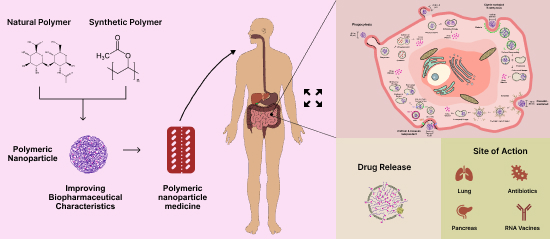
- , thereby achieving highly efficient drug release [18]. This interaction with biological systems without inducing negative or toxic effects is attributed to their biocompatibility and biodegradability [19]. Surface design plays a pivotal role in PNs for oral use, as it dictates their behavior during
- , nanocapsules are particularly effective in encapsulating hydrophobic and lipophilic drugs due to the affinity of these compounds for the oily core. Drug release occurs through controlled diffusion across the polymeric layer and interaction with the core material. Conversely, nanospheres are capable of
- mucin chains and consequently modifying the aggregation degree of the mucin network through various interactions [68][69]. Surface coating techniques play a key role in the interaction of PNs with the biological environment. These strategies involve the physical adsorption or covalent attachment of


Advances of aptamers in esophageal cancer diagnosis, treatment and drug delivery
Beilstein J. Nanotechnol. 2025, 16, 1734–1750, doi:10.3762/bjnano.16.121
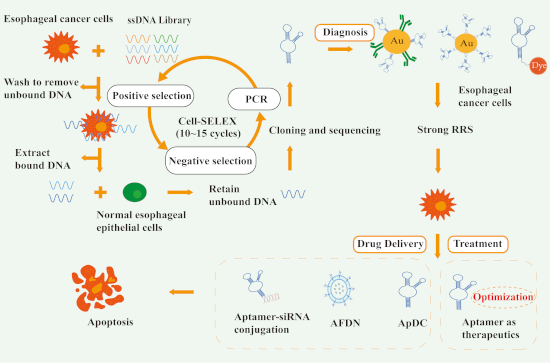
- resistance [73]. Notably, transcription factors like SOX2 are typically categorized as “non-druggable targets” due to three fundamental challenges: (1) their structurally flat DNA-binding domains, (2) extensive protein–protein interaction interfaces, and (3) the absence of well-defined binding pockets for
- interactions [79], begin to emerge. Chen et al. [80] showed that CDP and SOX2 expression levels were highly correlated with late ESCC, verified that CDP and SOX2 interacted in ESCC cell lines (KYSE450 and KYSE30 cells), and confirmed the interaction interface between these two proteins. Peptide aptamer p58
- , which can specifically block CDP/SOX2 interaction, was screened by BiFc assay. The antitumor activity of p58 aptamer was further analyzed in vitro and in mouse xenograft and zebrafish models, suggesting that peptide 58 could significantly inhibit the proliferation, migration, and invasion of KYSE450


Multifunctional anionic nanoemulsion with linseed oil and lecithin: a preliminary approach for dry eye disease
Beilstein J. Nanotechnol. 2025, 16, 1711–1733, doi:10.3762/bjnano.16.120
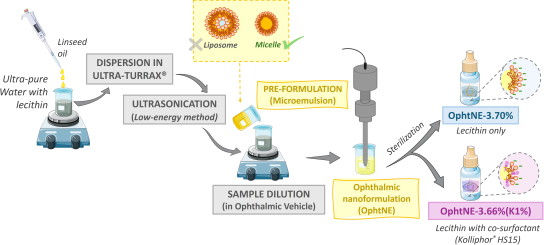
- between the drug and phospholipids, affecting stability [52][54]. Moreover, heating linseed oil to the formulation temperature of 75 °C offers specific advantages, such as enhanced phase interaction and improved solubilization potential for hydrophobic drugs, without compromising its chemical integrity or
- components of tear fluid [2][89]. Based on this, an anionic profile was selected in this study to optimize retention and interaction with the ocular environment, aiming to support tear film function and alleviate dry eye symptoms through the multifunctional properties of LO. Although the physicochemical



Ambient pressure XPS at MAX IV
Beilstein J. Nanotechnol. 2025, 16, 1677–1694, doi:10.3762/bjnano.16.118
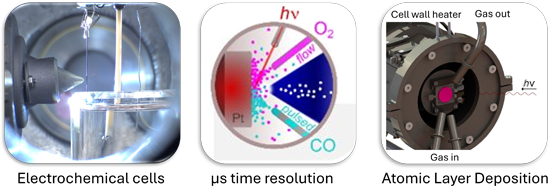
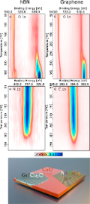
- (SCALMS) [17][18], and cluster encapsulation via strong metal–support interaction (SMSI) [19] have shown promise. While these methods have been successfully characterized using APXPS, the systems themselves were not investigated under catalytic turnover conditions and are therefore not discussed further





Energy spectrum and quantum phase transition of the coupled single spin and an infinitely coordinated Ising chain
Beilstein J. Nanotechnol. 2025, 16, 1668–1676, doi:10.3762/bjnano.16.117
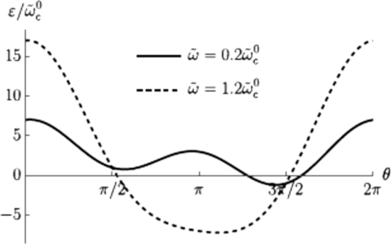
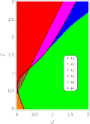
- operation, and it has technical benefits such as simplicity of calibration and suppression of the unwanted longitudinal ZZ interaction. One of the important quantities is the shift of the coupler qubits energy levels depending on the state of the logical qubits. In the present manuscript, we find the energy
- mostly aligned along the z-axis due to the large term. Effectively, an interaction with the single spin creates a strong magnetic field parallel to the single spin direction. Thus, the perpendicular component of the “magnetic field” can be considered as a small perturbation. Formally, this means that

![[Graphic 39]](/bjnano/content/inline/2190-4286-16-117-i63.svg?max-width=637&scale=1.18182)


![[Graphic 51]](/bjnano/content/inline/2190-4286-16-117-i75.svg?max-width=637&scale=1.18182)
Prospects of nanotechnology and natural products for cancer and immunotherapy
Beilstein J. Nanotechnol. 2025, 16, 1644–1667, doi:10.3762/bjnano.16.116
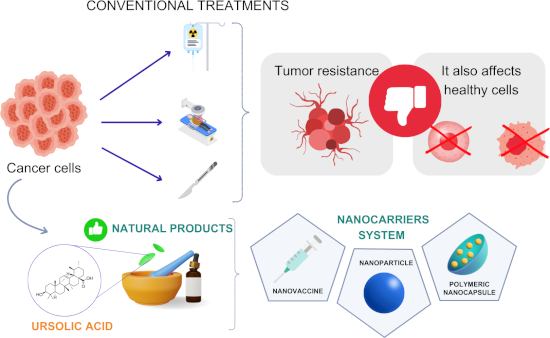
- compounds must have properties that contribute to a stable formulation, difficulty in controlling physicochemical characteristics, such as particle size, which can affect reproducibility and scalability, and problems related to rapid clearance and interaction with non-target tissues, mainly due to the
- particle size, along with improved interaction with cellular receptors, enables a significantly increase of the cell inhibitory effect (tumor cells were HepG2 and MCF-7), with the complex exhibiting an increased amount of cytokine secretion when used at a concentration of 10 mg·mL−1 [76]. Gold


Venom-loaded cationic-functionalized poly(lactic acid) nanoparticles for serum production against Tityus serrulatus scorpion
Beilstein J. Nanotechnol. 2025, 16, 1633–1643, doi:10.3762/bjnano.16.115
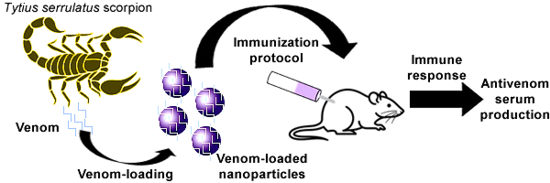
- polyethylenimine (PEI), to change the surface of nanoparticles to a positive potential, improving the interaction with negatively charged biomolecules, is one strategy successfully employed for gene delivery [20][23][24]. These cationic nanoparticles have an absent or weak electrostatic interaction with negatively
- nanoparticles was functionalized with PEI, a hydrophilic polymer that provides a positive surface charge. This modification enhances high macromolecule loading or improves the cell interaction and cellular uptake [22][33][34]. The cationic character induces biomolecules with negative charges, such as proteins
- a certain advantage over the polymer, and it is responsible for the nanoparticle cationic character, ensuring binding of venom proteins. Similar results were obtained using the ionic affinity interaction to bind negatively charged proteins of the T. serrulatus scorpion venom to the amine groups of


Nanotechnology-based approaches for the removal of microplastics from wastewater: a comprehensive review
Beilstein J. Nanotechnol. 2025, 16, 1607–1632, doi:10.3762/bjnano.16.114
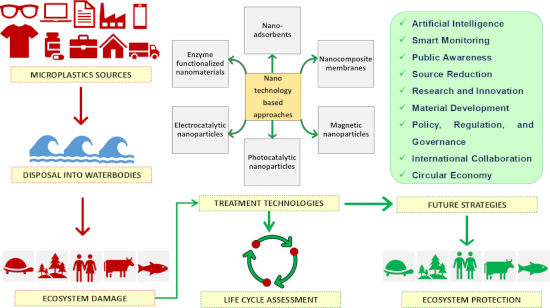
- . Interaction with oxygen forms peroxy radicals, which extract hydrogen atoms from the polymer backbone, creating hydroperoxide intermediates. These intermediates break down into alkoxy radicals, which further react to produce carbonyl and vinyl groups, markers of advanced photo-oxidation. The presence of these


Few-photon microwave fields for superconducting transmon-based qudit control
Beilstein J. Nanotechnol. 2025, 16, 1580–1591, doi:10.3762/bjnano.16.112
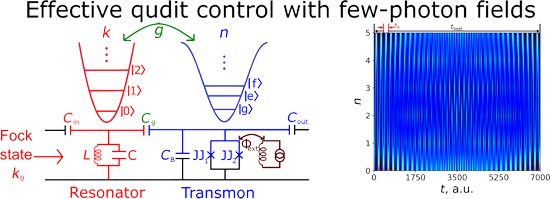
- the nonlinearity existing in a real solid-state system [31][32][33]. In our fully quantum analysis of the “atom”–field interaction, the nonlinearity of transmon will be taken into account. This article presents the results of a theoretical description of the interaction between a few-photon microwave
- means that this nonlinearity itself leads only to phase modulation without changing the excitation statistics. In our case, the dynamics of the excitations of a Josephson nanosystem (transmon) under the action of a nonclassical electromagnetic field is studied. The interaction of the photonic and
- interaction strength of the resonator mode with the Josephson subsystem is taken as , where is the dipole moment of the transmon, is the vacuum electric field in the resonator that affects the transmon, and l is the distance that the Cooper pair travels when tunneling through JJ [43]. The conditions for the


Photocatalytic degradation of ofloxacin in water assisted by TiO2 nanowires on carbon cloth: contributions of H2O2 addition and substrate absorbability
Beilstein J. Nanotechnol. 2025, 16, 1567–1579, doi:10.3762/bjnano.16.111
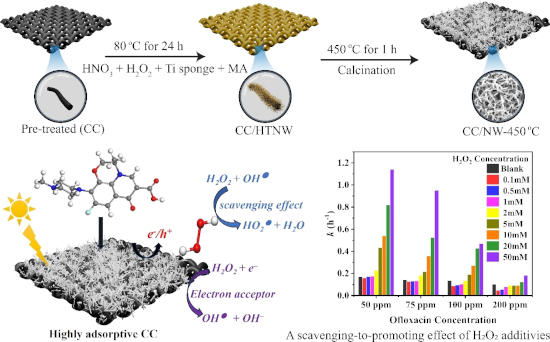
- unsatisfactory interaction with target contaminants diminishes photocatalytic degradation efficiency in water. Here, we present a mild solution method to precipitate anatase TiO2 nanowire arrays, measuring 1.5 μm in thickness, over carbon cloth to ensure substantial interactions with target pollutants and, in
- CC/NW-450 °C is evaluated to be 2.97 eV (Figure 3a inset). This value is smaller than the bandgap of 3.2 eV for anatase TiO2, which can be attributed to the strong interaction between TiO2 and the carbon cloth, which may induce localized states within the bandgap and potentially introduce defects
- carbon cloth via Ti–H2O2 interaction, followed by a subsequent calcination in air. The synthetic process also activated the carbon cloth, significantly increasing the specific surface area to 289.9 m2·g−1. The TiO2 nanowires supported on carbon cloth demonstrated excellent efficiency for degradation of


Modeling magnetic properties of cobalt nanofilms used as a component of spin hybrid superconductor–ferromagnetic structures
Beilstein J. Nanotechnol. 2025, 16, 1557–1566, doi:10.3762/bjnano.16.110
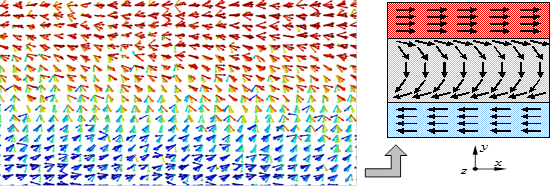
- : where UMEAM(r) is the force potential, the modified embedded atom method (MEAM) potential was used in this work; Hex(r) is the exchange interaction energy of spins; r = {r1,r2,…,rN} is the generalized variable showing the dependence on the whole set of radial vectors of atoms; κ,λ are viscous friction
- modeling problems. The exchange interaction energy of spins is used in mathematical models to describe the magnetic behavior of systems and allows us to reproduce their ferromagnetic and antiferromagnetic ordering. The total energy value is calculated according to the following expression: where J(rij) is
- the exchange integral, the sign of which determines the type of interaction (ferromagnetic or antiferromagnetic); and si and sj are spin vectors of individual atoms. Equation 6 provides a connection between the spatial and spin degrees of freedom of the system through the exchange integral in the form





