


Search results
Search for "interactions" in Full Text gives 1250 result(s) in Beilstein Journal of Nanotechnology. Showing first 200.
Development and in vitro evaluation of liposomes and immunoliposomes containing 5-fluorouracil and R-phycoerythrin as a potential phototheranostic system for colorectal cancer
Beilstein J. Nanotechnol. 2026, 17, 97–121, doi:10.3762/bjnano.17.7
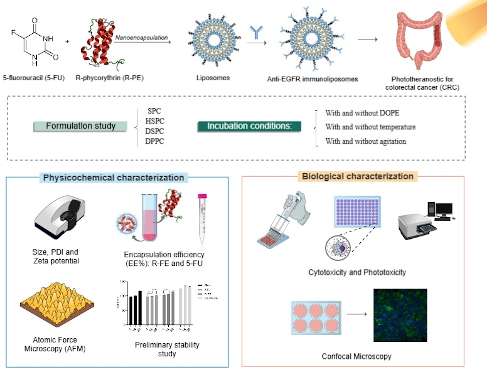
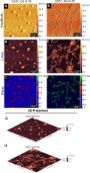
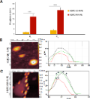
- from [e.g., n = 507] HSPC-50-R-PE control liposomes and [e.g., n = 788] HSPC-IM-R-PE immunoliposomes, which were obtained from six and eight independent AFM images, respectively. 2.4 Fourier transform infrared spectroscopy Drug–nanoparticle interactions were studied by subjecting the previously
- occurs passively during the formation of vesicles. For water-soluble drugs, such as those used in this study, loading occurs through interactions with the intraliposomal aqueous core. For hydrophilic drugs, encapsulation efficiency tends to be low, so the drug/lipid ratio is usually lower, between 10 and
- findings highlight the importance of optimizing lipid composition not only according to the general hydrophilicity or lipophilicity of the drug, but also considering the molecular size, structure, and specific interactions with lipid components. The stability of formulations containing HSPC 50 was



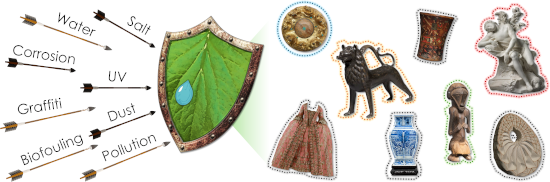
Functional surface engineering for cultural heritage protection: the role of superhydrophobic and superoleophobic coatings – a comprehensive review
Beilstein J. Nanotechnol. 2026, 17, 63–96, doi:10.3762/bjnano.17.6




Microscopic study of the intermediate mixed state in intertype superconductors
Beilstein J. Nanotechnol. 2026, 17, 57–62, doi:10.3762/bjnano.17.5
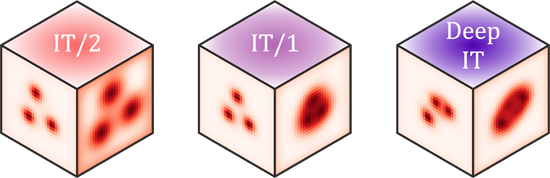
- entire temperature range 0 < T < Tc. Our results demonstrate the key features of IT superconductivity, namely, nonmonotonic vortex interactions and formation of vortex clusters. Using results of the calculations, we construct a “temperature–coupling” phase diagram that delineates distinct superconducting
- vortex–vortex interactions, which are attractive at long and repulsive at short ranges [14]. The long-range attraction destabilizes the regular Abrikosov lattice, promoting the formation of vortex clusters. Subsequent studies have also highlighted the important role of many-vortex effects, which extend
- beyond simple pairwise interactions and decisively shape IMS vortex configurations [26][27]. Despite the long-standing experimental evidence and theoretical efforts, IT superconductivity remains insufficiently explored. This gap arises from the limitations of perturbative approaches, which are strictly


Subdigital integumentary microstructure in Cyrtodactylus (Squamata: Gekkota): do those lineages with incipiently expressed toepads exclusively exhibit adhesive setae?
Beilstein J. Nanotechnol. 2026, 17, 38–56, doi:10.3762/bjnano.17.4
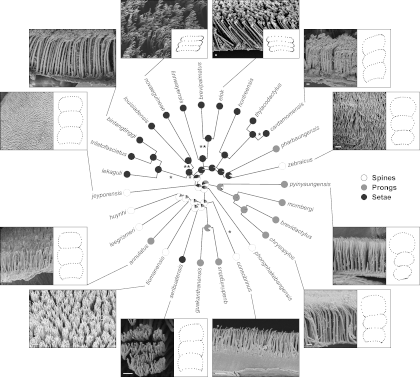
- arboreal, lifestyle [29] as these microstructures effect increased adhesive interactions with smooth, inclined surfaces. The surfaces of some arboreal habitats can be very smooth [30][31][32], imposing selective demands for adhesive capabilities that permit safe and efficient locomotion. Saxicoline
- sufficient van der Waals interactions between the feet and the substratum to allow the first stages of whole-body support (whole-animal adhesive competency) [3][13]. Initial strengthening of adhesive attachment between the digits and the substratum can be hypothesized to underlie subsequent modification of
- 1), yet shows adhesive competency [7][13][50]. Once this occurs, the filament–substrate interaction can be seen as the “trigger” that promotes further elaboration of spines and prongs into setae (enhancing adhesive interactions) and the modification of the scales to support more filaments (promoting


Quantitative estimation of nanoparticle/substrate adhesion by atomic force microscopy
Beilstein J. Nanotechnol. 2026, 17, 1–14, doi:10.3762/bjnano.17.1

- strategies for tailoring nanoparticle/substrate interactions. Keywords: adhesion; atomic force microscopy; magnetron sputtering; nanomanipulation; nanoparticles; Introduction Nanoparticles (NPs) are at the forefront of basic research and technological innovation, captivating researchers and engineers from
- [15][16][17]. However, achieving consistently accurate manipulation of NPs has inherent limitations due to limited knowledge of the exact geometry of the AFM tip as well as the complex interactions involving surface contact area and interfacial friction between the AFM tip, NPs, and the substrate [18
- ]. Further, the yield strength effects are also entirely omitted. In addition, neither chemical interactions with the substrate nor its mechanical response are considered. For small NP diameters (2–4 nm), the predicted deformation seems clearly overestimated, as the theoretical contact radius exceeds the NP



Internal 3D temperature mapping in biological systems using ratiometric light-sheet imaging and lipid-coated upconversion nanothermometers
Beilstein J. Nanotechnol. 2025, 16, 2306–2316, doi:10.3762/bjnano.16.159
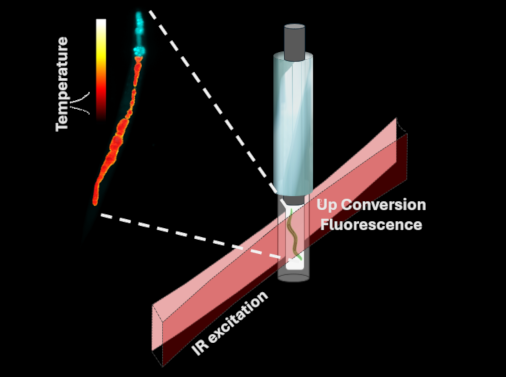
- ratios [18][19][20][21][22][23][24][25][26][27][28][29] and polarization anisotropy [30][31]. In biological applications involving fluorescent nanothermometry, light–tissue interactions must be carefully considered for an accurate temperature measurement. To address this, a wide range of luminescent
- electrostatic interactions between the cationic PEI coating and negatively charged cell surfaces. The positive charge of PEI can be enhanced at lower pH levels, such as those found in parts of the C. elegans digestive tract [60], potentially promoting further endocytosis. In contrast, the UCNPs@lipids


Improving magnetic properties of Mn- and Zn-doped core–shell iron oxide nanoparticles by tuning their size
Beilstein J. Nanotechnol. 2025, 16, 2285–2295, doi:10.3762/bjnano.16.157
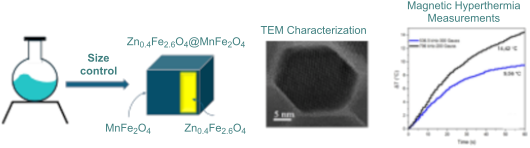
- Zn2+ into tetrahedral sites, which strengthens the Fe3+–O bond through enhanced covalency and changes in cation distribution, leading to shorter and stiffer bonds. The additional upward shift to 730 cm−1 in the core–shell structure reflects interfacial strain and electronic interactions between the
- observed peak positions and their shift, highlighting the impact of lattice distortions, bond strengthening, and interfacial interactions on the vibrational properties of the material [18]. The presence of peaks at ≈2850 cm−1 and ≈2920 cm−1 is associated with the C–H stretching vibrations from surface



Visualizing nanostructures in supramolecular hydrogels: a correlative study using confocal and cryogenic scanning electron microscopy
Beilstein J. Nanotechnol. 2025, 16, 2274–2284, doi:10.3762/bjnano.16.156
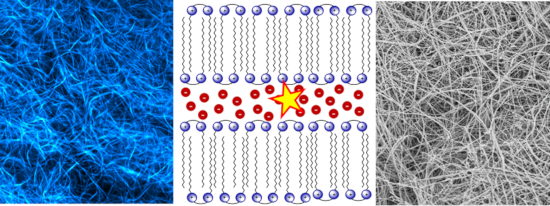
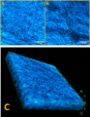
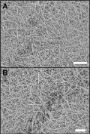
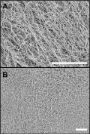
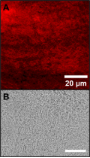
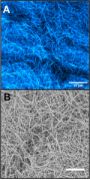
- nitrogen atoms are functionalized with carboxymethyl groups, providing aqueous solubility and enabling favourable interactions with the cationic imidazolium-based moieties in the gel network. Together, these probes enable complementary insights into the gel network’s morphology and probe–gel interactions



Chiral plasmonic nanostructures fabricated with circularly polarized light
Beilstein J. Nanotechnol. 2025, 16, 2245–2264, doi:10.3762/bjnano.16.154
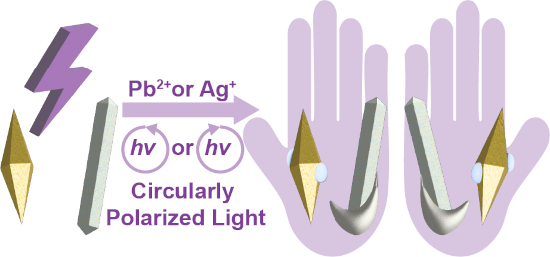
- . Additionally, the optical chirality at the near field is greater than that of the incident CPL, increasing the polarization selectivity of the interactions between molecules and CPL [17][18]. After more than two decades of development, the synthesis of cPNSs has evolved from nanolithography and self-assembly
- enantioselectivity induced by cPNSs has primarily been attributed to their geometrical chirality, which structurally favors interactions with chiral molecules [21][22]. However, chiral-induced spin selectivity through cPNSs can potentially promote enantioselective catalytic reactions [23]. Furthermore, the chiral
- recent research reduced Ag(I) on the surface of AuNRs dispersed in solution with the presence of citric acid and CPL [78]. The chiral NPs obtained in these two studies exhibit relatively low g-factors, measured at 0.0025 and 0.0001, due to interparticle interactions and Brownian motion of the particles





Optical bio/chemical sensors for vitamin B12 analysis in food and pharmaceuticals: state of the art, challenges, and future outlooks
Beilstein J. Nanotechnol. 2025, 16, 2207–2244, doi:10.3762/bjnano.16.153
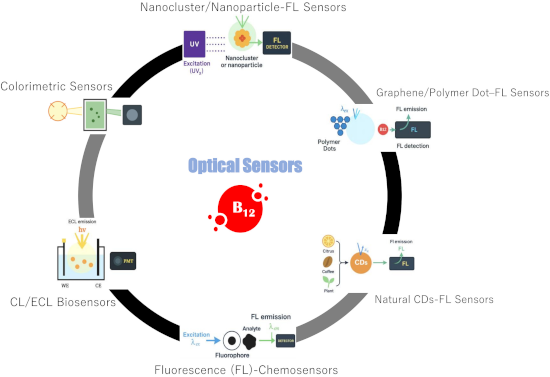
- quantitation range and RR were 0.08–2.40 ng/mL and 89–106%, respectively [91]. Cannon et al. employed SPR to indirectly detect VB12 by observing the interactions between this vitamin and its specific binding proteins, with the protein interaction acting as the recognition step, the SPR chip as the indicator
- , the recognition relies on analyte–electrode interactions, the electrode or surface-bound luminophore acts as the indicator, and the signal is the electrochemically induced light emission. These reactions generate excited states that emit light as they relax back to lower energy levels [98]. Therefore


Ultrathin water layers on mannosylated gold nanoparticles
Beilstein J. Nanotechnol. 2025, 16, 2183–2198, doi:10.3762/bjnano.16.151
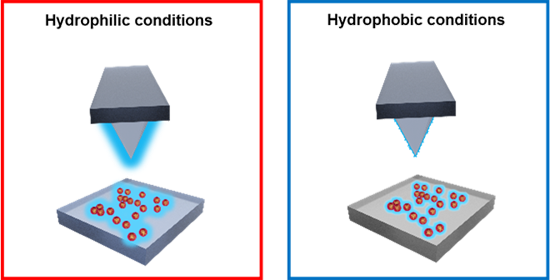
- carbohydrates to AuNPs provides particle stability and biocompatibility and allows for studying carbohydrate-mediated interactions and designing novel carbohydrate-based antiviral agents [8][9]. From a molecular point of view, glyconanoparticles are water-soluble gold nanoclusters with a three-dimensional
- , we observed a very small number of NPs and higher agglomeration than on APDMES (Figure 6E,F,K,L). Like on APDMES, PEG AuNPs are less uniformly distributed than dimanno-AuNPs. The differences are likely due to the delicate balance between capillary flow and surface interactions. The flow is likely the
- dominant driver of particle motion, and strong particle–substrate interactions may lead to particle attachment before they are transported to the contact line, thereby preventing the formation of a “coffee ring” [34]. Detailed height measurements of adsorbed particles in water vapor AFM under variable RH



Quality by design optimization of microemulsions for topical delivery of Passiflora setacea seed oil
Beilstein J. Nanotechnol. 2025, 16, 2116–2131, doi:10.3762/bjnano.16.146
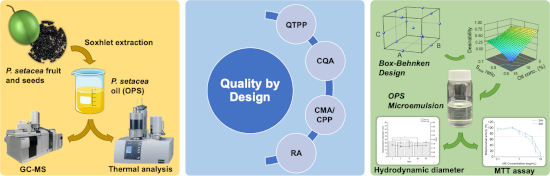
- of the physicochemical properties and interactions of their constituents [7][9]. In this context, the quality by design (QbD) framework provides a systematic and scientifically grounded approach for pharmaceutical formulation development. QbD emphasizes predefined quality objectives, product and
- formulation to ensure quality consistency. Experimental design for the development and optimization of Passiflora setacea microemulsion An initial exploratory 23 full factorial applied was employed to evaluate the effects and interactions among key formulation variables (see Supporting Information File 1
- , Tables S4 to S6). However, the presence of significant higher-order interactions limited the predictive capability and overall fit of the model. These limitations indicated the need for a more refined strategy with higher resolution and reduced confounding effects. Therefore, a Box–Behnken design (BBD


Rapid synthesis of highly monodisperse AgSbS2 nanocrystals: unveiling multifaceted activities in cancer therapy, antibacterial strategies, and antioxidant defense
Beilstein J. Nanotechnol. 2025, 16, 2105–2115, doi:10.3762/bjnano.16.145
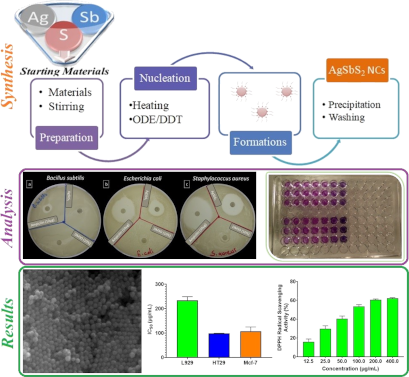
- in this study, it is generally accepted that the surface charge of NCs plays a critical role in their colloidal stability, dispersion behavior, and biological interactions [22][32]. In cubic cuboargyrite phase, there are 14 polyhedra with antimony and silver at the center (Figure 1c). Herein, a
- cells. A comprehensive understanding of the fundamental mechanisms governing this selective activity against cancer cell lines necessitates further investigation. Elucidating the specific molecular interactions and signaling pathways between NCs and malignant cells may provide an alternative therapeutic
- ratio and enhanced surface reactivity [30]. These features, combined with the tunable surface chemistry of nanoparticles, allow for efficient interactions with free radicals and facilitate electron transfer reactions, resulting in robust antioxidant activity [49]. This activity involves scavenging free


Toward clinical translation of carbon nanomaterials in anticancer drug delivery: the need for standardisation
Beilstein J. Nanotechnol. 2025, 16, 2092–2104, doi:10.3762/bjnano.16.144

- tend to evade renal filtration due to the formation of a protein corona that effectively increases their hydrodynamic size [38]. Beyond renal clearance, particle size also critically influences toxicity, metabolic fate, tumour targeting, protein interactions, and hepatic processing. Additional
- . Depending on the intended route of delivery and application, this may involve cytotoxicity assays to assess effects on cell viability and metabolism, and hemocompatibility assays to evaluate interactions with blood components such as red blood cells, clotting factors, and platelets. In vitro release studies




Multifrequency AFM integrating PeakForce tapping and higher eigenmodes for heterogeneous surface characterization
Beilstein J. Nanotechnol. 2025, 16, 2077–2085, doi:10.3762/bjnano.16.142
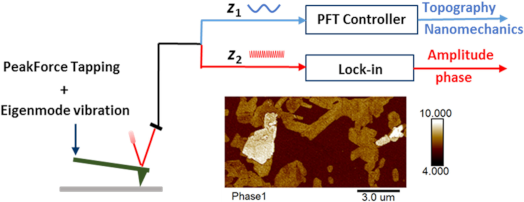
- piezoelectric actuator PD-II while the tip was retracted approximately 200 nm from the surface to avoid any influence of tip–sample interactions. The amplitude–frequency response was measured using the built-in lock-in amplifiers, and the operational excitation frequencies were determined by referencing the
- these different areas (see Supporting Information File 1, Figure S2). Mechanistic insights and operational advantages The material contrast generated by the superposed eigenmode phase originates from the cantilever’s high sensitivity to the gradient of tip–sample interactions and energy dissipation
- vibrational measurements is also recognized in concurrent AFM techniques [29]. This mechanism enables the high eigenmode to stably and sensitively probe the near-surface region and detect a broader spectrum of tip–sample interactions, which contributes to improved material property contrast in phase and


Molecular and mechanical insights into gecko seta adhesion: multiscale simulations combining molecular dynamics and the finite element method
Beilstein J. Nanotechnol. 2025, 16, 2055–2076, doi:10.3762/bjnano.16.141
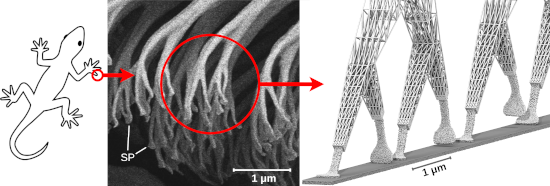
- dynamics to capture molecular interactions at the spatula–substrate interface and finite element method to simulate the mechanical behavior of the larger setal shaft. This hybrid approach enables synchronized simulations that resolve both fine-scale interfacial dynamics and overall structural deformation
- structures on their feet [1][2]. This bioadhesion mechanism has been studied extensively, especially for biomimetic adhesive applications [3][4][5][6][7][8][9]. Understanding these interactions presents a formidable challenge in biophysics and materials science due to the extremely small length and time
- gecko spatula was then used to bridge molecular interactions and macroscopic adhesion behavior. This mesoscale model accurately simulated spatula detachment from various substrates and matched experimental pull-off forces observed in AFM studies and pull-off pressures from united atom simulations of







Stereodiscrimination of guests in chiral organosilica aerogels studied by ESR spectroscopy
Beilstein J. Nanotechnol. 2025, 16, 2034–2054, doi:10.3762/bjnano.16.140
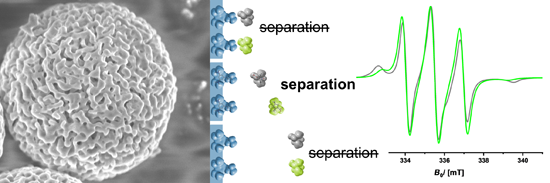
- drugs. Beyond pharmaceuticals, chiral chromatography is also essential in agrochemicals, flavors, fragrances, and many other chemicals whose stereochemistry plays a role in their biological interactions and sensory properties. The essence of chiral chromatography involves using chiral stationary phases
- or derivatizing agents, enabling the separation of enantiomers based on their interactions with these chiral entities. It is obvious that the transport properties of the two enantiomers must be different for them to be separated successfully. Transport in porous media is a topic with much broader and
- material. In essence, one sees here the interplay of all processes contributing to transport. Gathering information about the phenomena at short(er) distances and short(er) timescales and about the correlation between the mobility of guest species and intermolecular interactions with functionalized




Beyond the shell: exploring polymer–lipid interfaces in core–shell nanofibers to carry hyaluronic acid and β-caryophyllene
Beilstein J. Nanotechnol. 2025, 16, 2015–2033, doi:10.3762/bjnano.16.139
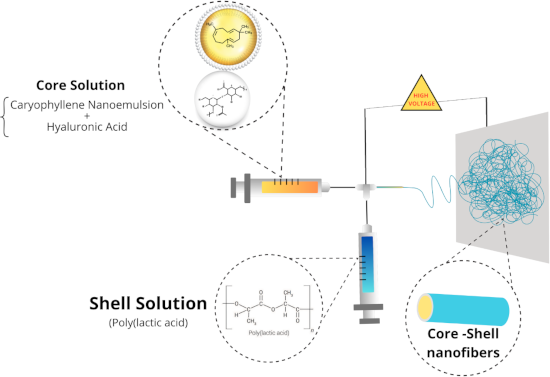
- critical gap persists in thoroughly understanding the complex polymer–lipid interactions, particularly in systems designed for the simultaneous co-encapsulation of compounds with vastly different physicochemical properties, such as hydrophilic HA and lipophilic βCp. An in-depth understanding of these
- specific interactions is essential for precise modulation of encapsulation efficiency, ensuring system stability and achieving tailored kinetic release. Therefore, the primary objective of this study was to thoroughly investigate lipid–polymer interactions within coaxially electrospun PLA nanofibers
- number of beads and the formation of fibers with a more dispersed structure, likely reflecting insufficient polymer chain entanglement and Taylor cone instability. This behavior appears to result from interactions between NE-βCp droplets and HA chains, which may disrupt the jet and hinder solvent




Laser ablation in liquids for shape-tailored synthesis of nanomaterials: status and challenges
Beilstein J. Nanotechnol. 2025, 16, 1963–1997, doi:10.3762/bjnano.16.137
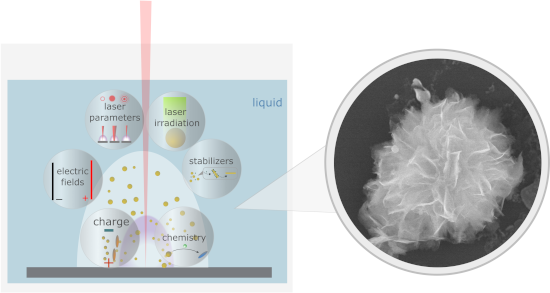
- has an absorption band at 248 nm, the wavelength change from 248 nm to 532 nm resulted in a significant decrease in absorption and consequent production of near-spherical NPs, similarly to those obtained in other solvents that do not directly participate in chemical interactions with the liquid
- . However, the additional 248 nm laser irradiation of the spherical NPs in methanol could transform NPs into nanowires. This underlines the importance of controlling chemical reactions during all stages of laser ablation and laser modification processes. Chemical interactions can become key parameters if
- chains in stabilizing ligands influences particle–particle coupling; therefore, the exchange of stabilizing agents will influence the overall shape of nanomaterials [43][44]. Further surface engineering by the control of ligand–ligand interactions can result in the formation of novel nanoarchitectures




Evaluating metal-organic precursors for focused ion beam-induced deposition through solid-layer decomposition analysis
Beilstein J. Nanotechnol. 2025, 16, 1942–1951, doi:10.3762/bjnano.16.135
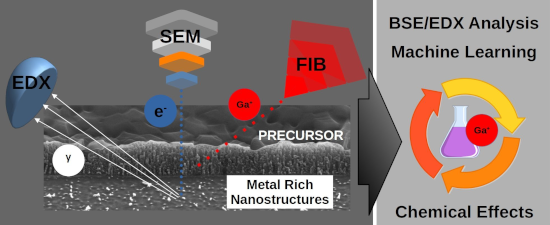
- tested in FEBID processes. Preliminary studies of new or potential FEBID precursors employ electron ionization mass spectrometry and gas-phase cross-beam experiments (dissociative ionization and dissociative electron attachment), but more informative are investigations into the interactions of molecules
- decomposition mechanisms are proposed. Studies have been conducted on ion–molecule interactions in both solid and gas phases. Ultrahigh vacuum experiments on a few monolayers of FIBID precursors, such as [Ru(CO)4I2], [(η5-C5H5)Fe(CO)2Re(CO)5], and [Fe(CO)5], have been used to elucidate decomposition pathways
- . Gas-phase interactions between [Fe(CO)5] molecules and ions of helium, neon, argon, and krypton were carried out. However, the authors noted that these results may not accurately reflect the behavior of the precursor on the surface during actual FIBID processing since the conditions under which the


PEGylated lipids in lipid nanoparticle delivery dynamics and therapeutic innovation
Beilstein J. Nanotechnol. 2025, 16, 1914–1930, doi:10.3762/bjnano.16.133
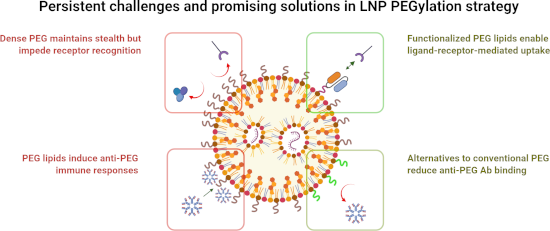
- nanoparticle formulation is polyethylene glycol-modified (i.e., PEGylated) lipids (PEG lipids), which can significantly influence the stability, cell interactions, and overall effectiveness of LNP delivery vehicles. This review collates insights into the role of PEG lipids in LNPs by illustrating how the PEG
- review first reveals the localization and conformation of PEG lipids on the LNP surface, which is fundamental for understanding how PEG lipids contribute to nanoparticle stability and surface interactions. It then demonstrates how PEG density and chemical structure may influence the physicochemical
- providing steric stabilization and controlling interactions during blood circulation [9]. A study using small-angle neutron scattering (SANS) with selective deuteration has provided compelling insights into the lipid localizations. In a LNP formulation composed of MC3, DSPC, cholesterol, and DMPE-PEG2k at a


Targeting the vector of arboviruses Aedes aegypti with nanoemulsions based on essential oils: a review with focus on larvicidal and repellent properties
Beilstein J. Nanotechnol. 2025, 16, 1894–1913, doi:10.3762/bjnano.16.132
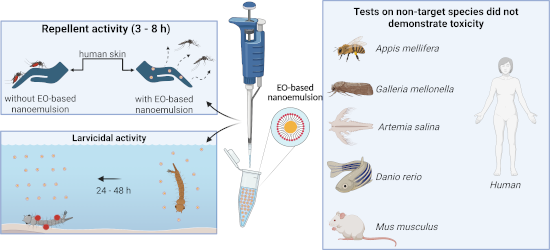
- environmental factors such as temperature, nutrient availability, water quality, and ecological interactions. Higher temperatures accelerate growth, while food scarcity and competition can prolong this phase [46][47][48]. The life cycle of Ae. aegypti (Figure 1) begins with the deposition of eggs by adult


Programmable soliton dynamics in all-Josephson-junction logic cells and networks
Beilstein J. Nanotechnol. 2025, 16, 1883–1893, doi:10.3762/bjnano.16.131

- particular method of signal propagation delay influence depends on the realization of interneuron interactions and the need to adjust a particular interneuron connection. Moreover, these approaches can be combined into one by using a chain of superconductor diodes. Using cells with kinetic inductances, we
- ) after left-propagating soliton passage; (c, d) sequential right-propagating soliton interactions; (e) final left-propagating soliton recurrence. (a) Schematic of an all-Josephson-junction transmission line (all-JJTL) network with three inputs (In 1, In 2, In 3), three outputs (Out 1, Out 2, Out 3), and


Self-assembly and adhesive properties of Pollicipes pollicipes barnacle cement protein cp19k: influence of pH and ionic strength
Beilstein J. Nanotechnol. 2025, 16, 1863–1872, doi:10.3762/bjnano.16.129
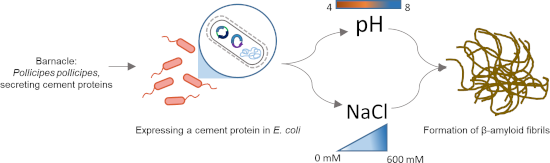
- bond formation, metal chelation, and covalent interactions [6]. The byssal threads display a mechanical gradient, with regions proximal to the animal more elastic and distal regions stiffer and tougher [7]. This design allows for effective dissipation of hydrodynamic forces and maintains attachment of


Phytol-loaded soybean oil nanoemulsion as a promising alternative against Leishmania amazonensis
Beilstein J. Nanotechnol. 2025, 16, 1826–1836, doi:10.3762/bjnano.16.126

- on cytotoxicity in cutaneous leishmaniasis highlight the immunological interactions involving multiple cell types beyond macrophages, as well as the role of cytotoxic cells in disease progression and tissue damage, supporting the relevance of studying different cellular models, including fibroblasts





