


Search results
Search for "medical" in Full Text gives 386 result(s) in Beilstein Journal of Nanotechnology. Showing first 200.
Pulsed laser in liquid grafting of gold nanoparticle–carbon support composites
Beilstein J. Nanotechnol. 2025, 16, 349–361, doi:10.3762/bjnano.16.26
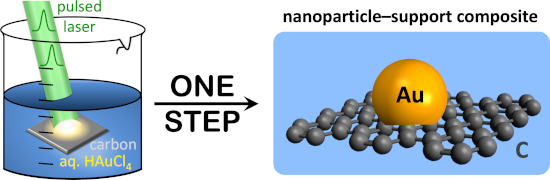
- . Inductively coupled plasma mass spectrometry measurements were conducted at the University of Rochester Medical Center. A Perkin Elmer NexION 2000 system featuring multielement detection and parts per billion/parts per trillion sensitivity was used. The gold nanoparticle–carbon fiber paper composites were


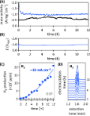
Fabrication and evaluation of BerNPs regarding the growth and development of Streptococcus mutans
Beilstein J. Nanotechnol. 2025, 16, 308–315, doi:10.3762/bjnano.16.23
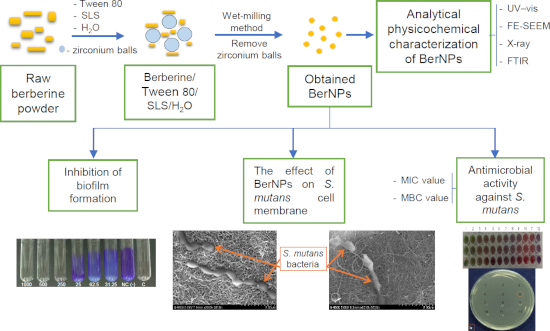
- Faculty of Medical Technology, Van Lang University, Ho Chi Minh City, Vietnam Department of Biotechnology, Nong Lam University, Ho Chi Minh City, Vietnam Faculty of Pharmacy, Van Lang University, Ho Chi Minh City, Vietnam 10.3762/bjnano.16.23 Abstract In this study, berberine nanoparticles (BerNPs) were


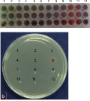


Enhancing mechanical properties of chitosan/PVA electrospun nanofibers: a comprehensive review
Beilstein J. Nanotechnol. 2025, 16, 286–307, doi:10.3762/bjnano.16.22


Emerging strategies in the sustainable removal of antibiotics using semiconductor-based photocatalysts
Beilstein J. Nanotechnol. 2025, 16, 264–285, doi:10.3762/bjnano.16.21
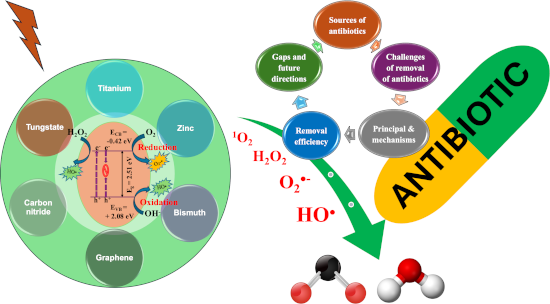
- antibiotics to urban water systems [45]. These facilities administer large doses of antibiotics to patients, resulting in the excretion of antibiotic residues through wastewater. Medical waste incineration is a significant source of antibiotic emissions, potentially contributing to the spread of antibiotic



Recent advances in photothermal nanomaterials for ophthalmic applications
Beilstein J. Nanotechnol. 2025, 16, 195–215, doi:10.3762/bjnano.16.16
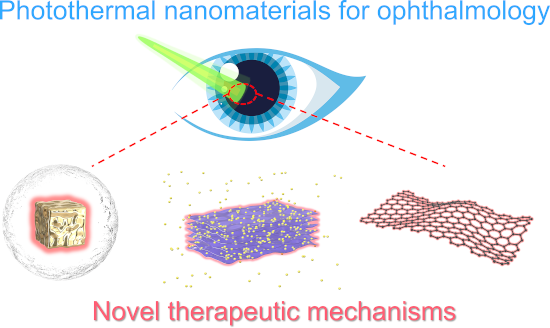
- and Engineering, Hainan University, Haikou 570228, P. R. China Medical College, Yangzhou University, Yangzhou 225009, P. R. China The first school of clinical medicine, Lanzhou University, Lanzhou 730000, P. R. China Gansu Provincial Hospital of TCM, Lanzhou 730000, P. R. China 10.3762/bjnano.16.16


Clays enhanced with niobium: potential in wastewater treatment and reuse as pigment with antibacterial activity
Beilstein J. Nanotechnol. 2025, 16, 141–154, doi:10.3762/bjnano.16.13
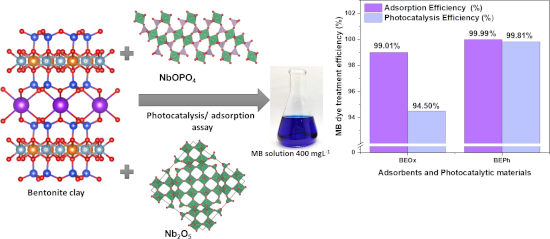
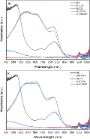
- intense blue cationic dye important in medical sciences, chemistry, and biology, as well as widely used in the textile industry [2]. Prolonged exposure to MB can result in adverse health effects, including abdominal disorders, respiratory distress, skin sensitization, and blindness [3]. The dark blue



Nanocarriers and macrophage interaction: from a potential hurdle to an alternative therapeutic strategy
Beilstein J. Nanotechnol. 2025, 16, 97–118, doi:10.3762/bjnano.16.10
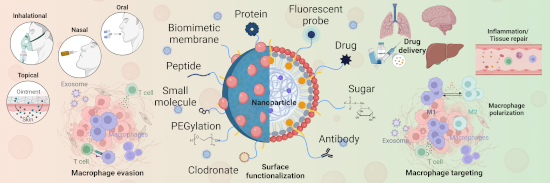
- NCs to transport drugs, mRNAs, and other therapeutic agents directly to the site of pathology represents a significant advancement in medical treatment modalities. This approach can significantly support the shift towards more targeted and efficient therapeutic strategies. This progress results from


Characterization of ZnO nanoparticles synthesized using probiotic Lactiplantibacillus plantarum GP258
Beilstein J. Nanotechnol. 2025, 16, 78–89, doi:10.3762/bjnano.16.8
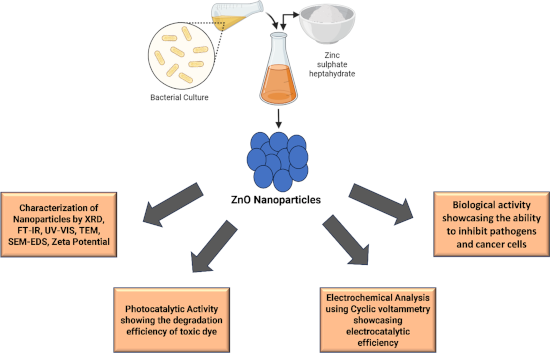
- Prashantkumar Siddappa Chakra Aishwarya Banakar Shriram Narayan Puranik Vishwas Kaveeshwar C. R. Ravikumar Devaraja Gayathri Department of Studies in Microbiology, Davangere University, Davangere, Karnataka, 577007, India Central Research Laboratory, S.D.M College of Medical Sciences and Hospital
- with a size below 100 nm are generally considered NPs. There are several drawbacks to the chemical and physical production of NPs. Although chemically synthesized NPs are widely used in medical applications, some chemical synthesis methods involve toxic reagents and produce harmful byproducts, raising
- semiconductors. Also, ZnO NPs exhibit antimicrobial activity, targeted drug delivery, catalytic activity, and antidiabetic, larvicidal, acaricidal and anticancer activity in addition to their usage in different medical devices and pharmaceuticals [11][12][13]. We report the ecologically safe production of ZnO



Instance maps as an organising concept for complex experimental workflows as demonstrated for (nano)material safety research
Beilstein J. Nanotechnol. 2025, 16, 57–77, doi:10.3762/bjnano.16.7

- Lynch Thomas E. Exner Department of Biosciences & Medical Biology, Paris Lodron University of Salzburg, Hellbrunnerstrasse 34, 5020 Salzburg, Austria Seven Past Nine d.o.o., Hribljane 10, 1380 Cerknica, Slovenia Center for the Environmental Implications of Nano Technology (CEINT), Civil & Environmental


A nanocarrier containing carboxylic and histamine groups with dual action: acetylcholine hydrolysis and antidote atropine delivery
Beilstein J. Nanotechnol. 2025, 16, 11–24, doi:10.3762/bjnano.16.2

- directly in the growth medium. Нemocompatibility Human erythrocytes were obtained at the medical office of the A.E. Arbuzov Institute of Organic and Physical Chemistry from two Caucasian volunteers (52 years old, blood group II and 24 years old, blood group IV), after receiving informed consent. The study


Biomimetic nanocarriers: integrating natural functions for advanced therapeutic applications
Beilstein J. Nanotechnol. 2024, 15, 1619–1626, doi:10.3762/bjnano.15.127

- advancements nanocarriers have brought to medical sciences, particularly in cancer treatment, several challenges remain for their widespread application. Issues such as cytotoxicity, difficulties in management, encapsulation, and in vivo release pose barriers to the application of nanocarriers [16][17]. In


Natural nanofibers embedded in the seed mucilage envelope: composite hydrogels with specific adhesive and frictional properties
Beilstein J. Nanotechnol. 2024, 15, 1603–1618, doi:10.3762/bjnano.15.126
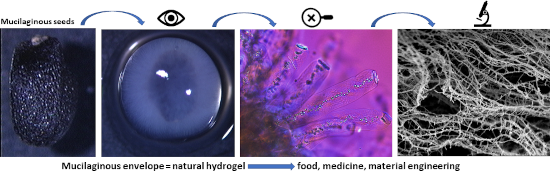
- encapsulation of medical substances. A very important advantage of diaspore mucilages are their antimicrobial properties [105][106][110][111]. Phenolic compounds are secondary plant metabolites, which demonstrate a wide range of structures, from simple molecules to polymeric compounds. They can be produced in
- production of biofilms, encapsulation, or lubricants with medical application [106][110][111][116][117]. Our findings may also help to design pathogen-resistant lubricating biomaterials with low friction, which can be achieved in rather simply way by adding phenolic substances to the medical hydrogels [98
- medical waste“, © Pöllö, published via Wikimedia Commons, distributed under the terms of the Creative Commons Attribution 3.0 Generic License, https://creativecommons.org/licenses/by/3.0/). Salvia hispanica dry seed. (a) The whole seed is covered with mucilaginous cells. (b) The mucilaginous cells (mc


Liver-targeting iron oxide nanoparticles and their complexes with plant extracts for biocompatibility
Beilstein J. Nanotechnol. 2024, 15, 1593–1602, doi:10.3762/bjnano.15.125
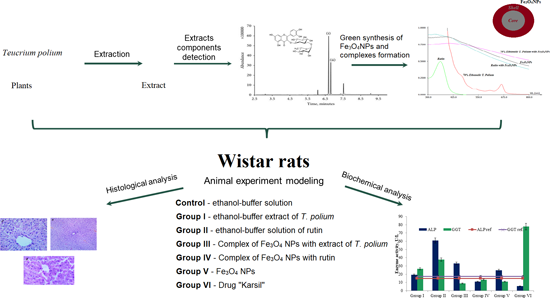
- Shushanik A. Kazaryan Seda A. Oganian Gayane S. Vardanyan Anatolie S. Sidorenko Ashkhen A. Hovhannisyan Department of Medical Biochemistry and Biotechnology, Russian-Armenian (Slavonic) University, Hovsep Emin St 123, Yerevan, Armenia Yerevan State Medical University After M. Heraci, Department of
- , biochemistry, biophysics, and other disciplines within biology and medicine [1][2][3][4][5]. The development of nanotechnology has provided resources for various applications in the medical field, leading to significant advances in diagnosis, biological detection, therapy, and drug delivery [6][7][8][9]. An
- in most biological and chemical reactions involved in the production of medical materials [10][11][12][13]. Magnetic nanoparticles (MNPs), such as iron oxides, not only exhibit superparamagnetism and high magnetic susceptibility, they also possess unique physical properties, biocompatibility


Green synthesis of silver nanoparticles derived from algae and their larvicidal properties to control Aedes aegypti
Beilstein J. Nanotechnol. 2024, 15, 1566–1575, doi:10.3762/bjnano.15.123
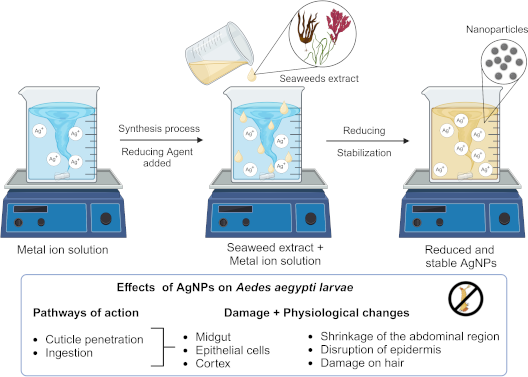
- , PE, Brazil Faculty of Medical Sciences, University of Pernambuco (UPE), 52171-011, Recife, PE, Brazil 10.3762/bjnano.15.123 Abstract Mosquito vectors such as Aedes spp. are responsible for the transmission of arboviruses that have a major impact on public health. Therefore, it is necessary to search


Polymer lipid hybrid nanoparticles for phytochemical delivery: challenges, progress, and future prospects
Beilstein J. Nanotechnol. 2024, 15, 1473–1497, doi:10.3762/bjnano.15.118
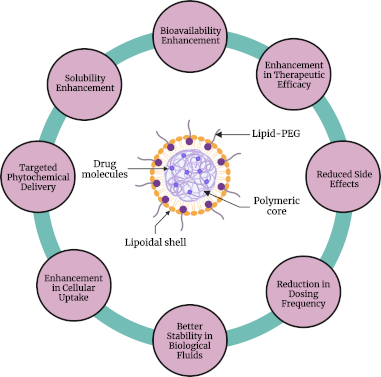
- Iqra Rahat Pooja Yadav Aditi Singhal Mohammad Fareed Jaganathan Raja Purushothaman Mohammed Aslam Raju Balaji Sonali Patil-Shinde Md. Rizwanullah Department of Pharmaceutical Technology, Meerut Institute of Engineering and Technology, Meerut-250005, Uttar Pradesh, India Department of Basic Medical
- Sciences, College of Medicine, AlMaarefa University, P.O. Box 71666, Riyadh 11597, Saudi Arabia Department of Orthopaedics, Saveetha Medical College and Hospital, Saveetha Institute of Medical and Technical Sciences (SIMATS), Saveetha University, Chennai-602105, Tamil Nadu, India Pharmacy Department, Tishk
- International University, Erbil 44001, Kurdistan Region, Iraq Center for Global Health Research, Saveetha Medical College and Hospital, Saveetha Institute of Medical and Technical Sciences (SIMATS), Saveetha University, Chennai-602105, Tamil Nadu, India Department of Pharmaceutical Chemistry, Dr. D.Y Patil


Hymenoptera and biomimetic surfaces: insights and innovations
Beilstein J. Nanotechnol. 2024, 15, 1333–1352, doi:10.3762/bjnano.15.107
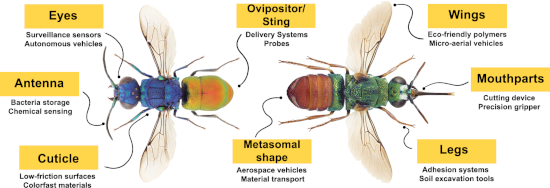
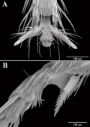
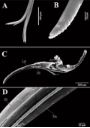
- materials and devices that replicate the efficiency and functionality of insect body structures, driving progress in medical technology, robotics, environmental monitoring, and beyond. Keywords: arthropods; bio-inspired surfaces; bioengineering; cuticle; nanoscale structures; Introduction The body
- of particles [19]. Similarly, in the medical field, these coatings can be used on surgical instruments and prosthetics to minimize friction against biological tissues, reducing discomfort and improving the functionality of medical devices. Furthermore, in the field of electronics, low-friction
- [62][63]. Recently, the mandibles of leafcutter ants have inspired the design of a biomimetic stubble-cutting device, showcasing excellent performance and potential applications in agriculture [64]. Ant mandibles offer valuable inspiration for the enhancement of medical tools and devices. For instance




Dual-functionalized architecture enables stable and tumor cell-specific SiO2NPs in complex biological fluids
Beilstein J. Nanotechnol. 2024, 15, 1238–1252, doi:10.3762/bjnano.15.100
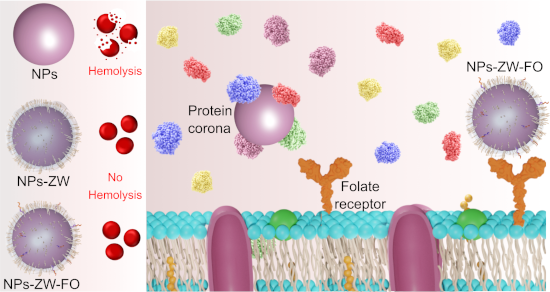
- exhibit heightened efficacy and reduced toxicity for medical purposes. Keywords: colloidal stability; complex media; functionalized nanoparticles; hemolysis; targeting tumor; Introduction In recent years, there has been a growing search for developing high-efficiency nanomedicines for cancer treatment
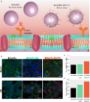
- of pivotal relevance for obtaining more reliable results and open possibilities for developing NPs that are increasingly efficient and suitable for medical applications. Ensuring that a platform efficiently functions for in vitro assays is a crucial step in predicting in vivo effects. Our system


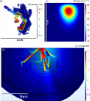
A low-kiloelectronvolt focused ion beam strategy for processing low-thermal-conductance materials with nanoampere currents
Beilstein J. Nanotechnol. 2024, 15, 1197–1207, doi:10.3762/bjnano.15.97

- Xiamen Medical College, Fujian, China School of Medicine and Dentistry, Griffith University, Gold Coast QLD 4222, Australia 10.3762/bjnano.15.97 Abstract Ion beam-induced heat damage in thermally low conductive specimens such as biological samples is gaining increased interest within the scientific



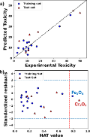
Introducing third-generation periodic table descriptors for nano-qRASTR modeling of zebrafish toxicity of metal oxide nanoparticles
Beilstein J. Nanotechnol. 2024, 15, 1142–1152, doi:10.3762/bjnano.15.93
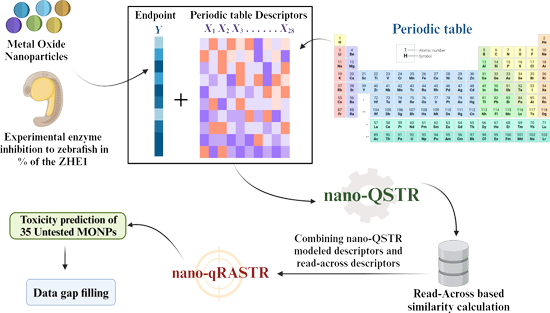
- strong antibacterial, antifungal, antidiabetic, antioxidant, anticancer, and photocatalytic activities [7][8][9]. Besides the medical field, they are also commonly used in commercial products such as fuel cells and plastics, and environmental applications such as analysis, sensing, remediation, and
- findings of this study have significant implications for the use of MONPs in medical applications. Nanoparticles are increasingly explored regarding drug delivery, imaging, and therapeutic purposes. Understanding the toxicity mechanisms and predicting potential adverse effects of MONPs can guide the design


Recent updates in applications of nanomedicine for the treatment of hepatic fibrosis
Beilstein J. Nanotechnol. 2024, 15, 1105–1116, doi:10.3762/bjnano.15.89
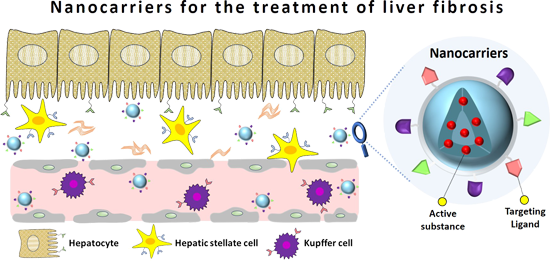
- fact that there are over 50 nanotechnology-based medical products approved by regulatory bodies worldwide for various medical purposes, including AmBisome® (liposomal amphotericin B) for fungal infections, Visudyn® (liposomal vertepor) for macular degeneration, and Onpattro® (lipid nanoparticles with


Unveiling the potential of alginate-based nanomaterials in sensing technology and smart delivery applications
Beilstein J. Nanotechnol. 2024, 15, 1077–1104, doi:10.3762/bjnano.15.88
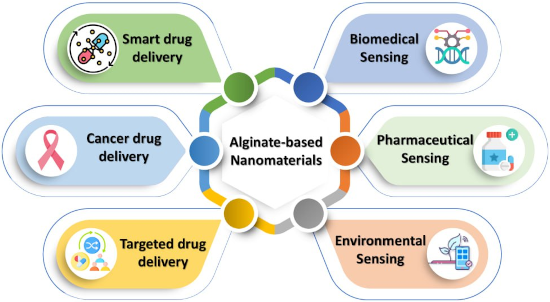
- potential risks or complications [42]. Recently, researchers and medical organizations have begun using low-cost biosensors to monitor food and water toxins, human biological processes, accurate health diagnostics, and for other applications [43]. Biosensor-based technologies are essential to assess samples
- precisely in modern medical equipment [44]. Biosensors are now transitioning from laboratory-based systems to distributed health care. Traditional scientific diagnosis involves taking a sample from the patient and sending it to an analytical laboratory. In these point-of-care tests, the patient has to wait


Interface properties of nanostructured carbon-coated biological implants: an overview
Beilstein J. Nanotechnol. 2024, 15, 1041–1053, doi:10.3762/bjnano.15.85
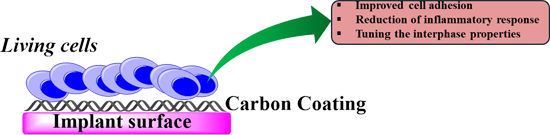
- between medical implants and living tissues are of great complexity because of the simultaneous occurrence of a wide variety of phenomena. The engineering of implant surfaces represents a crucial challenge in material science, but the further improvement of implant properties remains a critical task. It
- nanostructured carbon coatings (nanodiamonds, carbon nanotubes, and graphene-related materials) for the improvement of the overall properties of medical implants. We are focusing on biological interactions, improved corrosion resistance, and overall mechanical properties, trying to provide a complete overview
- to describe the study of materials at the nanoscale [2]. Afterwards, nanosized and nanostructured carbon species have attracted great interest thanks to their intrinsic properties and easy functionalization [3]. The utilization of nanocarbon species has been widely deployed in advanced medical



Recent progress on field-effect transistor-based biosensors: device perspective
Beilstein J. Nanotechnol. 2024, 15, 977–994, doi:10.3762/bjnano.15.80
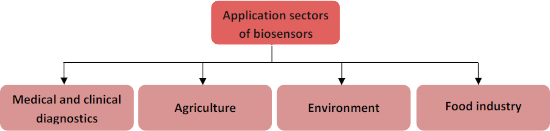
- 10.3762/bjnano.15.80 Abstract Over the last few decades, field-effect transistor (FET)-based biosensors have demonstrated great potential across various industries, including medical, food, agriculture, environmental, and military sectors. These biosensors leverage the electrical properties of transistors
- devices have gained significant importance across various domains, including the medical field, environmental monitoring, and the agricultural sector (Figure 1) [1][2]. In this context, biosensors have found widespread application in industries, particularly for food quality control and safety [3]. They
- , biosensors have been extensively utilized in the field of medical sciences and clinical diagnostics [14]. They have been employed in cancer diagnosis [15], cardiovascular studies [16], and diabetes monitoring [17]. The application of biosensors in cancer diagnosis and therapy is very important due to the




When nanomedicines meet tropical diseases
Beilstein J. Nanotechnol. 2024, 15, 830–832, doi:10.3762/bjnano.15.69

- Eder Lilia Romero Katrien Van Bocxlaer Fabio Rocha Formiga Nanomedicine Research and Development Centre (NARD), Science and Technology Department, National University of Quilmes, Roque Saenz Peña 352, B1876 Bernal, Provincia de Buenos Aires, Argentina Skin Research Centre, Hull York Medical School
- , York Biomedical Research Institute, University of York, York YO10 5DD, UK Aggeu Magalhães Institute, Oswaldo Cruz Foundation (FIOCRUZ), 50670-420, Recife, PE, Brazil Faculty of Medical Sciences, University of Pernambuco (UPE), 52171-011, Recife, PE, Brazil 10.3762/bjnano.15.69 Keywords: Aedes aegypti
Intermixing of MoS2 and WS2 photocatalysts toward methylene blue photodegradation
Beilstein J. Nanotechnol. 2024, 15, 817–829, doi:10.3762/bjnano.15.68
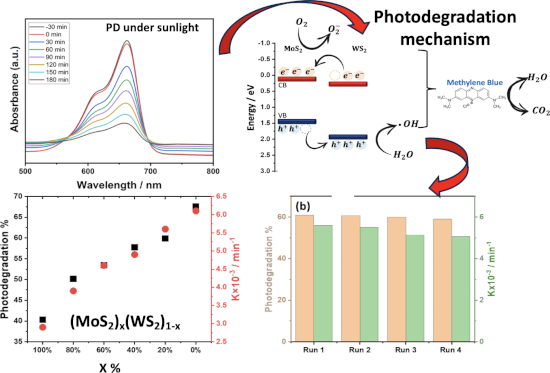
- removal, or synthetic dye degradation [4][5][6]. For instance, methylene blue (MB), which is considered one of the most used synthetic organic dyes in various industrial and medical applications, poses serious risks as a pollutant to water resources [7]. Indeed, MB is a potential carcinogen and mutagen





