Search results
Search for "nanomedicine" in Full Text gives 138 result(s) in Beilstein Journal of Nanotechnology.
Recent progress in cancer cell membrane-based nanoparticles for biomedical applications
Beilstein J. Nanotechnol. 2023, 14, 262–279, doi:10.3762/bjnano.14.24
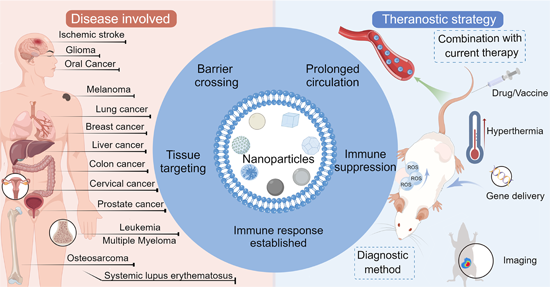
- clinical translation prospects, and the associated challenges are discussed. Keywords: cancer cell biomimetics; nanoparticles; precision medicine; targeted therapy; theranostic nanomedicine; Review 1 Introduction Biomimetic nanotechnology, an emerging interdisciplinary field, involves different
- of biomimetic nanomedicine for diagnosis and treatment, various modalities based on cancer cell membranes are emerging. Using immune evasion and homotypic targeting of cancer cell membranes, the drug dosage can be effectively reduced by avoiding elimination by the immune system while achieving higher


Nanotechnology – a robust tool for fighting the challenges of drug resistance in non-small cell lung cancer
Beilstein J. Nanotechnol. 2023, 14, 240–261, doi:10.3762/bjnano.14.23
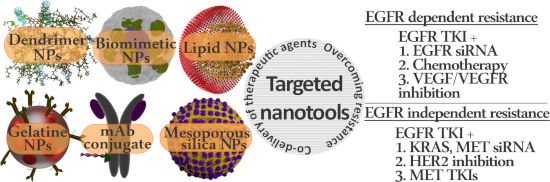
- . However, because of the difference in pharmacokinetics among agents, combined therapies may not effectively reach their targets. The obstacles regarding the simultaneous co-delivery of therapeutic agents at the site of action can be overcome using nanomedicine as a platform and nanotools as delivery
- demonstrate specific homologous targeting to cancer cells [131]. In addition, hybrid cell membrane biomimetic shells composed of fused red blood cell membrane and homotypic cancer membrane materials may significantly contribute to personalized nanomedicine design for targeting various tumors [132]. One


Cyclodextrins as eminent constituents in nanoarchitectonics for drug delivery systems
Beilstein J. Nanotechnol. 2023, 14, 218–232, doi:10.3762/bjnano.14.21
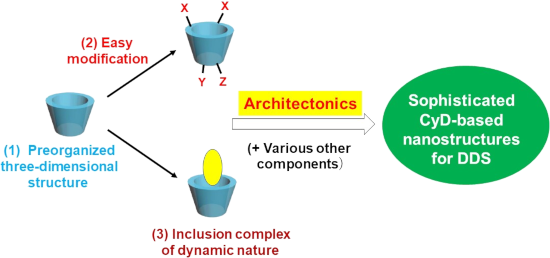
- irradiation is converted by upconversion nanoparticles (yellow balls) to shorter-wavelength light, which is absorbed by arylazopyrazoles to dissociate their CyD complex (and ultimately the nanomedicine) for the release of siRNA [67]. Arylazopyrazoles are characterized by satisfactory on–off isomerization (see
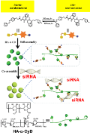
- positively charged spermine moiety to form stable nanomedicine particles (blue balls in Figure 5a). Upon irradiation of the nanocomposite with NIR light, this light was converted to UV light (around 360 nm) by the upconversion particles and absorbed by arylazopyrazole. The resultant cis isomer could not form
- endogenous H2O2 by Fenton-type reactions without photoirradiation [83][84]. A nanomedicine was prepared from (i) β-CyD bearing both a ferrocene and a platinum(IV) complex (–O–PtIV(Cl2)2(NH3)2(OH)) as prodrug of cisplatin and (ii) poly(ethylene glycol) terminated by ferrocene [85]. The ferrocene molecules




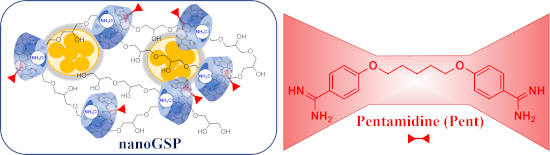
Supramolecular assembly of pentamidine and polymeric cyclodextrin bimetallic core–shell nanoarchitectures
Beilstein J. Nanotechnol. 2022, 13, 1361–1369, doi:10.3762/bjnano.13.112
- composed of gold and/or silver, are versatile agents endowed with unique physicochemical properties, which recently have drawn great interest for a variety of applications ranging from catalysis to nanomedicine [1][2][3]. The size of the NPs is a key parameter that defines their optical properties


Recent advances in green carbon dots (2015–2022): synthesis, metal ion sensing, and biological applications
Beilstein J. Nanotechnol. 2022, 13, 1068–1107, doi:10.3762/bjnano.13.93




Recent advances in nanoarchitectures of monocrystalline coordination polymers through confined assembly
Beilstein J. Nanotechnol. 2022, 13, 763–777, doi:10.3762/bjnano.13.67
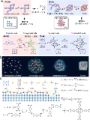
- harsher conditions, such as higher temperatures, and can be released as needed. This finding shows great potential in applications such as nanomedicine, biospecimen preservation, biosensing, and cell and virus manipulation. The related reports have been nicely summarized in a recent review (Figure 3) [105
- . This content is not subject to CC BY 4.0. Monocrystalline coordination polymers encapsulated with bioentities and their applications in nanomedicine, biospecimen preservation, biosensing, and cell and virus manipulation. Figure 3 was reproduced from [105] (© 2021 M. D. Velásquez-Hernández et al




Systematic studies into uniform synthetic protein nanoparticles
Beilstein J. Nanotechnol. 2022, 13, 274–283, doi:10.3762/bjnano.13.22
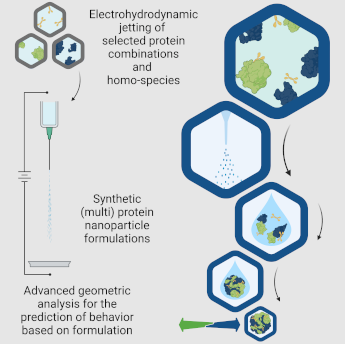
- , 48109, USA 10.3762/bjnano.13.22 Abstract Nanoparticles are frequently pursued as drug delivery carriers due to their potential to alter the pharmacological profiles of drugs, but their broader utility in nanomedicine hinges upon exquisite control of critical nanoparticle properties, such as shape, size
- SPNPs made from blended proteins can serve as a promising drug delivery carrier owing to the ease of production, the composition versatility, and the control over their size, shape and dispersity. Keywords: nanogels; nanomedicine; particle characterization; protein-based biomaterials; Introduction As
- tuned by changing their respective protein-to-protein ratios. Future efforts will include the application of these methods to a range of nanomedicine applications and further studies aimed at correlating these properties with SPNP performance in vitro and in vivo. The direct scalability of the


Engineered titania nanomaterials in advanced clinical applications
Beilstein J. Nanotechnol. 2022, 13, 201–218, doi:10.3762/bjnano.13.15
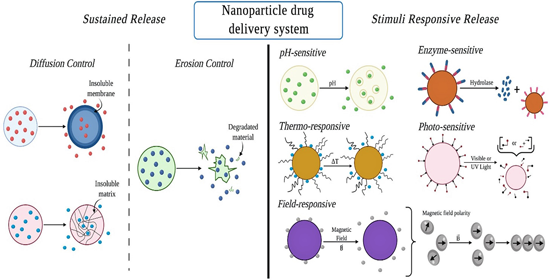
- . The advancement of this novel inorganic nanomaterial in theranostic nanomedicine might lead to an era of technology that can be used in real-world clinical settings. Review Effect of physicochemical properties of TiO2 on biocompatibility Biocompatibility is considered as one of the most important
- other nps, can serve as an alternative therapy against snake venom. Conclusion This review comprehensively summarizes the recent approaches related to TiO2 nanomaterials in nanomedicine. The distinctive features of TiO2 nanomaterials make them the subject of extensive research for a number of
- particular ailment, the treatment time, and the required shift of the excitation wavelength into the NIR region need to be studied thoroughly. Exogenous physical triggers for activating titania nanoparticles in theranostic nanomedicine are unique and highly encouraging; however, the underlying mechanism has


Biocompatibility and cytotoxicity in vitro of surface-functionalized drug-loaded spinel ferrite nanoparticles
Beilstein J. Nanotechnol. 2021, 12, 1339–1364, doi:10.3762/bjnano.12.99
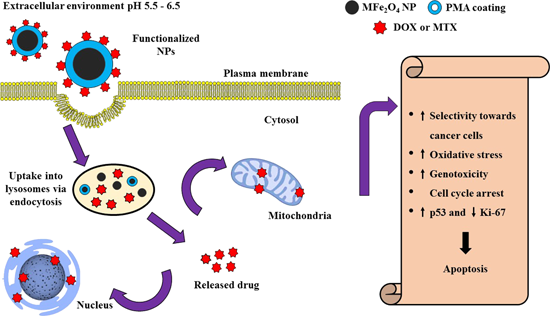
- ]. Conventional treatment strategies for cancer, including surgery, radiotherapy, and chemotherapy, lack the ability to selectively target neoplastic tissue, which results in systemic toxicity [3]. For these reasons, the focus of the field was transferred to nanomedicine which enables targeted therapy and reduces





Identifying diverse metal oxide nanomaterials with lethal effects on embryonic zebrafish using machine learning
Beilstein J. Nanotechnol. 2021, 12, 1297–1325, doi:10.3762/bjnano.12.97
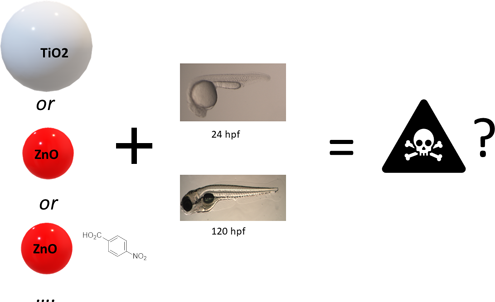
- ; Introduction A variety of nanomaterial (NM)-enabled products have already been marketed [1][2] and there is considerable interest in the development of novel engineered nanomaterials (ENMs) for a variety of applications. Nanomedicine, including ENM-based therapeutic agents, nanocarriers (i.e., targeted drug


A review on slip boundary conditions at the nanoscale: recent development and applications
Beilstein J. Nanotechnol. 2021, 12, 1237–1251, doi:10.3762/bjnano.12.91
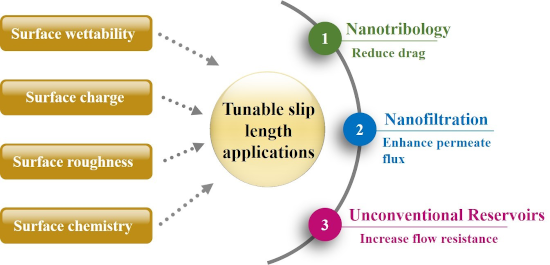
- ]. 3 Applications of nanofluidics with tunable slip length 3.1 Drag reduction Reducing drag is of great significance in many areas related to nanotechnology, such as nanotribology [117], nanomedicine [118], and electrokinetics [119] due to the low energy dissipation. For instance, it has been reported


Use of nanosystems to improve the anticancer effects of curcumin
Beilstein J. Nanotechnol. 2021, 12, 1047–1062, doi:10.3762/bjnano.12.78
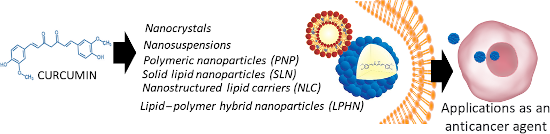
- avoid adverse effects as much as possible. Nanomedicine has recently emerged as an option for cancer treatments and the rationale for its use is based on various improvements seen when a nanosized material and/or drug is administered. It has been successfully used during diagnosis when controlled drug


Comprehensive review on ultrasound-responsive theranostic nanomaterials: mechanisms, structures and medical applications
Beilstein J. Nanotechnol. 2021, 12, 808–862, doi:10.3762/bjnano.12.64


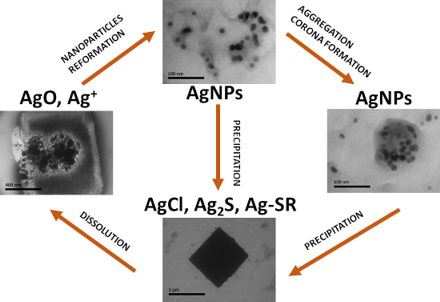
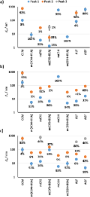
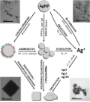
Fate and transformation of silver nanoparticles in different biological conditions
Beilstein J. Nanotechnol. 2021, 12, 665–679, doi:10.3762/bjnano.12.53
- Nanomedicine from the Bench to the Bedside" supported by COST (European Cooperation in Science and Technology). It was financially supported by the Croatian Science Foundation (grant number HRZZ-IP-2016-06-2436), the Ministerio de Ciencia e Innovacion and Fondo Social Europeo/Agencia Estatal de Investigación




A review on nanostructured silver as a basic ingredient in medicine: physicochemical parameters and characterization
Beilstein J. Nanotechnol. 2021, 12, 440–461, doi:10.3762/bjnano.12.36
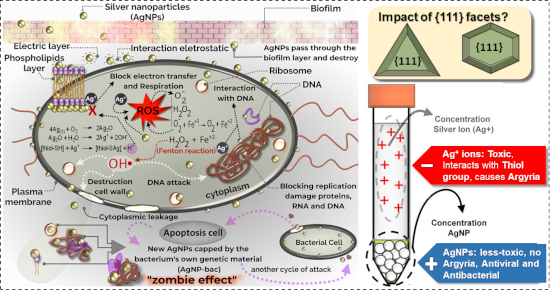
- virucidal agent, places silver as one of the future biocidal candidates in the field of nanomedicine to eliminate bacteria and viruses, especially multidrug resistant ones. In this review, we have described the various morphologies of AgNPs and correlated the enhanced bactericidal activity with their
- studies of this promising agent in nanomedicine and in clinical practice. Keywords: bactericidal agent; {111} facets; mechanism of action; silver ion; silver nanoparticles; quality control; virucidal agent; Review Introduction Silver is one of the oldest bactericidal agents in history and is also


The impact of molecular tumor profiling on the design strategies for targeting myeloid leukemia and EGFR/CD44-positive solid tumors
Beilstein J. Nanotechnol. 2021, 12, 375–401, doi:10.3762/bjnano.12.31
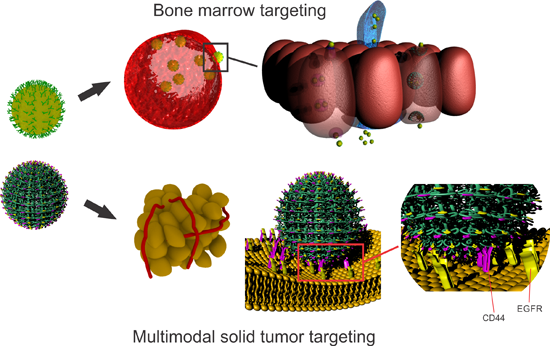
- , Doha, Qatar 10.3762/bjnano.12.31 Abstract Nanomedicine has emerged as a novel cancer treatment and diagnostic modality, whose design constantly evolves towards increasing the safety and efficacy of the chemotherapeutic and diagnostic protocols. Molecular diagnostics, which create a great amount of
- , which usually results in therapy failure and noticeable side effects. Nanomedicine has emerged as a novel cancer treatment and diagnostic modality, whose design constantly evolves towards increasing the safety and efficacy of the chemotherapeutic and diagnostic protocols. Recently, a novel generation of
- targeting myeloid leukemia Nanomedicine offers new perspectives and promising approaches in the therapy of myeloid leukemia. With the advances in the selective delivery of a variety of therapeutic molecules, from conventional drugs to proteins and nucleic acids, some of which were not available in the


Doxorubicin-loaded gold nanorods: a multifunctional chemo-photothermal nanoplatform for cancer management
Beilstein J. Nanotechnol. 2021, 12, 295–303, doi:10.3762/bjnano.12.24
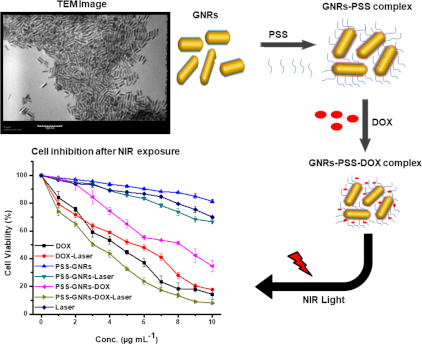
- Uzma Azeem Awan Abida Raza Shaukat Ali Rida Fatima Saeed Nosheen Akhtar Department of Biological Sciences, National University of Medical Sciences (NUMS), Rawalpindi, Pakistan NILOP Nanomedicine Research Laboratories, National Institute of Lasers and Optronics College, (PIEAS), Islamabad, Pakistan


A review on the green and sustainable synthesis of silver nanoparticles and one-dimensional silver nanostructures
Beilstein J. Nanotechnol. 2021, 12, 102–136, doi:10.3762/bjnano.12.9
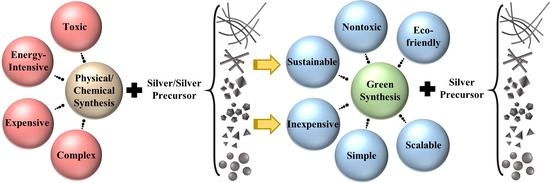
- delivery [1][2][3][4][5][6], nanomedicine [7][8][9][10], food packaging [11][12][13], aseptic procedures [14][15][16], correlative microscopy [17], imaging [18][19][20][21][22], optics [23][24], microelectronics [25][26][27], three dimensional (3D) printing [27][28][29][30][31], renewable energy [32][33


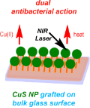
Photothermally active nanoparticles as a promising tool for eliminating bacteria and biofilms
Beilstein J. Nanotechnol. 2020, 11, 1134–1146, doi:10.3762/bjnano.11.98
- Mykola Borzenkov Piersandro Pallavicini Angelo Taglietti Laura D'Alfonso Maddalena Collini Giuseppe Chirico Department of Medicine and Surgery, Nanomedicine Center, University of Milano-Bicocca, piazza dell’Ateneo Nuovo, 20126, Milan, Italy Department of Chemistry, University of Pavia, via
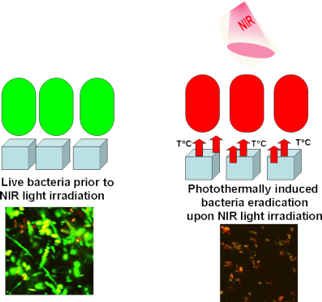
- less dependent on their size, shape and surrounding environment [35][40]. The photothermally active nanoparticles have vast potential for application in nanomedicine and biotechnology. The most important examples of their application are: hyperthermic cancer cell ablation and photothermally induced
- shapes are the most widely studied nanomaterial for the photothermal ablation of bacteria and biofilms. This may be explained by the fact that some of these gold nanoparticles are commercially available and are also widely applied in other fields of nanotechnology and nanomedicine. Therefore, the


Applications of superparamagnetic iron oxide nanoparticles in drug and therapeutic delivery, and biotechnological advancements
Beilstein J. Nanotechnol. 2020, 11, 1092–1109, doi:10.3762/bjnano.11.94
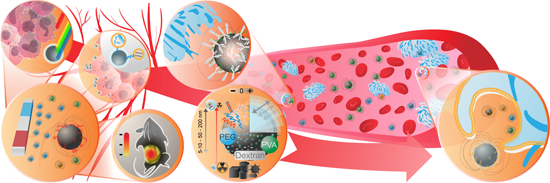
- ) and very large (more than 200 nm) SPIONs are to be considered dangerous for the human organism, and that the intermediate range from 30 to 50 nm should be used for nanomedicine [68]. Very small nanoparticles can easily enter a cell nucleus inducing DNA damage [69], and some authors emphasize that


Key for crossing the BBB with nanoparticles: the rational design
Beilstein J. Nanotechnol. 2020, 11, 866–883, doi:10.3762/bjnano.11.72
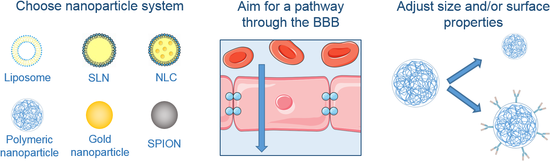
- nanoparticles (AuNPs); blood–brain barrier (BBB); drug delivery; liposomes; nanomedicine; polymeric nanoparticles; solid lipid nanoparticles; superparamagnetic iron oxide nanoparticles (SPIONs); Introduction Neurological disorders and brain diseases are real burdens for modern societies and healthcare systems


Identification of physicochemical properties that modulate nanoparticle aggregation in blood
Beilstein J. Nanotechnol. 2020, 11, 550–567, doi:10.3762/bjnano.11.44
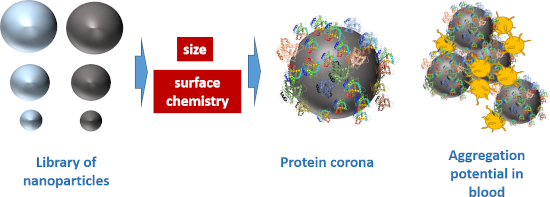
- ; size; surface chemistry; Introduction Nanomedicine is one of the most exciting fields of research in the branch of nanotechnology as it has the potential to generate practical and effective solutions to tackle chronic diseases and to solve unmet clinical challenges. However, a tremendous gap exists


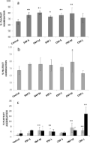


Brome mosaic virus-like particles as siRNA nanocarriers for biomedical purposes
Beilstein J. Nanotechnol. 2020, 11, 372–382, doi:10.3762/bjnano.11.28
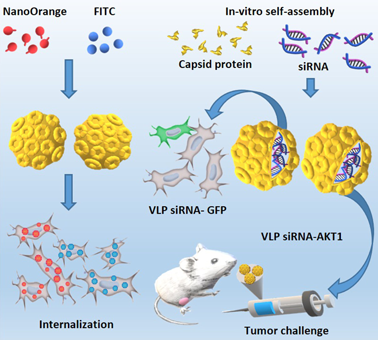
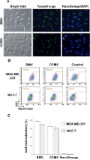
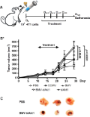
- virus (CCMV) are novel potential nanocarriers for different therapies in nanomedicine. In this work, BMV and CCMV were loaded with a fluorophore and assayed on breast tumor cells. The viruses BMV and CCMV were internalized into breast tumor cells. Both viruses, BMV and CCMV, did not show cytotoxic


Interactions at the cell membrane and pathways of internalization of nano-sized materials for nanomedicine
Beilstein J. Nanotechnol. 2020, 11, 338–353, doi:10.3762/bjnano.11.25
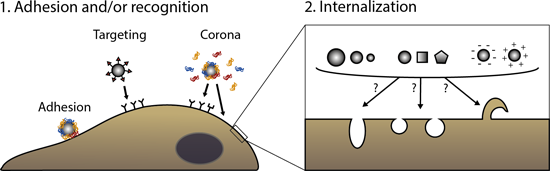
- Valentina Francia Daphne Montizaan Anna Salvati Groningen Research Institute of Pharmacy, University of Groningen, 9713AV Groningen, Netherlands 10.3762/bjnano.11.25 Abstract Nano-sized materials have great potential as drug carriers for nanomedicine applications. Thanks to their size, they can
- current understanding of the initial steps in the interactions of nano-sized materials with cells in relation to nanomedicine applications. In particular, we focus on the difficult interplay between the initial adhesion of nano-sized materials to the cell surface, the potential recognition by cell
- . Keywords: cell receptors; drug targeting; endocytosis; nanoparticle corona; nanoparticle uptake; Introduction Nano-sized materials are widely studied in nanomedicine for their potential use as drug carriers, in imaging, and for diagnostic purposes [1][2][3]. Because of their size, they can interact with


Rational design of block copolymer self-assemblies in photodynamic therapy
Beilstein J. Nanotechnol. 2020, 11, 180–212, doi:10.3762/bjnano.11.15
- ) effect [2][3], constituted the triggering factor for the development of a whole new part of medicine, namely nanomedicine. Indeed, the observed spontaneous accumulation was explained by the existence of disjunctions between endothelial cells in the proximity of inflamed and cancerous tissues, which
- are also diversified from lasers (range of 1–7 W) to diode lasers (2–2.5 W) or LEDs enabling the use of much lower energies. Another point raising much interest in nanomedicine is linked to an optimized biological model that enables to limit in vivo experiments in accordance with the “3 R’s” rule of
- the self-assemblies, followed by cargo release [56]. These well-known concepts in nanomedicine have been applied to photodynamic therapy applications. A responsiveness to the pH value can be induced by inserting ionisable groups (such as amines and carboxylic acids for example) in the polymer backbone