


Search results
Search for "nucleic acids" in Full Text gives 81 result(s) in Beilstein Journal of Nanotechnology.
Non-agglomerated silicon–organic nanoparticles and their nanocomplexes with oligonucleotides: synthesis and properties
Beilstein J. Nanotechnol. 2018, 9, 2516–2525, doi:10.3762/bjnano.9.234
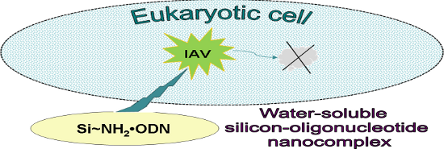
- work was supported by the grant no. 16-15-10073 from the Russian Scientific Foundation. The study of the antiviral activity of the proposed nanocomplexes was supported partially under State funded budget project (VI.62.1.3, 0309-2016-0005) “Therapeutic nucleic acids”.


Review on nanoparticles and nanostructured materials: history, sources, toxicity and regulations
Beilstein J. Nanotechnol. 2018, 9, 1050–1074, doi:10.3762/bjnano.9.98



Noble metal-modified titania with visible-light activity for the decomposition of microorganisms
Beilstein J. Nanotechnol. 2018, 9, 829–841, doi:10.3762/bjnano.9.77
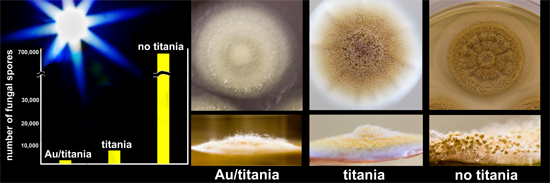
- (λ = 253.7 nm) by nucleic acids induces the damage of genetic information and inactivation. However, it should be pointed out that chlorine disinfection is often complementary used because: (i) some viruses have low sensitivity to UV irradiation (e.g., adenovirus), and (ii) the lack of residual


Optical techniques for cervical neoplasia detection
Beilstein J. Nanotechnol. 2017, 8, 1844–1862, doi:10.3762/bjnano.8.186

- ) spectral regions [62]. Differences in Raman spectra of normal and dysplastic cervical tissue were observed at wavenumbers related to proteins, lipids, glycogen, nucleic acids, and the water in tissue. The multivariate statistical analysis yielded a sensitivity of 85.0% and a specificity of 81.7% using



Surface-enhanced Raman spectroscopy of cell lysates mixed with silver nanoparticles for tumor classification
Beilstein J. Nanotechnol. 2017, 8, 1183–1190, doi:10.3762/bjnano.8.120
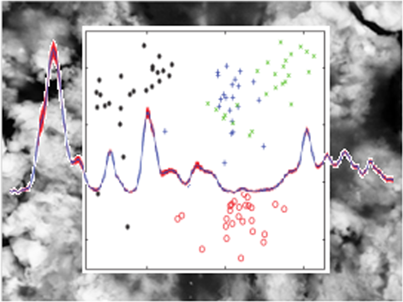
- bonds. It probes the molecular vibrations of all cellular biomolecules, such as nucleic acids, proteins, lipids and carbohydrates and provides chemical fingerprint spectra of cells. The throughput of spontaneous Raman spectroscopy for cell classification is limited to the range of one cell per second by
- 2d. Cellular biomolecules including nucleic acids, proteins, carbohydrates and lipids are released after disruption of the cell membranes and can interact with nanoparticles. The spectral bands obtained from SERS measurements can then be assigned to biomolecules of cell nucleus and the cytoplasm. The
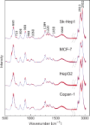
- raw spectra were baseline-subtracted and normalized. Figure 3 shows the processed mean SERS spectra and the standard deviation for each of the four cell lines Capan-1, HepG2, MCF-7 and Sk-Hep1. The band at 660 cm−1 is assigned to carboxylate [25]. Spectral contributions of adenine from nucleic acids


Modeling adsorption of brominated, chlorinated and mixed bromo/chloro-dibenzo-p-dioxins on C60 fullerene using Nano-QSPR
Beilstein J. Nanotechnol. 2017, 8, 752–761, doi:10.3762/bjnano.8.78
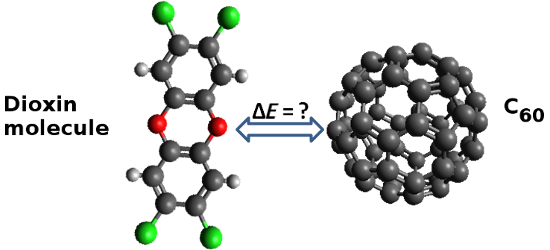
- responsive element (DRE) of the nucleic acids and synthesis of new proteins or changes in gene transcription [9]. Dioxins have the largest binding affinity to AhR proteins, which are symmetrically substituted in 2,3,7,8 positions. Chlorine or other halogen atoms in positions 2,3,7, and 8 in dioxin structures



Dispersion of single-wall carbon nanotubes with supramolecular Congo red – properties of the complexes and mechanism of the interaction
Beilstein J. Nanotechnol. 2017, 8, 636–648, doi:10.3762/bjnano.8.68
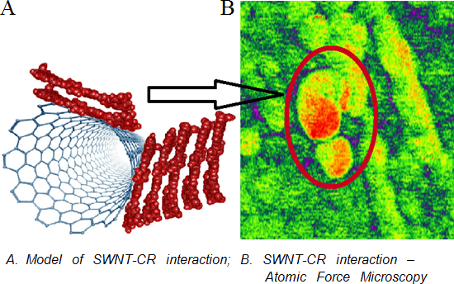
- ]. Functionalization also allows for the attachment of biologically active molecules – e.g., drugs, nucleic acids, antibodies or ligands for cell-surface receptors. This is especially important for targeted drug delivery systems based on CNT [13][15][18][19][20][21]. Noncovalent functionalization of CNTs is usually


Uptake of the proteins HTRA1 and HTRA2 by cells mediated by calcium phosphate nanoparticles
Beilstein J. Nanotechnol. 2017, 8, 381–393, doi:10.3762/bjnano.8.40
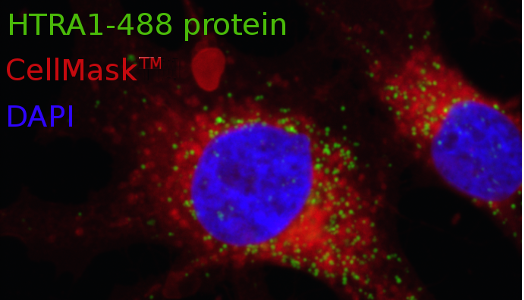
- ]. For instance, nucleic acids like DNA [10][11][12][13], siRNA [14][15][16][17] and µRNA [18] have been successfully introduced to perform transfection, gene silencing, prophylactic and therapeutic vaccination [19][20][21]. All kinds of synthetic molecules and biomolecules can be transported across the


Streptavidin-coated gold nanoparticles: critical role of oligonucleotides on stability and fractal aggregation
Beilstein J. Nanotechnol. 2017, 8, 1–11, doi:10.3762/bjnano.8.1
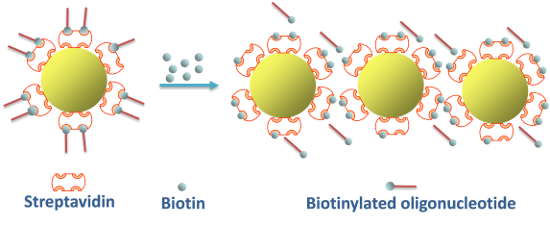
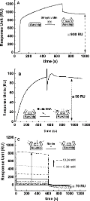
- localized SPs established when nanoparticles are few nanometers far from the flat metal surface reinforces the local electric field [9][10]. The ultrasensitive detection of nucleic acids has been recently achieved by using streptavidin (SA)-conjugated AuNPs and SPR imaging (SPRI) [11][12]. In this case, the
- innovative diagnostic approaches we believe that these results will directly impact the ability to produce more reliable and sensitive nanoparticle-based diagnostics assays which could lead to advanced applications in nanomedicine which benefit of the ultrasensitive detection of nucleic acids. In addition




A novel electrochemical nanobiosensor for the ultrasensitive and specific detection of femtomolar-level gastric cancer biomarker miRNA-106a
Beilstein J. Nanotechnol. 2016, 7, 2023–2036, doi:10.3762/bjnano.7.193
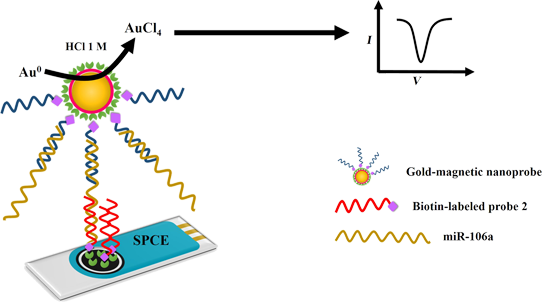
- a current plateau for 0.3 ng/µL. Therefore, a saturation concentration of 0.3 ng/µL of the probe and the immobilization time of 60 min were chosen for subsequent studies. A main consideration regarding biosensors based on the hybridization of nucleic acids is the hybridization time. The influence of


Intercalation and structural aspects of macroRAFT agents into MgAl layered double hydroxides
Beilstein J. Nanotechnol. 2016, 7, 2000–2012, doi:10.3762/bjnano.7.191
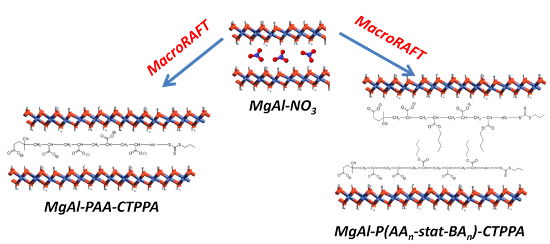
- matrices [5][6][7]. For instance, hybrid LDH involving amino acids, peptides, nucleosides, nucleic acids [8][9][10], biopolymers [11][12] and various drugs [13][14][15] were investigated to develop efficient systems for therapeutic applications [16][17]. Various dyes (sulfonated spyrospiran, methyl orange


False positives and false negatives measure less than 0.001% in labeling ssDNA with osmium tetroxide 2,2’-bipyridine
Beilstein J. Nanotechnol. 2016, 7, 1434–1446, doi:10.3762/bjnano.7.135
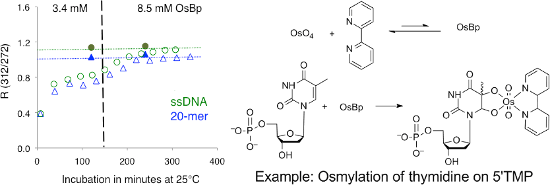
- extensively used to study the osmylation kinetics with nucleic acids [30][31]. The characteristic of CZE is that the reagent, OsBp, migrates early with a migration time (mt) that corresponds to neutral molecules, whereas the nucleic acid migrates late and the osmylated nucleic acid migrates in between, when
- resolution between substrate and product is feasible. More extensive osmylation leads to earlier mt values. The advantage of CZE is that typically nucleic acids share comparable mt irrespective of length and composition, which leads to the convenience of using a single method for all tested materials. The
- and long nucleic acids because the osmylation reaction appears to be confined to the actual pyrimidine ring and independent of strand length and composition. Under the current protocol B, for practically 100% osmylation of T + C, levels of unreacted C are estimated at 1/10,000 and levels of unreacted


High antiviral effect of TiO2·PL–DNA nanocomposites targeted to conservative regions of (−)RNA and (+)RNA of influenza A virus in cell culture
Beilstein J. Nanotechnol. 2016, 7, 1166–1173, doi:10.3762/bjnano.7.108
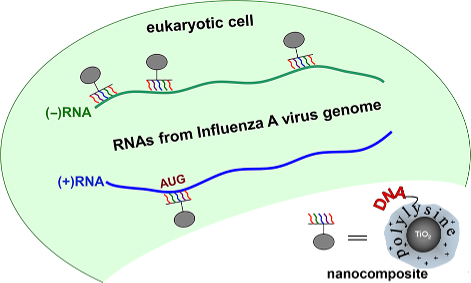
- subtypes of influenza A virus; TiO2·PL–DNA nanocomposites; Introduction The fundamental scientific problem of life sciences, especially modern molecular biology and fundamental medicine, is the development of approaches to the directed action on the genetic material of cells. Fragments of nucleic acids
- . Influenza A viruses (IAVs) are prominent in infectious diseases of humans and animals and periodically cause epidemics and epizootics. At present, the development of new antiviral drugs based on native or chemically modified nucleic acids is under scrutiny. Researchers all over the world explore the
- nanocomposites, targeted to conservative regions of (−)RNA and (+)RNA of different IAV subtypes (H1N1, H5N1, and H3N2). Results and Discussion The choice of the most suitable regions in nucleic acids for oligonucleotide-based agents is of great importance. In order to inhibit the different subtypes of viruses


Dielectrophoresis of gold nanoparticles conjugated to DNA origami structures
Beilstein J. Nanotechnol. 2016, 7, 948–956, doi:10.3762/bjnano.7.87
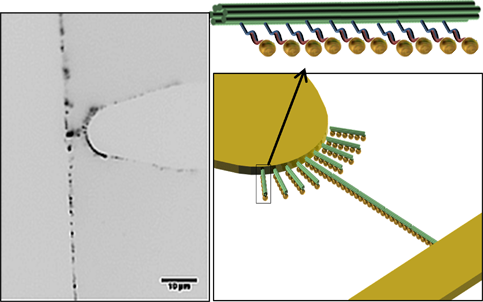
- nanomaterials such as carbon nanotubes, proteins and nucleic acids [17][18][20][21][22][23][24][25][26][27]. Recently, it has been shown that DNA origami structures can be dielectrophoretically trapped along an electrode structure using frequencies starting from 1 MHz at an electrical field strength of about 1


Mismatch detection in DNA monolayers by atomic force microscopy and electrochemical impedance spectroscopy
Beilstein J. Nanotechnol. 2016, 7, 220–227, doi:10.3762/bjnano.7.20
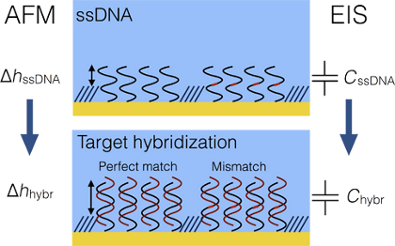
- properties of DNA base pairing. Although the understanding of the behaviour of nucleic acids on a solid surface has made huge progress from the seminal work of Southern [1] due to the rapid development of DNA microarray and DNA microarray-based techniques [2][3], there are still open questions and
- mismatches after precise annealing steps, as the ones used in current melting-based SNPs assays [30][31]. The novelty of our assay resides in the possibility of reducing the dimensions of the spots (below 1 μm2) and to work multiplexing in small volumes. The use of locked nucleic acids or enzyme-based


3D solid supported inter-polyelectrolyte complexes obtained by the alternate deposition of poly(diallyldimethylammonium chloride) and poly(sodium 4-styrenesulfonate)
Beilstein J. Nanotechnol. 2016, 7, 197–208, doi:10.3762/bjnano.7.18
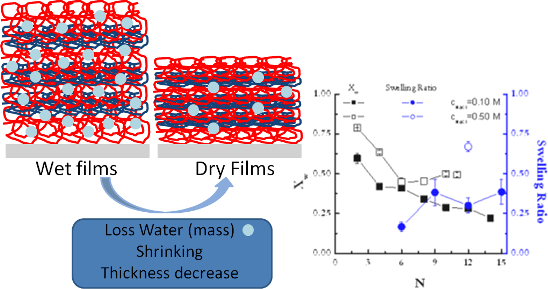
- polyelectrolytes, biopolymers – such as peptides, proteins and nucleic acids – colloidal particles, carbon nanotubes, and/or microgels [8][9][10], which confers to this method an almost unlimited chemical versatility. Even though the method frequently makes use of electrostatic interactions, the multilayers can



Single pyrimidine discrimination during voltage-driven translocation of osmylated oligodeoxynucleotides via the α-hemolysin nanopore
Beilstein J. Nanotechnol. 2016, 7, 91–101, doi:10.3762/bjnano.7.11
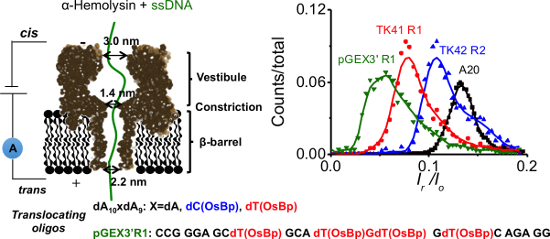
- produces a constant ion flux through the pore. Nucleic acids added to one compartment traverse the pore, and modulate the current in a sequence-dependent manner. While translocation is faster than detection, the α-hemolysin nanopore (α-HL) successfully senses base modifications in ssDNA immobilized within
- histogram. Experimental conditions: 10 μM DNA in 1.0 M KCl, 10 mM PBS, pH 7.4, 22 ± 1 °C. Competing interest statement Anastassia Kanavarioti is the Founder and Director of Yenos Analytical LLC, a company engaged in the development and manufacturing of osmylated nucleic acids. Acknowledgements We thank Dr



pH-Triggered release from surface-modified poly(lactic-co-glycolic acid) nanoparticles
Beilstein J. Nanotechnol. 2015, 6, 2504–2512, doi:10.3762/bjnano.6.260
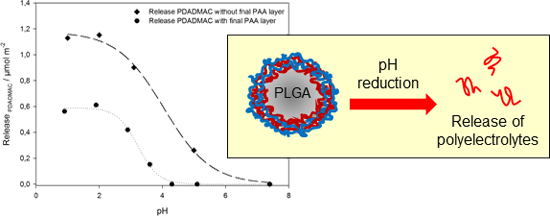
- ultrathin polyelectrolyte multilayers (PEM) with well adjustable properties and architecture. Layer build-up is based on alternating adsorption of cationic and anionic compounds, such as polyelectrolytes [15], proteins [16], nucleic acids [17][18], dyes [19], and even colloids [14] onto the surface of


Natural and artificial binders of polyriboadenylic acid and their effect on RNA structure
Beilstein J. Nanotechnol. 2015, 6, 1338–1347, doi:10.3762/bjnano.6.138
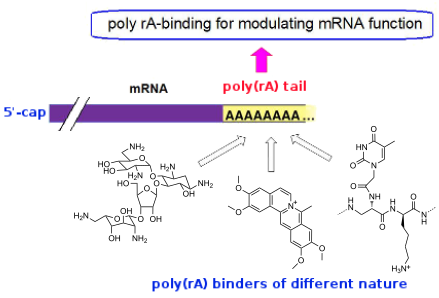
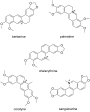
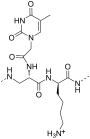
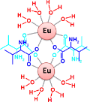
- ribosomal subunit (Figure 1) [11]. Regarding the poly(rA) tail length, it is influenced by the deposition onto mRNAs of nucleophosmin [12], a multifunctional protein able to recognize G-quadruplex-forming nucleic acids [13], whose overexpression is associated with poor prognosis in ovarian cancer [14
- alkaloid does not seem to favour the binding with poly(rA). Neomycin The natural aminoglucoside antibiotic neomycin (Figure 5), whose ability to interact with various structures of nucleic acids is well known, was proven to bind single-stranded poly(rA) in slightly acidic conditions with an affinity of
- about 106 M−1. The binding activity of neomycin towards nucleic acids is attributed to its cationic nature due to the amino groups protonation at pH less than 7. Purine derivatives In the work of Davies [17] the poly(rA) recognition by different heteroaromatic compounds (Figure 6) was studied by means





Hollow plasmonic antennas for broadband SERS spectroscopy
Beilstein J. Nanotechnol. 2015, 6, 492–498, doi:10.3762/bjnano.6.50
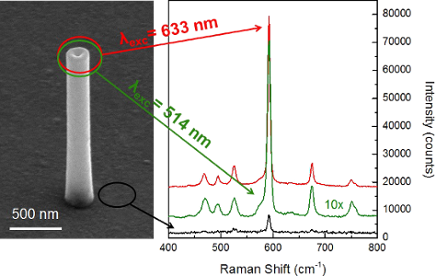
- complex and multifaceted system that includes many types of proteins, lipids, nucleic acids and various other components. With the final aim of studying these components in detail, we have developed multiband plasmonic antennas, which are suitable for highly sensitive surface enhanced Raman spectroscopy


Mammalian cell growth on gold nanoparticle-decorated substrates is influenced by the nanoparticle coating
Beilstein J. Nanotechnol. 2014, 5, 2479–2488, doi:10.3762/bjnano.5.257
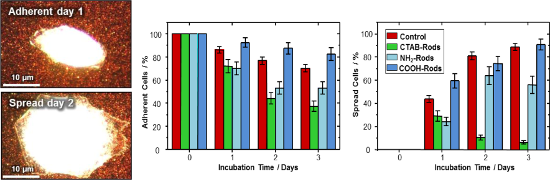
- cytotoxic [11] causing complexation of nucleic acids as well as protein/polysaccharide aggregation. These cytotoxic effects of CTAB clearly emerge in the proliferation, since after three days of incubation, nearly all cells stopped spreading while about 40% of the starting cells remained adherent. Here


Biopolymer colloids for controlling and templating inorganic synthesis
Beilstein J. Nanotechnol. 2014, 5, 2129–2138, doi:10.3762/bjnano.5.222
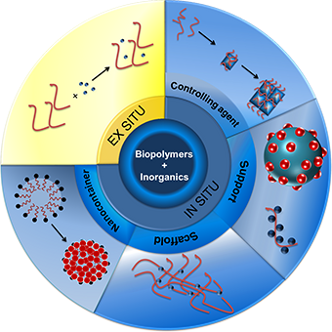
- biomineralization, biogenic macromolecules are not only present in the crystallization medium, but play a crucial role in the mineral formation. Biomacromolecules, (e.g., polysaccharides, proteins, and nucleic acids) can have thereby two main functions: (i) a controlling effect on nucleation and growth of the
- prepared through a polypeptide-templated synthesis by using the interactions of a polypeptide of L-lysine with silicate [35]. Conclusion The application of biopolymers (polysaccharides, peptides, and nucleic acids) as controlling agents or as templates of inorganic precipitation and crystallization is not
- which biocompatibility or biodegradability are an issue, such as biomedical applications. In addition, biopolymers may be also good model systems. In this sense, for instance, peptides or nucleic acids of defined length and structure can be very convenient models for studying polyelectrolyte systems


Effect of channel length on the electrical response of carbon nanotube field-effect transistors to deoxyribonucleic acid hybridization
Beilstein J. Nanotechnol. 2014, 5, 2081–2091, doi:10.3762/bjnano.5.217
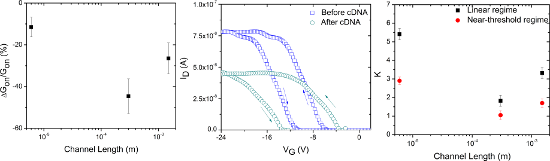
- variation trend in response to the newly defined parameters. Keywords: biosensor; carbon nanotubes; channel length; field-effect transistor; hybridization; mobility; nucleic acid; Introduction Detection of nucleic acids such as deoxyribonucleic acid (DNA) or ribonucleic acid (RNA) is an important issue in
- the field of biomedical and life science research [1][2]. Currently, the detection methods for nucleic acids include northern blotting analysis [3], in situ hybridization [4], real-time fluorescence quantitative polymerase chain reaction (RT-PCR) [5] and microarrays [6]. These detection methods suffer
- chemical stability favors the use of various functionalization schemes to improve the specificity and selectivity during sensing [14][15]. For instance, SWCNTs used in a field-effect transistor (FET) configuration are capable of electronically detecting nucleic acids because of their ability to respond to


Carbon-based smart nanomaterials in biomedicine and neuroengineering
Beilstein J. Nanotechnol. 2014, 5, 1849–1863, doi:10.3762/bjnano.5.196
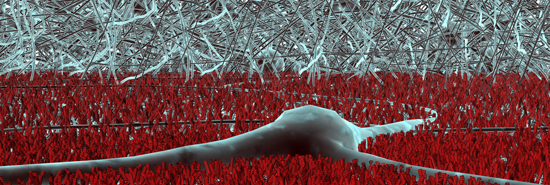
- consists of coating CNTs with surfactants, peptides, polymers, or nucleic acids, which preserve their aromatic structure, and (ii) the covalent approach [37][38][39], by means of applying several protocols, such as oxidation in strong acids, fluorination [40], and Bingel [41] and Billups [42] reactions


Influence of surface-modified maghemite nanoparticles on in vitro survival of human stem cells
Beilstein J. Nanotechnol. 2014, 5, 1732–1737, doi:10.3762/bjnano.5.183
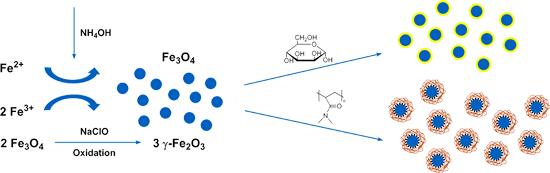
- stealth particles with reduced opsonization in biological fluids. These properties can be exploited in magnetic resonance imaging and tracking of iron oxide-labeled cells, for the magnetic separation of cells, nucleic acids and proteins and in medicine for treatments by using targeted drug delivery





