


Search results
Search for "sensor" in Full Text gives 446 result(s) in Beilstein Journal of Nanotechnology. Showing first 200.
Study of the reusability and stability of nylon nanofibres as an antibody immobilisation surface
Beilstein J. Nanotechnol. 2024, 15, 83–94, doi:10.3762/bjnano.15.8
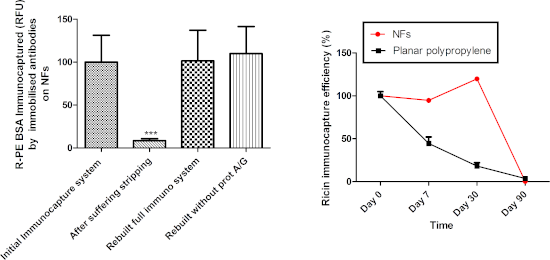
- investments in health and safety) [2]. For this reason, early, rapid, and specific detection of biological threats becomes a very important objective to react as early as possible. Many efforts have been made in this direction. When designing a new sensor device, not only the rapid and specific identification


Determination of the radii of coated and uncoated silicon AFM sharp tips using a height calibration standard grating and a nonlinear regression function
Beilstein J. Nanotechnol. 2023, 14, 1200–1207, doi:10.3762/bjnano.14.99
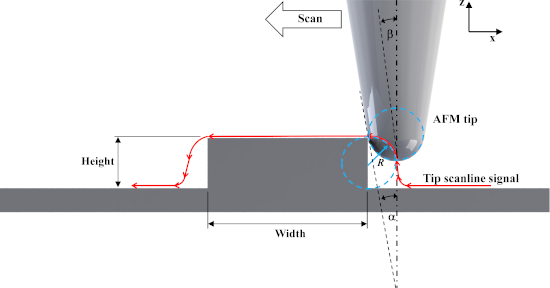
- . Figure 1 shows SEM images of the three different tips. The calibration standard grating used in this experiment is a HS-20MG height calibration standard (supplied by Budget Sensor) with an external size of 1 mm × 1 mm and an inner size of 500 µm × 500 µm [15]. The rectangular height grate pattern is made
- standard purchased from Budget Sensor [15], the grate height pattern made of silicon oxide (SiO2) has a height of 20 nm, a grate distance of 2 µm, and a pitch distance of 5 µm on top of the silicon substrate. So, the height distance that the tip end can slide along is equal to the distance measured from


Properties of tin oxide films grown by atomic layer deposition from tin tetraiodide and ozone
Beilstein J. Nanotechnol. 2023, 14, 1085–1092, doi:10.3762/bjnano.14.89
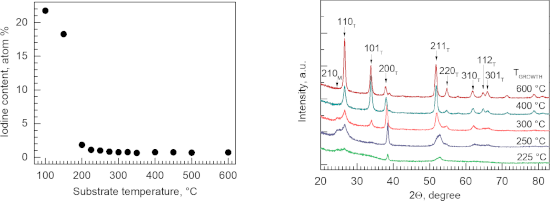
- application of sequential ALD cycles resulted in a continuous growth of solid film material, expressed by the mass sensor signal in arbitrary units. Monitoring the film growth by means of the QCM allowed for a fast determination of the metal precursor pulse length required for a nearly self-saturating
- about two times larger than for a process using SnI4 and O2. Dependence of SnO2 film GPC on the evaporation temperature of the SnI4 precursor. The cycle times were set at 5-2-5-5 s for the sequence SnI4 pulse, purge, O3 pulse, and purge. Time evolution of the QCM mass sensor signal during five
- sequential ALD cycles (a), and during one single ALD cycle (b). The labels “4-2-2-5 s” and “2-2-2-5 s” denote the pulse lengths in the sequence SnI4, N2, O3, and N2. ∆m1 and ∆m2 are the mass increments after a single ALD cycle with pulse lengths of 2-2-2-5 and 4-2-2-5 s, respectively. The mass sensor signal


Experimental investigation of usage of POE lubricants with Al2O3, graphene or CNT nanoparticles in a refrigeration compressor
Beilstein J. Nanotechnol. 2023, 14, 1041–1058, doi:10.3762/bjnano.14.86
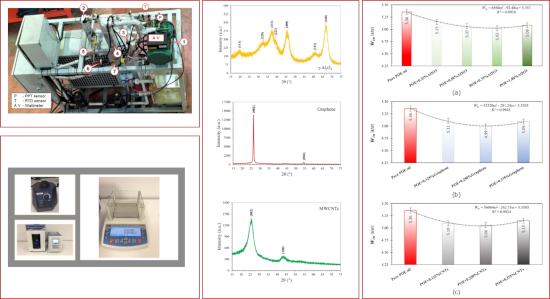
- viscosity, ν, was defined as the ratio of the dynamic viscosity to the density according to Equation 1. The density, ρ, of the nanolubricants was measured with the FPS2800 fluid property sensor. At the same time, the dynamic viscosity, µ, of the nanolubricants was measured using the FPS 2800 fluid property
- sensor. The technical information of the FPS2800 fluid property sensor is also given in Table 5. The images of the FPS2800 fluid property sensor are shown in Figure 10. Uncertainty analysis In this experimental study, the uncertainty analysis method was applied in the error analysis. In this method, R
- overlapped with previous studies [36]. Thus, it was concluded that the experimental setup was reliable. The verification of measurements of the FPS2800 fluid property sensor used in the determination of kinematic viscosity was also carried out with water. The density and dynamic viscosity of the water sample





Nanoarchitectonics of photothermal materials to enhance the sensitivity of lateral flow assays
Beilstein J. Nanotechnol. 2023, 14, 988–1003, doi:10.3762/bjnano.14.82
- 532 and 808 nm, the nanocomposite exhibited both photodynamic and photothermal properties. The same construct could be useful to design biosensors for the multimodal detection of analytes [85]. Recently, a catalytic and photothermal sensor was developed by Lu et al. for the detection of Salmonella
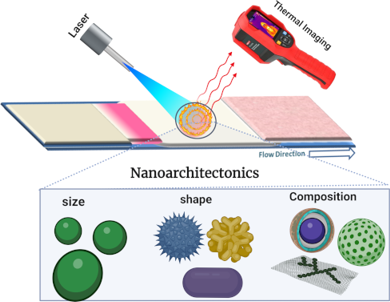
- LFA applications. Gold-based photothermal materials, such as GNPs and gold nanorods, showed successful results in photothermal therapy and sensor applications. Generally, four main parameters need to be considered while developing a photothermal LFA system. The most important thing is the selection of
- develop photothermal strips for the diagnosis of Salmonella typhimurium. The authors used a conventional resistive temperature sensor to capture the heat signal from the strip and the detection limit was found to be 104 CFU·mL−1 with 20 min of detection time [89]. Hu et al. previously demonstrated the


Low temperature atomic layer deposition of cobalt using dicobalt hexacarbonyl-1-heptyne as precursor
Beilstein J. Nanotechnol. 2023, 14, 951–963, doi:10.3762/bjnano.14.78
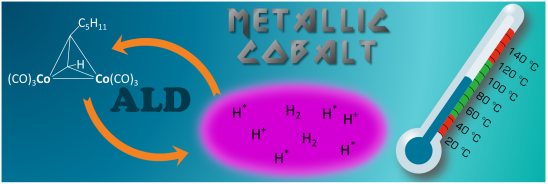
- copper-based local interconnects. In consequence, other metals such as tungsten and cobalt are used to replace copper. Recent studies show a line resistance benefit of cobalt compared to tungsten [2][3][4][5]. Because of its ferromagnetism, cobalt is a frequently used metal for magnetic sensor systems


Biomimetics on the micro- and nanoscale – The 25th anniversary of the lotus effect
Beilstein J. Nanotechnol. 2023, 14, 850–856, doi:10.3762/bjnano.14.69

- repellency, but also on the capability of some surfaces to keep stable air layers under water – the so-called Salvinia Effect. Such air layers are of great importance for drag reduction (passive air lubrication), antifouling, sensor applications, or oil–water separation. Up to now, based on the


A wearable nanoscale heart sound sensor based on P(VDF-TrFE)/ZnO/GR and its application in cardiac disease detection
Beilstein J. Nanotechnol. 2023, 14, 819–833, doi:10.3762/bjnano.14.67
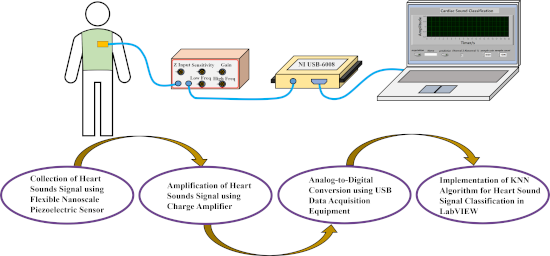
- sensor, and a visual heart sound acquisition and classification system was designed using LabVIEW. A heart sound classification model was trained based on a fine K-nearest neighbor classification algorithm to predict whether the collected heart sounds are normal or abnormal. The heart sound detection
- sound sensor; heart sound stethoscope; Introduction According to data released by the World Health Organization (WHO), approximately 17.9 million people die each year from cardiovascular diseases (CVDs) [1]. CVDs have always been one of the primary diseases affecting human health. In recent years, the
- flexible piezoelectric thin film heart sound sensor was developed, and a heart sound detection and classification system was built based on this sensor. Zinc oxide (ZnO) and graphene (GR) fillers were added to the P(VDF-TrFE) matrix, and P(VDF-TrFE)/ZnO/GR composite piezoelectric nanofilms were prepared


Carboxylic acids and light interact to affect nanoceria stability and dissolution in acidic aqueous environments
Beilstein J. Nanotechnol. 2023, 14, 762–780, doi:10.3762/bjnano.14.63
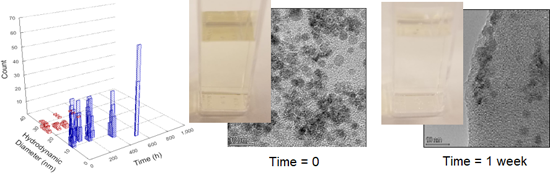
- glucose oxidase, suggesting the use of this phenomenon as a colorimetric sensor for bioanalysis [49]. This color transition is an important observation since nanoceria degradation will likely result in the change in oxidation state of surface cerium ions from Ce4+ to Ce3+. Results and Discussion Nanoceria
Control of morphology and crystallinity of CNTs in flame synthesis with one-dimensional reaction zone
Beilstein J. Nanotechnol. 2023, 14, 741–750, doi:10.3762/bjnano.14.61
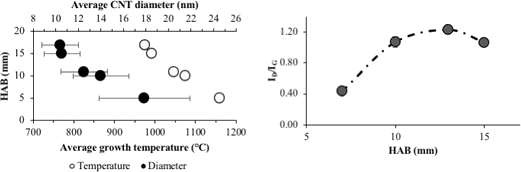
- 99.995% methane at a fixed rate of 0.4 slpm, controlled by an OmronTM flow sensor. The outer tube supplies the oxidizer gases, a mixture of 99.9% oxygen at a fixed rate of 0.7 slpm and 99.9% nitrogen at a fixed rate of 3.0 slpm, controlled by metering valves equipped with HoneywellTM sensors. The flame


Cross-sectional Kelvin probe force microscopy on III–V epitaxial multilayer stacks: challenges and perspectives
Beilstein J. Nanotechnol. 2023, 14, 725–737, doi:10.3762/bjnano.14.59
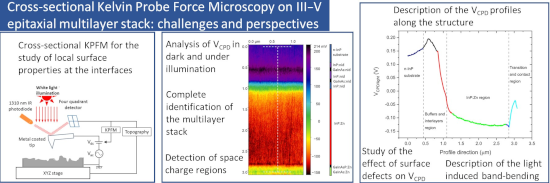
- of the surface cross section was achieved thanks to the wide light spot. Finally, the power density was 750 W·m−2 as measured by a thermal power sensor S401C from Thorlabs, which has a flat spectral response in the white-light range of wavelengths. This relatively low power density allows one to


A graphene quantum dots–glassy carbon electrode-based electrochemical sensor for monitoring malathion
Beilstein J. Nanotechnol. 2023, 14, 701–710, doi:10.3762/bjnano.14.56
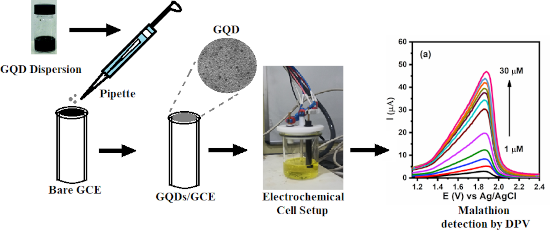
- diffraction were used to characterize the morphological and structural properties of GQDs. An electrochemical sensor was developed by drop casting GQDs on a glassy carbon electrode (GCE). The sensor detects the organophosphate pesticide malathion in a selective and sensitive manner. Using cyclic voltammetry
- spectroscopy; electrochemical sensor; graphene quantum dots; malathion; Introduction Global population growth makes food production more challenging, and pesticides are therefore used in agriculture in greater quantities than in the past to maintain and increase crop yields [1][2]. Pesticides containing
- the possibilities of developing sensing devices based on graphene quantum dots in recent years [20][21][22][23]. In 2015, Dong et al. prepared an oxime-based sensor via attaching pralidoxime on a GQDs-modified GCE for detecting the organophosphorus pesticide fenthion [24]. In 2018, Sahub et al. worked


Humidity-dependent electrical performance of CuO nanowire networks studied by electrochemical impedance spectroscopy
Beilstein J. Nanotechnol. 2023, 14, 683–691, doi:10.3762/bjnano.14.54
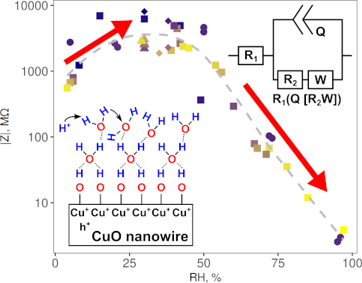
- equivalent circuit parameters obtained by fitting impedance spectra. The new investigation data can be useful to predict the behavior of nanostructured CuO in humid environments, which is favorable for advancing technology of nanowire-based systems suitable for sensor applications. Keywords: CuO
- ; electrochemical impedance spectroscopy; humidity; nanowire; sensor; Introduction Semiconductor metal oxide nanomaterials have demonstrated a great potential for integration in a variety of devices, such as gas and humidity sensors, nanoelectronics, and low-power thermoelectrical generators [1][2][3][4][5][6
- of |Z| within one order of magnitude at similar RH (Figure 3b, dashed lines). Such variation of Z with the temperature is consistent with a previous report on a CuO sensor [18], where the measured resistance of a nanowire network system decreased by five times at a temperature rise from 20 to 80 °C


Metal-organic framework-based nanomaterials as opto-electrochemical sensors for the detection of antibiotics and hormones: A review
Beilstein J. Nanotechnol. 2023, 14, 631–673, doi:10.3762/bjnano.14.52
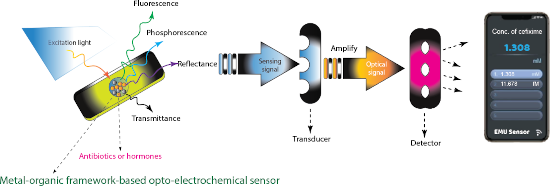
- , high-performance MOFs as commercially viable next-generation opto-electrochemical sensor materials for the detection and monitoring of diverse analytes are discussed. Keywords: antibiotics sensing; endocrinal disorders; fluorescent sensor; hormones sensors; luminescent sensor; MOF nanohybrids
- , in situ analyte monitoring, and potential miniaturization. Portability, miniaturisation, and fast signal responses are just a few of the breakthroughs in sensor design made possible by nanomaterials. Nanomaterials are becoming a key component of the analytical procedures required for pharmaceutical
- used to define sensor sensitivity (Figure 4). The minimum analyte concentration that can be reliably and precisely quantified is expressed by the term “limit of quantification” (LOQ). For estimation, a level of 10·Sb/S is recommended. The kinetics of both chemical recognition and signal transduction


Carbon nanotube-cellulose ink for rapid solvent identification
Beilstein J. Nanotechnol. 2023, 14, 535–543, doi:10.3762/bjnano.14.44
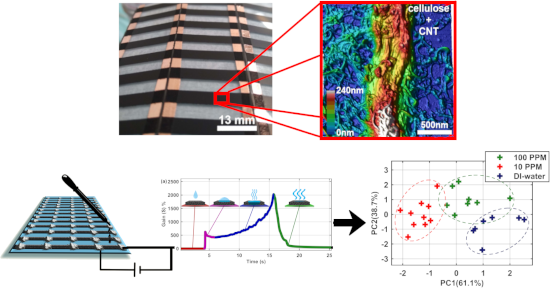
- differentiate between the liquids. We show that the proposed liquid sensor can classify different liquids, including organic solvents (acetone, chloroform, and different alcohols) and is also able to differentiate low concentrations of glycerin in water (10–100 ppm). We have also investigated the influence of
- two important properties of the liquids, namely dielectric constant and vapor pressure, on the transduction of the MFC-MWCNT sensors. These results were corroborated by independent heat flow measurements (thermogravimetric analysis). The proposed MFC-MWCNT sensor platform may help paving the way to
- rapid, inexpensive, and robust liquid analysis and identification. Keywords: carbon nanotube; electronic tongue; fibrillated cellulose; liquid sensor; Introduction The development of a new generation of smart sensors that allow for the monitoring of industrial processes in real time and for wearable


A mid-infrared focusing grating coupler with a single circular arc element based on germanium on silicon
Beilstein J. Nanotechnol. 2023, 14, 478–484, doi:10.3762/bjnano.14.38
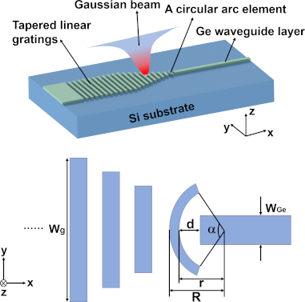
- , transparent, and portable wrist strap sensor and a mechano-based transductive sensor in 2017 and 2018, respectively [16][17]. They have good application prospects in healthcare. In 2020, Xue et al. reported a bismuthene-enabled fluorescence quenching biosensor to detect microRNA, which is relevant to the
- resonance platform will further contribute to the field of biomedical sensors. We also studied the sensing performance of our proposed MIR FGC when it worked as a sensor rather than a coupler, as shown in Figure 6. When RI increases from 1 to 1.04, the peak of coupling efficiency shows a redshift from
- 6877.8 nm to 6917.1 nm. The RI sensitivity is 980.7 nm/RIU obtained from a linear fit of the peak wavelength and RI, as shown in Figure 6b. The sensitivity is twice as large as that in [20]. Furthermore, the proposed sensor is a full-etch structure based on Ge-on-Si, which can be achieved by a single


Evaluation of electrosynthesized reduced graphene oxide–Ni/Fe/Co-based (oxy)hydroxide catalysts towards the oxygen evolution reaction
Beilstein J. Nanotechnol. 2023, 14, 420–433, doi:10.3762/bjnano.14.34
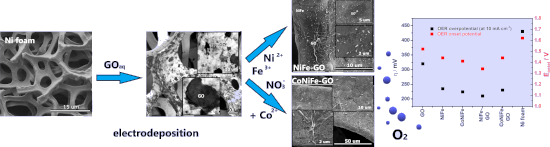
- ). Characterizations The morphology and structure of the catalysts were characterized using a scanning electron microscope (FEI QUANTA FEG 250) with an energy-dispersive X-ray (EDX) sensor. X-ray absorption spectroscopy (XAS) was performed at the 04BM beamline at the National Synchrotron Radiation Centre SOLARIS [41




High–low Kelvin probe force spectroscopy for measuring the interface state density
Beilstein J. Nanotechnol. 2023, 14, 175–189, doi:10.3762/bjnano.14.18
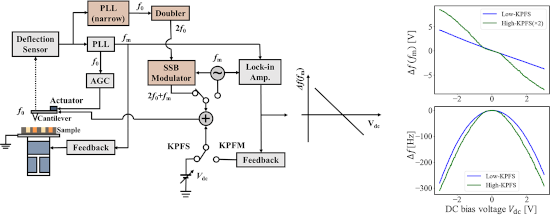
- advantages, namely high sensitivity to the electrostatic force gradient, high detection sensitivity using a cantilever with a weak spring constant at the first resonance, ease of implementation in adding FM-AFM, and no need to enhance the bandwidth of the cantilever deflection sensor. FM-KPFM is used to
- concentrations of the n, p, and n+ regions are 1 × 1015 cm−3, 2 × 1016 cm−3, and 5 × 1019 cm−3, respectively. As a force sensor, a PtIr-coated conductive cantilever (NanoWorld: NCHPt) was used. The resonance frequency f0, force constant k, and Q of the PtIr-coated cantilever were 292.68 kHz, 42 N/m, and 8406



Intermodal coupling spectroscopy of mechanical modes in microcantilevers
Beilstein J. Nanotechnol. 2023, 14, 123–132, doi:10.3762/bjnano.14.13
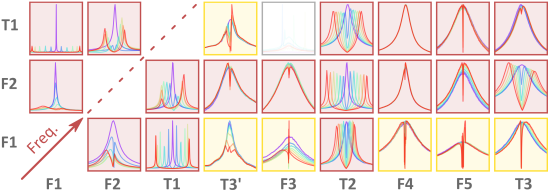
- Ioan Ignat Bernhard Schuster Jonas Hafner MinHee Kwon Daniel Platz Ulrich Schmid Institute of Sensor and Actuator Systems, TU Wien, Gußhaustraße 27–29, 1040 Vienna, Austria 10.3762/bjnano.14.13 Abstract Atomic force microscopy (AFM) is highly regarded as a lens peering into the next discoveries


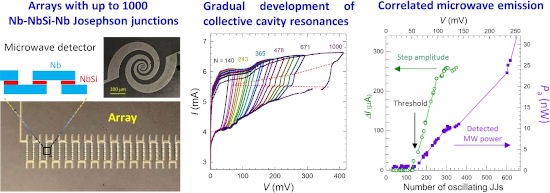
Observation of collective excitation of surface plasmon resonances in large Josephson junction arrays
Beilstein J. Nanotechnol. 2022, 13, 1578–1588, doi:10.3762/bjnano.13.132
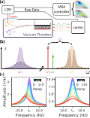
- consists of a log-periodic microwave antenna [39] with a broad frequency range of ca. 15–700 GHz. In the center, there is a nanoscale JJ sensor, shown in Figure 6b. The detector is made of a Nb film (70 nm thick), using a fabrication technique similar to that described in [28]. The antenna is patterned
- using photolithography and reactive ion etching. The JJ sensor with variable thickness and a width of ≈100 nm is made by Ga+ focused ion beam etching. The JJ is made small in order to increase its resistance Rn to approx. 50 Ω, which is needed for a good impedance matching with the antenna. In order to
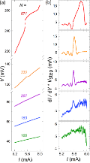
- characteristics from (a). The peak represents the resonant step. It reduces with decreasing N and is not visible for N = 106 (lower panel) below the threshold number of JJs. (a) Optical image of a superconducting detector with a log-periodic microwave antenna. (b) SEM image of a nanoscale sensor junction (false




From a free electron gas to confined states: A mixed island of PTCDA and copper phthalocyanine on Ag(111)
Beilstein J. Nanotechnol. 2022, 13, 1572–1577, doi:10.3762/bjnano.13.131
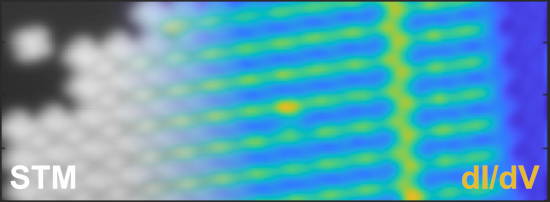
- of the sample preparation is available in Supporting Information File 1. A qPlus AFM/STM sensor [21] with an etched W-tip was used. Tunneling spectoscopy data (dI/dV data) were acquired with a lock-in amplifier included in the control electronics (Nanonis from SPECS GmbH). The AC signal had a
- frequency of 879 Hz, and we used a modulation voltage amplitude of 20 mV after ensuring that spectra did not change in shape with modulation voltages between 5 and 20 mV. The bias voltage and AC signal were applied to the sample. AFM data were acquired in frequency-modulation mode [22] with a sensor
- oscillation amplitude of 50 pm. The resonance frequency of the sensor is 38819 Hz, which is much higher than the modulation voltage used for spectroscopy data. Results and Discussion Figure 1a is an AFM image of an island showing both PC and P2C phases. The internal structure of the molecules appears similar


Frequency-dependent nanomechanical profiling for medical diagnosis
Beilstein J. Nanotechnol. 2022, 13, 1483–1489, doi:10.3762/bjnano.13.122
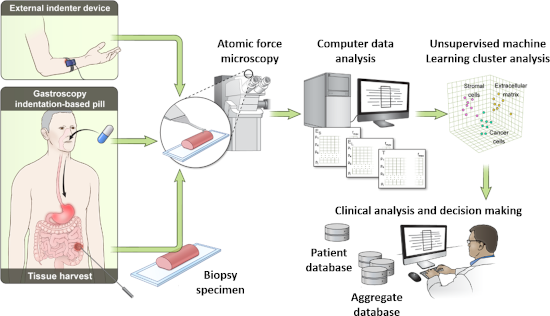
- mechanical sensor into an endoscopy pill, which would save or transmit its mechanical data to a computer for further analysis. Endoscopy capsules for optical imaging of the digestive tract already exist [30]. A schematic for a proposed enhancement to this type of device is shown in Figure 2. In addition to
- optical imaging, the device could be equipped with one or more piezoelectrically excited membranes coupled with a sensing mechanism, such as an AFM cantilever or other type of mechanical sensor (similar stand-alone developments already exist [31][32]). The mechanical response of the membrane could be


Rapid and sensitive detection of box turtles using an electrochemical DNA biosensor based on a gold/graphene nanocomposite
Beilstein J. Nanotechnol. 2022, 13, 1458–1472, doi:10.3762/bjnano.13.120
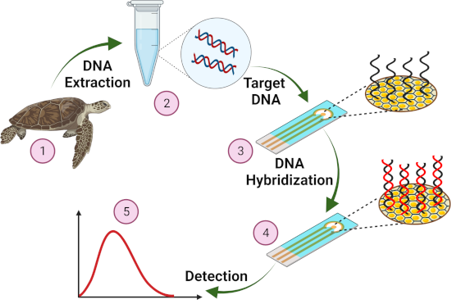
- hydrochloride (EDC) were used to covalently link DNA and oligonucleotides to a carboxylate-terminated alkanethiol self-assembled monolayer (SAM) performed on a gold electrode (AuE) [70]. The Lisdat group described a label-free impedimetric sensor for the detection of hybridisation events which is based on short



Double-layer symmetric gratings with bound states in the continuum for dual-band high-Q optical sensing
Beilstein J. Nanotechnol. 2022, 13, 1408–1417, doi:10.3762/bjnano.13.116
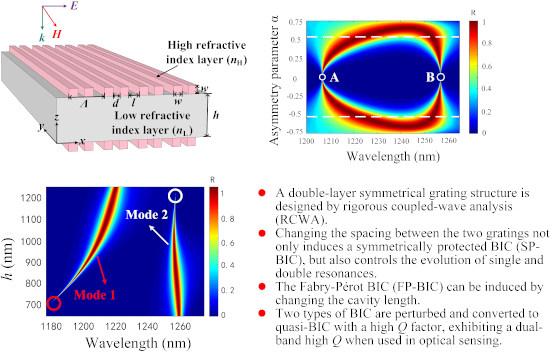
- controlling the cavity length of the structure. Further, the two types of BIC can be converted into quasi-BIC (QBIC) by either changing the spacing between adjacent gratings or changing the distance between the upper and lower gratings. The simulation results show that the dual-band high-performance sensor is
- ]. Particularly, the QBIC sensor enables highly accurate detection of environmental changes by reading variations in the spectrum. However, numerous research works have focused on the BIC mechanism of single-mode resonance [26][28], which may limit its application. In this work, we proposed a double-layer
- index of the surrounding medium. In this section, we will investigate the sensing performance of the proposed structure through the variation of two key structural parameters (α and h). Besides the Q-factor, the sensitivity (S) and FOM are also two important parameters for a refractive index sensor


Dry under water: air retaining properties of large-scale elastomer foils covered with mushroom-shaped surface microstructures
Beilstein J. Nanotechnol. 2022, 13, 1370–1379, doi:10.3762/bjnano.13.113
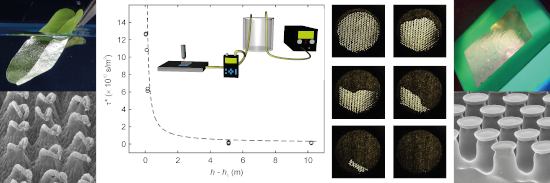
- Effect, the capability to keep a stable air layer when submerged under water. Such air layers are of great importance, e.g., for drag reduction (passive air lubrication), antifouling, sensor applications or oil–water separation. Some biological models, e.g., the floating fern Salvinia or the backswimmer





