Search results
Search for "size distribution" in Full Text gives 598 result(s) in Beilstein Journal of Nanotechnology. Showing first 200.
Efficiency of single-pulse laser fragmentation of organic nutraceutical dispersions in a circular jet flow-through reactor
Beilstein J. Nanotechnol. 2025, 16, 711–727, doi:10.3762/bjnano.16.55
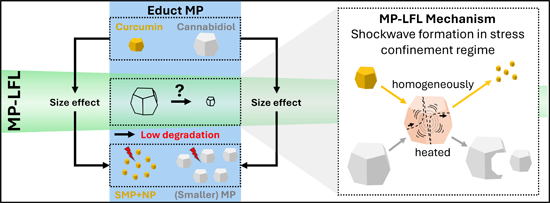
- organic drugs such as paclitaxel [40] and fenofibrate [42] and on C60 and VOPc [2][22][34], where a reduction of particle size distributions with increasing laser fluence was reported (at either undefined or high PPV values), we also analyzed the particle size distribution of the educt and product
- experiments of IrO2 [14], is not ruled out, but these cannot be detected with the measurement methods used for organic materials. The number-weighted particle size distribution determined via SEM in Figure 3C at the example of 0.1 wt % curcumin shows that the initially polydisperse, bimodal distribution with
- order of magnitude larger compared to the curcumin particles, which is also reflected in the number-weighted particle density distribution in Figure 4C, and the density of both materials is similar, the method of analytical centrifugation is useful to compare the hydrodynamic particle size distribution


Colloidal few layered graphene–tannic acid preserves the biocompatibility of periodontal ligament cells
Beilstein J. Nanotechnol. 2025, 16, 664–677, doi:10.3762/bjnano.16.51
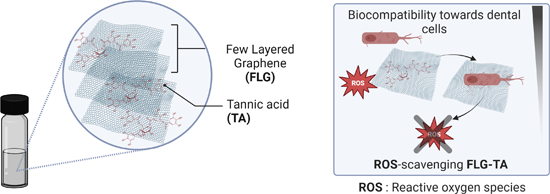
- more in-depth its layered structure, consisting of approximately four layers. Quantitative analysis of SEM and TEM images enabled the determination of the FLG–TA sheets’ average lateral size distribution, presented in Figure 1F, indicating an average lateral size of approximately 2 µm. Note that the
- determination of the size distribution was attempted by means of dynamic light scattering but was unsuccessful owing to the lack of transparency of the suspensions even after strong dilution. The TEM images also reveal visible granules atop the layers (Figure 1D,E). Additional analysis of these granules (Figure
- exfoliation of graphite assisted by TA (B,C). Image (C) originates from the marked box in image (B). Transmission electron microscopy (TEM) micrographs of exfoliated FLG–TA (D,E). Size distribution and average lateral size of FLG sheets (F). Raman spectra (A) and survey XPS spectra (B) of FLG–TA and initial




Aprepitant-loaded solid lipid nanoparticles: a novel approach to enhance oral bioavailability
Beilstein J. Nanotechnol. 2025, 16, 652–663, doi:10.3762/bjnano.16.50
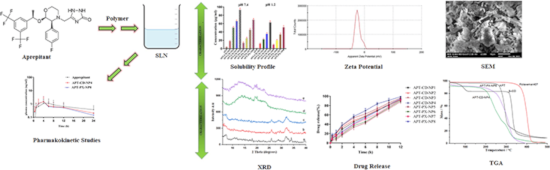
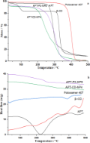
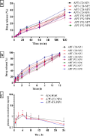
- reducing the thickness of the diffusional layer in the gastrointestinal tract. The PDI is a parameter used to define particle size distribution. PDI values above 0.7 indicate a disperse particle size distribution. The APT-loaded SLNs APT-CD-NP4 and APT-PX-NP8 showed PDI values below 0.2, indicating uniform



A formulation containing Cymbopogon flexuosus essential oil: improvement of biochemical parameters and oxidative stress in diabetic rats
Beilstein J. Nanotechnol. 2025, 16, 617–636, doi:10.3762/bjnano.16.48
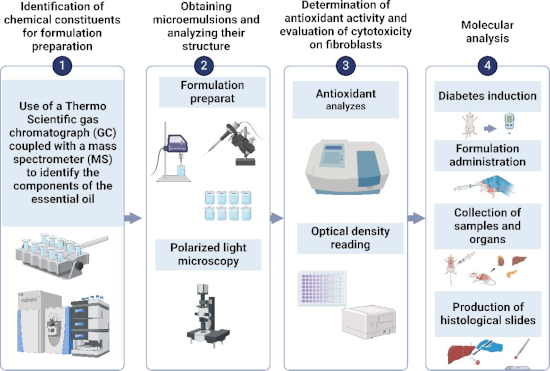
- radius of 15.24 ± 1.27 nm, which is in line with the definition of MEs, having a hydrodynamic radius between 10 and 100 nm [18]. Furthermore, it was observed that the M7-EOCF formulation had a polydispersity index (PDI) of 0.334 ± 0.054, indicating homogeneity (PDI < 0.5) in the droplet size distribution




Functionalized gold nanoflowers on carbon screen-printed electrodes: an electrochemical platform for biosensing hemagglutinin protein of influenza A H1N1 virus
Beilstein J. Nanotechnol. 2025, 16, 540–550, doi:10.3762/bjnano.16.42
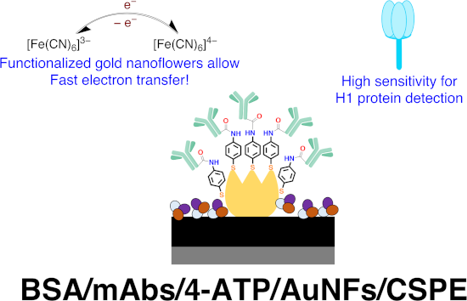
- for 40 s at 2 kV (Emitech SC7640, Quorum technologies). Representative micrographs of the AuNFs were taken using a secondary in-lens detector at a working distance of 1.6 mm and an acceleration voltage of 10 keV (Ziess LEO 1530, AB Carl Zeiss). The size distribution of the AuNFs was calculated by
- biosensing system and the effect on electrochemical current upon H1 protein recognition. SEM images of (A) CSPE and (B, C) AuNFs/CSPE; (D) size distribution of the gold nanoflowers on AuNFs/CSPE. CV characterization at different steps of the electrode modification, measurements performed in 0.1 M KCl


N2+-implantation-induced tailoring of structural, morphological, optical, and electrical characteristics of sputtered molybdenum thin films
Beilstein J. Nanotechnol. 2025, 16, 495–509, doi:10.3762/bjnano.16.38
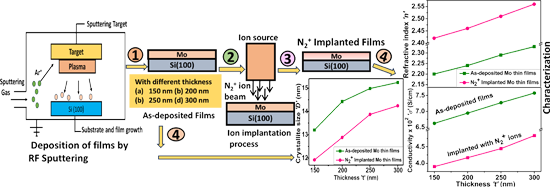
- of the nanoparticles, influencing their resonance properties and, subsequently, the absorbance spectrum [49]. Furthermore, the alteration in peak location indicates an increased number of nanoparticles or a modification in their size distribution resulting from damage caused by ion implantation


Effect of additives on the synthesis efficiency of nanoparticles by laser-induced reduction
Beilstein J. Nanotechnol. 2025, 16, 464–472, doi:10.3762/bjnano.16.35
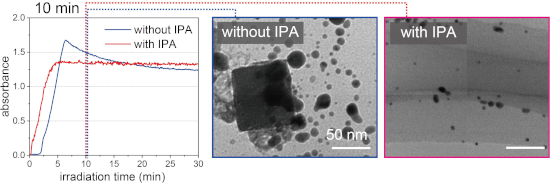
- with a wide particle size distribution of >10 nm, particles with a square shape of >50 nm were also observed. It is thought that the square-shaped particles were formed by crystal growth of the atoms produced by laser irradiation as nuclei, while consuming unreacted ions in the solution through a self
- -catalytic effect. This also suggests that the reduction reaction was not complete after 10 min of laser irradiation. The sample after 30 min of laser irradiation shows that particles with a narrow particle size distribution of less than 10 nm in diameter were formed. In contrast, in the sample with 10 vol
- % IPA, even in the TEM image of the sample after 10 min of laser irradiation, nanoparticles with a narrow particle size distribution of less than 10 nm in diameter were observed. This suggests that the nanoparticle synthesis reaction finished after 10 min of irradiation. This is due to the fact that the


Size control of nanoparticles synthesized by pulsed laser ablation in liquids using donut-shaped beams
Beilstein J. Nanotechnol. 2025, 16, 407–417, doi:10.3762/bjnano.16.31
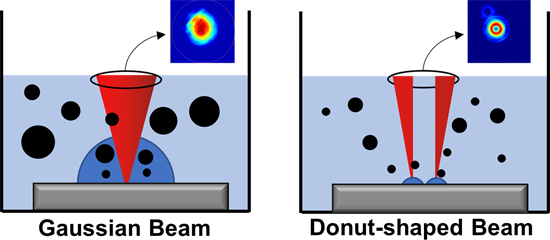
- GROC·UJI, Institute of New Imaging Technologies, Universitat Jaume I, Av. de Vicent Sos Baynat, s/n, 12071 Castellón, Spain 10.3762/bjnano.16.31 Abstract The potential to modify the size distribution of nanoparticles synthesized by pulsed laser ablation in liquids is demonstrated using a donut-shaped
- laser beam. In experiments on pulsed laser ablation in water of gold, yttrium oxide, and high-entropy alloy targets with both Gaussian and donut-shaped beams, we observed a significant reduction in particle size, narrowing of the size distribution width, and an improvement in sphericity when utilizing
- nanoparticles (NPs) with defined particle sizes and narrow size distribution width is driven by the growing integration of nanomaterials into various industrial applications, such as medicine [1][2][3], catalysis [4][5], sensors [6][7], and additive manufacturing [8]. The performance of NPs typically depends on


ReactorAFM/STM – dynamic reactions on surfaces at elevated temperature and atmospheric pressure
Beilstein J. Nanotechnol. 2025, 16, 397–406, doi:10.3762/bjnano.16.30
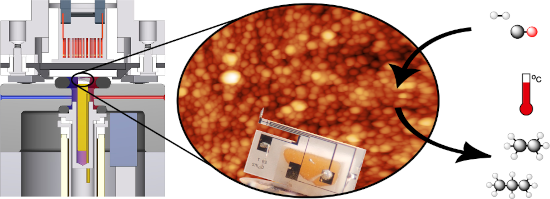
- size distribution of the particles. While maintaining the gas flow, the sample’s temperature was increased with a rate of 1 K per 10 s up to 550 K; at this temperature FTS takes place. This is outside the possible temperature window of scanning with our tuning fork, as explained above. Therefore, we
- were only able to scan at 430 K before (Figure 6b) and after the reaction occurred (Figure 6c). As can be seen, the surface has undergone a change due to the reaction. The particle size distribution has changed; it appears that smaller particles are no longer visible and that there is an increase in


Engineered PEG–PCL nanoparticles enable sensitive and selective detection of sodium dodecyl sulfate: a qualitative and quantitative analysis
Beilstein J. Nanotechnol. 2025, 16, 385–396, doi:10.3762/bjnano.16.29
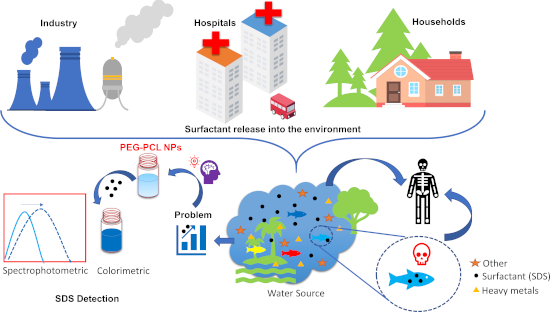
- delivery and biosensing. Further insights into the size and morphology of the PEG–PCL NPs were obtained through electron microscopy. Scanning electron microscopy was used to examine the surface structure and to conduct a quantitative size distribution analysis. The SEM images (Figure 2c) revealed that the
- surface-area-to-volume ratio, which enhances interaction with target molecules. Transmission electron microscopy was also employed further to confirm the shape and size of the nanoparticles. The TEM images confirmed that nanoparticles were spherical with a narrow size distribution, and the mean size was


Development of a mucoadhesive drug delivery system and its interaction with gastric cells
Beilstein J. Nanotechnol. 2025, 16, 371–384, doi:10.3762/bjnano.16.28

- Eudragit polymer. Particle size and zeta potential distribution The particle size distribution is an important parameter in drug delivery applications because it determines the transport across membranes. The Z-average diameters of Alg NPs and EudAlg NPs were 206.14 ± 32.31 and 219.22 ± 41.61 nm
- nanoparticles and negative charges on mucin. The increased overall size distribution due to formation of bigger aggregates can also be observed by analyzing the polydispersity index (PDI) values obtained from the DLS measurements. The PDI indicates the homogeneity of the size of the nanoparticle suspension, and
- complexes after mucin interaction. In addition to the size distribution and PDI alterations, the zeta potential of EudAlg nanoparticles shifted from 39.72 ± 6.7 to −12.13 ± 9.8 mV after interaction with mucin. The observed reduction in zeta potential is also attributed to the interaction and surrounding of


Fabrication and evaluation of BerNPs regarding the growth and development of Streptococcus mutans
Beilstein J. Nanotechnol. 2025, 16, 308–315, doi:10.3762/bjnano.16.23
- synthesized by ASP using glycerol as a safe organic solvent, resulting in BerNPs with a narrow size distribution and an average diameter of 156 nm [12]. Additionally, the high-pressure homogenization method reduced the average size of BerNPs to approximately 72.4 nm [25]. Numerous studies showed that smaller
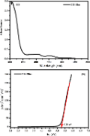
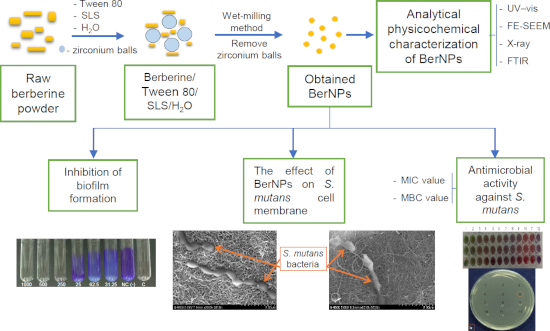
- recorded by observing the stained cells attached to the walls of the test tubes. FE-SEM images of (a) berberine and (b) BerNPs. (c) Histogram of particle size distribution of BerNPs. (a) UV–vis absorption spectrum of BerNPs. (b) Standard curve of pure berberine. (c) XRD patterns of pure berberine and




Preferential enrichment and extraction of laser-synthesized nanoparticles in organic phases
Beilstein J. Nanotechnol. 2025, 16, 254–263, doi:10.3762/bjnano.16.20
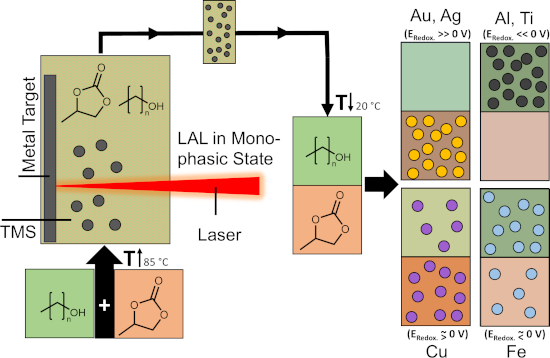
- glycerol carbonate and 1-nonanol for copper and iron. Zeta potential of copper nanoparticles in (a) 1-nonanol and (b) propylene carbonate obtained by LAL at 85 °C in the monophasic TMS of 1-nonanol and propylene carbonate. Size distribution and TEM images of the respective (c, d) copper and (e, f) iron




Radiosensitizing properties of dual-functionalized carbon nanostructures loaded with temozolomide
Beilstein J. Nanotechnol. 2025, 16, 229–251, doi:10.3762/bjnano.16.18
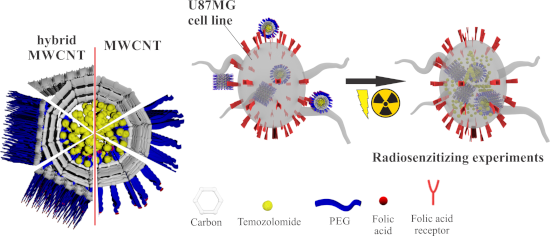
- conditions were characterized in terms of their physicochemical and biopharmaceutical properties. Results and Discussion Biopharmaceutical characterization of temozolomide-loaded carbon nanostructures Loading efficacy, drug content, surface charge, and particle size distribution In the study, relatively high
- images in this study and the SEM and TEM images in [43]). In all series, a relatively unimodal particle size distribution was observed, with PDI values not higher than 0.541. In the irradiated series, the mean particle size ranged from 222 nm (I-MWCNTs-PEG6000-FA) to 347 nm (I-MWCNTs-G-PEG6000-FA-TMZ




Synthesis and the impact of hydroxyapatite nanoparticles on the viability and activity of rhizobacteria
Beilstein J. Nanotechnol. 2025, 16, 216–228, doi:10.3762/bjnano.16.17
- . The morphology of the analyzed sample, observed through scanning electron microscopy (SEM) at magnifications of 15,000× and 50,000× are depicted in Figure 3. Figure 3 provides a clear view of the sample demonstrating spherical shapes with a consistent particle size distribution. The SEM analysis
- reconstruction and genetic distance analysis. XRD pattern of HA standard (ICSD #157481). XRD pattern of the synthesized nHA. Morphology and particle size distribution of the sample, (a, b) SEM images at magnifications of 15,000× and 50,000×, (c) particle size distribution, and (d) 3D plot of porosity. Viability


A review of metal-organic frameworks and polymers in mixed matrix membranes for CO2 capture
Beilstein J. Nanotechnol. 2025, 16, 155–186, doi:10.3762/bjnano.16.14
- selectivity. In contrast, inorganic membranes are rigid with small, uniform pores, offering high selectivity but only modest permeability [70]. For both membrane types, increased uniformity in pore size distribution and greater pore rigidity generally enhance selectivity [70][71][72]. Typically, inorganic
- chemical states [148]. In MOF-based MMMs, XPS can help elucidate unique chemical coordination within the membrane [143]. Physical properties such as the surface area and pore size distribution are commonly determined through Brunauer–Emmett–Teller (BET) analysis [121][124][125][129][130][131], where the




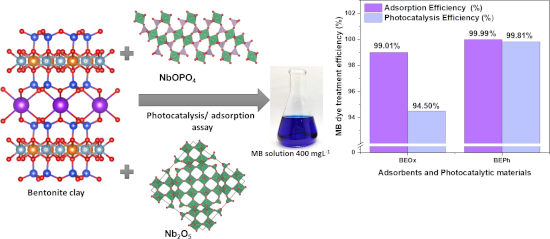
Clays enhanced with niobium: potential in wastewater treatment and reuse as pigment with antibacterial activity
Beilstein J. Nanotechnol. 2025, 16, 141–154, doi:10.3762/bjnano.16.13
- with 50 μm of diameter and gate delay of 0.5 μs. A static laser scattering (SLS) Horiba LA-960 equipment assessed the powder particle size distribution measurements using a 15 mL cuvette accessory and water as the dispersion medium. The refractive index was set to 1.640 for red and blue lines. Results



TiO2 immobilized on 2D mordenite: effect of hydrolysis conditions on structural, textural, and optical characteristics of the nanocomposites
Beilstein J. Nanotechnol. 2025, 16, 128–140, doi:10.3762/bjnano.16.12
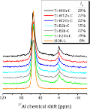
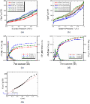
- around P/P0 = 0.5, and it is followed by a broad hysteresis loop. The shape of this loop mainly corresponds to bottle-shaped pores (type H2, more precisely H2b, which corresponds to a pore blocking effect but without percolation, which may also indicate a narrow size distribution of pore cavities), with
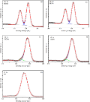
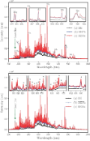
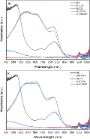
- -loaded samples. The Al 2p and O 1s XPS spectra of the MOR-L compound are given for comparison. The inset in (a) shows the decomposition of the Al 2p spectrum for Ti-W24h-C. (a, b) Nitrogen adsorption isotherms at 77 K, (c, d) pore size distribution and pore volume in calcined nanocomposites Ti-WNh-C (a



Characterization of ZnO nanoparticles synthesized using probiotic Lactiplantibacillus plantarum GP258
Beilstein J. Nanotechnol. 2025, 16, 78–89, doi:10.3762/bjnano.16.8
- , indicating robust colloidal stability, contrasting with the moderately negative zeta potential (−15.3 mV) reported by Selvarajan and Mohanasrinivasan [24], which shows possible variations in ZnO NP characteristics, size distribution, surface modification, and experimental conditions. Nonetheless, both
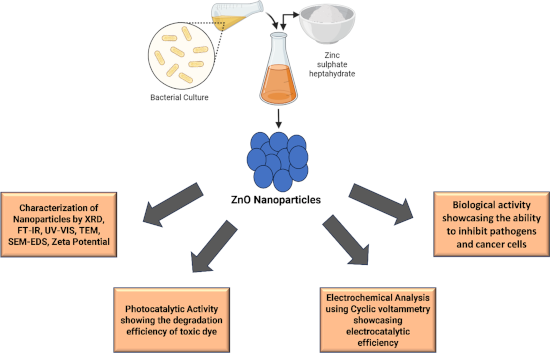
- quantify the surface electric charge of the ZnO NPs, assessing their stability. DLS measurements followed with an acquisition time of 120 s per run, providing data for the intensity-weighted size distribution. The photocatalytic activity was analyzed by studying the degradation of methylene blue in a 20
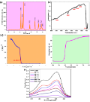
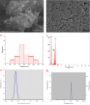
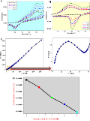
- ) EDX spectroscopy for elemental composition. (e) Zeta potential measurement. (f) DLS results showing the size distribution of ZnO NPs. (a, b) Cyclic voltammetry response of the ZnO electrode in 0.1 M KCl solution at varying scan rates, showing redox behavior and electron transfer characteristics. (c



Instance maps as an organising concept for complex experimental workflows as demonstrated for (nano)material safety research
Beilstein J. Nanotechnol. 2025, 16, 57–77, doi:10.3762/bjnano.16.7

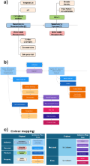


Mechanistic insights into endosomal escape by sodium oleate-modified liposomes
Beilstein J. Nanotechnol. 2024, 15, 1667–1685, doi:10.3762/bjnano.15.131
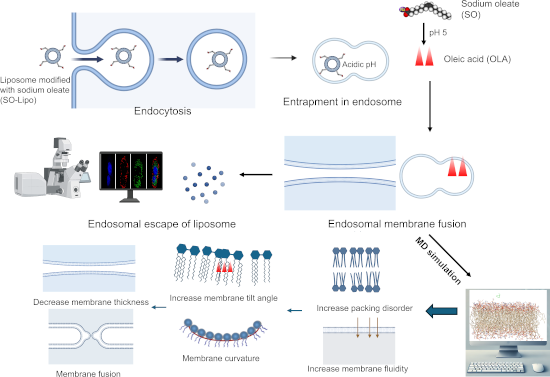
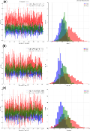
- , and AUR-Lipo formulations. The particle sizes were 102.2 ± 3.30 nm for Unmodified-Lipo, 109.6 ± 7.65 nm for SO-Lipo, and 151.9 ± 5.88 nm for AUR-Lipo, with polydispersity indices below 0.25, indicating uniform size distribution. Endosomal escape efficiency was evaluated through confocal microscopy by
- liposomes (Unmodified-Lipo) exhibited a stable physicochemical profile, with an average particle size of 102.2 ± 3.30 nm. Their PDI of 0.239 ± 0.046 indicated a uniform and consistent size distribution, supported by a mean negative zeta potential of −4.47 ± 2.34 mV. For sodium oleate-modified liposomes (SO
- vesicles. To standardize the size distribution, the sonicated dispersion underwent five cycles of extrusion through a 100 nm polycarbonate membrane using an Avanti Mini-Extruder. The finalized liposomal formations underwent a comprehensive characterization, assessing size, PDI, and zeta potential through




Fabrication of hafnium-based nanoparticles and nanostructures using picosecond laser ablation
Beilstein J. Nanotechnol. 2024, 15, 1639–1653, doi:10.3762/bjnano.15.129
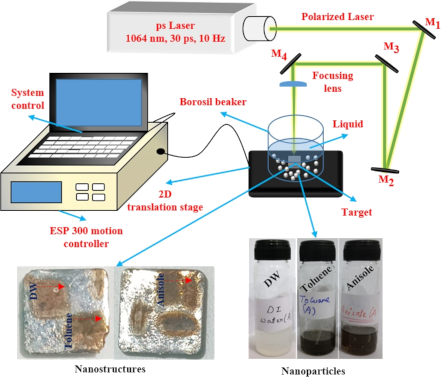
- size distribution in the ranges of 5–40 nm in DW and 5–20 nm in toluene and anisole, respectively, as shown in Figure 3b, Figure 3e, and Figure 3h, respectively. The SAED patterns shown in Figure 3c,f,i indicate that the NPs were polycrystalline. The planes shown in Figure 3c for HfNPs-D were found to
- , and (c) anisole. Schematic of the NS fabrication by raster scanning the sample, resulting in LSFL and HSFL formation. FESEM image and inverse FFTs of LSFL with spatial periodicity on laser-ablated NSs in (a, b) DW, (c, d) toluene, and (e, f) anisole. FESEM image and HSFL size distribution of NSs laser
- potential material for sophisticated design patterning [66]. Conclusion The current study shows the successful single-step fabrication of HfO2 NPs and nanofibres in DW and HfC core–shell NPs with multilayered graphitic shells in toluene and anisole via LAL of Hf metal. The obtained NPs exhibit a broad size




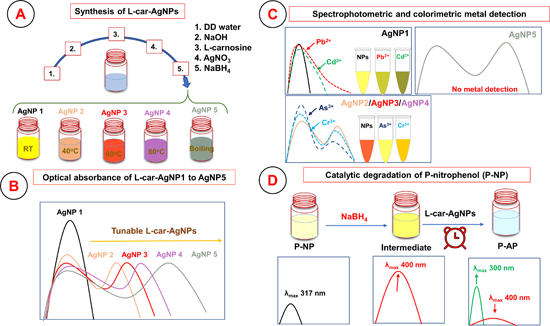
Facile synthesis of size-tunable L-carnosine-capped silver nanoparticles and their role in metal ion sensing and catalytic degradation of p-nitrophenol
Beilstein J. Nanotechnol. 2024, 15, 1576–1592, doi:10.3762/bjnano.15.124
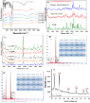
- of the size distribution of particles in a sample. The PDI values of ʟ-car-AgNP1, ʟ-car-AgNP2, ʟ-car-AgNP3, ʟ-car-AgNP4, and ʟ-car-AgNP5 were 0.113, 0.250, 0.299, 0.397, and 0.268, respectively (Figure 3a). A PDI value below 0.3 typically indicates a relatively narrow and well-controlled size
- distribution [27]. ʟ-Carnosine forms a monolayer around the nanoparticles, providing a consistent and uniform surface coverage. This uniformity in surface passivation contributes to the narrow size distribution of the nanoparticles. The formation of stable silver nanoparticles capped with ʟ-carnosine was




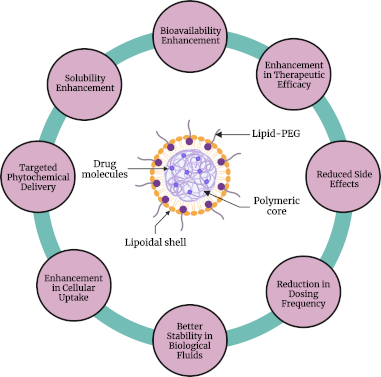
Polymer lipid hybrid nanoparticles for phytochemical delivery: challenges, progress, and future prospects
Beilstein J. Nanotechnol. 2024, 15, 1473–1497, doi:10.3762/bjnano.15.118


Green synthesis of carbon dot structures from Rheum Ribes and Schottky diode fabrication
Beilstein J. Nanotechnol. 2024, 15, 1369–1375, doi:10.3762/bjnano.15.110
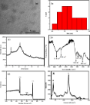
- that the CDs have a monodisperse distribution and a spherical structure (Figure 2a) [16]. Additionally, ImageJ software was used to analyze the size distribution of CDs. Most of the CDs were in the range of 1.0–2.5 nm with an average size of 1.5 nm (Figure 2b). The XRD pattern of the prepared CDs is
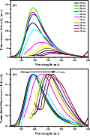
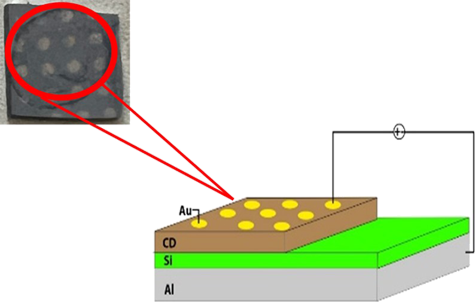
- the Schottky diode based on CDs. (a) TEM image, (b) size distribution, (c) XRD pattern, (d) FTIR spectrum, (e) XPS spectrum, and (f) Raman spectrum of the CDs. UV–vis absorption and fluorescence spectra of the CDs (λexc = 320 nm). (a) Fluorescence and (b) normalized fluorescence spectra of the CDs at