


Search results
Search for "skin" in Full Text gives 191 result(s) in Beilstein Journal of Nanotechnology.
Elasticity, an often-overseen parameter in the development of nanoscale drug delivery systems
Beilstein J. Nanotechnol. 2023, 14, 1149–1156, doi:10.3762/bjnano.14.95
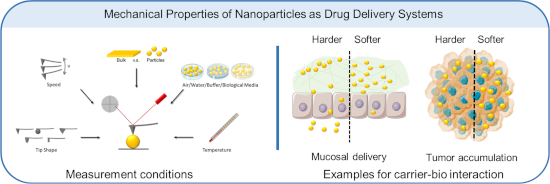
- barriers besides cellular membranes need to be addressed. A few examples of these barriers are penetration in or permeation through mucus, skin penetration, overcoming the blood brain barrier, or extravasation from blood vessels. Another challenge is the accumulation of particulate drug delivery systems in


Exploring internal structures and properties of terpolymer fibers via real-space characterizations
Beilstein J. Nanotechnol. 2023, 14, 1004–1017, doi:10.3762/bjnano.14.83
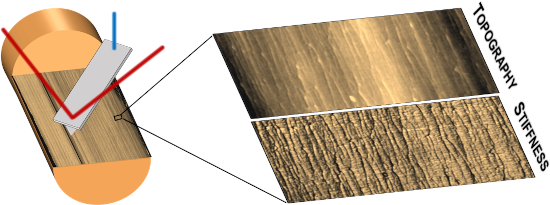
- apparent skin–core differentiation in the microstructure (e.g., as in Kevlar®) is observed [11][13][14][15][16]. The lack of evidence for a skin–core structure in Technora® was referenced in an earlier study by Derombise et al. [17], but to our knowledge, this is the first time this has been directly shown
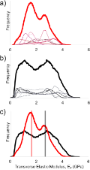
- explains how the complex nanostructure translates up to the microstructure, leading to more disorder in 3D space in Technora® compared to Kevlar®. The other unique microstructural aspect is the lack of a fiber skin in our real-space AFM scans of Technora®. In Kevlar®, the skin is a prominent feature up to
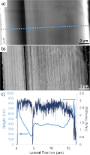
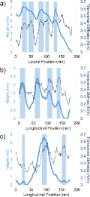
- treatments possess thinner skins [11][13][15]. In previous studies, we corroborated this trend for different classes of Kevlar® fibers using real-space AFM scans, as skin regions contained distinct topographical features and lower stiffness than the Kevlar® fiber core [11][13]. For Technora®, however, no






Antibody-conjugated nanoparticles for target-specific drug delivery of chemotherapeutics
Beilstein J. Nanotechnol. 2023, 14, 912–926, doi:10.3762/bjnano.14.75
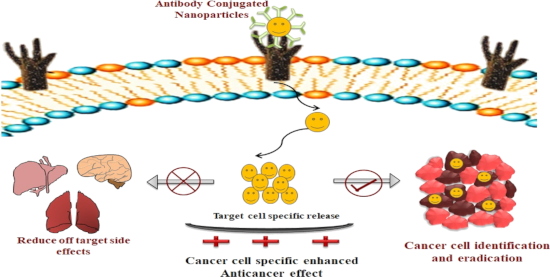
- active targeting via the functionalization of ligands, such as antibodies or proteins, that interact with receptors overexpressed at the target site [5][6]. However, the movement of NPs is hampered by biological barriers such as endothelial, cellular, skin, and mucosal barriers, which obstruct their



Industrial perspectives for personalized microneedles
Beilstein J. Nanotechnol. 2023, 14, 857–864, doi:10.3762/bjnano.14.70
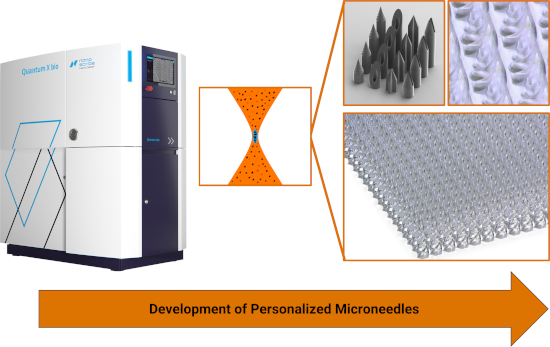
- Australian company Vaxxas. Pty. Ltd. Vaxxas has developed a non-dissolving microneedle patch, called the Nanopatch [13][14][15]. In the Nanopatch, the microneedles are coated in a dry vaccine powder, and upon insertion, the microneedles leave pores in the skin where the powder particles can be bioabsorbed
- , it is crucial to consider that structural skin properties (e.g., transepidermal water loss, skin elasticity, dermal layer thicknesses, and ceramide content) differ among these groups [16][17][18], or else results give an incomplete picture. Several studies have also reported that the various
- demographic groups (e.g., ethnicity and age) heal at different rates [16][19]. Therefore, it is also critical to consider differences in skin penetration, drug absorption, and healing processes among different populations when assessing the effectiveness of drug-delivering microneedles. In today's age of


A wearable nanoscale heart sound sensor based on P(VDF-TrFE)/ZnO/GR and its application in cardiac disease detection
Beilstein J. Nanotechnol. 2023, 14, 819–833, doi:10.3762/bjnano.14.67
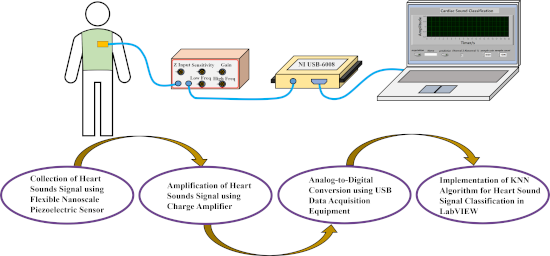
- a series of processing steps, the heart sound signal is obtained. However, PZT has a brittle texture, does not fit the skin well, and lacks comfort when worn, making it unsuitable for wearable sensors [10]. Moreover, the lead in PZT is harmful to humans. In recent years, there has been a significant
- sensor after bending. It was observed that the sensor encapsulated by silica gel was highly flexible and could fit snugly onto the skin. Additionally, the food-grade silica gel used in the outermost layer is ecologically friendly, harmless to human health, and makes for a great wearable, flexible
- piezoelectric nanoscale heart sensor, and the outermost layer of silica gel effectively protected the flexible nanofilm and adhered to the skin. In this paper, the acoustic-electric conversion performance of P(VDF-TrFE)/ZnO/GR piezoelectric composite films was evaluated using a self-built acoustic-electric


Microneedle patches – the future of drug delivery and vaccination?
Beilstein J. Nanotechnol. 2023, 14, 494–495, doi:10.3762/bjnano.14.40

- blood for diagnostic tests. Other tests, such as blood glucose monitoring in diabetics [1], release blood by a pinprick from the capillaries immediately beneath the skin. Microneedles (MNs), typically less than 1 mm long, are a late 20th century development with significant promise for the above
- MNs tailored to penetrate the skin and provide access to blood capillaries or the ISF have been the subject of a rapidly growing number of research publications over the last decade, and the trend continues [7]. Several key issues discussed in these papers are also considered in this thematic issue [8
- ][9]. Recent progress may be broadly categorised as MN design, fabrication, skin penetration studies, and applications, ranging from drug delivery and vaccination to diagnostics. The first two of these have received most attention, but considerable work is still to be done in all categories – more in
Plasmonic nanotechnology for photothermal applications – an evaluation
Beilstein J. Nanotechnol. 2023, 14, 380–419, doi:10.3762/bjnano.14.33




Overview of mechanism and consequences of endothelial leakiness caused by metal and polymeric nanoparticles
Beilstein J. Nanotechnol. 2023, 14, 329–338, doi:10.3762/bjnano.14.28
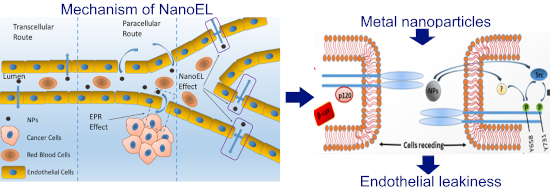
- . Lee et al. recorded similar observations after examining the leakiness of human skin microvascular endothelial cells (HMVECs) after exposure to citrate-stabilized Au NPs of different sizes and concentrations. Using in vitro, ex vivo, and in silico studies, they confirmed the interaction mechanism of


Recent progress in cancer cell membrane-based nanoparticles for biomedical applications
Beilstein J. Nanotechnol. 2023, 14, 262–279, doi:10.3762/bjnano.14.24
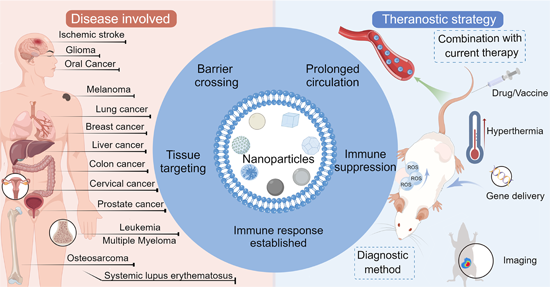
- system diseases Cancer cell membrane-based NPs play a unique therapeutic role in immune system diseases due to their immunomodulatory functions. Systemic lupus erythematosus (SLE) is an incurable chronic autoimmune disease that involves multiorgan damage (e.g., to the skin, joints, kidneys, heart, and
- containing biomimetic NPs with the HCT116 cell membrane was developed for the treatment of colon cancer [45]. Through simple skin delivery and the subsequent presentation of relevant antigens, it can endow the body with efficient antitumor immunity [45]. Moreover, the nanovaccine integrated with


Frequency-dependent nanomechanical profiling for medical diagnosis
Beilstein J. Nanotechnol. 2022, 13, 1483–1489, doi:10.3762/bjnano.13.122
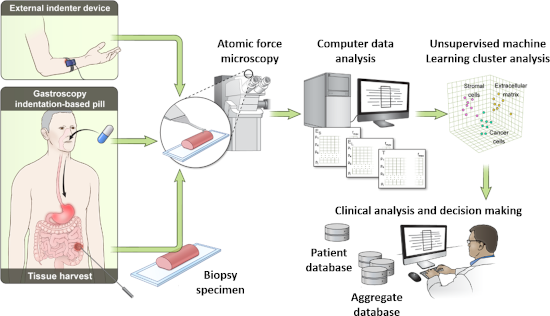
- required, but a suitable design seems plausible within the next decade. Finally, for external measurements, such as in the case of skin cancer measurements, a hand-held, non-invasive indenter could be brought up directly to the lesion. The latter example requires the least technological development, as
- cancerous human skin cells, fitted from AFM force–distance curves (Adapted from [15] © 2022 C. H. Parvini et al., published by Springer Nature, distributed under the terms of the Creative Commons Attribution 4.0 International License, https://creativecommons.org/licenses/by/4.0)). Acknowledgements The


Orally administered docetaxel-loaded chitosan-decorated cationic PLGA nanoparticles for intestinal tumors: formulation, comprehensive in vitro characterization, and release kinetics
Beilstein J. Nanotechnol. 2022, 13, 1393–1407, doi:10.3762/bjnano.13.115
- acetate, dialysis cellulose tubing membrane (average flat width 25 mm, MWCO 14,000 Da), gelatin type B from bovine skin, mucine from porcine stomach (type II), diethylenetriaminepentaacetic acid (DTPA; min 99%, titration), and egg yolk emulsion were purchased from Sigma-Aldrich, USA. All other chemicals


Straight roads into nowhere – obvious and not-so-obvious biological models for ferrophobic surfaces
Beilstein J. Nanotechnol. 2022, 13, 1345–1360, doi:10.3762/bjnano.13.111
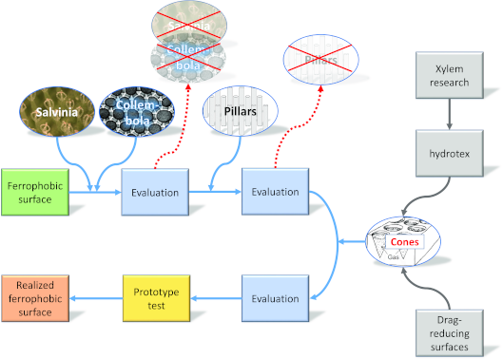
- ) and the skin structure of springtails (Collembola, see Figure 3) [3][21][22], both of which are known to accommodate gas layers. Kariba weed (Salvinia molesta) In the case of Salvinia molesta, stable water/air interfaces form at the tips of leaf hairs, which are topped by eggbeater-like structures
- on a variety of food sources and contribute substantially to the recycling of organic matter [32][33]. Collembola breathe through their body surface via skin breathing as well as with trachea [34]. Therefore, water films that may form as continuous layers on their body pose the risk of reducing
- respiration. As small hexapods, Collembola are furthermore at the risk of drowning during rain or when displaced into water bodies. To avoid suffocation and to secure oxygen supply under such conditions, Collembola form air layers on the body surface, so called plastrons, which are established above the skin


Application of nanoarchitectonics in moist-electric generation
Beilstein J. Nanotechnol. 2022, 13, 1185–1200, doi:10.3762/bjnano.13.99
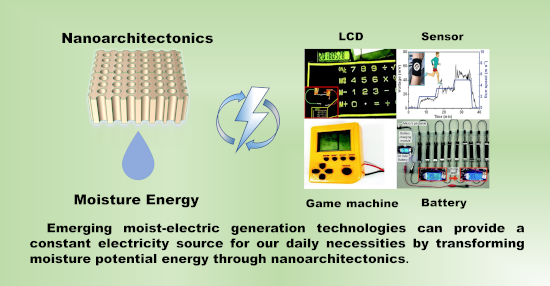
- ). There are also PVA@DA/PVDF NF composites that can efficiently generate instantaneous voltages up to 0.5 V from ambient moisture (Figure 10j). However, because of different issues regarding daily practical applications, such as sweat corrosion, biological toxicity on human skin, and the need for suitable


Microneedle-based ocular drug delivery systems – recent advances and challenges
Beilstein J. Nanotechnol. 2022, 13, 1167–1184, doi:10.3762/bjnano.13.98
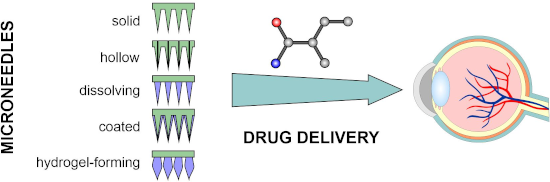
- vascular and neural network [31][32]. Undoubtedly, no other organ of the body, beside the skin, is so readily available or so easy to observe. However, due to the unique properties, there are specific opportunities but also difficulties in administering drugs to the eye [33]. Ophthalmic preparations
- successfully applied to the cornea or sclera [103]. Microneedles in skin administration have been studied for many years, including delivery of various therapeutic agents. These included antibiotics [104][105] or antifungals [106] for the treatment of local skin infections but also other drugs intended to
- and the ability to form different microneedle geometries, which can be considered as an advantage. However, the manufacturing process can be complicated and the material is relatively expensive. Also, silicon is a brittle, non-compatible, and non-biodegradable material, which may cause skin irritation


Interaction between honeybee mandibles and propolis
Beilstein J. Nanotechnol. 2022, 13, 958–974, doi:10.3762/bjnano.13.84
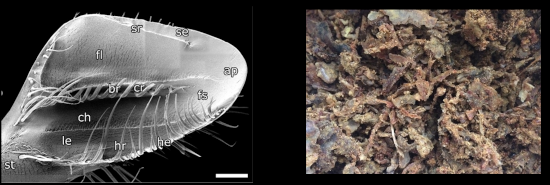
- easily. In unstructured areas of the mandible, the layer was thinner. It has previously been described that structures facilitate the spreading of fluid [50]. For instance, structures on Nepenthes alata and lizard skin have been found to enhance unidirectional liquid transportation [51]. The contact area


Bioselectivity of silk protein-based materials and their bio-inspired applications
Beilstein J. Nanotechnol. 2022, 13, 902–921, doi:10.3762/bjnano.13.81
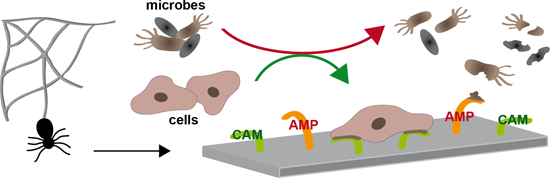
- and adhesion mechanisms of various CAM can be found in dedicated reviews [9][10][12][13]. Cadherins are associated with cell–cell adhesive interactions in solid tissues and are involved in processes such as embryonic development, formation of the epithelial layers of the skin and intestine, and axonal
- that inhibit initial attachment or directly kill microbes (see Figure 2) [50]. Natural surfaces provide many examples of anti-adhesive topography, including nanostructured pikes on Cicada wings [51], micro-structured and patterned riblets of the shark skin scales [52], hierarchically micro- and
- and antifouling surfaces have been successfully generated by soft photolithography, micro-molding or nanopatterning techniques [57]. Moreover, the biomimetic application Sharklet® textured similarly to shark skin has not only been reported to be antiadhesive against green algae spores and bacterial


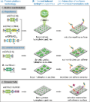
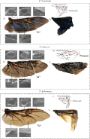
Micro-structures, nanomechanical properties and flight performance of three beetles with different folding ratios
Beilstein J. Nanotechnol. 2022, 13, 845–856, doi:10.3762/bjnano.13.75
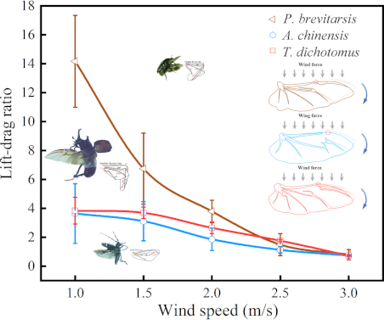
- induced drag Dind, profile drag Dpro, and parasite drag Dpar. Dind represents the cost of generating lift, Dpro is the drag of the wings and Dpar is due to skin friction and the drag from the body form [45]. It was found that the wingspan b and Sw of the hind wings decrease simultaneously when passive




Temperature and chemical effects on the interfacial energy between a Ga–In–Sn eutectic liquid alloy and nanoscopic asperities
Beilstein J. Nanotechnol. 2022, 13, 817–827, doi:10.3762/bjnano.13.72
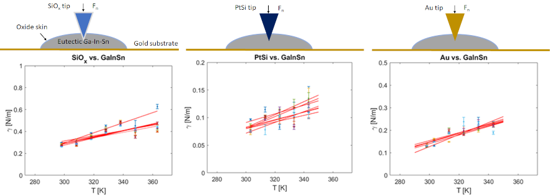
- has not yet attracted as much attention. Recently, the authors of [12] highlighted the role of the oxide skin on the adhesion strength of gallium-based alloys on various substrates. Specifically, the authors found that the resulting adhesion strength is low when the oxide skin surrounding a liquid
- drop is not disrupted during application onto a substrate. In contrast, when the oxide skin breaks, new oxide forms at the solid–liquid interface with a substrate, which results in adhesion. Also, the wetting of a liquid Ga–In alloy has been related to the adsorption energy of gallium on three



Fabrication and testing of polymer microneedles for transdermal drug delivery
Beilstein J. Nanotechnol. 2022, 13, 629–640, doi:10.3762/bjnano.13.55
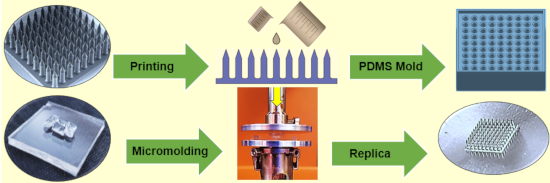
- considerable potential for medical applications such as transdermal drug delivery, point-of-care diagnostics, and vaccination. These miniature microdevices should successfully pierce the skin tissues while having enough stiffness to withstand the forces imposed by penetration. Developing low-cost and simple
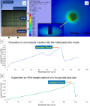
- of bending, buckling, and tip blunting were then examined using compression tests and also theoretically. MN array insertion performance was studied in vitro on porcine back skin using both a prototype custom-made applicator and a commercial device. An adjustable skin stretcher mechanism was designed
- and manufactured to address current limitations for mimicking skin in vivo conditions. Finite element analysis (FEA) was developed to simulate single MN insertion into a multilayered skin model and validated experimentally using a commercial Pen Needle as a model for the thermoplastic MNs. Margins of



Ciprofloxacin-loaded dissolving polymeric microneedles as a potential therapeutic for the treatment of S. aureus skin infections
Beilstein J. Nanotechnol. 2022, 13, 517–527, doi:10.3762/bjnano.13.43
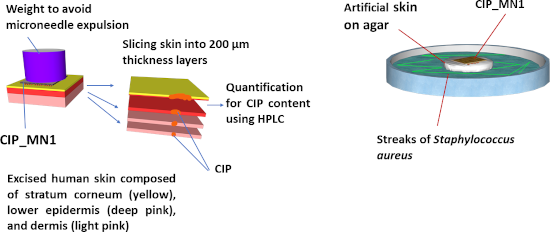
- , 19392, Jordan 10.3762/bjnano.13.43 Abstract Microneedles have been widely studied for many topical and transdermal therapeutics due to their ability to painlessly puncture the skin, thereby bypassing the stratum corneum, the main skin barrier. In this study, ciprofloxacin (CIP) was loaded into
- dissolving polymeric microneedles prepared by a two-layer centrifugation method as a potential treatment of skin infections such as cellulitis. The polymers used were polyvinyl alcohol (PVA) and polyvinylpyrrolidone (PVP). Two formulations were investigated, namely CIP_MN1, composed of 10 mg ciprofloxacin
- of microneedles in skin, it was used to evaluate the ability of microneedles to perforate the skin. CIP_MN1 showed almost complete perforation of Parafilm, 190 pores, compared to CIP_MN2 which created only 85 pores in Parafilm, and therefore CIP_MN1 was used for subsequent studies. Examining CIP_MN1


Design and characterization of polymeric microneedles containing extracts of Brazilian green propolis
Beilstein J. Nanotechnol. 2022, 13, 503–516, doi:10.3762/bjnano.13.42
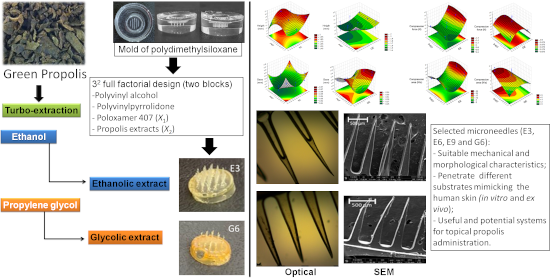
- Abstract Microneedles (MNs) are a means to break the protective skin barrier in a minimally invasive way. By creating temporary micropores, they make biologically active agents available in the skin layers. Propolis (PRP) is a gum resin with a complex chemical composition, produced by bees Apis mellifera L
- . and showing several therapeutic properties (i.e., antibacterial, antiviral, antifungal, anti-inflammatory, healing, and immunomodulatory properties). The administration of PRP extracts by conventional routes has some disadvantages, such as running off over the skin in liquid or emulsion form. When
- can encapsulate several types of nanocarriers, making it a unique system with different activities [11]. Solid MNs are used for pre-treatment of the skin. They serve only to create micropores, increasing permeability and facilitating the administration of the drug. The drug will be inserted over the


Ethosomal (−)-epigallocatechin-3-gallate as a novel approach to enhance antioxidant, anti-collagenase and anti-elastase effects
Beilstein J. Nanotechnol. 2022, 13, 491–502, doi:10.3762/bjnano.13.41
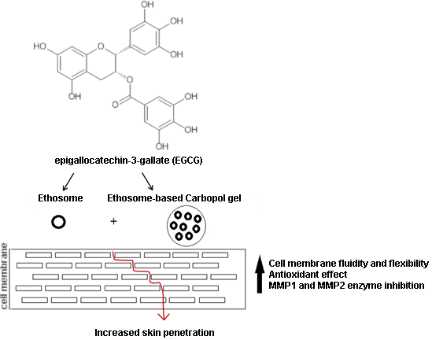
- Application and Research Center, Kayseri, Turkey 10.3762/bjnano.13.41 Abstract Controlled release systems containing natural compounds have been successfully applied in cosmetics as antiaging products to enhance the penetration of active compounds through the skin. In this study, we aimed to develop novel
- ; ethosome; Introduction Skin aging is the result of biological changes, such as wrinkles, sagging, loss of elasticity, and thickening of the skin and it is caused by intrinsic (occur slowly and vary considerably between populations) and extrinsic factors. The main components of the connective tissue
- responsible for the elasticity and resistance of the skin in the dermis, (i.e., the middle layer of the skin) are collagen and elastin, and the changes in these two components play an important role in the skin aging process [1][2]. The production of reactive oxygen species (ROS) or free radicals through



Tubular glassy carbon microneedles with fullerene-like tips for biomedical applications
Beilstein J. Nanotechnol. 2022, 13, 455–461, doi:10.3762/bjnano.13.38
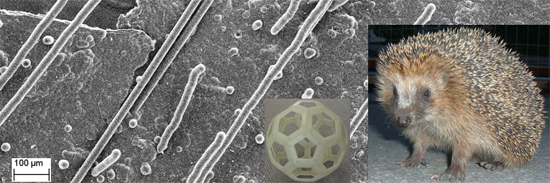
- chrome particles released from surgical stainless steel needles during needle wear in human skin. Allergic reactions such as contact dermatitis resulting from the presence of nickel and chromium in acupuncture needles have also been reported [32]. Glassy carbon is biocompatible, electrically and


Electrostatic pull-in application in flexible devices: A review
Beilstein J. Nanotechnol. 2022, 13, 390–403, doi:10.3762/bjnano.13.32
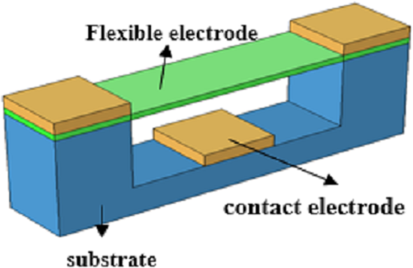
- more and more difficult for traditional electronic devices made of rigid substrates to meet the needs of flexible and low-cost applications in complex environments. Flexible electronics have great potential for applications such as portable displays, electronic skin, and wearable healthcare. With the


Micro- and nanotechnology in biomedical engineering for cartilage tissue regeneration in osteoarthritis
Beilstein J. Nanotechnol. 2022, 13, 363–389, doi:10.3762/bjnano.13.31
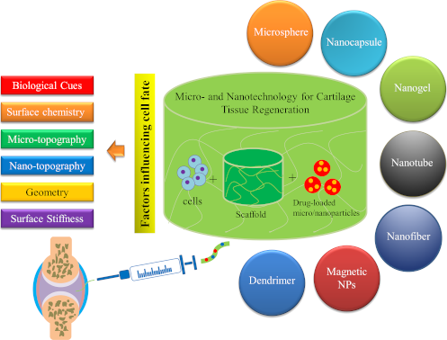
- alternative for CNTs in biomedical applications [145]. Bonifacio et al. have developed a hydrogel nanocomposite scaffold composed of gellan gum and glycerol and reinforced by halloysite nanotubes for skin TE [146]. Integration of 25% HNTs into gellan gum reinforced the mechanical properties of the hydrogel





