Search results
Search for "transport" in Full Text gives 833 result(s) in Beilstein Journal of Nanotechnology. Showing first 200.
Hydrogels and nanogels: effectiveness in dermal applications
Beilstein J. Nanotechnol. 2025, 16, 1216–1233, doi:10.3762/bjnano.16.90
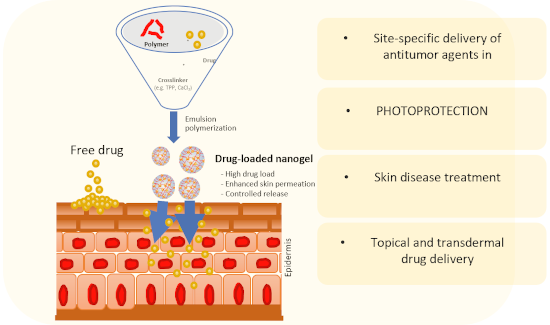
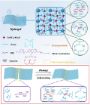
- showed a 6-fold increase in the transport of diclofenac to the skin surface when compared with commercial formulations [32]. Nanogels synthesized from a cross-linking copolymer of poly(itaconic anhydride-co-3,9-divinyl-2,4,8,10-tetraoxaspiro[5.5]undecane) with 1,12-dodecanediol demonstrated dual pH and


Electronic and optical properties of chloropicrin adsorbed ZnS nanotubes: first principle analysis
Beilstein J. Nanotechnol. 2025, 16, 1184–1196, doi:10.3762/bjnano.16.87
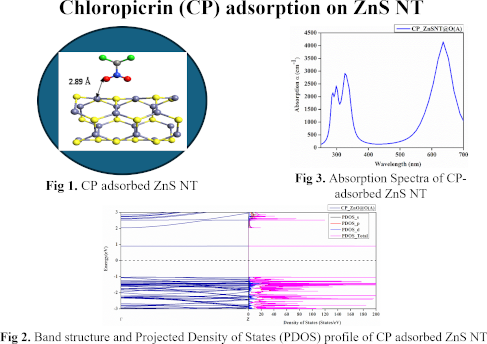
- was performed with stringent convergence criteria: a maximum force tolerance of 0.05 eV/Å and a stress tolerance of 0.05 eV/Å3. These parameters ensured the reliability and accuracy of the resulting structural configurations for subsequent electronic and transport property analyses. To study the


Influence of ion beam current on the structural, optical, and mechanical properties of TiO2 coatings: ion beam-assisted vs conventional electron beam evaporation
Beilstein J. Nanotechnol. 2025, 16, 1097–1112, doi:10.3762/bjnano.16.81
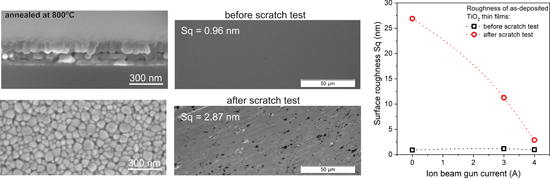
- anatase phase, compared to other phases, is particularly favorable for electrochromic applications due to its efficient ion transport and relatively open configuration of octahedral units. These two phases of titanium dioxide differ significantly in their properties in terms of electronic applications [21




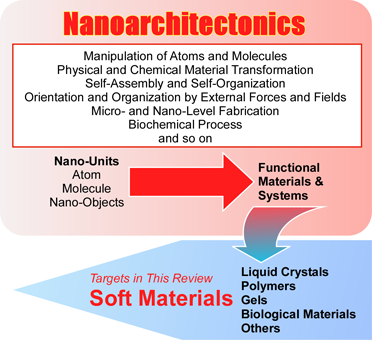
Soft materials nanoarchitectonics: liquid crystals, polymers, gels, biomaterials, and others
Beilstein J. Nanotechnol. 2025, 16, 1025–1067, doi:10.3762/bjnano.16.77
- compounds, including oligoacenes and oligothiophenes, exhibit excellent carrier transport properties in the aggregated state, rendering them promising candidates for use as organic semiconductors. It can be posited that liquid crystal compounds incorporating extended π-conjugated cores may be considered as
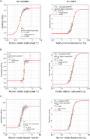
- liquid crystal semiconductors that exhibit anisotropic conduction of electronic charge carriers. The efficient transport of electronic carriers has been confirmed in nematic, chiral nematic, smectic, and columnar phases. It has been demonstrated that liquid crystals comprising extended π-conjugated units
- and polar moieties can exhibit ferroelectric behavior and electronic carrier transport properties. The corresponding materials have been the subject of investigation for potential applications in electroluminescent devices, field-effect transistors, and solar cells [228][229][230][231][232]. To






Time-resolved probing of laser-induced nanostructuring processes in liquids
Beilstein J. Nanotechnol. 2025, 16, 968–1002, doi:10.3762/bjnano.16.74
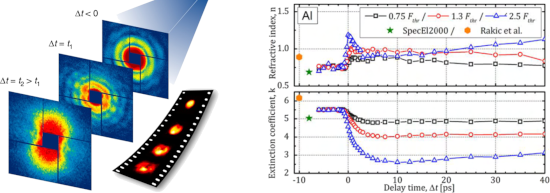
- -dependent and can be as short as 100 ps for small particles below 20 nm. Steady-state evaporation is also inefficient for mass transport on a picosecond-to-nanosecond timescale that is of interest here. Thus, thresholds for ablation and fragmentation will shift to energies far above the energy required to


Synthesis of biowaste-derived carbon-dot-mediated silver nanoparticles and the evaluation of electrochemical properties for supercapacitor electrodes
Beilstein J. Nanotechnol. 2025, 16, 933–943, doi:10.3762/bjnano.16.71
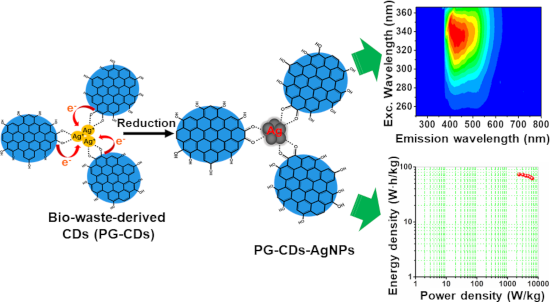
- electrode surface, resulting in reduced electrode flux compared to that of higher scan rates. This occurs because current densities are influenced by the rate of scanning [37]. The higher current density at 200 mV/s suggests that, at this specific scan rate, the ion transport rate and the reactions for the
- the real axis [37][41]. The minimal interfacial resistance is confirmed by the PG-CDs-AgNPs reduced RESR value. Easy electrolyte ion transport through highly conducting CDs is the primary cause of the decreased RESR and Rct for PG-CDs-AgNPs. Above all, the fact that the straight line in the case of PG


Structural and magnetic properties of microwave-synthesized reduced graphene oxide/VO2/Fe2O3 nanocomposite
Beilstein J. Nanotechnol. 2025, 16, 921–932, doi:10.3762/bjnano.16.70
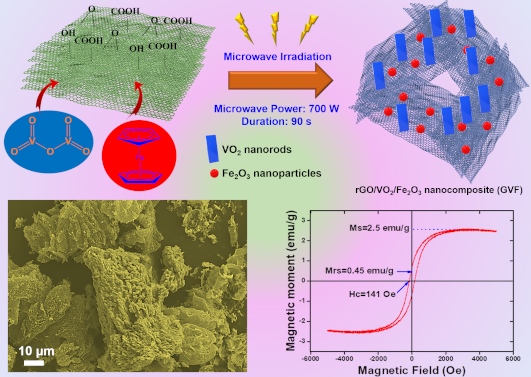
- phase change of this metal oxide is generally implemented through a few approaches, including annealing, sol–gel process, hydrothermal process, vapor transport method. However, such approaches are time consuming [26][27][28]. In this context, the ultrafast reduction of V2O5 to VO2 through the MW route


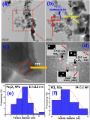

Characterization of ion track-etched conical nanopores in thermal and PECVD SiO2 using small angle X-ray scattering
Beilstein J. Nanotechnol. 2025, 16, 899–909, doi:10.3762/bjnano.16.68
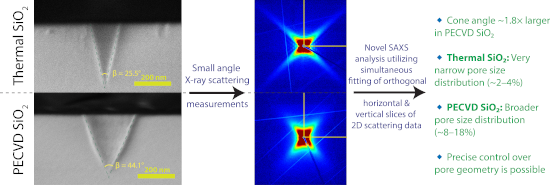
- ][12][13][14][15][16][17][18][19][20][21][22][23][24][25][26][27][28][29][30][31][32][33]. Conical nanopores are of particular interest because of the asymmetric ion transport resulting from their unique geometry [30][34][35][36][37][38]. Conical nanopores can be reproducibly fabricated at scale using


Insights into the electronic and atomic structures of cerium oxide-based ultrathin films and nanostructures using high-brilliance light sources
Beilstein J. Nanotechnol. 2025, 16, 860–871, doi:10.3762/bjnano.16.65

- transport properties in the presence of specific gases, due to the redox reactions that take place on the surface [12][13]. An atomic level understanding of the structure–function relationship in this oxide is essential for guiding the design of efficient materials to optimize the performance of the
- was possible to identify different types of interactions between Pt NPs and cerium oxide surfaces including electron transfer from Pt NPs to CeO2 and transport of oxygen atoms from ceria to Pt NPs, the latter occurring only when the ceria support surface is nanostructured [26]. In addition, thanks to
- , was hypothesized based on optical pump–probe spectroscopy experiments [60]. These quasi-particles, which originate from the coupling between photoexcited charge and lattice distortions induced by the extra charges themselves, largely influence the transport properties of the material. A study by


Facile one-step radio frequency magnetron sputtering of Ni/NiO on stainless steel for an efficient electrode for hydrogen evolution reaction
Beilstein J. Nanotechnol. 2025, 16, 837–846, doi:10.3762/bjnano.16.63
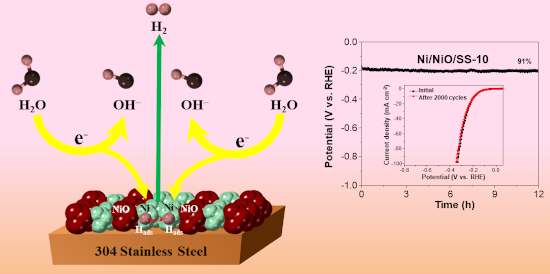
- NiO phases, metallic Ni, and high conductivity of SS, which is advantageous for the Volmer step in alkaline solution, the combination of adsorbed H atoms, and electron transport in the catalytic process. These conclusions guide the fabrication of binder-free, robust, affordable electrocatalysts using


Supramolecular hydration structure of graphene-based hydrogels: density functional theory, green chemistry and interface application
Beilstein J. Nanotechnol. 2025, 16, 806–822, doi:10.3762/bjnano.16.61
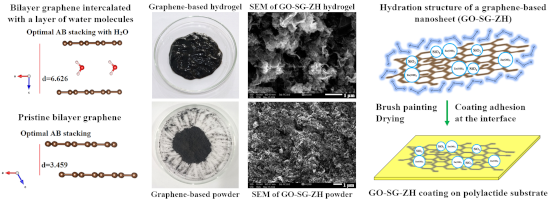
- evaporation curves entered into the decreasing rate period where there is deficiency of free water at the outer surface and water transport from the interior to the surface. The critical water content at which the first decreasing rate period began was identified to be about 40% (the left dashed line in


Nanostructured materials characterized by scanning photoelectron spectromicroscopy
Beilstein J. Nanotechnol. 2025, 16, 700–710, doi:10.3762/bjnano.16.54
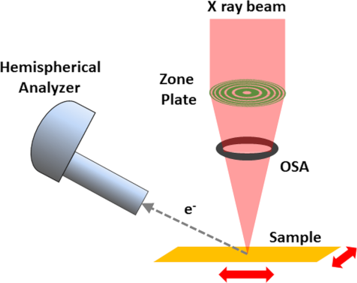
- hemispherical analyzers, while guaranteeing adequate energy resolutions. Experimental The SPEM hosted at the ESCA microscopy beamline at Elettra uses diffraction optics to focus the incoming X-ray beam shaped by the photon transport optics to a 130 nm Gaussian-shaped spot. As shown with a sketch in Figure 4


The impact of tris(pentafluorophenyl)borane hole transport layer doping on interfacial charge extraction and recombination
Beilstein J. Nanotechnol. 2025, 16, 678–689, doi:10.3762/bjnano.16.52
- Konstantinos Bidinakis Stefan A. L. Weber Max Planck Institute for Polymer Research, Ackermannweg 10, 55128 Mainz, Germany Institute for Photovoltaics, University of Stuttgart, Pfaffenwaldring 47, 70569 Stuttgart, Germany 10.3762/bjnano.16.52 Abstract Selective charge transport layers have a
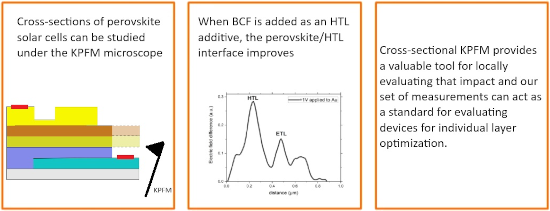
- devices are the small molecule 2,2',7,7'-tetrakis[N,N-di(4-methoxyphenyl)amino]-9,9'-spirobifluorene (spiro-OMeTAD) and the polymer poly[bis(4-phenyl)(2,4,6-trimethylphenyl)amine] (PTAA). In this work, we investigate the impact of hole transport layer doping on the performance and potential distribution
- ; hole transport layer doping; Kelvin probe force microscopy; perovskite solar cells; Introduction Perovskite solar cells (PSCs) are a promising class of photovoltaic material that exhibits high power conversion efficiencies and relies on a low-cost solution-processed fabrication method [1][2][3][4]. At


Colloidal few layered graphene–tannic acid preserves the biocompatibility of periodontal ligament cells
Beilstein J. Nanotechnol. 2025, 16, 664–677, doi:10.3762/bjnano.16.51
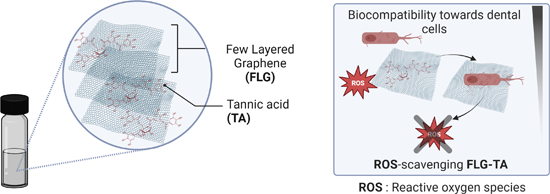
- demonstrated that cell adhesion may influence metabolic programming through regulation of adhesion molecules and glucose transport pathways [26][27]. Additionally, the molecular structure of tannic acid allows for potential enzymatic conversion into glucose derivatives via cellular metabolic pathways [28][29
- ]. A previous study demonstrated that TA treatment enhanced glucose transport in 3T3-L1 cells through activation of insulin receptor phosphorylation and GLUT4 translocation [30]. These factors may have contributed to the observed enhancement in cellular metabolic activity at 24 h. The decrease in cell




Aprepitant-loaded solid lipid nanoparticles: a novel approach to enhance oral bioavailability
Beilstein J. Nanotechnol. 2025, 16, 652–663, doi:10.3762/bjnano.16.50
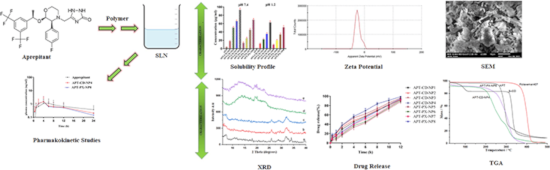
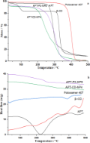
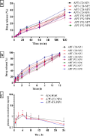
- release (98.89% ± 4.11%) in PBS (pH 7.4) and followed the Higuchi release model (with exponent n = 0.542), indicating non-Fickian diffusion (anomalous transport). The maximum concentration of drug in plasma and the bioavailability of optimal formulation APT-CD-NP4 were higher than those of pure APT
- (Table 2). Regarding the measurements in PBS (pH 7.4), the value of n of all formulations APT-CD-NP1 to APT-PX-NP8 ranged from 0.542 to 0.943, demonstrating non-Fickian diffusion with anomalous drug transport. The drug release from polymer-based APT-loaded formulations is as follows: When the polymeric



Nanoscale capacitance spectroscopy based on multifrequency electrostatic force microscopy
Beilstein J. Nanotechnol. 2025, 16, 637–651, doi:10.3762/bjnano.16.49

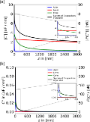
- variations influence key properties such as charge transport, polarization dynamics, and defect distributions, directly impacting the performance of microelectronic and energy systems [14][15]. Understanding these effects requires correlating nanoscale dielectric properties with structural and morphological




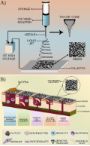
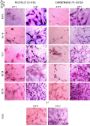
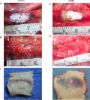
Polyurethane/silk fibroin-based electrospun membranes for wound healing and skin substitute applications
Beilstein J. Nanotechnol. 2025, 16, 591–612, doi:10.3762/bjnano.16.46
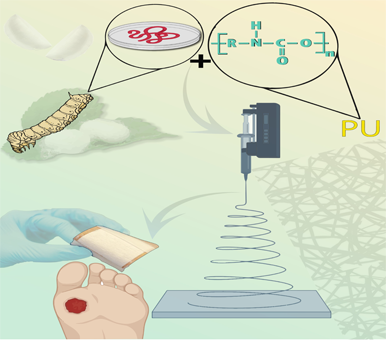
- transport and gas exchange, which supports tissue regeneration and cell proliferation [22]. Furthermore, they have mechanical qualities that are similar to those of natural tissues, promoting and protecting the healing process [23]. Review Wound healing and skin regeneration The skin is a vital, protective



Nanomaterials in targeting amyloid-β oligomers: current advances and future directions for Alzheimer's disease diagnosis and therapy
Beilstein J. Nanotechnol. 2025, 16, 561–580, doi:10.3762/bjnano.16.44
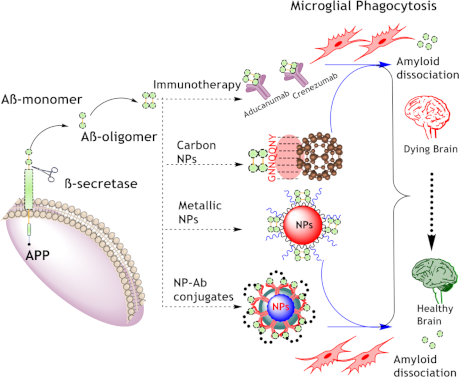
- composition of exosomes can provide valuable insights into the underlying pathology, making them a promising tool for diagnostic applications. Figure 5 demonstrates how exosomes can transport AβOs and tau protein, both of which are key biomarkers associated with AD. The accumulation of these proteins is
- nm) have been primarily distributed in kidney, spleen, and liver, while larger GO sheets (>200 nm) accumulate in the lungs [99]. For brain targeting, NPs between 100 and 300 nm have been found optimal for BBB transport, while those smaller than 15 nm show faster clearance. Surface characteristics


Water in nanoporous hexagonal boron nitride nanosheets: a first-principles study
Beilstein J. Nanotechnol. 2025, 16, 510–519, doi:10.3762/bjnano.16.39
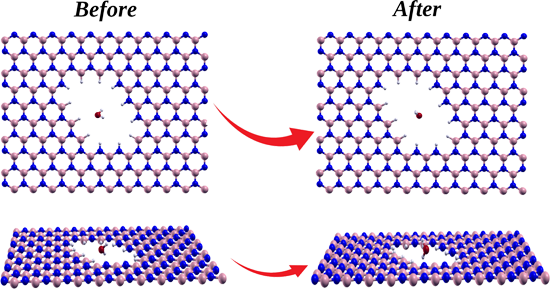
- as a molecular sieve [22][23][24][25]. Theoretical studies using molecular dynamics simulations analyzed the impact of the partial charge on the h-BN membrane surface on water molecules and salt ion transport [26]. They noted that the Coulomb interaction between water molecules/ions and the channels
- influences the mobility of water/ions through the membrane. Consequently, the transport rates of both ions and water decrease when passing through the highly polarized membrane. Additionally, the salt rejection in the polarized channel increases in proportion to the channel length, accompanied by a reduction




N2+-implantation-induced tailoring of structural, morphological, optical, and electrical characteristics of sputtered molybdenum thin films
Beilstein J. Nanotechnol. 2025, 16, 495–509, doi:10.3762/bjnano.16.38
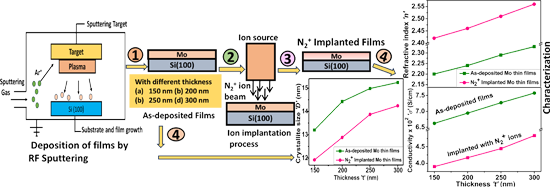
- University, Kurukshetra, ensuring comprehensive and accurate characterization of the properties of Mo thin films. Results and Discussion SRIM-TRIM simulation The “Stopping & Range of Ions in Matter and Transport of Ions in Matter” (SRIM-TRIM) simulation software was used to quantitatively estimate
- may influence the electrical properties. As the thickness changes, the internal stress distribution could lead to impediments in electron transport, causing slight deviations from linearity. Nitrogen ions create defects, vacancies, or impurities in the molybdenum film, acting as scattering centers for
- charge carriers. Ion implantation may also create localized states within the film, causing some charge carriers to become trapped. This affects the charge transport mechanism, leading to slight nonlinearities. The ion implantation causes modifications in the grain structure of the molybdenum thin films


Performance optimization of a microwave-coupled plasma-based ultralow-energy ECR ion source for silicon nanostructuring
Beilstein J. Nanotechnol. 2025, 16, 484–494, doi:10.3762/bjnano.16.37

- potential and is particularly effective for operations involving very-low-energy ions. This grid enables ions to decelerate and traverse a field-free region near the source, ensuring minimal perturbations to the ion beam and facilitating precise ion transport. Results and Discussion Optimization of ion
- extents of near-surface mass transport by the surface-confined ion-enhanced viscous flow [46]. Here, up to an ion incidence angle of 58°, the surface becomes unstable under 450 eV Ar-ion bombardment. Due to sputtering, a well-defined ripple formation is found after 1 h of 450 eV Ar-ion bombardment. With


ReactorAFM/STM – dynamic reactions on surfaces at elevated temperature and atmospheric pressure
Beilstein J. Nanotechnol. 2025, 16, 397–406, doi:10.3762/bjnano.16.30
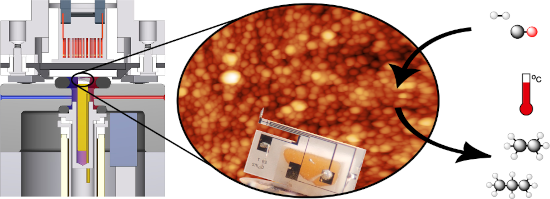
- other microscope components, such as the piezoelement, are under UHV conditions. The reactor volume is connected to two gas capillaries that transport gas in and out of the sealed reactor. The gas is then analyzed during the reaction by means of a QMS, which is directly connected to the exit channel of


Development of a mucoadhesive drug delivery system and its interaction with gastric cells
Beilstein J. Nanotechnol. 2025, 16, 371–384, doi:10.3762/bjnano.16.28

- Eudragit polymer. Particle size and zeta potential distribution The particle size distribution is an important parameter in drug delivery applications because it determines the transport across membranes. The Z-average diameters of Alg NPs and EudAlg NPs were 206.14 ± 32.31 and 219.22 ± 41.61 nm


Vortex lattices of layered HTSCs at different vortex–vortex interaction potentials
Beilstein J. Nanotechnol. 2025, 16, 362–370, doi:10.3762/bjnano.16.27
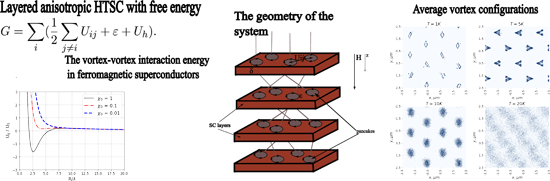
- transport properties. Therefore, it is of interest to study the magnetization reversal processes in a sample under conditions that allow for vortex clustering. Additionally, the process becomes more complicated in the presence of pinning centers. An effective method for research is the Monte Carlo method


Pulsed laser in liquid grafting of gold nanoparticle–carbon support composites
Beilstein J. Nanotechnol. 2025, 16, 349–361, doi:10.3762/bjnano.16.26
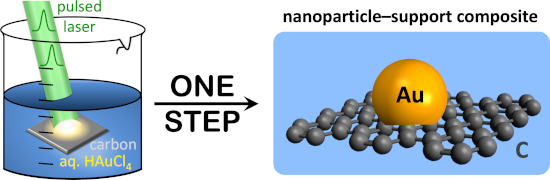
- and creating a high density of graphitic edges on the surfaces of carbon fibers [22]. Our process provides a carbon support material with retained porosity that does not slow mass transport in electrode processes [22], with a high surface area of carbon of 468 cm2 per geometric cm2 [23], derived from
- not obfuscate the electrical characteristics [2]. The other circuit elements are the electrolyte resistance (Rel, the x-axis intercept), which was small because of the high ionic conductivity of the 1.0 M aqueous KHCO3 electrolyte, the Warburg impedance (Zw) due to mass transport limitations of the
- primarily allow the passage of anions, proton transport or leakage, can occur because of the inherent structure and presence of water within the membrane [72][73][74]. This way, anodically generated protons can cross over into the cathode compartment and produce CO2 from bicarbonate. At a constant current