


Search results
Search for "water" in Full Text gives 1635 result(s) in Beilstein Journal of Nanotechnology. Showing first 200.
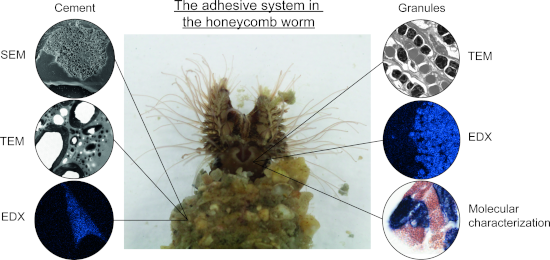
The cement of the tube-dwelling polychaete Sabellaria alveolata: a complex composite adhesive material
Beilstein J. Nanotechnol. 2025, 16, 1998–2014, doi:10.3762/bjnano.16.138
- Milli-Q water drop. Antisense digoxigenin (DIG)-labelled RNA probes were synthesized with DIG RNA Labelling Kit (Roche) with T7 RNA polymerase and DIG–dUTP. In situ hybridization was performed according to the protocol of Lengerer and colleagues [30]. The RNA probes were used at a concentration of 0.2



Laser ablation in liquids for shape-tailored synthesis of nanomaterials: status and challenges
Beilstein J. Nanotechnol. 2025, 16, 1963–1997, doi:10.3762/bjnano.16.137
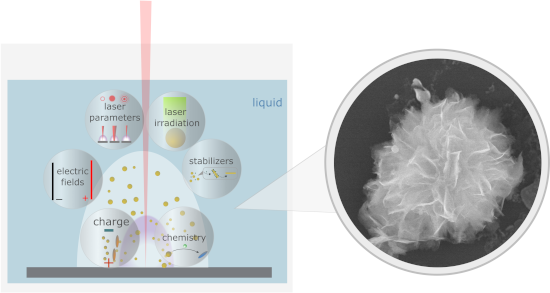
- formation of iron oxide nanowires was reported only in case of ablation with a 248 nm laser of iron powder suspended in methanol, while other solvents (including water, ethanol, isopropanol, and glycol) resulted in only spherical NPs. Moreover, ablation using a 532 nm laser produced spherical NPs in all the
- relatively short periods of time, produces spherical NPs that act as seeds during the growth of nonspherical nanostructures. Such approach has been demonstrated in [26] for the production of PbO nanosheets with thickness less than 15 nm by laser ablation of a lead target in water. After the initial stage
- femtosecond laser ablation of ZnSe powder in water. The transformation to nanowires, which were 100–300 nm in diameter and 50 μm long, was observed during ageing for a week. Furthermore, the authors applied air bubbling through the solution to induce change of nanowires into hollow nanotubes, which is




PEGylated lipids in lipid nanoparticle delivery dynamics and therapeutic innovation
Beilstein J. Nanotechnol. 2025, 16, 1914–1930, doi:10.3762/bjnano.16.133
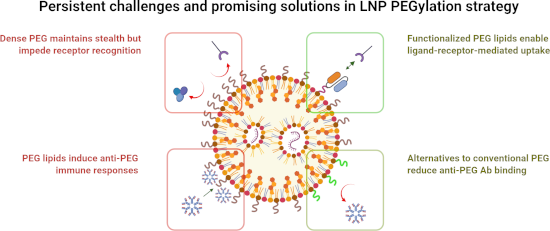
- hydrophobic segment to act as a hydrophilic shield [80]. The rationale was that the highly water-soluble and flexible pSar chains could sterically block antibody access to the PEG domain, thereby reducing immune recognition. ELISA showed that the absorbance signal from anti-PEG IgG dropped from over 1.5 to


Targeting the vector of arboviruses Aedes aegypti with nanoemulsions based on essential oils: a review with focus on larvicidal and repellent properties
Beilstein J. Nanotechnol. 2025, 16, 1894–1913, doi:10.3762/bjnano.16.132
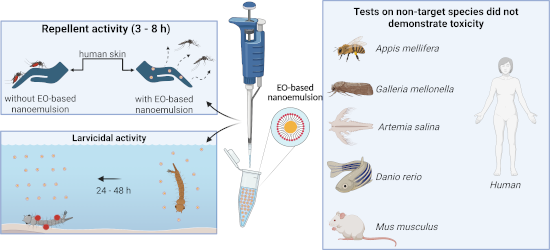
- arises. In this context, natural produts such as essential oils (EOs) have been studied for their larvicidal and repellent properties against Aedes aegypti, due to the presence of compounds such as terpenoids and phenols. However, the usage of EOs is limited due to some properties such as poor water
- stress, being easily degradable or evaporated upon exposure to air, light, heat, and humidity during processing, use, or storage [27][28]. Their volatile nature, susceptibility to oxidation, and insolubility in water limit their industrial application [29]. To overcome these limitations
- ]. Furthermore, they increase the water solubility of poorly soluble compounds, improve the dispersion of essential oils in vector control, and provide a controlled release of the bioactives. Finally, these systems can be obtained at low cost and through more sustainable technologies [36]. Given these advantages


Self-assembly and adhesive properties of Pollicipes pollicipes barnacle cement protein cp19k: influence of pH and ionic strength
Beilstein J. Nanotechnol. 2025, 16, 1863–1872, doi:10.3762/bjnano.16.129
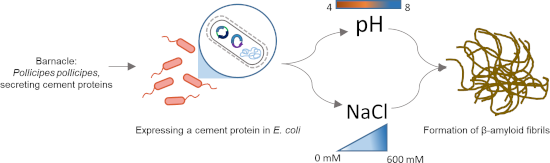
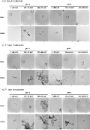
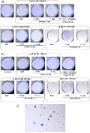
- 48 h. After all incubations, the protein solution was aspirated, wells were washed three times with dH2O water for 5 min each, and Coomassie Blue stain was added for 15 min, followed by three destaining steps for 5 min each. Experiments were performed in triplicate, and wells were viewed on an


Current status of using adsorbent nanomaterials for removing microplastics from water supply systems: a mini review
Beilstein J. Nanotechnol. 2025, 16, 1837–1850, doi:10.3762/bjnano.16.127
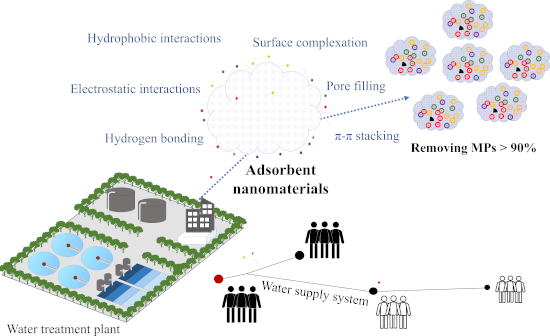
- Nguyen Thi Nhan Tran Le Luu Master Program in Water Technology, Reuse and Management, Vietnamese German University, Ho Chi Minh City, Vietnam 10.3762/bjnano.16.127 Abstract The widespread use of plastic has led to microplastics (MPs) being released in many water sources. MP contamination in water
- supply systems is a global concern due to their persistence and ability to adsorb toxic pollutants. Despite having effectiveness, conventional water treatment processes still have limited efficiency in removing MPs, especially smaller particles. Thus, it requires researchers to develop effective and
- sustainable strategies to deal with this matter. Many studies have shown that adsorbent nanomaterials have potential for the removal of MPs from water. This review evaluates the current status of using adsorbent nanomaterials in removing MPs from water supply systems. It discusses the occurrences and removal


Phytol-loaded soybean oil nanoemulsion as a promising alternative against Leishmania amazonensis
Beilstein J. Nanotechnol. 2025, 16, 1826–1836, doi:10.3762/bjnano.16.126

- encapsulate bioactive molecules have proven effective against trypanosomatids [20][21] especially Leishmania spp. [22][23]. Among these systems, nanoemulsions (NEs) are one of the most common types. They are colloidal dispersions of two immiscible liquids – typically oil and water – stabilized by emulsifying
- -water (O/W) nanoemulsions is more effective when the droplets are spherical and have diameters close to 200 nm. This enhanced effect has been attributed to increased Laplace pressure, which refers to the pressure difference between the interior and exterior of a curved interface, and leads to higher
- , Brazil); soybean oil (Sigma-Aldrich, Brazil); Tween® 80 (Sigma-Aldrich, Brazil); purified water (obtained from a reverse osmosis purification equipment, model OS50 LX, Gehaka, Brazil) were used for nanoemulsion preparation. Mammalian cells were cultured in DMEM, High Glucose (Life Technologies, Cat


Piezoelectricity of layered double hydroxides: perspectives regarding piezocatalysis and nanogenerators
Beilstein J. Nanotechnol. 2025, 16, 1812–1817, doi:10.3762/bjnano.16.124

- range, allowing for the adjustment of key characteristics. Another specific feature of LDHs is their ability to delaminate in water and organic solvents after pretreatment to separate nanosheets. The latter is important in connection with the discovery of piezoelectric properties in two-dimensional
- emerging area of catalysis utilizes the ability of piezoelectric materials to convert mechanical energy into electrical energy for subsequent electrochemical reactions [13]. Liu et al. suggested that ultrathin Ni/Fe-LDH modified with polyethylene glycol (PEG) for better water solubility and

Electrical, photocatalytic, and sensory properties of graphene oxide and polyimide implanted with low- and medium-energy silver ions
Beilstein J. Nanotechnol. 2025, 16, 1794–1811, doi:10.3762/bjnano.16.123
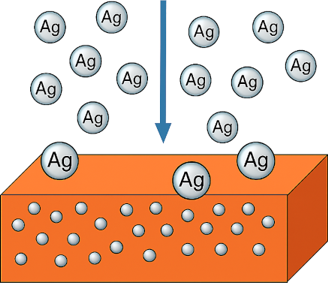
- conductivity, the implantation of silver ions can also significantly affect the interaction of the material with water molecules, thereby improving its sensing response to changes in air humidity [13]. By modifying the chemical composition and microstructure of the surface, the affinity of the material for air
- ]. At the same time, however, polar groups, which are crucial for the adsorption of water molecules, are not eliminated; on the contrary, their spatial arrangement and chemical accessibility may be favored by implantation. This results in a higher adsorption capacity and a faster response to changes in
- relative humidity [16]. In addition to improving the affinity for water vapor, the implantation of Ag ions also translates into changes in optical and photochemical properties of the material, such as photocatalytic properties [17]. The modified electronic structure, characterized by a narrowing of the


Exploring the potential of polymers: advancements in oral nanocarrier technology
Beilstein J. Nanotechnol. 2025, 16, 1751–1793, doi:10.3762/bjnano.16.122
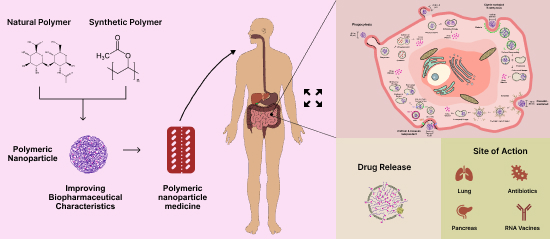
- NPs are often obtained through emulsification/solvent diffusion techniques, facilitated by its water solubility and gel-forming capacity in the presence of divalent cations that support the encapsulation of hydrophilic drugs. Dialysis methods, in turn, are particularly suited for amphiphilic
- properties is its Tg, which determines the point at which the polymer transitions from a rigid, glassy state to a more flexible, rubbery state as the mobility of the polymer chains increases with rising temperature. Above Tg, the polymer becomes rubbery, leading to increased rates of water and drug mass
- , drug release from the polymer matrix can proceed through various mechanisms after in vivo administration. In this context, water is absorbed by the polymer, leading to pore formation, which results in the creation of degradation products that dissolve in the release medium. Increased contact with water


Advances of aptamers in esophageal cancer diagnosis, treatment and drug delivery
Beilstein J. Nanotechnol. 2025, 16, 1734–1750, doi:10.3762/bjnano.16.121
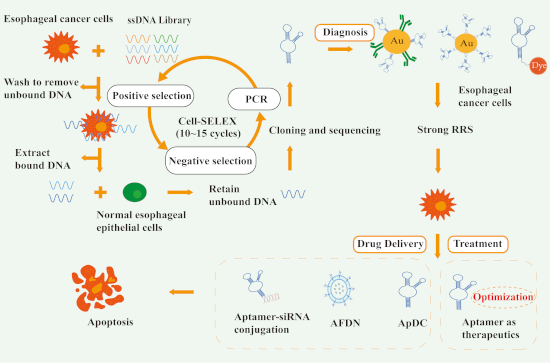
- drugs from clearance, improve their accumulation at tumor sites, and potentially lead to more positive clinical feedback. Paclitaxel (PTX) was approved by the FDA in 1992 for the treatment of a variety of solid tumors. Poor water solubility is a major obstacle limiting its anticancer activity. PTX


Multifunctional anionic nanoemulsion with linseed oil and lecithin: a preliminary approach for dry eye disease
Beilstein J. Nanotechnol. 2025, 16, 1711–1733, doi:10.3762/bjnano.16.120
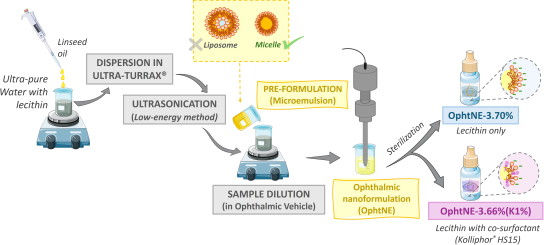
- components. When NE is instilled, the oil nanodroplets merge with the lipid layer, the water in the formulation interacts with the aqueous layer of the tear film, and the surfactant interacts with the mucin layer [21][22][23]. The literature cites various lipids as components of the oily phase in
- analytical grade reagents were used as received from the supplier without further purification. Ultrapure water was obtained from a Milli-Q® (Merck Millipore) direct water purification system (18.2 MΩ·cm) and used for all aqueous solutions. L-929 cells (code 0188) were obtained from the Banco de Células do
- (25 mL) were prepared by varying the egg lecithin concentration from 1% to 5% (w/w) in 8% (w/w) oil in water, resulting in pre-emulsions with five distinct concentrations (described in Table S1, Supporting Information File 1). The oil and aqueous phases were heated separately to 75 °C. The mass of egg



Beyond the bilayer: multilayered hygroscopic actuation in pine cone scales
Beilstein J. Nanotechnol. 2025, 16, 1695–1710, doi:10.3762/bjnano.16.119
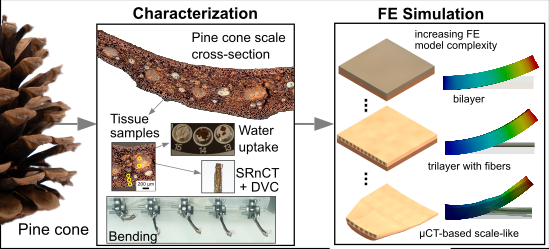
- investigated. Using gravimetric water uptake measurements, synchrotron radiation-based nano-holotomography, and digital volume correlation analysis, inter- and intra-tissue variations of hygroscopic swelling/shrinkage were observed. In addition, the moisture content of pine cone scale tissues was measured as a
- the bending motion of the scale. One crucial influencing factor is the difference within or between tissues, as Eger et al. [23] highlighted. The authors measured the relative change of moisture content as a function of relative humidity by gravimetric water uptake measurements of the sclereid cells
- , the brown tissue, and the sclerenchyma fibers of a Pinus wallichiana pine cone scale. However, as their water uptake measurements consisted of only one measurement per tissue, being limited to the range of 30–80% RH, and their equilibrium criterion being one hour of exposure instead of a mass change


Ambient pressure XPS at MAX IV
Beilstein J. Nanotechnol. 2025, 16, 1677–1694, doi:10.3762/bjnano.16.118
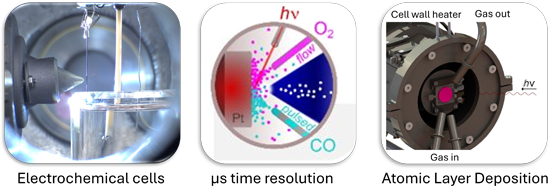
- Physics of the University of Trieste [22], and supported by DFT, the authors demonstrated that the Co-porphyrin SAC stabilizes a hydroperoxyl–water (O2H-H2O) cluster in O2+H2O atmosphere at room temperature [21]. This is considered the fundamental reaction intermediate in the ORR. In particular, the
- important challenges for modern human civilization. Reactions such as water splitting, CO2 reduction, and pollutant degradation rely on photocatalysts that absorb light, generate electron–hole pairs, and drive redox reactions at interfaces. For the rational and methodical design of a more sophisticated
- application is photocatalytic water splitting for green hydrogen production. Urpelainen and colleagues clarified the mechanisms of photocatalytic hydrogen evolution reaction (HER) in a new prospective model system, the Ni@NiO/NiCO3 photocatalyst, under dark and illuminated conditions at 1 mbar of H2O [45





Prospects of nanotechnology and natural products for cancer and immunotherapy
Beilstein J. Nanotechnol. 2025, 16, 1644–1667, doi:10.3762/bjnano.16.116
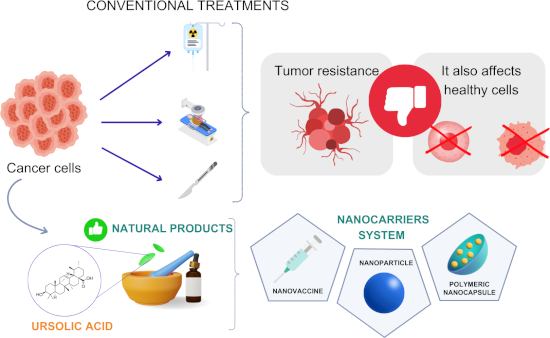
- aptamer, sorafenib, and ursolic acid as an API at 4 mg·mL−1 in methanol. Physicochemical tests showed that the nanoparticles have a spherical shape, confirmed by atomic force microscopy (AFM), and are stable in ultrapure water and Dulbecco’s modified eagle medium (DMEM) with 10% FBS. Procedures to


Venom-loaded cationic-functionalized poly(lactic acid) nanoparticles for serum production against Tityus serrulatus scorpion
Beilstein J. Nanotechnol. 2025, 16, 1633–1643, doi:10.3762/bjnano.16.115
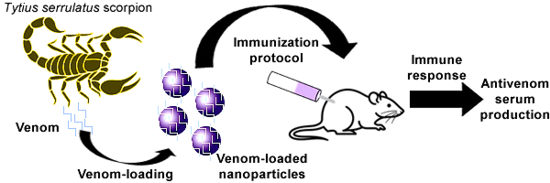
- Louis, Missouri, United States of America). The BCA Protein Assay Kit was purchased from Pierce Biotechnology (Woburn, Massachusetts, United States of America) and mouse IgG total ELISA was purchased from eBioscience (San Diego, California, United States of America). Purified water (1.3 µS·cm−1) was
- , United States of America), equipped with a 90 Plus/BI-MAS apparatus, at a wavelength of 659 nm with a scattering angle of 90°. For the analysis, 100 μL of the nanoparticle suspension was diluted in 900 μL of deionized water (1:10 dilution) to ensure dispersions within a suitable experimental range (100
- weeks old), from both sexes were used for the studies. The animals were maintained at 22 ± 2 °C and in a 12 h dark/12 h light cycle, with free access to standard laboratory chow and water. Each experimental group was composed of five animals (n = 5). After the experiments, all animals were euthanized


Nanotechnology-based approaches for the removal of microplastics from wastewater: a comprehensive review
Beilstein J. Nanotechnol. 2025, 16, 1607–1632, doi:10.3762/bjnano.16.114
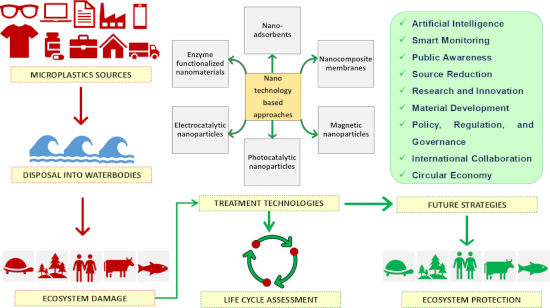
- , and advanced membrane materials, exhibit unique properties such as high surface area, enhanced reactivity, and tunable surface chemistry, which offer promising avenues for the selective and efficient removal of MPs from water. This paper also explores the mechanism, performance and limitations of
- for MP monitoring. Despite high laboratory scale efficiencies, there are several challenges such as material scalability, environmental safety, regulatory frameworks, and real water applicability. This study proposes future directions for sustainable nanotechnology deployment, including green
- wear, and microbial activity [3]. Common types of MPs found in ecosystems, particularly in freshwater and drinking water sources, include materials such as high-density polyethylene, polystyrene, polyvinyl chloride, and polypropylene [4]. Among the various contributors to MPs, residential households


Bioinspired polypropylene-based functionally graded materials and metamaterials modeling the mistletoe–host interface
Beilstein J. Nanotechnol. 2025, 16, 1592–1606, doi:10.3762/bjnano.16.113
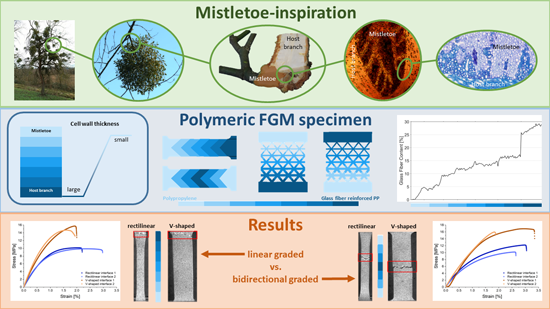
- systems with different mechanical properties. As a hemiparasite, it uses a modified organ called the “haustorium” with wedge-shaped, or simplified, V-shaped structures to penetrate the host and establish a physiological and mechanical connection (Figure 1) [26][27][28]. This allows it to take up water and


Photocatalytic degradation of ofloxacin in water assisted by TiO2 nanowires on carbon cloth: contributions of H2O2 addition and substrate absorbability
Beilstein J. Nanotechnol. 2025, 16, 1567–1579, doi:10.3762/bjnano.16.111
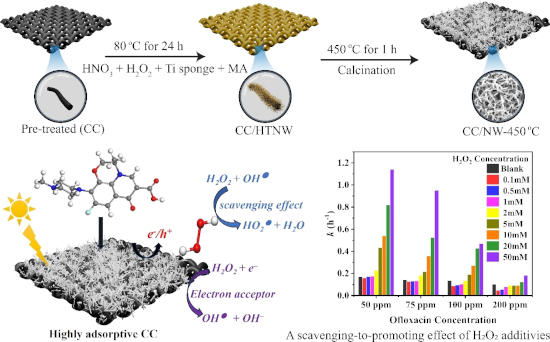
- unsatisfactory interaction with target contaminants diminishes photocatalytic degradation efficiency in water. Here, we present a mild solution method to precipitate anatase TiO2 nanowire arrays, measuring 1.5 μm in thickness, over carbon cloth to ensure substantial interactions with target pollutants and, in
- turn, a superior photoactivity. Compared to TiO2 nanowire arrays grown on metallic Ti substrates, TiO2 nanowires supported on carbon cloth substrates demonstrate markedly superior efficiency in the photocatalytic degradation of ofloxacin (OFL) molecules in water when exposed to UV light. The TiO2
- nanowires remove 90–97% OFL in water with a high initial concentration of 50 ppm in 6 h under UV light irradiation for up to six cycles. The contributions of the hydrogen peroxide (H2O2) additive were also studied. An enhanced efficiency could be achieved only when the H2O2 in water reaches a critical


Transient electronics for sustainability: Emerging technologies and future directions
Beilstein J. Nanotechnol. 2025, 16, 1545–1556, doi:10.3762/bjnano.16.109

- environments, these devices maintain their ability to decompose through interactions with naturally occurring water and enzymes (Figure 1f) [32]. Thus, transient electronics present a compelling vision for sustainable electronics, that is, devices that fulfill their intended function and then seamlessly
- circuits, such as ring oscillators, entirely composed of water-soluble materials, supporting its applicability in future bioelectronic devices. Nevertheless, the currently known repertoire of bioresorbable semiconductors remains narrow, both in material selection and bandgap range. Expanding the library to
- protective encapsulation [37][40][82][83][84]. These encapsulation layers delay the exposure of active electronic materials to moisture, enabling precise control over operational lifetime and ensuring stable performance over the desired period. However, these materials need to simultaneously block water


Influence of laser beam profile on morphology and optical properties of silicon nanoparticles formed by laser ablation in liquid
Beilstein J. Nanotechnol. 2025, 16, 1533–1544, doi:10.3762/bjnano.16.108
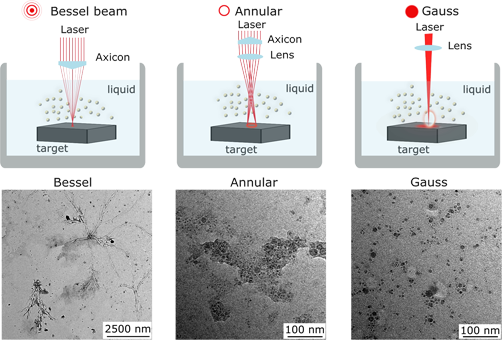
- laser pulses. For example, laser beams with a donut shape were used for ablating gold, yttrium oxide, and high-entropy alloy targets in water. The donut beam enabled NP size reduction and narrower size distributions [28]. Application of femtosecond Bessel beams for the ablation of silver in a liquid was
- reports on non-spherical nanostructures synthesized using different beam shapes is a work by Marappu et al [30], where a cylindrical focusing geometry was demonstrated to result in the fabrication of silver nanoribbons via picosecond laser ablation of bulk silver in doubly distilled water. Therefore


Dendrimer-modified carbon nanotubes for the removal and recovery of heavy metal ions from water
Beilstein J. Nanotechnol. 2025, 16, 1522–1532, doi:10.3762/bjnano.16.107

- of water bodies with heavy metal ions poses a significant threat to the environment and human health due to their non-degradable nature and toxicity. Metal-oriented industries such as battery manufacturing, mining, electroplating, and metal recycling are growing day by day, and so are the chances of
- metals from water solution [28][29][30]. However, the poor dispersibility of bare CNTs in most solvents including water is a significant limitation to their wider applicability. Covalent modification of CNT surfaces with dendrimers of desirable functionality can improve their dispersibility and binding
- and 150 °C for the unfunctionalized CNTs, which is attributed to the release of physically adsorbed water. Moreover, bare CNTs exhibited thermal stability up to 800 °C with a residual weight of 97.80% suggesting the absence of organic functional groups. In contrast, CNTs functionalized with MA and EDA


Nanomaterials for biomedical applications
Beilstein J. Nanotechnol. 2025, 16, 1499–1503, doi:10.3762/bjnano.16.105
- membranes [8]. They can carry both water-soluble and fat-soluble drugs, shielding them from breaking down and extending their circulation time. Certain liposome-based drugs have already been approved for therapeutic use, especially in cancer therapy, where they may protect nearby healthy cells from toxicity
Laser processing in liquids: insights into nanocolloid generation and thin film integration for energy, photonic, and sensing applications
Beilstein J. Nanotechnol. 2025, 16, 1428–1498, doi:10.3762/bjnano.16.104
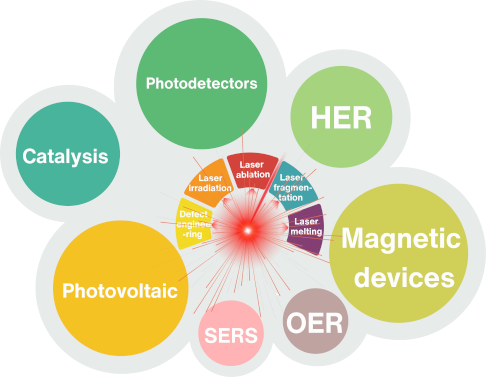
- , electrochemical/photoelectrochemical sensors, hydrogen/oxygen evolution, SERS sensors and other types of devices reported so far. The last section explains the challenges and further scope of these devices from laser-generated nanocolloids. Keywords: HER/OER/water splitting; laser synthesis of nanomaterials
- pulsed laser fragmentation of PbTe micrometer-sized powders in distilled water using a Nd:YAG laser [31]. The study examined the impact of various experimental parameters, including laser wavelength (Figure 3a), treatment duration, and output energy, on the fragmentation yield, nanoparticle size, and
- water successfully alters the surface properties of Si-ncs, making them hydrophilic and improving their dispersion in aqueous solutions, while also leading to the formation of self-organized networks. However, laser fragmentation of BaTaOxNy particles resulted not only in increased surface area but also






Photochemical synthesis of silver nanoprisms via green LED irradiation and evaluation of SERS activity
Beilstein J. Nanotechnol. 2025, 16, 1417–1427, doi:10.3762/bjnano.16.103
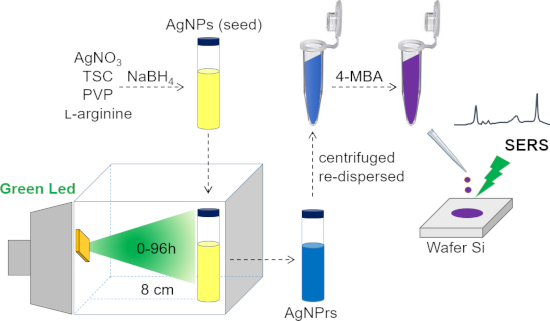
- . Polyvinylpyrrolidone (PVP K30) were purchased from Prolabo, Kennersburg, NJ, USA. Chemicals were used without any purification. Deionized (DI) water with a resistance of 18 MΩ·cm (Milli-Q) was used in all the experiments. All glasswares were cleaned with aqua regia before use. Synthesis of seeds A total of 10 mL of
- 0.05 M trisodium citrate (TSC), 300 µL of 0.05 M polyvinylpyrrolidone (PVP), 20 mL of 5 mM AgNO3, and 500 µL of 0.005 M ʟ-arginine solution were added into a beaker. Deionized water was then added to adjust the total volume of the solution to 100 mL. The mixture was magnetically stirred at 500 rpm for
- nm. Samples were diluted tenfold with deionized water prior to measurement. To determine the morphology, particle size of the synthesized nanostructures, the samples were analyzed using field-emission scanning electron microscopy (FESEM, Hitachi S-4800, Japan) and transmission electron microscopy





