


Search results
Search for "absorbance" in Full Text gives 409 result(s) in Beilstein Journal of Nanotechnology. Showing first 200.
New application of bimetallic Ag/Pt nanoplates in a colorimetric biosensor for specific detection of E. coli in water
Beilstein J. Nanotechnol. 2024, 15, 95–103, doi:10.3762/bjnano.15.9
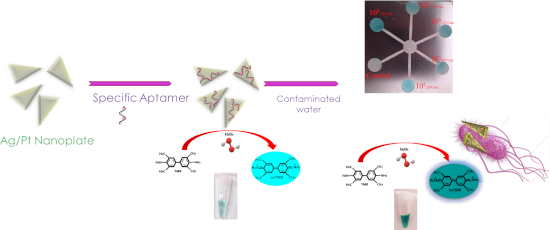
- can be completed in 30 min and the presence of E. coli levels can be distinguished with the naked eye. The absorbance at 652 nm is proportional to pathogen concentration from 10 to 108 CFU·mL−1, with a detection limit of 10 CFU·mL−1. The percent recovery for the water samples spiked with E. coli is 95
- the reducing agent in the synthesis of NPs. The chromogenic TMB was oxidized in the presence of Ag/Pt NPLs, resulting in a noticeable blue hue. As shown in Supporting Information File 1, Figure S2a, the absorbance intensity at 652 nm, which is the characteristic peak of oxidized TMB, considerably rose
- for E. coli was examined under the same conditions with Staphylococcus aureus, Salmonella typhimurium, Bacillus subtilis, and Pseudomonas aeruginosa. The findings demonstrated that non-specific strains could not be adhered to the aptamer immobilized on the NPLs. As a result, their absorbance was


Berberine-loaded polylactic acid nanofiber scaffold as a drug delivery system: The relationship between chemical characteristics, drug-release behavior, and antibacterial efficiency
Beilstein J. Nanotechnol. 2024, 15, 71–82, doi:10.3762/bjnano.15.7
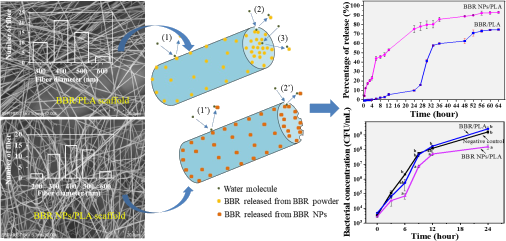
- between their antibacterial activity with the BBR release profile from these scaffolds. To determine the concentration of BBR in the nutrient solution, a standard calibration curve of UV–vis absorbance versus BBR concentrations was built as follows: 1 mg of BBR powder was dissolved in 1 mL of bidistilled
- water to obtain a BBR solution stock. Then, this solution was diluted by the nutrient solution in volumetric flasks to make concentrations ranging from 1–200 µg/mL. The absorbance of these BBR solutions was read at 421 nm using a UV–vis spectrophotometer (6850 UV–vis, Jenway). Electrospun PLA, BBR/PLA
- Multi-function shaker at room temperature with constant agitation at 40 rpm. At each time interval, 2 mL of each solution was withdrawn, the UV–vis absorbance at 421 nm was measured, and then the amount of BBR release based on the standard calibration curve was calculated. The percentage of released BBR


Influence of conductive carbon and MnCo2O4 on morphological and electrical properties of hydrogels for electrochemical energy conversion
Beilstein J. Nanotechnol. 2024, 15, 57–70, doi:10.3762/bjnano.15.6
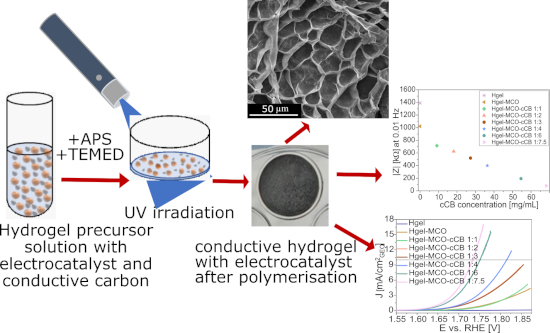
- data was calculated based on absorbance. Before analysis, all hydrogel samples (pure and with MCO and cCB) were freeze-dried. The raw data were manipulated by baseline correction, normalised, and smoothed. Measurements of electrical properties The electrical properties of the hydrogels were determined
- in the function of wavenumber based on absorbance data from FTIR-ATR spectra of hydrogel composites and their components (a). FTIR graph of MnCo2O4 strongest characteristic transmittance peaks (b). Comparison of the intensity of P(NIPAAm) strongest characteristic transmittance peaks with different


Curcumin-loaded albumin submicron particles with potential as a cancer therapy: an in vitro study
Beilstein J. Nanotechnol. 2023, 14, 1127–1140, doi:10.3762/bjnano.14.93
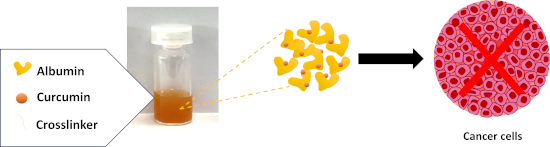
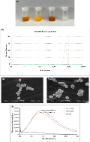
- -HSA-MPs yielded CUR concentrations of 0.55–0.60 mg/mL as estimated by absorbance measurements, which is a more than 400-fold increase in solubility compared to free CUR (1.34 µg/mL [8]). Due to its hydrophobic nature, CUR aggregates in aqueous solution and interacts with the hydrophobic clusters of
- centrifugation of the loaded CUR. The absorbance was determined with a UV spectrophotometer (Optizen POP, Mecasys Co., Ltd., Daejeon, Korea) at 435 nm. The concentration of CUR was determined using a standard curve of CUR solution. The fluorescence emission of CUR, HSA-MPs, and CUR-HSA-MPs was evaluated with a




Recognition mechanisms of hemoglobin particles by monocytes – CD163 may just be one
Beilstein J. Nanotechnol. 2023, 14, 1028–1040, doi:10.3762/bjnano.14.85
- NaOH) was added to the particle sample (final concentration: 12.5 mg/mL), mixed, and incubated at room temperature for 15 min while stirring. After centrifugation (20,000g; 10 min) the supernatant was taken off and, immediately, the absorbance at a wavelength of 574 nm was determined photometrically in
- three single measurements (cytation 3 imaging reader, BioTek Instruments GmbH, Bad Friedrichshall, Germany). The hemoglobin concentration of the particles was then calculated from the measured values according to the following formula, as published by Smuda et al. [38]: (A = absorbance at 574 nm; ƒ




A visible-light photodetector based on heterojunctions between CuO nanoparticles and ZnO nanorods
Beilstein J. Nanotechnol. 2023, 14, 1018–1027, doi:10.3762/bjnano.14.84
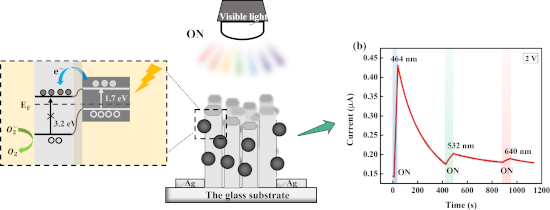
- sensitivity to other wavelengths including 464 nm (blue), 532 nm (green), and 640 nm (red). Figure 5a shows the room temperature I–V characteristics of the CuO NPs/ZnO NRs photodetector under different wavelengths. The photoresponse to wavelengths longer than 395 nm is in accordance with the UV–vis absorbance


Nanoarchitectonics of photothermal materials to enhance the sensitivity of lateral flow assays
Beilstein J. Nanotechnol. 2023, 14, 988–1003, doi:10.3762/bjnano.14.82
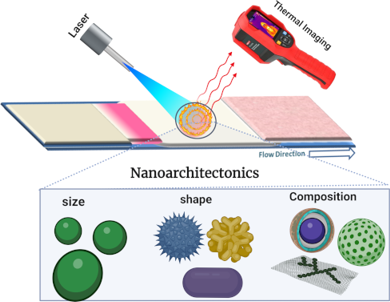
- consist of an octahedral core and six orthogonal arms. The absorbance region of this shape can be easily switched from green to the NIR region, resulting in outstanding photothermal properties [62]. Wang et al. investigated the shape-dependent photothermal activity of three different gold nanostructures
- Commons Attribution 4.0 International License, https://creativecommons.org/licenses/by/4.0).). TEM images of gold crosses (E). (Figure 6D and E was reprinted with permission from [62], Copyright 2011 American Chemical Society. This content is not subject to CC BY 4.0.). Absorbance and TEM images of


Prediction of cytotoxicity of heavy metals adsorbed on nano-TiO2 with periodic table descriptors using machine learning approaches
Beilstein J. Nanotechnol. 2023, 14, 939–950, doi:10.3762/bjnano.14.77
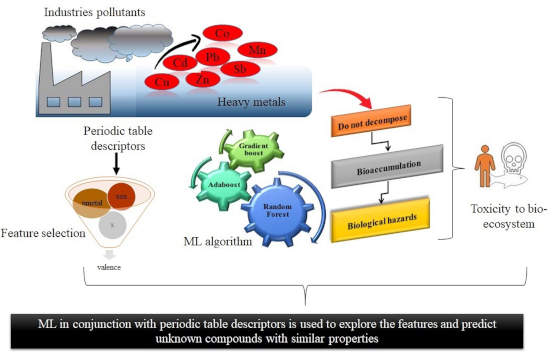
- toxicity of a variety of compounds [21]. The main advantage of HK-2 cells is that they retain the basic morphological and functional properties of proximal tubular epithelial cells [22]. Cell viability was measured by using Equation 1: Here, S stands for cell survival rate, Aexp is the absorbance value of
- the experimental group, Acontrol is the absorbance value of the control group, and Ablank is the absorbance value of the blank control group. Descriptor calculation Based on the characteristics of metals, we used easily calculable periodic table descriptors. Simple molecular information was generated


Upscaling the urea method synthesis of CoAl layered double hydroxides
Beilstein J. Nanotechnol. 2023, 14, 927–938, doi:10.3762/bjnano.14.76
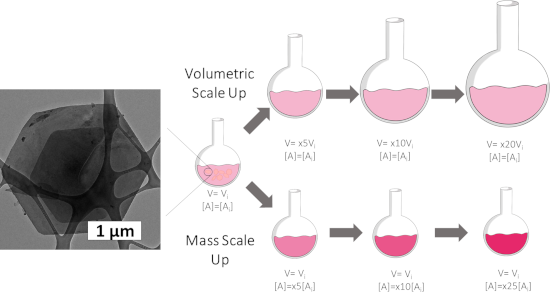
- x10M also exhibits this extra band, but less intense and only noticeable when the values of absorbance are normalized (Supporting Information File 1, Figure S4). Thus, considering the peaks at 610 and 665 nm, the impurity could be associated to a simonkolleite-like α-CoII LH structure (see control


N-Heterocyclic carbene-based gold etchants
Beilstein J. Nanotechnol. 2023, 14, 865–871, doi:10.3762/bjnano.14.71
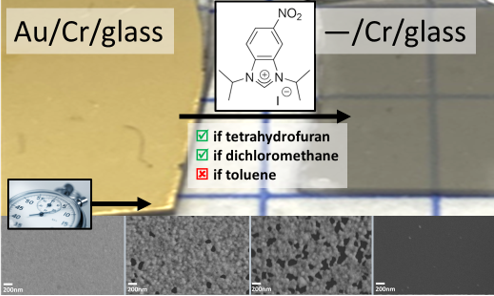
- . Changes in nanoparticle concentration, however, were readily detected. Within the first hour of exposure, there was a ca. 75% decrease in absorbance, and there was a continued decline over the remaining 5 h. While the complete removal of the 50 nm thick gold coating of the token in Figure 4a occurred
- nm with the 0 h data corresponding to the left absorbance axis and the subsequent time point data corresponding to the right absorbance axis. Supporting Information Supporting Information File 26: Additional figures and a detailed experimental procedure and analytical characterizations



A wearable nanoscale heart sound sensor based on P(VDF-TrFE)/ZnO/GR and its application in cardiac disease detection
Beilstein J. Nanotechnol. 2023, 14, 819–833, doi:10.3762/bjnano.14.67
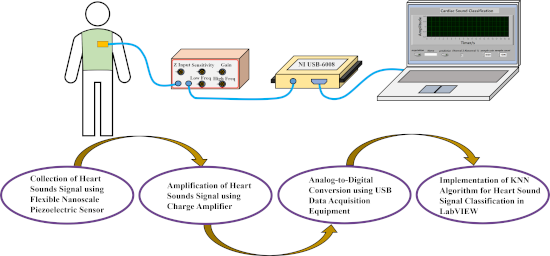
- + GR group exhibited an enhancement compared to the other two groups at 510, 840, 1275, and 1430 cm−1, which correlated with the XRD findings. The specific value of the β-phase content (F(β)) can be determined using the Lambert–Beer law [31]: where Aα and Aβ represent the absorbance intensities at 762


Nanostructured lipid carriers containing benznidazole: physicochemical, biopharmaceutical and cellular in vitro studies
Beilstein J. Nanotechnol. 2023, 14, 804–818, doi:10.3762/bjnano.14.66
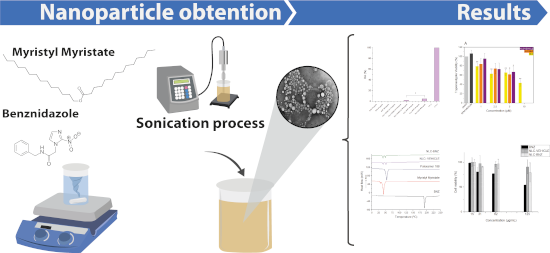
- , and 50 μg·mL−1) were added to each well and incubated for 3, 24, and 48 h at 37 °C. Samples were then centrifuged for 5 minutes at 2500 rpm, and the absorbance of the supernatant was determined at 540 nm in a microplate reader (MultiskanTM GO spectrophotometer, Thermo Fisher Scientific). Triton X 100
- (10%), saline solution, NLC-VEHICLE, and BNZ were used as the positive, negative, vehicle, and reference drug controls, respectively. The hemolytic activity was calculated as [56]: where A540 nmsample represents the absorbance value of the sample, A540 nmTriton the absorbance value of the positive
- control, and A540 nmsaline the absorbance value of the negative control. The blood was obtained from the “Institute of Hemotherapy” in La Plata, Buenos Aires, Argentina as part of a formal agreement between the “Instituto de Genética Veterinaria (IGEVET, UNLP-CONICET La Plata)” and this institution. Also


Silver-based SERS substrates fabricated using a 3D printed microfluidic device
Beilstein J. Nanotechnol. 2023, 14, 793–803, doi:10.3762/bjnano.14.65
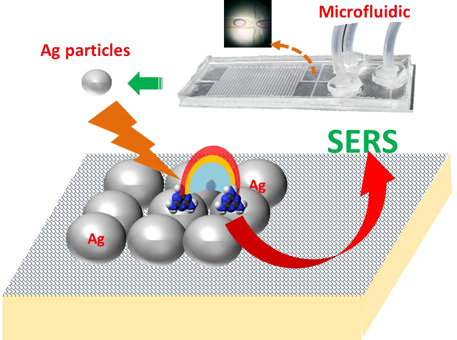
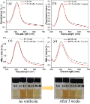
- excellent analytical performance of the PS@Ag SERS substrate, making it a promising tool for detecting environmental pollutants and ensuring food safety. Photograph of the as-fabricated droplet-based microfluidic device. Images and absorbance spectra of Ag NPs synthesized using silver nitrate and sodium



Silver nanoparticles loaded on lactose/alginate: in situ synthesis, catalytic degradation, and pH-dependent antibacterial activity
Beilstein J. Nanotechnol. 2023, 14, 781–792, doi:10.3762/bjnano.14.64
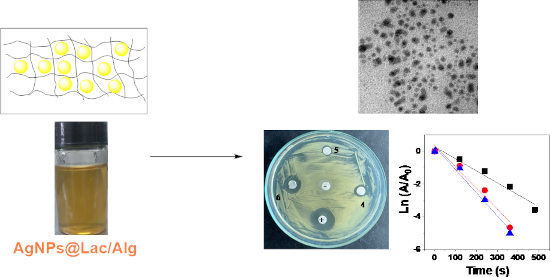
- colloidal solution was significantly influenced by the reaction time. The SPR band of AgNPs was not clearly observed within the initial 60 min, indicating a slow formation of the nanocomposite. However, after this period, AgNPs were rapidly produced, leading to a substantial increase in the absorbance
- in the absorbance value in the UV–vis spectra. Minor changes in λmax values were noted from the absorption data, indicating a slight influence of the silver-ion-to-nanocomposite ratio on the physicochemical properties of the synthesized AgNPs. Considering these findings, two ratios of silver ions to
- effectiveness of the reactions is confirmed by discoloration of the pollutant solution and a reduction in absorbance values in the UV–vis spectra. In a separate study [45], it was shown that the dyes degraded weakly in the absence of a catalyst. As seen in Figure 7 and Figure 8, the reduction of MO and RhB is


A graphene quantum dots–glassy carbon electrode-based electrochemical sensor for monitoring malathion
Beilstein J. Nanotechnol. 2023, 14, 701–710, doi:10.3762/bjnano.14.56
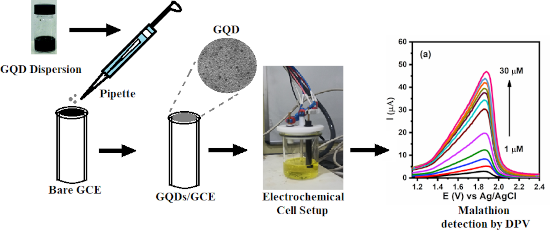
- used to record the UV–visible absorbance spectrum. The luminescence characteristics of the GQDs were investigated using a Perkin Elmer LS 55 fluorescence spectrometer. On a Perkin Elmer FT-IR Spectrum 2, FTIR spectra were measured in the range of 500–4000 cm−1 by making KBr pellets of the sample. At


Metal-organic framework-based nanomaterials as opto-electrochemical sensors for the detection of antibiotics and hormones: A review
Beilstein J. Nanotechnol. 2023, 14, 631–673, doi:10.3762/bjnano.14.52
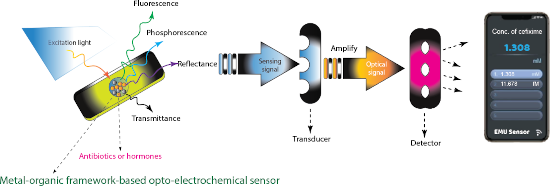
- excitation spectrum and the absorbance band of tetracycline around 357 nm partially overlapped. Moreover, the addition of tetracycline barely affects the fluorescence lifetime of the fluorophore (Figure 8c), which changes from 7.42 to 6.90 ns. These findings confirmed that the steady quenching process based
- practically limited, suppressing the lanthanoid’s sharp luminescence and leading to poor quantum yields and weak absorbance. Strong vibronic coupling between the desired lanthanoid and a highly absorbing ligand is a popular method of resolving this issue since it allows for direct energy transfer from the


Titania nanoparticles for photocatalytic degradation of ethanol under simulated solar light
Beilstein J. Nanotechnol. 2023, 14, 616–630, doi:10.3762/bjnano.14.51
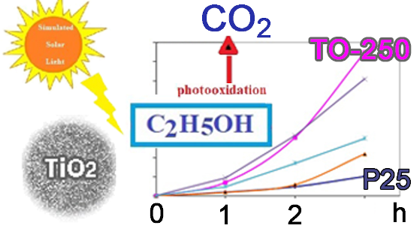
- transmission electron microscopy. Also, specific surface area and photoluminescence with optical absorbance were evaluated. By varying the synthesis parameters (especially the working pressure), different TiO2 nanopowders were obtained, whose photodegradation properties were tested compared to a commercial
- recombination between free electrons and holes. The optical properties of the TiO2 powders has been investigated by absorbance measurements. Figure 5 presents an example of these measurements of both sample series. In the case of the TiO2 material, it is known that it can have two types of transitions, namely
- direct and indirect transitions, which are related to the crystal structure. To distinguish these two types of transition, it is common to use the Tauc plot [55][56][57][58], where the absorbance coefficient is multiplied with the photon energy and plotted as an exponential function of the photon energy




Nanoarchitectonics to entrap living cells in silica-based systems: encapsulations with yolk–shell and sepiolite nanomaterials
Beilstein J. Nanotechnol. 2023, 14, 522–534, doi:10.3762/bjnano.14.43
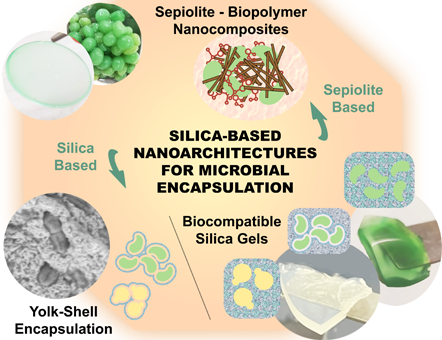
- cells to the surrounding medium can be studied by the presence of an increasing number of cells freely growing in it. The measurement of the absorbance of the culture medium is used to track the number of free cells that are reproducing outside the encapsulation system. For the physical-structural
- the extent of the observed behaviour. Likewise, the symbol “−” indicates the absence of gas release or increase in the absorbance of the growth medium when compared to the previous day. Consequently, a “−“ in “cell leakage” indicates that the absorbance of the growth medium did not change with respect
- to the previous day, that is, there was no cell proliferation, and the escape of cells from the matrix was negligible. In the case of neat yolk–shell encapsulated cells, the cell leakage has been evaluated mixing the particles in the tube and observing an increase in the absorbance of the supernatant


Mixed oxides with corundum-type structure obtained from recycling can seals as paint pigments: color stability
Beilstein J. Nanotechnol. 2023, 14, 467–477, doi:10.3762/bjnano.14.37
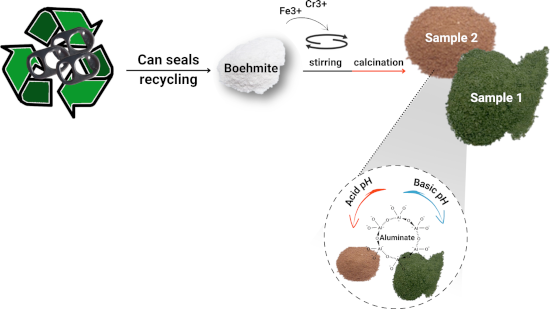
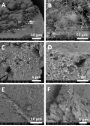
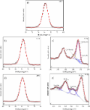
- together with recycled boehmite. The absorbance spectra indicate the presence of 3+ ions in the samples, which are responsible for the colors. The spectra also confirm the type of structure found via XRD and the oxidation state determined from XPS. SEM images show the characteristic morphology of this type




Conjugated photothermal materials and structure design for solar steam generation
Beilstein J. Nanotechnol. 2023, 14, 454–466, doi:10.3762/bjnano.14.36
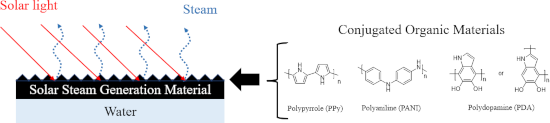
- spectrum (Figure 7b). The average absorbance (weighted by the AM1.5G solar spectrum) of the p-PEGDA hydrogel from 200–2500 nm was about 75.5%, whereas that of solid PEGDA is only 32.6%. The higher absorption capacity of p-PEGDA is due to its rough and porous surface structure, which promotes multiple


Plasmonic nanotechnology for photothermal applications – an evaluation
Beilstein J. Nanotechnol. 2023, 14, 380–419, doi:10.3762/bjnano.14.33
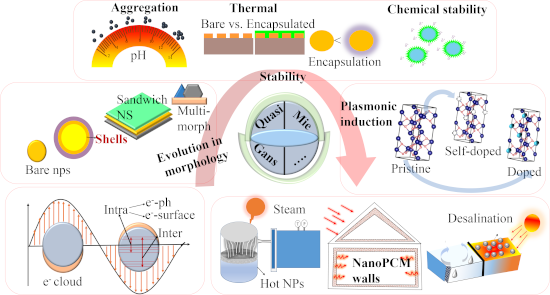
- absorbance due to changes morphology stem predominantly from changes to the directionality of the LSPR (due to changing curvature and dimensionality of the nanoparticle) and changes to the dynamics between the restoring and exciting forces of the plasmons, such as the mean free path, the relative
- curvature [35]. Finally, changes to the material composition, such as through doping or vacancy processing, can affect the LSPR because of changes in the free electron density, the electron effective mass, and the electronic band structure in general [36][37]. An understanding of the changes in absorbance
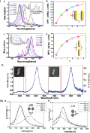
- extinction spectra of nanostructures. Illustrative examples of the absorbance spectra for different morphologies of Ag nanoparticles are shown in Figure 2, elucidating the influence of the same. The extinction spectra (the summation of absorption and scattering spectra) from which the shape effects of




Quercetin- and caffeic acid-functionalized chitosan-capped colloidal silver nanoparticles: one-pot synthesis, characterization, and anticancer and antibacterial activities
Beilstein J. Nanotechnol. 2023, 14, 362–376, doi:10.3762/bjnano.14.31
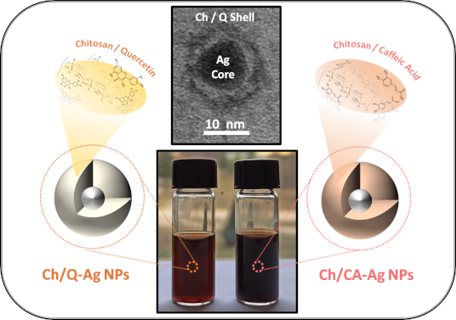
- of the mixtures were measured between 200 and 800 nm wavelengths using a UV–vis double-beam spectrophotometer (Hitachi U-2900). The same method was also applied to the sample of Ch/Q-Ag NPs. Unlike the standards, the Ch/Q-Ag sample was centrifuged, and the absorbance of the supernatant was recorded
- incubated at ambient temperature for 1 h. Afterward, the absorbances of these mixtures were measured between 200 and 800 nm using a UV–vis double-beam spectrophotometer (Hitachi U-2900). The same method was also applied to the sample of Ch/CA-Ag NPs. The absorbance of the blue color solution of the Ch/CA-Ag
- acid hydrate, Cell Proliferation Kit II test (Roche). XTT solution was added to each plate at 50 µL and was incubated for 4 h at 37 °C. Then, the absorbance (optical density, OD) of the solution in each plate was read at 450 nm by a spectrophotometer (BiotekELx800, Winooski, VT, USA). Statistical


Biocatalytic synthesis and ordered self-assembly of silica nanoparticles via a silica-binding peptide
Beilstein J. Nanotechnol. 2023, 14, 280–290, doi:10.3762/bjnano.14.25
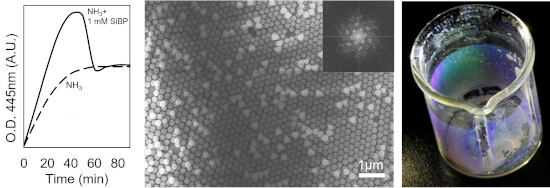
- observed around 457 nm (Figure 5e). The position and the width of the absorbance peaks in the UV–vis spectroscopy are determined by the Bragg diffraction of the light in photonic crystal structures and depend on the particle size, extent of the periodicity (i.e., quality of the assembly), and the angle of
- the incident light. The position of the absorbance peak can be calculated using Bragg’s law (Equation 1): where λ is the wavelength of the peak absorbance, d is the diameter of the particles, f is the packing factor (0.74 for hcp structures), n is the refractive index (1.46 for SiO2 [38] and 1 for air
- ), and θ is the angle of the incident light. Using this formula and the average particle sizes obtained from the particle size analysis, the absorbance peak was calculated to be 593 nm for the NH3-only reaction and 453 nm for the NH3 + 1 mM SiBP reaction. The slight difference between the calculated and




Concentration-dependent photothermal conversion efficiency of gold nanoparticles under near-infrared laser and broadband irradiation
Beilstein J. Nanotechnol. 2023, 14, 205–217, doi:10.3762/bjnano.14.20
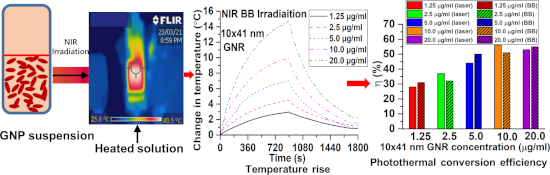
- under irradiation is described as: Equation 7 and Equation 8 can be used to determine the amount of heat absorption, the photothermal conversion efficiency, or the temperature rise of the GNP suspension during photothermal interaction. Results and Discussion Spectral absorbance of GNPs The concentration
- -dependent spectral absorbance of GNSs of 40 nm diameter and GNRs with sizes of 25 × 47 nm, 10 × 38 nm, and 10 × 41 nm measured by using a UV–vis spectrophotometer (UV-3200, Labindia Instruments Pvt. Ltd.) is shown in Figure 4. The measured peak absorbance wavelength of the GNPs is in agreement with the
- × 41 nm GNRs show a temperature increase for a longer period of time than GNSs and 25 × 47 nm GNRs. The photothermal stability of the GNPs was examined by measuring the spectral absorbance of GNPs before and after irradiation as shown in Figure S3 (Supporting Information File 1). It is seen that there




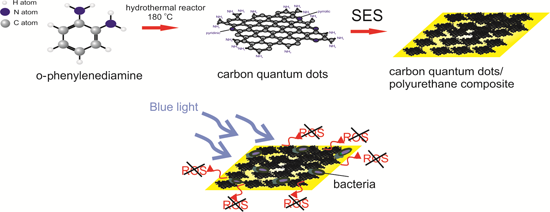
Structural, optical, and bioimaging characterization of carbon quantum dots solvothermally synthesized from o-phenylenediamine
Beilstein J. Nanotechnol. 2023, 14, 165–174, doi:10.3762/bjnano.14.17
- assay by measuring the absorbance at 540 nm on Tecan Infinite 200 Pro multiplate reader (Tecan Group, Männedorf, Switzerland). The cytotoxicity results were presented as a percentage of the control (untreated cells), which was arbitrary set to 100%. Fluorescence microscopy Hela cells were grown in low





