


Search results
Search for "adsorption" in Full Text gives 858 result(s) in Beilstein Journal of Nanotechnology. Showing first 200.
Enhancing mechanical properties of chitosan/PVA electrospun nanofibers: a comprehensive review
Beilstein J. Nanotechnol. 2025, 16, 286–307, doi:10.3762/bjnano.16.22

- liquid, 1-allyl-3-methylimidazolium chloride into cross-linked electrospun chitosan/PVA nanofibers to improve water resistance and adsorption properties. The mechanical properties, however, were not reported. Coating of nanofiber structures can also provide improvement of the mechanical properties. Kang
- number of adsorption sites on the surface, improve mechanical properties, enhance hydrophilicity and wettability, and stabilize nanofibers in aqueous solutions [156]. Numerous techniques have been developed to modify the surface properties of electrospun nanofibers, including surface graft polymerization


Emerging strategies in the sustainable removal of antibiotics using semiconductor-based photocatalysts
Beilstein J. Nanotechnol. 2025, 16, 264–285, doi:10.3762/bjnano.16.21
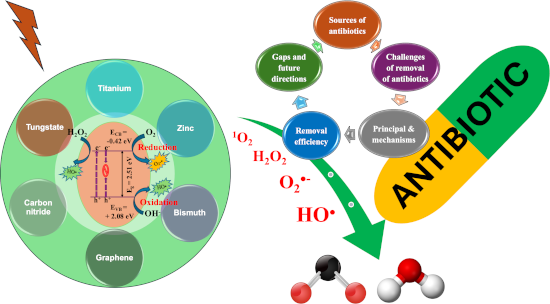
- more effectively than the previous methods of physical adsorption, flocculation, and chemical oxidation [7][8][25]. AOPs offer several advantages, including simple equipment, straightforward operation, minimal sludge production, and the rapid generation of mineralized products. Additionally, they are
- peroxymonosulfate-based AOPs [30] as well as catalytic degradation processes [35], graphene-based materials [36][37], and adsorption processes [7][8]. However, these papers primarily discuss the oxidizing agents or AOP processes and their efficiency in removing antibiotics without focusing on the detailed
- technique reduces carrier transfer resistance, improves pollutant adsorption, broadens the light absorption range, and promotes carrier separation. During the degradation of tetracycline hydrochloride (TCH), g-C3N4 exhibited remarkable activity under visible light and degraded 84.1% of TCH, while bulk g



Radiosensitizing properties of dual-functionalized carbon nanostructures loaded with temozolomide
Beilstein J. Nanotechnol. 2025, 16, 229–251, doi:10.3762/bjnano.16.18
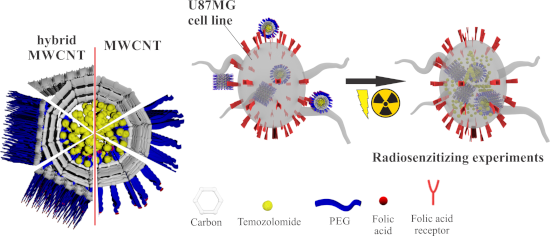
- mediate the internalization in addition to the impact of interaction with the biological fluids (i.e., surface adsorption of molecules). In this respect, in the study of Dabrowski et al. [81], the impact of particle size of graphene on the efficacy of internalization was evaluated in normal (LL-24) and




Synthesis and the impact of hydroxyapatite nanoparticles on the viability and activity of rhizobacteria
Beilstein J. Nanotechnol. 2025, 16, 216–228, doi:10.3762/bjnano.16.17
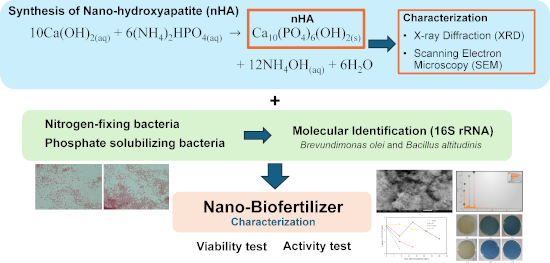
- nanoparticles [12]. Among these, nanohydroxyapatite (nHA) offers distinct advantages over other nanoparticles regarding the application as a carrier for rhizobacteria, particularly in terms of phosphorus supply [13], biological compatibility [14], and high adsorption capacity [15]. Consequently, nHA not only


Probing the potential of rare earth elements in the development of new anticancer drugs: single molecule studies
Beilstein J. Nanotechnol. 2025, 16, 187–194, doi:10.3762/bjnano.16.15
- SM1711) in 10 mM Tris-HCl buffer with the addition of 10 mM of MgCl2 (pH 8.0), which is needed to reliably deposit the DNA molecules on mica substrates. PBS buffer cannot be used here since its high NaCl concentration disturbs the DNA adsorption on the substrates. The solution of DNA + ligand is first


A review of metal-organic frameworks and polymers in mixed matrix membranes for CO2 capture
Beilstein J. Nanotechnol. 2025, 16, 155–186, doi:10.3762/bjnano.16.14
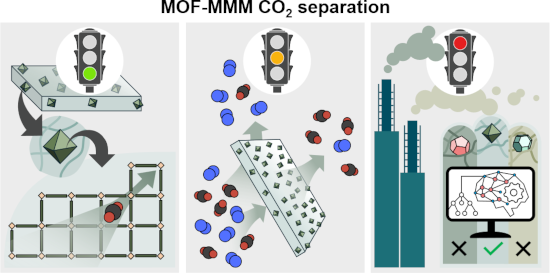
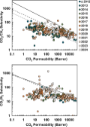
- , including regenerative solvent-based absorption [2][6], fixed-bed adsorption [7], cryogenic separation techniques [8], and membrane separation methods [9][10][11][12]. Of these, membrane technology offers advantages such as exceptional stability, high efficiency, low energy consumption, and ease of
- of their outstanding gas adsorption capabilities [30][45]. The topic of MOF-based gas separation and CO2 capture has been extensively addressed in comprehensive reviews [26][46][47][48][49]. A succinct account of MOF development for CO2 capture is proposed in the next paragraphs to better understand
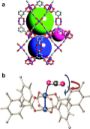
- interact with CO2, achieving excellent CO2 adsorption capacity and preferential CO2 adsorption over other gas molecules such as N2 or CH4. Figure 2 depicts examples of the separation strategies commonly employed in MOF research. The first approach to promote CO2 selectivity involves molecular sieving [54




Clays enhanced with niobium: potential in wastewater treatment and reuse as pigment with antibacterial activity
Beilstein J. Nanotechnol. 2025, 16, 141–154, doi:10.3762/bjnano.16.13
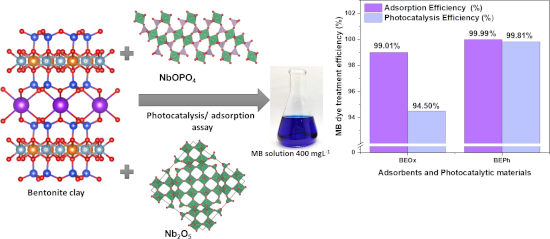
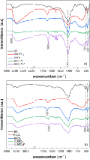
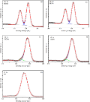
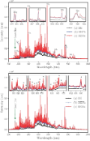
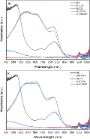
- photocatalysts for treating solutions containing the MB dye (400 mg·L−1) at 25 °C. The results showed adsorption and photocatalysis efficiency above 94% for both samples. The blue-colored BEOx and BEPh samples were then applied as a hybrid pigment. The power pigment and its dispersion in colorless paint were
- cereus (ATCC 10876) and Proteus mirabilis (ATCC 35649). The analysis revealed remarkable antibacterial activity against Proteus mirabilis, suggesting a preferential selectivity for Gram-negative bacteria. Keywords: adsorption; bentonite; hybrid pigment; niobium; photocatalysis; water remediation
- purifying water contaminated with dyes necessitating the development of cost-effective technologies for their removal from industrial effluents. Adsorption emerges as a widely used method for pollutant removal from wastewater due to its design simplicity, operational ease, and relatively straightforward



TiO2 immobilized on 2D mordenite: effect of hydrolysis conditions on structural, textural, and optical characteristics of the nanocomposites
Beilstein J. Nanotechnol. 2025, 16, 128–140, doi:10.3762/bjnano.16.12
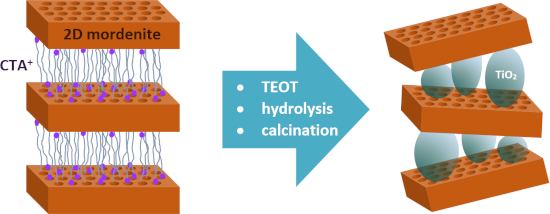
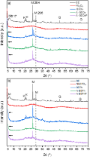
- presented samples. This allows us to state that TiO2 nanoparticles not only accumulate on the sample surface but are also present in the interlamellar space, which correlates with the nitrogen adsorption data reported next. For both hydrolysis media, the maximum TiO2 content is reached after 12 h of
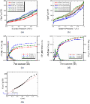
- . Nitrogen sorption and thermogravimetric studies Figure 5a,b shows the N2 adsorption/desorption isotherms of the studied nanocomposites. They demonstrate features characteristic of hierarchical porous structures possessing both micro- and mesoporosity. At low pressure, there is a sharp gas absorption
- area SBET of the samples were calculated using adsorption data in the range of relative pressures of 0.07–0.22. In addition, to estimate micropore surface area and volume, we applied the t-plot method, which plots the adsorbed volume as a function of the effective thickness (t) of the adsorbed layer



Nanocarriers and macrophage interaction: from a potential hurdle to an alternative therapeutic strategy
Beilstein J. Nanotechnol. 2025, 16, 97–118, doi:10.3762/bjnano.16.10

- surface with hydrophilic polymers such as PEG. PEGylation is widely used for its “stealth” effect, hindering protein adsorption on the hydrophobic polymer surface by steric repulsion [36]. However, the long-term use of PEGylated NCs for treating chronic diseases can lead to side effects, such as


Modeling and simulation of carbon-nanocomposite-based gas sensors
Beilstein J. Nanotechnol. 2025, 16, 90–96, doi:10.3762/bjnano.16.9
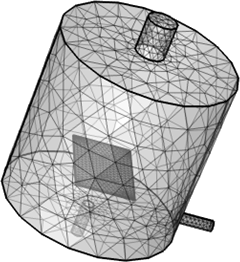
- showed high sensitivity towards strong electron-withdrawing molecules for NO2 gas detection [10]. To simulate gas adsorption in COMSOL Multiphysics for a gas sensor, several adsorption models can be employed depending on the physical and chemical behavior of the sensor. Commonly used models include the
- Langmuir adsorption model, Freundlich adsorption model, Temkin adsorption model, and Brunauer–Emmett–Teller (BET) model. The Langmuir adsorption isotherm equation is typically derived through a kinetic approach and relies on certain assumptions [11]. Accurate adsorption processes rely on effective isotherm
- modeling and interpretation. Although linear regression is widely used to assess fit quality, nonlinear regression is increasingly favored for better matching between predicted and experimental data, underscoring the importance of evaluating both methods in adsorption systems [12]. The Langmuir adsorption



Precursor sticking coefficient determination from indented deposits fabricated by electron beam induced deposition
Beilstein J. Nanotechnol. 2025, 16, 35–43, doi:10.3762/bjnano.16.4

- substantially smaller than the sticking coefficients previously assumed for Me3CpPtMe (1.0). Furthermore, depositions performed at different substrate temperatures indicate a temperature dependence of the sticking coefficient. Keywords: adsorption; continuum model; FEBID; nanofabrication; sticking coefficient
- –reaction equation (RDE) in the adsorption term, where the total local precursor flux is multiplied by the sticking coefficient to characterize the supply of precursor molecules to the surface [5]. In the context of FEBID, the sticking coefficient has not received much attention; only in one work it was
- Fowlkes and Rack [6] where a value of 0.025 was reported for W(CO)6. In this work, a stationary pulsed beam was used to study the adsorption/desorption dynamics. A fit of the results to the continuum model was performed with an estimated value for the energy-integrated dissociation cross section in order


Facile synthesis of size-tunable L-carnosine-capped silver nanoparticles and their role in metal ion sensing and catalytic degradation of p-nitrophenol
Beilstein J. Nanotechnol. 2024, 15, 1576–1592, doi:10.3762/bjnano.15.124
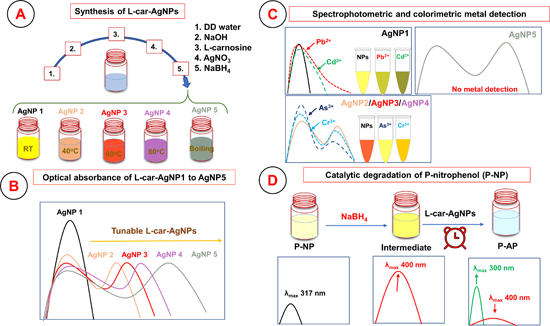
- grafting magnetic nanoparticles with ʟ-carnosine significantly enhanced the catalytic performance of the nanoparticles [15]. In another study, metal-organic framework nanoparticles fabricated with ʟ-carnosine were employed for arsenic removal via an adsorption mechanism. The maximum removal of arsenic was
- degradation of P-NP by ʟ-car-AgNPs can be attributed to the unique optical and catalytic properties of AgNPs, which are enhanced by their high surface-to-volume ratio and plasmonic effects. The observed pseudo-first-order kinetics suggest that the rate-determining step involves the adsorption of P-NP onto the


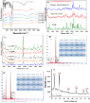


Electrochemical nanostructured CuBTC/FeBTC MOF composite sensor for enrofloxacin detection
Beilstein J. Nanotechnol. 2024, 15, 1522–1535, doi:10.3762/bjnano.15.120
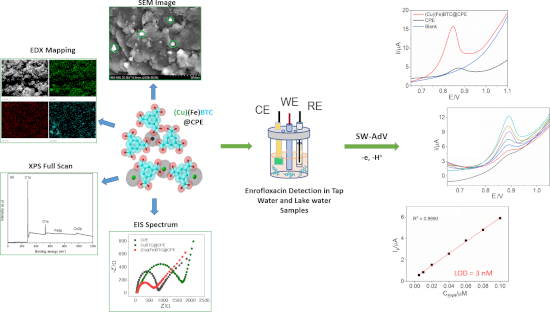
- simultaneous presence of FeBTC and CuBTC phases in the (Cu)(Fe)BTC sample indicates the successful synthesis of (Cu)(Fe)BTC composite. The N2 adsorption/desorption isotherms of the (Cu)(Fe)BTC sample are of type I with H4 hysteresis ring according to IUPAC classification (Figure 1b) [35]. The N2 adsorption
- isotherm for (Cu)(Fe)BTC shows rapid adsorption of nitrogen in the low-pressure range (P/P0 < 0.1), suggesting a predominance of micropores [36]. Surface area, pore volume, and capillary diameters of the (Cu)(Fe)BTC sample are 1147 m2/g, 0.544 cm3/g, and 1.50 and 1.90 nm, respectively. Total pore volume
- . The slope of the curve of 0.052 (close to 0.059) indicates that the ratio of protons to electrons participating in the oxidation reaction is 1 to 1, which is in accordance with previous publications [44][45]. Adsorption time The accumulation time (tacc) of enrofloxacin on the electrode surface is a





Polymer lipid hybrid nanoparticles for phytochemical delivery: challenges, progress, and future prospects
Beilstein J. Nanotechnol. 2024, 15, 1473–1497, doi:10.3762/bjnano.15.118
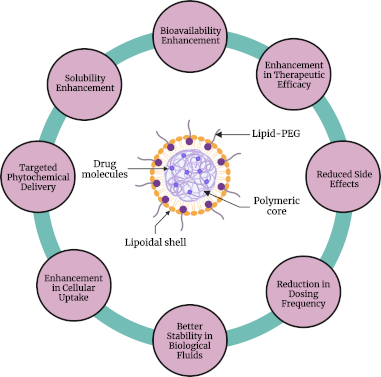
- . This modification provides several advantages. PEGylation increases the stability of the PLHNPs in biological fluids by preventing aggregation and reducing protein adsorption. It also extends the circulation time of nanoparticles in the bloodstream by reducing immune system recognition and clearance


Strain-induced bandgap engineering in 2D ψ-graphene materials: a first-principles study
Beilstein J. Nanotechnol. 2024, 15, 1440–1452, doi:10.3762/bjnano.15.116
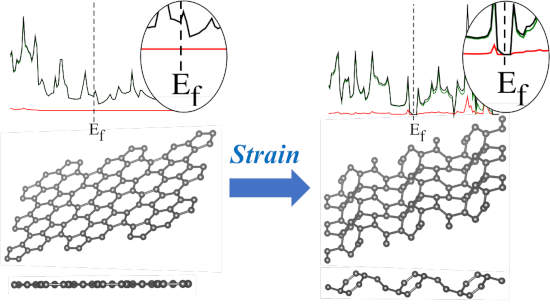
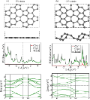
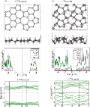
- pliable displays and as strengthening material in composites [2][3][4]. It has also gained considerable attention among researchers for its application in hydrogen storage, owing to its good adsorption capacity and controllable storage and re-release of hydrogen at efficient temperatures [4][5]. The
- an anode material in Li-ion batteries [16]. Theoretical investigations also suggest that when ψ-graphene is decorated with transition metals like zirconium, yttrium, and titanium, it can serve as an excellent adsorbent for hydrogen storage [42][44][45]. DFT calculations have shown that the adsorption


Ion-induced surface reactions and deposition from Pt(CO)2Cl2 and Pt(CO)2Br2
Beilstein J. Nanotechnol. 2024, 15, 1427–1439, doi:10.3762/bjnano.15.115

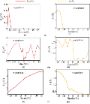
- of any chlorine although carbon and oxygen are observed. We ascribe the presence of carbon and oxygen to be in part due to the adsorption of background CO in the growth chamber onto the exposed Pt surface as it was warmed to room temperature. Light Ar+ sputtering significantly reduces the



Nanotechnological approaches for efficient N2B delivery: from small-molecule drugs to biopharmaceuticals
Beilstein J. Nanotechnol. 2024, 15, 1400–1414, doi:10.3762/bjnano.15.113
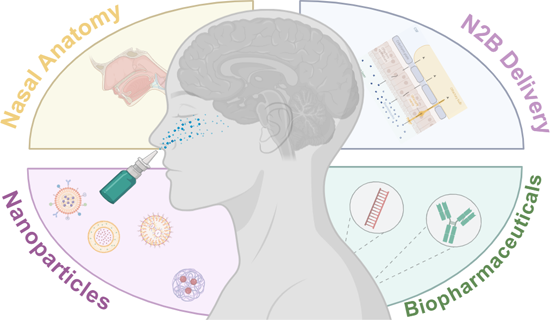
- showed higher encapsulation efficiency for the positively charged ghrelin at pH 7.4, indicating that the choice of the anionic/cationic liposomes should be based on the desired application as well as the encapsulated substance. Moreover, a chitosan chloride coating increased mucin adsorption by
- neutralizing the tumor necrosis factor-related apoptosis-inducing ligand on the surfaces of polymeric NPs and NLCs for the treatment of Alzheimer’s disease. The in vivo studies in a mouse model showed that polymeric NPs and NLCs reached the brain via N2B delivery. They also showed that the adsorption of the


A biomimetic approach towards a universal slippery liquid infused surface coating
Beilstein J. Nanotechnol. 2024, 15, 1376–1389, doi:10.3762/bjnano.15.111
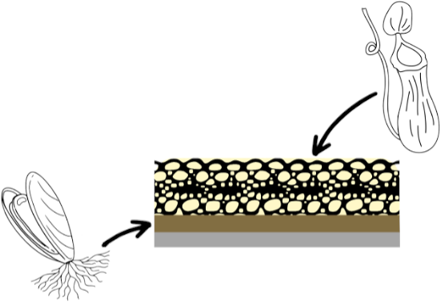
- removal and or repulsion of these important molecules that control the clotting cascade. The most prominent of the methods are ones that aim to reduce non-specific protein adsorption, increase adhesion resistance, use biomolecules to remove targets of interest, and enhance endothelial cell attachment. One
- identifying the specific interactions between platelets and surfaces independent of protein adsorption or other events that may take place within whole blood and plasma studies. In our purified platelet system, we observed a 150% increase in adherent platelets on PDA–FDT–PFD compared to BSA and a 50% decrease
- procoagulant. More work on specific coagulation factor adsorption and activation, such as thrombin, fibrinogen, and complement system proteins is needed to fully characterize the surface. Studies on FXII and platelet adhesion in plasma and whole blood models would provide more insight into observed activation




Investigation of Hf/Ti bilayers for the development of transition-edge sensor microcalorimeters
Beilstein J. Nanotechnol. 2024, 15, 1353–1361, doi:10.3762/bjnano.15.108

- recoil energy, the adsorption energy is released, which for the most common metals reaches tens of millielectronvolts, amplifying the signal. Thus, the task of detecting the neutrino spectrum requires microcalorimeters with an energy resolution capable of distinguishing the initial recoil energy


Interaction of graphene oxide with tannic acid: computational modeling and toxicity mitigation in C. elegans
Beilstein J. Nanotechnol. 2024, 15, 1297–1311, doi:10.3762/bjnano.15.105
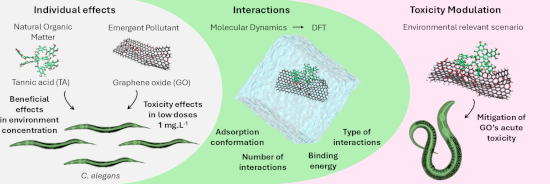
- Abstract Graphene oxide (GO) undergoes multiple transformations when introduced to biological and environmental media. GO surface favors the adsorption of biomolecules through different types of interaction mechanisms, modulating the biological effects of the material. In this study, we investigated the
- , phototransformation, and degradation [8]. Furthermore, because of the presence of sites for different types of interaction mechanisms (i.e., hydrogen bonding, van der Waals interaction, and π–π stacking), its structure favors the adsorption of different molecules (i.e., biomolecules and organic pollutants) and metal
- the TA conformations on the GO surface and to calculate the adsorption energy of TA with density functional theory (DFT). Most interactions between TA and GO occurred through the oxygenated defects in the middle of the sheet and TA oxygen functional groups, as shown in Figure 3. However, it is also


Mn-doped ZnO nanopowders prepared by sol–gel and microwave-assisted sol–gel methods and their photocatalytic properties
Beilstein J. Nanotechnol. 2024, 15, 1283–1296, doi:10.3762/bjnano.15.104
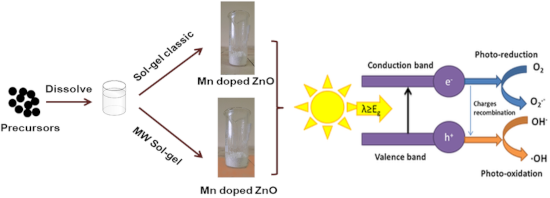
- explained by the influence of the microwave irradiation, which is known to create materials with fewer defects [49]. Porosimetry The nitrogen adsorption–desorption isotherms and pore size distributions are presented in Figure 7. The adsorption and desorption branches for both samples appear to be almost
- sample tends to a complete quenching of the photoluminescence signal with increasing concentrations, while the MW sample exhibits a plateau (Figure 10c). The latter observation can be associated with the adsorption degree of oxalate ions on the catalyst surface. The two abovementioned observations
- oxidation capacity of hydroxyl radicals. The subsequent decrease of the CO2 formation rate could be assigned to a presumed catalyst deactivation due to the strong adsorption of reactant/reaction products on its surface. This observation is in line with the PL measurements in oxalic acid solutions and the


Dual-functionalized architecture enables stable and tumor cell-specific SiO2NPs in complex biological fluids
Beilstein J. Nanotechnol. 2024, 15, 1238–1252, doi:10.3762/bjnano.15.100
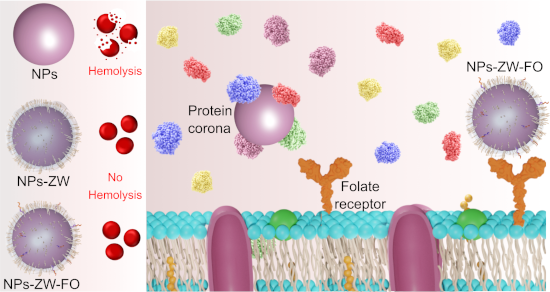
- adsorption of proteins [22][23], developing methods that can meet the trade-off between targeting and colloidal stability of NPs in such media has proven to be a major challenge [8][10][11]. Our group produced SiO2NPs functionalized with a steric stabilizer (zwitterionic sulfobetaine silane) and biologically
- . Sulfobetaine zwitterionic (ZW) and folate groups were chosen as kinetic stabilizers and targeting agents, respectively. It is worth highlighting that sulfobetaines were selected specifically for their enhanced hydration properties, effectively preventing protein adsorption on various NPs and contributing to
- corona formation in cell culture medium and human plasma To verify the adsorption of proteins on the functionalized SiO2NPs, sodium dodecyl sulfate polyacrylamide gel electrophoresis (SDS-PAGE) experiment was performed. For this, the nanomaterials (in concentrations of 2 to 5 mg·mL–1) were incubated in


Enhanced catalytic reduction through in situ synthesized gold nanoparticles embedded in glucosamine/alginate nanocomposites
Beilstein J. Nanotechnol. 2024, 15, 1227–1237, doi:10.3762/bjnano.15.99
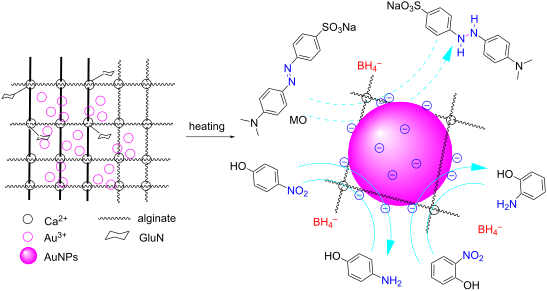
- effectiveness of this reaction hinges on the catalytic surface, influenced by both reagent adsorption and product desorption. We monitored the in situ reduction of organic dyes using the nanocatalyst via time-dependent UV–vis absorption measurements at ambient temperature. Confirmation of reduction was
- and was nearly complete (ca. 99%) after 9 min. The reduction of 4-NiP and MO took longer, with about 50% reduction after the initial 5 min and reaching near completion (ca. 99%) after 20 and 15 min, respectively. This variance underscores the different rates of dye adsorption and product desorption on
- the surface of the gold nanoparticles. Additionally, the polysaccharides can interact with functional groups within the dye structure, further influencing the adsorption/desorption dynamics of organic dyes on the surface of the AuNPs [44]. Regarding the reaction kinetics, the plots depicting ln(Ct/C0



Synthesis, characterization and anticancer effect of doxorubicin-loaded dual stimuli-responsive smart nanopolymers
Beilstein J. Nanotechnol. 2024, 15, 1189–1196, doi:10.3762/bjnano.15.96
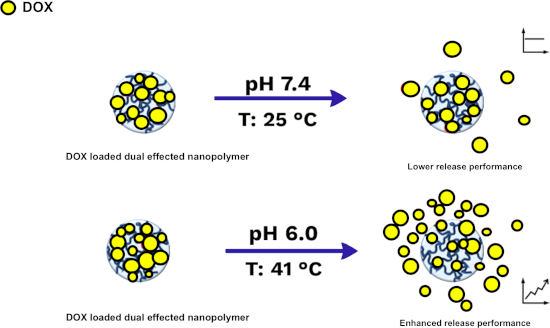
- because of fast filling of the adsorption sites. In conclusion, DOX loading onto the SNPs was accomplished successfully. In previous studies conducted by our group on the carrying capacity of nanostructures, we obtained comparable results [20][24][37]. Encapsulation and release studies of DOX encapsulated


Photocatalytic methane oxidation over a TiO2/SiNWs p–n junction catalyst at room temperature
Beilstein J. Nanotechnol. 2024, 15, 1132–1141, doi:10.3762/bjnano.15.92
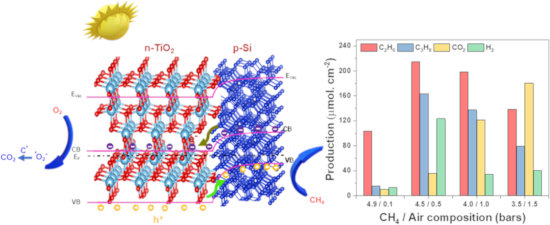
- that the superior wettability of TiO2/SiNWs (hydrophilic surfaces) compared to TiO2/glass (hydrophobic surfaces) enables partial adsorption of water molecules, which facilitates the generation of radicals necessary for photocatalytic reactions. Furthermore, the TiO2 nanostructure and p-type SiNWs are
- crucial in photogenerated charge separation and adsorption enhancement under UV–vis light. In other words, the ethane productivity of TiO2/Si NWs was five times higher (210 µmol/cm2) than that of pure p-Si NWs (20 µmol/cm2) and glass/TiO2 (30 µmol/cm2). Photocatalytic OCM over TiO2/Si NWs catalysts was





