Search results
Search for "bone" in Full Text gives 121 result(s) in Beilstein Journal of Nanotechnology.
(Metallo)porphyrins for potential materials science applications
Beilstein J. Nanotechnol. 2017, 8, 1786–1800, doi:10.3762/bjnano.8.180
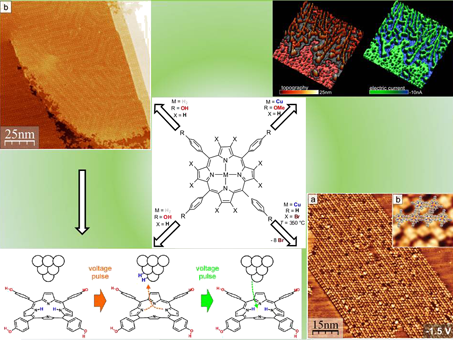
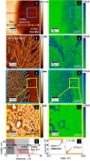
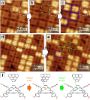
- herring-bone reconstruction of the underlying Au(111) is visible through the large ordered areas (U = −0.7 V). (b) Magnification of the adlayer structure of CuTPP(Br)8 on Au(111) with elongated appearance of molecules at U = −1 V. The cyan arrow indicates the direction of one unit cell vector of the Au






Surface functionalization of 3D-printed plastics via initiated chemical vapor deposition
Beilstein J. Nanotechnol. 2017, 8, 1629–1636, doi:10.3762/bjnano.8.162
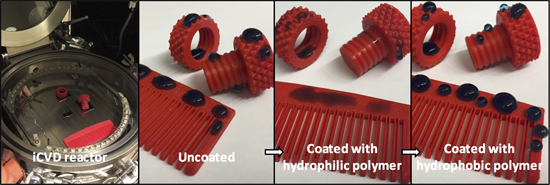
- 3DP applications, because it allows for tuning of bulk properties, such as cost-effectiveness or structural rigidity, independently of sophisticated surface functionalization. For example, in scaffolds for bone tissue engineering, angiogenesis is a major challenge, because printed scaffolds have



Calcium fluoride based multifunctional nanoparticles for multimodal imaging
Beilstein J. Nanotechnol. 2017, 8, 1484–1493, doi:10.3762/bjnano.8.148
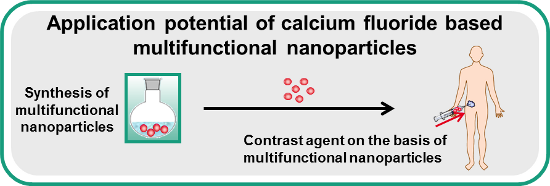
- biocompatible agents for bone and teeth reconstruction [23]. Calcium fluoride exhibits a wide transparent spectral window (190–1100 nm), large band gap (approx. 12 eV), low refractive index and low phonon energy [14]. Because of the high stability and flexibility of the fluorite structure, a number of various


Micro- and nano-surface structures based on vapor-deposited polymers
Beilstein J. Nanotechnol. 2017, 8, 1366–1374, doi:10.3762/bjnano.8.138
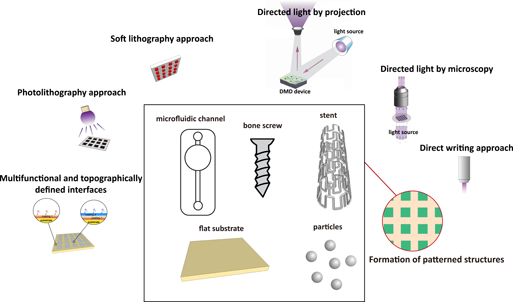
- were employed to co-immobilize fibroblast growth factor 2 (FGF-2) and bone morphogenetic protein 2 (BMP-2) and established reverse gradient distributions of the FGF-2 and BMP-2. Furthermore, these two growth factors gradients have demonstrated the corresponding biological activities toward both


Nano-engineered skin mesenchymal stem cells: potential vehicles for tumour-targeted quantum-dot delivery
Beilstein J. Nanotechnol. 2017, 8, 1218–1230, doi:10.3762/bjnano.8.123
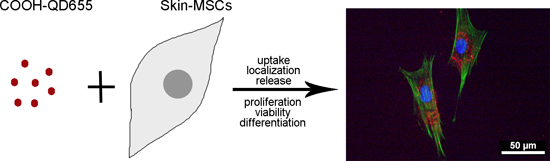
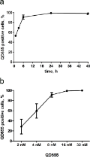
- drug carriers [3]. Recent studies have shown that nano-engineered mesenchymal stem cells (MSCs) could be used as tumour-targeted therapeutic carriers, reflecting their tumour-homing capabilities [4][5][6]. MSCs are present in many tissues of the human body, including bone marrow, adipose tissues, skin
- affect the osteogenesis and chondrogenesis capacities of bone marrow MSCs [17]. The impact of QD labelling on the biological properties of targeted stem cells, such as proliferation, cell cycle, and apoptosis, remains elusive. Therefore, further research on MSCs with regard to the delivery of QDs for
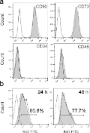
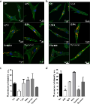
- biological response of skin MSCs to QDs was investigated. The results showed that QDs do not induce changes in immunophenotype, proliferation and viability of skin MSCs, indicating that QDs are biocompatible with MSCs. These results are consistent with those of studies on bone marrow mesenchymal stem cells





Adsorption characteristics of Er3N@C80on W(110) and Au(111) studied via scanning tunneling microscopy and spectroscopy
Beilstein J. Nanotechnol. 2017, 8, 1127–1134, doi:10.3762/bjnano.8.114
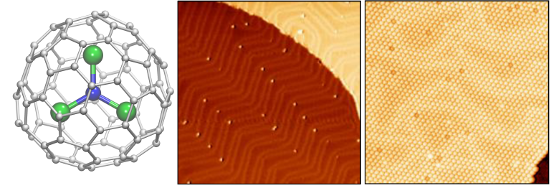
- , as is typical for a clean Au(111) surface, the herring bone reconstruction occurred. The success of these prior treatments was checked by STM before depositing the molecules. After that the thermally stable endohedral fullerenes Er3N@C80 were evaporated from a home-built and carefully degassed


Bio-inspired micro-to-nanoporous polymers with tunable stiffness
Beilstein J. Nanotechnol. 2017, 8, 906–914, doi:10.3762/bjnano.8.92
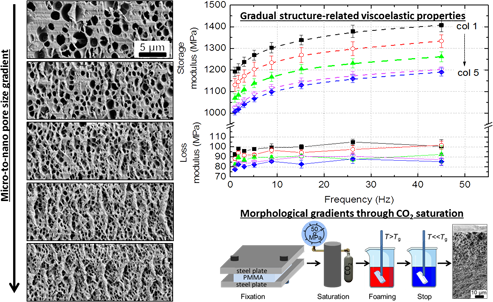
- several examples of porous structures and composites having excellent mechanical properties that surpass the properties of the constituent materials. Prominent examples are wood, bone, or bird beaks [1]. The outstanding properties of the pomelo peel, though, are less known. The pomelo (Citrus maxima) is a


Hybrid nanomaterials: from the laboratory to the market
Beilstein J. Nanotechnol. 2017, 8, 861–862, doi:10.3762/bjnano.8.87

- -performance materials such as bone or teeth are organic/inorganic hybrid materials of multiscale hierarchical structure and chemical composition perfectly matched to their respective task. As a result, hybrid materials have been explored for essentially all applications possible. Their chemical composition
Recombinant DNA technology and click chemistry: a powerful combination for generating a hybrid elastin-like-statherin hydrogel to control calcium phosphate mineralization
Beilstein J. Nanotechnol. 2017, 8, 772–783, doi:10.3762/bjnano.8.80
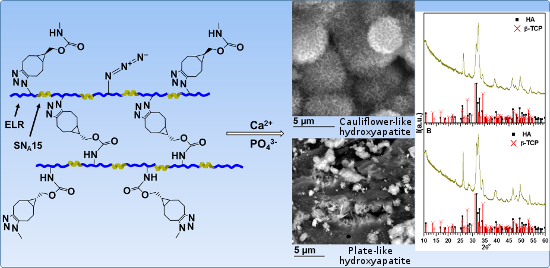
- these CP structures, dicalcium phosphate dihydrate (DCPD), hydroxyapatite (HA) and β-tricalcium phosphate (β-TCP) have attracted attention because of their potential applications [2][3]. HA is a stable crystalline phase that forms the main inorganic component of bone and teeth [2][4]. HA has a nanorod
- morphology in natural bone, with the individual rods being roughly aligned parallel to one another throughout the collagen matrix [5][6][7]. β-TCP is a resorbable and degradable synthetic material that can be replaced by naturally re-grown bone tissue [2][3]. As a result, HA and β-TCP have already been used
- in (composite) materials for bone regeneration [2][8]. Due to the correlation between the (crystal) structure and properties of CP, it is important to be able to control its nanostructures [9][10][11]. For example, hollow and mesoporous CP particles can be used for drug delivery due to their high



Diffusion and surface alloying of gradient nanostructured metals
Beilstein J. Nanotechnol. 2017, 8, 547–560, doi:10.3762/bjnano.8.59
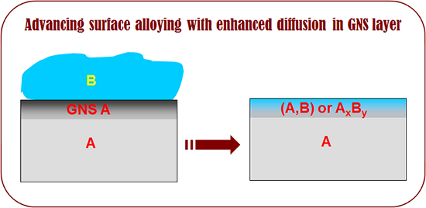
- amorphous titania. Furthermore, the formed titania showed an increased crystallinity and retained the nanoporous structure even after calcination at 600 °C [94]. These works indicated the possibility to improve the bioactivity of titanium bone implants and to accelerate osseointegration by introducing a




Biological and biomimetic materials and surfaces
Beilstein J. Nanotechnol. 2017, 8, 403–407, doi:10.3762/bjnano.8.42
- articles of this Thematic Series, Egorov et al. proposed a relatively simple protocol for 3D printing of complex-shaped biocompatible structures based on sodium alginate and calcium phosphate for bone tissue engineering [24]. The analysis of 3D printed structures shows that they possess large
The cleaner, the greener? Product sustainability assessment of the biomimetic façade paint Lotusan® in comparison to the conventional façade paint Jumbosil®
Beilstein J. Nanotechnol. 2016, 7, 2100–2115, doi:10.3762/bjnano.7.200

- flectofin® [6][9] or the bone-like ceiling of a lecture hall at the University of Freiburg [10][11]. The increasingly systematic research approach of biomimetics, aiming to find the most promising examples from biology for the development of technical innovations, has been accompanied by a debate about the


3D printing of mineral–polymer bone substitutes based on sodium alginate and calcium phosphate
Beilstein J. Nanotechnol. 2016, 7, 1794–1799, doi:10.3762/bjnano.7.172
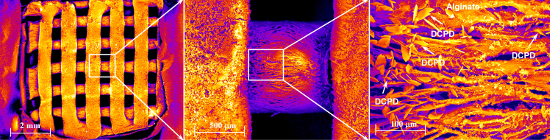
- calcium phosphate (CP) for bone tissue engineering. The fabrication of 3D composite structures was performed through the synthesis of inorganic particles within a biopolymer macromolecular network during 3D printing process. The formation of a new CP phase was studied through X-ray diffraction, Fourier
- diameter ≈800 μm) and were found to possess compressive strengths from 0.45 to 1.0 MPa. This new approach can be effectively applied for fabrication of biocompatible scaffolds for bone tissue engineering constructions. Keywords: 3D printing; bone graft; calcium phosphate; composite materials; sodium
- popular biomaterial because of a number of key advantages: convenient precursors, nontoxic, excellent biocompatibility and appropriate biodegradability [5][6][7]. Additionally, CPs are widely used for bone graft substitution due to their chemical affinity to the bone mineral content [8]. One of the


Influence of hydrothermal synthesis parameters on the properties of hydroxyapatite nanoparticles
Beilstein J. Nanotechnol. 2016, 7, 1586–1601, doi:10.3762/bjnano.7.153
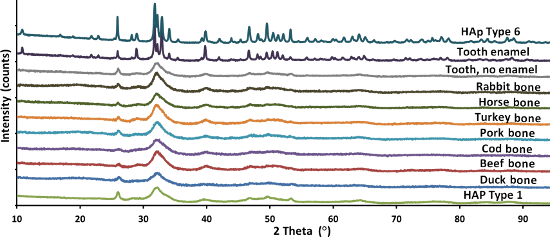
- production of toothpaste formulations and to speed up wound healing. There are patches and ointments using the unique properties of HAp that were developed by scientists in Poland [7]. Hydroxyapatite has also received great interest in the regeneration of animal bone loss. It has been proved that HAp
- nanoparticles (nano-HAp) are better positioned to serve as an apatite substitute of bone in biomedical applications than micrometer-sized hydroxyapatite (micro-HAp) [8]. The impact of nano-HAp particles with different morphology on highly malignant melanoma cells was analyzed. The obtained results showed that
- proliferation of such malignant cells was inhibited more efficiently by the occurrence of the nanoscale effect than by HAp particle morphology [9]. Another study analyzed the effects of different sized nano-HAp – ranging from 20 to 80 nm – on the proliferation of bone-related cells (bone marrow mesenchyme stem


Viability and proliferation of endothelial cells upon exposure to GaN nanoparticles
Beilstein J. Nanotechnol. 2016, 7, 1330–1337, doi:10.3762/bjnano.7.124
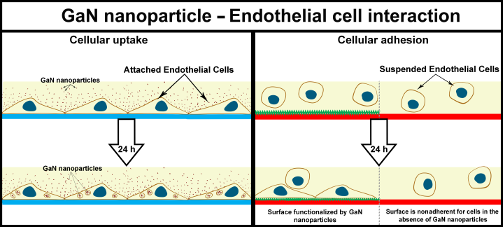
- of premature tissue damage and dispensing of medications. Nature supplies many examples of biomimetic materials in the form of organic/inorganic components such as bone, teeth, and muscle. Based on biological examples, new and innovative biological materials can be designed through self-organization



On the pathway of cellular uptake: new insight into the interaction between the cell membrane and very small nanoparticles
Beilstein J. Nanotechnol. 2016, 7, 1296–1311, doi:10.3762/bjnano.7.121
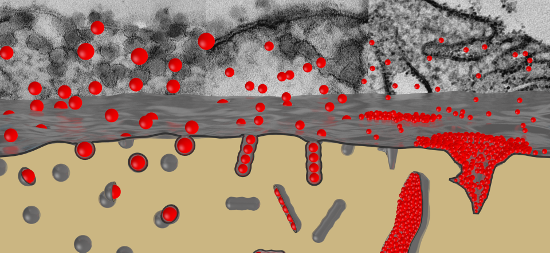
- limited to HeLa cells only or if this is a universal mechanism with which a cell and its membrane will react upon treatment with small silica NPs. Accordingly, we tested another 4 cell lines for the uptake morphologies: primary human mesenchymal stem cells (hMSC), human bone osteosarcoma cells (U2OS




Fabrication and characterization of branched carbon nanostructures
Beilstein J. Nanotechnol. 2016, 7, 1260–1266, doi:10.3762/bjnano.7.116
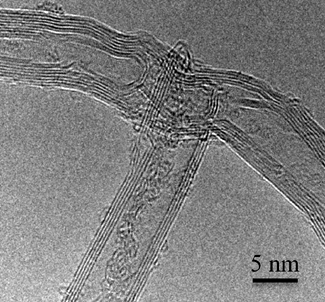
- offer benefits for applications such as transport, energy storage/conversion and bone/tooth replacement. Hence, the mechanical properties of CNTs are utilized in reinforcing polymer composites [1][2][3][4], and their electrical conductivity is utilized for conducting polymers [4][5][6]. Under tensile


Reasons and remedies for the agglomeration of multilayered graphene and carbon nanotubes in polymers
Beilstein J. Nanotechnol. 2016, 7, 1174–1196, doi:10.3762/bjnano.7.109
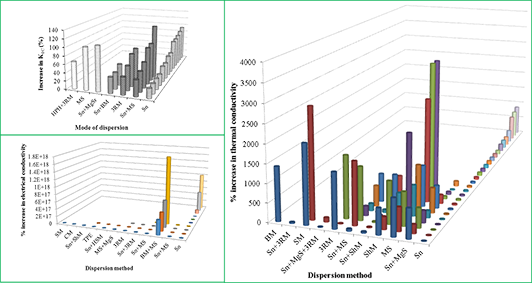
- osteoblasts (bone-forming cells) and neurons, and found to be effective nano-carriers for several biomolecules such as proteins, DNA and carbohydrates [4]. Recently, MLG/CNT–polymer nanocomposites have been explored as scaffolds for cell growth and load-bearing implant materials for replacing defective human
- organized in the form of “lines” in tooth enamel while a uniform dispersion was observed in bone mimic [1]. There is a certain critical value of the filler content below which the composite properties are improved. Above, the properties are, in some cases, even inferior to those of the matrix alone mainly


In situ observation of deformation processes in nanocrystalline face-centered cubic metals
Beilstein J. Nanotechnol. 2016, 7, 572–580, doi:10.3762/bjnano.7.50
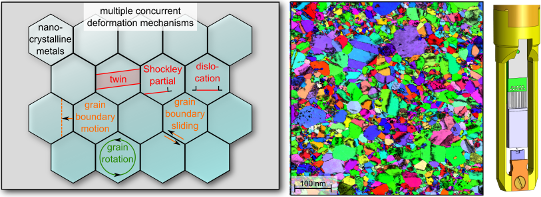
- S1). A FEI Strata 400S dual beam FIB was used to transfer the metal C films to the push-to-pull (PTP) device (Hysitron) (Supporting Information File 1, Figure S1c,d) and to cut the films using an acceleration voltage of 30 kV and a beam current of 980 nA. The final shaping of the dog bone straining
- were acquired as reference for determining the strain (all strain values in this paper are giving relative to the initial dog bone length) and the spring constant of the PTP device was measured with the film ruptured to subtract the PTP device related forces from the measured stress–strain curve
- dog bone to reveal the strain close to the area of interest. The acquired ACOM-STEM data has been processed by the evaluation routine described in [37] to reduce the noise and to track crystallites through the straining series for the analysis of crystallite rotation, grain growth and twin activity


Simultaneous cancer control and diagnosis with magnetic nanohybrid materials
Beilstein J. Nanotechnol. 2016, 7, 121–125, doi:10.3762/bjnano.7.14
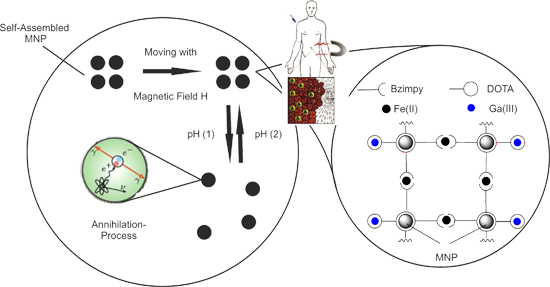
- phosphonate containing chelate ligand and injected into the body. The tracer enriches in the hydroxyapatite (Ca10(PO4)6(OH)2) and can be used for investigations of the bone metabolism [10][11][12]. Modifications of the functional groups of the ligand enables the use of the Ga complex in a different way: PET


Ultrastructural changes in methicillin-resistant Staphylococcus aureus induced by positively charged silver nanoparticles
Beilstein J. Nanotechnol. 2015, 6, 2396–2405, doi:10.3762/bjnano.6.246
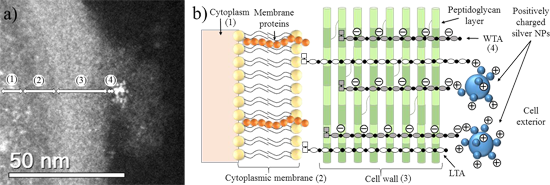
- pressure. MRSA is resistant to all ß-lactam antibiotics due to its production of an extra penicillin-binding protein (PBP2a) [8]. With scarce management options for MRSA, there is a pressing necessity for the development of novel bactericides [9]. S. aureus is capable of causing chronic bone and joint


Fabrication of hybrid nanocomposite scaffolds by incorporating ligand-free hydroxyapatite nanoparticles into biodegradable polymer scaffolds and release studies
Beilstein J. Nanotechnol. 2015, 6, 2217–2223, doi:10.3762/bjnano.6.227
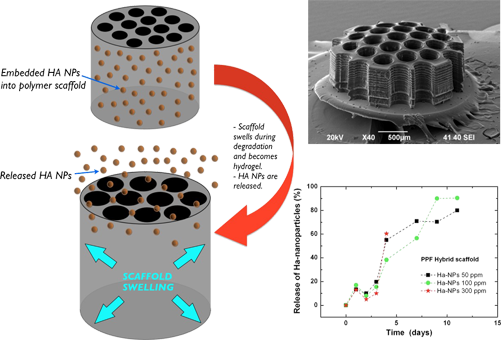
- gradual release of the hydroxyapatite nanoparticles over thin film biodegradation is reported. Keywords: biodegradable scaffolds; biodegradation; hydroxyapatite; laser ablation in liquid; stereolithography; Introduction Interfaces between osteochondral prosthetics and the surrounding bone tissue are of
- great importance with regard to the promotion and enhancement of biological fixation (firm bonding of the implant to the host bone by on-growth or ingrowth). Hydroxyapatite (HA) nanoparticles (NPs) are one of the most commonly used materials in osteochondral tissue engineering, since they bear chemical
- similarity to the mineral constituent of human bones, are bioactive and can be fairly easily bioconjugated [1]. HA NPs can enhance cell proliferation in bone tissue regeneration [2]. Tissue engineering is an interdisciplinary field that combines the principles of life sciences and engineering to improve


Electrochemical coating of dental implants with anodic porous titania for enhanced osteointegration
Beilstein J. Nanotechnol. 2015, 6, 2183–2192, doi:10.3762/bjnano.6.224
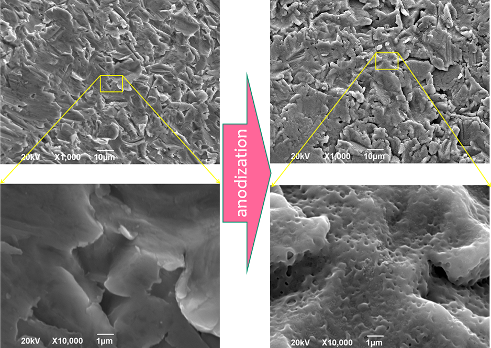
- is essential to all living cells for its interaction with polyphosphate compounds such as ATP, DNA and RNA, required by many enzymes for their functioning, and present in many pharmaceutical products. In the research literature, Mg has also been added to hydroxylapatite to support to bone formation


PLGA nanoparticles as a platform for vitamin D-based cancer therapy
Beilstein J. Nanotechnol. 2015, 6, 1306–1318, doi:10.3762/bjnano.6.135
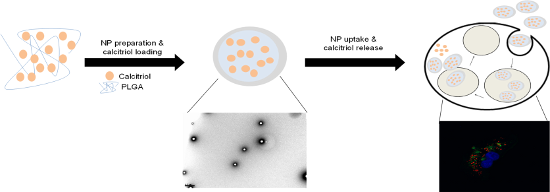
- targeting gene expression via both genomic and nongenomic pathways [1]. Although known as an important regulator of calcium homeostasis and bone mineralization [3], several studies support that vitamin D also plays a major role in tumor pathogenesis, progression and therapy [2]. Calcitriol is also regarded


Self-assembled anchor layers/polysaccharide coatings on titanium surfaces: a study of functionalization and stability
Beilstein J. Nanotechnol. 2015, 6, 617–631, doi:10.3762/bjnano.6.63
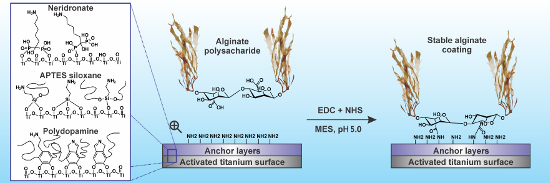
- and a thin, alginate hydrogel could be used in bone tissue engineering as a scaffold material that provides biologically active molecules. The main objective of this contribution is to characterize the activation and the functionalization of titanium surfaces by the covalent immobilization of
- ]. Chitosan/alginate, multilayered, 3D networks prepared by the layer-by-layer method enabled encapsulation of bone marrow stromal cells on the surface of dental or joint implants [18]. Polyelectrolyte (chitosan, poly(L-glutamic acid), and poly-L-lysine) coatings increased the surface ionic nature and
- roughness and the creation of a specific microscale texture due to oxidative treatments as observed in our study have been shown to enhance the rate of bone formation [12][45][46]. The decreased organic contamination and increased surface density of hydroxy groups on the activated surfaces is further