Search results
Search for "chemistry" in Full Text gives 1177 result(s) in Beilstein Journal of Nanotechnology. Showing first 200.
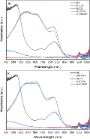
Colloidal few layered graphene–tannic acid preserves the biocompatibility of periodontal ligament cells
Beilstein J. Nanotechnol. 2025, 16, 664–677, doi:10.3762/bjnano.16.51
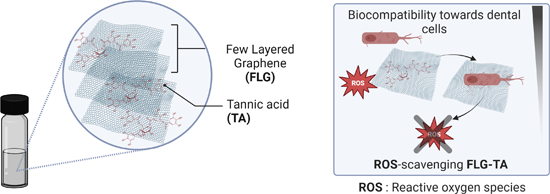
- . The cellular response on different graphene surfaces was previously studied, and it was demonstrated that substrate characteristics such as surface roughness, surface chemistry, and electronic properties can influence cell response [38]. The implications of these results are particularly significant




Nanoscale capacitance spectroscopy based on multifrequency electrostatic force microscopy
Beilstein J. Nanotechnol. 2025, 16, 637–651, doi:10.3762/bjnano.16.49

- Pascal N. Rohrbeck Lukas D. Cavar Franjo Weber Peter G. Reichel Mara Niebling Stefan A. L. Weber Max Planck Institute for Polymer Research, Ackermannweg 10, 55128 Mainz, Germany Department of Chemistry, University of Mainz, Duesbergweg 10-14, 55128 Mainz, Germany Department of Physics, University




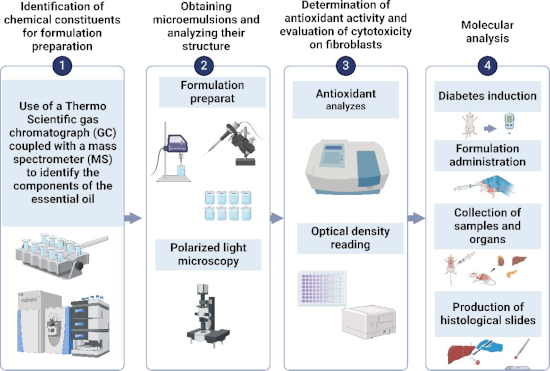
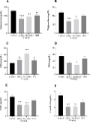
A formulation containing Cymbopogon flexuosus essential oil: improvement of biochemical parameters and oxidative stress in diabetic rats
Beilstein J. Nanotechnol. 2025, 16, 617–636, doi:10.3762/bjnano.16.48




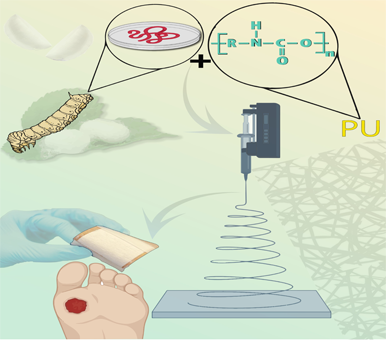
Polyurethane/silk fibroin-based electrospun membranes for wound healing and skin substitute applications
Beilstein J. Nanotechnol. 2025, 16, 591–612, doi:10.3762/bjnano.16.46
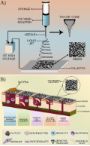
- , environmental engineering, and green chemistry [59]. This method facilitates the creation of highly porous 3D structures with an extensive surface area and desirable chemical and physical properties, making the resulting nanofibers ideal for applications such as biosensors, antimicrobial surfaces, scaffolds



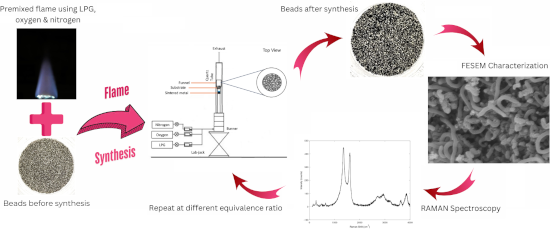
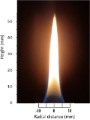
Feasibility analysis of carbon nanofiber synthesis and morphology control using a LPG premixed flame
Beilstein J. Nanotechnol. 2025, 16, 581–590, doi:10.3762/bjnano.16.45
- Laboratory (HiREF), Universiti Teknologi Malaysia, 81310 Johor Bahru, Malaysia Advanced Membrane Technology Research Center, Universiti Teknologi Malaysia, 81310 Johor Bahru, Malaysia Department of Chemistry, Faculty of Science, Universiti Teknologi Malaysia 81310 Johor Bahru, Malaysia Department of Physics



Nanomaterials in targeting amyloid-β oligomers: current advances and future directions for Alzheimer's disease diagnosis and therapy
Beilstein J. Nanotechnol. 2025, 16, 561–580, doi:10.3762/bjnano.16.44
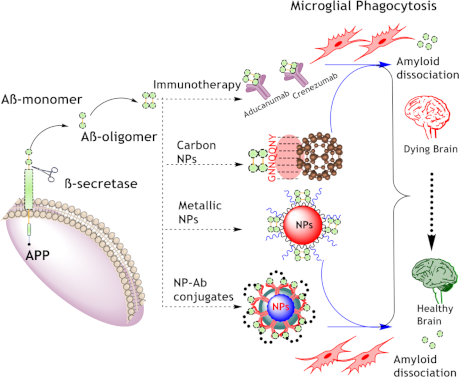
- nm AuNPs either accelerated fibril formation or had little impact on peptide aggregation [96]. In conclusion, these studies underscore the critical role of nanoparticle size, shape, and surface chemistry in modulating amyloid aggregation and inhibition. Smaller nanoparticles, particularly those


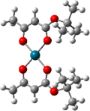
Electron beam-based direct writing of nanostructures using a palladium β-ketoesterate complex
Beilstein J. Nanotechnol. 2025, 16, 530–539, doi:10.3762/bjnano.16.41
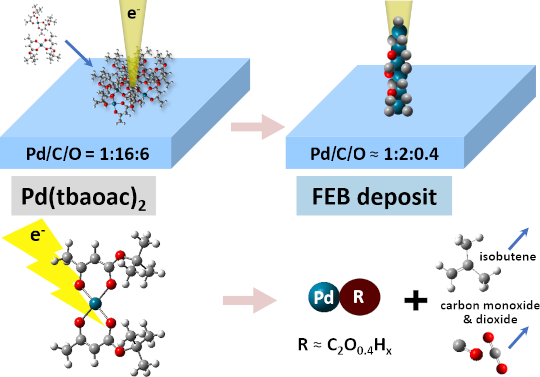
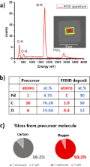
- Rennes, CNRS, IPR (Institut de Physique de Rennes) - UMR 6251, Rennes, France Faculty of Chemistry, Nicolaus Copernicus University in Toruń (NCU), Toruń, Poland 10.3762/bjnano.16.41 Abstract Gas-assisted focused electron beam-induced deposition (FEBID) as a direct, minimally invasive 3D nanopatterning
- and desorption mechanisms. Comparison with other precursors confirms that the β-ketoesterate family has the highest ligand removal percentage and constitutes thus an interesting model chemistry for further high-metal-content FEBID studies. The possibility of growing nanopillars makes this complex a


Impact of adsorbate–substrate interaction on nanostructured thin films growth during low-pressure condensation
Beilstein J. Nanotechnol. 2025, 16, 473–483, doi:10.3762/bjnano.16.36

- , crystallinity, and surface chemistry of the films is crucial for optimizing performance in these applications. In adsorption–desorption processes, where materials are deposited from the gas phase, experimental techniques enable the study the formation of clusters or islands of adsorbed molecules/atoms, which


Synthetic-polymer-assisted antisense oligonucleotide delivery: targeted approaches for precision disease treatment
Beilstein J. Nanotechnol. 2025, 16, 435–463, doi:10.3762/bjnano.16.34

- oligonucleotides, in which a short DNA sequence or a first-generation ASO is capped on both ends with second-generation ASOs, have been developed and combine the increase in binding affinity of 2′-modified residues with the RNase H activation from the DNA central region [31][32]. According to their chemistry and


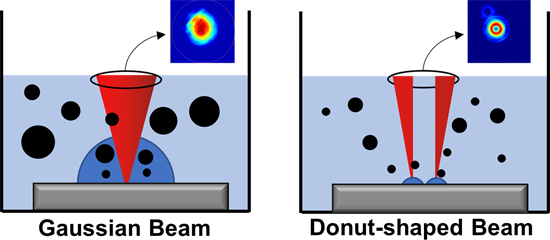
Size control of nanoparticles synthesized by pulsed laser ablation in liquids using donut-shaped beams
Beilstein J. Nanotechnol. 2025, 16, 407–417, doi:10.3762/bjnano.16.31
- , University of Wuppertal, 42119 Wuppertal, Germany HiLASE Centre, FZU - Institute of Physics of the Czech Academy of Sciences, Za Radnicí 828, 25241 Dolní Břežany, Czech Republic Technical Chemistry I and Center for Nanointegration Duisburg-Essen (CENIDE), University of Duisburg-Essen, 45141 Essen, Germany


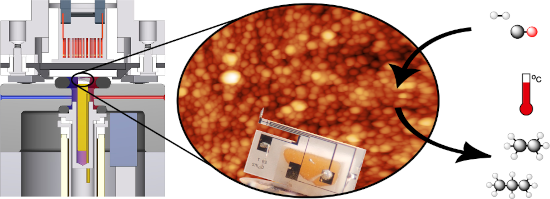
ReactorAFM/STM – dynamic reactions on surfaces at elevated temperature and atmospheric pressure
Beilstein J. Nanotechnol. 2025, 16, 397–406, doi:10.3762/bjnano.16.30
- Tycho Roorda Hamed Achour Matthijs A. van Spronsen Marta E. Canas-Ventura Sander B. Roobol Willem Onderwaater Mirthe Bergman Peter van der Tuijn Gertjan van Baarle Johan W. Bakker Joost W. M. Frenken Irene M. N. Groot Leiden Institute of Chemistry, Leiden University, Rapenburg 70, Leiden, 2311 EZ


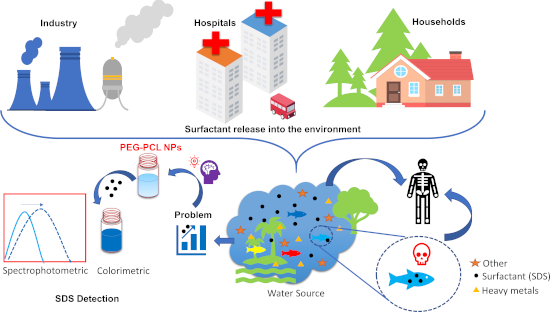
Engineered PEG–PCL nanoparticles enable sensitive and selective detection of sodium dodecyl sulfate: a qualitative and quantitative analysis
Beilstein J. Nanotechnol. 2025, 16, 385–396, doi:10.3762/bjnano.16.29
- larger estimate than the dry measurements obtained from TEM and SEM [32]. X-ray photoelectron spectroscopy, also known as electron spectroscopy for chemical analysis (ESCA), was used to analyze the surface chemistry of the PEG–PCL NPs. XPS is a powerful surface-sensitive technique that provides detailed


Development of a mucoadhesive drug delivery system and its interaction with gastric cells
Beilstein J. Nanotechnol. 2025, 16, 371–384, doi:10.3762/bjnano.16.28

- percentages ranging from 45% to 73% [62]. They concluded that this difference was not only due to the charge of the nanoparticles but also due to the different sizes of the formulations. In a recent study, the effects of surface charge and chemistry of the nanoparticles on their penetration abilities were


Pulsed laser in liquid grafting of gold nanoparticle–carbon support composites
Beilstein J. Nanotechnol. 2025, 16, 349–361, doi:10.3762/bjnano.16.26
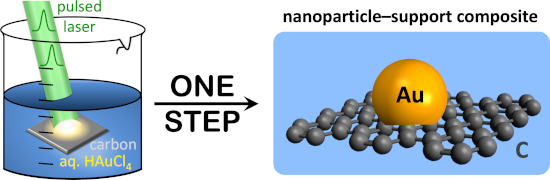
- Madeleine K. Wilsey Teona Taseska Qishen Lyu Connor P. Cox Astrid M. Muller Material Science Program, University of Rochester, Rochester, New York 14627, United States Department of Chemical Engineering, University of Rochester, Rochester, New York 14627, United States Department of Chemistry
- reactive pulsed laser in liquid nanomaterial fabrication [1]. Reductive and oxidative solution chemistries are widely available and well investigated in wet chemistry contexts [17][77][78][79][80][81]. Our novel ability to utilize general solution chemistry toolkits to prepare tailored nanoparticles


Graphene oxide–chloroquine conjugate induces DNA damage in A549 lung cancer cells through autophagy modulation
Beilstein J. Nanotechnol. 2025, 16, 316–332, doi:10.3762/bjnano.16.24
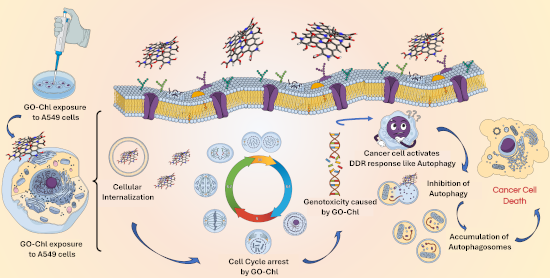
- , until a dark brownish precipitate appeared, followed by addition of 1.5 mL of H2O2 (30%) and 100 mL of ice-cold ultrapure water to stop the oxidation reaction and eliminate unreacted KMnO4. The chemistry involved in the chemical exfoliation of graphite is shown in Figure 1. The purified graphitic sheets



Emerging strategies in the sustainable removal of antibiotics using semiconductor-based photocatalysts
Beilstein J. Nanotechnol. 2025, 16, 264–285, doi:10.3762/bjnano.16.21
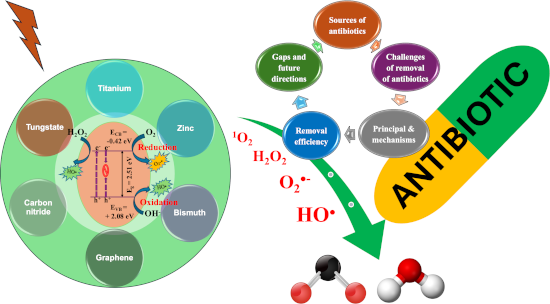
- Yunus Ahmed Keya Rani Dutta Parul Akhtar Md. Arif Hossen Md. Jahangir Alam Obaid A. Alharbi Hamad AlMohamadi Abdul Wahab Mohammad Department of Chemistry, Chittagong University of Engineering and Technology, Chattogram-4349, Bangladesh Institute of River, Harbor and Environmental Science
- sites, slow kinetics of surface reactions, and the reduced mobility of charges, resulting in electron delocalization [99][100]. The molecular rearrangement of g-C3N4 has been the subject of recent research because of its potential to alter the surface chemistry and textural structure [101]. This



Preferential enrichment and extraction of laser-synthesized nanoparticles in organic phases
Beilstein J. Nanotechnol. 2025, 16, 254–263, doi:10.3762/bjnano.16.20
- Theo Fromme Maximilian L. Spiekermann Florian Lehmann Stephan Barcikowski Thomas Seidensticker Sven Reichenberger Technical Chemistry I and Center for Nanointegration Duisburg-Essen (CENIDE), University of Duisburg-Essen, Universitätsstrasse 7, 45141 Essen, Germany Department for Biochemical and
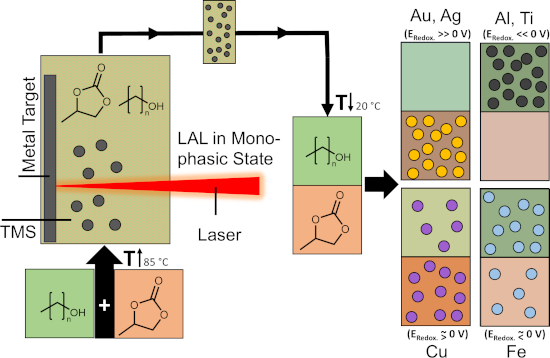
- Chemical Engineering, Laboratory for Industrial Chemistry, TU Dortmund University, Emil-Figge-Str. 66, 44227 Dortmund, Germany 10.3762/bjnano.16.20 Abstract Pulsed laser ablation in liquids (LAL) is an established preparation method of nanoparticles and catalysts, which additionally allows to chemically
- properties and surface chemistry of the gained colloids. The use of organic solvents as liquid may result in reactive LAL processes [1][10] that cause elements from the solvent molecules (and solutes) to be part of the final nanoparticle’s composition. The solvent decomposition induced by laser-based




Correction: AFM-IR investigation of thin PECVD SiOx films on a polypropylene substrate in the surface-sensitive mode
Beilstein J. Nanotechnol. 2025, 16, 252–253, doi:10.3762/bjnano.16.19

- Hendrik Muller Hartmut Stadler Teresa de los Arcos Adrian Keller Guido Grundmeier Technical and Macromolecular Chemistry, Paderborn University, Warburger Str. 100, 33098 Paderborn, Germany Bruker Nano Surfaces and Metrology Division, Östliche Rheinbrückenstr. 49, 76187 Karlsruhe, Germany 10.3762
Radiosensitizing properties of dual-functionalized carbon nanostructures loaded with temozolomide
Beilstein J. Nanotechnol. 2025, 16, 229–251, doi:10.3762/bjnano.16.18
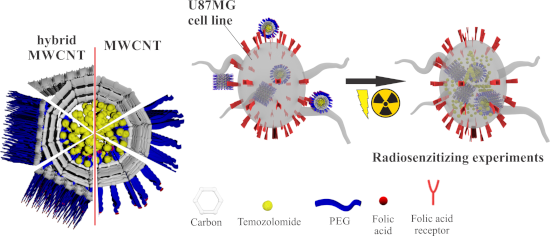
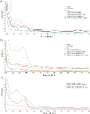
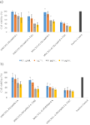
- . 45, 1000 Skopje, Republic of North Macedonia Institute of Chemistry, Faculty of Natural Sciences and Mathematics, Ss. Cyril and Methodius University in Skopje, Str. Arhimedova No. 5, 1000 Skopje, Republic of North Macedonia University Clinic of Radiotherapy and Oncology, Faculty of Medicine, Ss




Recent advances in photothermal nanomaterials for ophthalmic applications
Beilstein J. Nanotechnol. 2025, 16, 195–215, doi:10.3762/bjnano.16.16
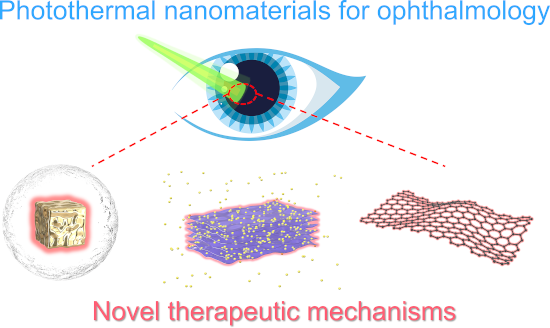
- therapeutic effects in humans [213]. The safety profile of photothermal nanomaterials is influenced by various factors, including their morphology, structure, concentration, photothermal stability, mechanical strength, and surface chemistry [214]. Enhancements in biocompatibility and stability can be achieved


Probing the potential of rare earth elements in the development of new anticancer drugs: single molecule studies
Beilstein J. Nanotechnol. 2025, 16, 187–194, doi:10.3762/bjnano.16.15

- -molecule force spectroscopy using optical tweezers (OT) on DNA complexes formed with the three rare earths at various concentrations. The mechanical properties of these complexes were then determined as a function of the element concentration. From these data, the physical chemistry of the interaction was
- a binding isotherm that captures the physical chemistry of such interaction via the parameter r. A well-known binding isotherm is the Hill model, which is the simplest isotherm that accounts for cooperativity in binding reactions [19], where Cf is the free (not bound to DNA) ligand concentration, K


A review of metal-organic frameworks and polymers in mixed matrix membranes for CO2 capture
Beilstein J. Nanotechnol. 2025, 16, 155–186, doi:10.3762/bjnano.16.14
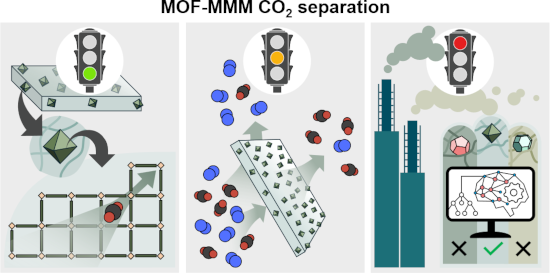
- exceptional gas adsorption capabilities. Furthermore, MOFs are inherently more compatible with the organic polymer matrix than regular inorganic fillers, as they have organic linkers as a fundamental structural component. Specifically, utilizing a linker with similar chemistry to the membrane polymer and its
- functional groups can drastically enhance MOF-membrane polymer compatibility [24]. Last, the rich MOF chemistry and tunability pave the way to advanced MMMs with specialized functionality for CO2 separation. For MOF-integrated MMM fabrication, the MOF–polymer matrix interface is crucial to its CO2 separation




Clays enhanced with niobium: potential in wastewater treatment and reuse as pigment with antibacterial activity
Beilstein J. Nanotechnol. 2025, 16, 141–154, doi:10.3762/bjnano.16.13
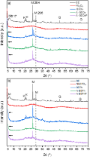
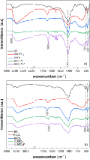
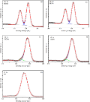
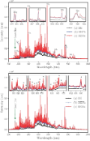
- Silvia Jaerger Patricia Appelt Mario Antonio Alves da Cunha Fabian Ccahuana Ayma Ricardo Schneider Carla Bittencourt Fauze Jaco Anaissi Federal University of Technology - Paraná - UTFPR, Campus Toledo, Rua Cristo Rei, 19. 85902-490, Toledo, Brazil Chemistry Department, Universidade Estadual do
- Centro-Oeste, Guarapuava 85040-167, PR, Brazil Department of Chemistry, Universidade Tecnológica Federal do Paraná, Pato Branco 85503-390, Brazil Chimie des Interactions PlaBEa-Surface (ChIPS), Research Institute for Materials Science and Engineering, University of Mons, 7000 Mons, Belgium 10.3762
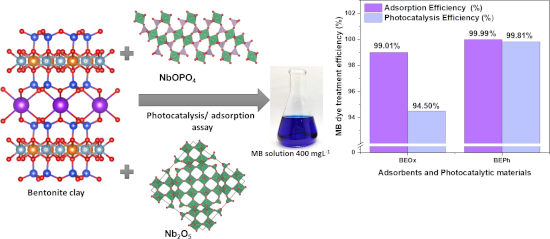
- intense blue cationic dye important in medical sciences, chemistry, and biology, as well as widely used in the textile industry [2]. Prolonged exposure to MB can result in adverse health effects, including abdominal disorders, respiratory distress, skin sensitization, and blindness [3]. The dark blue



Nanocarriers and macrophage interaction: from a potential hurdle to an alternative therapeutic strategy
Beilstein J. Nanotechnol. 2025, 16, 97–118, doi:10.3762/bjnano.16.10
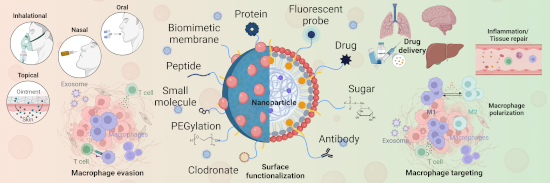
- influence PC formation and NC clearance, including NP size, surface charge, hydrophobicity, surface chemistry, and the encountered biological fluid [37][38][39]. NPs larger than 200 nm in size tend to accumulate in the liver and spleen, while those with a diameter of less than 10 nm are rapidly eliminated


Modeling and simulation of carbon-nanocomposite-based gas sensors
Beilstein J. Nanotechnol. 2025, 16, 90–96, doi:10.3762/bjnano.16.9
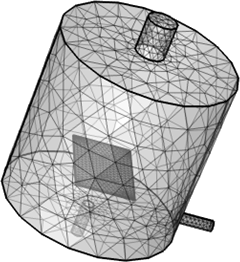
- (reaction engineering, transport of diluted species, laminar flow, and chemistry interface), create the geometry of the sensor within a gas chamber, and select the materials. We then set up the physics with boundary conditions, mesh the geometry using tetrahedral and triangular elements, and define study