Search results
Search for "environmental" in Full Text gives 607 result(s) in Beilstein Journal of Nanotechnology. Showing first 200.
Insights into the electronic and atomic structures of cerium oxide-based ultrathin films and nanostructures using high-brilliance light sources
Beilstein J. Nanotechnol. 2025, 16, 860–871, doi:10.3762/bjnano.16.65

- ; Introduction Transition metal oxides in the form of thin films or nanostructures find extensive use in sustainable energy technologies [1][2]. They serve as active materials or supports for catalysts for various chemical reactions, essential to energy conversion, sensing, and environmental remediation [3][4
- field of environmental remediation [9]. The related ability of the material to easily store and release oxygen also plays a key role in energy conversion technologies, including fuel cells and batteries [10][11]. Gas sensing applications of ceria-based materials are based on the modifications of the


Synthesis and magnetic transitions of rare-earth-free Fe–Mn–Ni–Si-based compositionally complex alloys at bulk and nanoscale
Beilstein J. Nanotechnol. 2025, 16, 823–836, doi:10.3762/bjnano.16.62
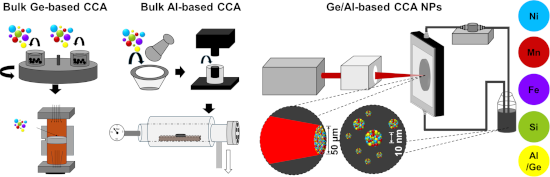
- potential to replace rare earth elements in magnetic materials [18]. The development of rare-earth-free or rare-earth-lean magnets is critical because of the economic, environmental, and supply chain challenges associated with rare earth elements [19][20]. For instance, mining and processing of rare earths
- are linked to significant environmental risks, while geopolitical factors pose supply chain vulnerabilities [21]. By avoiding the use of rare earth elements, CCAs present a sustainable alternative for functional magnetic materials [14]. Specifically, MnTX-based CCA alloys (where T is the transition
- ], wear resistant coatings [29], environmental [30], biomedical [31], magnetic [32] and electronic [33] technologies. In magnetic NPs, a key feature is the superparamagnetic blocked-to-superparamagnetic fluctuating transition, which occurs at a characteristic blocking temperature (TB). Below TB, NPs


Supramolecular hydration structure of graphene-based hydrogels: density functional theory, green chemistry and interface application
Beilstein J. Nanotechnol. 2025, 16, 806–822, doi:10.3762/bjnano.16.61
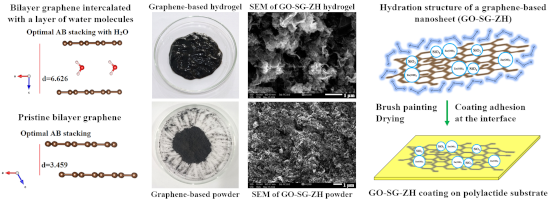
- graphene oxide, silica gel, nanosilica–zinc hydroxide, and graphene oxide–nanosilica–zinc hydroxide nanocomposites. The chemical methods used saved chemical reagents and production energy, converted rice hush ash waste into nanosilica, improved materials quality, and contributed to environmental


Morphology and properties of pyrite nanoparticles obtained by pulsed laser ablation in liquid and thin films for photodetection
Beilstein J. Nanotechnol. 2025, 16, 785–805, doi:10.3762/bjnano.16.60
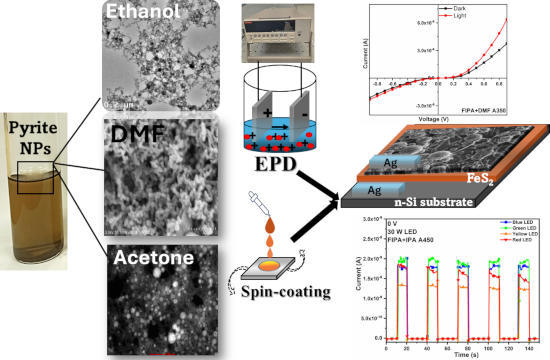
- related to FeS2 [3]. Pyrite has shown outstanding performance and a long shelf life as a high-capacity cathode and has been utilized in batteries [4]. Pyrite has also been identified as a promising material for effectively removing environmental contaminants in the environment near the surface of the
- -powered PDs, as opposed to conventional PDs, are well suited to operate in challenging environments and their applications and benefits in fields such as wireless environmental sensing, chemical and biosensing, in situ medical-therapy monitoring are explained in detail by Xu et al. in their review [34






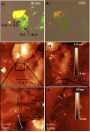
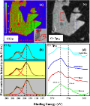
Thickness dependent oxidation in CrCl3: a scanning X-ray photoemission and Kelvin probe microscopies study
Beilstein J. Nanotechnol. 2025, 16, 749–761, doi:10.3762/bjnano.16.58
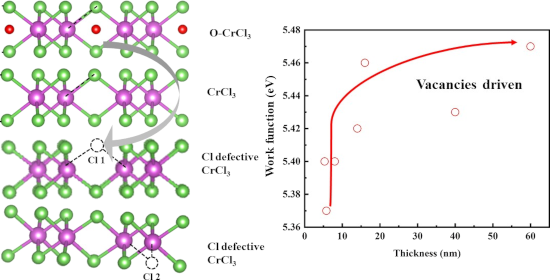
- -dimensional material; work function; Introduction The family of chromium-based trihalides has garnered significant interest in recent years, particularly after the remarkable discovery of long-lasting magnetism in a single layer of CrI3 [1]. In our previous reports, we dealt with the environmental stability






Synthesis of a multicomponent cellulose-based adsorbent for tetracycline removal from aquaculture water
Beilstein J. Nanotechnol. 2025, 16, 728–739, doi:10.3762/bjnano.16.56
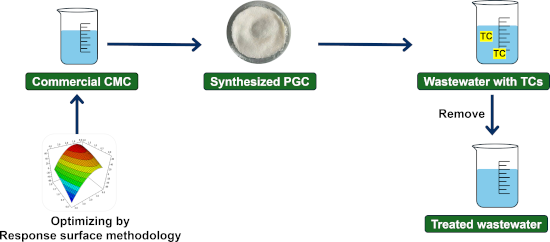
- , Chungnam National University, Daejeon 34134, Republic of Korea 10.3762/bjnano.16.56 Abstract Excessive use of tetracycline (TC) antibiotics in aquaculture, particularly in Vietnam, has contributed to environmental contamination and economic losses. To address this problem, we developed a novel cellulose
- hurdles. Photochemical processes have also garnered significant research interest for tetracycline antibiotic removal, leveraging UV radiation [8][9]. While this approach offers cost-effectiveness, simplicity, and environmental benefits, its efficacy is strongly influenced by the compound’s adsorption
- , this adsorbent offers a sustainable alternative to synthetic materials that pose environmental risks. In addition to wastewater treatment, this material could be utilized in medicine, pharmaceuticals, air purification, and environmental monitoring. Results and Discussion Experimental optimization


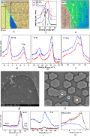
Nanostructured materials characterized by scanning photoelectron spectromicroscopy
Beilstein J. Nanotechnol. 2025, 16, 700–710, doi:10.3762/bjnano.16.54

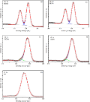
- , environmental reliability, and operando capabilities. Scanning photoelectron spectromicroscopy (SPEM) is one of the characterization tools that combine high spectral resolution X-ray photoelectron spectroscopy with submicron spatial resolution. In particular, the SPEM equipment hosted at the ESCA microscopy


Colloidal few layered graphene–tannic acid preserves the biocompatibility of periodontal ligament cells
Beilstein J. Nanotechnol. 2025, 16, 664–677, doi:10.3762/bjnano.16.51
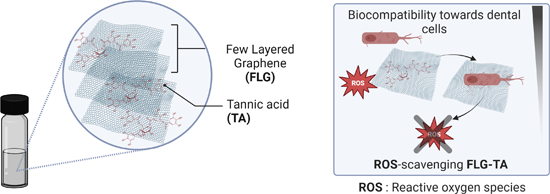
- and environmental impact, limiting their practical use [10][11][14]. This has sparked growing interest in more sustainable and biocompatible alternatives. Tannic acid (TA), a naturally derived polyphenolic compound, has shown promise as a bio-derived surfactant for graphene exfoliation [14][15




Aprepitant-loaded solid lipid nanoparticles: a novel approach to enhance oral bioavailability
Beilstein J. Nanotechnol. 2025, 16, 652–663, doi:10.3762/bjnano.16.50
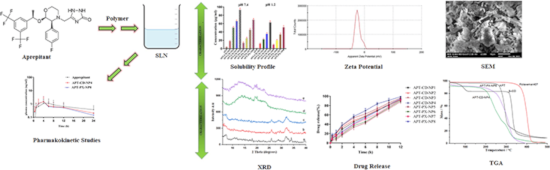
- after one, two, three, and six months [33]. In vivo pharmacokinetic studies Study protocol 10 male rabbits (2 kg body weight) were housed in an animal house under standard environmental conditions of 22 ± 3 °C and 45% relative humidity under a 12 h dark/light cycle (Faculty of Pharmacy, University of


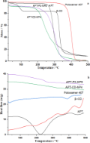
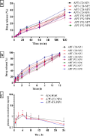

Polyurethane/silk fibroin-based electrospun membranes for wound healing and skin substitute applications
Beilstein J. Nanotechnol. 2025, 16, 591–612, doi:10.3762/bjnano.16.46
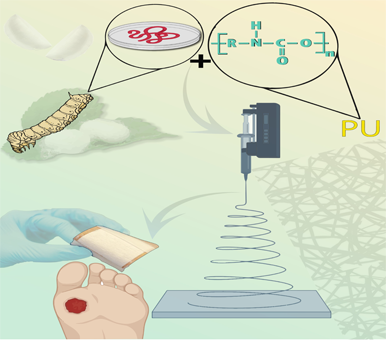
- , and regulatory organ. It protects us from microbes and environmental harmful elements, controls body temperature, and gives the sensation of heat, cold, pain, pressure, and touch [24]. Epidermis, dermis, and hypodermis are the three primary layers of the skin [25]. The integrity of the skin can be
- , environmental engineering, and green chemistry [59]. This method facilitates the creation of highly porous 3D structures with an extensive surface area and desirable chemical and physical properties, making the resulting nanofibers ideal for applications such as biosensors, antimicrobial surfaces, scaffolds
- engineering scaffolds [95]. An essential basis for using these natural proteins for biomedical applications is their relative environmental stability in contrast to globular proteins, along with their options for gene-customizing sequences [96]. SF has been extensively utilized in designing matrix scaffolds





Nanomaterials in targeting amyloid-β oligomers: current advances and future directions for Alzheimer's disease diagnosis and therapy
Beilstein J. Nanotechnol. 2025, 16, 561–580, doi:10.3762/bjnano.16.44
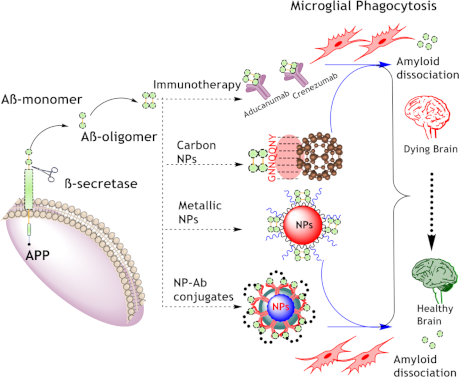
- exist in equilibrium with monomeric and fibrillar forms. This dynamic nature poses a challenge for therapies that rely on specific binding, as the target may change rapidly in response to environmental factors or therapeutic intervention. As a result, the predominant strategies for targeting AβOs have


Synthetic-polymer-assisted antisense oligonucleotide delivery: targeted approaches for precision disease treatment
Beilstein J. Nanotechnol. 2025, 16, 435–463, doi:10.3762/bjnano.16.34

- activity and nucleic acid catalysis, effectively bridging the gap between short oligomers and functional RNAs under various environmental conditions. In addition to a delivery enhancer, PLL can be efficiently employed as an antisense oligonucleotide condenser. In their exploration of advanced drug delivery


Quantification of lead through rod-shaped silver-doped zinc oxide nanoparticles using an electrochemical approach
Beilstein J. Nanotechnol. 2025, 16, 422–434, doi:10.3762/bjnano.16.33
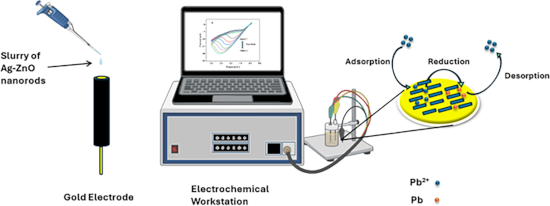
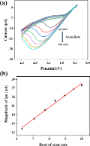
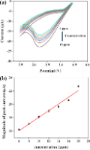
- their acute exposure leads to chronic disorders by affecting organ functions [2]. For example, lead poisoning in liquid effluents, is one of the worst environmental hazards which can affect human health and readily impact immune responses [3]. Due to the detrimental effects on the environment and human
- medicine, electronics, environmental remediation, and energy [10][11]. The use of certain metal dopants to modify the chemical, optical, and electrical features of a material has gained considerable interest in the realm of semiconductor technology. A recent study has conducted thorough investigations into
- , environmental impact, can cause electrode corrosion, enhances interference, and is incompatible with real-life or biological samples. Therefore, PBS with pH 7 has been used for electrochemical studies since it provides a stable pH, which is crucial for maintaining consistent electrochemical conditions during





Biomimetics and bioinspired surfaces: from nature to theory and applications
Beilstein J. Nanotechnol. 2025, 16, 418–421, doi:10.3762/bjnano.16.32

- environmental pressures. Such pressures involve intricate interactions between surface structures and the environment across different scales, including nano-, micro-, and macroscales. Biomimetics aims at making use of understanding how these adaptations and the particular material properties of these surfaces

Engineered PEG–PCL nanoparticles enable sensitive and selective detection of sodium dodecyl sulfate: a qualitative and quantitative analysis
Beilstein J. Nanotechnol. 2025, 16, 385–396, doi:10.3762/bjnano.16.29
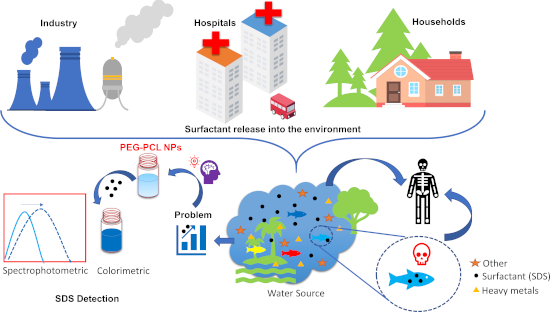
- selectivity and sensitivity for SDS detection, making it a promising analytical tool for rapid and onsite estimation. Keywords: Bradford reagent; environmental monitoring; PEG–PCL nanoparticles; SDS; SDS detection; Introduction Sodium dodecyl sulfate (SDS), or sodium lauryl sulfate, is an anionic surfactant
- need to develop qualitative and quantitative methods for its detection. The SDS estimation is necessary due to its harmful environmental impact, as its use has significantly increased. Exposure to varying concentrations of sodium dodecyl sulfate elicited morphological alterations in the kidney and
- hypothesize that PEG–PCL NPs can serve as effective colorimetric probes for SDS detection, addressing the need for a rapid, nontoxic, selective, and cost-effective environmental and human health protection sensor. The current study is based on developing a colorimetric/spectrometric sensing probe for SDS


Tailoring of physical properties of RF-sputtered ZnTe films: role of substrate temperature
Beilstein J. Nanotechnol. 2025, 16, 333–348, doi:10.3762/bjnano.16.25
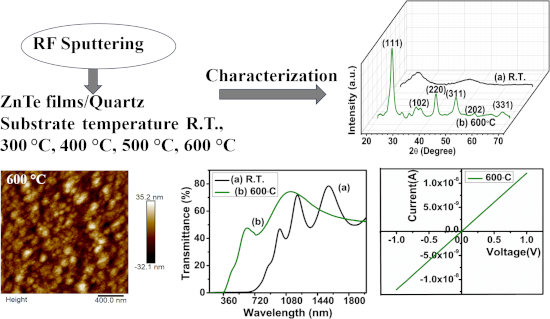
- fossil fuels to fulfil the growing demands of energy results in environmental pollution. Environmentally friendly resources such as solar and wind energy can act as a substitute for these non-renewable energy resources because of their sustainability and abundance. Commonly, silicon-based solar cells are




Enhancing mechanical properties of chitosan/PVA electrospun nanofibers: a comprehensive review
Beilstein J. Nanotechnol. 2025, 16, 286–307, doi:10.3762/bjnano.16.22

- conductivity. Finally, environmental parameters include relative humidity and temperature [15]. Chitosan, a widely utilized material in electrospun nanofiber membranes, is derived from the crystalline microfibrils of crustaceans, including crabs and prawns. It is biodegradable and exhibits a high capacity for
- environmental stresses in each of these applications. These forces could cause the nanofibers to fail or become permanently deformed, potentially rendering the entire device inoperative. Thus, before using these materials in particular fields, it is essential to take their mechanical properties into


Emerging strategies in the sustainable removal of antibiotics using semiconductor-based photocatalysts
Beilstein J. Nanotechnol. 2025, 16, 264–285, doi:10.3762/bjnano.16.21
- Yunus Ahmed Keya Rani Dutta Parul Akhtar Md. Arif Hossen Md. Jahangir Alam Obaid A. Alharbi Hamad AlMohamadi Abdul Wahab Mohammad Department of Chemistry, Chittagong University of Engineering and Technology, Chattogram-4349, Bangladesh Institute of River, Harbor and Environmental Science
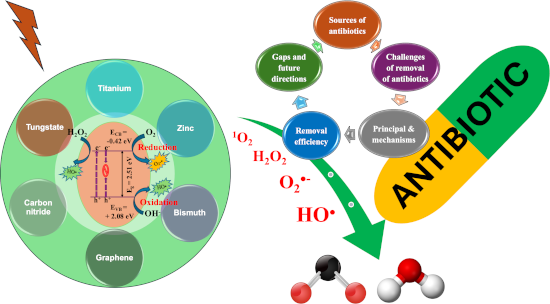
- Emirates 10.3762/bjnano.16.21 Abstract In the constantly growing field of environmental sustainability, the threat of newly discovered pollutants, particularly antibiotics, has become a crucial concern. The widespread presence of these pharmaceutical substances in water sources presents a complex hazard
- antibiotics has raised public concern, especially because they are environmental contaminants originating from human and animal waste [5]. These antibiotics can persist without change or as active metabolites in the environment, posing significant toxicity risks to aquatic and human life [6][7][8]. The



Synthesis and the impact of hydroxyapatite nanoparticles on the viability and activity of rhizobacteria
Beilstein J. Nanotechnol. 2025, 16, 216–228, doi:10.3762/bjnano.16.17
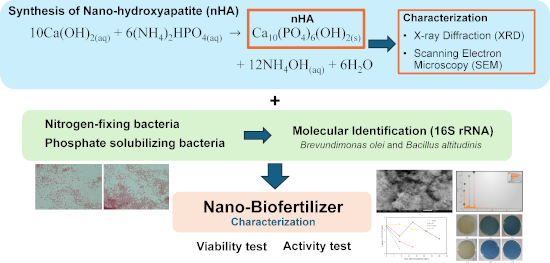
- rhizobacteria during plant application poses a significant challenge when utilizing rhizobacteria as biofertilizers, especially under adverse environmental conditions. Therefore, the selection of a suitable carrier material for rhizobacteria plays a crucial role in ensuring the sustained viability of these
- of both soil and water, and disruption of the natural ecosystem balance [1]. To tackle these pressing environmental challenges, a promising solution lies in adopting biofertilizers in agriculture, which involve harnessing microorganisms like plant growth promoting rhizobacteria. These microorganisms
- challenge when utilizing rhizobacteria as biofertilizers, particularly under adverse environmental conditions. Selecting an appropriate carrier material for rhizobacteria ensures their sustained viability. The primary function of the carrier material is to protect rhizobacteria from external stressors and


Recent advances in photothermal nanomaterials for ophthalmic applications
Beilstein J. Nanotechnol. 2025, 16, 195–215, doi:10.3762/bjnano.16.16
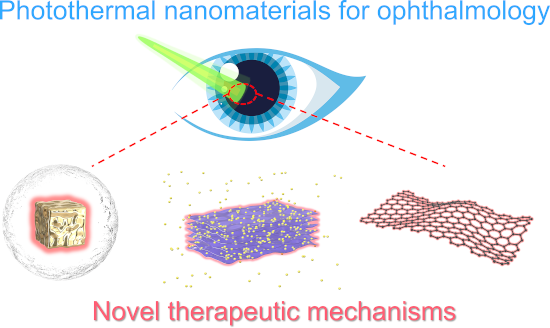
- specialized organs [155][156][157]. This capability allows them to overlay thermal and visual images, resulting in a more sensitive response to environmental changes [158][159]. Nelidova et al. [160] innovatively combined Au nanorods, known for their efficient absorption of infrared light, with temperature
- , representing a significant stride forward in enhancing human environmental perception capabilities. 3.7 Facilitating drug delivery to the retina The retina is the crucial visual tissue that converts light signals into nerve signals and transmits them to the brain. Functional damage of the retina often leads to


A review of metal-organic frameworks and polymers in mixed matrix membranes for CO2 capture
Beilstein J. Nanotechnol. 2025, 16, 155–186, doi:10.3762/bjnano.16.14
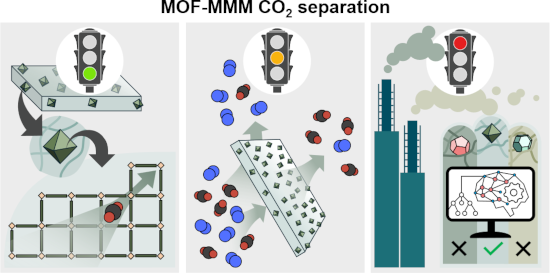
- unprecedented climate change with profound ecological and environmental consequences [1]. Therefore, the urgency of mitigating the environmental impact of elevated CO2 levels raises a strong motivation to achieve large-scale reduction of CO2 emissions [2]. In this context, CO2 capture processes have received




Clays enhanced with niobium: potential in wastewater treatment and reuse as pigment with antibacterial activity
Beilstein J. Nanotechnol. 2025, 16, 141–154, doi:10.3762/bjnano.16.13
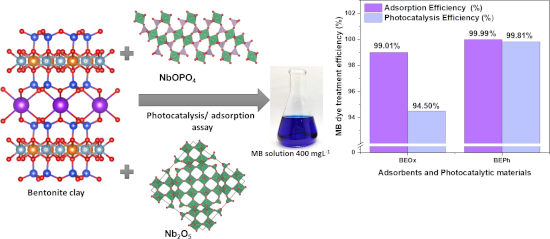
- ; Introduction The most found dye pollutants in wastewater on a global scale originate from textile, plastic, paper, food, cosmetics, mineral, and pharmaceutical industries, among others, resulting in significant environmental impacts [1]. Dyes, as chemical compounds that impart color to different materials
- explore remedial strategies for MB, especially considering the water scarcity challenges that many countries face [3]. To satisfy environmental regulations, a range of wastewater treatment technologies with inherent advantages and limitations are available, encompassing processes such as advanced



Comparison of organic and inorganic hole transport layers in double perovskite material-based solar cell
Beilstein J. Nanotechnol. 2025, 16, 119–127, doi:10.3762/bjnano.16.11
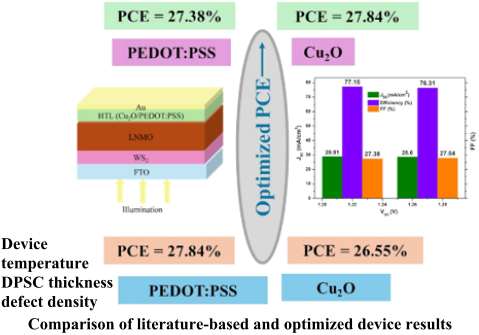
- under ambient conditions with humidity levels of 35–40%. Here, 3,4-dihydroxyphenethylamine hydrochloride (3,4-DpACl) was used as an additive during perovskite fabrication. Despite significant research efforts, there are stability issues when working under critical environmental conditions, which is an
- corner-sharing BO6 and B′O6 units featuring a rock salt-like arrangement [10][11]. The commercialization of PSCs is impeded because of toxicity and long-term instability. DPSCs turned out to be better than PSCs because of better tunability, higher environmental stability, and higher efficiency. In DPSCs


Nanocarriers and macrophage interaction: from a potential hurdle to an alternative therapeutic strategy
Beilstein J. Nanotechnol. 2025, 16, 97–118, doi:10.3762/bjnano.16.10

- involves a complex interplay of genetic predispositions, environmental triggers, and immune system dysregulation. Patients with AIH often present non-specific symptoms such as fatigue, jaundice, abdominal pain, and hepatomegaly, making early diagnosis challenging. Laboratory findings commonly include


Characterization of ZnO nanoparticles synthesized using probiotic Lactiplantibacillus plantarum GP258
Beilstein J. Nanotechnol. 2025, 16, 78–89, doi:10.3762/bjnano.16.8
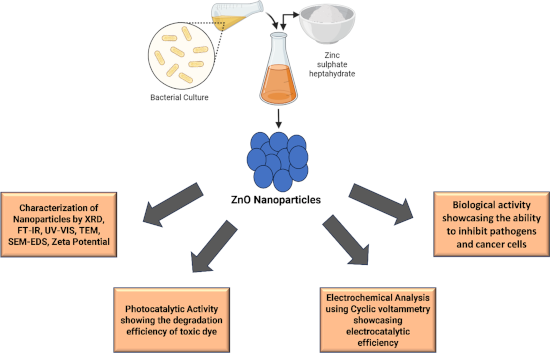
- concerns about environmental and biological compatibility. In contrast, green synthesis methods, which use biological agents, such as plants, algae, fungi, and bacteria, under milder, more sustainable conditions offer a more eco-friendly and biocompatible approach to NP production, especially for
- studies underscored the efficacy of ZnO NPs in photocatalytic degradation and emphasized their potential applications in environmental remediation and catalysis. Because there is a lack of cyclic voltammetry studies using similar biological sources, we expanded our comparison to include ZnO NPs
- , suggesting their potential utility in environmental contexts and as biomedical coatings. Conclusion This work effectively proved the use of native lactic acid bacteria as capping and reducing agents in the green synthesis of ZnO NPs. The NPs exhibited potential structural, optical, and biological qualities