


Search results
Search for "evolution" in Full Text gives 706 result(s) in Beilstein Journal of Nanotechnology. Showing first 200.
Tailoring of physical properties of RF-sputtered ZnTe films: role of substrate temperature
Beilstein J. Nanotechnol. 2025, 16, 333–348, doi:10.3762/bjnano.16.25
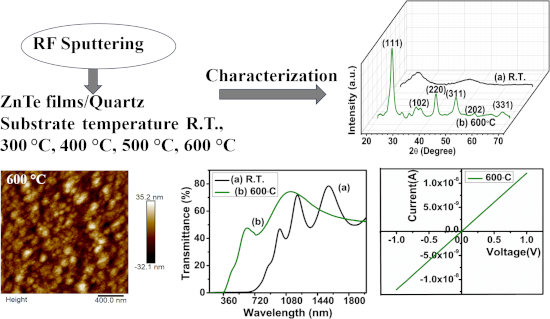
- form on the substrate surface. With the increase in substrate temperature, mobility and diffusion rate of atoms increase, which results in the evolution of grains that further recrystallize at higher substrate temperatures [28]. The observed variation in the crystallite size is due to changes in
- Equation 4, and it decreases with increasing substrate temperature. The high value of crystallinity and low value of microstrain and dislocation density at 600 °C shows that good quality films can be fabricated at this temperature. Morphological investigation AFM was utilized to study the evolution of
- is divided into various spatial wavelengths, and a comparative study of roughness is done over different frequency ranges. Figure 3 depicts the log–log plot for the evolution of PSD with spatial frequency (q) for ZnTe/QZ films deposited at different substrate temperatures. The information about




Synthesis and the impact of hydroxyapatite nanoparticles on the viability and activity of rhizobacteria
Beilstein J. Nanotechnol. 2025, 16, 216–228, doi:10.3762/bjnano.16.17
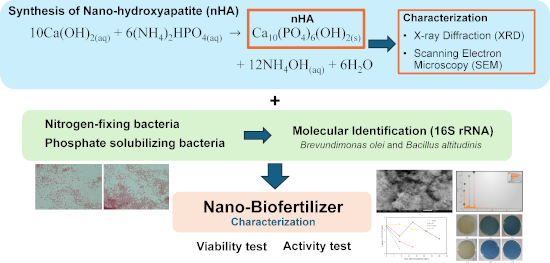
- index of p-distance values between pairs of organisms to group them together. However, this method may result in trees with misaligned branch lengths between organisms as it assumes that the rate of evolution for the same gene among organisms is not uniform. The Pd rhizobacterium was identified as


Recent advances in photothermal nanomaterials for ophthalmic applications
Beilstein J. Nanotechnol. 2025, 16, 195–215, doi:10.3762/bjnano.16.16
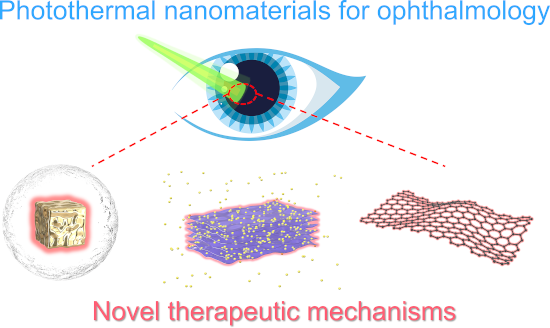
- treatments pose significant barriers [5]. The evolution of nanotechnology has catalyzed the development of novel therapeutic technologies, with a plethora of nanomaterials exhibiting significant potential for nanotherapeutic applications [6][7][8]. Among these, photothermal nanomaterials hold promise in
- -throughput testing techniques are expected to make substantial contributions to the advancement of ophthalmic photothermal nanomaterial development [221]. The evolution of photothermal nanomaterial technology represents just one facet of the multifaceted challenge posed by ophthalmic diseases. Comprehensive


A review of metal-organic frameworks and polymers in mixed matrix membranes for CO2 capture
Beilstein J. Nanotechnol. 2025, 16, 155–186, doi:10.3762/bjnano.16.14
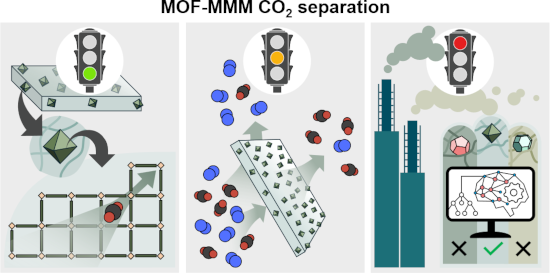




Nanocarriers and macrophage interaction: from a potential hurdle to an alternative therapeutic strategy
Beilstein J. Nanotechnol. 2025, 16, 97–118, doi:10.3762/bjnano.16.10
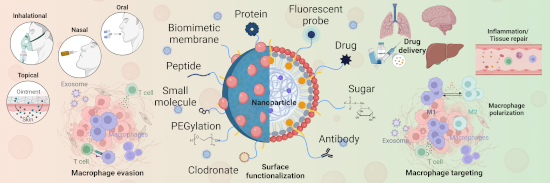
- decades of technological evolution, during which NCs have become indispensable components of drug delivery systems, known for their adaptability and efficiency [2]. The “family” of nanoparticles (NPs) includes a broad range of materials such as lipids, polymers, proteins, dextran, silica [3], and metals


Precursor sticking coefficient determination from indented deposits fabricated by electron beam induced deposition
Beilstein J. Nanotechnol. 2025, 16, 35–43, doi:10.3762/bjnano.16.4

- . Deposit shapes from the three distinct growth regimes. Evolution of an indented deposit with beam size and growth regimes of an indented deposit with a plateau. 3D images from AFM scans of depositions with the Cr-precursor fabricated using 5 keV at a 400 pA beam (a, c). In the right corner are the beam


Fabrication of hafnium-based nanoparticles and nanostructures using picosecond laser ablation
Beilstein J. Nanotechnol. 2024, 15, 1639–1653, doi:10.3762/bjnano.15.129
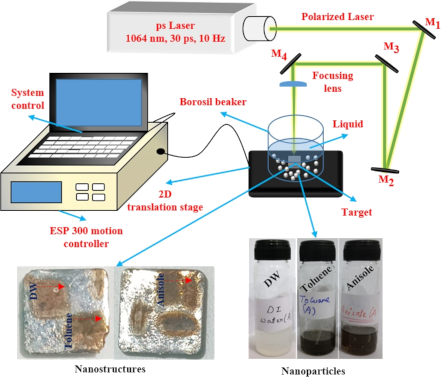
- Horiba LabRAM HR Evolution (Excitation: 325 nm, Lens: 40×, spot size: 1 μm) was used. Image J software was used to extract spatial periodicities and to generate 2D fast Fourier transform images (2D FFT) of the Hf surface structures. Results and Discussion Nanoparticles Figure 3 shows TEM images, the




Ultrablack color in velvet ant cuticle
Beilstein J. Nanotechnol. 2024, 15, 1554–1565, doi:10.3762/bjnano.15.122

- ultrablack colors in animals underscores the convergent evolution of anti-reflective mechanisms as an important strategy for survival and reproductive success across diverse habitats and ecological contexts. The evolution of ultrablack colors in animals highlights nature’s ingenuity in achieving structurally
- driving their evolution. Recent studies propose that ultrablack coloration may enhance visual signals from bright colors in peacock spiders and birds-of-paradise, traits that are sexually selected [10][13]. However, in velvet ants, sexual behavior in most species remains largely unexplored, and the sparse
- evidence suggests little correlation between female coloration and male preference [28]. As a result, an alternative hypothesis regarding the evolution and function of ultrablack colors in velvet ants is the amplification of antipredatory visual signals. Female velvet ants are renowned for their effective



Effect of radiation-induced vacancy saturation on the first-order phase transformation in nanoparticles: insights from a model
Beilstein J. Nanotechnol. 2024, 15, 1453–1472, doi:10.3762/bjnano.15.117

- . Chemical rate theory approach The chemical rate theory approach involves the application of concepts from chemical kinetics to describe the evolution of defects in materials under irradiation. It considers the rates of defect formation, migration, and annihilation processes and aims to predict the steady


Ion-induced surface reactions and deposition from Pt(CO)2Cl2 and Pt(CO)2Br2
Beilstein J. Nanotechnol. 2024, 15, 1427–1439, doi:10.3762/bjnano.15.115

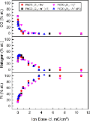
- )2Cl2. The right panel of Figure 1 compares the rate of 13CO evolution (measured at m/z 29) for different ion fluxes (black: 60 nA; blue: 90 nA). When 13CO evolution is plotted in terms of the ion dose for both fluxes, both profiles follow a first-order decay process with similar rate constants as seen
- production observed at m/z 29 for two different ion fluxes. The inset shows the linearization of the kinetic decay profiles with the corresponding fits for a first-order decay process. Evolution of the C 1s, Cl 2p, and Pt 4f XP regions for a thin film (≈2 nm) of Pt(CO)2Cl2 on a cooled (230 ± 5 K) tantalum
- Pt(CO)2Cl2 as functions of the Ar+ dose. The fits to the data based on a first-order kinetic process are shown in red. No further changes to C 1s and Pt(II) are observed after a 0.7 mC/cm2 Ar+ dose because the reaction has reached completion. Evolution of the C 1s and Pt 4f XP regions for a thin film



Lithium niobate on insulator: an emerging nanophotonic crystal for optimized light control
Beilstein J. Nanotechnol. 2024, 15, 1415–1426, doi:10.3762/bjnano.15.114
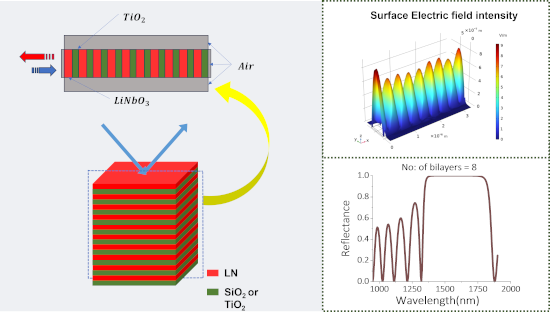
- evolution of stored energy with a probe pulse. The study demonstrated superextensive charging dynamics, where the rise time decreases as the stored energy density increases. The DBRs in the structure play a crucial role in the experimental setup. Firstly, allowing for the confinement of the optical field
- and driving coherent interactions with the organic semiconductor molecules. Secondly, enabling the measurement of the evolution of stored energy and the differential reflectivity induced by the pump pulse, which is essential for monitoring the charging dynamics at a femtosecond resolution. The


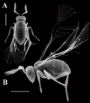
Hymenoptera and biomimetic surfaces: insights and innovations
Beilstein J. Nanotechnol. 2024, 15, 1333–1352, doi:10.3762/bjnano.15.107
- animal clade where complex forms of cooperative behavior (eusociality) arise most independent times, and such behavioral specialization also drove the evolution of novel morphologies related to, for instance, task specialization in the different castes [8][9][10]. Studying and emulating these features
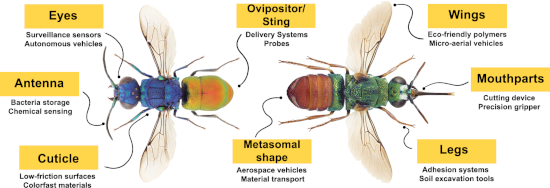
- the result of co-evolution of these traits with ecological requirements [56][92][93][94]. Furthermore, they are essentially in both intra- and interspecific communications [95][96][97]. These antennal sensors have inspired the development of devices for the detection of volatile compounds, which have




Interaction of graphene oxide with tannic acid: computational modeling and toxicity mitigation in C. elegans
Beilstein J. Nanotechnol. 2024, 15, 1297–1311, doi:10.3762/bjnano.15.105
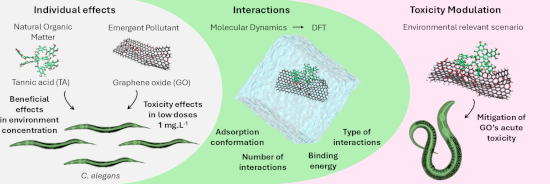
- mechanisms of toxicity mitigation, we employed a computational workflow that involved studying the interactions between GO and TA at different theoretical levels. Molecular dynamics (MD) simulations were performed using the ReaxFF reactive force field to examine the evolution of TA conformation on the
- defects, one of the armchair edges presents hydroxy groups and one of the zigzag edges presents a broken epoxy site. Figure 3 presents the dynamics of a representative configuration of TA interacting with GO flake. Comparing the evolution of the TA’s configurations in the different simulations, the
- provide information regarding how the loss or gain of electrons affects the spatial electronic density of the atoms [49][50], revealing the most reactive sites of the system. We applied Fukui functions to assess the most reactive sites of GO in its initial configuration and after evolution of the sheet


Functional morphology of cleaning devices in the damselfly Ischnura elegans (Odonata, Coenagrionidae)
Beilstein J. Nanotechnol. 2024, 15, 1260–1272, doi:10.3762/bjnano.15.102

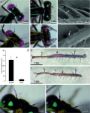
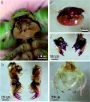
- enhance our understanding of different insect behavior and evolution (e.g., [32] for Mantodea and [26] for Hymenoptera). Moreover, they can represent the starting point to develop useful biomimetic tools [33]. Studies on grooming devices in Paleoptera (Odonata and Ephemeroptera) are scarce. Except for an
- ingestion in their grooming behavior [2]. As reported above, grooming behavior and devices, especially in insects, have been used to investigate phylogeny and evolution because of their low variability within species and relative evolutionary conservatism [26][30][52]. Further investigation of the grooming
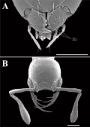
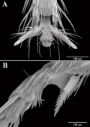
- devices of different Odonata families, which diverged relatively early in their evolution, especially in relation to morphology of their compound eyes, would be interesting in this context. Left foreleg of Ischnura elegans (female) in SEM (a–e) and semithin section (f) of a grooming device under a light


A low-kiloelectronvolt focused ion beam strategy for processing low-thermal-conductance materials with nanoampere currents
Beilstein J. Nanotechnol. 2024, 15, 1197–1207, doi:10.3762/bjnano.15.97

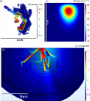
- simulations for 5 keV gallium ions in collagen The finite element simulator COMSOL was used to simulate the interaction of 5 keV Ga+ with collagen using the time-dependent differential equation of heat conduction for a stationary, homogeneous, and isotropic solid, The time evolution of a single gallium ion’s
- Transfer Physics’ is used to distribute the resultant thermal energy throughout the rest of the sample. The spatial and temporal evolution of the ions and their heat trail are stored and reassembled after the “Solve” is completed to generate various “Results” plots and images of the sample history. A 20 nm



Photocatalytic methane oxidation over a TiO2/SiNWs p–n junction catalyst at room temperature
Beilstein J. Nanotechnol. 2024, 15, 1132–1141, doi:10.3762/bjnano.15.92
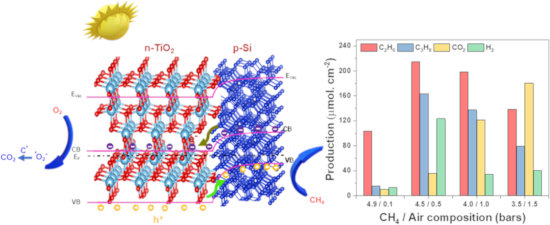
- ) [43][44]. As expected, the crystal orientation of the TiO2/SiNWs catalyst obviously led to the creation of a robust p–n junction photocatalyst. The SEM analysis further confirms the morphological evolution during etching and TiO2 ALD. As revealed in Supporting Information File 1, Figure S1, the


Direct electron beam writing of silver using a β-diketonate precursor: first insights
Beilstein J. Nanotechnol. 2024, 15, 1117–1124, doi:10.3762/bjnano.15.90

- , which lead to the pronounced deposition of halos. In addition, all require relatively high substrate temperatures (well above 100 °C) in order to avoid condensation. Hence, thermal effects are expected to play an important role in deposit shape evolution with the enhanced desorption rates contributing
- . Compared to the typically obtained granular structure of metallic nanoparticles in a carbonaceous matrix, the deposit composition and chemistry evolution are unexpected. The resulting deposit exhibits a carbon-rich body with a surface decorated with silver nanoparticles and an interfacial layer of
- deposition of an automated sequence of shapes overnight, carefully avoiding unintended electron beam impact while precursor molecules were present (cf. the section on deposit evolution in Supporting Information File 1 for more details). The high-resolution images presented in the main manuscript were taken


Unveiling the potential of alginate-based nanomaterials in sensing technology and smart delivery applications
Beilstein J. Nanotechnol. 2024, 15, 1077–1104, doi:10.3762/bjnano.15.88
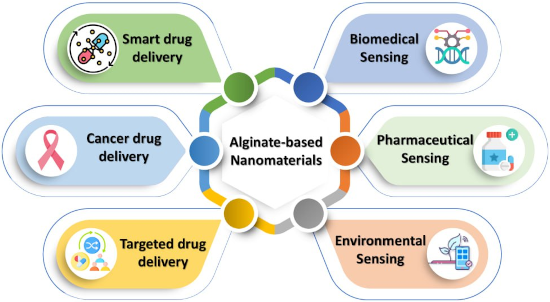
- , especially biopolymer nanoparticles, are applied to drug delivery methods, the aforementioned drawbacks faced by traditional drug delivery today can be overcome. The evolution of nanoparticle-based drug delivery techniques Drug delivery via nanoparticles has transformed the world of medicine in recent


Effect of wavelength and liquid on formation of Ag, Au, Ag/Au nanoparticles via picosecond laser ablation and SERS-based detection of DMMP
Beilstein J. Nanotechnol. 2024, 15, 1054–1069, doi:10.3762/bjnano.15.86

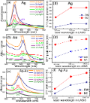
- SERS substrate over 60 days. We carried out systematic SERS measurements on different days, and their SERS intensities are compared concerning the days for the substrates, namely AgD3, AgAuD3, AuD3, AgN3, AgAuN3, and AuN3. The evolution of signal intensities over the 60 days is graphically depicted in


Can neutral clusters: a two-step G0W0 and DFT benchmark
Beilstein J. Nanotechnol. 2024, 15, 1010–1016, doi:10.3762/bjnano.15.82
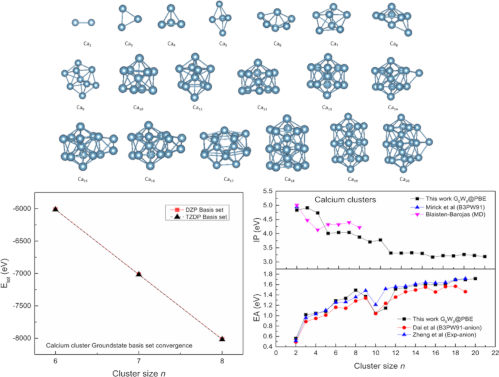
- is also called “the maximum hardness principle” [28]. From these three results we can see that the oscillatory pattern is moderated with the evolution of the cluster size. However, the majority of the values of IPs, EAs, and Egap are positive and following closely which suggests a clear correlation


Recent progress on field-effect transistor-based biosensors: device perspective
Beilstein J. Nanotechnol. 2024, 15, 977–994, doi:10.3762/bjnano.15.80
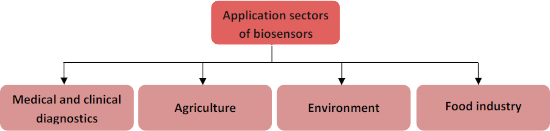
- biosensors, and to study temperature effects on 2D and 3D FET-based biosensors. Conclusion This review introduces the significant evolution of FET-based biosensors. Various novel architectures of FET-based biosensors are summarized, providing valuable insights for enhancing sensitivity and designing




Effects of cutting tool geometry on material removal of a gradient nanograined CoCrNi medium entropy alloy
Beilstein J. Nanotechnol. 2024, 15, 925–940, doi:10.3762/bjnano.15.76
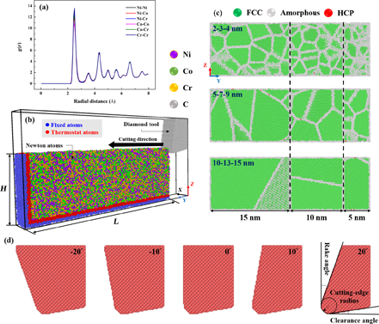
- and partial dislocation motions in crystalline materials were examined by common neighbor analysis (CNA) of the modules in OVITO. Cutting force, shear strain distribution, von Mises stress analysis, crystal structure evolution, temperature distribution, and calculation of material wear rate were
- radius was fixed at 1 nm to analyze the surface morphology, atomic-scale wear, shear strain distribution, temperature distribution, and crystal structure evolution during cutting. Figure 2a–f shows the atoms that pile-up on the surface of the CoCrNi MEA substrates. The number of wear atoms during cutting
- highest temperature at this position. Samples with small grain gradients, corresponding to a higher number of amorphous atoms, exhibit an increase in mixture disorder of the atoms, leading to higher kinetic energy, which generates more thermal energy [34]. Figure 7 displays the crystal structure evolution






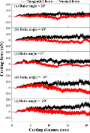


Investigation on drag reduction on rotating blade surfaces with microtextures
Beilstein J. Nanotechnol. 2024, 15, 833–853, doi:10.3762/bjnano.15.70
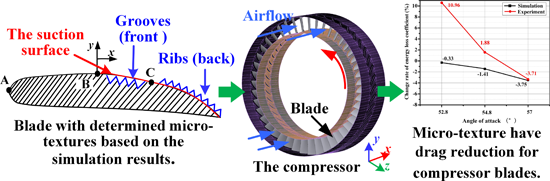
- ; Introduction In order to survive, organisms in nature have undergone billions of years of evolution; their body structures have been adapted to the current environment and exhibit special functions on biological surfaces [1]. For the purpose of drag reduction, valuable inspiration can be derived from rapidly


Exploring surface charge dynamics: implications for AFM height measurements in 2D materials
Beilstein J. Nanotechnol. 2024, 15, 767–780, doi:10.3762/bjnano.15.64
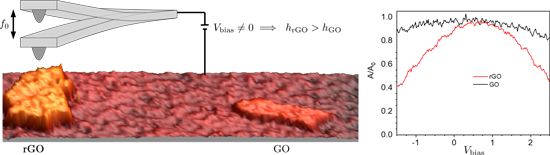
- data point, tp ≈ 10−3 s, yields two opposite situations. For GO, tp < τGO, the surface charge distribution does not reach the equilibrium configuration during the acquisition time, while for rGO, tp ≫ τrGO, measurements are carried out in equilibrium. It is important to note that the time evolution in
- Equation 8 is entirely a consequence of a non-negligible σs; if we set σs = 0, the time evolution cancels, and we recover the expected solution for a dielectric interface. When the tip oscillates or an AC voltage is applied, the oscillating electric field produces Joule dissipation at the surface as well


Green synthesis of biomass-derived carbon quantum dots for photocatalytic degradation of methylene blue
Beilstein J. Nanotechnol. 2024, 15, 755–766, doi:10.3762/bjnano.15.63
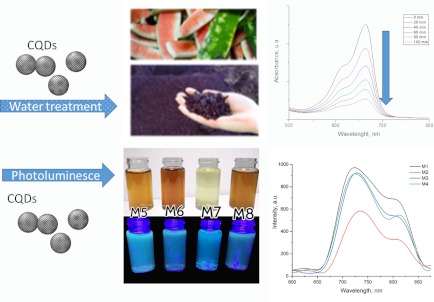
- optoelectronic characteristics of the synthesized CQDs, UV–vis absorption spectra were measured using a Thermo Scientific Evolution 220 spectrophotometer. The CQDs were dissolved in deionized water at a ratio of 1:10 (0.3 mg of CQDs per mL) and the measurements were taken in the range of 200–800 nm. A 1 cm path
- value of the reaction mixture was kept constant during the test (pH 7). To initiate the catalytic process, each CQD sample was individually applied to the degradation of the MB dye. The UV–vis absorption spectrum of the dye was monitored using a spectrophotometer (Thermo Scientific Evolution model 220





