


Search results
Search for "flexible" in Full Text gives 362 result(s) in Beilstein Journal of Nanotechnology. Showing first 200.
Recent trends in Bi-based nanomaterials: challenges, fabrication, enhancement techniques, and environmental applications
Beilstein J. Nanotechnol. 2022, 13, 1316–1336, doi:10.3762/bjnano.13.109
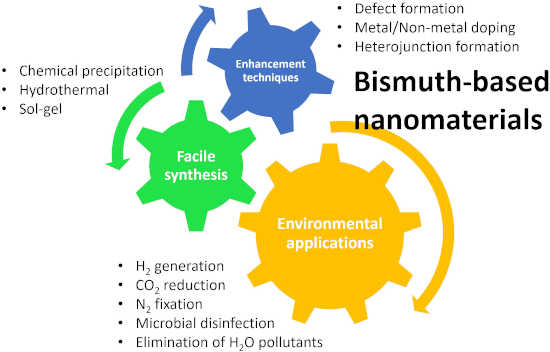
- modification is crucial in photocatalysis. Bi-based photocatalytic nanomaterials have gotten much interest as they exhibit distinctive geometric shapes, flexible electronic structures, and good photocatalytic performance under visible light. They can be employed as stand-alone photocatalysts for pollution




Role of titanium and organic precursors in molecular layer deposition of “titanicone” hybrid materials
Beilstein J. Nanotechnol. 2022, 13, 1240–1255, doi:10.3762/bjnano.13.103
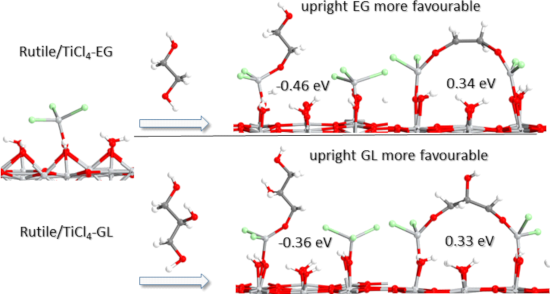
- are described as O–M–O–(CHx)y–O–M–O. Metalcones are known to be flexible in nature due to the flexible organic backbones present in their architectures and with excellent mechanical properties at the atomic and molecular level arising from the organometallic precursors [16][17]. The first metalcone
- a better option for the growth of thicker, more flexible and more stable hybrid films. This because aromatic molecules, due to their stiff backbone prefer to orient in a vertical configuration and avoid the double reactions [40][42]. Such hybrid films are known as “metal–organic” films. These also


A super-oscillatory step-zoom metalens for visible light
Beilstein J. Nanotechnol. 2022, 13, 1220–1227, doi:10.3762/bjnano.13.101
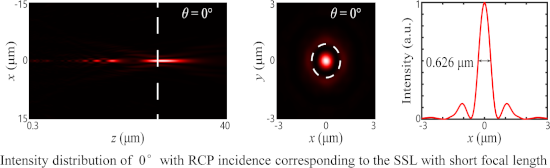
- materials still have issues regarding dynamic tunability and inflexibility. Therefore, it is vital to develop a flexible and tunable modulation approach for super-oscillatory lenses. In this paper, we propose a super-oscillatory step-zoom lens based on the geometric phase principle, which can switch between


Application of nanoarchitectonics in moist-electric generation
Beilstein J. Nanotechnol. 2022, 13, 1185–1200, doi:10.3762/bjnano.13.99
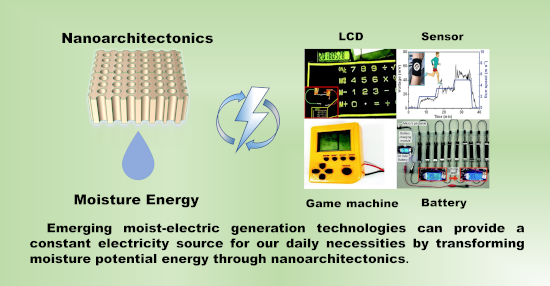
- . A phase-engineered flexible MoS2 nanosheet generator is worth mentioning. Through annealing at 150 °C, the 1T phase of MoS2 is changed to the 2H phase. The 2H phase can dissociate more water molecules into hydrogen ions than the 1T phase (Figure 4d,e). Thus, the different phases yield a difference
- ions to move in a direction and providing an output voltage. Graphene is a layered two-dimensional nanomaterial and can yield a large specific surface area by stacking. The method of creating gradient distributions with lasers is quite flexible and practical and works well in both structures of wire
- ]. This power-generating textile fiber offers new horizons as they can harvest energy anytime and anywhere. For example, in Sun’s work, a breathable, flexible, and deformable large-faced textile was demonstrated, which utilizes polyethylene oxide (PEO) to achieve an output of up to 0.83 V (Figure 10i


Recent advances in green carbon dots (2015–2022): synthesis, metal ion sensing, and biological applications
Beilstein J. Nanotechnol. 2022, 13, 1068–1107, doi:10.3762/bjnano.13.93
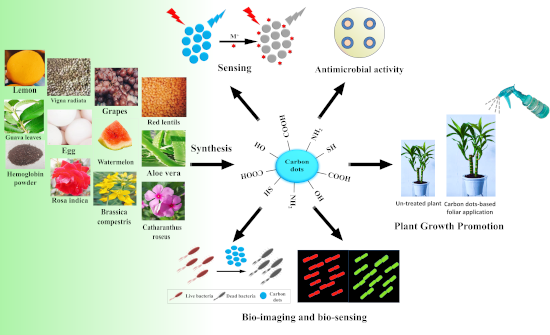
- equipment because of its superior antibacterial, light-admitting, and flexible features [28]. In another report, CDs were prepared from egg white using a one-step hydrothermal method. Carbonization, N-doping, and surface functionalization all occurred simultaneously during the hydrothermal reaction. The CDs




Interaction between honeybee mandibles and propolis
Beilstein J. Nanotechnol. 2022, 13, 958–974, doi:10.3762/bjnano.13.84
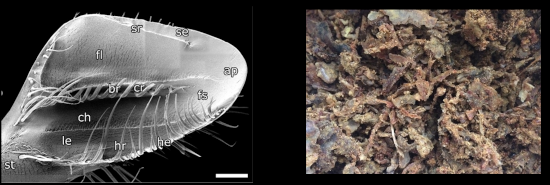
- end (Figure 2B). The medial surface of this tip was examined more extensively because it is used by bees to process and form propolis (Figure 4A). The spoon-shaped tip tapers towards the distal apex. On one side it exhibits an edge densely covered by smooth, long, and flexible hairs (hairy edge
- several ridges and ledges on the medial surface of the mandible forming a channel between them. A hairless and sharp edge on one side could be used to cut materials as it has been suggested for the mandible of stingless bees [19]. Long flexible hairs grow on one edge and reach over half of the mandible


DNA aptamer selection and construction of an aptasensor based on graphene FETs for Zika virus NS1 protein detection
Beilstein J. Nanotechnol. 2022, 13, 873–881, doi:10.3762/bjnano.13.78
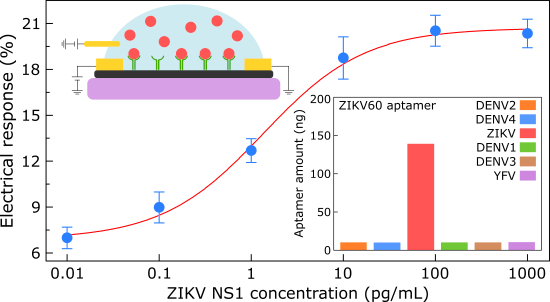
- bind to other molecules with high affinity and specificity. Aptamers are comparable to antibodies in their applications, yet, they offer several advantages, including higher temperature stability, fast chemical synthesis, easy labeling, versatile chemical modification, flexible structure, and



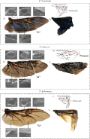
Micro-structures, nanomechanical properties and flight performance of three beetles with different folding ratios
Beilstein J. Nanotechnol. 2022, 13, 845–856, doi:10.3762/bjnano.13.75
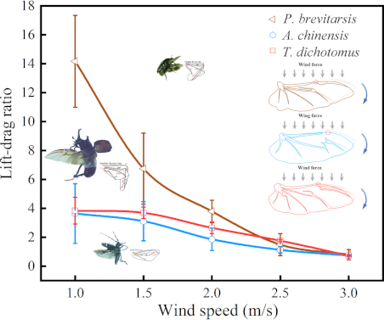
- that their flapping lifts were different because of the different sizes and shapes of the wings [20]. Additionally, the elasticity of insect wings also has an impact on the aerodynamic characteristics. By studying the flexible deformations and aerodynamic characteristics of cicada wings during flapping
- similar. Especially, at low wind speeds, a higher flapping frequency yields a better lift-to-drag ratio. A bionic flexible FWMAV was tested in a wind tunnel to explore the effects of different flapping frequencies and aspect ratios on the aerodynamic performance. The flapping frequency played a crucial




Temperature and chemical effects on the interfacial energy between a Ga–In–Sn eutectic liquid alloy and nanoscopic asperities
Beilstein J. Nanotechnol. 2022, 13, 817–827, doi:10.3762/bjnano.13.72
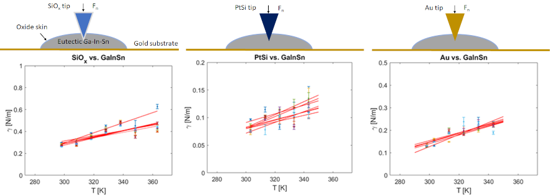
- , on the one hand, and their non-toxicity and low vapor pressure, on the other hand. Room-temperature-liquid Ga-based alloys are considered for direct writing and printing stretchable and flexible electronic devices, such as antennas or wires [5][6][7]. Such applications and the related processing of



Optimizing PMMA solutions to suppress contamination in the transfer of CVD graphene for batch production
Beilstein J. Nanotechnol. 2022, 13, 796–806, doi:10.3762/bjnano.13.70
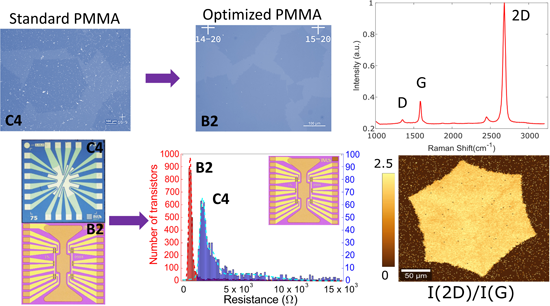
- ., Cu or Ni) to the desired target substrate (e.g., SiO2/Si, glass, or flexible polymers) often introduces inconsistencies among devices [10]. Various approaches have been developed to address this issue and establish a reproducible transfer process [11][12][13][14][15][16][17]. Among the many, the poly




Modeling a multiple-chain emeraldine gas sensor for NH3 and NO2 detection
Beilstein J. Nanotechnol. 2022, 13, 721–729, doi:10.3762/bjnano.13.64
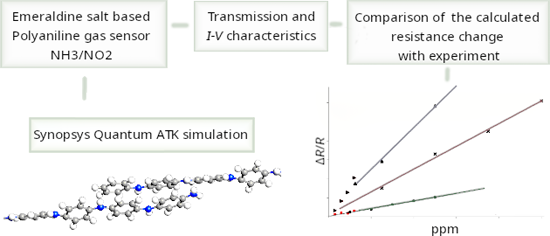
- nitrogen dioxide containing a flexible PANI thin film sensing area deposited on interleaved electrodes were produced by Posta et al. [13] and by Kroutil and co-workers [7]. In the experiments of Posta and Kroutil, the gas sensors for ammonia and nitrogen dioxide were exposed for 20 min to synthetic air


A superconducting adiabatic neuron in a quantum regime
Beilstein J. Nanotechnol. 2022, 13, 653–665, doi:10.3762/bjnano.13.57
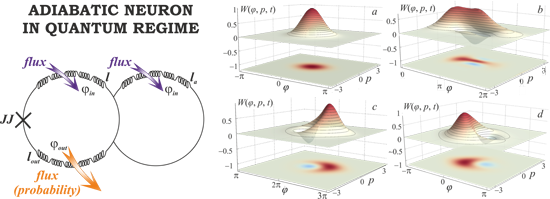
- software-defined radio [14][15] implying the change of signal frequency and modulation. An efficient architecture of a flexible hybrid system requires a close spatial arrangement of the classical ANN with its control quantum co-processor, see Figure 1a. Superconductor technology is a promising platform for
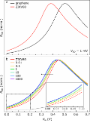
- master equation. (a) Sketch of a flexible hybrid system consisting of a classical ANN having its configuration (synaptic weights) dynamically adjusted by a quantum co-processor. (b) Schematic representation of the SQ neuron providing nonlinear magnetic flux transformation. The energy spectrum and


Influence of thickness and morphology of MoS2 on the performance of counter electrodes in dye-sensitized solar cells
Beilstein J. Nanotechnol. 2022, 13, 528–537, doi:10.3762/bjnano.13.44
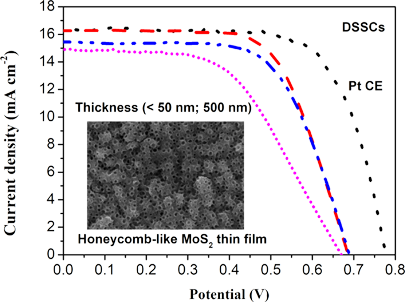
- MoS2/FTO. The resulting DSSCs showed a PCE of 7.16%, similar to that of a Pt/FTO CE (7.48%). The MoS2 film was amorphous and contained agglomerated clusters of nanoparticles [22]. Recently, Gurulakshmi et al. reported on DSSCs using a flexible CE fabricated by electrodeposition of a MoS2 thin film onto
- a conductive FTO/PET substrate. The PCE of this flexible DSSCs reached 4.84%. The MoS2 film was composed of sheets with a length of about 6 µm and a thickness of about 500 nm [23]. Another report by Chang et al. mentioned the change in morphology of MoS2 from sphere-like shapes with large grain size


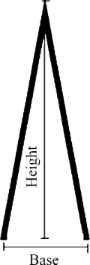
Design and characterization of polymeric microneedles containing extracts of Brazilian green propolis
Beilstein J. Nanotechnol. 2022, 13, 503–516, doi:10.3762/bjnano.13.42
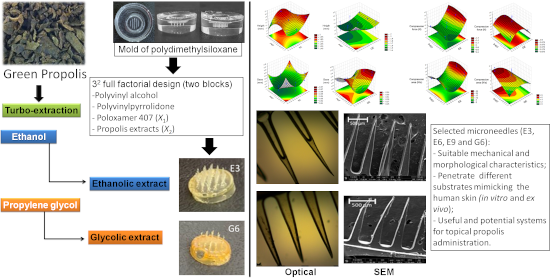
- clear, it was possible to insert the master structure for mold development (Supporting Information File 1, Figure S1). After 24 h, after the careful removal of the cartridge, a flexible mold was obtained, with intact and visible micropores, both on its surface and on its extension. Fabrication of


Ethosomal (−)-epigallocatechin-3-gallate as a novel approach to enhance antioxidant, anti-collagenase and anti-elastase effects
Beilstein J. Nanotechnol. 2022, 13, 491–502, doi:10.3762/bjnano.13.41
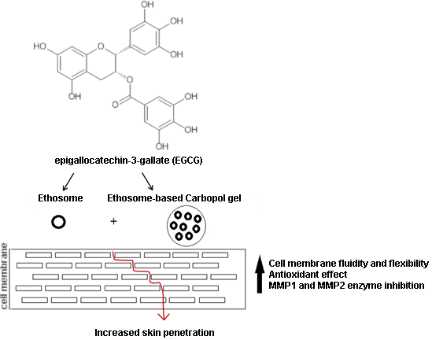
- their interaction with skin cells is high. They are unique systems that can be easily shaped by the presence of ethanol in their structures, and their vesicle membranes become very flexible such that they can be transported through pores much smaller than their own diameters [20][21]. In addition, the



A chemiresistive sensor array based on polyaniline nanocomposites and machine learning classification
Beilstein J. Nanotechnol. 2022, 13, 411–423, doi:10.3762/bjnano.13.34
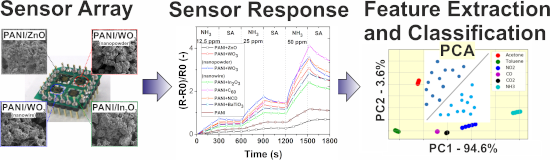
- (nanopowder), PANI/WO3 (nanotubes), PANI/In2O3, PANI/C60 (fullerene), PANI/nanocrystalline diamond (NCD), and PANI/BaTiO3, deposited on a flexible sensor array platform with a new design. Seven different nanocomposite sensing layers deposited on the array were exposed to six different gases (ammonia, carbon
- increasing interpretability. We apply PCA and LDA as input data for five machine learning algorithms with a 10-fold cross-validation method. The preprocessing stage was implemented by applying PCA and LDA on the extracted dataset [14][15]. Five different kinds of flexible pattern recognition algorithms have
- electrode systems was manufactured as a flexible printed circuit board (DuPont Pyralux AP8535 with 75 µm thickness, double-sided, copper-clad laminate in an all-polyimide composite of polyimide film bonded to copper foil). It contains the heating elements and the temperature sensors for the temperature




Effect of sample treatment on the elastic modulus of locust cuticle obtained by nanoindentation
Beilstein J. Nanotechnol. 2022, 13, 404–410, doi:10.3762/bjnano.13.33
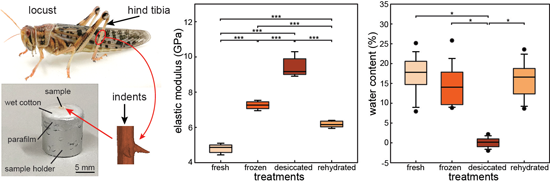
- : biomimetics; cuticle; locust; material properties; mechanical testing; nanoindentation; water content; Introduction Cuticle is a lightweight material that forms the whole exoskeleton of insects, from the flexible intersegmental membrane to the stiff jaws and claws. Cuticle of each insect body part has


Electrostatic pull-in application in flexible devices: A review
Beilstein J. Nanotechnol. 2022, 13, 390–403, doi:10.3762/bjnano.13.32
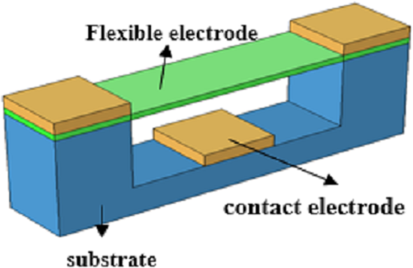
- Technology, Nanjing University of Posts and Telecommunications, Nanjing, China 10.3762/bjnano.13.32 Abstract The electrostatic pull-in effect is a common phenomenon and a key parameter in the design of microscale and nanoscale devices. Flexible electronic devices based on the pull-in effect have attracted
- increasing attention due to their unique ductility. This review summarizes nanoelectromechanical switches made by flexible materials and classifies and discusses their applications in, among others, radio frequency systems, microfluidic systems, and electrostatic discharge protection. It is supposed to give
- more and more difficult for traditional electronic devices made of rigid substrates to meet the needs of flexible and low-cost applications in complex environments. Flexible electronics have great potential for applications such as portable displays, electronic skin, and wearable healthcare. With the


Piezoelectric nanogenerator for bio-mechanical strain measurement
Beilstein J. Nanotechnol. 2022, 13, 192–200, doi:10.3762/bjnano.13.14
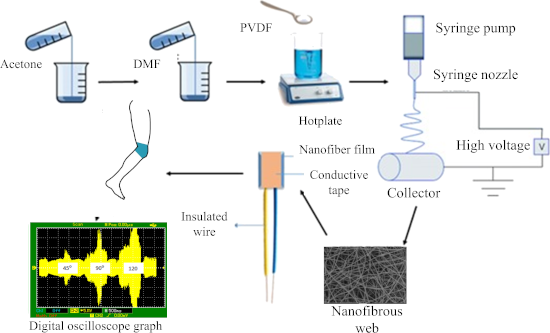
- last couple of years. Textile-based sensors, being flexible, are easy to fit in a garment and create no barrier to the wearer. Nowadays, wearable sensors based on conductive threads and conductive polymers are capable of measuring vital signs of the human body [4][5]. Tognetti et al. [6] designed and
- , which is capable of monitoring body angles. This sensor will be able to replace the battery being used in commonly available products and is more breathable, lightweight, and flexible. The developed sensor has been characterized through advanced techniques. The current density has been calculated and


Theoretical understanding of electronic and mechanical properties of 1T′ transition metal dichalcogenide crystals
Beilstein J. Nanotechnol. 2022, 13, 160–171, doi:10.3762/bjnano.13.11
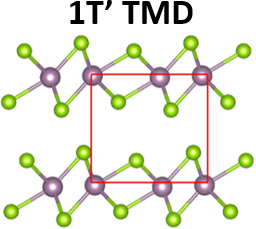
- hardness of 2H MoS2 are higher than those of 1T′ MoS2. The biggest difference can be found in the Young’s modulus. 2H MoS2 exhibits a Young’s modulus of 93 GPa, which is 12% higher than that of 1T′. All mechanical properties support that the 1T′ polytype is softer and more flexible than its 2H counterpart



A comprehensive review on electrospun nanohybrid membranes for wastewater treatment
Beilstein J. Nanotechnol. 2022, 13, 137–159, doi:10.3762/bjnano.13.10
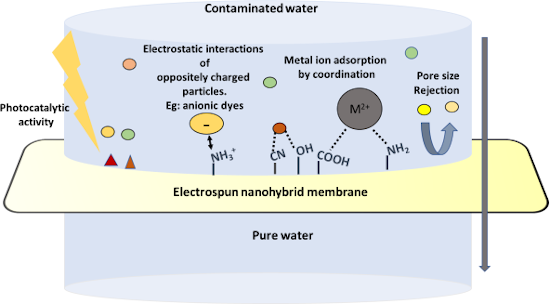
- flexible nanohybrid membrane of Pd NP-decorated polydopamine-SiO2/PVA, which can simultaneously remove organic dyes, chemicals, and oils [83]. (Figure 4 and Figure 5) Superhydrophilicity was found to be a synergistic effect of numerous hydroxy groups from SiO2 NPs and the nano/microscale surface roughness




Tin dioxide nanomaterial-based photocatalysts for nitrogen oxide oxidation: a review
Beilstein J. Nanotechnol. 2022, 13, 96–113, doi:10.3762/bjnano.13.7
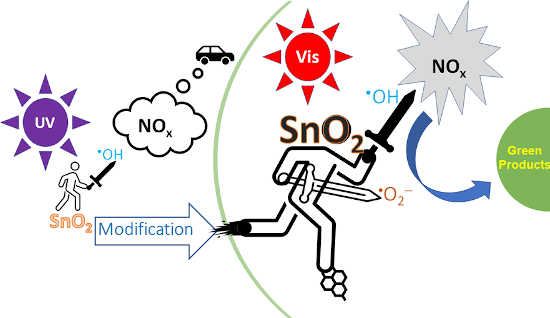
- catalytic area, SnO2 is an emerging material for removing contaminants such as organic dyes, phenolic compounds, and volatile organic compounds (VOCs) due to strongly oxidizing properties thanks to flexible energy band structure, rich defects, good chemical, and high thermal stability, and easily controlled


Enhancement of the piezoelectric coefficient in PVDF-TrFe/CoFe2O4 nanocomposites through DC magnetic poling
Beilstein J. Nanotechnol. 2021, 12, 1262–1270, doi:10.3762/bjnano.12.93
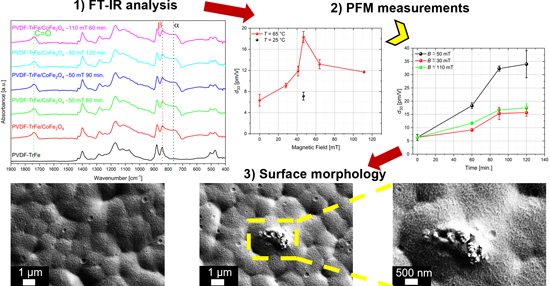
- Rome, 00184 Rome, Italy Department of Chemical Engineering Materials and Environment, Sapienza University of Rome, 00184 Rome, Italy 10.3762/bjnano.12.93 Abstract In the last years flexible, low-cost, wearable, and innovative piezoelectric nanomaterials have attracted considerable interest regarding
- constant and good piezoelectric properties suitable for the fabrication of flexible piezoelectric nanogenerators [1][2][3][4][5][6][7]. One of the most extensively investigated piezoelectric polymers is poly(vinylidene fluoride) (PVDF). This polymer has attracted a lot of interest due to its excellent
- in the fabrication of energy harvesting devices or wearable sensors for flexible electronics applications. Experimental The PVDF-TrFe/CoFe2O4 nanocomposite thin films were produced through spin coating. The CoFe2O4 nanoparticles (Sigma-Aldrich, 99%) were dispersed in N,N-dimethylformamide (DMF, Sigma


Electrical, electrochemical and structural studies of a chlorine-derived ionic liquid-based polymer gel electrolyte
Beilstein J. Nanotechnol. 2021, 12, 1252–1261, doi:10.3762/bjnano.12.92
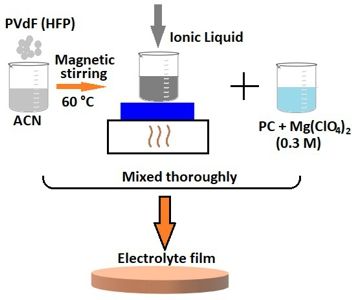
- . Figure 1a shows the surface morphology of a pure PVdF-HFP film, indicating an uneven and rough surface of the crystalline polymer. Upon the addition of the ionic liquid [BDiMIM][Cl] on PVdF-HFP, the sizes of the grains start decreasing and the membrane becomes flexible and appears as a swollen structure
- -Brownian motion of the main chain due to the flexible nature of its constituent molecules. It is also observed from the figures that the decreasing pattern of the dielectric constant is more prominent toward lower frequencies as well as in the higher temperature domain. The decreasing pattern of the



Two dynamic modes to streamline challenging atomic force microscopy measurements
Beilstein J. Nanotechnol. 2021, 12, 1226–1236, doi:10.3762/bjnano.12.90
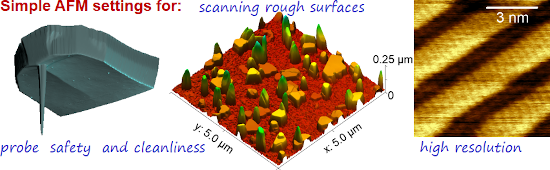
- flexible console with a sharp tip at the end. Two main classes of scanning methods can be distinguished, namely contact and dynamic scanning. During contact scanning, the tip is pressed against the surface and the pressing force is controlled by the deflection of the console. A similar way to control the





