Search results
Search for "interactions" in Full Text gives 1250 result(s) in Beilstein Journal of Nanotechnology. Showing first 200.
Current status of using adsorbent nanomaterials for removing microplastics from water supply systems: a mini review
Beilstein J. Nanotechnol. 2025, 16, 1837–1850, doi:10.3762/bjnano.16.127
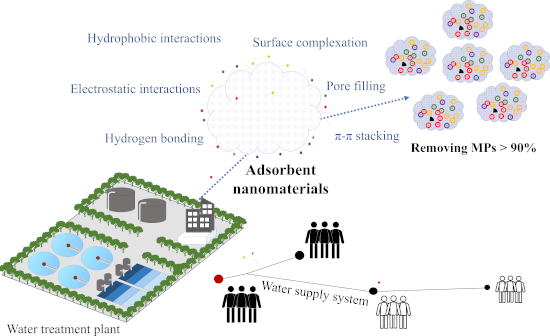
- conventional treatments removing only 40–70%, especially struggling with smaller particles. Based mainly on mechanisms like electrostatic interactions, hydrophobic interactions, pore filling, hydrogen bonding, π–π stacking, and surface complexation, adsorbent nanomaterials achieve over 90% removal of MPs and
- materials provide a foundation for developing sustainable, effective solutions to mitigate MPs pollution in the water supply system. Keywords: adsorbent interactions; adsorbent nanomaterials; carbon-based adsorbents; metal-organic frameworks (MOFs); microplastics (MPs); Introduction Plastic materials have
- focused separately on sources and occurrences in the natural environment [13][14][15], contaminant interactions [16][17], risk assessments [18][19], extraction and analysis methods [20][21], and removal technologies of MPs [22][23] without focusing on water supply systems, which directly affect human


Further insights into the thermodynamics of linear carbon chains for temperatures ranging from 13 to 300 K
Beilstein J. Nanotechnol. 2025, 16, 1818–1825, doi:10.3762/bjnano.16.125
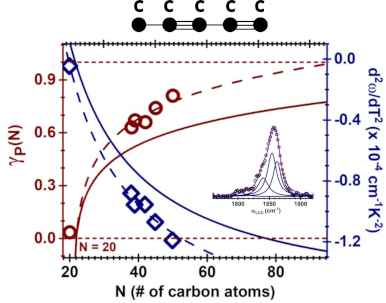
- parameter; linear carbon chains; Raman spectroscopy; Introduction Phonons, their mutual interactions (ph–ph interactions), and their interactions with electrons (e–ph interactions) play fundamental roles in how materials respond to electric (e.g., difference of potentials), thermal (e.g., temperature
- phonons, and gain and loss of energy of carriers [1][2][10][17][24][25][26][27][28]. The phonon lifetime as well as the selection rules behind ph–ph and e–ph interactions determine the efficiency of such phonon emission and absorption [1][2][10][17][24][25][26][27][28]. Phonons need to be in an excited
- temperature (T)-dependent phenomena are ruled by anharmonic ph–ph interactions, which are also driven by three- and four-phonon processes, and by e–ph interactions [1][2][3][4][5][6][7][8][9][10][11][12][13][14][15][16][17][18][19][20][21][22][23][24][25][26][27][28][29]. Therefore, phonon assignments in


![[Graphic 23]](/bjnano/content/inline/2190-4286-16-125-i25.svg?max-width=637&scale=1.18182)
Piezoelectricity of layered double hydroxides: perspectives regarding piezocatalysis and nanogenerators
Beilstein J. Nanotechnol. 2025, 16, 1812–1817, doi:10.3762/bjnano.16.124

- dodecylbenzene sulfonate-modified Ni/Co-LDH as a filler promoted the formation of the electroactive β-phase in PVDF-based electrospun nanocomposite fabrics [12]. The enhanced piezoelectric response was attributed to the realignment of PVDF dipoles in combination with their interfacial interactions with the
- interactions within the interfacial bonds induced internal structural reconstruction, which enhanced local polarization and N2 adsorption. As a result, the cleavage of N≡N bonds was accelerated, and the activation energy of the reaction was reduced. Unfortunately, this study also raises concerns regarding the
- carrier localization effects), or to interfacial electronic interactions that facilitate charge transfer. While these mechanisms may coexist, many publications lack the necessary control experiments (e.g., mechanical stimulation without light/oxidant, photocatalysis without stress, or defect-free samples

Electrical, photocatalytic, and sensory properties of graphene oxide and polyimide implanted with low- and medium-energy silver ions
Beilstein J. Nanotechnol. 2025, 16, 1794–1811, doi:10.3762/bjnano.16.123
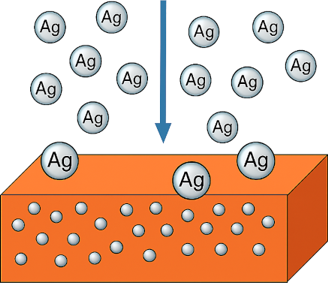
- MeV Ag ions. In this case, the electron stopping powers dominate near the surface. At 1.5 MeV, the Sn/Se ratio is lower (3.3–3.6), meaning that electronic interactions dominate, especially in the initial stages of penetration. The ions penetrate much deeper (Rp = 700–760 nm). At this energy, the


Exploring the potential of polymers: advancements in oral nanocarrier technology
Beilstein J. Nanotechnol. 2025, 16, 1751–1793, doi:10.3762/bjnano.16.122
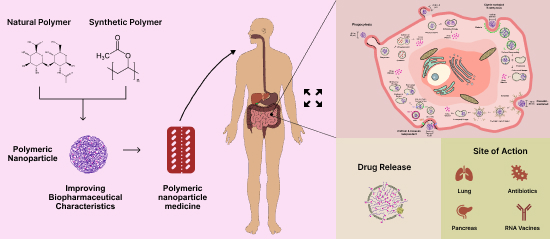
- , secreted or cell-bound, which form a viscoelastic gel through entanglement and cross-linking. These properties contribute to the protective and lubricating functions of mucus. These functions are performed through steric, electrostatic, and hydrophobic interactions with various substances [6]. Mucin is an
- particles. Materials reduced to this scale exhibit alterations in their physicochemical properties, enhancing their interactions with molecular and cellular processes. Consequently, nanotechnology has diverse pharmaceutical applications, as the nanoencapsulation of drugs improves solubility and
- biodistribution while preventing undesirable interactions and degradation before reaching target tissues and cells [10]. Moreover, by overcoming the biological and chemical barriers of the body, nanotechnology increases the efficiency and effectiveness of therapeutic and diagnostic regimens, offering less


Advances of aptamers in esophageal cancer diagnosis, treatment and drug delivery
Beilstein J. Nanotechnol. 2025, 16, 1734–1750, doi:10.3762/bjnano.16.121
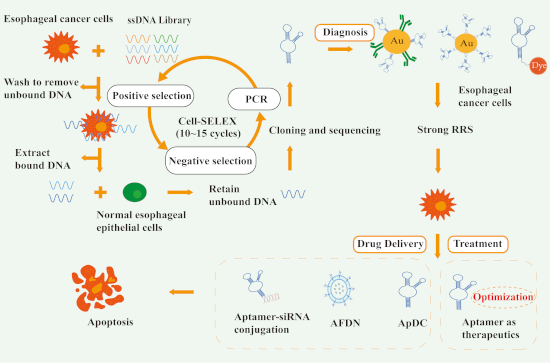
- three-dimensional structures that specifically recognize and bind to SOX2. This binding effectively disrupts SOX2–DNA interactions, thereby establishing a novel therapeutic strategy for traditionally undruggable targets. Most recently, researchers have developed peptide-based aptamers targeting SOX2
- interactions [79], begin to emerge. Chen et al. [80] showed that CDP and SOX2 expression levels were highly correlated with late ESCC, verified that CDP and SOX2 interacted in ESCC cell lines (KYSE450 and KYSE30 cells), and confirmed the interaction interface between these two proteins. Peptide aptamer p58
- spontaneously intercalate into GC-rich regions of aptamers through non-covalent interactions. This characteristic not only enhances tumor-specific accumulation but also significantly reduces cardiotoxicity. This way of inserting the drug directly between the bases of the aptamer and forming physical conjugation


Multifunctional anionic nanoemulsion with linseed oil and lecithin: a preliminary approach for dry eye disease
Beilstein J. Nanotechnol. 2025, 16, 1711–1733, doi:10.3762/bjnano.16.120
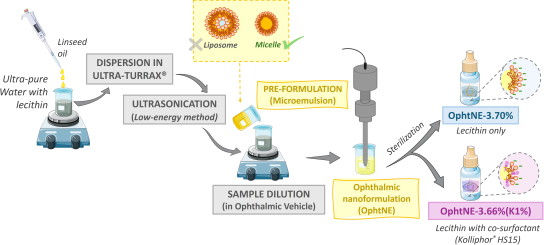
- better stability, smaller droplet size, and improved solubilization of hydrophobic compounds, making them more suitable for superficial ocular conditions like dry eye, where sustained bioavailability and tear film compatibility are vital [53]. Liposomes may also face practical issues due to interactions
- assessed using the Shapiro–Wilk and Levene’s tests, respectively. A three-way ANOVA was then performed, considering the factors exposure time (24 and 72 h), concentration (0.65 to 13 mg·mL−1), and treatment (OphtNE-3.70% and OphtNE-3.66%(K1%)). Two-way interactions were further examined using post hoc
- molecular structure [71][72]. This results in weaker intermolecular interactions, reducing the oil’s viscosity [73]. A lower viscosity in LO can facilitate the formation and stability of micelles by allowing surfactant molecules to move more freely, promoting their rapid formation and maintaining stability



Ambient pressure XPS at MAX IV
Beilstein J. Nanotechnol. 2025, 16, 1677–1694, doi:10.3762/bjnano.16.118
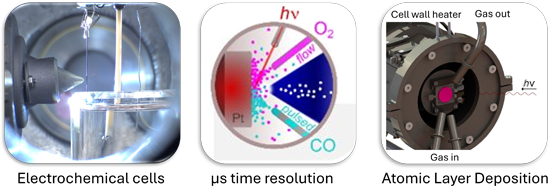
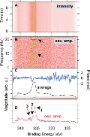
- ; batteries; catalysis; corrosion; Review Ambient pressure XPS Electron spectroscopy has significantly contributed to the understanding of chemical and physical processes that govern the complex interactions between a solid surface and its environment. These processes play crucial roles in phenomena such as
- working range of APXPS. Time-resolved APXPS has proven especially powerful for studying the initial ALD cycles, where the chemical interactions at the surface are most critical [54][55][56][57][58][59][60]. At MAX IV, the SPECIES beamline has led the development of ALD studies using APXPS. A dedicated





Prospects of nanotechnology and natural products for cancer and immunotherapy
Beilstein J. Nanotechnol. 2025, 16, 1644–1667, doi:10.3762/bjnano.16.116
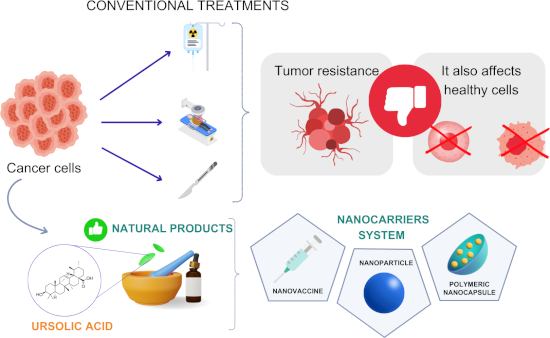
- in patent searches, as only two publications were found. Self-assembled nanoparticles are structures with adapted particle interactions to achieve desired purposes [37]. In the pharmaceutical field, these nanoparticles have potential as vehicles for anticancer drugs due to their biocompatibility
- spontaneously from the organization of active or natural compounds, without the presence of a carrier material or excipients. Their stability is due to the presence of intermolecular interactions, such as electrostatic forces, hydrogen bonding, π–π stacking, and hydrophobic interactions [104][105]. Among the


Venom-loaded cationic-functionalized poly(lactic acid) nanoparticles for serum production against Tityus serrulatus scorpion
Beilstein J. Nanotechnol. 2025, 16, 1633–1643, doi:10.3762/bjnano.16.115
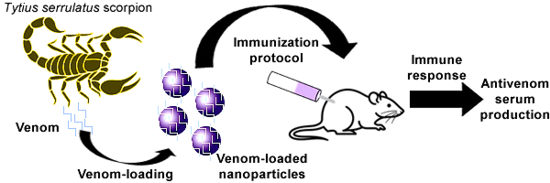
- , peptides, DNA, RNA, antigens, and oligonucleotides to be efficiently incorporated through electrostatic interactions [35][36]. Moreover, some studies showed the interesting association of nanoparticles containing PEI for incorporation of DNA in gene transfection and BSA protein [14][37]. The


Nanotechnology-based approaches for the removal of microplastics from wastewater: a comprehensive review
Beilstein J. Nanotechnol. 2025, 16, 1607–1632, doi:10.3762/bjnano.16.114
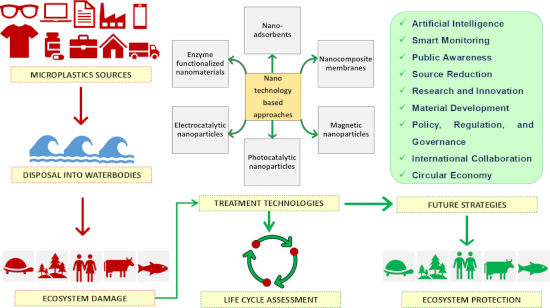
- leading to mass mortality. Such interactions amplify the ecological consequences of MPs in the environment. Consequently, the ingestion of MPs embedded with contaminants can contribute to the transfer of toxic substances across terrestrial and aquatic food webs [46]. In freshwater ecosystems, MPs can
- the process. The removal of MPs by adsorbents primarily relies on hydrophobic interactions, electrostatic attraction and hydrogen bonding, which are influenced by their surface characteristics. Among various adsorbents, activated carbon and biochar have gained wide attention for treating water
- capabilities due to electrostatic interactions, making them highly effective in capturing MPs. Their fast adsorption kinetics support rapid water purification, and surface modifications can further enhance their performance and selectivity. These membranes are also versatile and applicable in various treatment


Few-photon microwave fields for superconducting transmon-based qudit control
Beilstein J. Nanotechnol. 2025, 16, 1580–1591, doi:10.3762/bjnano.16.112
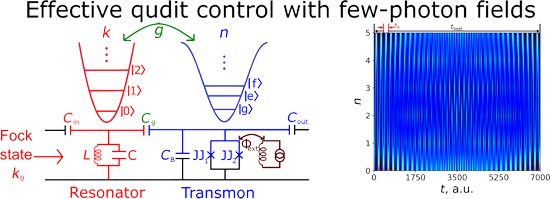
- the highest possible excited transmon state with n = k0. An increase in the nonlinearity of the transmons leads to a significant reduction in the period of Rabi oscillations, tR, and the beat frequency, tbeat, as shown in Figure 2a. When nonlinear interactions dominate, high-energy excitations are


Photocatalytic degradation of ofloxacin in water assisted by TiO2 nanowires on carbon cloth: contributions of H2O2 addition and substrate absorbability
Beilstein J. Nanotechnol. 2025, 16, 1567–1579, doi:10.3762/bjnano.16.111
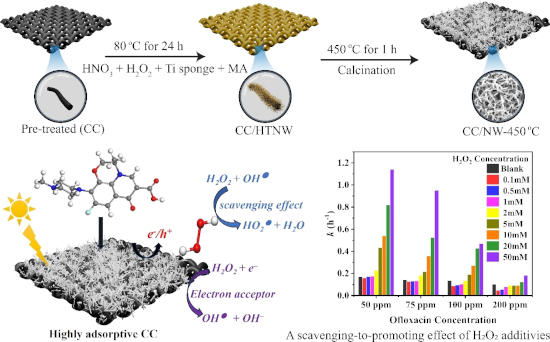
- unsatisfactory interaction with target contaminants diminishes photocatalytic degradation efficiency in water. Here, we present a mild solution method to precipitate anatase TiO2 nanowire arrays, measuring 1.5 μm in thickness, over carbon cloth to ensure substantial interactions with target pollutants and, in
- (pH 2) and highly basic (pH 12) conditions reduce the degradation efficiency, likely due to reduced ROS stability or altered surface interactions. It demonstrates that the carbon cloth-supported TiO2 nanowires are capable of functioning in wastewater with a wide pH range. The active radical species


Modeling magnetic properties of cobalt nanofilms used as a component of spin hybrid superconductor–ferromagnetic structures
Beilstein J. Nanotechnol. 2025, 16, 1557–1566, doi:10.3762/bjnano.16.110
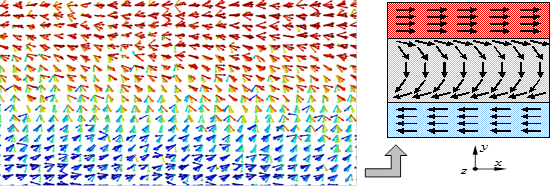
- ., Dolgoprudny, 141701, Russia 10.3762/bjnano.16.110 Abstract The paper presents a mathematical model for studying the magnetic behavior of atoms, which takes into account spin and interatomic interactions. Two problems were solved by means of mathematical modeling. At the first stage, the problem of modeling a
- the reliability level (i.e., 0.8848). Conclusion The mathematical model considered in this work allows us to investigate the magnetic behavior of a nanoscale system taking into account spin and interatomic interactions. The mathematical model is based on the joint solution of the Langevin and Landau


Transient electronics for sustainability: Emerging technologies and future directions
Beilstein J. Nanotechnol. 2025, 16, 1545–1556, doi:10.3762/bjnano.16.109

- environments, these devices maintain their ability to decompose through interactions with naturally occurring water and enzymes (Figure 1f) [32]. Thus, transient electronics present a compelling vision for sustainable electronics, that is, devices that fulfill their intended function and then seamlessly


Dendrimer-modified carbon nanotubes for the removal and recovery of heavy metal ions from water
Beilstein J. Nanotechnol. 2025, 16, 1522–1532, doi:10.3762/bjnano.16.107

- the CNTs was found to be increased with the successive growth of dendrimers resulting in dense carbon nanotubes. It could be due to the interactions such as hydrogen bonding between the growing number of functional groups on the surface of CNTs because of successive growth of dendrimers. Moreover
- for further adsorption studies. The removal of metal ions (Pb2+ and Cd2+) by dendrimer-functionalized CNTs is primarily governed by physical interactions. However, the nitrogen-rich surface of the poly(amidoamine) (PAMAM) dendrimers offers multiple coordination sites, which might facilitate the
- controlled by chemical interactions rather than physical interactions alone [49][50]. Although the pseudo-second order model is often associated with surface-controlled or chemical interactions, its application does not necessarily confirm chemisorption. In this study, thermodynamic analysis (Supporting


Cross-reactivities in conjugation reactions involving iron oxide nanoparticles
Beilstein J. Nanotechnol. 2025, 16, 1504–1521, doi:10.3762/bjnano.16.106
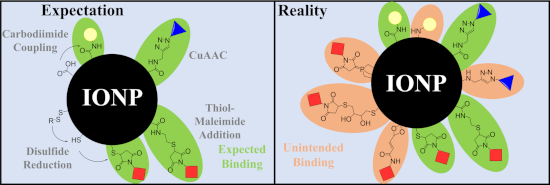
- . Through the judicious use of controls, we demonstrate significant cross-reactivities of amines, thiols, maleimides, and common disulfide reducing agents with surface Fe of IONPs and show how these unwanted interactions can produce false positive results. Without proper controls, these can lead to
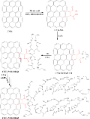
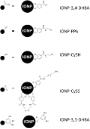
- reducing agents with the IONP surface, and how these unwanted interactions can influence the interpretation of conjugation results. We use IONPs capped with 3,4-dihydroxybenzoic acid (IONP-3,4-DHBA) as a platform upon which we can perform common conjugation reactions. 3,4-DHBA (Figure 1a) is a catechol
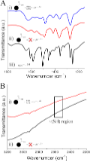
- presence of amide bonds in IONP-PPA, but not in the EDC-free control, in agreement with the FTIR findings. The N 1s spectra, in contrast, are inconclusive for determining the interactions of the amine group with the IONPs. Together, the FTIR, UV–vis, and XPS evidence suggests successful EDC coupling of PPA







Laser processing in liquids: insights into nanocolloid generation and thin film integration for energy, photonic, and sensing applications
Beilstein J. Nanotechnol. 2025, 16, 1428–1498, doi:10.3762/bjnano.16.104
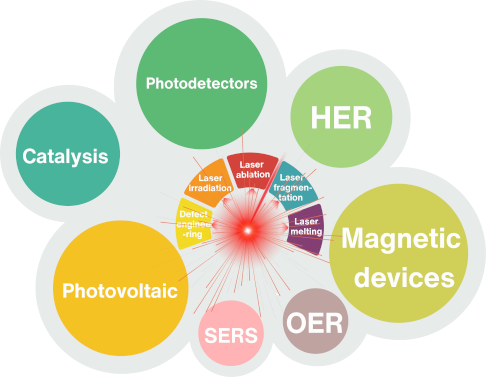
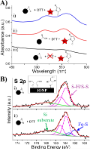
- al. [2] in one of the first reviews on laser ablation published in 2004. Their discussion addresses the physicochemical insights into key stages of these processes, including the behavior of the laser target, the formation of the plume, and the initial laser–target interactions. It offers a
- combinatorial library of constituents and interactions [15], understanding of these processes remains insufficient. Yan et al. outline a comprehensive mechanistic scenario of PLAL, highlighting the interactions between photons, liquid molecules, solid targets, and laser-induced particles [8]. The formation
- , and catalysis. However, challenges remain, such as the need for improved productivity, narrower size distributions, and better understanding of the dynamic processes involved in laser interactions with liquid media. 1.5 Laser-induced defect engineering in liquids Laser-based techniques have unlocked






The role of biochar in combating microplastic pollution: a bibliometric analysis in environmental contexts
Beilstein J. Nanotechnol. 2025, 16, 1401–1416, doi:10.3762/bjnano.16.102
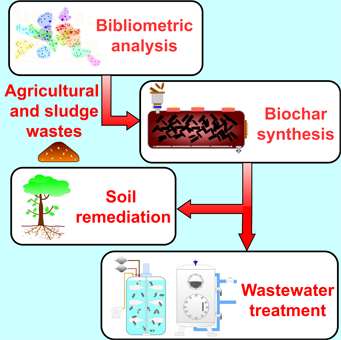
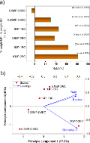
- . This underscores the necessity of interdisciplinary research integrating material science, agriculture, and microbiology in biochar–MP–plant interactions. Three primary research trajectories emerge from the keyword analysis: Investigating how different biochar synthesis methods influence
- , enhanced diffusion, surface adsorption, and cation–π electron interactions were observed at 550 °C in Polygonum amphibium L. biochar. However, pyrolysis temperatures above 550 °C led to reduced stability [42]. Similarly, pyrolysis at 700 °C can increase SSA but may degrade oxygen-containing functional
- groups, affecting biochar stability [43]. The goal of modified biochar synthesis is to enhance its wastewater treatment and soil remediation capabilities by improving electrostatic and chemical bonding interactions with MPs, beyond the limitations of physical adsorption governed by specific surface area



Synthesis and antibacterial properties of nanosilver-modified cellulose triacetate membranes for seawater desalination
Beilstein J. Nanotechnol. 2025, 16, 1380–1391, doi:10.3762/bjnano.16.100
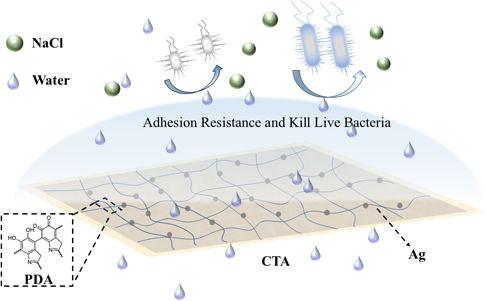
- surface properties, and quantum effects, collectively enhance their antimicrobial efficacy [17]. The high surface area-to-volume ratio of nanomaterials facilitates efficient interactions with microorganisms, thereby enhancing their antimicrobial efficacy [18]. Additionally, the surface properties of
- the C/O ratio of the PCTA film. This decrease in the C/O ratio is likely attributed to hydrogen bonding interactions between the –OH groups in Ag(NH3)2OH and the PDA layer. These interactions enhance the oxygen content relative to carbon, thereby reducing the C/O ratio. Collectively, these results
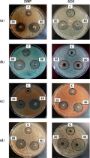
- , evidenced by a pronounced inhibitory ring. Notably, bacteria surrounding the Ag@PCTA membrane are unable to grow, indicating the membrane’s potent antibacterial activity. The antibacterial activity of Ag ions was attributed to their interactions with S-, O-, and N-containing groups in the bacteria [48]. Dai


Enhancing the therapeutical potential of metalloantibiotics using nano-based delivery systems
Beilstein J. Nanotechnol. 2025, 16, 1350–1366, doi:10.3762/bjnano.16.98
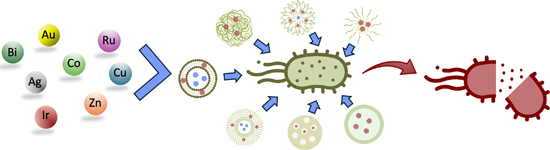
- hinder the delivery of sufficient drug concentrations to the infection site [33]. Systemic barriers refer to challenges associated with the pharmacokinetics of antibiotics, such as rapid clearance, nonspecific distribution, and interactions with healthy tissues [35]. These factors are responsible for
- receptors and ligands, as well as the number of interactions necessary to overcome the energy barrier for cellular uptake. Properly balancing these factors ensures efficient binding and internalization of the nanoparticles by the target cells [50][51]. For example, nanoparticles can be engineered to
- modifications prevent rapid uptake by the reticuloendothelial system, prolonging the presence of the drug in the bloodstream and increasing drug levels in the central nervous system [62]. Additionally, functionalizing liposomes with ligands or antibodies can facilitate specific interactions with cell surface


Ferroptosis induction by engineered liposomes for enhanced tumor therapy
Beilstein J. Nanotechnol. 2025, 16, 1325–1349, doi:10.3762/bjnano.16.97
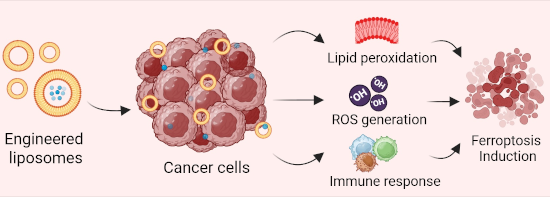
- plays a crucial role in determining their stability and interactions with biological systems. EE can be determined by separating the liposomes from the non-encapsulated drug using techniques such as size exclusion chromatography or centrifugation, followed by quantification of the encapsulated drug
- . Other characterization techniques include nuclear magnetic resonance (NMR) spectroscopy to study membrane fluidity and phase transitions, fluorescence spectroscopy for investigating drug–liposome interactions, and capillary electrophoresis to analyze liposome–drug interactions and drug release [110][121
- the liposomes from the free drugs and enables the determination of the EE [110]. CE offers advantages, such as low sample and buffer consumption, short analysis times, and the possibility of investigating interactions between drugs and liposomes directly in the separation capillary [125]. The


Wavelength-dependent correlation of LIPSS periodicity and laser penetration depth in stainless steel
Beilstein J. Nanotechnol. 2025, 16, 1302–1315, doi:10.3762/bjnano.16.95
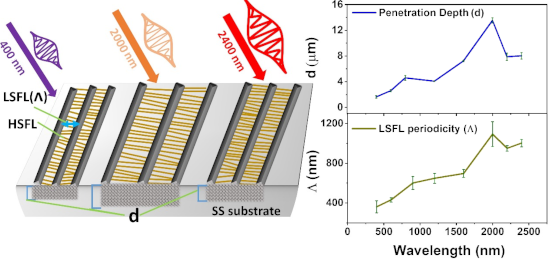
- our comprehension of laser–material interactions and hold potential implications for surface engineering and material science applications. Keywords: cross section of LIPSS; high spatial frequency LIPSS (HSFL); laser-induced periodic surface structures (LIPSS); low spatial frequency LIPSS (LSFL
- how metal surfaces respond to incident wavelengths [53][54]. This work advances our comprehension of LIPSS structures and their applications, shedding new light on the interplay between incident wavelengths and surface interactions. The paper concludes by emphasizing the importance of optical
- properties, laser parameters, and material characteristics in determining penetration depth, thereby contributing to the broader understanding of light–material interactions. Materials and Methods Materials A double-sided polished stainless steel surface (SS304) with a thickness of 100 µm was utilized




Better together: biomimetic nanomedicines for high performance tumor therapy
Beilstein J. Nanotechnol. 2025, 16, 1246–1276, doi:10.3762/bjnano.16.92
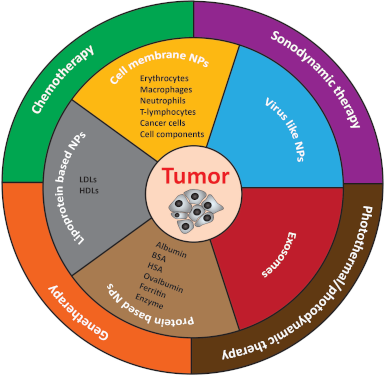
- surrounding environment, including immunosuppression in T cells via PD-1/PD-L1 axis, recruitment of stem cells via CXCR4/CXCL2 chemokine axis, maturation of immune cells via membrane interactions, and various other physical/chemical interactions, uncover the emergence of cell membrane-based drug delivery
- tracking and profound interactions within complex biological environments can be achieved by using biomimetic NPs with prolonged circulation time, summarized in Figure 1. Moreover, research in NP-mediated drug delivery has been shifted to focus on the use of cell-derived cancer therapies/engineered or live
- with a specific focus on their types and recent advancements only for cancer treatment. This review focuses on the recent advancements in biomimetic nanomedicines engineered with various biomaterials, emphasizing their interactions with different types of tumors and tumor microenvironment (TME). It






Functional bio-packaging enhanced with nanocellulose from rice straw and cinnamon essential oil Pickering emulsion for fruit preservation
Beilstein J. Nanotechnol. 2025, 16, 1234–1245, doi:10.3762/bjnano.16.91
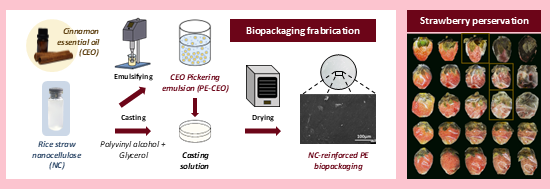
- characteristic peaks confirm the presence of functional groups associated with PE-CEO and polymer interactions. The broad absorption band around 3300 cm−1 corresponds to O–H stretching vibrations, indicating hydrogen bonding between the biopolymer and PE-CEO components [24]. The intensity of the peaks at 1730 cm
- −1 (C=O stretching from ester or carboxyl groups) and 1600 cm−1 (C=C stretching of aromatic rings) changes with increasing PE-CEO concentration, suggesting interactions between PE-CEO and the polymer network [44]. These variations indicate successful incorporation of PE-CEO, which could influence the
- in diameter and ≈1 μm in length. Pure BP films (Figure 3b) exhibited a relatively smooth surface with visible small pores, indicative of weak intermolecular interactions. The incorporation of NC into the PVA matrix significantly reduced surface roughness and void formation, suggesting enhanced