


Search results
Search for "kinetics" in Full Text gives 454 result(s) in Beilstein Journal of Nanotechnology. Showing first 200.
A biomimetic approach towards a universal slippery liquid infused surface coating
Beilstein J. Nanotechnol. 2024, 15, 1376–1389, doi:10.3762/bjnano.15.111
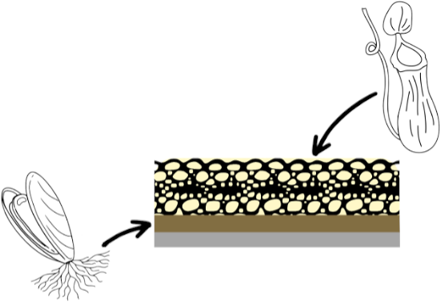
- plasma clotting kinetics on SLIPS surfaces have not been studied previously. Therefore, to assess the hemocompatibity of our newly created PDA-based SLIPS coating, we tested the resistance of the coating to FXII activation, clot formation, clot stability, and platelet adhesion. FXII activation gives
- glass, which is unsurprising given that both surfaces are hydrophilic. There was also no observed difference in FXII activation between COC and PDA–FDT–PFD, suggesting COC exhibits an intrinsic coagulation behavior similar to that of PDA–FDT–PFD. Next, we tracked the fibrin generation kinetics of PPP




Nanoarchitectonics with cetrimonium bromide on metal nanoparticles for linker-free detection of toxic metal ions and catalytic degradation of 4-nitrophenol
Beilstein J. Nanotechnol. 2024, 15, 1312–1332, doi:10.3762/bjnano.15.106




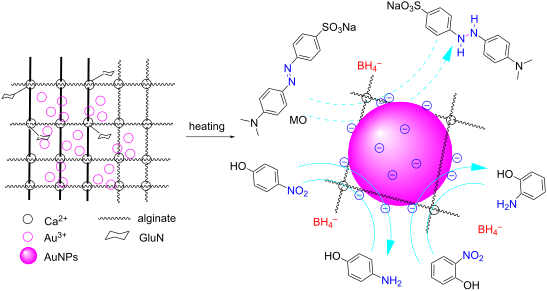
Enhanced catalytic reduction through in situ synthesized gold nanoparticles embedded in glucosamine/alginate nanocomposites
Beilstein J. Nanotechnol. 2024, 15, 1227–1237, doi:10.3762/bjnano.15.99
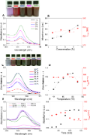
- tracked over time using a UV–vis spectrophotometer, covering the wavelength range of 200–600 nm at room temperature without delay. We examined the kinetics of catalytic degradation by monitoring changes in absorbance values at specific wavelengths. Given the small quantity of nanocatalyst and the
- excessive amount of NaBH4, we treated the catalytic reduction of these dyes as a pseudo-first-order reaction. The reaction kinetics are described by the equation ln(Ct/C0) = −k·t, where k represents the rate constant, and C0 and Ct denote the initial concentration and the concentration at time t
- the surface of the gold nanoparticles. Additionally, the polysaccharides can interact with functional groups within the dye structure, further influencing the adsorption/desorption dynamics of organic dyes on the surface of the AuNPs [44]. Regarding the reaction kinetics, the plots depicting ln(Ct/C0



Realizing active targeting in cancer nanomedicine with ultrasmall nanoparticles
Beilstein J. Nanotechnol. 2024, 15, 1208–1226, doi:10.3762/bjnano.15.98
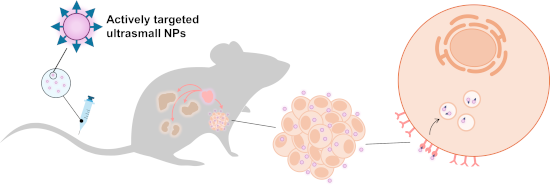
- detailed experimental characterization of the surface properties and interactions of targeted usNPs is indispensable for elucidating their biological behavior and optimizing their performance. 4 The significance of binding affinity and kinetics It is imperative to assess the apparent binding affinity (KD
- biological processes are dynamically regulated [152][153]. Consequently, it becomes important to extend the characterization beyond binding affinity and include the examination of binding kinetics between targeted usNPs and their receptors [59]. For a simple one-step binding model, KD = koff/kon and tr = 1
- in vivo performance of actively targeted usNPs, it will be essential to gather comprehensive and quantitative insights into various factors, including (i) characterizing usNP–receptor binding affinity and kinetics; (ii) understanding usNP blood clearance, urinary excretion, and uptake by RES organs


Introducing third-generation periodic table descriptors for nano-qRASTR modeling of zebrafish toxicity of metal oxide nanoparticles
Beilstein J. Nanotechnol. 2024, 15, 1142–1152, doi:10.3762/bjnano.15.93
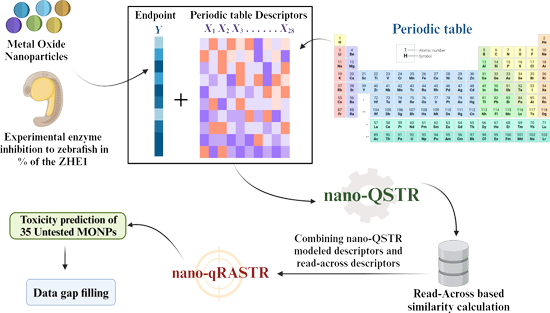
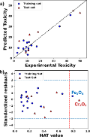
- ’ kinetics, migration, and transformation than in vitro cell culture assays [14]. Meanwhile, it is considered an equivalent model for investigating developmental toxicity and genotoxicity because around 85% of its genes are comparable to those found in humans [15]. The potential harm to human health posed by


Recent updates in applications of nanomedicine for the treatment of hepatic fibrosis
Beilstein J. Nanotechnol. 2024, 15, 1105–1116, doi:10.3762/bjnano.15.89
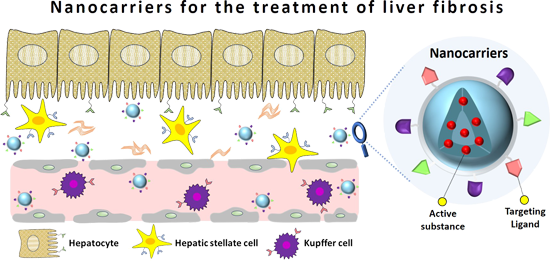
- the FDA up to 2019 [46]. They consist of PLGA microparticles, solid implants, and in situ gels; none of them is a PLGA NP formulation. This fact indicates that there are some challenges, including poor drug entrapment efficiency and drug release kinetics from PLGA nanoformulations [47]. Regarding


Unveiling the potential of alginate-based nanomaterials in sensing technology and smart delivery applications
Beilstein J. Nanotechnol. 2024, 15, 1077–1104, doi:10.3762/bjnano.15.88


Effect of wavelength and liquid on formation of Ag, Au, Ag/Au nanoparticles via picosecond laser ablation and SERS-based detection of DMMP
Beilstein J. Nanotechnol. 2024, 15, 1054–1069, doi:10.3762/bjnano.15.86

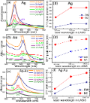
- absorption of NPs produced in aqueous NaCl solution was lower than that in DW, indicating a higher NP yield in DW. The observed difference in absorption intensities could be attributed to the influence of NaCl in the NP synthesis process. Salts may affect the kinetics of NP formation, leading to size, shape


Entry of nanoparticles into cells and tissues: status and challenges
Beilstein J. Nanotechnol. 2024, 15, 1017–1029, doi:10.3762/bjnano.15.83
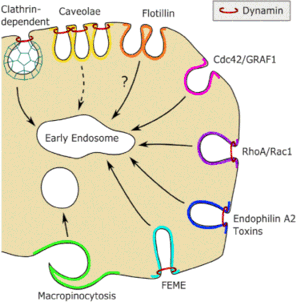
- Figure 3 was obtained using the NPs described in [31]. Another aspect when it comes to studies of endocytosis is the kinetics of the processes. If the number of internalized NPs is measured after a relatively long time (hours), not only the endocytic uptake plays a role for the readout, but also a


Electrospun nanofibers: building blocks for the repair of bone tissue
Beilstein J. Nanotechnol. 2024, 15, 941–953, doi:10.3762/bjnano.15.77
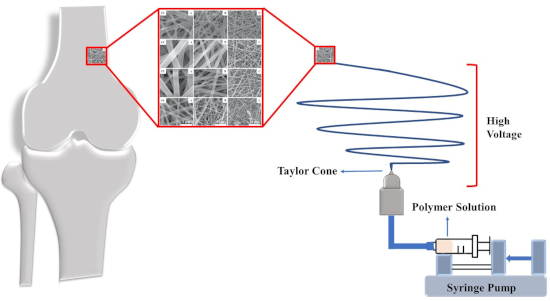
- polymer and drug, (iii) hydrophilicity/hydrophobicity of polymer and drug, (iv) properties of additives, (v) morphology of the system (e.g., porosity), and (vi) drug loading [4]. The aim of nanofiber production may be to provide the release of active material with zeroth-order kinetics after the burst
- is dissolved in the polymer, Higuchi homogeneous matrix kinetics is observed, and the active substance passes through the matrix by diffusion. Higuchi heterogeneous matrix kinetics also plays an active role in the release when an excess of active substance is present in the polymer. Water-soluble


Intermixing of MoS2 and WS2 photocatalysts toward methylene blue photodegradation
Beilstein J. Nanotechnol. 2024, 15, 817–829, doi:10.3762/bjnano.15.68
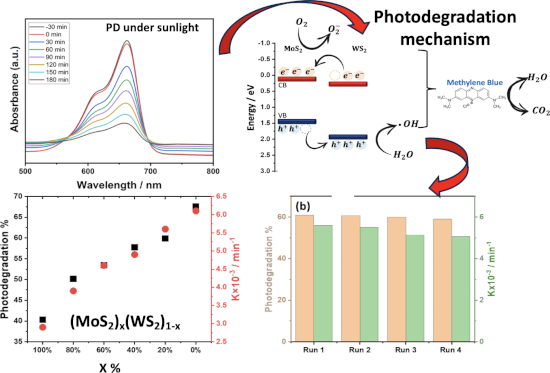
- Langmuir–Hinshelwood kinetics model, expressed by the following equation: The PD reaction rate constant, k, is the slope of Figure 7a. By plotting −ln(Ct/Co) as a function of t, it was observed that the oxidation of MB using the photocatalyst was well-fitted with the pseudo first-order reaction kinetics
- enhances the overall PD efficiency but also dramatically improves the stability and recyclability of the photocatalyst ascribed to the degradation kinetics. To mimic the real conditions, the optimized sample (MoS2)0.2/(WS2)0.8 was selected for PD experiments under direct sunlight (27 °C) in open-sky
- –Hinshelwood kinetics model as previously explained. Our results show a PD rate constant of 5.97 × 10⁻³ min−1 and 5.22 × 10⁻³ min−1 achieved under sunlight and solar simulator, respectively, as shown in Supporting Information File 1, Figure S6 and Figure S7). Generally, the photodegradation of organic


Laser synthesis of nanoparticles in organic solvents – products, reactions, and perspectives
Beilstein J. Nanotechnol. 2024, 15, 638–663, doi:10.3762/bjnano.15.54
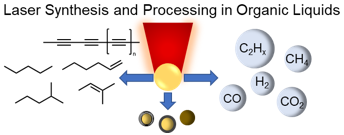
- alkaline hydrogen evolution reactions [160]. This was partly attributed to an optimization of water adsorption and stabilization of *H and *OH, which leads to an acceleration of reaction kinetics [161]. As the structure and thickness of the carbon shell directly affect the properties of nanoparticles





Radiofrequency enhances drug release from responsive nanoflowers for hepatocellular carcinoma therapy
Beilstein J. Nanotechnol. 2024, 15, 569–579, doi:10.3762/bjnano.15.49
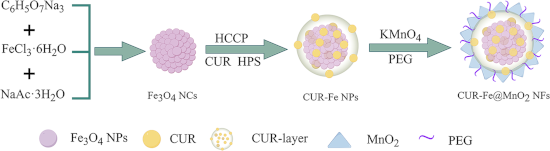
- release from CUR-Fe@MnO2 NFs in the simulated TME. Drug release kinetics model fitting was also performed. The Higuchi, Ritger–Peppas, zero-order, and first-order methods were used to fit the experimental data, and R2 and release constants were calculated, as shown in Table 1. Among them, the Higuchi
- model has the highest degree of fitting with the release of NFs in different simulated environments within 72 h, which indicates conformity with the Fick diffusion mechanism. Meanwhile, we found that RF heating does not affect the release kinetics model. Ritger–Peppas is a semiempirical model, and n is
- mathematical models used to determine the kinetics of drug release from delivery systems: zero order, first order, Higuchi, and Ritger–Peppas [35][36]. The model that exhibited the adjusted R-square closest to unity was selected as the best fit. The functions of the models considered are: zero-order model: ƒt


Electron-induced deposition using Fe(CO)4MA and Fe(CO)5 – effect of MA ligand and process conditions
Beilstein J. Nanotechnol. 2024, 15, 500–516, doi:10.3762/bjnano.15.45
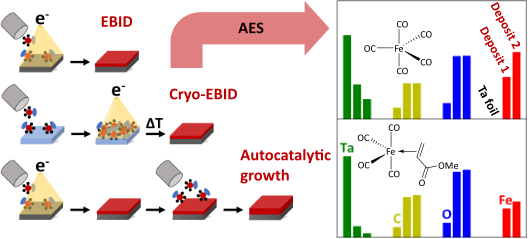
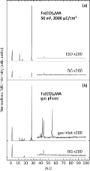
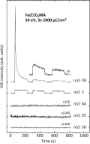
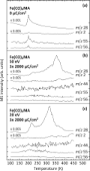
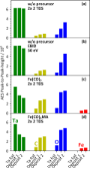
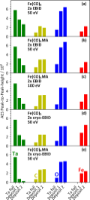
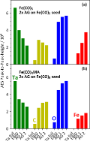
- (ESD) experiment or after irradiation when the surface temperature was increased during a thermal desorption spectrometry (TDS) experiment. ESD was monitored either by recording a mass spectrum or by following the time dependence of signals with specific m/z ratios to reveal the decomposition kinetics



Photocatalytic degradation of methylene blue under visible light by cobalt ferrite nanoparticles/graphene quantum dots
Beilstein J. Nanotechnol. 2024, 15, 475–489, doi:10.3762/bjnano.15.43
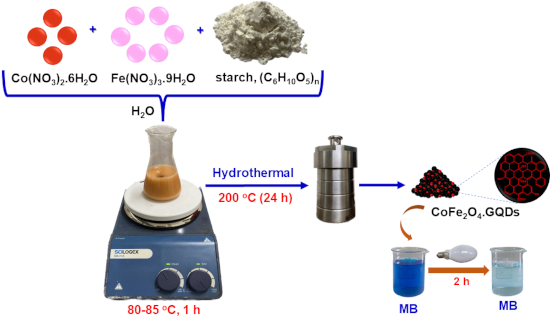
- increasing hydrolysis temperature because the higher the temperature, the more the CoFe2O4 crystals form, making it less agglomerated. The CF/GQDs-200 sample with the largest surface area was selected for further studies. Photocatalytic studies Figure 7a presents the decolourisation kinetics over different
- was added, the peak magnitude for MB at 246, 292, and 664 nm decreased remarkably. The colour disappearance and the cleavage of aromatic rings were completed after 120 min of irradiation (Figure 7c). The decolourisation kinetics of MB over CF/GQDs-200 is shown in Figure 7d. The Langmuir–Hinshelwood
- ) UV–vis spectra of MB and the treated solution (V = 100 mL, C0(MB) = 10 ppm, m = 0.05 g, time of darkness adsorption: 60 min, time of light irradiation: 120 min). (d) Decolourisation kinetics (V = 100 mL, C0(MB) = 5–30 ppm, m = 0.05 g, time of darkness adsorption: 60 min, time of light irradiation: 60




Fabrication of nanocrystal forms of ᴅ-cycloserine and their application for transdermal and enteric drug delivery systems
Beilstein J. Nanotechnol. 2024, 15, 465–474, doi:10.3762/bjnano.15.42
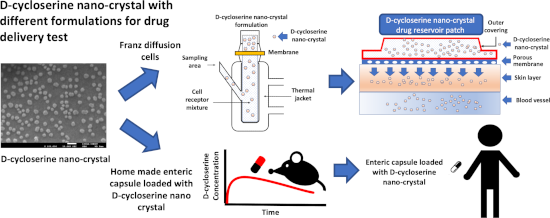
- long-term transdermal release kinetics of DCS nanocrystals and commercial DCS. (A–E are patch formulation compositions loaded with nanocrystals or commercial DCS that have been described in the section "Preparation of DCS nanocrystals" (n = 3)). Preliminary test of DCS solution in the reservoir


Heat-induced morphological changes in silver nanowires deposited on a patterned silicon substrate
Beilstein J. Nanotechnol. 2024, 15, 435–446, doi:10.3762/bjnano.15.39
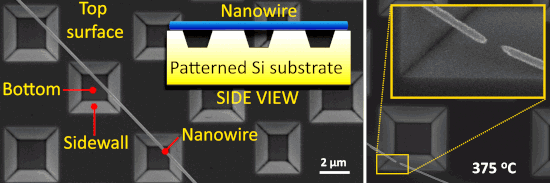
- instability and energy minimization via spheroidization [28][31]. It has been demonstrated that various coatings can effectively protect metallic NWs by suppressing surface diffusion [32][33][34]. The kinetics of diffusive processes in NWs are tightly related to the surface energies of the system. Both Ag and


Vinorelbine-loaded multifunctional magnetic nanoparticles as anticancer drug delivery systems: synthesis, characterization, and in vitro release study
Beilstein J. Nanotechnol. 2024, 15, 256–269, doi:10.3762/bjnano.15.24
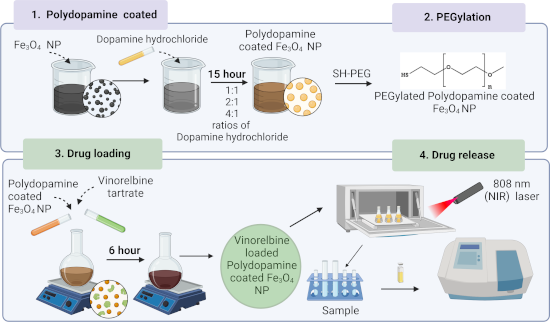
- external magnetic field. This finding is crucial for future studies on magnetic field-guided drug release and tumour treatment. Particularly, our research also investigates the effect of varying polymer ratios on drug release kinetics and photothermal efficiency, which was not addressed in the
- was also determined. Consequently, our study represents a novel contribution to the field by investigating the impact of polymer thickness on drug release, offering enhanced drug loading efficiency, improved magnetic properties, and pH-responsive drug release kinetics. Materials and Methods Materials
- differences in drug release kinetics; our nanostructures exhibit a higher drug release percentage at pH 5.5 (84.57%) compared to pH 7.4 (57.71%). This underscores the pH-responsive behaviour of our drug delivery system, which could potentially enhance drug delivery to tumour sites while minimizing off-target


Multiscale modelling of biomolecular corona formation on metallic surfaces
Beilstein J. Nanotechnol. 2024, 15, 215–229, doi:10.3762/bjnano.15.21
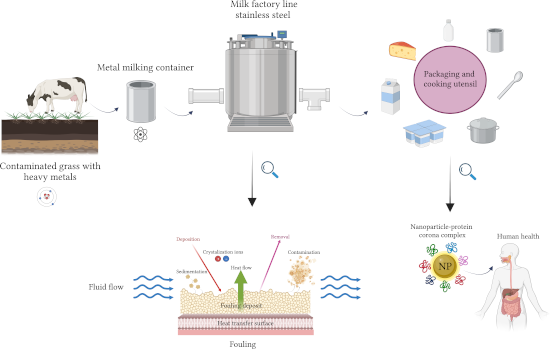
- engage in a complex interplay of dynamic physicochemical interactions, kinetics, and thermodynamic exchanges that can lead to undesirable outcomes [1][8][9][10]. In a more general context, the importance in understanding the mechanism of bionano interactions arises from the increasing awareness and
- representing the biological aspect of the interface, including amino acids (AAs), milk proteins, and carbohydrates. Additionally, we examine the preferred orientations of these molecules upon adsorption and investigate the kinetics of competitive adsorption among the proteins and lactose, aiming to understand
- compounds that may bind to NPs along with proteins. It can reasonably be assumed that these molecules may alter both the kinetics and equilibrium state of the corona and, moreover, may play a role in biological outcomes. Thus, it is of interest to include these small molecules in the corona simulation to




Graphene removal by water-assisted focused electron-beam-induced etching – unveiling the dose and dwell time impact on the etch profile and topographical changes in SiO2 substrates
Beilstein J. Nanotechnol. 2024, 15, 190–198, doi:10.3762/bjnano.15.18
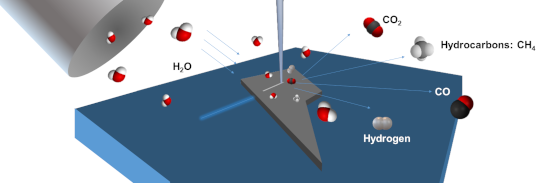
- ][17] and all carbon allotropes, such as diamond [18][19] or carbon nanotubes [20]. Although the fundamentals of the FEBIE method are easily intelligible, the process includes complex surface kinetics phenomena occurring between electrons and adsorbed molecules [21]. Hence, the resolution of the method
- as an unwanted co-deposition of amorphous carbon. Those deposition and etching processes may co-exist and can be controlled to a certain level by the electron flux [23]. The influence of surface kinetics phenomena on the etch profiles has not been considered in the previous works describing the proof


In situ optical sub-wavelength thickness control of porous anodic aluminum oxide
Beilstein J. Nanotechnol. 2024, 15, 126–133, doi:10.3762/bjnano.15.12
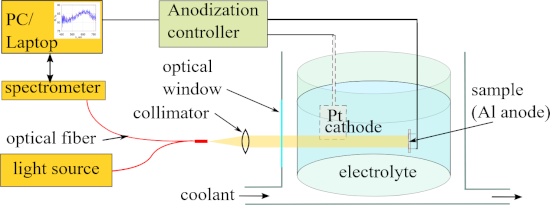
- correct hPAAO values. The onset of the stable thickness capture mode coincided with the beginning of the plateau observed in the anodization current kinetics curve (Figure 3a), which corresponds to the steady-state growth of PAAO [7]. While the primary focus of this study is on producing sub-wavelength


Development and characterization of potential larvicidal nanoemulsions against Aedes aegypti
Beilstein J. Nanotechnol. 2024, 15, 104–114, doi:10.3762/bjnano.15.10
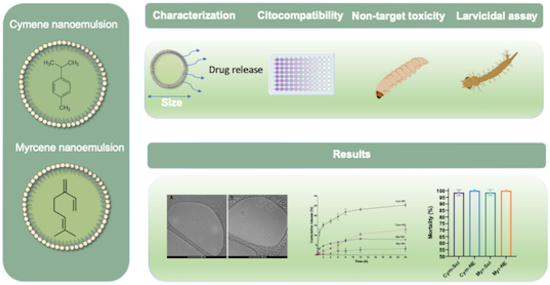
- oil–surfactant core–shell structure within the micelles. Consequently, a lower amount of monoterpenes is released into the surrounding medium [42]. Among the mathematical models used to study drug kinetics, the Korsmeyer–Peppas release model proved to be the most suitable for our formulations (Table 4
- ). Our results show that Cym-NE has a k value of 10.4, while Myr-NE has a k value of 3.3. A higher k value indicates faster drug release, while a lower k value indicates slower transport kinetics and, consequently, poor drug release from nanocarriers [43]. Furthermore, both Cym-NE and Myr-NE demonstrated
- of cymene and myrcene. Mathematical release kinetics models for nanoemulsions (Cym-NE, Myr-NE) and free terpenes (Cym-Sol and Myr-Sol). Average mortality of Aedes aegypti larvae after 24 h of exposure to the free monoterpenes and their nanoemulsion. Inhibitory concentrations 50 (IC50) of the NEs (Cym


Berberine-loaded polylactic acid nanofiber scaffold as a drug delivery system: The relationship between chemical characteristics, drug-release behavior, and antibacterial efficiency
Beilstein J. Nanotechnol. 2024, 15, 71–82, doi:10.3762/bjnano.15.7
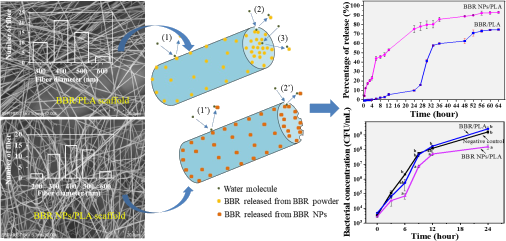
- hydrophilic BBR NPs favorably concentrated on the surface of the nanofibers. The relationship between the wettability and the BBR-release behavior of BBR-loaded PLA nanofiber scaffolds will be reported in the following drug-release profiles. In vitro drug-release profiles and release kinetics In vitro release


Influence of conductive carbon and MnCo2O4 on morphological and electrical properties of hydrogels for electrochemical energy conversion
Beilstein J. Nanotechnol. 2024, 15, 57–70, doi:10.3762/bjnano.15.6
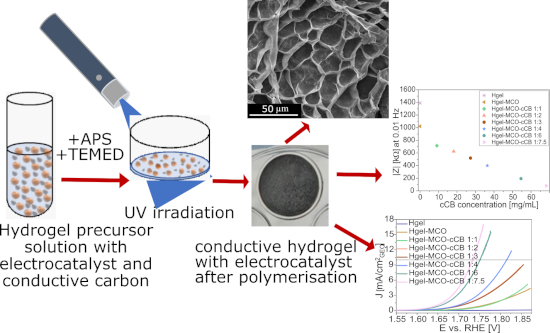
- the morphology also facilitates the penetration by the electrolyte, the diffusion of ions to electroactive sites, and the rapid release of the reaction, thus promoting the kinetics of the reaction and achieving higher efficiency of the catalyst built into the 3D structure [19]. The hydrogel matrix
- to electroactive sites, and the rapid release of the reaction, thus promoting the kinetics of the reaction and achieving higher efficiency of the catalyst built into the hydrogel structure [19][21]. The condition which must be met for hydrogels to be used in energy conversion systems is their
- , 9.26 mF/cm2, and 4.38 mF/cm2, respectively, for , , and electrodes [56], but with four times higher catalyst loading. The catalytic kinetics of the hydrogel samples showed a much lower Tafel slope value for pure hydrogel (141 mV/dec) than those obtained for the hydrogel with catalyst and conductive


Curcumin-loaded nanostructured systems for treatment of leishmaniasis: a review
Beilstein J. Nanotechnol. 2024, 15, 37–50, doi:10.3762/bjnano.15.4
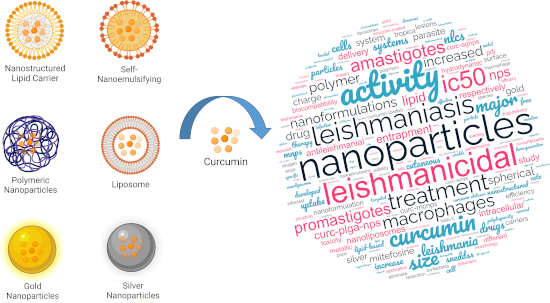
- impact specific drug release kinetics and increase biocompatibility [60]. Different biodegradable polymers have been used for the development of targeted PNPs for the treatment of leishmaniasis [102]. In this scenario, chitosan is an interesting polymer for NP synthesis due to its positive charge, which
- context, we could observe that the studies failed to correlate consecutive intra-macrophage and intra-amastigote cellular uptake kinetics, once it appears to greatly interfere with the proposed biochemical triggers of Leishmania spp. cell death. In addition, the work could also summarize that lipid-based





