


Search results
Search for "material" in Full Text gives 1952 result(s) in Beilstein Journal of Nanotechnology. Showing first 200.
Mechanical property measurements enabled by short-term Fourier-transform of atomic force microscopy thermal deflection analysis
Beilstein J. Nanotechnol. 2025, 16, 1952–1962, doi:10.3762/bjnano.16.136
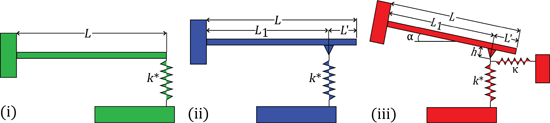
- reference material, rather than calculated directly from the dynamics models of the cantilever. We measured the cantilever displacement with very high sampling frequencies over the course of the experiment and captured its oscillations that result from thermal energy. Using short-term Fourier
- dynamic mechanics models relating the contact stiffness of the tip/cantilever pressing into a surface with the oscillation frequency of the cantilever and show that they did not accurately model the experiment. Several material combinations of tip and sample were examined; tip size and cantilever
- used to determine the size of the tip–sample contact, assuming the relevant material parameters of the system examined. Finally, the same experiment and data analysis was performed with other substrates and AFM tip materials to further explore the analytical CR-AFM models. Methods Experimental design




Evaluating metal-organic precursors for focused ion beam-induced deposition through solid-layer decomposition analysis
Beilstein J. Nanotechnol. 2025, 16, 1942–1951, doi:10.3762/bjnano.16.135
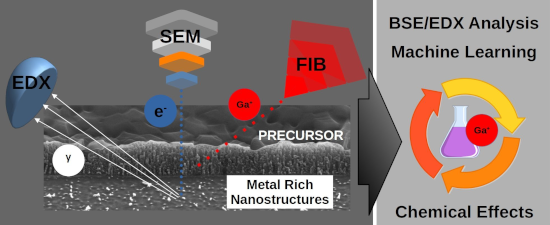
- significant beam-induced substrate defects (e.g., Ga atom implantation). Additionally, material growth is required to compete with the FIB milling process [4][9]. The use of ions instead of electrons, like in FEBID, offers several benefits, including enhanced film quality and adhesion, better control over the
- growth process, and greater flexibility in material selection (the ability to deposit a variety of different materials). The usage of ions opens new possibilities for materials development and applications [20][21]. Until now, the development of FEBID has relied on precursors used for chemical vapor
- backscattered electron (SEM BSE) analysis. For each studied precursor, an optimal ion fluence was determined, defined as the ion fluence at which the sputtering of the formed metal-rich structures becomes the dominant process, exceeding the rate of precursor decomposition and material buildup. While sputtering


Quantum circuits with SINIS structures
Beilstein J. Nanotechnol. 2025, 16, 1931–1941, doi:10.3762/bjnano.16.134
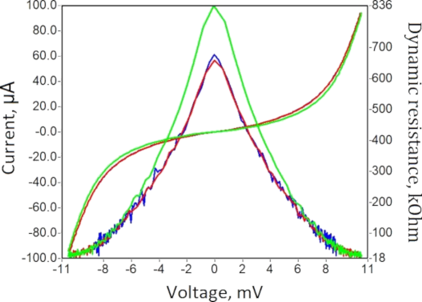
- power, Pbg is the background radiation power, ΣΛ(Te5 − Tph5) is the heat flux from electrons to phonons, Σ is the material constant, Λ is the absorber volume, Te and Tph are, respectively, the electron and phonon temperatures of the absorber, and Pcool is the electron cooling power. In other cases, it


Targeting the vector of arboviruses Aedes aegypti with nanoemulsions based on essential oils: a review with focus on larvicidal and repellent properties
Beilstein J. Nanotechnol. 2025, 16, 1894–1913, doi:10.3762/bjnano.16.132
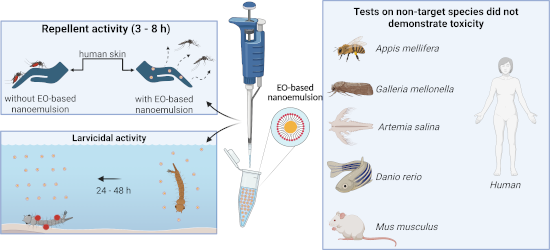
- distributed in Brazil, Ecuador, Peru, and other countries [124][125]. The plant material was collected in the state of Amapá (Brazil), and the morphotypes were differentiated by morphological characteristics and chemical composition determined by GC-MS. The morphotype A presented β-caryophyllene (45.93%) and


Self-assembly and adhesive properties of Pollicipes pollicipes barnacle cement protein cp19k: influence of pH and ionic strength
Beilstein J. Nanotechnol. 2025, 16, 1863–1872, doi:10.3762/bjnano.16.129
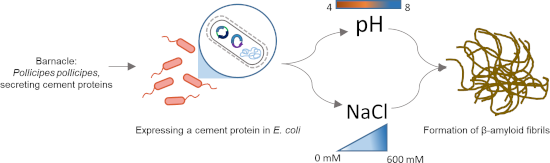
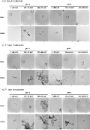
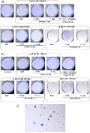
- secretion into the higher pH/similar salt concentration seawater, rPpolcp19k-his samples that had undergone assembly into fibrils for 21 days at pH 4.0, 150 mM NaCl were transferred into a pH 8.0, 600 mM NaCl environment prior to investigation of adhesion. Similar aggregates of proteinaceous material were
- accelerating voltage of 80 kV, and images were acquired at 3000× and 20000× magnifications. Each sample was initially scanned throughout at 3000× magnification to identify proteinaceous material; 10–15 TEM fields were then captured at 20000× magnification, and representative images containing protein, if


On the road to sustainability – application of metallic nanoparticles obtained by green synthesis in dentistry: a scoping review
Beilstein J. Nanotechnol. 2025, 16, 1851–1862, doi:10.3762/bjnano.16.128
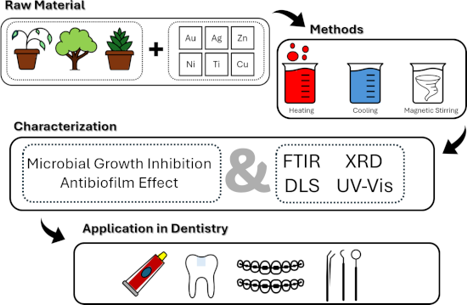
- goals. These findings affirm that green nanotechnology represents a paradigm shift in dental material innovation, offering promising avenues to enhance oral health outcomes while integrating ecological responsibility. Future research must prioritize translational approaches, including comprehensive


Current status of using adsorbent nanomaterials for removing microplastics from water supply systems: a mini review
Beilstein J. Nanotechnol. 2025, 16, 1837–1850, doi:10.3762/bjnano.16.127
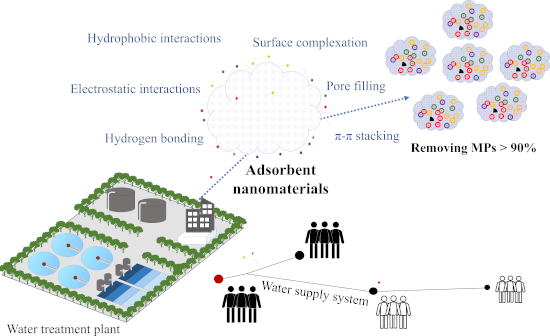
- can recovery. Their effectiveness depends on material properties and environmental factors, but challenges remain in scale-up and related risks. Adsorbent nanomaterials show promising potential to enhance MP removal through specific properties. Although some related risks are discussed, these
- distribution pipeline network. Depending on different characteristics, including the material of pipeline, distance of transportation, analytical methods, and the size of the MPs targeted, the concentration of MPs in water will fluctuate, as shown in Table 1. Research indicated that raw water sources (rivers
- ]. Recently, Yan et al. developed a reduced graphene oxide (S-rGO) membrane with small lateral size and a rejection rate of up to 99.9% while maintaining high water permeability (236.2 L·m−2·h−1·bar−1) [56]. As another type of material belonging to carbon-based adsorbents, CNTs have also gained attention


Phytol-loaded soybean oil nanoemulsion as a promising alternative against Leishmania amazonensis
Beilstein J. Nanotechnol. 2025, 16, 1826–1836, doi:10.3762/bjnano.16.126

- and in vivo investigations to confirm its efficacy, tissue distribution, and mechanism of action. Experimental Material ʟ-α-Phosphatidylcholine (95%) (Avanti Polar lipids, United States); polaxamer 407 (Sigma-Aldrich, Brazil); glycerin (Vetec, Brazil); phytol (97%), mixture of isomers (Sigma-Aldrich


Further insights into the thermodynamics of linear carbon chains for temperatures ranging from 13 to 300 K
Beilstein J. Nanotechnol. 2025, 16, 1818–1825, doi:10.3762/bjnano.16.125
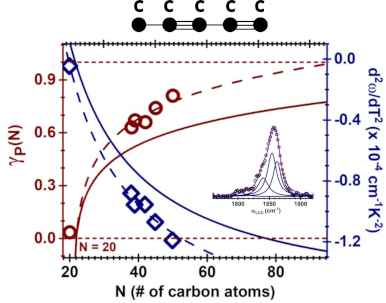
- data. The inset shows a representative case at T = 700 K for , as discussed in the text and in [30]. Supporting Information Supporting Information File 12: Additional figures and calculations. Funding This material is based upon work supported by the National Science Foundation under Grant No


![[Graphic 23]](/bjnano/content/inline/2190-4286-16-125-i25.svg?max-width=637&scale=1.18182)
Piezoelectricity of layered double hydroxides: perspectives regarding piezocatalysis and nanogenerators
Beilstein J. Nanotechnol. 2025, 16, 1812–1817, doi:10.3762/bjnano.16.124

- is still in its infancy and this review explores its recent advances. The discussion encompasses LDH-based piezoelectric nanogenerators, piezocatalytic and piezo-photocatalytic properties of LDHs, and composite material synergies that enhance the overall electroactive performance. Looking to the
- organically modified Ni/Co-LDH nanosheets. However, some concerns arise regarding whether the synthesized material reported by the authors can indeed be classified as a Ni/Co-LDH. First, the synthesis was carried out using salts of divalent nickel and divalent cobalt at a Ni/Co ratio of 1:2. In the absence of
- addition to zinc-aluminum LDHs, piezo-photocatalytic properties have also been studied for Ni/Fe LDH [15]. A Ni/Fe-LDH/Bi2MoO6−x composite has been designed for the piezo-photocatalytic N2 oxidation to NO3−. The obtained material displayed a high nitric acid production rate (7.23 mg·g−1·h−1). Experimental

Electrical, photocatalytic, and sensory properties of graphene oxide and polyimide implanted with low- and medium-energy silver ions
Beilstein J. Nanotechnol. 2025, 16, 1794–1811, doi:10.3762/bjnano.16.123
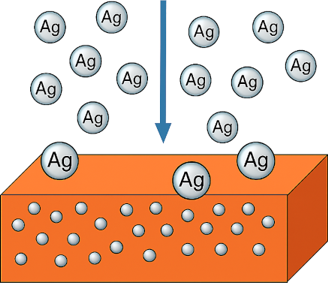
- properties of the modified materials. In our previous studies, light ions such as Cu [1][2] and C [3] were implanted into GO, PI, and other polymers. In contrast, the implantation of heavier ions like Ag interacts with the target material through different mechanisms. Owing to its higher mass, Ag has a
- , and pronounced plasmonic effects in the visible spectrum [5]. These synergistic characteristics make Ag ions especially advantageous for multifunctional material modification [6]. Silver is one of the metals with the highest electrical conductivity, and its ion implantation is an effective method for
- can further enhance the electrical conductivity of the non-conductive material [11]. These islands can act as conductive bridges between graphitic regions, and, at sufficient density, form a percolating network that significantly reduces resistance. The resulting hybrid system consisting of a


Exploring the potential of polymers: advancements in oral nanocarrier technology
Beilstein J. Nanotechnol. 2025, 16, 1751–1793, doi:10.3762/bjnano.16.122
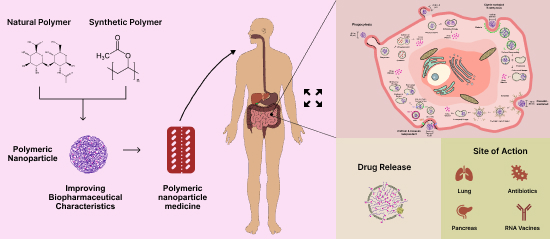
- , nanocapsules are particularly effective in encapsulating hydrophobic and lipophilic drugs due to the affinity of these compounds for the oily core. Drug release occurs through controlled diffusion across the polymeric layer and interaction with the core material. Conversely, nanospheres are capable of
- performance of PNs by modulating their interactions with mucus and the intestinal epithelium. The selection of coating material and technique is guided by the therapeutic goal, the physicochemical properties of the core polymer, and the nature of the encapsulated drug. Section 4 of this review provides a
- , forming polymeric complexes. Consequently, the incorporation of genetic material can occur via encapsulation, adsorption, or electrostatic interactions, resulting in nanocapsules, micelles, and diverse morphologies and shapes, as well as varying release profiles [139]. Considering that, to reach their


Advances of aptamers in esophageal cancer diagnosis, treatment and drug delivery
Beilstein J. Nanotechnol. 2025, 16, 1734–1750, doi:10.3762/bjnano.16.121
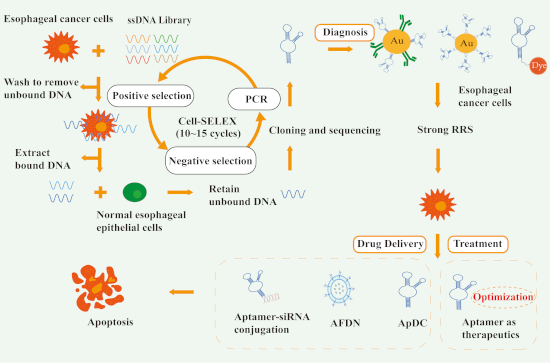
- a single biometric element to directly analyze biomarkers [45][46], while dual-system biosensors combine two antibodies and/or aptamers [47] into a better composite material to improve the specificity and sensitivity of the sensor. Figure 3 is a schematic diagram of a gold nanoparticle aptasensor


Beyond the bilayer: multilayered hygroscopic actuation in pine cone scales
Beilstein J. Nanotechnol. 2025, 16, 1695–1710, doi:10.3762/bjnano.16.119
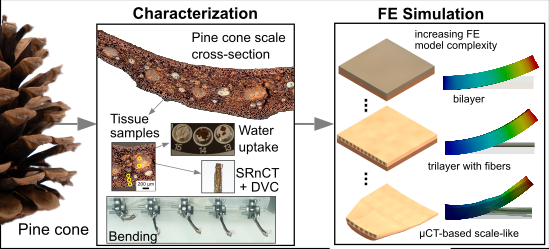
- the bending of bilayer geometries due to an overestimated contribution of sclerenchyma fiber stiffness. Geometries with discrete fibers embedded in a brown tissue matrix more accurately reproduced the bending angles observed in experiments. This highlights the importance of the chosen material
- due to the unknown sorption history of the sample [31]. We then divided the total amount of separated tissue material equally into five sample dishes each. The gravimetric water uptake of the extracted samples was then measured using a sorption test system (SPSx-1µ-High-Load, ProUmid, Germany) and a
- X- and Y-directions (spanning the cross section of each model), the mean value of the two measured values was used, while the Z-value (from the basal to the apical end of the models) was derived directly. The same coefficients were used in all simulations. A linear elastic material model was applied


Ambient pressure XPS at MAX IV
Beilstein J. Nanotechnol. 2025, 16, 1677–1694, doi:10.3762/bjnano.16.118
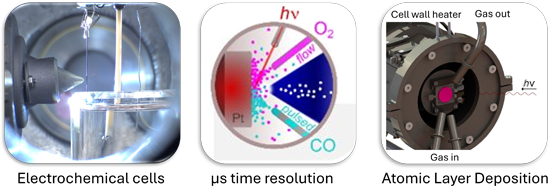
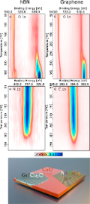
- representative studies at MAX IV, including investigations of single-atom catalysts, confined catalysis, time-resolved catalysis, atomic layer deposition, and electrochemical interfaces, showcasing the role of APXPS in advancing material and surface science. Keywords: 2D materials; atomic layer deposition
- material interfaces under more realistic conditions, which is a critical advancement in material research, gaining increasing popularity across various fields. APXPS is crucial for studying dynamic processes in catalysis, environmental science, and energy materials, where reactions typically occur at or
- fields of, among others, catalysis research, material characterization, and thin film deposition, utilizing dedicated cells. HIPPIE, on the 3 GeV ring, covers a wider photon energy range than SPECIES (250 to 2500 eV), also with variable polarization [10]. It has two branches, each with its own





Prospects of nanotechnology and natural products for cancer and immunotherapy
Beilstein J. Nanotechnol. 2025, 16, 1644–1667, doi:10.3762/bjnano.16.116
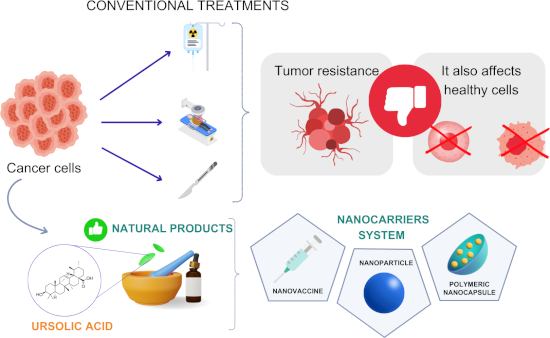
- spontaneously from the organization of active or natural compounds, without the presence of a carrier material or excipients. Their stability is due to the presence of intermolecular interactions, such as electrostatic forces, hydrogen bonding, π–π stacking, and hydrophobic interactions [104][105]. Among the
- nanoparticles are semiconductor structures smaller than typical nanoparticles, ranging from 2 to 10 nm in size. They are composed of heavy metal or inorganic material and exhibit fluorescent activity, making them commonly used for pharmaceutical applications [153][154]. The technology’s composition is


Venom-loaded cationic-functionalized poly(lactic acid) nanoparticles for serum production against Tityus serrulatus scorpion
Beilstein J. Nanotechnol. 2025, 16, 1633–1643, doi:10.3762/bjnano.16.115
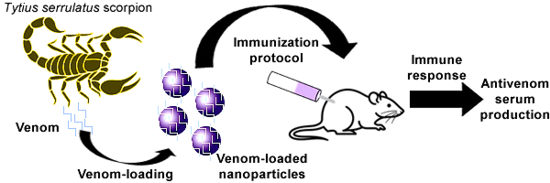
- hydroxide. Thus, all data demonstrate a good performance of the nanoprecipitation method to generate small-sized protein-loaded polymeric nanoparticles which can be used as a novel immunoadjuvant. Experimental Material Poly(D,L-lactic acid) (D,L-PLA) 50:50 (inherent viscosity 0.63 dL·g−1 at 30 °C) was
- material was approved by the Brazilian Access Authorization and Dispatch Component of Genetic Patrimony (CGen) (Process 010844/2013-9, 25 October 2013). The venom was weighed and dissolved with PBS at 1 mg/mL, aliquoted, and stored at −20 °C until used. Preparation of cationic PLA nanoparticles for Tityus


Nanotechnology-based approaches for the removal of microplastics from wastewater: a comprehensive review
Beilstein J. Nanotechnol. 2025, 16, 1607–1632, doi:10.3762/bjnano.16.114
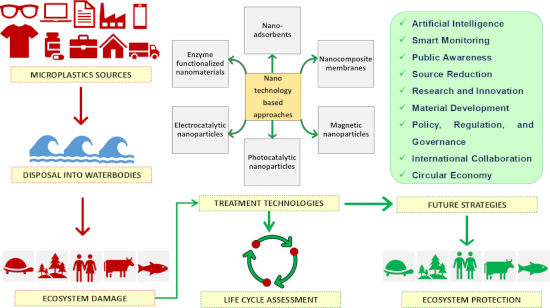
- for MP monitoring. Despite high laboratory scale efficiencies, there are several challenges such as material scalability, environmental safety, regulatory frameworks, and real water applicability. This study proposes future directions for sustainable nanotechnology deployment, including green
- associated modules. The efficiency of a membrane system is primarily governed by the material used in its construction. Enhancing membranes with functional nanomaterials provides a promising path to boost permeability, reduce fouling, and increase both mechanical and thermal durability, while also enabling
- innovative solutions in MPs remediation. You et al. [119] synthesized a robust composite material, ZIF-8@Aerogel, by growing Zn-based MOF ZIF-8 directly onto wood-derived aerogel fibres. This composite demonstrated effective MP removal in both freshwater and seawater simulations. Specifically, it achieved a


Bioinspired polypropylene-based functionally graded materials and metamaterials modeling the mistletoe–host interface
Beilstein J. Nanotechnol. 2025, 16, 1592–1606, doi:10.3762/bjnano.16.113
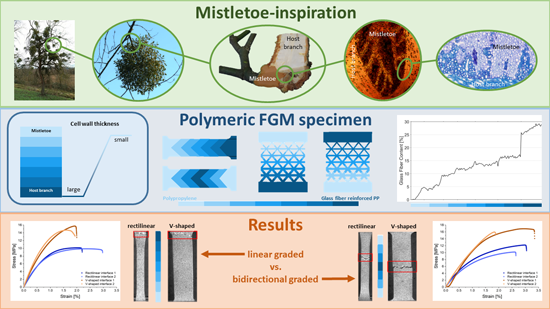
- gradient that bridges the mechanical differences between the adjacent tissues. These characteristics of the mistletoe–host interface can be transferred to functionally graded polymeric materials. Using extrusion molding and hot pressing, we developed a material system that combines pure and glass-fiber
- local strain behavior and the failure point. Moreover, this phenomenon was transferred to metamaterial structures where the material gradient counteracts the geometric gradient (beam thickness). The results highlight the effective anchoring method of mistletoe through graded structuring of the interface
- with the host branch and provide a framework for creating bioinspired functionally graded material systems with programmable local strain and failure behavior. Keywords: bioinspiration; digital image correlation; fiber-reinforced polypropylene; materials interface; programmable failure; Introduction


Photocatalytic degradation of ofloxacin in water assisted by TiO2 nanowires on carbon cloth: contributions of H2O2 addition and substrate absorbability
Beilstein J. Nanotechnol. 2025, 16, 1567–1579, doi:10.3762/bjnano.16.111
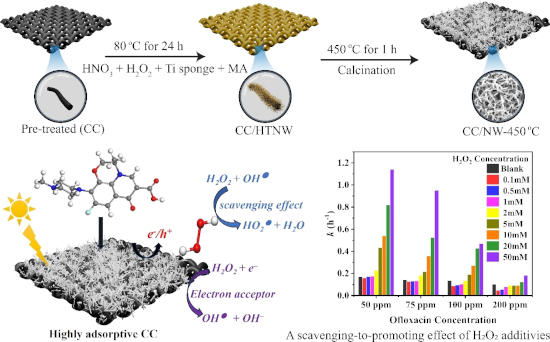
- than that of 10–20 ppm adopted by most studies, highlighting the advantages of the one-dimensional TiO2 material on an adsorptive substrate as a photocatalyst. Experimental Materials and reagents Carbon cloth with a purity of 99.8% was provided by Shanghai Hesen Industry Company Limited, China


Modeling magnetic properties of cobalt nanofilms used as a component of spin hybrid superconductor–ferromagnetic structures
Beilstein J. Nanotechnol. 2025, 16, 1557–1566, doi:10.3762/bjnano.16.110
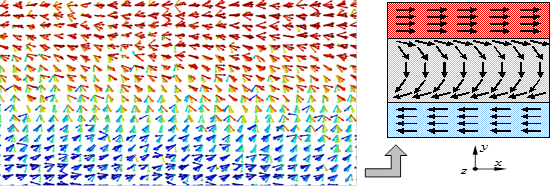
- material structure corresponded to a face-centered cubic crystal lattice (fcc). The size of the system in the first problem was small at 500 atoms (5 × 5 × 5 elementary crystal cells) and was due to the study of a similar system in [22]. The appearance of the modeled cobalt crystallite and the magnetic
- nanofilm increases, the modeled system approaches a bulk material in terms of its physical properties. That is why, from the point of view of functional characteristics, thin-film ferromagnetic nanostructures are of the greatest interest. Analysis of the graphs in Figure 5 shows that for the whole series


Transient electronics for sustainability: Emerging technologies and future directions
Beilstein J. Nanotechnol. 2025, 16, 1545–1556, doi:10.3762/bjnano.16.109

- stimulators, and drug delivery vehicles, as well as environmentally benign electronics for soil or aquatic disposal. Despite their potential, key challenges remain in expanding the material set for diverse functionalities, achieving high-density integration for advanced operations, and enabling precise
- ; encapsulation; fabrication strategy; transient electronics; Introduction In recent years, a growing global concern has emerged regarding the unintended consequences of material longevity on sustainability initiatives, particularly in light of the escalating crisis of plastic waste accumulation in landfills and
- electronic devices has created fertile ground for the convergence of flexible electronics with lifetime-controllable material systems [13]. This confluence has given rise to the emerging field of transient electronics, that is, devices engineered to function over a defined time window before undergoing


Influence of laser beam profile on morphology and optical properties of silicon nanoparticles formed by laser ablation in liquid
Beilstein J. Nanotechnol. 2025, 16, 1533–1544, doi:10.3762/bjnano.16.108
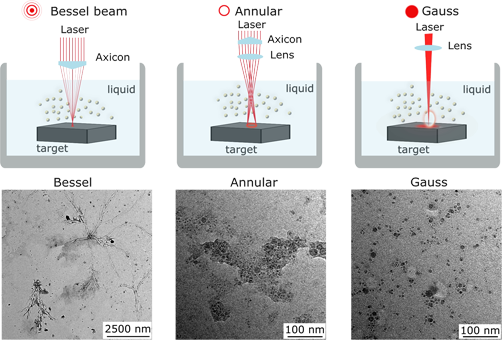
- its prominent optical and electronic properties, is the most widely used semiconductor material in many fields of microelectronics, optics, photovoltaics, and molecular sensing. Nevertheless, even despite its widespread application, the interest in silicon-based structures, especially having sizes in
- laser beam energy distribution (Gauss, Bessel, or annular) for the synthesis of silicon nanomaterials of different shapes by laser ablation in a liquid. The advantages of laser beams with Bessel and annular profiles were demonstrated earlier in the fields of material processing, such as microdrilling
- -uniform energy distribution, which will affect plasma generation and confinement, the hydrodynamic trajectory of the ejected target material and pressure relaxation, as well as plasma and cavitation bubble propagation and temporal evolution. In the case of a Bessel beam, the focusing with an axicon


Dendrimer-modified carbon nanotubes for the removal and recovery of heavy metal ions from water
Beilstein J. Nanotechnol. 2025, 16, 1522–1532, doi:10.3762/bjnano.16.107

- Abstract Effective removal of trace heavy metal ions from aqueous bodies is a pressing problem and requires significant improvement in the area of absorbent material in terms of removal efficiency and sustainability. We propose an efficient strategy to enhance the adsorption efficiency of carbon nanotubes
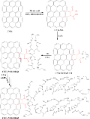
- (Scheme 1). This first step is crucial to ensure a high growth rate of dendrimers in subsequent steps by the repeated reaction of MA and ethylene diamine (EDA). We have characterized the CNTs-MA material by Raman spectroscopy to find the degree of functionalization, and the results are depicted in Figure
- 0.45 µm PTFE membrane, then thoroughly washed several times with deionized water followed by ethanol to remove any unreacted MA and residual DES. The washed material was subsequently dried in an oven at 45 °C overnight. The CNTs-MA (100 mg) was dispersed in 10 mL of methanol under a nitrogen atmosphere


Nanomaterials for biomedical applications
Beilstein J. Nanotechnol. 2025, 16, 1499–1503, doi:10.3762/bjnano.16.105
- . Drugs or genetic material can be carried by these cylindrical nanoparticles and directed towards specific cells through external stimuli such as a magnetic field or light [12]. A new nanoscale drug delivery system has been developed by using carbon nanotubes and a carbon nanotube–graphene hybrid to more
- well-suited for orthopedic implants. Likewise, the addition of silver nanoparticles provides antibacterial properties for the material. This action is helping to prevent infection during the recovery time [28][29]. One of the major advantages of using nanomaterials in tissue engineering is that they
- material to meet specific requirements, whether to attack cancer cells, allow tissue regrowth, or eliminate bacteria from a surgical site. Since nanoparticles are extremely small, they have the potential to interact with cells and enable cellular events. Even though these technologies are intricate, their



