


Search results
Search for "mechanisms" in Full Text gives 880 result(s) in Beilstein Journal of Nanotechnology. Showing first 200.
Prospects of nanotechnology and natural products for cancer and immunotherapy
Beilstein J. Nanotechnol. 2025, 16, 1644–1667, doi:10.3762/bjnano.16.116
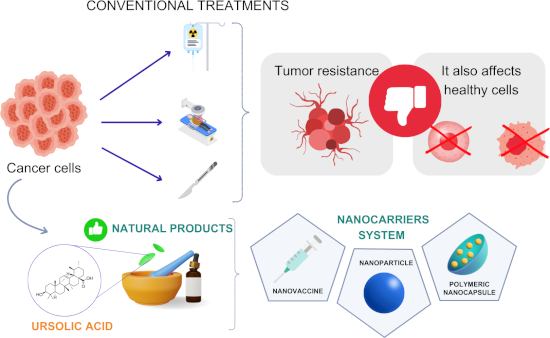
- to evade the immune system, such as expressing immunosuppressive molecules and creating a hostile tumor microenvironment that suppresses antitumor activity [7]. One of the most exploited mechanisms by tumors involves immune checkpoints, such as PD-L1 (programmed death-ligand 1) and CTLA-4 (cytotoxic
- ]. Given this scenario, bioactive compounds from natural products, such as alkaloids, flavonoids, and terpenoids, have garnered interest due to their anticancer and immunomodulatory properties [13][14]. Derivatives from plants, fungi, and microorganisms offer diverse mechanisms of action, including immune
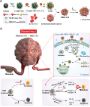
- immunotherapy is nanotechnology, as it presents physicochemical benefits for drugs. Among the advantages, nanotechnology can eliminate the limitations of using bioactive compounds in cancer treatment formulations, leading to increased bioavailability and pharmacokinetics [55]. The mechanisms behind the


Nanotechnology-based approaches for the removal of microplastics from wastewater: a comprehensive review
Beilstein J. Nanotechnol. 2025, 16, 1607–1632, doi:10.3762/bjnano.16.114
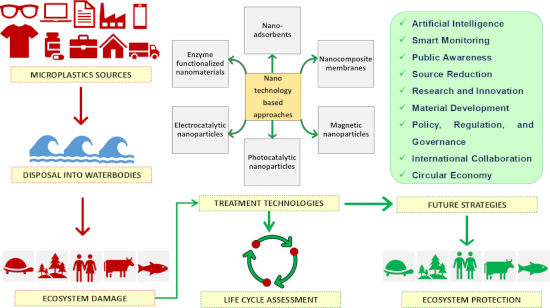
- oxidation mechanisms. These processes generate reactive oxygen species (ROS) through methods such as photocatalysis, ozonation, and electrochemical activation, which effectively break down the polymer chains of MPs, leading to their mineralization. The primary AOP techniques used for removing MPs from water
- be fine-tuned at the molecular or atomic level to selectively target specific contaminants [16]. Figure 6 illustrate the key mechanisms of MP removal using nanoparticles. Nanoparticles as adsorbent: Adsorption is the most commonly used method for eliminating inorganic and organic pollutants from
- seawater and brackish water [111]. The physical mechanisms involved in the removal of pollutants are schematically represented in Figure 9 and explained in Table 5 [112]. Membrane technology faces a key limitation in balancing selectivity with permeability, often resulting in a compromise between the two


Bioinspired polypropylene-based functionally graded materials and metamaterials modeling the mistletoe–host interface
Beilstein J. Nanotechnol. 2025, 16, 1592–1606, doi:10.3762/bjnano.16.113
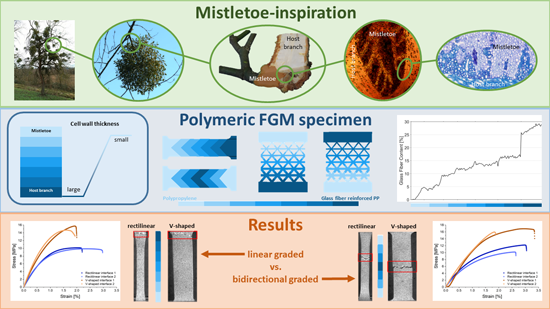
- crucial importance to withstand severe conditions, prevent damage, and maintain their functionality [1]. Furthermore, damage control mechanisms can be used to enable the targeted and economical use of resources and the recyclability of individual parts or the entire materials system [2]. In addition to
- self-healing mechanisms for reusing damaged structures [3][4][5], the targeted and pre-programmed discard of non-functional parts can also be used to maintain the overall function or recyclability of the materials used [6]. In order to achieve this in a spatially controlled manner, predetermined
- manufacturing. We intend to transfer the connection mechanisms of mistletoe to a bioinspired material system in which the interface between different materials is not only geometrically structured (V-shape), but also has continuous gradients along the geometry to enable smooth transition between materials


Photocatalytic degradation of ofloxacin in water assisted by TiO2 nanowires on carbon cloth: contributions of H2O2 addition and substrate absorbability
Beilstein J. Nanotechnol. 2025, 16, 1567–1579, doi:10.3762/bjnano.16.111
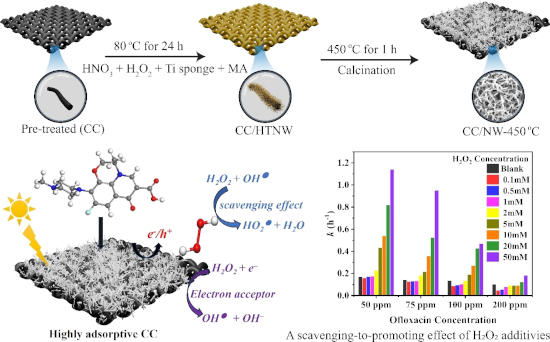
- is insignificant in the current investigation. OFL may be compromised by those reactive species (Equations 12–14). The potential photocatalytic degradation mechanisms of OFL are thus delineated as follows and demonstrated schematically in Figure 8b. The effects of the substrate with high adsorption


Modeling magnetic properties of cobalt nanofilms used as a component of spin hybrid superconductor–ferromagnetic structures
Beilstein J. Nanotechnol. 2025, 16, 1557–1566, doi:10.3762/bjnano.16.110
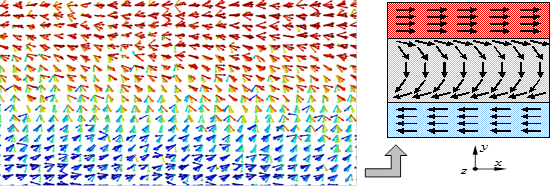
- different thicknesses and to reveal the main interdependence mechanisms of dimensional, structural, and magnetic subsystems. The proposed modeling methodology and the conducted studies make it possible to analyze the regularities determining the magnetic properties of thin films, which will further make it


Transient electronics for sustainability: Emerging technologies and future directions
Beilstein J. Nanotechnol. 2025, 16, 1545–1556, doi:10.3762/bjnano.16.109

- constituent (Figure 1e) [27]. Crucially, the utility of transient systems is not confined to the biomedical domain. Their degradation mechanisms are equally applicable in broader environmental settings where biocompatibility constraints are relaxed. In contexts such as soil, compost, freshwater, or marine
- . Third, precise lifetime control remains a critical challenge, necessitating not only improved encapsulation strategies but also dynamic, stimuli-responsive degradation mechanisms. Given the intricate nature of biological environments and the variability of therapeutic requirements, materials used in
- , offering the potential to replace conventional high-performance silicon-based devices with transient alternatives. In aqueous environments, silicon undergoes degradation via well-defined mechanisms with the rate of dissolution being highly sensitive to external conditions [42][44]. Elevated temperatures


Nanomaterials for biomedical applications
Beilstein J. Nanotechnol. 2025, 16, 1499–1503, doi:10.3762/bjnano.16.105
- for quick and accurate identification of biomarkers from blood or similar samples [21]. A novel biosensor type, called a biosensing drug delivery system, combines sensors with drug release mechanisms. This could make it easier to treat chronic diseases such as diabetes, heart disease, and cancer. When
Laser processing in liquids: insights into nanocolloid generation and thin film integration for energy, photonic, and sensing applications
Beilstein J. Nanotechnol. 2025, 16, 1428–1498, doi:10.3762/bjnano.16.104
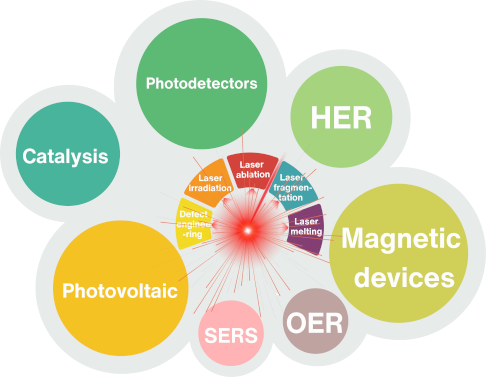
- 2004 [2][4][5][6][7][8][9] offer insights into its history, novelties, mechanisms, and applications, catering to the interests and choices of readers [10]. A list of recent review articles highlighting advancements in laser ablation, processing, and structuring of different materials, along with a
- after LFL treatment. By adjusting processing parameters such as solvent choice, the defect emission, including green defect emissions, can be controlled, providing further opportunities for tailoring the optical properties of NPs for various applications. The mechanisms behind nanoparticle formation
- usually observed to be single crystalline [51]. A review article by Ishikawa et al., published in the year 2023, provides a comprehensive overview of the historical background, different materials, mechanisms, parameters and applications of PLML [52]. In a study where small germanium (Ge) NPs (≈80 nm






Photochemical synthesis of silver nanoprisms via green LED irradiation and evaluation of SERS activity
Beilstein J. Nanotechnol. 2025, 16, 1417–1427, doi:10.3762/bjnano.16.103
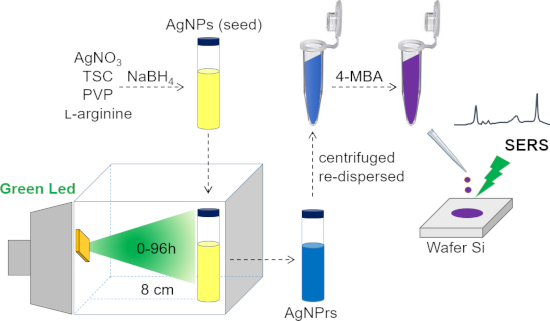
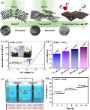
- , the surfaces of the silver nanomaterials (initial AgNP seeds, planar twinned seeds) are continuously excited, and the growth of AgNPrs proceeds via two mechanisms (Figure 6). These mechanisms are: (1) TSC continues to be excited and promotes the reduction of Ag+, resulting in the deposition of Ag0 on
- irradiation. Mechanisms proposed for AgNPrs formation. Raman spectra of (a) solid 4-MBA and (b) 4-MBA (10−1 M, amplified tenfold). Raman spectra of 4-MBA (10−5 M) with either (a) AgNPrs (after 72 h of LED irradiation) or (b) AgNPs (seeds), as well as of (c) 4-MBA 10−4 M. (a) Raman spectra of the mixture of


The role of biochar in combating microplastic pollution: a bibliometric analysis in environmental contexts
Beilstein J. Nanotechnol. 2025, 16, 1401–1416, doi:10.3762/bjnano.16.102
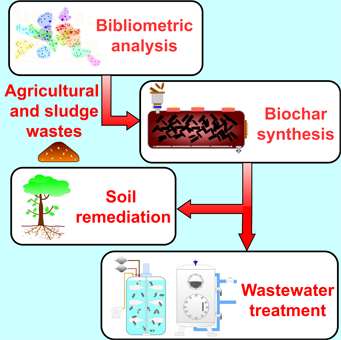
- % ± 4.92%). Specifically, for MPs ≥10 µm, fixed columns reach 99% efficiency, while magnetically modified biochar captures 96.2% of MPs as small as 1 µm. These efficiencies stem from biochar’s integration of physical and chemical mechanisms that enhance MP retention, particularly for MPs smaller than 10 µm
- functional groups in MP remediation also remains insufficiently explored. Moreover, bibliometric approaches have not been widely applied to visualize research trends in BC applications for MP mitigation. To advance the understanding of MP pollution and biochar’s remediation mechanisms, bibliometric analysis
- shown in Figure S1, Supporting Information File 1, four primary research themes have been explored at the national level since 2017, namely, (i) adsorption capacity and mechanisms, (ii) composting-related fertilizer applications, (iii) degradation of plastic mulch into polymers in soil, and (iv



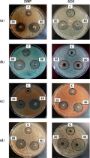
Enhancing the therapeutical potential of metalloantibiotics using nano-based delivery systems
Beilstein J. Nanotechnol. 2025, 16, 1350–1366, doi:10.3762/bjnano.16.98
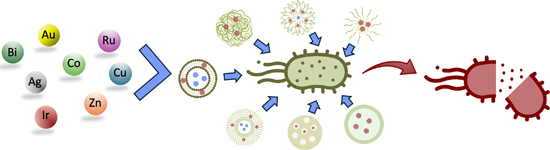
- enabling their precise, localized release. Recent reviews have outlined the key design parameters and clinical translation challenges associated with nanocarrier-based antimicrobial therapies, underscoring their relevance in overcoming bacterial resistance mechanisms [Xie, Y.; Liu, H.; Teng, Z.; Ma, J
- .; Liu, G. Nanoscale 2025, 17, 5605–5628. doi:10.1039/D4NR04774E ]. This review explores the potential of encapsulated metalloantibiotics as a new frontier in antimicrobial therapy. We address the mechanisms by which drug delivery systems can stabilize and direct metalloantibiotics to their biological
- development are derivatives of already existing ones, which makes them susceptible to existing resistance mechanisms [10]. In 2024, the World Health Organization (WHO) identified only 32 antibiotics under development to address the priority pathogens [11], of which only twelve fulfil all criteria to be


Ferroptosis induction by engineered liposomes for enhanced tumor therapy
Beilstein J. Nanotechnol. 2025, 16, 1325–1349, doi:10.3762/bjnano.16.97
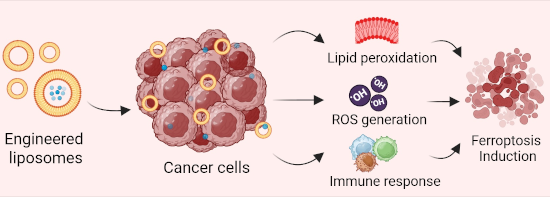
- ferroptosis-based therapy. Among them, engineered liposomes have received more attention due to their biocompatibility, low immunogenicity, and flexibility in chemical and structural modifications. The present review focuses on the mechanisms of ferroptosis and its induction by engineered liposomes to improve
- to high disability and mortality, and the exact mechanisms are still unclear. Current chemotherapy faces challenges, including non-specificity, toxicity to healthy cells, the development of stem-like cells, and the progression of multidrug resistance [1]. Drug resistance is a major obstacle in cancer
- tumor suppressors, such as the p53 molecule, are linked, meaning that ferroptosis can be enhanced or prevented by p53 [30]. Moreover, inflammatory activation are remarkably linked by ferroptosis through some signaling pathways, such as JAK-STAT and NF-κB [27]. Mechanisms involved in ferroptosis are


Wavelength-dependent correlation of LIPSS periodicity and laser penetration depth in stainless steel
Beilstein J. Nanotechnol. 2025, 16, 1302–1315, doi:10.3762/bjnano.16.95
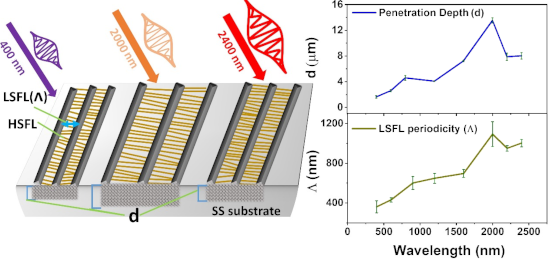
- or understand the underlying mechanisms. In pursuit of this understanding, we monitored the formation of plasma and the depth of laser penetration inside the material for all wavelengths of femtosecond laser irradiations. According to the plasmonic model, when the radiation is incident at a normal
- by the scanning range of the instruments, offering a facile method for industrial applications. Our findings revealed that the periodicity of LIPSS increased with the laser wavelength up to 2000 nm, followed by a decrease at 2200 and 2400 nm. Current theories and mechanisms could not explain this
- , our EDS analysis showed that the material distribution is homogeneous, regardless of the irradiation wavelength. Overall, our study provides valuable insights into the mechanisms and optimization of LIPSS formation on stainless steel surfaces using femtosecond laser pulses. The findings have




Acrocomia aculeata oil-loaded nanoemulsion: development, anti-inflammatory properties, and cytotoxicity evaluation
Beilstein J. Nanotechnol. 2025, 16, 1277–1288, doi:10.3762/bjnano.16.93
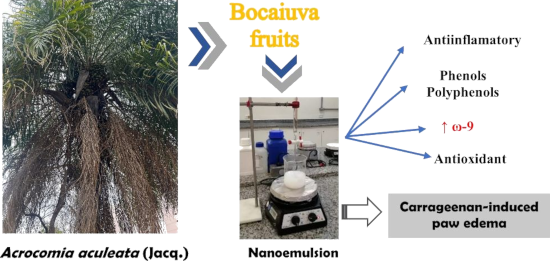
- marked reduction in droplet size, stabilizing between 110 and 120 nm across all time points. This reduction can be attributed to several interrelated physicochemical mechanisms. Primarily, the nonionic surfactants Span 80® and Tween 80® reduce interfacial tension between oil and aqueous phases, a


Better together: biomimetic nanomedicines for high performance tumor therapy
Beilstein J. Nanotechnol. 2025, 16, 1246–1276, doi:10.3762/bjnano.16.92
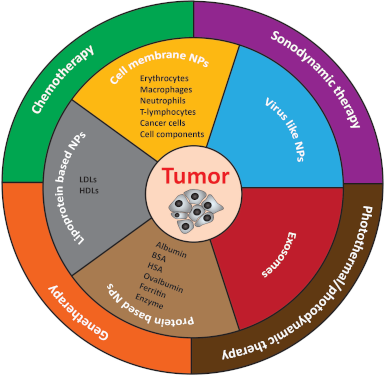
- addition, the escalation of new glitches such as drug sensitivity in tumor cells has been reduced due to the emergence of multidrug resistance (MDR) by various factors, including ATP-dependent drug efflux, selective stress of drugs, altered DNA repair mechanisms, cellular heterogeneity, recurrence, and
- ]. The drug-loaded nanoparticle was camouflaged with 4T1 membrane, and the biomimetic system showed prolonged circulation, enhanced tumor accumulation, and release of DOX under low-dose radiation. Furthermore, Mohammad at al. exploited homotypic mechanisms to enhance the therapeutic efficacy of






Hydrogels and nanogels: effectiveness in dermal applications
Beilstein J. Nanotechnol. 2025, 16, 1216–1233, doi:10.3762/bjnano.16.90
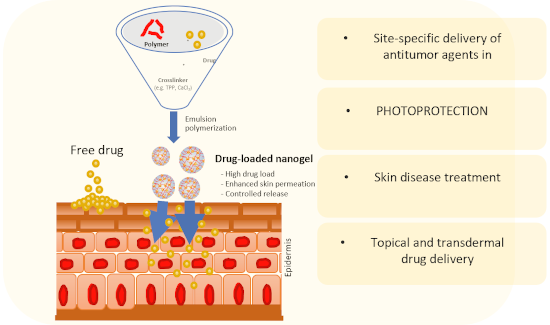
- the extracellular matrix make them attractive drug delivery systems. Dermal applications include psoriasis treatment, antimicrobial activity, wound healing, and skin tumor remission. Understanding topical and transdermal drug delivery mechanisms is crucial. Hydrogels and nanogels, proven strategies to


Electronic and optical properties of chloropicrin adsorbed ZnS nanotubes: first principle analysis
Beilstein J. Nanotechnol. 2025, 16, 1184–1196, doi:10.3762/bjnano.16.87
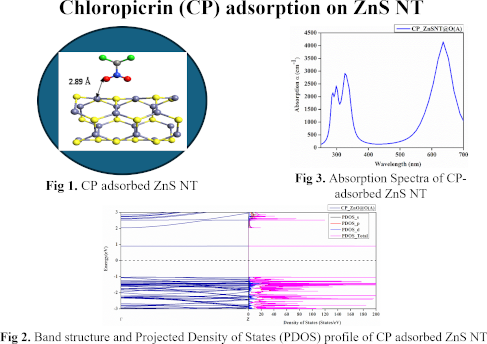
- pristine ZnS NT and CP-adsorbed ZnS NT at orientations A, B, C, and D reveal significant variations that elucidate the interaction mechanisms between CP molecules and ZnS NTs. For pristine ZnS NTs, the spectrum displays multiple sharp peaks in the UV region (250–400 nm), with the strongest peak occurring


Crystalline and amorphous structure selectivity of ignoble high-entropy alloy nanoparticles during laser ablation in organic liquids is set by pulse duration
Beilstein J. Nanotechnol. 2025, 16, 1141–1159, doi:10.3762/bjnano.16.84
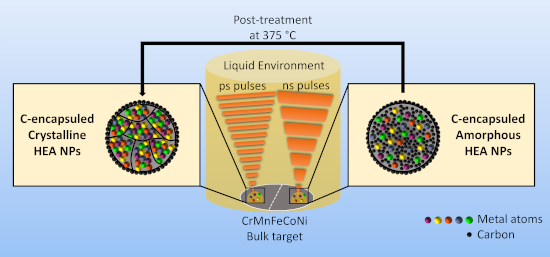
- for ps-LAL HEA NPs and PDI = 0.12 for ns-LAL HEA NPs) is evident. Due to fundamental differences in the particle formation mechanisms during ps- and ns-LAL as proposed by Shih et al., ps-LAL has been reported to yield bimodal size distributions (at least of Ag and Au at high fluences) [82], which may
- amorphous. As different pulse durations (ps vs ns) may lead to fundamentally different ablation mechanisms during LAL [50][64], it is conceivable that differences in sample compositions (content and distribution of the elements Cr, Mn, Fe, Co, Ni) may be responsible for the observed pulse-duration-dependent
- high oxygen affinity that favors Mn leaching based on chemical mechanisms [19]. Further, due to the small crystallite size of 3 nm, calculated from the Mn oxide reflections in both ps-HEA NPs and ns-HEA NPs (Figure 3A and Figure 3B), the existence of small MnO precipitates is also possible, which may




Piezoelectricity of hexagonal boron nitrides improves bone tissue generation as tested on osteoblasts
Beilstein J. Nanotechnol. 2025, 16, 1068–1081, doi:10.3762/bjnano.16.78
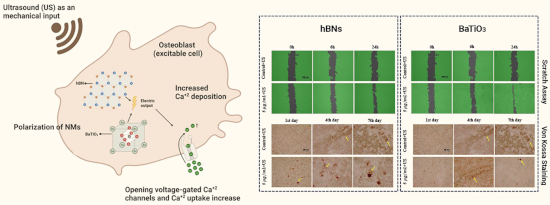
- suggests that US exposure may enhance cellular uptake mechanisms. This enhancement can be attributed to US exposure generating stress and increasing alterations in membrane fluidity, thereby facilitating higher uptake of NMs, as illustrated in Figure 4 [66]. Scratch assay A scratch assay was conducted to
- US exposure, as observed in the scratch assay. This enhanced migration may be linked to the unique piezoelectric properties of hBNs, which could interact with cellular mechanisms that improve cell motility. Interestingly, despite the lower cellular uptake of hBNs compared to that of BaTiO3, hBNs were


Soft materials nanoarchitectonics: liquid crystals, polymers, gels, biomaterials, and others
Beilstein J. Nanotechnol. 2025, 16, 1025–1067, doi:10.3762/bjnano.16.77
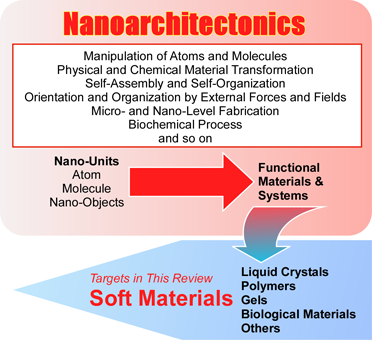
- observed to undergo irreversible structural changes, occurring through mechanisms such as loss of monolayer by desorption and local nucleation of defects. In terms of morphology, the nanoscale structure of the monolayer underwent a transformation from a randomly oriented nanowire configuration to a closely






Time-resolved probing of laser-induced nanostructuring processes in liquids
Beilstein J. Nanotechnol. 2025, 16, 968–1002, doi:10.3762/bjnano.16.74
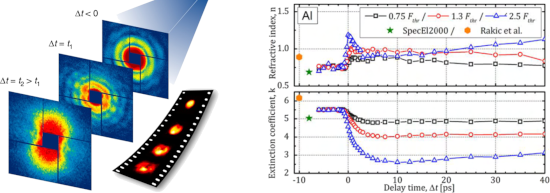
- of ablation, fragmentation or colloidal fusion may look macroscopically different in each application, the underlying fundamental mechanisms are always the same cascade of laser interaction with matter, non-thermal or thermal energy deposition, phase transitions, and the subsequent structure
- formation processes. Disentangling these mechanisms represents a veritable challenge, as ultrafast and structurally sensitive experimental methods are required. This review presents a discussion of how state-of-the-art experimental protocols using ultrafast lasers and sensitive structural probes, such as
- demanding studies that eventually show convergence with experimental results. Generally, the classification of the mechanisms in LSPC identifies three main pathways that are pictured schematically in Figure 1: (i) thermal processes, where the condensed matter is heated to high lattice temperatures, leading


Shape, membrane morphology, and morphodynamic response of metabolically active human mitochondria revealed by scanning ion conductance microscopy
Beilstein J. Nanotechnol. 2025, 16, 951–967, doi:10.3762/bjnano.16.73
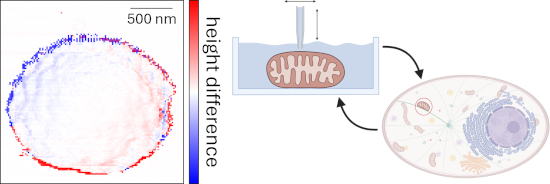
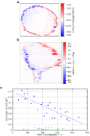
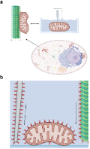
- . Accordingly, this parameter is referred to as the total edge volume (TEV). In the field of SPM, several mechanisms are known to influence parameters like the TEV without necessarily being related to the morphodynamics of the mitochondrion. In general, contributions to TEV(tP) in SPM experiments can include
- specific proteins of the outer mitochondrial membrane, may shed light on the mechanisms underlying this phenomenon. Experimental Cell culture, isolation protocol, and viability measurements HeLa cells [54][55] (CCL™), obtained from ATTC, were cultured and harvested in Dulbecco’s modified eagle medium (DMEM



Synthesis of biowaste-derived carbon-dot-mediated silver nanoparticles and the evaluation of electrochemical properties for supercapacitor electrodes
Beilstein J. Nanotechnol. 2025, 16, 933–943, doi:10.3762/bjnano.16.71
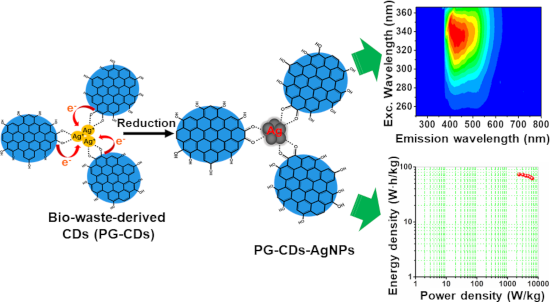
- supercapacitors involves two different kinds of charge-storing mechanisms: pseudocapacitance and electric double-layer capacitance (EDLC) [5]. The reversible redox processes are the primary charge-storage mechanism for pseudocapacitors [6]. Even though the capacitance value of pseudocapacitors is theoretically
- electrolyte ions on the surface of electrode, the efficient dispersion of electrolyte ions within the pores of PG-CDs-AgNPs and on their surface, and the high mobility of cations and anions within the electrolyte are the three mechanisms that allow PG-CDs-AgNPs to store charge during electrochemical reactions


Focused ion beam-induced platinum deposition with a low-temperature cesium ion source
Beilstein J. Nanotechnol. 2025, 16, 910–920, doi:10.3762/bjnano.16.69
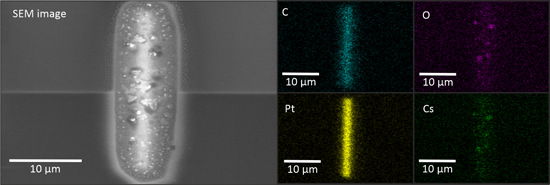
- magnetic or superconductive structures can be created [1][2][3][4]. Also, specific mechanical structures on atomic force microscopy (AFM) cantilevers can be made [5][6]. In the literature, four mechanisms are used to explain the complex process of focused ion beam-induced deposition (FIBID) [5][7]; the


Characterization of ion track-etched conical nanopores in thermal and PECVD SiO2 using small angle X-ray scattering
Beilstein J. Nanotechnol. 2025, 16, 899–909, doi:10.3762/bjnano.16.68
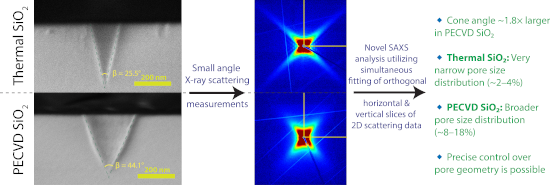
- different growth mechanisms, the resulting layers have different properties [47][48] and it can be expected that the track-etched nanopores also show different characteristics, including the track etching process itself. Understanding how the different fabrication methods influence the characteristics of





