Search results
Search for "medicine" in Full Text gives 308 result(s) in Beilstein Journal of Nanotechnology. Showing first 200.
Curcumin-loaded albumin submicron particles with potential as a cancer therapy: an in vitro study
Beilstein J. Nanotechnol. 2023, 14, 1127–1140, doi:10.3762/bjnano.14.93
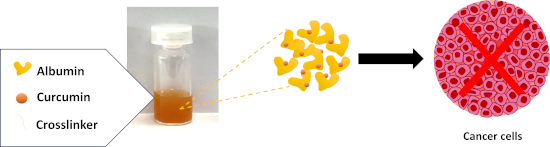
- University, Phitsanulok 65000, Thailand Division of Microbiology, School of Medical Sciences, University of Phayao 56000, Thailand Institute of Transfusion Medicine, Charité-Universitätsmedizin Berlin, 10117 Berlin, Germany 10.3762/bjnano.14.93 Abstract Curcumin (CUR), a polyphenolic compound, shows



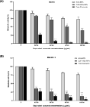

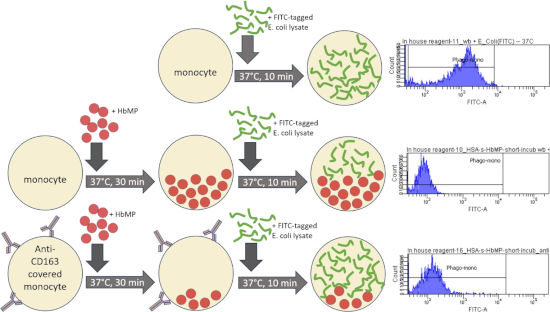
Recognition mechanisms of hemoglobin particles by monocytes – CD163 may just be one
Beilstein J. Nanotechnol. 2023, 14, 1028–1040, doi:10.3762/bjnano.14.85
- Jonathan-Gabriel Nimz Pichayut Rerkshanandana Chiraphat Kloypan Ulrich Kalus Saranya Chaiwaree Axel Pruss Radostina Georgieva Yu Xiong Hans Baumler Institute of Transfusion Medicine, Charité-Universitätsmedizin Berlin, Berlin, Germany Division of Clinical Immunology and Transfusion Sciences
- 6000, Bulgaria 10.3762/bjnano.14.85 Abstract Hemoglobin-based oxygen carriers (HBOCs) as blood substitutes are one of the great hopes of modern transfusion and emergency medicine. After the major safety-relevant challenges of the last decades seem to be largely overcome, current developments have in
- might exist, independent of CD163 and also Hb. Keywords: CD163; HBOC; hemoglobin-based oxygen carriers; monocytes; phagocytosis; Introduction Blood transfusions save lives every day and have become an indispensable part of clinical practice in modern medicine. However, there have always been numerous


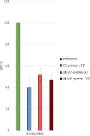


Prediction of cytotoxicity of heavy metals adsorbed on nano-TiO2 with periodic table descriptors using machine learning approaches
Beilstein J. Nanotechnol. 2023, 14, 939–950, doi:10.3762/bjnano.14.77
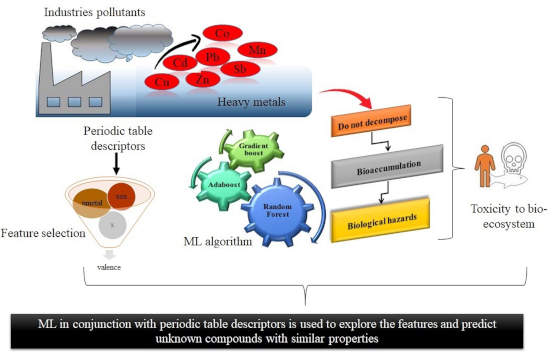
- cause co-exposure effects on living organisms. The extensive use of heavy metals in areas such as medicine and agriculture increased the negative impact of heavy metals on environment and living organisms, raising the need for risk assessment. Unlike other pollutants, heavy metals do not decompose


Green SPIONs as a novel highly selective treatment for leishmaniasis: an in vitro study against Leishmania amazonensis intracellular amastigotes
Beilstein J. Nanotechnol. 2023, 14, 893–903, doi:10.3762/bjnano.14.73
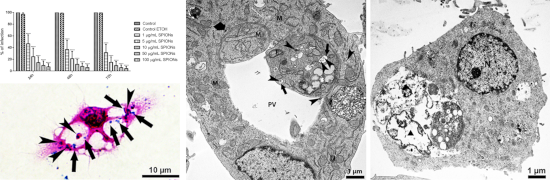
- ][3][4][5]. These facts demonstrate the need to develop new treatments or alternatives that are safer, more effective, and more accessible to patients. In this context, nanomedicine is one of the most promising branches of contemporary medicine, currently concentrating a large part of the scientific
- effort on the search for new treatments for different diseases. Its main objective is to develop therapies with higher specificity, effectiveness, and safety, as well as less toxicity [6]. One interesting class of nanomaterials in medicine are superparamagnetic iron oxide nanoparticles (SPIONs). SPIONs


Industrial perspectives for personalized microneedles
Beilstein J. Nanotechnol. 2023, 14, 857–864, doi:10.3762/bjnano.14.70
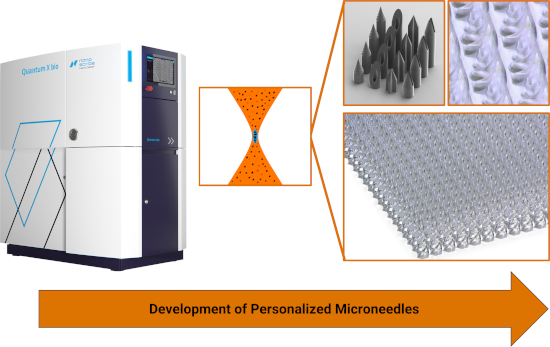
- microneedles may become personalized according to a patient’s demographic in order to increase drug delivery efficiency and reduce healing times for patient-centric care. Keywords: 3D printing; microfabrication; microneedles; personalized medicine; transdermal drug delivery; two-photon polymerization
- challenges with trypanophobia and hospital-based needle injuries. Today’s needles penetrate the deepest parts of the dermis, where discomfort or pain may occur [10]; however, today, we know that the stratum corneum is the only dermal layer clinicians need to penetrate to deliver non-intravenous medicine
- personalized medicine, it is possible to develop optimized microneedles for different populations and injection areas at scale. For example, microneedles are a promising alternative to oral and systemic medications for pain relief [20][21][22]. Chronic and acute pain can occur anywhere in the body; however, if


Investigations on the optical forces from three mainstream optical resonances in all-dielectric nanostructure arrays
Beilstein J. Nanotechnol. 2023, 14, 674–682, doi:10.3762/bjnano.14.53
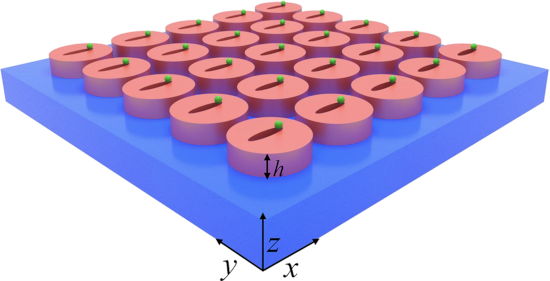
- optical capturing of nanoscale particles and may have broad applications in medicine and biology. (a) Schematic overview of the metasurface structure composed of a silicon slotted-disk array on a quartz substrate. The trapped nanoscale particles and the incident plane wave are also illustrated. (b) Top


Microneedle patches – the future of drug delivery and vaccination?
Beilstein J. Nanotechnol. 2023, 14, 494–495, doi:10.3762/bjnano.14.40

- . Hypodermic syringe injections are, of course, ubiquitous in modern medicine for drug therapy and vaccination, where oral administration is either not desirable or not possible. Delivery may be intravenous, intramuscular or percutaneous. Hypodermic needles of various dimensions are also used to extract venous
A mid-infrared focusing grating coupler with a single circular arc element based on germanium on silicon
Beilstein J. Nanotechnol. 2023, 14, 478–484, doi:10.3762/bjnano.14.38
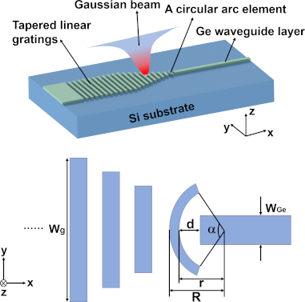
- fields of biosensors and medicine [18]. In 2022, Chen et al. demonstrated a methodology of photonic clustered regularly interspaced short palindromic repeat (CRISPR) sensing for rapid and specific diagnosis of the Omicron variant of SARS-CoV-2 [19]. This innovative CRISPR-empowered surface plasmon


Molecular nanoarchitectonics: unification of nanotechnology and molecular/materials science
Beilstein J. Nanotechnol. 2023, 14, 434–453, doi:10.3762/bjnano.14.35
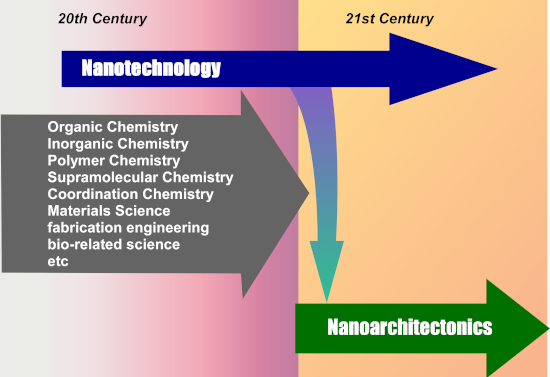
- ][78], energy [79][80][81], environment [82][83][84][85], and medicine [86][87][88][89]. Since all the materials are composed of atoms and molecules, nanoarchitectonics is considered a universal unified concept that can be applied to all targets. Therefore, it can be considered as the method for
- layer-by-layer (LbL) assembly [132][133][134]. These conventional methodologies are now being used to create materials that can address social issues such as energy requirements [135][136], the environment [137][138], and medicine [139][140]. Many analytical studies have shown that high effectiveness




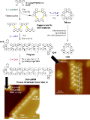
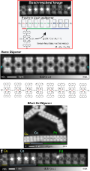
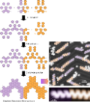

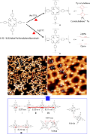
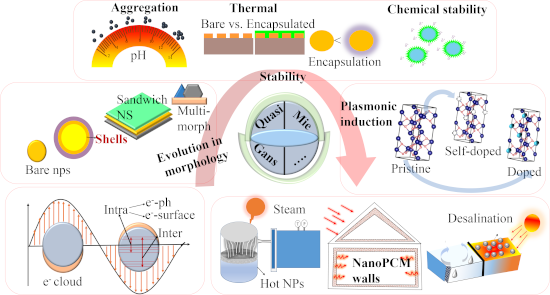
Plasmonic nanotechnology for photothermal applications – an evaluation
Beilstein J. Nanotechnol. 2023, 14, 380–419, doi:10.3762/bjnano.14.33




New trends in nanobiotechnology
Beilstein J. Nanotechnol. 2023, 14, 377–379, doi:10.3762/bjnano.14.32
- ; nanotechnology applied in biology, medicine, food, environmental and agriculture sectors; environmental engineering and chemical engineering; nanoscale electrochemisty in biotechnology; computational nanochemistry in biotechnology; and life cycle assessment of nanobiotechnology. The works presented in this
Quercetin- and caffeic acid-functionalized chitosan-capped colloidal silver nanoparticles: one-pot synthesis, characterization, and anticancer and antibacterial activities
Beilstein J. Nanotechnol. 2023, 14, 362–376, doi:10.3762/bjnano.14.31
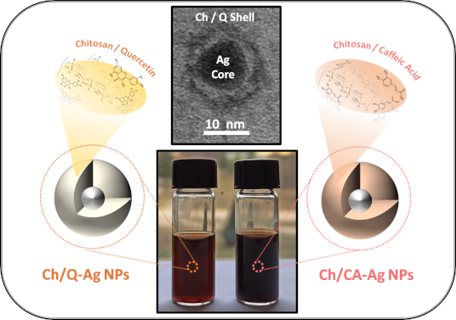
- Akif Hakan Kurt Elif Berna Olutas Fatma Avcioglu Hamza Karakus Mehmet Ali Sungur Cansu Kara Oztabag Muhammet Yildirim Department of Medicinal Pharmacology, Faculty of Medicine, Bolu Abant Izzet Baysal University, 14030 Bolu, Türkiye Department of Chemistry, Faculty of Arts and Sciences, Bolu Abant
- Izzet Baysal University, 14030 Bolu, Türkiye Department of Medical Microbiology, Faculty of Medicine, Bolu Abant Izzet Baysal University, 14030 Bolu, Türkiye Technology Transfer Application and Research Center, Bolu Abant Izzet Baysal University, 14030 Bolu, Türkiye Department of Biostatistics and
- Medical Informatics, Faculty of Medicine, Duzce University, 81620 Duzce, Türkiye Department of Interdisciplinary Neuroscience, Graduate Education Institute, Bolu Abant Izzet Baysal University, 14030 Bolu, Türkiye 10.3762/bjnano.14.31 Abstract The presented study comprises the one-pot synthesis and the


Recent progress in cancer cell membrane-based nanoparticles for biomedical applications
Beilstein J. Nanotechnol. 2023, 14, 262–279, doi:10.3762/bjnano.14.24
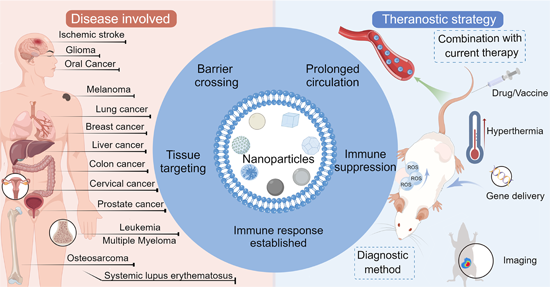
- clinical translation prospects, and the associated challenges are discussed. Keywords: cancer cell biomimetics; nanoparticles; precision medicine; targeted therapy; theranostic nanomedicine; Review 1 Introduction Biomimetic nanotechnology, an emerging interdisciplinary field, involves different
- disciplines, such as nanomaterials science, mechanical engineering, pharmacology, and clinical medicine. Nanoparticle (NP)-based therapeutics are uniquely able to improve drug loading efficiency, control drug release, and protect drug molecules against undesired degradation [1][2]. NPs are widely used in


Nanotechnology – a robust tool for fighting the challenges of drug resistance in non-small cell lung cancer
Beilstein J. Nanotechnol. 2023, 14, 240–261, doi:10.3762/bjnano.14.23
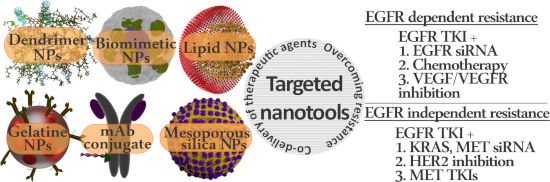
- , North Macedonia College of Pharmacy, QU Health, Qatar University, PO Box 2713, Doha, Qatar Department of Pharmacology, Faculty of Medicine and Dentistry, University of Alberta, T6G 2R3 Edmonton, Canada 10.3762/bjnano.14.23 Abstract Genomic and proteomic mutation analysis is the standard of care for


Cyclodextrins as eminent constituents in nanoarchitectonics for drug delivery systems
Beilstein J. Nanotechnol. 2023, 14, 218–232, doi:10.3762/bjnano.14.21
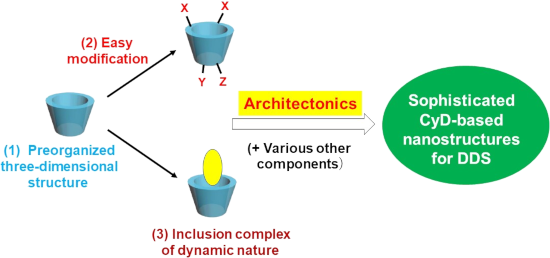
- nanoarchitectures are highly promising for future applications in medicine, pharmaceutics, and other relevant fields. Keywords: cyclodextrin; drug delivery system (DDS); nanoarchitecture; phototherapy; siRNA; Review 1 Introduction Recently, drug delivery systems (DDSs) have been attracting much interest [1][2][3
- ][4][5][6][7][8][9][10][11][12]. By delivering drugs selectively to disease sites, the drug dosage can be reduced, and undesired side-effects are minimized. Undoubtedly, these methodologies are essential for further progresses in medicine. In order to accomplish eminent DDS, drugs should be combined
- therapy (PDT) employs a light-sensitive medicine (photosensitizer) and a light source to destroy abnormal cells [72][73]. The photosensitizer absorbs the light and is activated to kill target tissue. In many cases, reactive oxygen species (ROSs) such as singlet oxygen (1O2) generated from 3O2 by a




Two-step single-reactor synthesis of oleic acid- or undecylenic acid-stabilized magnetic nanoparticles by thermal decomposition
Beilstein J. Nanotechnol. 2023, 14, 11–22, doi:10.3762/bjnano.14.2
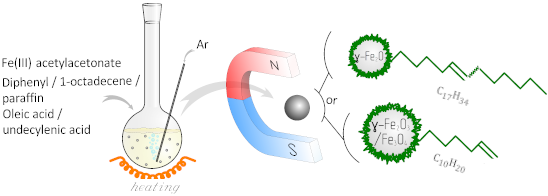
- nanoparticles have been proposed as contrast agents for magnetic resonance imaging, high-precision biosensors, and carriers in magnetic-assisted drug delivery systems. Furthermore, they are used for tumor treatment via the hyperthermia method and in bone tissue regenerative medicine [5][6]. However, using iron


Hydroxyapatite–bioglass nanocomposites: Structural, mechanical, and biological aspects
Beilstein J. Nanotechnol. 2022, 13, 1490–1504, doi:10.3762/bjnano.13.123
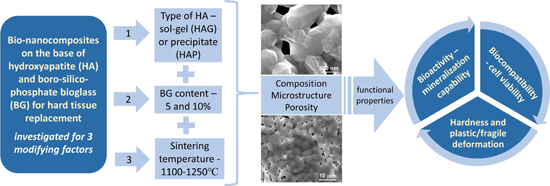
- , Romania Nicolae Testemitanu State University of Medicine and Pharmacy, 165 Stefan cel Mare si Sfant ave., MD-2004, Chisinau, Republic of Moldova 10.3762/bjnano.13.123 Abstract This research work focuses on the fabrication and study of a series of nanocomposites consisting of two types of hydroxyapatite
- of Tissue Engineering and Cells Culture of the Nicolae Testemitanu State University of Medicine and Pharmacy (NTSUMP) of the Republic of Moldova. The laboratory has the permission from the University Research Ethics Committee acting in accordance with the Statute of the Research Ethics Committee of
Frequency-dependent nanomechanical profiling for medical diagnosis
Beilstein J. Nanotechnol. 2022, 13, 1483–1489, doi:10.3762/bjnano.13.122
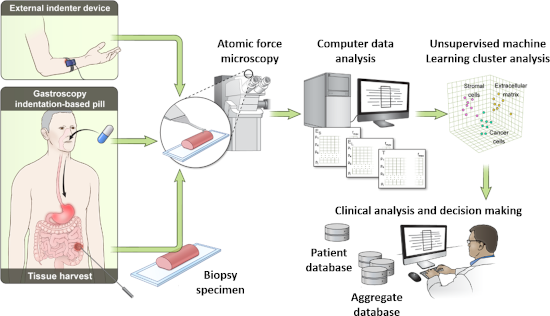
- Bioengineering, National Institutes of Health, Bethesda, Maryland, USA 10.3762/bjnano.13.122 Abstract Atomic force microscopy (AFM), developed in the early 1980s, has become a powerful characterization tool in micro- and nanoscale science. In the early 1990s, its relevance within biology and medicine research


Rapid and sensitive detection of box turtles using an electrochemical DNA biosensor based on a gold/graphene nanocomposite
Beilstein J. Nanotechnol. 2022, 13, 1458–1472, doi:10.3762/bjnano.13.120
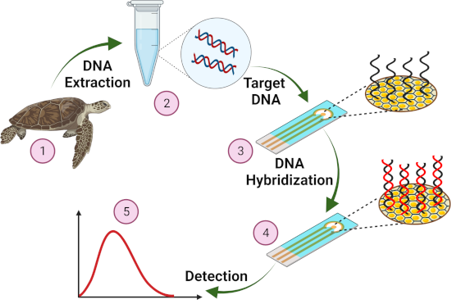
- carbon electrode; Introduction The Southeast Asian box turtle (BT), Cuora amboinensis, is an endangered and protected turtle species. Due to its high value as an exotic food item and in traditional medicine, it ends up being a profitable item in the illicit wildlife trade [1]. Turtles contain active



Laser-processed antiadhesive bionic combs for handling nanofibers inspired by nanostructures on the legs of cribellate spiders
Beilstein J. Nanotechnol. 2022, 13, 1268–1283, doi:10.3762/bjnano.13.105
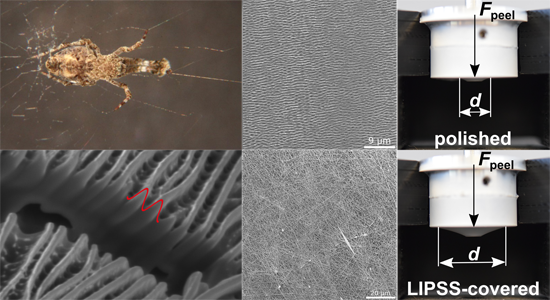
- .13.105 Abstract Nanofibers are drawing the attention of engineers and scientists because their large surface-to-volume ratio is favorable for applications in medicine, filter technology, textile industry, lithium-air batteries, and optical sensors. However, when transferring nanofibers to a technical
- applications in medicine, filter technology, textile industry, lithium-air batteries, and optical sensors [1][2][3][4][5][6][7]. The inherently small scale makes production as well as further processing of nanofibers challenging [8]. For the technical production of artificial nanofibers, different methods such


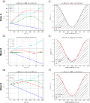


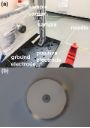


Design of surface nanostructures for chirality sensing based on quartz crystal microbalance
Beilstein J. Nanotechnol. 2022, 13, 1201–1219, doi:10.3762/bjnano.13.100
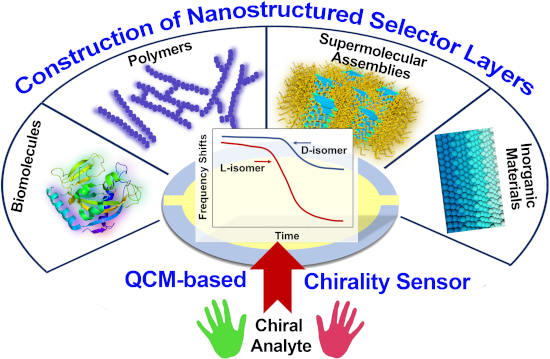
- several pregnant women causing fetal malformation [7], owing to the trace presence of teratogenic (S)-thalidomide in sedative (R)-thalidomide [8]. Hence, chirality detection keeps attracting much attention in the fields of chemistry, biology, and medicine. Especially for the pharmaceutical and food


Recent advances in green carbon dots (2015–2022): synthesis, metal ion sensing, and biological applications
Beilstein J. Nanotechnol. 2022, 13, 1068–1107, doi:10.3762/bjnano.13.93
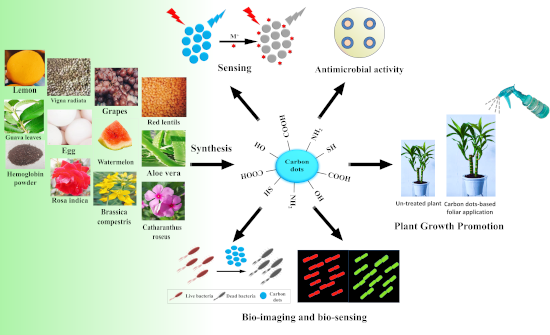
- , Charsadda Road, Larama, Peshawar, Pakistan Department of Botany, Government College Women University, Sialkot, Pakistan College of Pharmacy, Shaanxi University of Chinese Medicine, Xianyang, 712046, China 10.3762/bjnano.13.93 Abstract Carbon dots (CDs) show extensive potential in various fields such as
- sensing, bioimaging, catalysis, medicine, optoelectronics, and drug delivery due to their unique properties, that is, low cytotoxicity, cytocompatibility, water-solubility, multicolor wavelength tuned emission, photo-stability, easy modification, strong chemical inertness, etc. This review article




Biomimetic chitosan with biocomposite nanomaterials for bone tissue repair and regeneration
Beilstein J. Nanotechnol. 2022, 13, 1051–1067, doi:10.3762/bjnano.13.92
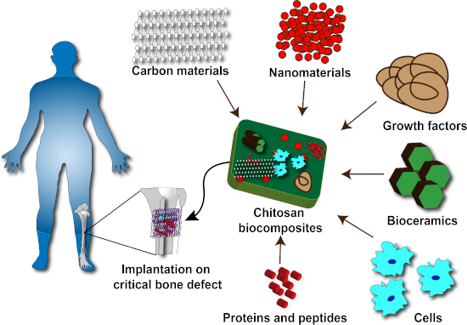
- , Yenepoya Research Centre, Yenepoya (Deemed to be University), Deralakatte, Mangalore, Karnataka 575018, India Department of Dentistry, Oral Health Institute, Hamad Medical Corporation, College of Dental Medicine, Qatar University, Doha, Qatar Department of Bionano Engineering, Center for Bionano
- medicine, the 3D scaffold system was used to imitate bone tissue anatomy. These scaffold systems consist of composite scaffolds of polymeric materials. Among other composite materials, chitosan composites were widely used in bone tissue engineering applications due to their porous nature and
Bioselectivity of silk protein-based materials and their bio-inspired applications
Beilstein J. Nanotechnol. 2022, 13, 902–921, doi:10.3762/bjnano.13.81
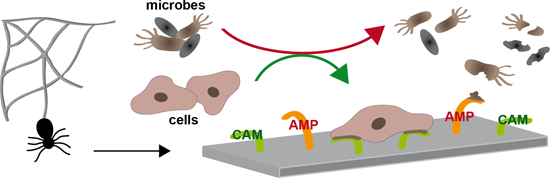
- modern medicine. Recent outbreaks of severe diseases such as Ebola, influenza, and even more so the severe acute respiratory syndrome (SARS) and the pandemic SARS-CoV-2, have tremendously increased the urgency for new concepts and materials that prevent pathogenic microbial infestation and contact-based


Design and selection of peptides to block the SARS-CoV-2 receptor binding domain by molecular docking
Beilstein J. Nanotechnol. 2022, 13, 699–711, doi:10.3762/bjnano.13.62
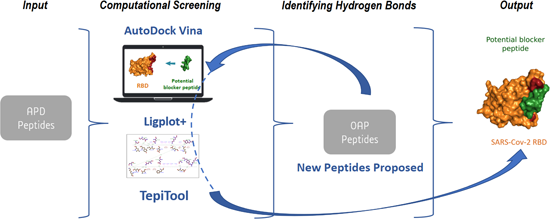
- common proteins (salivary and plasmatic proteins) found in physiological fluids. The procedure described here for the design of antiviral molecules can be extended against other viruses, both in human and veterinary medicine. SARS-CoV-2 bound to the ACE2 receptor. (a) Crystallized complex between the RBD