


Search results
Search for "morphology" in Full Text gives 1296 result(s) in Beilstein Journal of Nanotechnology. Showing first 200.
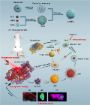
Better together: biomimetic nanomedicines for high performance tumor therapy
Beilstein J. Nanotechnol. 2025, 16, 1246–1276, doi:10.3762/bjnano.16.92
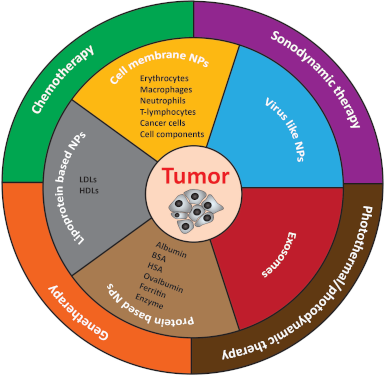
- and apo A-II) that can bind SR-BI receptors overexpressed on cancer cells. Unlike LDL, HDL is transported directly into the cytosol bypassing lysosomal degradation [68]. Reconstituted HDL (rHDL) is now developed by changing the chemical composition or morphology to optimize drug delivery. When loaded
- factors. Yang et al. produced ceria nanoparticles, nanoclusters, and nanochains by changing molar concentration, time of reaction, and temperature. They found that size and morphology of the nanomaterials can be optimized by careful tuning of switchable ionic redox systems (Ce3+/Ce4+), the unique







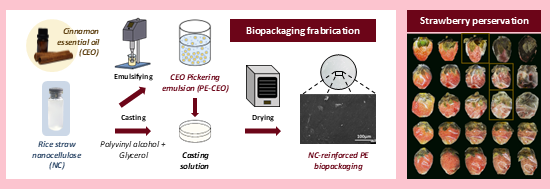
Functional bio-packaging enhanced with nanocellulose from rice straw and cinnamon essential oil Pickering emulsion for fruit preservation
Beilstein J. Nanotechnol. 2025, 16, 1234–1245, doi:10.3762/bjnano.16.91
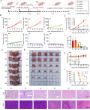
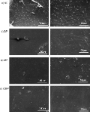
- stability, making PE-CEO-infused films promising candidates for biopackaging applications requiring controlled moisture permeability. The surface morphology of the biopackaging materials was examined using scanning electron microscopy (SEM) (Figure 3). As shown in our previous research, nanocellulose in
- the sample (g·m−1·h−1·Pa−1), L is the sample thickness (m), ΔP is the vapor pressure difference (Pa), S is the saturation vapor pressure at the test temperature (Pa), R1 is the relative humidity inside the dish, and R2 is the relative humidity at the cup. The surface morphology of the biopackaging



Investigation of the solubility of protoporphyrin IX in aqueous and hydroalcoholic solvent systems
Beilstein J. Nanotechnol. 2025, 16, 1209–1215, doi:10.3762/bjnano.16.89
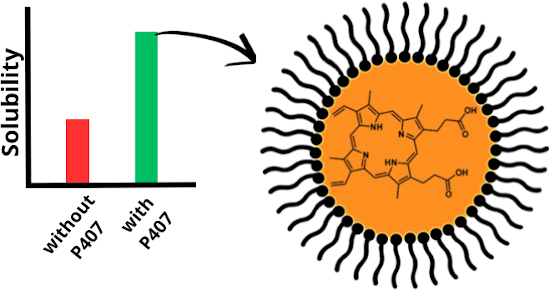
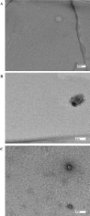
- P407 (water, EtOH50, and EtOH77) are displayed in Figure 5. It was possible to observe significant variations in micelle size and morphology. While in the aqueous system well-defined circular micelles are observed with an average diameter of 11.81 ± 1.71 nm, in EtOH50 and EtOH77 the samples exhibited


Electronic and optical properties of chloropicrin adsorbed ZnS nanotubes: first principle analysis
Beilstein J. Nanotechnol. 2025, 16, 1184–1196, doi:10.3762/bjnano.16.87
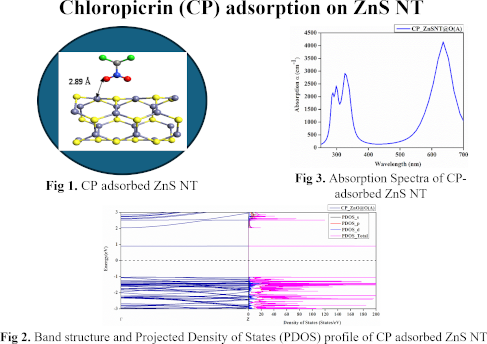
- composites with other materials, such as carbon nanotubes, to optimize performance [26]. Furthermore, the flexible synthesis of ZnS NTs with controlled morphology and size allows for tailoring their sensing capabilities. External stimuli combined with machine learning can further enhance their sensitivity


Mechanical stability of individual bacterial cells under different osmotic pressure conditions: a nanoindentation study of Pseudomonas aeruginosa
Beilstein J. Nanotechnol. 2025, 16, 1171–1183, doi:10.3762/bjnano.16.86
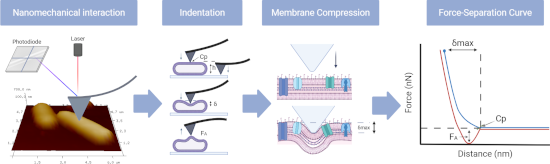
- conditions. Of particular interest was the extraction and comparison of nanomechanical maps obtained in the low range of loading forces to quantify its morphology, membrane stiffness, Young’s modulus of elasticity and adhesion when PA was tested in hypotonic (Milli-Q water), isotonic (0.1 M phosphate
- then exposed to the desired osmolarity conditions for investigation. The applied solutions were ultrapure water (Milli-Q), phosphate-buffered saline solution (PBS), and 0.5 M sodium chloride. Bacteria were first analyzed in tapping mode to determine their location and observe their morphology
- the bacteria surfaces along each scanned line, only a few test the central region of interest, where mechanics models can better estimate the rigidity or elastic modulus. The different orientations of the rod-shaped morphology of PA on the substrate while being scanned by the quasi-conical AFM tip


Influence of ion beam current on the structural, optical, and mechanical properties of TiO2 coatings: ion beam-assisted vs conventional electron beam evaporation
Beilstein J. Nanotechnol. 2025, 16, 1097–1112, doi:10.3762/bjnano.16.81
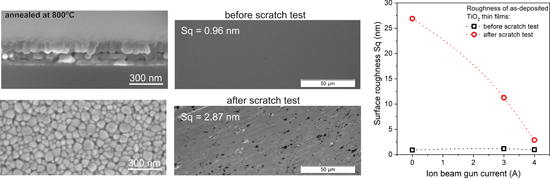
- analysis of surface morphology and cross sections revealed that the TiO2 films prepared by IBAD had smaller, rounded grains and were denser compared to those deposited by EBE. Optical properties showed high transparency of 77–83% in the visible wavelength range for all as-prepared thin films. However
- Fisher Scientific Raman Microscope), and SEM imaging (FEI Nova NanoSEM 230) were carried out to evaluate the structural properties and morphology of the prepared coatings. The optical characteristics of the prepared films were investigated with the use of an Ocean Optics QE65000 spectrophotometer in the
- TiO2 coatings (Figure 1). Therefore, post-deposition annealing becomes one of the key pathways in controlling the structure, morphology, and photocatalytic activity of TiO2 films [3]. After post-process annealing, all thin films exhibited peaks related to the (101) and (004) planes of anatase, for




Single-layer graphene oxide film grown on α-Al2O3(0001) for use as an adsorbent
Beilstein J. Nanotechnol. 2025, 16, 1082–1087, doi:10.3762/bjnano.16.79
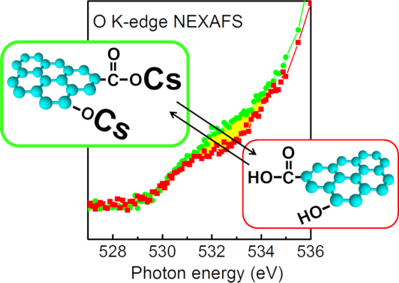
- was removed from the SLGO surface by water rinsing and then the Cs-adsorbed SLGO specimen was introduced in the XPS chamber kept at ultra-high vacuum. The surface morphology of SLGO was examined using atomic force microscopy (AFM, SII SAP300). AFM images of (a) SLG/α-Al2O3(0001) and (b) SLGO/α-Al2O3


Piezoelectricity of hexagonal boron nitrides improves bone tissue generation as tested on osteoblasts
Beilstein J. Nanotechnol. 2025, 16, 1068–1081, doi:10.3762/bjnano.16.78
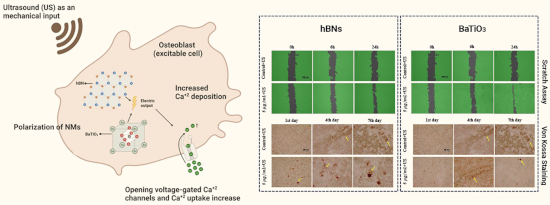
- SiC surface and stored at room temperature. The synthesized hBN and commercial BaTiO3 nanoparticles (Sigma-Aldrich, Germany) were characterized using several analytical techniques. Transmission electron microscopy (TEM, JEOL ARM 200 CF, 200 keV) was employed to examine morphology and particle size by
- morphology with varying sizes between 50–100 nm, consistent with the literature [42]. Three characteristic peaks of hBNs on the FTIR spectrum in Supporting Information File 1, Figure S3 (c) appeared at 1363, 785, and 661 cm−1, attributed to the in-plane B–N stretching vibration, B–N bonding, and B–N–B out-of


Soft materials nanoarchitectonics: liquid crystals, polymers, gels, biomaterials, and others
Beilstein J. Nanotechnol. 2025, 16, 1025–1067, doi:10.3762/bjnano.16.77
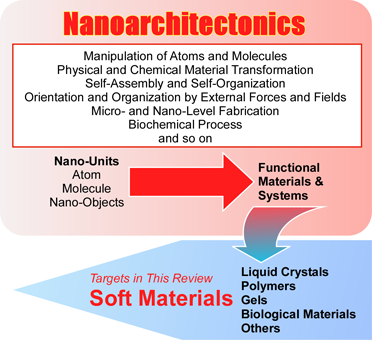
- observed to undergo irreversible structural changes, occurring through mechanisms such as loss of monolayer by desorption and local nucleation of defects. In terms of morphology, the nanoscale structure of the monolayer underwent a transformation from a randomly oriented nanowire configuration to a closely
- any unreacted sites on the SAM, thereby ensuring maximum repeat coverage on a dynamic and statistical basis. This nanoarchitectonics approach enables the assembly of polymer arrays on substrates with uniform sub-nanometer morphology, ultrahigh modulus, and high conductivity. The optical and electrical






Multifunctional properties of bio-poly(butylene succinate) reinforced with multiwalled carbon nanotubes
Beilstein J. Nanotechnol. 2025, 16, 1014–1024, doi:10.3762/bjnano.16.76
- morphology and properties of the polymer matrix by altering its structure, crystallinity, thermal stability, and mechanical behavior [9][10][11]. CNTs can be classified into two basic types, namely, single-walled carbon nanotubes (SWCNTs) and multiwalled carbon nanotubes (MWCNTs). SWCNTs exhibit slightly
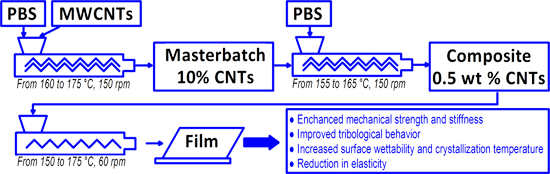
- content of 0.3 wt %. These nanocomposites also exhibited a uniform MWCNTs distribution without significant agglomeration. This study aimed to conduct a comprehensive investigation into the effect of a small addition of pure MWCNTs on the morphology, rheological, tribological, physicomechanical, and
- . The surface morphology of the original substances and the PBS/CNTs nanocomposites was studied using SEM (Figure 1). In Figure 1a, the typical surface structure of PBS is visible. CNTs appear as agglomerates ranging from 500 nm to 200 μm, composed of woven nanotubes with an outer diameter of 14 to 28



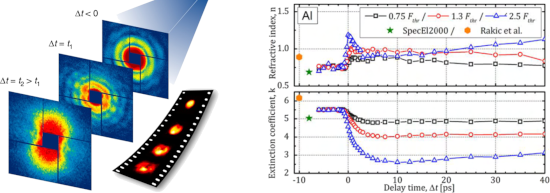
Time-resolved probing of laser-induced nanostructuring processes in liquids
Beilstein J. Nanotechnol. 2025, 16, 968–1002, doi:10.3762/bjnano.16.74


Shape, membrane morphology, and morphodynamic response of metabolically active human mitochondria revealed by scanning ion conductance microscopy
Beilstein J. Nanotechnol. 2025, 16, 951–967, doi:10.3762/bjnano.16.73
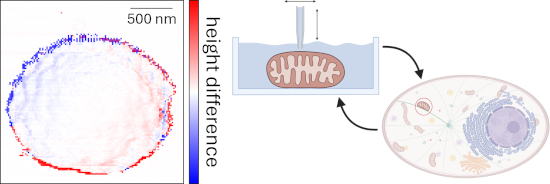
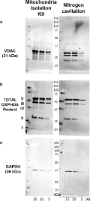
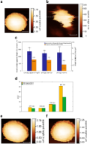
- study demonstrated the use of a nanopipette for extraction of small mitochondrial subpopulations from fibroblasts for next-generation genome sequencing [33]. However, metabolically active, isolated mitochondria and their surface morphology at nanometer resolution have not been reported using SICM. In
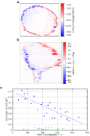
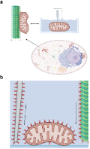
- . One of these effects appears to be associated to the dynamics of the mitochondria’s morphology (in the following referred to as morphodynamics, cf. [6]) and their contact with the measurement environment. Finally, we propose hypotheses to explain the observed effects. Results Viability of the
- , microtubules are particularly notable for their ability to induce rapid mitochondrial shape changes. This is in contrast to F-actin and intermediate filaments, which primarily influence mitochondrial morphology for fission events [40][41], which were not observed in our experiments as they are unlikely in



Synthesis of biowaste-derived carbon-dot-mediated silver nanoparticles and the evaluation of electrochemical properties for supercapacitor electrodes
Beilstein J. Nanotechnol. 2025, 16, 933–943, doi:10.3762/bjnano.16.71
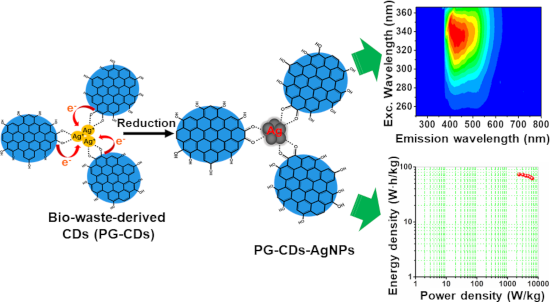
- storage. The size distribution, morphology, and crystallinity of PG-CDs-AgNPs were further characterized by SEM and TEM analysis. The SEM image of PG-CDs-AgNPs (Supporting Information File 1, Figure S2a) reveals that PG-CDs-AgNPs possess spherical and distorted spherical structure. Supporting Information


Structural and magnetic properties of microwave-synthesized reduced graphene oxide/VO2/Fe2O3 nanocomposite
Beilstein J. Nanotechnol. 2025, 16, 921–932, doi:10.3762/bjnano.16.70
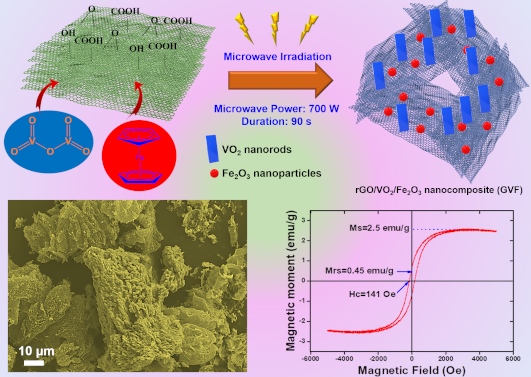
- , d) GVF NC at lower and higher magnifications. EDX analysis of GVF NC: (a) SEM image (scale bar – 50 μm), (b) EDX spectrum, and the corresponding elemental mapping showing the distribution of C, O, V, and Fe. Morphology analysis of GV: (a–c) SEM images at lower and higher magnifications; (d–h) SEM



Characterization of ion track-etched conical nanopores in thermal and PECVD SiO2 using small angle X-ray scattering
Beilstein J. Nanotechnol. 2025, 16, 899–909, doi:10.3762/bjnano.16.68
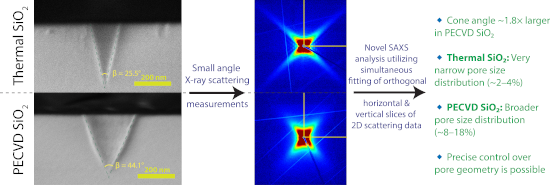
- , and nanofluidic applications. The characterization of the pore morphology and size distribution, along with its dependence on the material properties and fabrication parameters, is crucial to designing nanopore systems for specific applications. Here, we present a comprehensive study of track-etched
- typically differ in morphology, density, and stoichiometry compared to thermally grown SiO2. The electronic energy loss (Se) in the thermal and PECVD SiO2 layers was calculated using the SRIM2008 code [49]. The average Se values for thermal SiO2 for 1.6 GeV, 185 MeV, and 89 MeV Au irradiation are 21.1, 16.6
- measured pore radii, we estimate track etch rates of 69 ± 3 nm/min for thermal and 90 ± 6 nm/min for PECVD SiO2, respectively. While the scanning electron microscopy images reveal the variation in nanopore size for PECVD SiO2 compared to thermal SiO2, as well as differences in nanopore morphology, these


Heat-induced transformation of nickel-coated polycrystalline diamond film studied in situ by XPS and NEXAFS
Beilstein J. Nanotechnol. 2025, 16, 887–898, doi:10.3762/bjnano.16.67
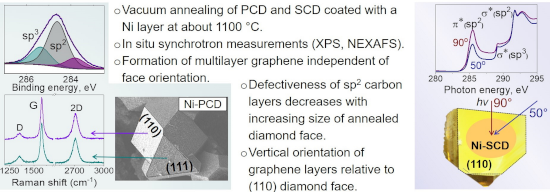
- the dangling bonds and producing the sp2 carbon on the free diamond surface, or diffuse into the Ni bulk, feeding the graphite formation from the side of the catalytic particle [19]. Comparing the morphology of Ni-coated SCDs annealed under similar conditions revealed the anisotropic nature of both
- requires a detailed study. HRTEM has proven very useful for investigating the graphite–diamond interface [19][24]. However, it provides information about local morphology and ordering of diamond surface and graphite layers. X-ray photoelectron spectroscopy (XPS) and near-edge X-ray absorption fine
- results revealed detailed information about the morphology of the graphitized layer formed on the PCD film surface during annealing in the presence of nickel. We were also able to determine the texture of these graphitized layers relative to the (110) face of SCD. Results and Discussion Surface


Ar+ implantation-induced tailoring of RF-sputtered ZnO films: structural, morphological, and optical properties
Beilstein J. Nanotechnol. 2025, 16, 872–886, doi:10.3762/bjnano.16.66
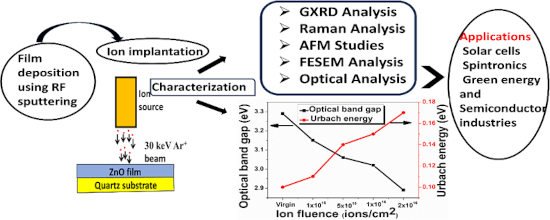
- modes on the surface morphological and optical characteristics (Urbach energy and optical bandgap). In fact, in the existing literature, there are barely any studies that have addressed the impact of the evolution of A1 (LO) modes on surface morphology and optical properties in low-energy regimes
- using a WITec alpha300 RA Raman spectrometer under excitation with a 532 nm solid-state diode laser operated at 10 mW. The topography of the films is examined using atomic force microscopy (AFM) with a Bruker Multimode 8 instrument. The surface morphology of pristine and implanted films is further
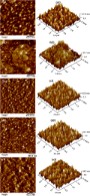
- surface morphology of pristine and 30 keV Ar+ ion-implanted ZnO films is studied using AFM. Figure 7 represents 2D and 3D AFM images at the scale 2 µm × 2 µm of the pristine film (Figure 7a) and films implanted at four different fluences, viz. 1 × 10¹⁵ (Figure 7b), 5 × 10¹⁵ (Figure 7c), 1 × 10¹⁶ (Figure






Insights into the electronic and atomic structures of cerium oxide-based ultrathin films and nanostructures using high-brilliance light sources
Beilstein J. Nanotechnol. 2025, 16, 860–871, doi:10.3762/bjnano.16.65

- in selected areas with sub-micrometer spatial resolution [55]. In addition, the morphology of zirconia–ceria mixed oxides supported on Rh(111) and the oxidation states of the two oxides, individually and in the mixed phase, were determined [39]. Studies at ambient pressure The identification of


Synchrotron X-ray photoelectron spectroscopy study of sodium adsorption on vertically arranged MoS2 layers coated with pyrolytic carbon
Beilstein J. Nanotechnol. 2025, 16, 847–859, doi:10.3762/bjnano.16.64
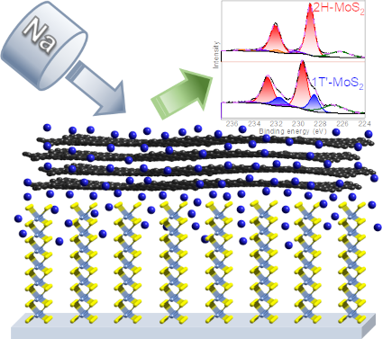
- then dried under ambient conditions. Morphology of sample surfaces was examined by SEM with a CIQTEK SEM5000 (CIQTEK Ltd., Hefei, Anhui, PRC) microscope at an accelerating voltage of 15 kV. The cross section of MoS2 film was prepared using a gallium-ion column FIB system and a two-stage protective cap


Facile one-step radio frequency magnetron sputtering of Ni/NiO on stainless steel for an efficient electrode for hydrogen evolution reaction
Beilstein J. Nanotechnol. 2025, 16, 837–846, doi:10.3762/bjnano.16.63
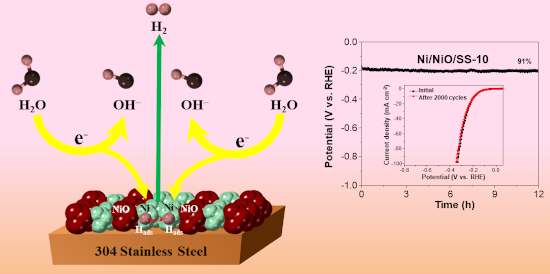
- . In this study, Ni/NiO nanolayers were prepared on stainless steel (SS) via a facile one-step radio frequency magnetron sputtering with various O2 flow rates. The O2 flow rate not only changed the crystal phase but also affected the morphology and atomic ratio of materials, leading to optimized HER
- carried out to analyze the morphology of the Ni/NiO thin film on the SS substrate. The as-synthesized Ni/NiO film at 5 sccm of O2 flow rate showed uniform and continuous appearance on the entire surface of the SS substrate (Figure 2a,e). However, at high O2 flow rates, the surface of Ni/NiO/SS-10, Ni/NiO
- . Materials characterization The crystal structure of materials was confirmed by XRD using Cu Kα radiation with a wavelength of 0.154 nm on a X-ray diffractometer (D8 Advance, Bruker). The morphology of the obtained products was analyzed utilizing SEM on an S-4800 Hitachi. Chemical components and element


Synthesis and magnetic transitions of rare-earth-free Fe–Mn–Ni–Si-based compositionally complex alloys at bulk and nanoscale
Beilstein J. Nanotechnol. 2025, 16, 823–836, doi:10.3762/bjnano.16.62
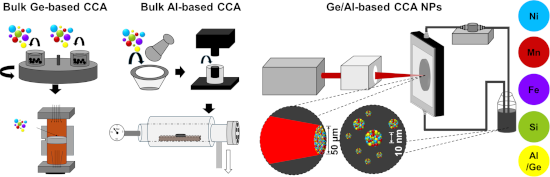
- 2.8 J·cm−2 [41]. Additionally, to increase the NP concentration and reduce the organic solvent use, a closed loop liquid flow system was employed. Size distribution, morphology, elemental composition, and crystal structure of the NPs from both CCA targets were examined using transmission electron


Supramolecular hydration structure of graphene-based hydrogels: density functional theory, green chemistry and interface application
Beilstein J. Nanotechnol. 2025, 16, 806–822, doi:10.3762/bjnano.16.61
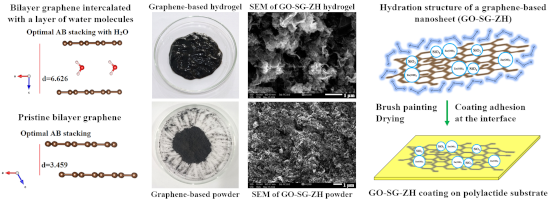
- (Figure 3h and 3i). Although GO-SG-ZH nanosheets agglomerated into microstructures (Figure 3h), the self-assembly of graphene-based nanosheets was different from the stacked morphology of the GO-SG-ZH powder. At a higher magnification of 20,000×, SEM image in Figure 3i revealed the porous structure with
- Figure 8a–c showed GO nanosheets, SG nanoparticles, and ZH nanostructures of the GO-SG-ZH coating. Reflected light from the GO-SG-ZH coating gave a three-dimensional vision of the coating texture. The nanostructures in the coating morphology are well-distributed. In Figure 8c, two-dimensional shapes of
- GO nanosheets are visualized. In Figure 8d–f, SEM provided high-resolution images of the GO-SG-ZH/PLA film. The brush-coated layer of the GO-SG-ZH nanocomposite was not completely uniform since rough coating morphology was observed on the substrate surface. Two-dimensional graphene-based sheets


Morphology and properties of pyrite nanoparticles obtained by pulsed laser ablation in liquid and thin films for photodetection
Beilstein J. Nanotechnol. 2025, 16, 785–805, doi:10.3762/bjnano.16.60
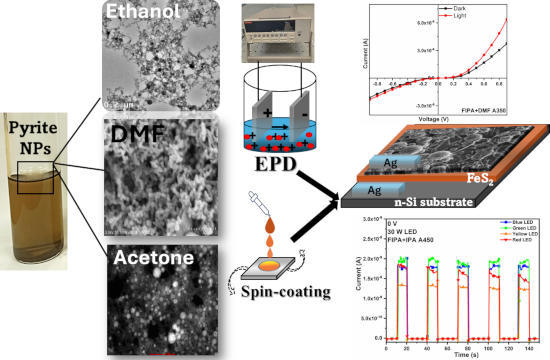
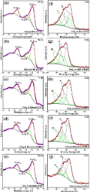
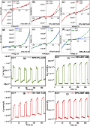
- microscopy, scanning electron microscopy, X-ray photoelectron spectroscopy, and ultraviolet–visible spectroscopy. The morphology of the NPs in different solvents varied from spherical, rice-like to rod-like particles which demonstrates the effect of the solvent on the morphology/composition of NPs
- is that the productivity and morphology/size of the NPs generated can be regulated by carefully managing the input parameters [16]. Due to the challenges in obtaining phase-pure FeS2 by PLAL, this is a much less explored material despite its high potential. A strong reducible ferric ion and an
- straightforward, flexible, and affordable methods to obtain thin films using laser-processed nanocolloids. Spin coating is combined with EPD for film deposition with the intention of obtaining seeded film growth with improved thickness and for surface morphology modifications. The importance of using






Changes of structural, magnetic and spectroscopic properties of microencapsulated iron sucrose nanoparticles in saline
Beilstein J. Nanotechnol. 2025, 16, 762–784, doi:10.3762/bjnano.16.59





Synthesis of a multicomponent cellulose-based adsorbent for tetracycline removal from aquaculture water
Beilstein J. Nanotechnol. 2025, 16, 728–739, doi:10.3762/bjnano.16.56
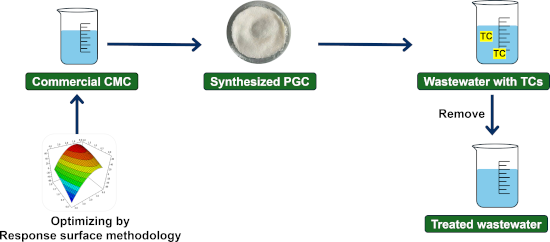
- characteristics and morphology of the synthesized adsorbent. Additionally, the study examines the adsorption mechanism of TC on the material’s surface and evaluates the effects of pH value, adsorbent dosage, and matrix composition. As a biodegradable and easily recoverable material derived from natural cellulose
- efficiency of the synthesis. (a‒c) FE-SEM images of commercial CMC, (d‒f) FE-SEM images of PGC, and (g) FTIR spectra of commercial CMC and PGC. (a, b) EDX spectra and elemental compositions of commercial CMC and PGC, respectively; (c) morphology image of CMC; (d–f) elemental mapping images of commercial CMC
- ; (g) morphology image of PGC; and (h–l) elemental mapping images of PGC. (a) Effect of adsorption time and initial concentration on the adsorption capacity of PGC. (b) Effect of adsorbent dosage on the adsorption capacity and adsorption efficiency of PGC. (c) Effect of pH on the adsorption capacity of





