Search results
Search for "nanoscale" in Full Text gives 929 result(s) in Beilstein Journal of Nanotechnology. Showing first 200.
Towards a quantitative theory for transmission X-ray microscopy
Beilstein J. Nanotechnol. 2025, 16, 1113–1128, doi:10.3762/bjnano.16.82
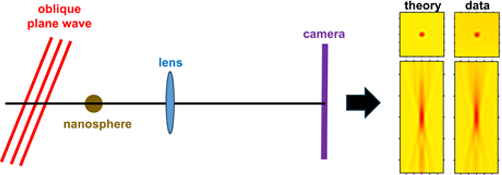
- nm, from which quantitative data are often extracted. For example, in materials science applications, nanoscale spectromicroscopy [5][6][7][8] is used to examine a sample around its absorption edges, which provides insights into its electronic structure. In biomedical applications [9][10][11][12



Piezoelectricity of hexagonal boron nitrides improves bone tissue generation as tested on osteoblasts
Beilstein J. Nanotechnol. 2025, 16, 1068–1081, doi:10.3762/bjnano.16.78
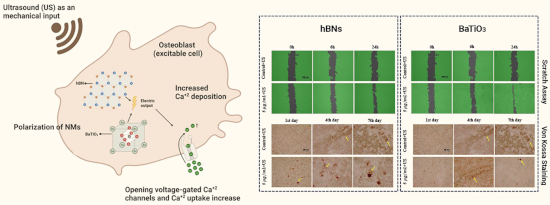
- microscopy (PFM, Nanomagnetic Instruments, UK) was applied to evaluate nanoscale piezoelectric behavior using self-aligned conducting EFM probes with a spring constant of 2.8 N/m and a resonance frequency of 75 kHz. In vitro analyses To investigate the influence of hBNs and BaTiO3 with US therapy on


Soft materials nanoarchitectonics: liquid crystals, polymers, gels, biomaterials, and others
Beilstein J. Nanotechnol. 2025, 16, 1025–1067, doi:10.3762/bjnano.16.77
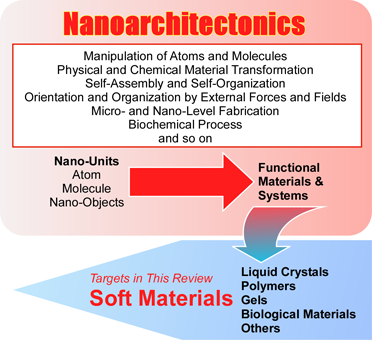
- development of more sophisticated functional materials. Concurrently with the transition from hard to soft, there is also a significant trend in the advancement of materials sciences from the macroscale to the nanoscale. In other words, the ability to control the structures of materials at the nanoscale (i.e
- such as quantum dots [95][96][97][98][99], the nanoscale of size and dimensions can result in properties that are not attainable with bulk materials. In other words, the key to developing functionality and improving properties lies in controlling the nanostructure in addition to the creation of the
- construction of functional materials from nanoscale units using a variety of materials processes (Figure 1) [125]. It is evident that the integration of knowledge and technology from both nanotechnology and materials sciences is imperative. Nanoarchitectonics may be regarded as a convergence of nanotechnology






Time-resolved probing of laser-induced nanostructuring processes in liquids
Beilstein J. Nanotechnol. 2025, 16, 968–1002, doi:10.3762/bjnano.16.74
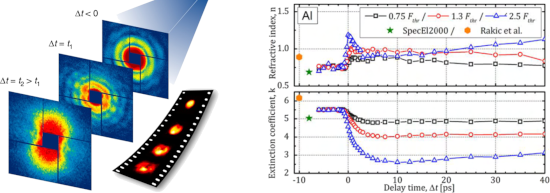
- scattering; Review Introduction Laser synthesis and processing of materials with emphasis on structure formation on the nanoscale offers a multitude of pathways to desired structure-related functions [1]. In green processes, nanostructures and nanoparticles (NPs) can be produced that serve applications in
- ) simulations [36][37] are widely used to predict phase transitions or structure formation on the nanoscale [38][39], but ultimately also require interfacing the simulations with other models, such as TTM [40][41] or large-scale hydrodynamics [42][43][44][45]. This integration approach leads to computationally
- single-pulse, single-particle imaging using XFELs has enabled nanoscale-resolution observations of ultrafast irreversible processes. XFELs’ unique combination of spatial coherence, ultrahigh brightness, and femtosecond pulse durations provides a powerful probe for studying interactions between strong


Synthesis of biowaste-derived carbon-dot-mediated silver nanoparticles and the evaluation of electrochemical properties for supercapacitor electrodes
Beilstein J. Nanotechnol. 2025, 16, 933–943, doi:10.3762/bjnano.16.71
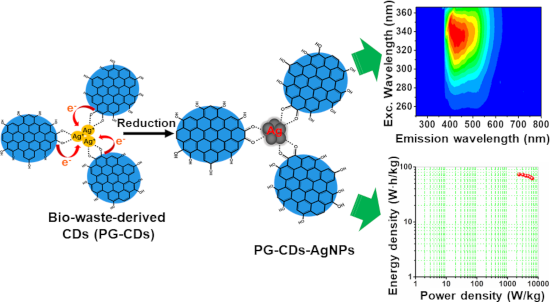
- PG-CDs exhibited intense blue fluorescence (inset in Figure 1a), indicating the successful formation and photoluminescent nature of CDs. The formation of PG-CDs-AgNPs in the nanoscale is established by UV–visible spectroscopy by the appearance of SPR peaks at 475 nm [26]. The gradual emergence of
- PG-CDs-AgNPs was determined using the Brunauer–Emmett–Teller (BET) analysis via the N2 adsorption–desorption method, and equivalent BET isotherms are depicted in Supporting Information File 1, Figure S1a. The surface area of PG-CDs-AgNPs was found to be 83.04 m2/g. A uniform nanoscale particle


Synthesis and magnetic transitions of rare-earth-free Fe–Mn–Ni–Si-based compositionally complex alloys at bulk and nanoscale
Beilstein J. Nanotechnol. 2025, 16, 823–836, doi:10.3762/bjnano.16.62
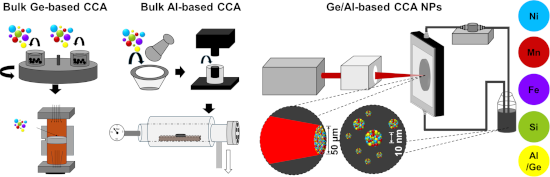
- for Ge-based CCA and Tc = 263 K for Al-based CCA. At the nanoscale, both Ge- and Al-based NPs exhibit superparamagnetic behaviour, with blocking temperatures of TB ≈ 120 K for Ge-based NPs (xc = 13.4 ± 15.5 nm, average particle size) and TB ≈ 100 K for Al-based NPs (xc = 18.4 ± 9.1 nm, average
- particle size), demonstrating the intrinsic superparamagnetic nature of NPs. While the Ge-based CCA demonstrates almost twice the saturation magnetization (Ms) and ≈20% lower hysteresis (Hc) in bulk form, the Al-based CCA exhibits comparable Ms and ≈45% lower Hc at the nanoscale at 5 K. These results
- indicate that the Al-based CCA is a promising, cost-effective alternative to Ge-based CCA at nanoscale, providing an economically viable and cost-effective alternative for nanoscale-based applications. Keywords: compositionally complex alloys; magnetic phase transition; nanoparticles; pulsed laser


Supramolecular hydration structure of graphene-based hydrogels: density functional theory, green chemistry and interface application
Beilstein J. Nanotechnol. 2025, 16, 806–822, doi:10.3762/bjnano.16.61
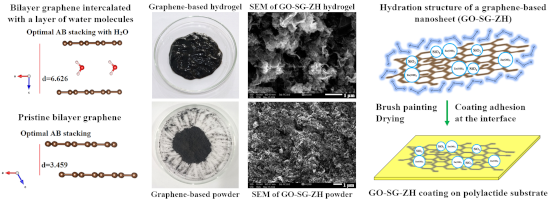
- advance nanoscale properties and nanotechnology applications. Keywords: antibacterial coating; bioinspired hydration; density functional theory; graphene-based hydrogel; supramolecular structure; Introduction Biological cells are assemblies of biomolecules that are hydrated with water molecules. The
- plays an important role in the stability and functionality of nanoscale structures. Van der Waals forces are supramolecular intermolecular interactions that govern the agglomeration of nanomaterials. Carbon nanostructures with π-conjugated systems (fullerene, carbon nanotube, and graphene) have π–π
- hydrogel in Figure 2a is biomimetic to the natural system of biological cells described in Figure 2b. Hydration shells on GO-SG-ZH nanosheets, particularly the first interfacial water layer, generate hydration forces to maintain intersheet distances and nanoscale structures in the artificial system. The


Changes of structural, magnetic and spectroscopic properties of microencapsulated iron sucrose nanoparticles in saline
Beilstein J. Nanotechnol. 2025, 16, 762–784, doi:10.3762/bjnano.16.59
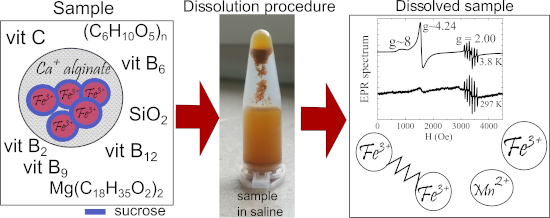
- nonintentional dopants in the FS0 sample, while the Cu and Cr peaks are related to technical aspects of the measurement. TEM results of the FST sample (Figure 3g,h) state in contrast to the FS0 sample. Many irregular, nanoscale objects attached to micrometer ones can be distinguished, however the core–shell
- structure vanished. In the TEM dark-field images, the metallic cores were not stated, which suggests that observed nanoscale structures represent post-dissolution residues such as water-insoluble SiO2 or cellulose. The lack of core–shell structures in TEM images taken from FST does not indicate their total
- nanoscale amorphous grains exhibit averaged, broad X-ray scattering maxima, in contrast to the sharp diffraction maxima from a crystalline material [30][31]. The prediction of the amorphous iron-containing phase is based on XRD contrasts with the TEM images, which registered the crystalline structure of the





Thickness dependent oxidation in CrCl3: a scanning X-ray photoemission and Kelvin probe microscopies study
Beilstein J. Nanotechnol. 2025, 16, 749–761, doi:10.3762/bjnano.16.58
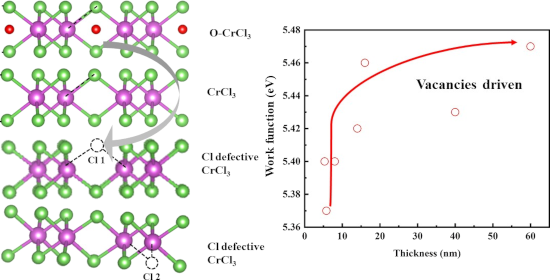
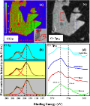
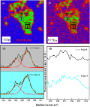
- correlation between the microscopic results and the surface potential of CrCl3 flakes at the nanoscale level using Kelvin probe force microscopy (KPFM) [28]. KPFM is mainly employed to measure the local contact potential difference between the conductive AFM tip and the sample, allowing for high-resolution





Synthesis of a multicomponent cellulose-based adsorbent for tetracycline removal from aquaculture water
Beilstein J. Nanotechnol. 2025, 16, 728–739, doi:10.3762/bjnano.16.56
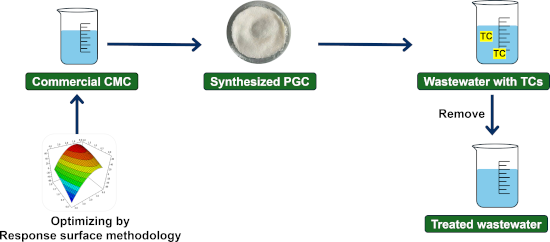
- Field-emission SEM analysis was performed using a Merlin Compact instrument (Carl Zeiss, Jena, Germany) with an SE2 detector. The sample was mounted on a clean silicon wafer and coated with a nanoscale platinum layer using an ion sputter coater (Q150T Plus, Quorum Technologies, UK). EDX analysis was


Efficiency of single-pulse laser fragmentation of organic nutraceutical dispersions in a circular jet flow-through reactor
Beilstein J. Nanotechnol. 2025, 16, 711–727, doi:10.3762/bjnano.16.55
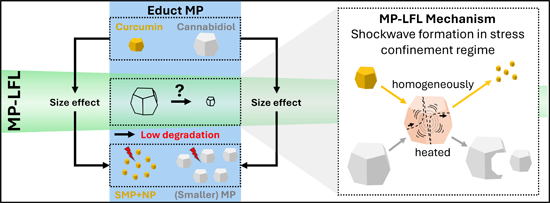
- iron phthalocyanines (FePc), but also some purely organic dyes such as naphthalocyanides [25], perylenes [26], perylene diimides [27][28], fullerenes [29][30], and quinacridones [2][31] have been successfully downsized to the nanoscale using nanosecond- and femtosecond-LFL with wavelengths in the UV
- greater intracellular uptake and increased cytotoxicity on rat C6 glioma cells [36]. Laser-generated nanoscale cinnamon was also synthesized and showed enhanced antibacterial activity against Gram-negative and Gram-positive bacteria after particle size reduction compared to the unirradiated educt [37


Nanostructured materials characterized by scanning photoelectron spectromicroscopy
Beilstein J. Nanotechnol. 2025, 16, 700–710, doi:10.3762/bjnano.16.54
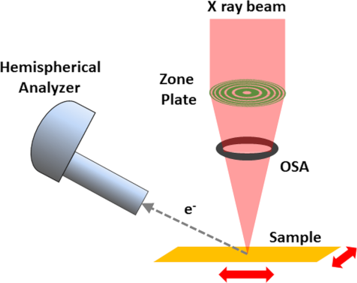
- four decades, several important upgrades have spread the original ability of XPS of chemical analysis to include, for instance, band mapping through angle resolved measurements (ARPES), spin detection, and imaging or spectromicroscopy at a nanoscale spatial resolution [9][10]. It is worth noting that
- several improvements have been developed at synchrotron light facilities where unique properties of X-ray radiation can be found. Scanning photoelectron microscopy (SPEM) combines XPS analysis with lateral resolution; chemical imaging as well as XPS spectroscopy at nanoscale sized areas can be performed
- operando studies of technologically relevant nanoscale heterostructure devices. Self-organized NiO microcavity arrays fabricated by thermal treatments In the class of the very few p-type oxides, NiO stands out as one of the most versatile and promising materials in diverse applications including


Nanoscale capacitance spectroscopy based on multifrequency electrostatic force microscopy
Beilstein J. Nanotechnol. 2025, 16, 637–651, doi:10.3762/bjnano.16.49

- method for nanoscale capacitance characterization at arbitrary frequencies above the second cantilever resonance. Besides a high spatial resolution, the key advantage of the multifrequency approach of MFH-EFM is that it measures the second-order capacitance gradient at almost arbitrary frequencies
- nanoscale systems across materials science, biology, and nanotechnology, complementing established methods in the field. Keywords: atomic force microscopy; capacitance gradients; dielectric constant; dielectric spectroscopy; heterodyne frequency mixing; Kelvin probe force microscopy; multifrequency AFM
- understanding of material properties, particularly at the nanoscale, where phenomena such as quantum confinement, interface effects, and defect dynamics play a critical role. Innovations in characterization techniques have enabled researchers to explore these properties with unprecedented precision, paving the




Focused ion and electron beams for synthesis and characterization of nanomaterials
Beilstein J. Nanotechnol. 2025, 16, 613–616, doi:10.3762/bjnano.16.47

- effects noted in water-assisted graphene etching [11]. While controlling the purity of deposits appears more straightforward, achieving precise nanoscale shapes remains challenging, particularly when structures are fabricated in close proximity. Experimental results demonstrate that FEBID, followed by

Polyurethane/silk fibroin-based electrospun membranes for wound healing and skin substitute applications
Beilstein J. Nanotechnol. 2025, 16, 591–612, doi:10.3762/bjnano.16.46
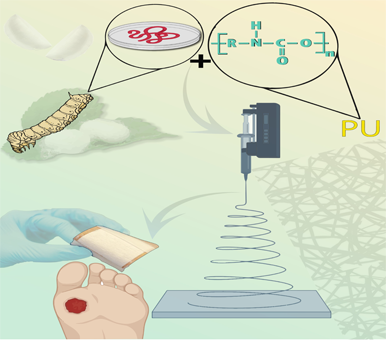
- that respond to light are novel technologies in medicine. They are administered to improve the healing of wounds by responding to particular light wavelengths. Such sophisticated materials are enabled by micro- and nanoscale structures that enhance their tissue interactions and provide more focused



Nanomaterials in targeting amyloid-β oligomers: current advances and future directions for Alzheimer's disease diagnosis and therapy
Beilstein J. Nanotechnol. 2025, 16, 561–580, doi:10.3762/bjnano.16.44
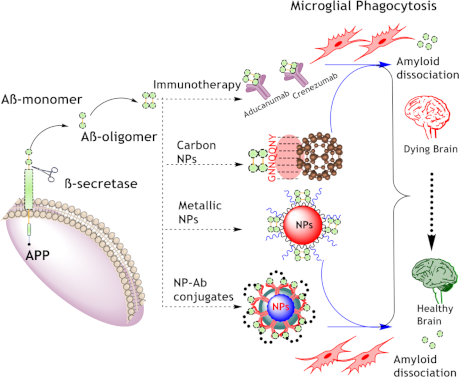
- detection and treatment of AβOs in AD. Because of their nanoscale size, NMs can interact with biological systems in ways that traditional treatments cannot. Their unique properties such as high surface area, quantum effects, and specific physicochemical traits make them ideal for developing advanced
- potential utility as diagnostic biomarkers for early AD detection [81][82]. Researchers are exploring the potential of exosomes as diagnostic tools, leveraging their ability to carry these pathological proteins. Exosomes hold significant diagnostic potential because of their nanoscale size and the distinct


Functionalized gold nanoflowers on carbon screen-printed electrodes: an electrochemical platform for biosensing hemagglutinin protein of influenza A H1N1 virus
Beilstein J. Nanotechnol. 2025, 16, 540–550, doi:10.3762/bjnano.16.42
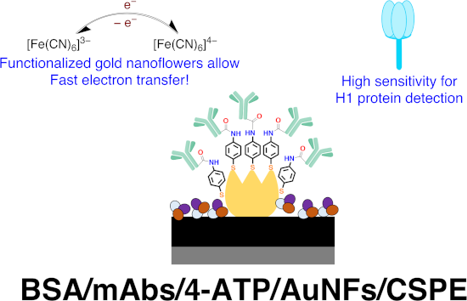
- , which implies that electron transfer at the electrode surface was enhanced, increasing the redox reversibility for the [Fe(CN)6]3−/4− pair. CSPEs are reported to possess a rough surface at the nanoscale [34]. The electrodeposition technique employed takes advantage of this to control the nucleation


Water in nanoporous hexagonal boron nitride nanosheets: a first-principles study
Beilstein J. Nanotechnol. 2025, 16, 510–519, doi:10.3762/bjnano.16.39
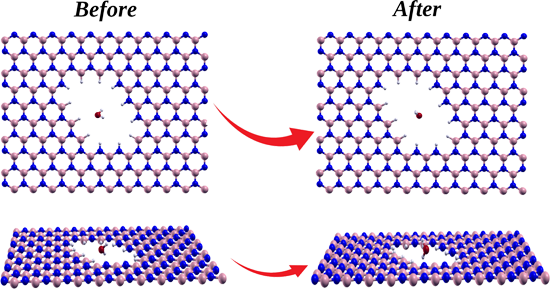
- desalination technology [4][5][6]. Computational methods have been employed to enhance the understanding of nanoscale desalination processes. In this context, the use of molecular dynamics and ab initio calculations allows for the study of the physics involved in nanostructured membrane materials designed to




Performance optimization of a microwave-coupled plasma-based ultralow-energy ECR ion source for silicon nanostructuring
Beilstein J. Nanotechnol. 2025, 16, 484–494, doi:10.3762/bjnano.16.37

- nanopatterning and nanoscale functionalization have garnered significant interest, owing to their broad applications in DNA origami [10], tuning of wettability [11] and electrical and magnetic anisotropy [12][13], isolated dot formation [1], nanoscale plasmonic arrays [14], and field emission [15]. Thus, ion
- beam current varies with different ion energies [29][30]. This article focuses on optimizing the beam current generated by a cost-effective microwave-based ECR ion source and the subsequent development of nanoscale patterns on the surface of silicon. The relationship between the beam current and
- formation of well-defined nanoscale ripple patterns. The prominence of ripple structures increases with prolonged irradiation time, while bombardment at 72.5° with the same ion beam parameters leads to the coarsening of nanostructures. Cross-sectional transmission electron microscopy (TEM) measurements


Quantification of lead through rod-shaped silver-doped zinc oxide nanoparticles using an electrochemical approach
Beilstein J. Nanotechnol. 2025, 16, 422–434, doi:10.3762/bjnano.16.33
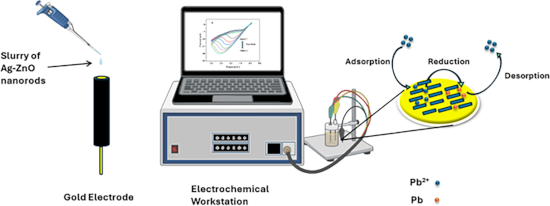
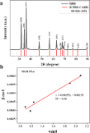
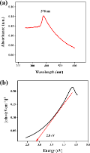
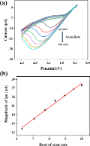
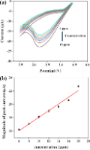
- response, and have a vast range of uses. Zinc oxide shows excellent features, such as nanoscale particles, highly crystalline nature, tunable shape, size and density, and a high aspect ratio. In summary, ZnO nanoparticles offer a versatile platform for technological advancements across fields such as





Biomimetics and bioinspired surfaces: from nature to theory and applications
Beilstein J. Nanotechnol. 2025, 16, 418–421, doi:10.3762/bjnano.16.32
- . Bioinspired nanotechnology plays a crucial role by harnessing nanoscale properties and processes to create highly effective surfaces and interfaces at various scales. In May 2023, the Beilstein Nanotechnology Symposium “Functional Micro- and Nanostructured Surfaces: from Biology to Biomimetics” gathered

Engineered PEG–PCL nanoparticles enable sensitive and selective detection of sodium dodecyl sulfate: a qualitative and quantitative analysis
Beilstein J. Nanotechnol. 2025, 16, 385–396, doi:10.3762/bjnano.16.29
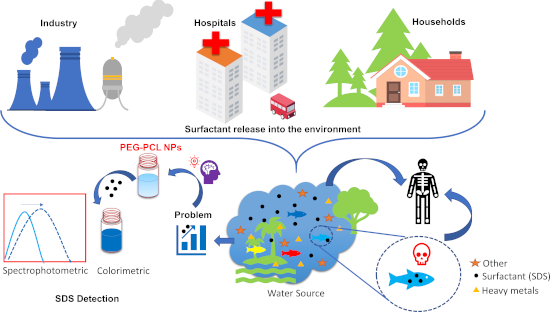
- . Dynamic light scattering measurements revealed that the average hydrodynamic radius of the PEG–PCL NPs was 229.5 nm, confirming their nanoscale dimensions. This finding aligns with previously reported studies that detail the properties of PEG–PCL NPs in similar applications [29]. The polydispersity index


Development of a mucoadhesive drug delivery system and its interaction with gastric cells
Beilstein J. Nanotechnol. 2025, 16, 371–384, doi:10.3762/bjnano.16.28

- the larger surface-area-to-volume ratio, which may result in more contact points with the tissue and increased mucoadhesion [27]. In addition, a nanoscale size leads to improved penetration through the pores of the mucin network, which have a size of approximately 500 nm [9][28], enhanced retention
- within the mucus because of stronger interaction [29], and better and uniform distribution throughout the gastric mucosa [2]. The motivation behind the current study, therefore, was to synthesize a nanoscale drug delivery system with mucoadhesive properties in an attempt to achieve improved gastric
- used for nanoparticle preparation. The nanoscale size is particularly important in mucoadhesive systems designed for gastric delivery because of the mesh-like structure of gastric mucus. Since the pore size in gastric mucus is around 500 nm [9], the smaller the nanoparticle, the better the mucus


Graphene oxide–chloroquine conjugate induces DNA damage in A549 lung cancer cells through autophagy modulation
Beilstein J. Nanotechnol. 2025, 16, 316–332, doi:10.3762/bjnano.16.24
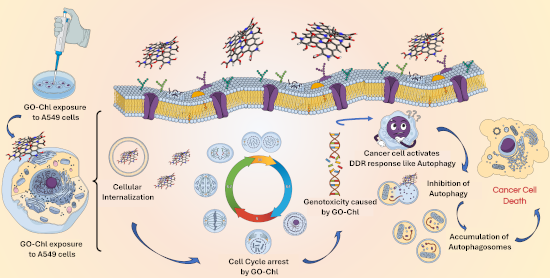
- capabilities of cancer cells. The results indicate that the interplay between DDR and autophagy pathways may open new paradigms for developing effective combinatorial nanoscale drug systems against multidrug-resistance cancers. Keywords: A549 cells; autophagy; chloroquine; DNA damage; graphene oxide
- ). Supporting Information File 1, Figure S1a, reveals the appearance of characteristic bands around 230 nm and 295 nm for GO which corresponds to π–π* and n–π* electronic transitions, respectively. The observed high intensity π–π* plasmon peak around 230 nm is attributed to well-defined nanoscale sp2 hybrid π



Fabrication and evaluation of BerNPs regarding the growth and development of Streptococcus mutans
Beilstein J. Nanotechnol. 2025, 16, 308–315, doi:10.3762/bjnano.16.23
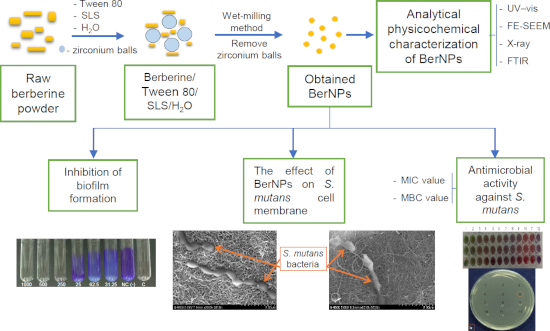
- %) [11]. Therefore, nanotechnology has been applied to solve this problem. The physical, chemical, and biological properties of nanoscale materials are significantly different from those of their larger counterparts. As a result, numerous studies have been conducted to apply nanotechnology to obtain
- demonstrated superior efficiency in producing nanoscale berberine. Tran et al. employed the ball milling technique to produce BerNPs, achieving a particle size of 570.7 nm [23]. Piri et al. utilized the anti-solvent precipitation method, yielding BerNPs with an average particle size of 75 nm [24]. BerNPs were