


Search results
Search for "plant" in Full Text gives 159 result(s) in Beilstein Journal of Nanotechnology.
The role of deep eutectic solvents and carrageenan in synthesizing biocompatible anisotropic metal nanoparticles
Beilstein J. Nanotechnol. 2021, 12, 924–938, doi:10.3762/bjnano.12.69
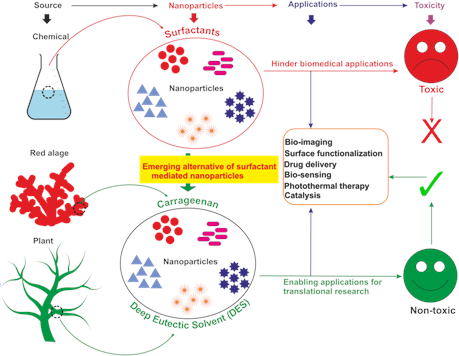
- monodispersed nanoparticles, an essential criterion for their intended application and a limitation of the green synthesis of nanoparticles using plant extracts. Several biocompatible counterparts such as polymers, lipids, and chitosan-based nanoparticles have been successfully used in the synthesis of safe


Physical constraints lead to parallel evolution of micro- and nanostructures of animal adhesive pads: a review
Beilstein J. Nanotechnol. 2021, 12, 725–743, doi:10.3762/bjnano.12.57
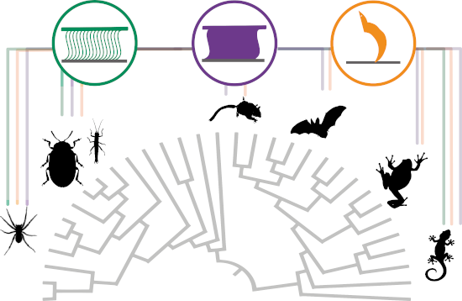
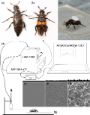
- with their surroundings due to their outer appearance [184][186][187][194][203]. This visual camouflage evolved prior to the emergence of angiosperms, when gymnosperms represented the majority of plant diversity [204][205]. The oldest fossil record for stick insects dates back to 165 mya (Jurassic) and
- also led to several counter-adaptations against herbivory on the plant side (e.g., [214][215][216][217]). While plants evolved defence strategies to repel the herbivorous stick insects, the latter evolved strategies to overcome the strategies developed by the plants [218][219][220][221][222][223][224
- changes in the surface geometry of functional microstructures have already been shown to arise within less than 5000 years [229][230]. The ecomorphological specialization, influenced by the ability of the insects to securely attach to the surface of a specific plant, contributes to the specialization of


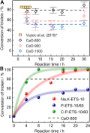
The preparation temperature influences the physicochemical nature and activity of nanoceria
Beilstein J. Nanotechnol. 2021, 12, 525–540, doi:10.3762/bjnano.12.43
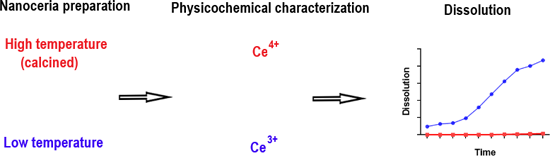
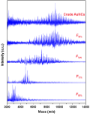
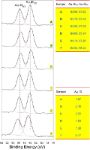
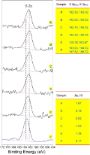
- , University of Kentucky, Lexington, Kentucky, 40506-0046, USA Plant and Soil Sciences, University of Kentucky, Lexington, Kentucky, 40546-0091, USA Chemistry, University of Kentucky, Lexington, Kentucky, 40506-0055, USA 10.3762/bjnano.12.43 Abstract Cerium oxide nanoparticles, so-called nanoceria, are




A review on the biological effects of nanomaterials on silkworm (Bombyx mori)
Beilstein J. Nanotechnol. 2021, 12, 190–202, doi:10.3762/bjnano.12.15
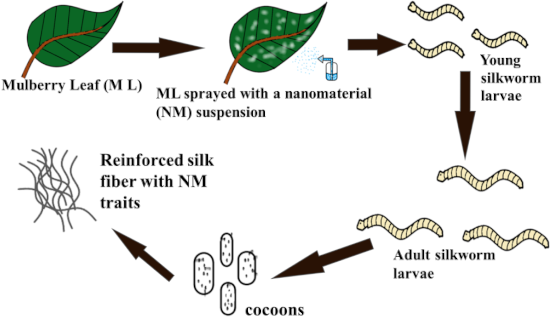
- range of 1–100 nm [18][19], is considered a new technological revolution in science. In agriculture, nanotechnology has provided solutions for issues related to plant protection, nutrition, and pesticide resistance [20][21][22]. For example, 250 µg/mL of magnesium dioxide nanoparticles (MgO NPs) has


A review on the green and sustainable synthesis of silver nanoparticles and one-dimensional silver nanostructures
Beilstein J. Nanotechnol. 2021, 12, 102–136, doi:10.3762/bjnano.12.9
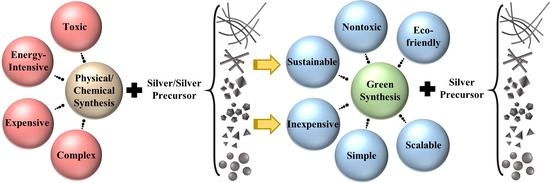
- compounds. The term used for addressing these methods is also referred to as “biological” synthesis. Previous studies have used bacteria [167][168][169][170], fungi [171][172][173][174], viruses [175][176], yeasts [177][178][179], plants [180][181][182][183] and plant extracts [166][184][185][186][187][188
- attention has been recently given to plant-mediated synthesis because of its simple culturing procedures and potential for scale-up [181][219]. Various green synthesis studies from the literature were gathered and compared, giving one a clear and broad overview of the green synthesis processes. We then show
- how plant-mediated synthesis can emerge as a novel and alternative methodology towards the synthesis of 1D silver nanostructures, which have several applications in electronics. Finally, novel future directions including application of in situ characterization techniques in the course of reaction


Bio-imaging with the helium-ion microscope: A review
Beilstein J. Nanotechnol. 2021, 12, 1–23, doi:10.3762/bjnano.12.1
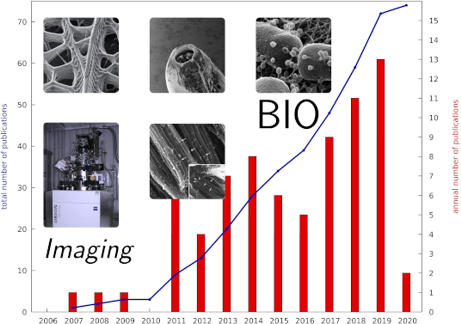
- recent developments reported for bio-imaging using HIM for biological, medical, plant, animal, microbiology, virology, and geomicrobiology studies. We briefly discuss the imaging, detection, and analytical technologies which make the HIM so powerful and explain why these technologies have been so
- milling and imaging. Plant imaging was done on the model species Arabidopsis thaliana. The HIM images of the uncoated cuticle samples showed fine textures and minute ridges not discernible in the low-voltage field-emission SEM images of the same samples. Arabidopsis samples were also HIM-imaged by Curtin


Functional nanostructures for electronics, spintronics and sensors
Beilstein J. Nanotechnol. 2020, 11, 1704–1706, doi:10.3762/bjnano.11.152

- , the Sunway Taihu Light [2], with a peak performance of 93 peta FLOPS (93 × 1015 floating point operations per second) has an energy consumption as high as 15.4 MW. This corresponds to a power plant capacity able to supply energy to a middle-sized city! The low energy efficiency leads to high power
Antimicrobial metal-based nanoparticles: a review on their synthesis, types and antimicrobial action
Beilstein J. Nanotechnol. 2020, 11, 1450–1469, doi:10.3762/bjnano.11.129
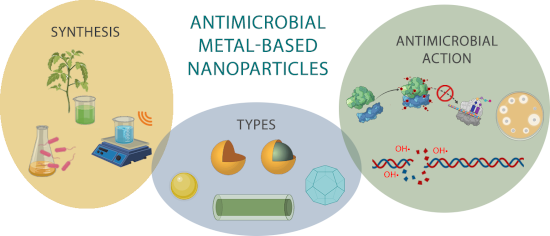
- friendly biosynthetic nanoparticles as antimicrobial agents. Several ecological routes have been investigated, focusing on the search for natural resources. Methods based on the biological synthesis of nanoparticles through the usage of plant extracts [76][77], raw materials from fruits and vegetables [78
- , eliminating an additional step to prevent particle aggregation [86]. In addition, cell culture procedures are not necessary in this case, which allows for the large-scale synthesis of nanoparticles in a non-aseptic environment [87]. Furthermore, plant-based processes are cost-effective and safe for humans and


Plant growth regulation by seed coating with films of alginate and auxin-intercalated layered double hydroxides
Beilstein J. Nanotechnol. 2020, 11, 1082–1091, doi:10.3762/bjnano.11.93
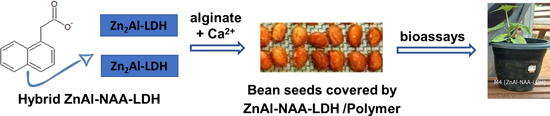
- Professor Lineu Prestes, 748, CEP 05508-000, São Paulo-SP, Brazil 10.3762/bjnano.11.93 Abstract Auxins are a class of organic substances known as plant-growth regulators, which act on plant physiology, promoting its full development. However, due to the great instability of these substances among the
- auxin 1-naphthalenoacetic acid (ZnAl-NAA-LDH), (ii) the coating of bean seeds (Phaseolus vulgaris L.) with composite films produced from mixtures of alginate polymer and ZnAl-NAA-LDH, and (iii) the evaluation of the plant response by bioassays. The hybrid ZnAl-NAA-LDH was characterized by a set of
- , fresh root matter and shoot length of plants. Thus, films produced from a mixture of alginate and the hybrid material containing the growth regulator intercalated into LDH can be a viable alternative to enhance plant development, which can be included in seed management. Keywords: bioassays



Brome mosaic virus-like particles as siRNA nanocarriers for biomedical purposes
Beilstein J. Nanotechnol. 2020, 11, 372–382, doi:10.3762/bjnano.11.28
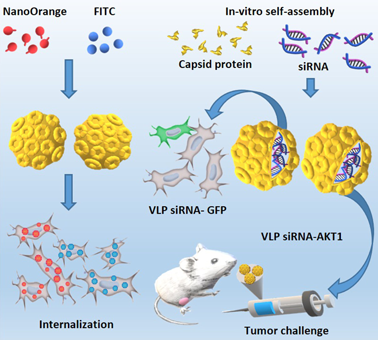
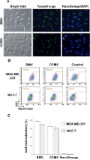
- Educación Superior de Ensenada, Baja California, (CICESE), Ensenada, Baja California, México 10.3762/bjnano.11.28 Abstract There is an increasing interest in the use of plant viruses as vehicles for anti-cancer therapy. In particular, the plant virus brome mosaic virus (BMV) and cowpea chlorotic mottle
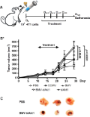
- and the gene silencing. In addition, BMV VLP carring siAkt1 inhibited the tumor growth in mice. These results show the attractive potential of plant virus VLPs to deliver molecular therapy to tumor cells with low immunogenic response. Keywords: anti-cancer therapy; brome mosaic virus (BMV); cowpea
- chlorotic mottle virus (CCMV); nanocarriers; plant virus-like particles (VLPs); siRNA delivery; small interfering RNA (siRNA); Introduction Despite many efforts taken, the efficient and specific delivery of therapeutic molecules to tumor cells is still a unsolved challenge. Cancer therapies are often


A review of demodulation techniques for multifrequency atomic force microscopy
Beilstein J. Nanotechnol. 2020, 11, 76–91, doi:10.3762/bjnano.11.8

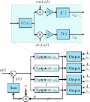
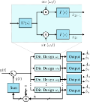
- , consider the functional block diagram in Figure 7, where the integrator of the Lyapunov filter is replaced by the transfer function F(s). In this form, the direct-design demodulator follows a modulated–demodulated control loop [57] with a unity plant. This method differs from the Lyapunov filter as it does


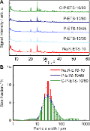
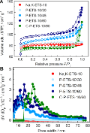
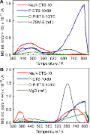
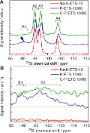
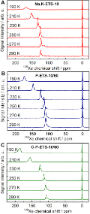
Synthesis of highly active ETS-10-based titanosilicate for heterogeneously catalyzed transesterification of triglycerides
Beilstein J. Nanotechnol. 2019, 10, 2039–2061, doi:10.3762/bjnano.10.200
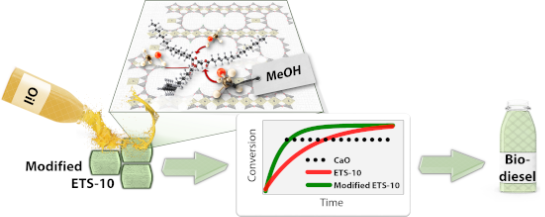
- available solutions to address the world’s increasing energy consumption is the production of fatty acid methyl esters (FAMEs), also known as biodiesel, which are an alternative fuel similar to conventional diesel. They are usually produced from various triglycerides – components of vegetable or plant oils








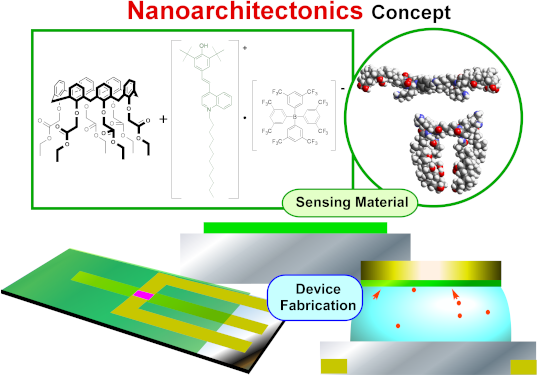
Review of advanced sensor devices employing nanoarchitectonics concepts
Beilstein J. Nanotechnol. 2019, 10, 2014–2030, doi:10.3762/bjnano.10.198
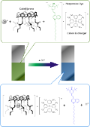
- to visually detect cesium ions in domestic water and seawater [92] (Figure 4). The detection of radioactive cesium species becomes a serious demand after a nuclear plant explosion event, but radioactivity measurements do not always work with high areal resolution. The detection of cesium ions





Gold-coated plant virus as computed tomography imaging contrast agent
Beilstein J. Nanotechnol. 2019, 10, 1983–1993, doi:10.3762/bjnano.10.195
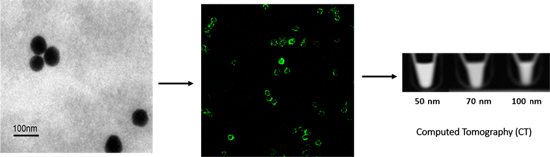
- development of a plant virus-based NP as a CT imaging agent. In this study, the plant cowpea mosaic virus (CPMV) was coated with a gold shell and the use as a CT contrast agent was evaluated. Although a few publications reported the decoration of the surface of virus capsids with preformed AuNPs in specific
- patterns [29], to the best of our knowledge, this is the first time that modified plant virus particles have been used for CT imaging in vitro; the generated particles have potential for clinical imaging applications. Results and Discussion Characterization of Au-CPMV A colloidal solution of Au-CPMV was
- , VA). Methods CPMV propagation CPMV propagation followed our previously published method [38]. Black-eyed peas plant (Vigna unguiculata) were grown from seeds, obtained locally, in a greenhouse for 10 days. Primary leaves were rubbed with carborundum (fine-grade silicon carbide abrasive) and treated




Microfluidic manufacturing of different niosomes nanoparticles for curcumin encapsulation: Physical characteristics, encapsulation efficacy, and drug release
Beilstein J. Nanotechnol. 2019, 10, 1826–1832, doi:10.3762/bjnano.10.177
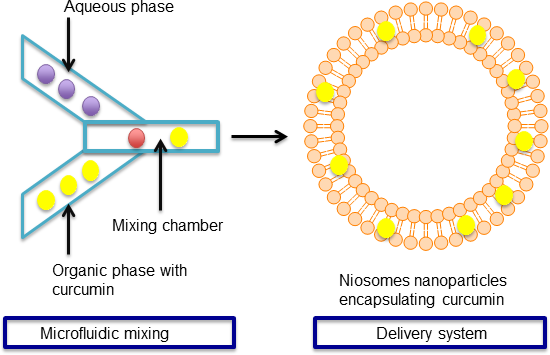
- the rhizome of the medicinal plant Curcuma longa Linn [1]. It has different therapeutic applications such as the use against inflammation and respiratory distress [2]. Moreover, in several studies, curcumin has been proven to have chemopreventive and chemotherapeutic effects against several types of


A biomimetic nanofluidic diode based on surface-modified polymeric carbon nitride nanotubes
Beilstein J. Nanotechnol. 2019, 10, 1316–1323, doi:10.3762/bjnano.10.130
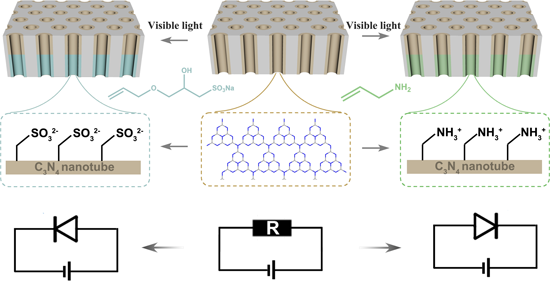
- organisms [1]. All biological signal transport and transduction processes, including pain, haptics, vision, audition, olfaction, and muscular movement, as well as energy conversion and consumption are associated with ion transport [2][3]. For example, a plant injured on one leaf by a nibbling insect can


Scavenging of reactive oxygen species by phenolic compound-modified maghemite nanoparticles
Beilstein J. Nanotechnol. 2019, 10, 1073–1088, doi:10.3762/bjnano.10.108
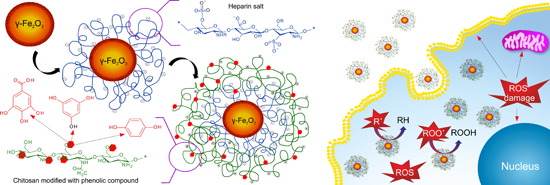
- catalyzed by metal-ion cofactors, such as iron, copper, zinc, and manganese [3]. The non-enzymatic antioxidant defense uses glutathione, vitamins C and E, melatonin, catecholamines, and substances of plant origin, such as phenols and carotenoids, to interrupt undesirable ROS action. Phenolic compounds are


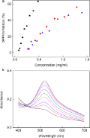

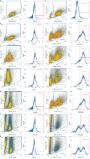


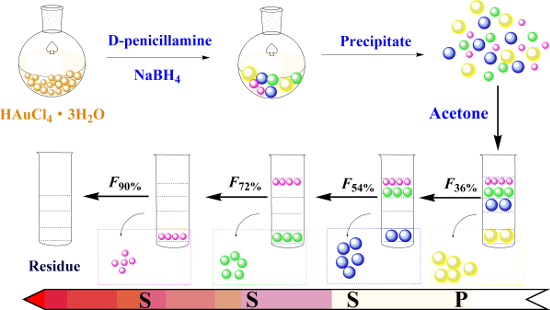
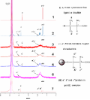
Structural and optical properties of penicillamine-protected gold nanocluster fractions separated by sequential size-selective fractionation
Beilstein J. Nanotechnol. 2019, 10, 955–966, doi:10.3762/bjnano.10.96
- ). Acetic acid (HAc, 99.5%) and concentrated hydrochloric acid (37%) were obtained from Beijing Chemical Plant (Beijing, China). Deuterium oxide (D2O, 99.9%) was purchased from Fluka (Buchs, Switzerland). Purified water was used to prepare all solutions which was from a Milli-Q-RO4 water purification system



Biological and biomimetic surfaces: adhesion, friction and wetting phenomena
Beilstein J. Nanotechnol. 2019, 10, 481–482, doi:10.3762/bjnano.10.48
- cross section of recent developments in this highly diverse and interdisciplinary field of research. The articles highlight recent achievements in the understanding of animal and plant surfaces in the broadest context of adhesion, friction, and wetting phenomena on one hand. On the other hand, they
- are devoted to surface-related effects in animal and plant surfaces, such as sandfish scales, wings of a ladybird beetle, tarsi of burying beetles, attachment devices of a sea star and a sea urchin, elytra of a backswimmer, leaves of an ice plant, and the wax layer of sacred lotus leaves. Seven of the
Ultraviolet patterns of flowers revealed in polymer replica – caused by surface architecture
Beilstein J. Nanotechnol. 2019, 10, 459–466, doi:10.3762/bjnano.10.45
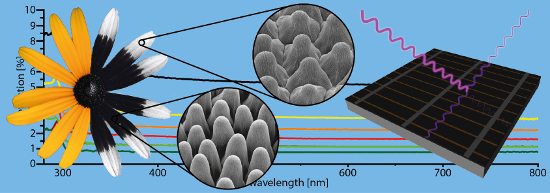
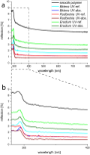
- have been found in leaves, petals or seeds [17][18][19]. Whitney et al. [20] reported, for example, that this iridescence acts as a cue for pollinators and has also assumed such an effect in the UV-range. However, the influence of the plant surface structure – especially papillae – on UV-reflection up
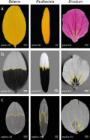
- topography on the appearance of UV-patterns, we investigated the interaction between UV-light and the surface structures of three different plant species in this study. To consider several diverse surface structures we chose three species with distinct UV-patterns and different surface structures, for
- is described in Koch et al. [39] and is a suitable technique for the transfer of the surface topography of soft and fragile plant material to a rigid material in high precision down to the nanometer scale. Results and Discussion Images of flowers under environmental conditions were taken in the VIS


A comparison of tarsal morphology and traction force in the two burying beetles Nicrophorus nepalensis and Nicrophorus vespilloides (Coleoptera, Silphidae)
Beilstein J. Nanotechnol. 2019, 10, 47–61, doi:10.3762/bjnano.10.5
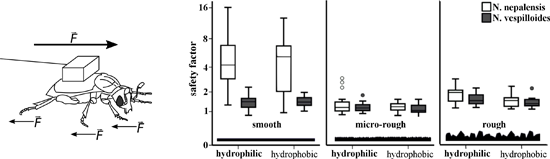
- of insect adhesion have been performed with ‘good plant climbers’ [4][5][6][7]. Although burying beetles can be observed climbing plants to reach a better position from which to start flying to their carrion resources [1], they do not primarily use their tarsi in the context of plant climbing
- clues concerning the mechanisms behind insect attachment. Although burying beetles appear not to be especially adapted to smooth and slippery plant surfaces, N. nepalensis is known as a ‘good climber’ [2] and both the investigated species exhibit, like other burying beetles [8], many tarsal adhesive
- made it possible to attain a more comprehensive view of the attachment capabilities of these beetles, which, according to their lifestyle, experience a broad variety of natural substrates ranging from soil, fur and carrion to plant surfaces (including fallen leaves). Interestingly, within insect



Nanocellulose: Recent advances and its prospects in environmental remediation
Beilstein J. Nanotechnol. 2018, 9, 2479–2498, doi:10.3762/bjnano.9.232
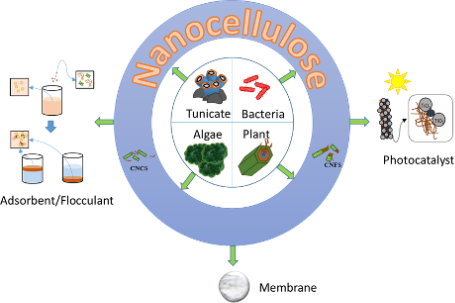
- continues to push for materials which are renewable, biocompatible, and less toxic as a replacement for CNTs. Given the abundance of plant resources, plant extracts are the most studied category to date for the synthesis of green nanomaterials [8]. Cellulose, one of the most abundant natural polymers, has
- domains [24] (Figure 2a). Due to the complex structure of cellulose fibre, the plant cell wall must be subjected to strong mechanical disintegration before turning the fibres into CNF [24]. The diameter of the fibres is commonly within the range of 10–100 nm, depending on the disintegration power [24]. In
- organisms through enzymatic polymerization of organic substrates such as sugar and glycerol [11][31]. The main difference between BC and other plant-derived CNFs is the absence of certain functional groups (except alcohol) and polymers (lignin, hemicellulose, and pectin) in BC [32]. Therefore, BC is known


Fabrication of photothermally active poly(vinyl alcohol) films with gold nanostars for antibacterial applications
Beilstein J. Nanotechnol. 2018, 9, 2040–2048, doi:10.3762/bjnano.9.193
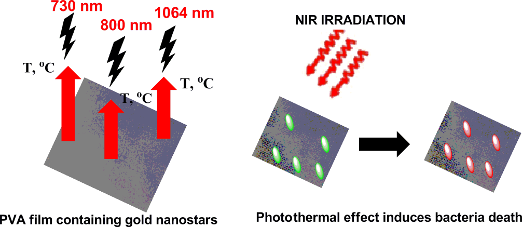
- studies have reported the preparation and the antibacterial efficacy of PVA films containing plant extracts, silver nanoparticles or zinc oxide nanoparticles [17][18][19][20][21][22]. However, when bacteria start to form biofilms they become resistant and conventional antibiotics do not eradicate biofilms


SO2 gas adsorption on carbon nanomaterials: a comparative study
Beilstein J. Nanotechnol. 2018, 9, 1782–1792, doi:10.3762/bjnano.9.169

- conventional techniques such as absorption in liquids, the adsorptive removal of environmentally toxic gases, e.g., SO2, offers several advantages such as ease of regeneration, low maintenance and simple plant design [1][2]. Consequently, in the last few years a wide variety of adsorbents has been investigated


Review on nanoparticles and nanostructured materials: history, sources, toxicity and regulations
Beilstein J. Nanotechnol. 2018, 9, 1050–1074, doi:10.3762/bjnano.9.98

- human, animal, and plant activities by blocking and scattering the sunlight. The volcanically erupted particles may possess heavy metals that are toxic to humans [69]. The short-term effects of particles from volcanic eruptions include nose, throat, eye and skin irritations and bronchial symptoms, while
- [131][132]. Plant viruses have been found to be nontoxic towards human cells at required dosages for effective administration of the drug load [133][134]. Nanobacteria and nanobes: Generally, bacteria will bind to soluble, toxic heavy metals and precipitate them to their surface, producing metal NPs
- network (nanofibers) [188]. Plant surfaces, especially leaves, contain nanostructures that are used for numerous purposes such as insects sliding [189], mechanical stability [190], increased visible light and harmful UV reflection and radiation absorption respectively [191][192] as shown in Figure 6. The





