


Search results
Search for "potential" in Full Text gives 1959 result(s) in Beilstein Journal of Nanotechnology. Showing first 200.
Missing links in nanomaterials research impacting productivity and perceptions
Beilstein J. Nanotechnol. 2025, 16, 2168–2176, doi:10.3762/bjnano.16.149
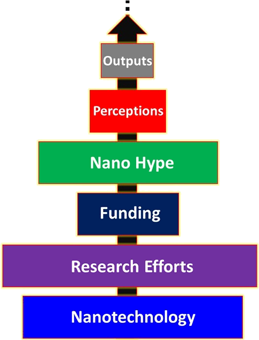
- productive technologies like generative AI, machine learning, and related progress, nanotechnology has not achieved autonomous societal integration. The author argues that without a unified, transparent, and science-driven global regulatory framework, the transformative potential of nanotechnology will
- acceleration after the discovery of fullerene by Kroto and co-workers in 1985 and witnessed an even more rapid surge following the discovery of graphene and the award of the Physics Nobel Prize in 2010 [6][7]. Graphene is often referred to as a “wonder material” due to its seemingly infinite potential in
- usage remain uncertain As discussed above, during the last three decades, extensive work has been done in various domains of nanoscience and nanotechnology, mainly focusing on large-scale production and potential consumer applications. It is estimated that, globally, investments in nanomaterials and
Microplastic pollution in Himalayan lakes: assessment, risks, and sustainable remediation strategies
Beilstein J. Nanotechnol. 2025, 16, 2144–2167, doi:10.3762/bjnano.16.148
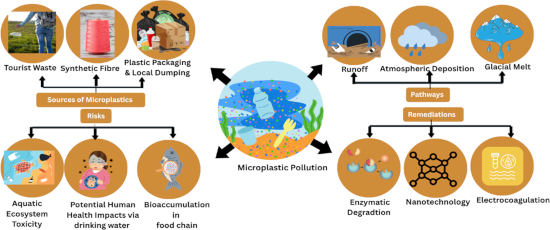
- its behavior in distant, elevated lake systems such as the Himalayas. The most important areas to focus with regard to the ecotoxicological impact of microplastics are the bioaccumulation of microplastics in the Himalayan food web, plasticizer toxicity, and long-term potential health and ecological
- catalysts, are a good example of a new method that has achieved great degrading effectiveness and is under study regarding its potential application to cold environments [46]. However, before being widely used in delicate ecosystems like Himalayan lakes, chemical methods must be carefully optimized since
- Aspergillus spp., have already shown potential in degrading MPs in a controlled settings, with the possibility of further application in larger-scale bioremediation schemes [44]. Table 3 gives a comparative summary of the most recent physical, chemical, and biological technologies for MP remediation. Among


Quality by design optimization of microemulsions for topical delivery of Passiflora setacea seed oil
Beilstein J. Nanotechnol. 2025, 16, 2116–2131, doi:10.3762/bjnano.16.146
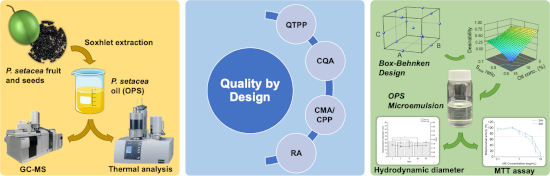
- , Brazil 10.3762/bjnano.16.146 Abstract Passiflora setacea seed oil is a natural source of bioactive unsaturated fatty acids, notably linoleic acid (ω-6) and oleic acid (ω-9), with promising antioxidant and anti-inflammatory potential for dermatological applications. However, its direct use is limited by
- of fixed oils and bioactive compounds, including flavonoids and alkaloids, which exhibit significant therapeutic potential [1]. While Passiflora edulis, P. alata, and P. incarnata have been extensively studied in phytopharmaceutical research, recent investigations have turned attention toward
- linked to diverse biological effects, including anti-inflammatory, antioxidant, and skin-regenerative activities, underscoring its potential for dermatological applications [4]. Despite these promising attributes, the direct use of natural oils in topical applications is often limited by their


Rapid synthesis of highly monodisperse AgSbS2 nanocrystals: unveiling multifaceted activities in cancer therapy, antibacterial strategies, and antioxidant defense
Beilstein J. Nanotechnol. 2025, 16, 2105–2115, doi:10.3762/bjnano.16.145
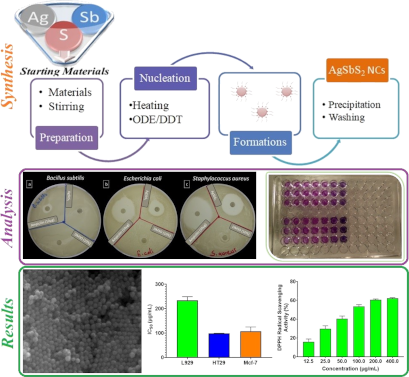
- , particularly on cancer cell lines (MCF-7 and HT-29), in a dose-dependent manner over a 24 h period. These findings highlight the potential of the NCs as anticancer agents. Furthermore, the synthesized NCs demonstrated potent antibacterial properties against the tested microorganisms and notable antioxidant
- effects by efficiently eliminating DPPH activity. This research highlights the potential of AgSbS2 NCs as versatile agents with applications in biomedical and environmental domains, including cancer therapy, antimicrobial strategies, and free radical neutralization. Keywords: AgSbS2 nanocrystals
- therapeutic approaches [2]. Currently, the assessment of nanotechnology’s impact on the health of both humans and animals, along with its potential in therapy, has become an imperative scientific consideration. Nanotechnology, which is multidisciplinary, is the synthesis of materials and particles with


Toward clinical translation of carbon nanomaterials in anticancer drug delivery: the need for standardisation
Beilstein J. Nanotechnol. 2025, 16, 2092–2104, doi:10.3762/bjnano.16.144

- uncontrolled cell growth and their potential to metastasise, poses a significant global health challenge. Numerous preventable factors contribute to cancer, including tobacco use, exposure to viruses, alcohol consumption, ultraviolet radiation (photocarcinogenesis), ionising radiation, poor diet and nutrition
- , laser ablation, or electrochemical techniques, among others. These CNMs must then be thoroughly characterised to confirm their structural and physicochemical properties, including size, shape, charge, surface functionality, stability, and potential toxicity. Following characterisation, anticancer
- , and the dose and duration of treatment can be tailored to minimise toxicity. The use of nanocarriers for the delivery of anticancer therapeutics is a promising strategy for improving the efficacy of the drug while minimising its toxicity to healthy tissues. This approach has the potential to reduce



Calibration of piezo actuators and systems by dynamic interferometry
Beilstein J. Nanotechnol. 2025, 16, 2086–2091, doi:10.3762/bjnano.16.143
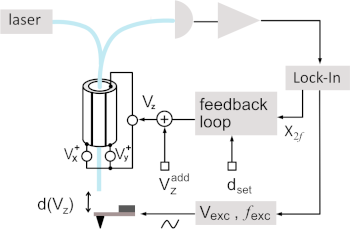
- long as the respective stabilization loop of interferometer alignment is active [16], this adjustment is maintained even in the presence of drift or piezo creep by the automatic adjustment of the voltage applied between the fiber tube piezo inner electrode and the common potential of the tube piezo
- thickness, respectively. According to the widely used convention, the piezo tube is poled so that a negative potential applied to the inner electrode Vz,f < 0 results in an extension ΔL > 0 that translates into a reduction of the cavity length Δd = derr = −ΔL < 0. From d31 and the geometry parameters of the


Multifrequency AFM integrating PeakForce tapping and higher eigenmodes for heterogeneous surface characterization
Beilstein J. Nanotechnol. 2025, 16, 2077–2085, doi:10.3762/bjnano.16.142
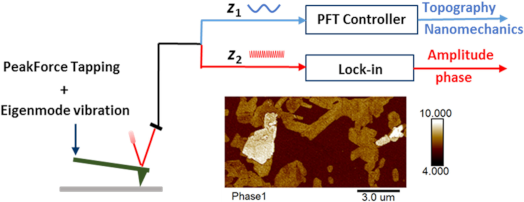
- montmorillonite (MMT) nanosheets, demonstrating its potential to improve material property contrast and characterization. Experimental Experimental setup Our experiments were conducted using a commercial AFM system (Bruker Dimension Icon) equipped with a cantilever holder that incorporates a piezoelectric
- potential sample damage, we re-imaged the scan areas after the multifrequency measurements. No discernible sample damage or topographic alterations were observed within the specific regions of interest (ROIs) used for contrast quantification after multifrequency testing (see Supporting Information File 1


Molecular and mechanical insights into gecko seta adhesion: multiscale simulations combining molecular dynamics and the finite element method
Beilstein J. Nanotechnol. 2025, 16, 2055–2076, doi:10.3762/bjnano.16.141
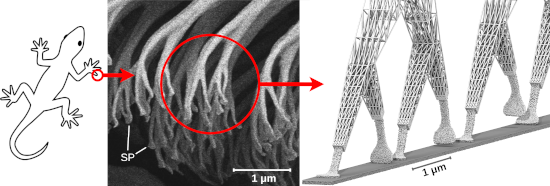
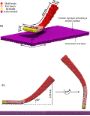
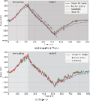
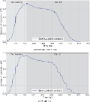
- parametrization of our coarse-grained potential against united-atom simulations of gecko keratin on nonpolar surfaces [10]. Hydrophilic substrates, roughness, and humidity, which introduce additional mechanisms such as keratin softening and capillary forces, have been addressed in our previous spatula-scale
- ], and the parameter set that reproduced the target adhesion ( = 290 kJ/mol, σ = 4 nm, and rcutoff = 12 nm) was selected. The relatively large σ value reflects the coarse graining, and rcutoff = 3σ retains most of the attractive tail of the LJ potential. Any surface bead deeper than the cutoff (12 nm
- ) does not interact with the spatula beads; therefore, any substrate thicker than the spatula–substrate potential cutoff (rcutoff ≤ thickness ≤ ∞) would result in identical dynamics and forces. Our substrate (1 monolayer + 13 nm amorphous bulk) exceeds the cutoff, fully representing all interactions






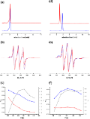
Stereodiscrimination of guests in chiral organosilica aerogels studied by ESR spectroscopy
Beilstein J. Nanotechnol. 2025, 16, 2034–2054, doi:10.3762/bjnano.16.140




Beyond the shell: exploring polymer–lipid interfaces in core–shell nanofibers to carry hyaluronic acid and β-caryophyllene
Beilstein J. Nanotechnol. 2025, 16, 2015–2033, doi:10.3762/bjnano.16.139
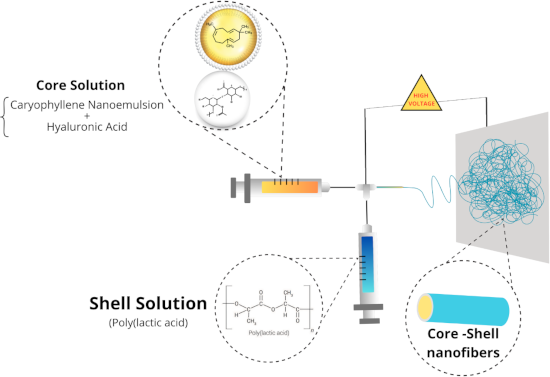
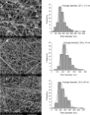
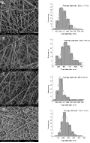
- -sectional imaging, and attenuated total reflectance with Fourier transform infrared (ATR-FTIR) spectroscopy provided compelling evidence for the successful formation of the intended core–shell structure. The resulting nanofibers exhibited surface hydrophobicity, suggesting potential for anti-adhesive
- encapsulated within a PLA shell, highlighting substantial potential for biomedical applications by overcoming key material integration hurdles. Keywords: co-axial nanofibers; electrospinning; hybrid nanosystem; nanofibers; nanoemulsion; poly(lactic acid); Introduction Driven by the significant potential of
- various biomedical applications [28][29]. Complementing the regenerative and biocompatible profile of HA, β-caryophyllene (βCp) is another critical component of significant pharmaceutical potential. Among the array of attributes exhibited by βCp, it notably possesses potent analgesic, antioxidant




The cement of the tube-dwelling polychaete Sabellaria alveolata: a complex composite adhesive material
Beilstein J. Nanotechnol. 2025, 16, 1998–2014, doi:10.3762/bjnano.16.138
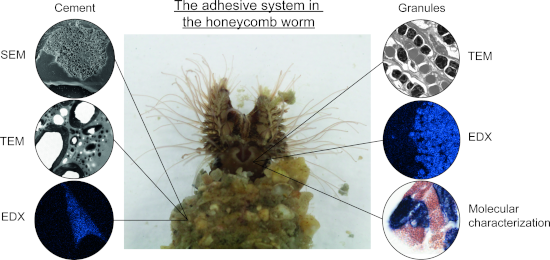
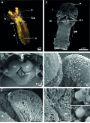
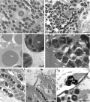
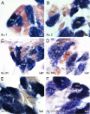
- several studies. However, some aspects of cement formation are still poorly understood and several differences have been pointed out between the two main model species. This study aims to investigate the adhesive system of Sabellaria alveolata by identifying new potential adhesive proteins, as well as
- , and other putative adhesive proteins (Pc-6 to Pc-26) have been reported [12][16]. By comparing all putative P. californica adhesive proteins with the transcriptome of the honeycomb worm, a potential Sa-5 and a new Sa-3 adhesive proteins were identified. However, no other homologues have been retrieved



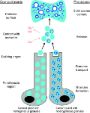
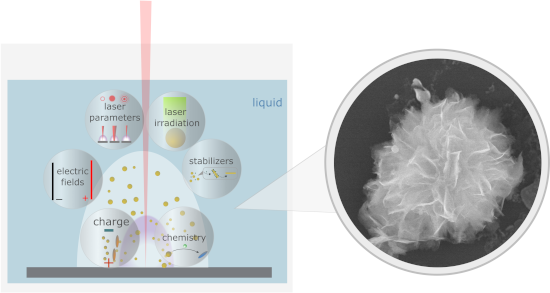
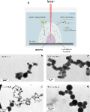
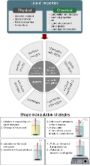
Laser ablation in liquids for shape-tailored synthesis of nanomaterials: status and challenges
Beilstein J. Nanotechnol. 2025, 16, 1963–1997, doi:10.3762/bjnano.16.137




Evaluating metal-organic precursors for focused ion beam-induced deposition through solid-layer decomposition analysis
Beilstein J. Nanotechnol. 2025, 16, 1942–1951, doi:10.3762/bjnano.16.135
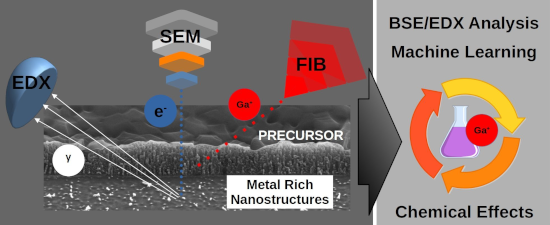
- irradiation differs from gas-phase deposition, we think that our method can be employed to optimize pre-screen and score new potential precursors for FIB applications by significantly reducing the time required and conserving valuable resources. Keywords: backscattered electrons (BSE); carboxylates; energy
- tested in FEBID processes. Preliminary studies of new or potential FEBID precursors employ electron ionization mass spectrometry and gas-phase cross-beam experiments (dissociative ionization and dissociative electron attachment), but more informative are investigations into the interactions of molecules
- complex with the same carboxylate and pentafluoropropamidine [Cu2(NH2(NH=)CC2F5)2(µ-O2CC2F5)4] [32], as new potential precursors for the applications in focus ion beam induced deposition (FIBID) using gallium ions. We focused on a commonly used 30 keV FIB ion beam energy in our systematic decomposition


PEGylated lipids in lipid nanoparticle delivery dynamics and therapeutic innovation
Beilstein J. Nanotechnol. 2025, 16, 1914–1930, doi:10.3762/bjnano.16.133
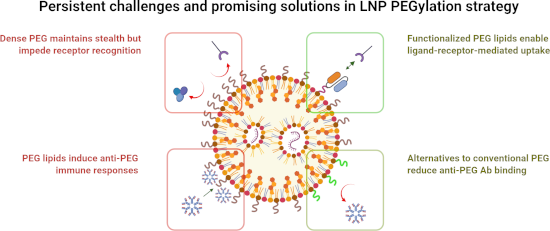
- chains arrange on the nanoparticle surface and the potential impacts on LNPs’ physicochemical properties by varying surface PEG density or PEG chemistry. Subsequently, PEG conformations are discussed in terms of their modulation of protein corona formation, cellular uptake, and immunogenic responses
- properties of LNPs including particle size, surface charge, and encapsulation efficiency. Subsequent sections explore the roles of PEG lipids in modulating protein corona formation and cellular uptake. The latter parts highlight the potential of functionalized PEG lipids for targeted delivery and the
- , functionalized PEG lipids can serve as anchors not only for targeting moieties but also for ligands to reduce immune clearance and extend blood circulation [40][42][47][49][55]. Although functionalized PEG lipids have great potential for LNP surface modifications, recent studies have emphasized the importance of


Targeting the vector of arboviruses Aedes aegypti with nanoemulsions based on essential oils: a review with focus on larvicidal and repellent properties
Beilstein J. Nanotechnol. 2025, 16, 1894–1913, doi:10.3762/bjnano.16.132
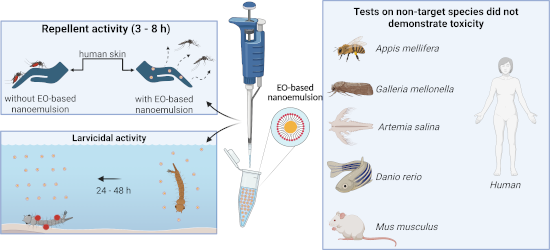
- release, and protection against degradation. Nanoemulsions are colloidal systems with droplets of 20 to 500 nm, which improve the dispersion of the compounds, protect their active properties, and enhance their efficacy. This review addresses the potential of nanoemulsions as efficient carriers of EOs, and
- review focuses on mapping nanoemulsions based on essential oils and their potential as an innovative strategy for controlling Aedes aegypti and consequently related arboviruses. Review Aedes aegypti: General aspects and control strategies Insects are important vectors in the transmission of bacteria and
- bites and, consequently, the transmission of diseases [10][24]. Despite the potential of essential oils, their use in vector control faces several limitations. The high volatility of the active compounds can reduce long-term efficacy, requiring frequent reapplications. In addition, the low polarity of


Programmable soliton dynamics in all-Josephson-junction logic cells and networks
Beilstein J. Nanotechnol. 2025, 16, 1883–1893, doi:10.3762/bjnano.16.131

- ; superconducting neural networks; Introduction The rapid advancement of Josephson junction (JJ) logic circuits [1][2][3][4][5] and neuromorphic networks [6][7][8][9] holds transformative potential for ultra-low-power computing. However, achieving scalable integration remains a critical bottleneck, as conventional
- to its initial physical state. The behavior of the KICK in the T-Mode, which enables its use as a T-flip-flop, is detailed in Figure 2d. This mode is defined by the existence of two distinct stable states, physically corresponding to a bistable potential landscape created by the KICK architecture
- soliton’s energy is large enough to overcome any potential barrier presented by the KICK, ensuring transmission regardless of the inductance value. This results in a universal Open mode at high rates. Crucially, this high-energy passage is not inert; if the KICK is in a bistable regime (such as the T-Mode


Low-temperature AFM with a microwave cavity optomechanical transducer
Beilstein J. Nanotechnol. 2025, 16, 1873–1882, doi:10.3762/bjnano.16.130
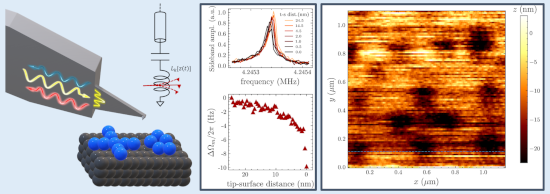
- force-sensor design is a significant improvement over piezoelectric force sensors commonly used in low-temperature AFM. We discuss the potential for further improvement of the sensor design to achieve optimal detection at the standard quantum limit. We demonstrate AFM operation with surface-tracking


Self-assembly and adhesive properties of Pollicipes pollicipes barnacle cement protein cp19k: influence of pH and ionic strength
Beilstein J. Nanotechnol. 2025, 16, 1863–1872, doi:10.3762/bjnano.16.129
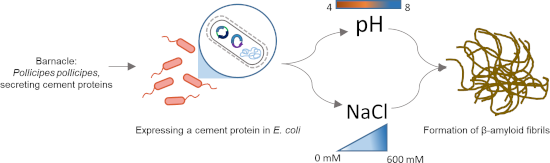
- potential to form amyloid-like fibrillar aggregates, a structural motif increasingly implicated in barnacle adhesion [33][34]. Amyloid fibres are characterised by their β-sheet-rich architecture and have been linked to increased cohesive strength and durability in marine adhesives [35][36]. In the present


On the road to sustainability – application of metallic nanoparticles obtained by green synthesis in dentistry: a scoping review
Beilstein J. Nanotechnol. 2025, 16, 1851–1862, doi:10.3762/bjnano.16.128
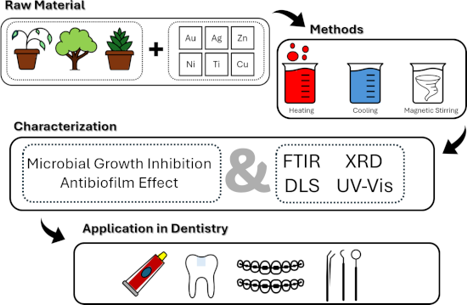
- , particularly in dentistry. This scoping review examines the rising focus on these nanoparticles regarding their antimicrobial, regenerative, and therapeutic potential in dental applications. Among the metals studied, silver and zinc oxide nanoparticles dominate because of their broad-spectrum antimicrobial
- content. Despite promising results, gaps remain, such as the predominance of in vitro studies (68.7%) and insufficient cytotoxicity assessments (47.8%), underscoring the need for translational research. This review highlights the transformative potential of green-synthesized nanoparticles in dentistry
- properties that enhance their versatility across multiple applications [23][24][25]. Biosynthesized AgNPs have been assessed regarding their antimicrobial, antioxidant, and anticancer effects, as well as for their therapeutic potential in treating dermatitis and other conditions [26]. Studies have


Current status of using adsorbent nanomaterials for removing microplastics from water supply systems: a mini review
Beilstein J. Nanotechnol. 2025, 16, 1837–1850, doi:10.3762/bjnano.16.127
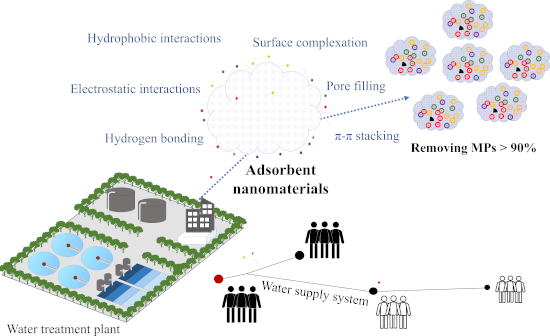
- sustainable strategies to deal with this matter. Many studies have shown that adsorbent nanomaterials have potential for the removal of MPs from water. This review evaluates the current status of using adsorbent nanomaterials in removing MPs from water supply systems. It discusses the occurrences and removal
- can recovery. Their effectiveness depends on material properties and environmental factors, but challenges remain in scale-up and related risks. Adsorbent nanomaterials show promising potential to enhance MP removal through specific properties. Although some related risks are discussed, these
- daily life, and the potential application of adsorbent nanomaterials for MP removal. Sajid et al. provided an overview of various adsorbent materials and their efficiency [24]. However, the authors do not deeply explore the potential challenges related to large-scale applications or the integration of


Phytol-loaded soybean oil nanoemulsion as a promising alternative against Leishmania amazonensis
Beilstein J. Nanotechnol. 2025, 16, 1826–1836, doi:10.3762/bjnano.16.126

- least 30 days of storage and at least 15 days even under stress conditions, with no signs of macroscopic instability or changes in droplet size. The cytocompatibility of NEs was confirmed in 3T3 fibroblasts at the concentrations tested, indicating potential safety for in vivo trials. Notably, PHYT-NE
- promastigotes represents a limitation, this model was used as a proof-of-concept, with promising evidence of the potential of PHYT-NE. Future studies in macrophage models infected with intracellular amastigotes will be essential to confirm the observed efficacy and validate the potential of PHYT-NE as a safe
- potential. For example, da Silva and colleagues (2015) [17] showed that a phytol-rich fraction extracted from Lacistema pubescens exhibited potent activity against Leishmania amazonensis promastigotes and intracellular amastigotes. However, the high lipophilicity of the phytol significantly limits its


Piezoelectricity of layered double hydroxides: perspectives regarding piezocatalysis and nanogenerators
Beilstein J. Nanotechnol. 2025, 16, 1812–1817, doi:10.3762/bjnano.16.124

- conversion devices has positioned layered double hydroxides (LDHs) as promising candidates among the other two-dimensional materials. With their unique flexible layered structure, LDHs hold great potential for piezocatalysis and powering smart wearable electronics. Despite their promise, this area of study
- future, systematic research into the effects of LDHs’ composition and structure on piezoelectric properties will be crucial to unlock their full potential. This mini-review aims to inspire the audience with valuable ideas for the development of new LDH-based piezoelectric materials, thereby contributing
- current output. The piezoelectric potential generated in the ZnO nanosheets functions as an applied voltage, facilitating charge storage within the LDH layers, which act as capacitors. This mechanism leads to enhanced voltage and current pulses under mechanical stimulation. LDHs can also enhance the

Electrical, photocatalytic, and sensory properties of graphene oxide and polyimide implanted with low- and medium-energy silver ions
Beilstein J. Nanotechnol. 2025, 16, 1794–1811, doi:10.3762/bjnano.16.123
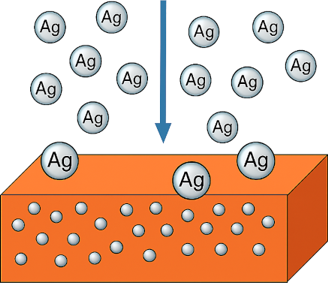
- the potential of Ag ion implantation to significantly enhance the functionalities of GO and PI films for various applications, including environmental monitoring and photocatalysis. Experimental Hummers’ method was employed to synthesize graphene oxide (GO), following the procedure outlined in [16


Exploring the potential of polymers: advancements in oral nanocarrier technology
Beilstein J. Nanotechnol. 2025, 16, 1751–1793, doi:10.3762/bjnano.16.122
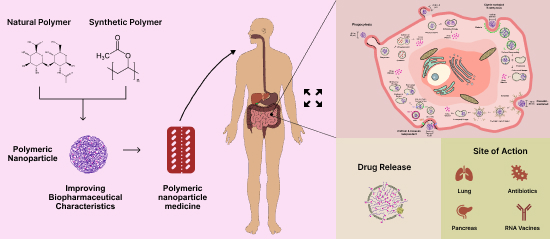
- , Brazil 10.3762/bjnano.16.122 Abstract Polymers play a pivotal role in various drug delivery systems due to their versatility, with polymeric nanoparticles showing significant potential to overcome physiological barriers associated with oral administration. This review examines the current advancements
- invasiveness and greater biocompatibility [11]. Polymeric nanoparticles (PNs) have been studied for their potential in the oral delivery of insoluble drugs and biological products [12]. Peptides, such as GLP-1 receptor agonists [13], nucleic acids such as RNA [14], insulin [15], and antigens [16] have been
- absorption by interacting with food, digestive enzymes, bile salts, electrolytes, and mucus. Polymers enable diverse surface functionalities tailored to therapeutic demands, including adhesive, bioinert, or charge-conversion functionalities that modify zeta potential and hydrophilic properties, among others


Advances of aptamers in esophageal cancer diagnosis, treatment and drug delivery
Beilstein J. Nanotechnol. 2025, 16, 1734–1750, doi:10.3762/bjnano.16.121
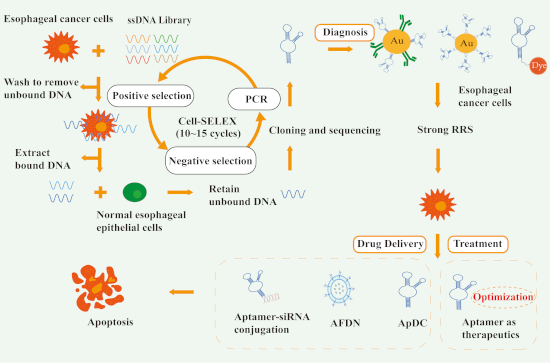
- subtle, frequently escaping clinical detection. Definitive diagnosis typically requires upper gastrointestinal endoscopy to identify potential early neoplastic changes [7][8]. Barrett’s esophagus is generally considered to be a precancerous lesion of EAC [9][10], while esophageal intraepithelial
- therapeutics and targeted delivery agents to provide more accurate, efficient and safer diagnosis and treatment options for EC patients. Initially, this review describes the high selectivity and binding ability of aptamers to specific EC markers, showing great potential for early detection of EC and monitoring
- diagnostic outcomes. The establishment of a multiprotein model [49] confirms this conjecture. There are already gold nanoparticle aptamer biosensors and fluorescent aptamer sensors that show great potential in esophageal cancer diagnosis (Table 1). 3.1 Gold nanoparticle–aptamer sensors Scholars reviewed





