


Search results
Search for "scattering" in Full Text gives 897 result(s) in Beilstein Journal of Nanotechnology. Showing first 200.
Engineered PEG–PCL nanoparticles enable sensitive and selective detection of sodium dodecyl sulfate: a qualitative and quantitative analysis
Beilstein J. Nanotechnol. 2025, 16, 385–396, doi:10.3762/bjnano.16.29
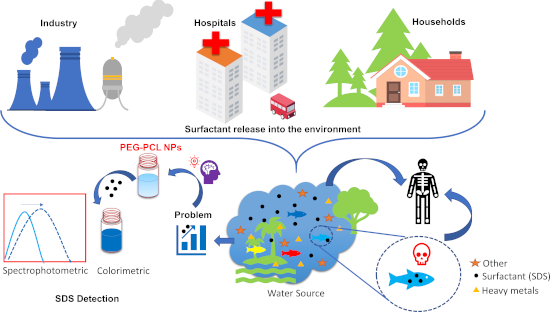
- precipitation step is essential for purifying the nanoparticles and achieving a stable, solid-state product that can be easily collected and dried. Finally, the synthesized PEG–PCL NPs are characterized to assess their size and uniformity. Dynamic light scattering (DLS) techniques measure the average particle
- . Dynamic light scattering measurements revealed that the average hydrodynamic radius of the PEG–PCL NPs was 229.5 nm, confirming their nanoscale dimensions. This finding aligns with previously reported studies that detail the properties of PEG–PCL NPs in similar applications [29]. The polydispersity index


Development of a mucoadhesive drug delivery system and its interaction with gastric cells
Beilstein J. Nanotechnol. 2025, 16, 371–384, doi:10.3762/bjnano.16.28

- potential distributions The size of Alg and EudAlg nanoparticles were analyzed by dynamic light scattering (Malvern Zetasizer Nano-ZS) at 25 °C. The nanoparticles were suspended in ddH2O; for each sample, three measurements were performed, twelve runs each, to obtain the distributions. Disposable


Pulsed laser in liquid grafting of gold nanoparticle–carbon support composites
Beilstein J. Nanotechnol. 2025, 16, 349–361, doi:10.3762/bjnano.16.26
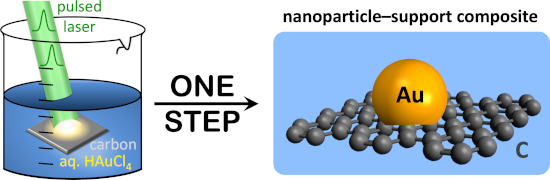
- scattering by the carbon fibers. The pulsed laser-grafted gold nanoparticles exhibited cauliflower morphology with approximately 200 nm diameter and no detectable carbonaceous shells (Figure 2B and cf. X-ray photoelectron spectroscopy (XPS) data below). Assembly of gold nanoparticles by nanosecond laser


Tailoring of physical properties of RF-sputtered ZnTe films: role of substrate temperature
Beilstein J. Nanotechnol. 2025, 16, 333–348, doi:10.3762/bjnano.16.25
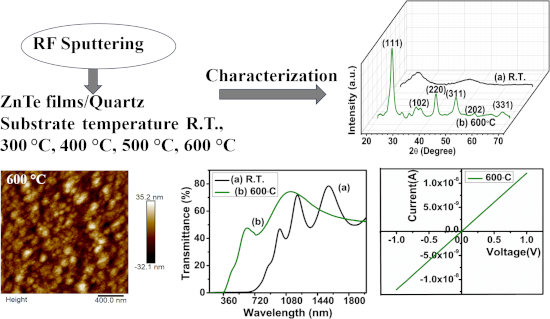
- charge carriers, and various scattering events take place at grain boundaries such that the conductivity of the films decreases. The number of grain boundaries decreases with an increase in crystallite size. Thus, the increase in crystallinity and decrease in dislocation density with substrate

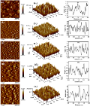

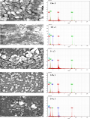


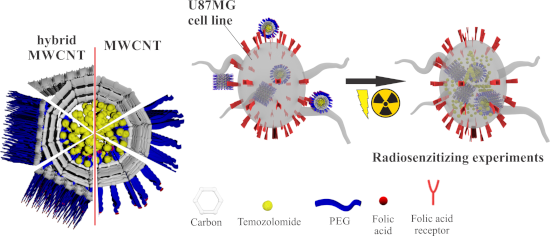
Radiosensitizing properties of dual-functionalized carbon nanostructures loaded with temozolomide
Beilstein J. Nanotechnol. 2025, 16, 229–251, doi:10.3762/bjnano.16.18


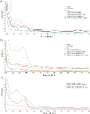


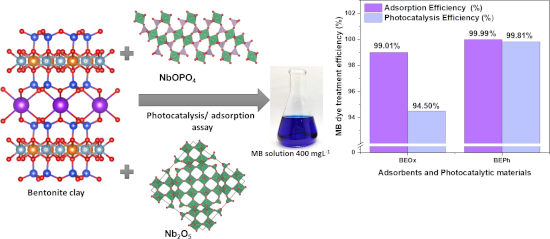
Clays enhanced with niobium: potential in wastewater treatment and reuse as pigment with antibacterial activity
Beilstein J. Nanotechnol. 2025, 16, 141–154, doi:10.3762/bjnano.16.13
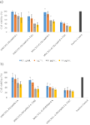
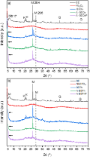
- with 50 μm of diameter and gate delay of 0.5 μs. A static laser scattering (SLS) Horiba LA-960 equipment assessed the powder particle size distribution measurements using a 15 mL cuvette accessory and water as the dispersion medium. The refractive index was set to 1.640 for red and blue lines. Results



TiO2 immobilized on 2D mordenite: effect of hydrolysis conditions on structural, textural, and optical characteristics of the nanocomposites
Beilstein J. Nanotechnol. 2025, 16, 128–140, doi:10.3762/bjnano.16.12
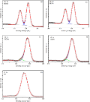
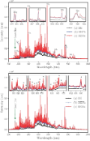
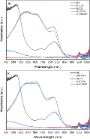
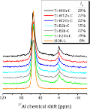
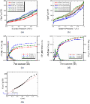
- for indirect transition bandgaps. The Kubelka–Munk method allows one to transform the reflectance spectra into the corresponding adsorption spectra using the function where R is the reflectance of a thick uniform sample, and K and S are the adsorption and scattering coefficients, respectively. When F



Characterization of ZnO nanoparticles synthesized using probiotic Lactiplantibacillus plantarum GP258
Beilstein J. Nanotechnol. 2025, 16, 78–89, doi:10.3762/bjnano.16.8
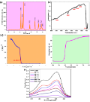
- the scattering angle. Using this formula, we determined an average crystallite size of around 25 nm for the 2θ angle of 35.8°. This measurement provided valuable insight into the dimensions of the ZnO NPs and is depicted in Figure 2a. FTIR analysis The FTIR spectra of ZnO NPs were examined in the



Instance maps as an organising concept for complex experimental workflows as demonstrated for (nano)material safety research
Beilstein J. Nanotechnol. 2025, 16, 57–77, doi:10.3762/bjnano.16.7

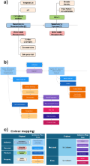
- focused on silica (SiO2) nanomaterials in the size range of 50–100 nm (depending on the method used, i.e., transmission electron microscopy, nanoparticle tracking analysis, or dynamic light scattering (intensity or number distribution)) with different surface modifications, which are reported to be


Precursor sticking coefficient determination from indented deposits fabricated by electron beam induced deposition
Beilstein J. Nanotechnol. 2025, 16, 35–43, doi:10.3762/bjnano.16.4

- represents the probability of a volatile precursor molecule to adhere or stick to the surface it impacts. The coefficient takes values from 0 to 1, where at 0 none of the incoming molecules stick to the surface and at unity all of them do. It accounts for events of prompt scattering of impinging molecules on


A nanocarrier containing carboxylic and histamine groups with dual action: acetylcholine hydrolysis and antidote atropine delivery
Beilstein J. Nanotechnol. 2025, 16, 11–24, doi:10.3762/bjnano.16.2

- corresponds to the hydrodynamic diameter of p(Hist-CA), while the latter one relates to the size of aggregates. The average molecular weight (M) of the aggregate was determined using the static light scattering (SLS) Debye plot. The plot of KC/Rθ against C, where K is the Debye constant, C is the
- weighed on a Sartorius CP2P microbalance (Germany) in tin capsules. Quantitative measurements and data analysis were performed with Callidus 4.1 software. Hydrodynamic size and molecular weight were analyzed with a ZetaSizer Nano dynamic light scattering photon correlation spectrometer from Malvern, UK


Orientation-dependent photonic bandgaps in gold-dust weevil scales and their titania bioreplicates
Beilstein J. Nanotechnol. 2025, 16, 1–10, doi:10.3762/bjnano.16.1
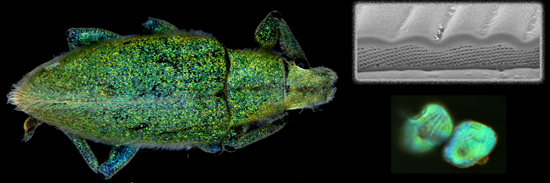
- customizable photonic bandgaps that might be used in novel optical materials. Keywords: animal coloration; photonic crystal; polarization conversion; sol–gel replication; weevil; Introduction Animal coloration is produced by means of absorption, scattering, luminescence, and interference. The latter is
- the standard chemicals (trifluoroacetic acid, nitric acid (68%, technical), hydrochloric acid (35%, technical), and perchloric acid (60%)) were purchased from VWR (Vienna, Austria). Full-wave photonic modeling Light scattering by the single diamond network nanostructure was simulated with the three


Ultrablack color in velvet ant cuticle
Beilstein J. Nanotechnol. 2024, 15, 1554–1565, doi:10.3762/bjnano.15.122

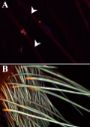
- 5) are integral to the structures represented in Figure 6, where setae and lamellae likely enhance light absorption through multiple scattering and increased path length as light interacts with the cuticular protrusions and lamellar layers. Additionally, iterative scattering and absorption occur
- selected and may have evolved convergently across animal groups, including velvet ants. In addition to their role in color production, submicrometer-sized structures, when randomly distributed in size and position on (or in) a transparent material, can enhance light scattering. This scattering can
- ) traverses through the dark pigmented cuticle and into the absorbing layer. Additionally, there is multiple scattering between protrusions and iterative absorption as light traverses through the cuticle at each lamella. Thus, the increased path length of light through lamellae may cause enhanced absorption



The round-robin approach applied to nanoinformatics: consensus prediction of nanomaterials zeta potential
Beilstein J. Nanotechnol. 2024, 15, 1536–1553, doi:10.3762/bjnano.15.121
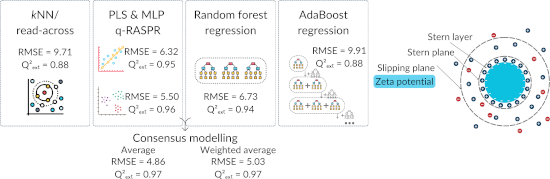
- [36], the following four were included in this study because of the completeness of the data (absence of data gaps): the NMs’ core chemistry, coating, morphology, and hydrodynamic diameter measured using dynamic light scattering (DLS). The ZP of the NMs was measured in water (pH 6.5–8.5). To enrich


Electrochemical nanostructured CuBTC/FeBTC MOF composite sensor for enrofloxacin detection
Beilstein J. Nanotechnol. 2024, 15, 1522–1535, doi:10.3762/bjnano.15.120
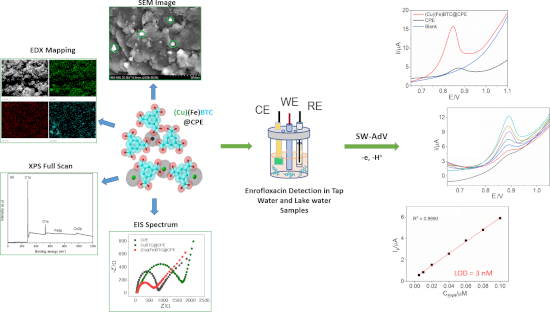
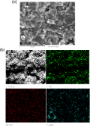
- the electrode blend, SEM and EDX mapping were used to investigate the distribution of CuBTC and FeBTC on the electrode surface (Figure 4). Figure 4a clearly shows the scattering of bright CuBTC and FeBTC particles on the graphite flakes. Figure 4b confirms the homogenous distribution of Fe, Cu, and O





Lithium niobate on insulator: an emerging nanophotonic crystal for optimized light control
Beilstein J. Nanotechnol. 2024, 15, 1415–1426, doi:10.3762/bjnano.15.114
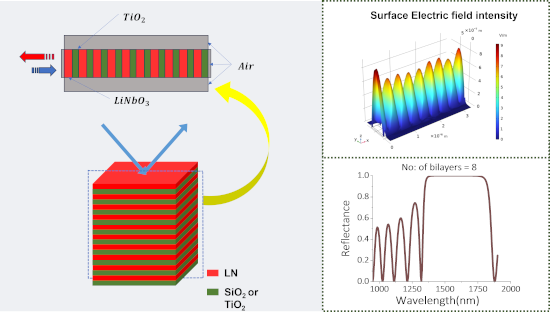
- incident interface towards the other end. The large refractive index difference between SiO2 and LiNbO3 leads to unwanted reflections and scattering at the interface, causing less field confinement corresponding to 1550 nm wavelength of light and greater reflection even at eight bilayers, which enables it
- ). These band structures arise due to Bragg scattering of electromagnetic waves within the periodic structure. The refractive index contrast between the materials in the bilayers determines the spacing and position of the bands around the bandgap. The band structure calculation has been done on each


Various CVD-grown ZnO nanostructures for nanodevices and interdisciplinary applications
Beilstein J. Nanotechnol. 2024, 15, 1390–1399, doi:10.3762/bjnano.15.112
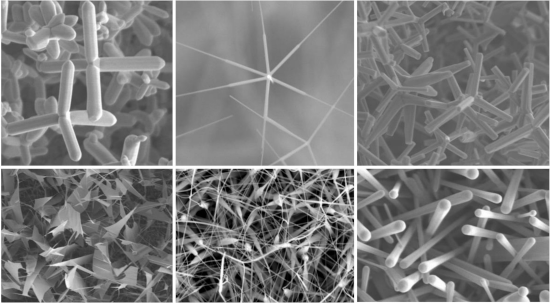
- annealing Zn powder under atmospheric pressure conditions, we collected nanocrystals with various morphologies, including rods, pencils, sheets, combs, tetrapods, and multilegs. Raman scattering study reveals that the samples are monophasic with a hexagonal structure, and fall into the P63mc space group
- nanostructures [23][35][36]. Our current work uses this simple method to grow ZnO nanostructures. After fabrication, the crystal quality of nanostructures is assessed through Raman scattering (RS) and photoluminescent (PL) measurements at room temperature. Experimental As mentioned above, CVD was utilized to
- pictures of (a, b) single- and (c) double-sided tooth combs. Raman scattering data of some ZnO nanostructures excited at a wavelength of λ = 488 nm. Apart from a Raman mode of Si substrates at ≈520 cm−1, all other modes are from ZnO nanostructures. (a) PL spectra of some typical nanostructures (namely P1



Investigation of Hf/Ti bilayers for the development of transition-edge sensor microcalorimeters
Beilstein J. Nanotechnol. 2024, 15, 1353–1361, doi:10.3762/bjnano.15.108

- would allow for the study of the interaction of superfluid helium with neutrinos [3][4]. It is believed that as a result of neutrino scattering from a tritium source on 4He in the superfluid state, excitations with energies in the range of 0.1−10 meV arise in the condensate. There is a non-zero
- transferred from neutrinos to helium against the background of binding energies, that is, not worse than 0.1 meV. However, a lower resolution is sufficient to detect that a scattering event has taken place, it is estimated that δE of less than 1 eV will already suffice for this purpose. Microcalorimeters


Nanoarchitectonics with cetrimonium bromide on metal nanoparticles for linker-free detection of toxic metal ions and catalytic degradation of 4-nitrophenol
Beilstein J. Nanotechnol. 2024, 15, 1312–1332, doi:10.3762/bjnano.15.106
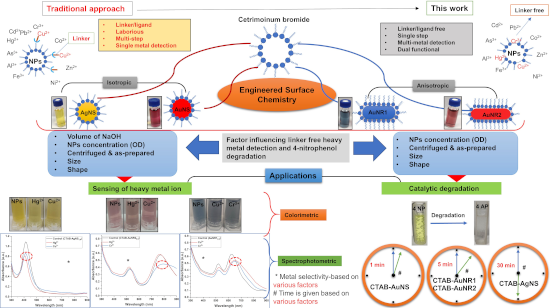
- spectroscopy, atomic emission spectroscopy, surface-enhanced Raman scattering, electrochemical, fluorescence, and colorimetric methods [18][19]. Catalytic hydrogenation is the preferred method for the conversion of 4-nitrophenol to 4-aminophenol, which is less toxic [20]. However, the conversion process is
- nanostructures were measured using an Epoch2 spectrophotometer (BioTek, USA). Hydrodynamic radius and polydispersity index (PDI) were measured using dynamic light scattering (Zetasizer Nano ZS, Malvern, UK). The zeta potential measurements were conducted to determine the surface charge for both isotropic and




Interaction of graphene oxide with tannic acid: computational modeling and toxicity mitigation in C. elegans
Beilstein J. Nanotechnol. 2024, 15, 1297–1311, doi:10.3762/bjnano.15.105
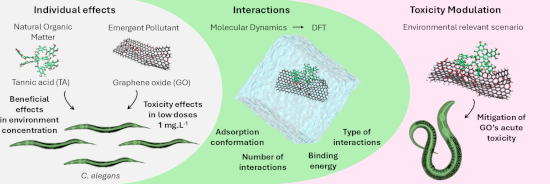
- sheets. TA did not improve the stability of these samples. After the 24 h, only the suspensions of 1 mg·L−1 of GO did not exhibit visual precipitation (Supporting Information File 1, Figure S1a). The results of dynamic light scattering (DLS) measurements presented in Table S1 (Supporting Information File
- added, and the suspension was sonicated in an ultrasonic bath. The sonication time was controlled by analyzing the material’s hydrodynamic diameters by dynamic light scattering (DLS). Dispersion aliquots for measurement were collected every 10 min, and the sonication was performed until there were no


Dual-functionalized architecture enables stable and tumor cell-specific SiO2NPs in complex biological fluids
Beilstein J. Nanotechnol. 2024, 15, 1238–1252, doi:10.3762/bjnano.15.100
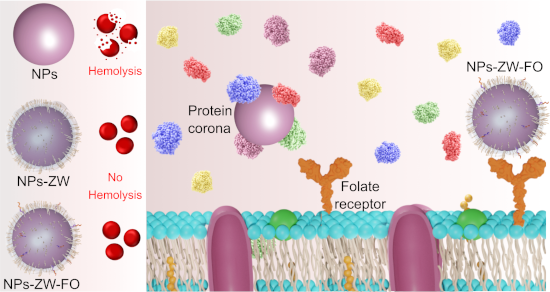
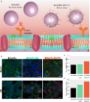
- 1.0 mg·mL–1) and later used for the quantification of captured SiO2NPs-ZW-FO. The calculations were performed using the value obtained at the maximum of the emission band. Stability of SiO2NPs in cell culture medium and human plasma Dynamic light scattering (DLS) measurements were performed to


Enhanced catalytic reduction through in situ synthesized gold nanoparticles embedded in glucosamine/alginate nanocomposites
Beilstein J. Nanotechnol. 2024, 15, 1227–1237, doi:10.3762/bjnano.15.99
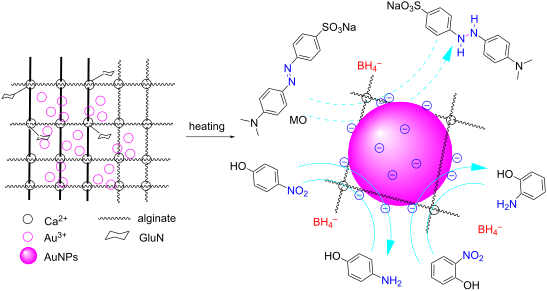
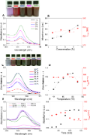
- microscopy (TEM) and selected area electron diffraction (SAED) were carried out using a JEOL JEM-2100 instrument. Crystal structure characterizations of AuNPs were carried out via XRD diffraction. Zeta potential and dynamic light scattering (DLS) measurements were carried out on gel solutions (1.0 mg·mL−1



Realizing active targeting in cancer nanomedicine with ultrasmall nanoparticles
Beilstein J. Nanotechnol. 2024, 15, 1208–1226, doi:10.3762/bjnano.15.98
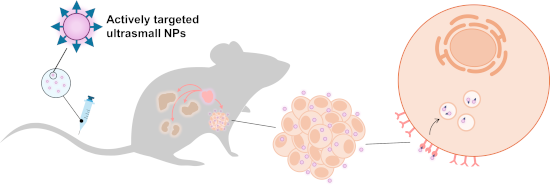
- experiences reduced interference from autofluorescence and photon scattering in tissues. The authors further conjugated the AuNCs with an antibody against the epithelial cell adhesion molecule (CD326), a well-known marker for various human carcinomas. Conjugation was achieved through host–guest complexation


Photocatalytic methane oxidation over a TiO2/SiNWs p–n junction catalyst at room temperature
Beilstein J. Nanotechnol. 2024, 15, 1132–1141, doi:10.3762/bjnano.15.92
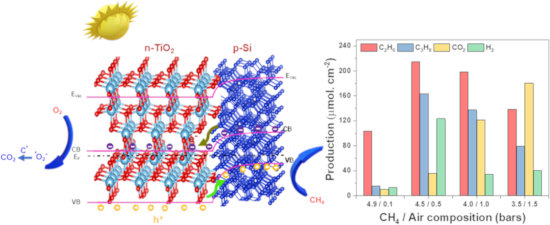
- TiO2/SiNWs catalyst may be attributed to the vertical wires, which enable strong light scattering leading to enhancement in light harvesting. The optical bandgap values of SiNWs and TiO2/SiNWs are estimated at around 3.8 and 3.3 eV, respectively. Figure 3b displays the current–voltage (I–V) curves of


Direct electron beam writing of silver using a β-diketonate precursor: first insights
Beilstein J. Nanotechnol. 2024, 15, 1117–1124, doi:10.3762/bjnano.15.90

- beyond 2 µm could be the result of two processes, namely, (i) forward scattering at the deposition edge of 1 µm height, providing an extremely small but still non-zero electron flux for dissociation, and (ii) the diffusion of incompletely dissociated precursor molecules out of halo region 1, which are
- different areas in the halo can be distinguished in Figure 2a. Here, halo region 1 extends significantly beyond the simulated range of SE and BSE, which can be attributed to forward scattering in the apex of the deposit [38]. EDX measurements in top view proved an efficient release of phosphorus and





