


Search results
Search for "synthesis" in Full Text gives 1244 result(s) in Beilstein Journal of Nanotechnology. Showing first 200.
Photochemical synthesis of silver nanoprisms via green LED irradiation and evaluation of SERS activity
Beilstein J. Nanotechnol. 2025, 16, 1417–1427, doi:10.3762/bjnano.16.103
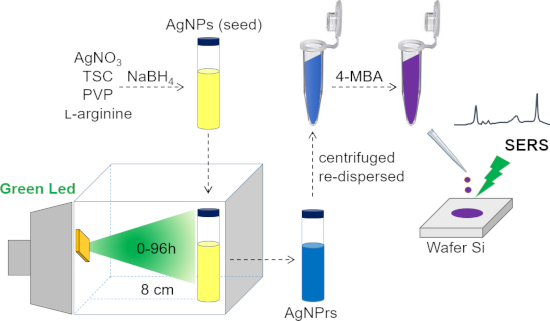
- enhancement factor of 1.15 × 10⁶, enabling detection limits down to 10−9 M. These findings demonstrate that green LED-mediated synthesis provides a simple, environmentally friendly route to fabricate high-yield AgNPrs with superior SERS capabilities, suitable for ultrasensitive chemical and biological sensing
- applications. Keywords: light-emitting diodes (LEDs); photochemical synthesis; silver nanoprisms; surface-enhanced Raman scattering (SERS); trisodium citrate; Introduction Anisotropic silver nanoparticles (ASNPs) have attracted increasing attention from research groups worldwide due to their potential
- ] SERS substrates by impregnating them with silver nanostructures. While many efforts have been devoted to the synthesis of AgNPrs and evaluation of their SERS activity, limited studies have focused on the SERS performance of photochemically synthesized AgNPrs, particularly in 4-mercaptobenzoic acid (4


The role of biochar in combating microplastic pollution: a bibliometric analysis in environmental contexts
Beilstein J. Nanotechnol. 2025, 16, 1401–1416, doi:10.3762/bjnano.16.102
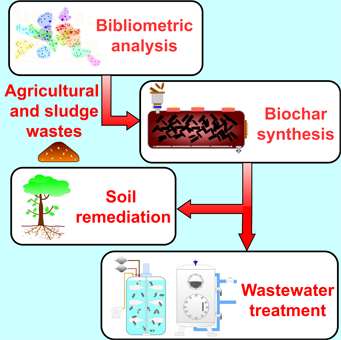
- areas by analyzing topics, keywords, and relevant studies on “MPs and BC” through bibliometric methods, (ii) synthesize existing literature on major research themes, including modified biochar synthesis and its role in remediating contaminated environmental matrices, and (iii) expand the assessment of
- . This underscores the necessity of interdisciplinary research integrating material science, agriculture, and microbiology in biochar–MP–plant interactions. Three primary research trajectories emerge from the keyword analysis: Investigating how different biochar synthesis methods influence
- removal efficiency in wastewater treatment applications. Biochar synthesis techniques and functional optimization Biochar synthesis The synthesis methods for biochar, as illustrated in Figure 4, encompass traditional hydrolysis techniques and modified approaches utilizing materials such as magnetic



Synthesis and antibacterial properties of nanosilver-modified cellulose triacetate membranes for seawater desalination
Beilstein J. Nanotechnol. 2025, 16, 1380–1391, doi:10.3762/bjnano.16.100
- Lei Wang Shizhe Li Kexin Xu Wenjun Li Ying Li Gang Liu Institute of Chemical and Industrial Bioengineering, Jilin Engineering Normal University, Changchun 130052, Jilin, People’s Republic of China Jilin Science and Technology Innovation Center of Green Synthesis and New Materials Research and
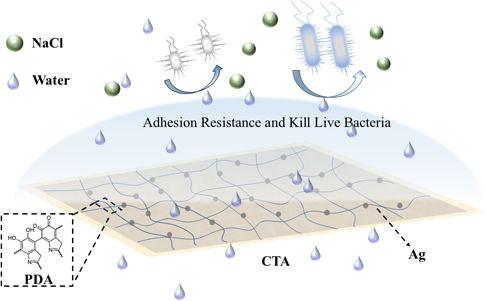
- lifespan of the membranes. The widely used antimicrobial nanoparticles can be categorized based on their composition and properties as follows: metallic nanoparticles, carbon-based nanomaterials, oxide nanoparticles, and composite nanomaterials. Zheng’s group used an in situ synthesis method to embed AgNPs
- into polyacrylonitrile (PAN) nanofibers, the fabricated Ag/PAN-TFN FO membrane demonstrated excellent antibacterial activity against Escherichia coli and Staphylococcus aureus with improved water flux and salt rejection. The in situ synthesis method ensures a uniform distribution of AgNPs within the


Enhancing the therapeutical potential of metalloantibiotics using nano-based delivery systems
Beilstein J. Nanotechnol. 2025, 16, 1350–1366, doi:10.3762/bjnano.16.98
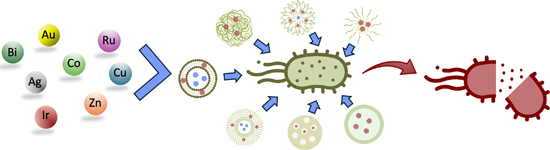
- , antibiotics can bind to multiple sites in the cell wall peptidoglycans (PGNs), resulting in inhibition of PGN synthesis, perturbation of the cell membrane integrity and cell death [46][47]. In Gram-negative bacteria, lipopolysaccharides interact electrostatically with positively charged antibiotics [48] and
- during synthesis, making them adaptable for different drug delivery needs [59][60][61]. Surface modifications, such as the incorporation of polyethylene glycol (PEG) or specific targeting ligands, are commonly used to enhance liposome circulation time and promote targeted drug delivery. These
- that the pore size can be precisely controlled during synthesis, MSiNPs are widely applied for delivering drugs to targeted sites, particularly in cancer and infectious diseases [88][89]. In addition, MSiNPs can be further enhanced by surface modifications, such as the attachment of polyethyleneimine


Ferroptosis induction by engineered liposomes for enhanced tumor therapy
Beilstein J. Nanotechnol. 2025, 16, 1325–1349, doi:10.3762/bjnano.16.97
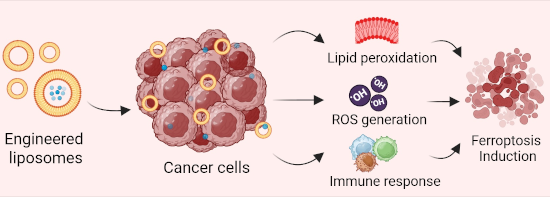
- in peroxisomes serve as substrates for lipid peroxidation. Clear-cell renal cell carcinoma (ccRCC) cells show elevated levels of PUFA-ePLs, likely due to their increased expression of alkylglycerone phosphate synthase (AGPS, an essential enzyme in the synthesis of PUFA-ePLs), which makes them
- susceptible to ferroptosis [84][85]. In small-cell lung cancer (SCLC), SCLC cells that are non-neuroendocrine exhibit significantly higher sensitivity to ferroptosis compared to neuroendocrine SCLC cells, which can be attributed in part to the overexpression of ether phospholipids (ePLs) synthesis enzymes in
- [109]. The synthesis and characterization of liposomes are crucial steps to ensure their efficacy and safety as drug delivery systems [110]. 3.1 Design and engineering of liposomes Numerous liposome preparation methods affect their properties, including size, layer structure, and encapsulation


Deep-learning recognition and tracking of individual nanotubes in low-contrast microscopy videos
Beilstein J. Nanotechnol. 2025, 16, 1316–1324, doi:10.3762/bjnano.16.96
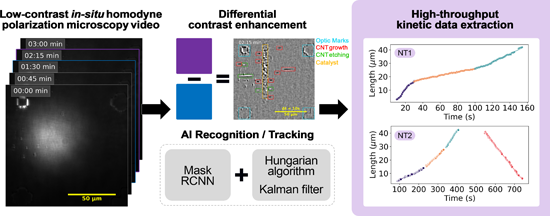
- . However, the widespread application of CNTs is hindered by the lack of control over their structure during growth. Therefore, developing highly selective synthesis methods is crucial for advancing CNT-based devices. This requires a deep understanding of the relationship between nanotube structure and
- videos acquired under a range of synthesis pressures and temperatures. This statistic is an order of magnitude larger than any other study on the growth kinetics of individual carbon nanotubes realized using other methods [30][31]. This large dataset provided unprecedented statistical insight into CNT
- growth kinetics, revealing complex behaviors such as intermittent switching between growth, pause, and etching modes, even under nominally constant synthesis conditions [20]. These observations, further supported by complementary Raman spectroscopy, served as a foundation for the development of a new


Enhancing the photoelectrochemical performance of BiOI-derived BiVO4 films by controlled-intensity current electrodeposition
Beilstein J. Nanotechnol. 2025, 16, 1289–1301, doi:10.3762/bjnano.16.94
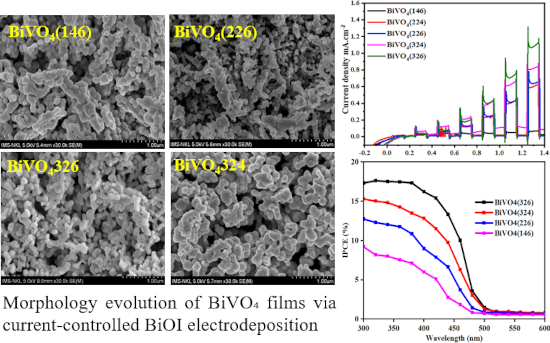
- charge carriers, which severely restrict its PEC performance [10][11][12]. Various strategies have been explored to overcome these challenges and optimize the structural, electronic, and surface properties of BiVO4 [13][14]. Hydrothermal synthesis has been used to produce highly crystalline BiVO4 films
- synthesis parameters and PEC activity, while presenting a scalable and reproducible route for fabricating high-performance BiVO4 photoanodes. Experimental Material Bismuth nitrate pentahydrate (Bi(NO3)3·5H2O, 99.9%, Sigma-Aldrich) and vanadyl acetylacetonate (VO(acac)2, 98%, Sigma-Aldrich) were used as Bi
- ) was benchmarked against similar studies employing hydrothermal synthesis, direct electrodeposition, and BiOI-derived conversion methods. As summarized in Table 2, our sample achieved a photocurrent density of 1.2 mA·cm−2 at 1.23 V vs RHE, which is comparable to or better than the values reported for



Better together: biomimetic nanomedicines for high performance tumor therapy
Beilstein J. Nanotechnol. 2025, 16, 1246–1276, doi:10.3762/bjnano.16.92
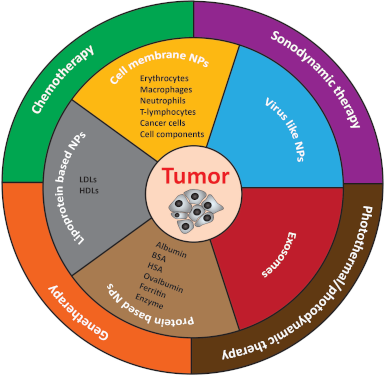
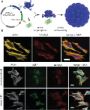
- surface acts as scaffold for synthesis of nanoparticles [76]. The thiol groups are protonated at neutral pH and can entrap Au(III) ions. When the pH is changed to basic (≈12), Au(III) is reduced to Au and gold nanoparticles are formed [77]. Synthesis of albumin-templated nanomaterials depends upon many
- structure of protein, and reducible disulfide groups [78][79][80]. 1.3.2 Bovine serum albumin. Bovine serum albumin (BSA) is widely used in biomedical applications such as supplemental growth media and protein standards. BSA was used as a template for the synthesis of organic–inorganic hybrid nanoparticles






Functional bio-packaging enhanced with nanocellulose from rice straw and cinnamon essential oil Pickering emulsion for fruit preservation
Beilstein J. Nanotechnol. 2025, 16, 1234–1245, doi:10.3762/bjnano.16.91
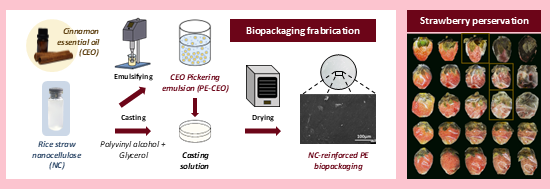
- life of strawberries to 21 days, compared to 11 days for unwrapped samples, therefore highlighting the potential of combining renewable materials and natural functional additives to create scalable, eco-friendly packaging solutions. Experimental Materials Rice straw used for NC synthesis was provided
- alcohol (PVA), and glycerin (C3H8O3), were obtained from commercial sources and used as received. Material synthesis Nanocellulose synthesis process Rice straw served as the source material for nanocellulose production. Following a previously established procedure [46], two alkaline pretreatment steps and



Hydrogels and nanogels: effectiveness in dermal applications
Beilstein J. Nanotechnol. 2025, 16, 1216–1233, doi:10.3762/bjnano.16.90
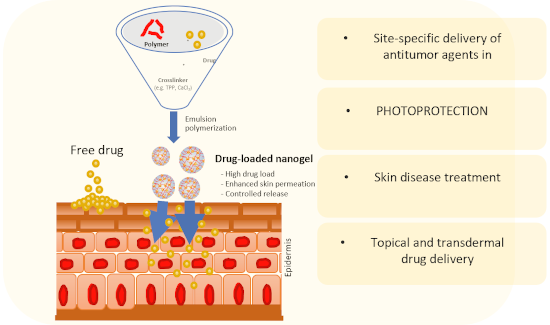
- synthesis. Among the antineoplastic agents, 5-fluorouracil (5-FU) is the classic and most widely tested drug to fight skin cancer. 5-FU is a chemotherapeutic agent analogous to pyrimidine. The metabolism of 5-FU blocks the methylation reaction of deoxyuridine acid to thymidyl acid, interfering with DNA
- synthesis, and subsequently inhibiting the formation of RNA. The effects of reduction on DNA and RNA syntheses occur mostly in cells that proliferate more rapidly and therefore capture more 5-FU [216][217]. Among modern antimetabolite agents, capecitabine is the first-choice antineoplastic drug in contrast


Electronic and optical properties of chloropicrin adsorbed ZnS nanotubes: first principle analysis
Beilstein J. Nanotechnol. 2025, 16, 1184–1196, doi:10.3762/bjnano.16.87
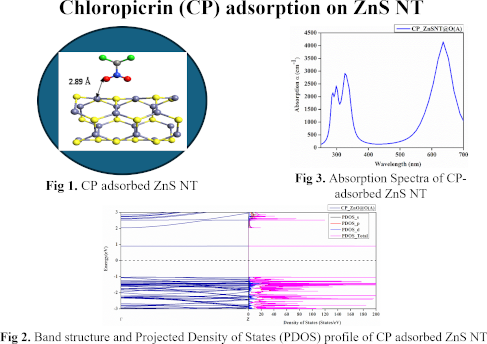
- , which can be tailored through rational design. By precisely controlling their size, shape, synthesis conditions, and functionalization, nanomaterials can achieve extraordinary magnetic, electrical, optical, mechanical, sensing, anticancer, and photocatalytic properties that significantly differ from
- composites with other materials, such as carbon nanotubes, to optimize performance [26]. Furthermore, the flexible synthesis of ZnS NTs with controlled morphology and size allows for tailoring their sensing capabilities. External stimuli combined with machine learning can further enhance their sensitivity


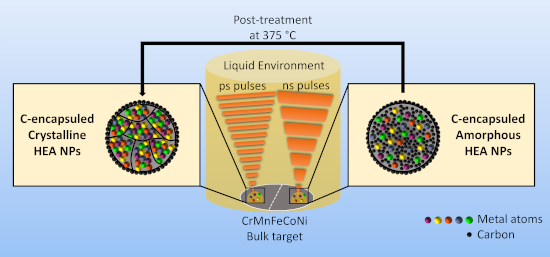
Crystalline and amorphous structure selectivity of ignoble high-entropy alloy nanoparticles during laser ablation in organic liquids is set by pulse duration
Beilstein J. Nanotechnol. 2025, 16, 1141–1159, doi:10.3762/bjnano.16.84
- , Synthesis and Real Structure, Faculty of Engineering, Christian-Albrechts University of Kiel, Kaiserstraße 2, 24143 Kiel, Germany Inorganic Chemistry and Center for Nanointegration Duisburg-Essen (CENIDE), University of Duisburg-Essen, Universitaetsstr. 7, 45141 Essen, Germany Kiel Nano, Surface and
- unknown, particularly the underexplored preference of amorphous over crystalline structures warrants further investigation. Herein, we present a systematic study of laser-generated equimolar CrMnFeCoNi nanoparticles, focusing on structural differences, arising from varying pulse durations during synthesis
- on density functional theory calculations of binding energies and machine learning algorithms for an efficient catalyst design [15][17][19]. The synthesis of HEA NPs has been realized by many methods, including carbothermal shock synthesis (CTS) [20][21], chemical reduction [22][23], fast-moving bed




Single-layer graphene oxide film grown on α-Al2O3(0001) for use as an adsorbent
Beilstein J. Nanotechnol. 2025, 16, 1082–1087, doi:10.3762/bjnano.16.79
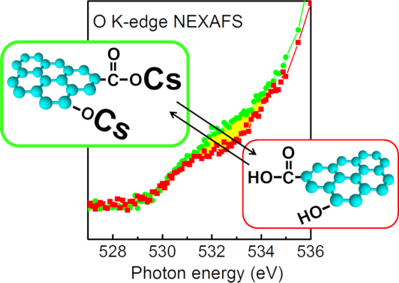
- -Al2O3(0001) can minimize peeling off of SLG from the α-Al2O3(0001) substrate following the oxidation process [18]. This allows us to obtain a large-area SLGO film, which can then be subjected to evaluation of the adsorption properties. Subsequent to the synthesis of SLGO/α-Al2O3(0001), further studies
- capacity. Conclusion In this study, the synthesis of the large-area SLGO film was accomplished through the oxidation of CVD-grown SLG/α-Al2O3(0001). We found that the change in the electronic state from graphene to GO is attributed to oxidation. This was accompanied by the decrease of the π*(C=C) state and


Piezoelectricity of hexagonal boron nitrides improves bone tissue generation as tested on osteoblasts
Beilstein J. Nanotechnol. 2025, 16, 1068–1081, doi:10.3762/bjnano.16.78
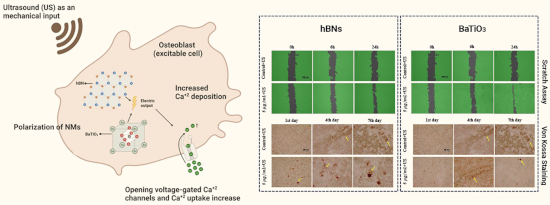
- phases exhibit ferroelectric properties, except for the cubic crystalline phase [23]. The size and crystal structure of BaTiO3 can vary based on the synthesis method. Notably, BaTiO3 holds promise as a bone-like graft and as a nano–bio interface, thanks to its excellent cytocompatibility and its positive
- such as low synthesis scalability, unavoidable defects, and inhomogeneity. Producing high-quality hBNs with controlled layer numbers depends heavily on precursor selection, ambient gas conditions, and substrate of choice [37]. Emerging solutions include both top-down (mechanical and chemical
- exfoliation) and bottom-up (chemical or physical atom assembly) synthesis methods, with chemical vapor deposition (CVD) standing out as a promising approach for large-area production [38]. This study aims to investigate novel, noninvasive stimulation of osteoblasts using commercial BaTiO3 and CVD-synthesized


Soft materials nanoarchitectonics: liquid crystals, polymers, gels, biomaterials, and others
Beilstein J. Nanotechnol. 2025, 16, 1025–1067, doi:10.3762/bjnano.16.77
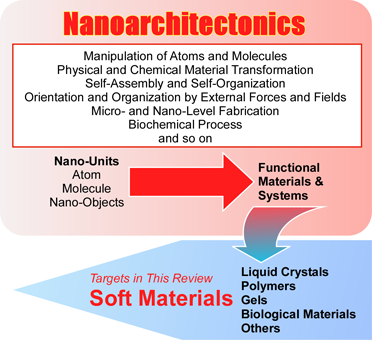
- the synthesis of covalent organic frameworks via polymer chemistry [70][71][72][73][74]. In particular, some thin-film techniques based on interface science are useful for the deliberate and rational assembly of ordered aggregated membrane structures. This is exemplified by the development of methods
- substantial history of polymer synthesis and development, and chemical design is also a viable avenue of research [250][251][252][253][254]. Additionally, a range of biopolymers can be derived from natural sources. Moreover, techniques such as LbL assembly can be employed to organize polymers and a range of
- -initiated one-by-one electrochemical addition and assembly of bifunctional monomers with electroactive redox units under alternating positive and negative potentials (Figure 11) [263]. The synthesis of uniaxial end-on conjugated metallopolymers in centimeter-sized domains was successfully achieved. SAMs of






Multifunctional properties of bio-poly(butylene succinate) reinforced with multiwalled carbon nanotubes
Beilstein J. Nanotechnol. 2025, 16, 1014–1024, doi:10.3762/bjnano.16.76
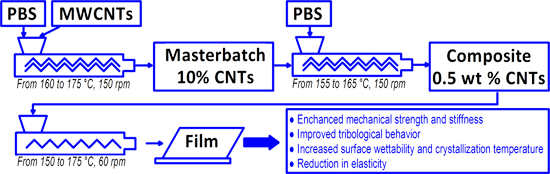
- better electrical, mechanical, and optical properties than MWCNTs, making them more desirable for high-end applications such as nanoelectronics and advanced composites. However, the synthesis cost of SWCNTs is significantly higher, while their production yield is considerably lower than that of MWCNTs



A calix[4]arene-based supramolecular nanoassembly targeting cancer cells and triggering the release of nitric oxide with green light
Beilstein J. Nanotechnol. 2025, 16, 1003–1013, doi:10.3762/bjnano.16.75
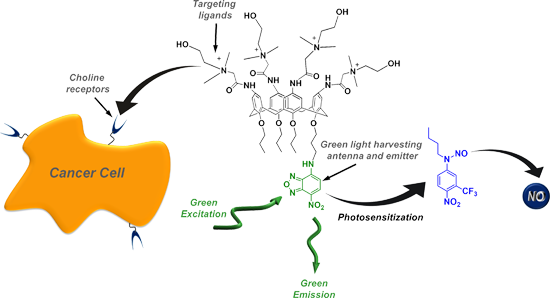
- purpose, we report the design and synthesis of the cationic calix[4]arene 1 and its supramolecular nanoassembly with the blue-light-activatable nitroso-derivative NOPD 2 (Scheme 1). We show that (i) 1 self-assembles in water medium into nanoaggregates able to internalize into cancer cells selectively and
- specifically target cancer cells overexpressing choline transporters and, after encapsulation of the NOPD 2, stimulate NO release through a green-light-triggered photosensitization process. Results and Discussion Design and synthesis Calix[4]arene 1 integrates four choline moieties at the upper rim of the
- antenna to trigger the NO release from the hydrophobic NOPD 2. Compound 1 was prepared by a two-step synthesis according to Scheme 2 (see Supporting Information File 1 for details) starting from the known calix[4]arene derivative 1a [60]. In brief, compound 1a treated with chloroacetic acid provided


Time-resolved probing of laser-induced nanostructuring processes in liquids
Beilstein J. Nanotechnol. 2025, 16, 968–1002, doi:10.3762/bjnano.16.74
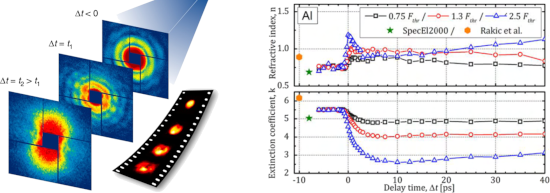
- Institute of Technology (KIT), Postfach 3640, D-76021 Karlsruhe, Germany 10.3762/bjnano.16.74 Abstract Laser synthesis and processing of colloids (LSPC) in liquids has gained widespread applications in producing nanomaterials of different classes of solids. While the technical processes in different cases
- scattering; Review Introduction Laser synthesis and processing of materials with emphasis on structure formation on the nanoscale offers a multitude of pathways to desired structure-related functions [1]. In green processes, nanostructures and nanoparticles (NPs) can be produced that serve applications in
- many fields, such as heterogeneous catalysis [2][3], (bio)photonics [4], and coating or device fabrication [5]. In a bottom-up approach the products of the laser-based synthesis are not defined by direct spatial control, but by harnessing the energetic and structural relaxation pathways of fundamental


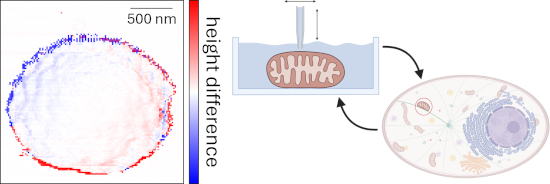
Shape, membrane morphology, and morphodynamic response of metabolically active human mitochondria revealed by scanning ion conductance microscopy
Beilstein J. Nanotechnol. 2025, 16, 951–967, doi:10.3762/bjnano.16.73
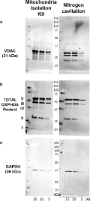
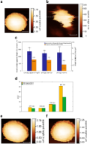
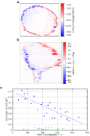
- obtained were analysed using Western blot. The voltage-dependent anion channel of the outer mitochondrial membrane (Figure 2a) as well as complexes of the respiratory chain and ATP synthesis (Figure 2b), which are localised in the inner membrane, could be detected in significantly higher quantities than
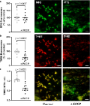
- control (Student’s t-test). Scale bars: 2 μm. Characterisation of isolated mitochondria by Western blot analyses. Detection of specific proteins of (a) the outer (voltage-dependent anion channel, VDAC) and (b) the inner (complexes of the respiratory chain and ATP synthesis, OXPHOS) mitochondrial membrane



Synthesis of biowaste-derived carbon-dot-mediated silver nanoparticles and the evaluation of electrochemical properties for supercapacitor electrodes
Beilstein J. Nanotechnol. 2025, 16, 933–943, doi:10.3762/bjnano.16.71
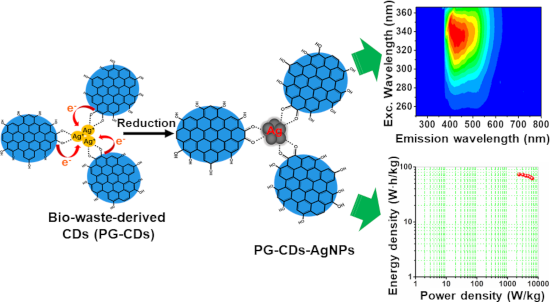
- /kg at 1.5 A/g. Even at a high current density of 4 A/g, the ASC device reached a specific capacitance of 175 F/g, reinforcing its capability. The method described here provides a straightforward green approach towards biowaste-derived CD-mediated synthesis of AgNPs to produce efficient supercapacitor
- depicted in Supporting Information File 1, Scheme S1. Experimental Materials All reagents of analytical grade were used for the experimental procedures. The details about all the chemicals are covered in Supporting Information File 1, section S1. Synthesis of carbon dots from Pongamia pinnata leaves (PG
- -CDs) For the synthesis of PG-CDs, 100 g of Pongamia pinnata leaves powder was taken into 1 L of water and stirred for 15 min at 60 °C on a magnetic stirrer. Procedures for the preparation of Pongamia pinnata leaves powder are discussed in Supporting Information File 1, section S1. Then, it was


Structural and magnetic properties of microwave-synthesized reduced graphene oxide/VO2/Fe2O3 nanocomposite
Beilstein J. Nanotechnol. 2025, 16, 921–932, doi:10.3762/bjnano.16.70
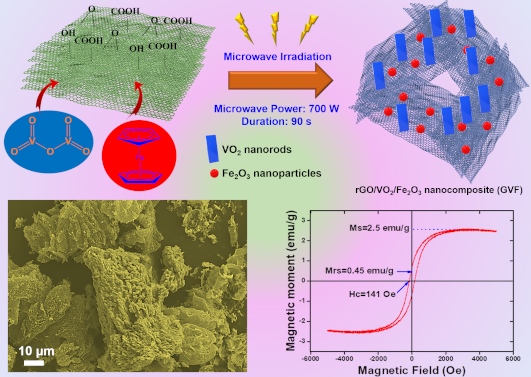
- Sumanta Sahoo Ankur Sood Sung Soo Han School of Chemical Engineering, Yeungnam University, 280 Daehak-ro, Gyeongsan 38541, South Korea 10.3762/bjnano.16.70 Abstract Reduced graphene oxide (rGO)-assisted microwave (MW) synthesis of metal-oxide-based binary and ternary nanocomposites has recently
- with graphene by applying MW irradiation for certain time intervals. In this context, Zhang et al. reported the synthesis of Ni-Co sulfide/graphene NC through MW irradiation at a power of 1000 W for 60 s [12]. As a supercapacitor (SC) electrode, the MW-synthesized NC displayed a specific capacitance of
- 710 F/g. The MW-assisted approaches have been further explored for the synthesis of binary NCs based on rGO and iron oxides. In one of our earlier reports, such an MW irradiation-based approach was adopted to synthesize Fe2O3/rGO NC, using hemin as the precursor. Owing to its 3D network structure, the



Insights into the electronic and atomic structures of cerium oxide-based ultrathin films and nanostructures using high-brilliance light sources
Beilstein J. Nanotechnol. 2025, 16, 860–871, doi:10.3762/bjnano.16.65

- applications. Studies on cerium oxide nanostructures and powders prepared by chemical synthesis methods are quite numerous, and they are typically carried out on systems with a marked and often unexplored complexity [14][15][16][17]. For studies on cerium oxide as model systems, such as low-index surfaces
- refined understanding of cerium oxide-based materials, particularly when examined in the form of well-controlled thin films and nanostructures prepared by physical synthesis methods. Review Studies by X-ray photoelectron spectroscopy and related techniques Synchrotron radiation-based X-ray photoelectron
- reduced dimensionality of the system. In contrast, the epitaxial compression is completely relaxed in the 10 ML film, which assumes interatomic distances compatible with the bulk value (Figure 4a) [41]. In analogy, for CeO2 NPs of different diameters prepared using physical synthesis the analysis of Ce L3


Synchrotron X-ray photoelectron spectroscopy study of sodium adsorption on vertically arranged MoS2 layers coated with pyrolytic carbon
Beilstein J. Nanotechnol. 2025, 16, 847–859, doi:10.3762/bjnano.16.64
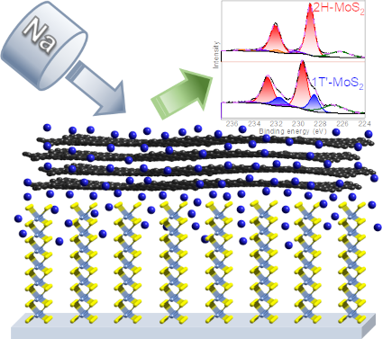
- decomposition residues. Results and Discussion Figure 1a shows the schematic diagram of the synthesis route of a hybrid film consisting of MoS2 coated with PyC. A molybdenum layer is deposited on a SiO2/Si substrate by magnetron sputtering for a short time of 10 s. This layer interacts with sulfur vapor at a
- different sizes formed during CVD synthesis (Figure 1b). The thickness of the MoS2 film estimated from the cross-sectional SEM image is about 33 nm (Figure 1d). Therefore, it can be estimated that the MoS2 film obtained using a molybdenum layer sputtered for 10 s has a thickness of no more than 4 nm. The
- the formation of polysulfide groups on the surface due to the synthesis conditions, including the increased content of sulfur vapor. An additional factor for the high S/Mo surface ratio is the vertical orientation of the MoS2 layers. The S/Mo values determined for the PyC-MoS2 sample and after


Synthesis and magnetic transitions of rare-earth-free Fe–Mn–Ni–Si-based compositionally complex alloys at bulk and nanoscale
Beilstein J. Nanotechnol. 2025, 16, 823–836, doi:10.3762/bjnano.16.62
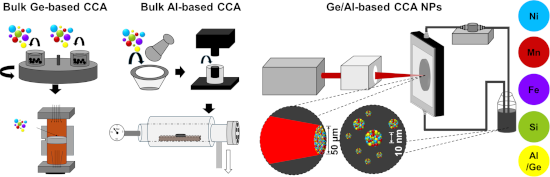
- comprehensive synthesis approach for rare-earth-free compositionally complex alloys (CCAs) with magnetic phase transitions, spanning from bulk materials to nanoparticles. Specifically, we investigate Mn22.3Fe22.2Ni22.2Ge16.65Si16.65 (Ge-based CCA) and Mn0.5Fe0.5NiSi0.93Al0.07 (Al-based CCA). The bulk materials
- modification, doping strategies, and material synthesis have been shown to effectively tune the phase transition characteristics, such as the temperature, coercivity (Hc), magnetization, and Curie or Néel temperatures [7][8][9]. For instance Zhou et al. [10] reported that adjusting the composition of NiMnGa to
- immiscibility under equilibrium conditions, which leads to elemental segregation and phase separation [35]. Additionally, standard near-equilibrium heating methods are not suitable for synthesizing CCA NPs because of inherent thermodynamic limitations [36]. While high-temperature synthesis techniques have been


Supramolecular hydration structure of graphene-based hydrogels: density functional theory, green chemistry and interface application
Beilstein J. Nanotechnol. 2025, 16, 806–822, doi:10.3762/bjnano.16.61
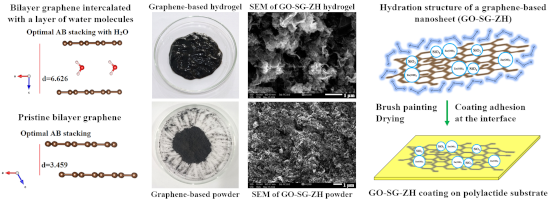
- hydrogel structure in comparison with dry powder structure. The synthesis of graphene-based hydrogels is a green chemistry approach to attain extraordinary properties of graphene-based nanostructures. Analytical characterizations exhibited moisture contents, water evaporation rates, three-dimensional
- supercell of 16 carbon atoms, one oxygen atom, and two hydrogen atoms (two graphene sheets and one water molecule). Preparation of graphene oxide from natural graphite The improved cascade-design synthesis of graphite oxide (GrO) was reported in our previous papers [15][16]. Briefly, 5 g of raw material of
- experiments. Our method of nanosilica synthesis using potassium hydroxide and acetic acid was mentioned in a recent paper [21]. Raw material from rice husk ash waste was dispersed in a 7% potassium hydroxide solution. The suspension was agitated for 1 h at a temperature range of 80–90 °C. After careful





