Search results
Search for "thiol" in Full Text gives 179 result(s) in Beilstein Journal of Nanotechnology.
Inelastic electron tunneling spectroscopy of difurylethene-based photochromic single-molecule junctions
Beilstein J. Nanotechnol. 2017, 8, 2606–2614, doi:10.3762/bjnano.8.261
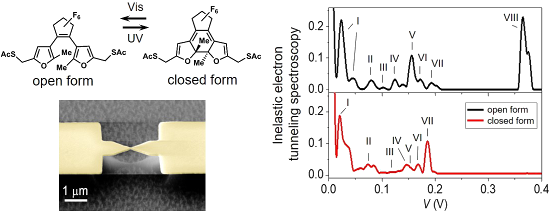
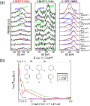
- switched to either the open or the closed form in ethanol and are subsequently assembled on gold-patterned MCBJ samples [14]. The acetyl (COCH3, denoted as Ac) groups are cleaved off by adding a droplet of ammonium hydroxide (NH4OH), resulting in a thiol (SH) group, before assembly on the metal surfaces of
- C5F-ThM molecules [14]. The overall magnitude of the conductance of both the open and the closed form is rather small. This can be attributed to the presence of sp3 hybridized methylene groups, isolating the π-system and the thiol anchor groups. These act as efficient tunneling barriers for the


Amplified cross-linking efficiency of self-assembled monolayers through targeted dissociative electron attachment for the production of carbon nanomembranes
Beilstein J. Nanotechnol. 2017, 8, 2562–2571, doi:10.3762/bjnano.8.256
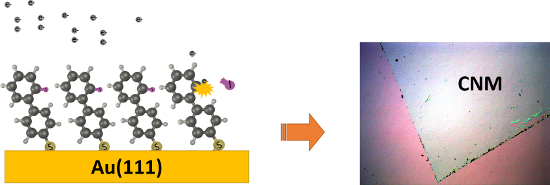
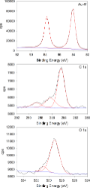
- -biphenyls, where the DEA channel is exothermic, we expect significant cross sections at 0 eV. Similarly, from the DEA threshold energy, we expect C–H cleavage through DEA to be present but inefficient. In fact, Houplin et al. [32] recently showed that for terphenyl-thiol (TPT) SAMs, which should behave
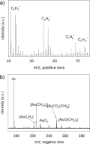
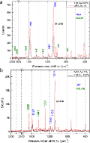
- . In a control experiment, DEA to 2-bromobiphenyl-4-thiol was also studied. The effect of the 4-thiol group was found to be insignificant. For comparison, we have recorded positive ion mass spectra at 70 eV (not shown here), and we find that these agree well with those available in the NIST database
- that the radical sites generated in the DEA process substantially stimulate the cross-linking process and that the very effective iodine loss in the DEA process should thus be reflected in the cross-linking efficiency. The decrease of the intensity maximum of the thiol sulfur S 2p3/2 peak at a binding


Synthesis of metal-fluoride nanoparticles supported on thermally reduced graphite oxide
Beilstein J. Nanotechnol. 2017, 8, 2474–2483, doi:10.3762/bjnano.8.247
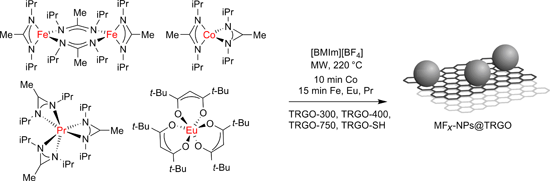
- Scheme S2 in Supporting Information File 1). Thiol-functionalized TRGO-SH [62] was additionally used to support metal-fluoride nanoparticles. The morphology, crystalline phase (MFx-NPs), size and size dispersion of the nanoparticles was analyzed by powder X-ray diffraction (PXRD) and transmission


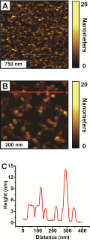
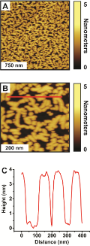
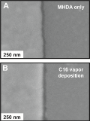
Expanding the molecular-ruler process through vapor deposition of hexadecanethiol
Beilstein J. Nanotechnol. 2017, 8, 2339–2344, doi:10.3762/bjnano.8.233
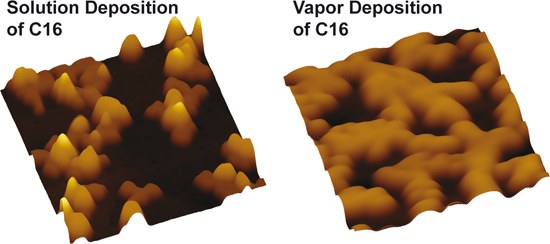
- iterative deposition of bifunctional organic molecules and metal ions. Note that the use of a thiol as one of the two functionalities ensures that deposition and growth of the multilayer only occurs on the surface of the metal, not the exposed substrate. By using molecules of discrete length, the thickness
- apply this strategy to other bifunctional thiol molecules are ongoing. Key steps for the molecular-ruler process. (A) A metal is patterned on a substrate via conventional lithography. (B) A molecular-ruler, consisting of alternating layers of thiol molecules and metal ions, is created only on the first

Application of visible-light photosensitization to form alkyl-radical-derived thin films on gold
Beilstein J. Nanotechnol. 2017, 8, 1863–1877, doi:10.3762/bjnano.8.187
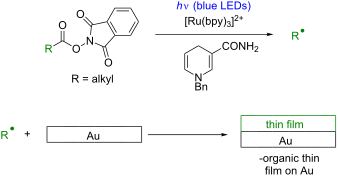
- cursor profiles and for a head-to-head comparison of the chemical and mechanical stability of a polynitrophenylene multilayer to a thiol thin film on Au(111) [17]. In the work described herein, visible-light-photosensitized deposition of alkyl radicals was combined with particle lithography to generate
- radical contains a 10 carbon chain which has a theoretical chain length of 1.5 nm, however, the observed film thickness is probably coincidental. It is likely that the upright conformations and surface assembly seen with thiol SAMs [55][56][57][58] is not operative with our method, and water contact
- force applied by an AFM tip readily removed ω-functionalized thiol SAMS from Au [59] whereas 10 nN could not remove Au–Me or Au–NHBoc films. In considering the process 11→12 (Scheme 3), the rate of hydrogen atom abstraction by a primary, carbon-centered radical from a relatively strong bond between an



A biofunctionalizable ink platform composed of catechol-modified chitosan and reduced graphene oxide/platinum nanocomposite
Beilstein J. Nanotechnol. 2017, 8, 1508–1514, doi:10.3762/bjnano.8.151
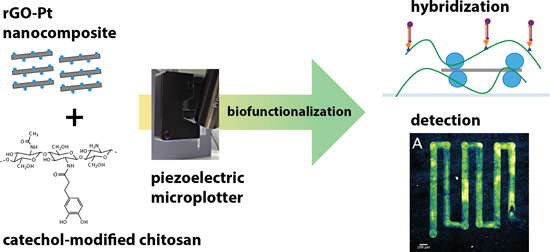
- . Printed patterns utilizing ink prepared with thiol-modified chitosan instead or no chitosan, just rGO–Pt dispersed in EG, were washed off during the course of the functionalization/hybridization process. Importantly, we observed no strong non-specific binding between the non-complementary PCR product and


Deposition of exchange-coupled dinickel complexes on gold substrates utilizing ambidentate mercapto-carboxylato ligands
Beilstein J. Nanotechnol. 2017, 8, 1375–1387, doi:10.3762/bjnano.8.139
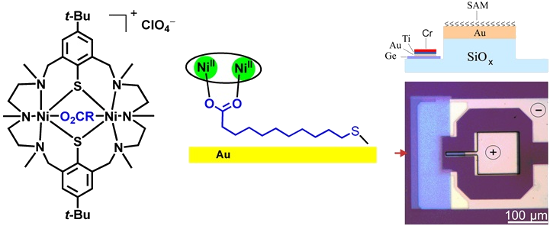
- (Scheme 1), L’ an ambidentate coligand, and M is a paramagnetic transition metal ion, usually MnII, FeII, CoII, or NiII [37]. The ambidentate phosphane-carboxylato [38] and thiol-carboxylato coligands H2L2 and H1L3 (Figure 1) were found to bind selectively via their carboxylate function to form the
- carboxylato-bridged complexes [Ni2L(HL2)](ClO4) (2) and [Ni2L(L3)](ClO4) (3) [39][40] such that an exposed thiol or phosphane group is available for further functionalization. Indeed, 2 dimerizes via a disulphide bond upon oxidation in air to generate a tetranuclear [{Ni2L}2(O2CC6H4S)2]2+ complex, while
- according to a protocol developed for the preparation of self-assembled thiol monolayers [59] as the complexes cannot be deposited via the gas phase. They decompose without melting. Thus, clean gold-coated Si wafers were immersed in a 1 × 10⁻³ M solution of the respective complex in MeCN or CH2Cl2 for 24 h


Micro- and nano-surface structures based on vapor-deposited polymers
Beilstein J. Nanotechnol. 2017, 8, 1366–1374, doi:10.3762/bjnano.8.138
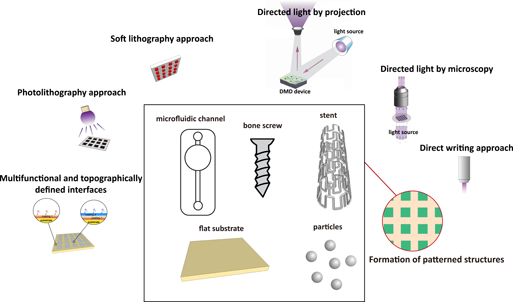
- microstructures of PEG hydrogels [22]. In a separate report, this photodefinable polymer was used to pattern protein molecules using a photomask-assisted lithographical approach [23]. Recently, surface patterns were enabled via light-induced thiol-ene/thiol-yne reactions on a poly(4-vinyl-p-xylylene-co-p-xylylene
- initiated CVD system [75]. The route-controlled click reactions, including a thiol-yne reaction and a copper-free alkyne/azide click reaction, were enabled to create continuous and reverse gradients on a CVD deposited poly[(4-methylpropiolate-p-xylylene)-co-(p-xylylene)] surface. The two-click reactions


Triptycene-terminated thiolate and selenolate monolayers on Au(111)
Beilstein J. Nanotechnol. 2017, 8, 892–905, doi:10.3762/bjnano.8.91
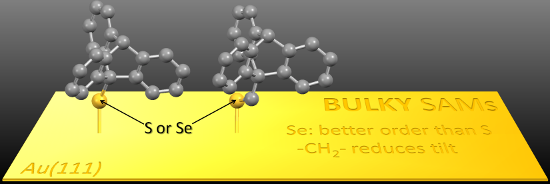
- selenoacetate Trp1SeAc (compare Scheme S1 in the Supporting Information File 1). Selenoacetate compounds can be used to form selenolate SAMs on gold surfaces [8]. Earlier work on homologous sulfur compounds revealed that free thiol groups are incompatible with benzyne [28]. Yet, it could be shown that formation
- of the triptycene group by reaction of anthracene moieties with benzyne is possible if the sulfur atom is protected, e.g., with an acyl group [28]. We suspected the selenol group to be similarly unstable towards benzyne as the thiol group and thus aimed to protect it. For this purpose, 9




Selective detection of Mg2+ ions via enhanced fluorescence emission using Au–DNA nanocomposites
Beilstein J. Nanotechnol. 2017, 8, 762–771, doi:10.3762/bjnano.8.79
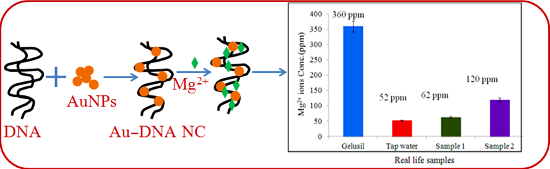
- modifications in the plasmonic spectra. The biophysical properties of DNA make it compatible for linkage with metals, which are useful in a variety of applications such as biosensor development. They can also be stabilized with a wide variety of molecules because of the alkyl thiol adsorption phenomena [3
- . Here, MPA helps both in the stabilization as well as thiol functionalization. MPA can easily stabilize the AuNPs due to the strong affinity of sulphur groups for gold. Also, the thiolated-DNA can directly bind to the surface of AuNPs by thiol–Au interactions [39][40]. Before use, DTT (0.1 M DTT, 10 mM




α-((4-Cyanobenzoyl)oxy)-ω-methyl poly(ethylene glycol): a new stabilizer for silver nanoparticles
Beilstein J. Nanotechnol. 2017, 8, 627–635, doi:10.3762/bjnano.8.67
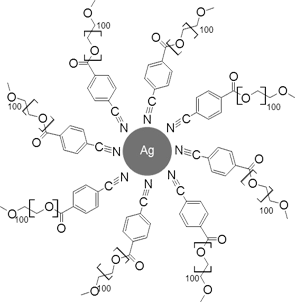
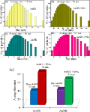
- metal nanoparticles that is based on a cyano rather than a thiol or thiolate anchor group. The silver particles used to evaluate the effectiveness of the new stabilizer typically have a bimodal size distribution with hydrodynamic diameters of ca. 13 and ca. 79 nm. Polymer stability was evaluated as a
- suggesting that α-((4-cyanobenzoyl)oxy)-ω-methyl poly(ethylene glycol) is a good stabilizer for metal nanoparticles in aqueous media unless very high pH conditions are present in the system. The study thus demonstrates that cyano groups can be viable alternatives to the more conventional thiol/thiolate
- oligomeric or polymeric stabilizer is attached to the particle surface without a specific anchor group [26][27][28][29][30]. The current gold standard for anchoring an organic moiety on the NP surface is the thiol or thiolate group [3][24][31][32][33]. There are, however, cases where the thiol group may not


Gas sensing properties of MWCNT layers electrochemically decorated with Au and Pd nanoparticles
Beilstein J. Nanotechnol. 2017, 8, 592–603, doi:10.3762/bjnano.8.64

- that a high gold content enhances the gas sensor response, thanks to the great affinity between gold and sulfur atoms of thiol groups [50]. Therefore, the increase in the Au NP density enhances the amount of the adsorption sites for H2S, resulting in a higher sensitivity and selectivity towards H2S gas


Comparison of four methods for the biofunctionalization of gold nanorods by the introduction of sulfhydryl groups to antibodies
Beilstein J. Nanotechnol. 2017, 8, 372–380, doi:10.3762/bjnano.8.39
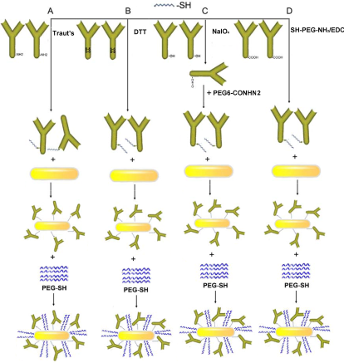
- methods for the introduction of thiol groups onto the surface of GNRs by using Traut’s reagent, dithiotreitol (DTT), dithiolaromatic PEG6-CONHNH2, and thiol-polyethylene glycolamine (SH-PEG-NH2) combined with EDC reaction. We showed that the four above-mentioned thiolation methods can efficiently
- EDC reaction may affect the amount of functionalized GNRs because of the efficiency of thiol moiety linkage to antibodies, thereby affecting the sensitivity of the GNR sensor. The introduction of a thiol group to antibodies by using Traut’s reagent, DTT, and PEG6-CONHNH2 allowed for direct
- solution and the CTAB bilayer density [15]. The common ligand exchange is the replacement of the CTAB of GNR with thiol-terminated ligands, such as thiolated poly(ethylene glycol) and mercaptoundecanoic acid [10][11]. These agents can link the amino groups of biomolecules with the carboxylic group from


Comparison of four functionalization methods of gold nanoparticles for enhancing the enzyme-linked immunosorbent assay (ELISA)
Beilstein J. Nanotechnol. 2017, 8, 244–253, doi:10.3762/bjnano.8.27
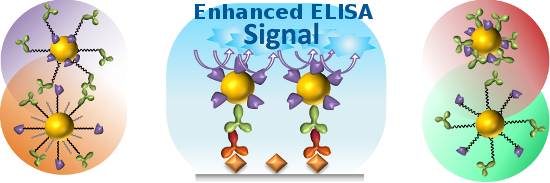
- ). Afterwards, the appropriated amount of Ab-linker and HRP-linker were mixed with 1 mL of AuNPs and incubated for 20 min. Thereafter, 100 μg of m-PEG thiol were added and mixed again for 20 min. Subsequently, 100 µL of 1 mg/mL of BSA were incubated for 10 min more. Samples were centrifuged (5,000g 30 min) and
- complex concentration was measured by absorption at 520 nm and kept at 4 °C until use. Covalent functionalization was achieved using hetero-bifunctional linkers of polyethyleneglycol (PEG). In this case, AuNPs were incubated overnight with methyl-PEG-thiol (mPEG thiol, n = 6) and PEG-thiol acid (n = 7) in
- order to create a mixed monolayer of linker on the nanoparticle. 1 mL containing 0.075 M of mPEG thiol and 0.025 M of PEG-thiol acid was added to 100 mL of synthetized AuNPs and maintained overnight under stirring. Subsequently, the AuNPs were washed by centrifugation at 18,000g for 30 min and the


Performance of colloidal CdS sensitized solar cells with ZnO nanorods/nanoparticles
Beilstein J. Nanotechnol. 2017, 8, 210–221, doi:10.3762/bjnano.8.23
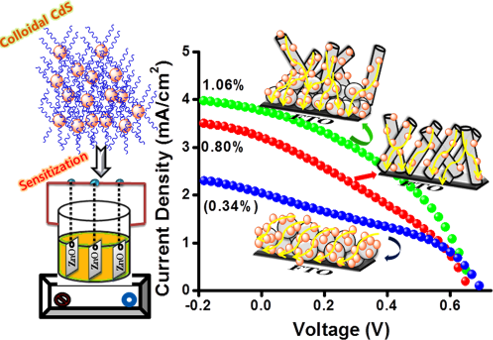
- nanoparticle aggregation. Various disulfide bonds, thiol residues and other hydroxyl moieties that exist on BSA can serve as effective surface functionalized groups on CdS surfaces [27]. This may further lead to better anchoring with the metal oxide-based photoanode. Among the alternative single oxide


Impact of surface wettability on S-layer recrystallization: a real-time characterization by QCM-D
Beilstein J. Nanotechnol. 2017, 8, 91–98, doi:10.3762/bjnano.8.10
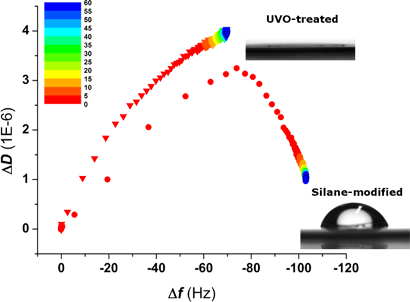
- introduction of a terminal sulfhydryl group by modification with 2-iminothiolane was performed [3]. Subsequently, thiol–secondary cell-wall polymer (thiol-SWCP) was used to activate gold surfaces, either QSX301 gold sensors (4.95 MHz, QSense AB, Sweden) by means of peristaltic pumping (SM935C, Ismatec, Zürich
- , Switzerland), in QCM-D, or commercial flat gold ArrandeeTM chips (Arrandee Metal GmbH, Germany) by immersion into a petri-dish filled with thiol-SCWP solution for AFM measuring purposes. After one hour of incubation we obtained a SCWP surface for S-protein recrystallization. Methods Atomic force microscopy
- with nitrogen. All images were processed with the Nanoscope program. Quartz crystal microbalance with dissipation (QCM-D): QCM-D experiments were performed in a Q-Sense E4 instrument (Q-Sense AB, Sweden). Prior to their use, gold-coated quartz sensors (for thiol–SCWP binding) were sonicated in 2% (w/w


Surface-enhanced Raman scattering of self-assembled thiol monolayers and supported lipid membranes on thin anodic porous alumina
Beilstein J. Nanotechnol. 2017, 8, 74–81, doi:10.3762/bjnano.8.8
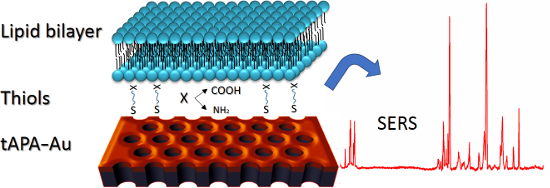
- -3-phospho-L-serine (POPS) and, 1,2-dioleoyl-3-trimethylammoniumpropane (DOTAP), from Avanti Polar Lipids (Alabaster, Alabama, US). All solvents were purchased from Sigma-Aldrich. First, the substrates were incubated at rt for 2 h with a 1 mM aqueous solution of the thiol molecule, either MbA or AT
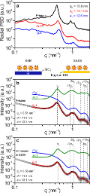
- unilamellar vesicles. Preparation of the Raman target analytes: SLBs The lipid vesicles were diluted to 0.5 g/L in the PBS buffer and vortexed immediately before use. The thiol SAM was incubated overnight with the lipid vesicle dispersion, to allow vesicle physisorption and fusion onto the substrate. The
- living cells, where they would adhere to the nanoporous substrate. SERS enhancement due to tAPA–Au on thiols, lipids, and thiol–lipid systems The Raman measurements were performed first on the thiol molecules. We started from the raw materials, in powder form, to obtain reference spectra for future



Streptavidin-coated gold nanoparticles: critical role of oligonucleotides on stability and fractal aggregation
Beilstein J. Nanotechnol. 2017, 8, 1–11, doi:10.3762/bjnano.8.1
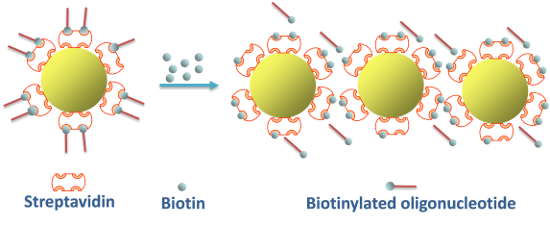
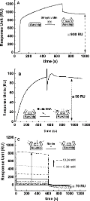
- further studies on oligodeoxyribonucleotide (ODN)-functionalized SA-conjugated AuNPs. SA-conjugated AuNPs have not been so widely studied as thiol-conjugated AuNPs. Nevertheless, ODN-functionalized SA-conjugated AuNPs are largely used for different purposes including biosensing [15][16][17]. Results from
- . The data shown here demonstrate that the electrostatic repulsion provided by the negatively charged ODN moieties contributes to the final AuNP stabilization against aggregation, as already reported for thiol-mediated conjugation of citrate-stabilized AuNPs [18][19]. In addition, it is demonstrated




Solvent-mediated conductance increase of dodecanethiol-stabilized gold nanoparticle monolayers
Beilstein J. Nanotechnol. 2016, 7, 2057–2064, doi:10.3762/bjnano.7.196
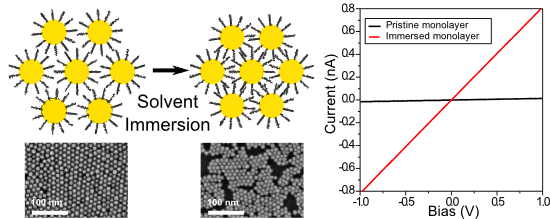
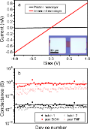
- solution containing conjugated thiol-functionalized molecules. Typically, this observation is attributed to molecular exchange. Less attention has been paid to the role of the solvent alone. Here, we report on an increase in conductance of dodecanethiol-stabilized gold nanoparticle monolayers on Si/SiO2 by



A novel electrochemical nanobiosensor for the ultrasensitive and specific detection of femtomolar-level gastric cancer biomarker miRNA-106a
Beilstein J. Nanotechnol. 2016, 7, 2023–2036, doi:10.3762/bjnano.7.193
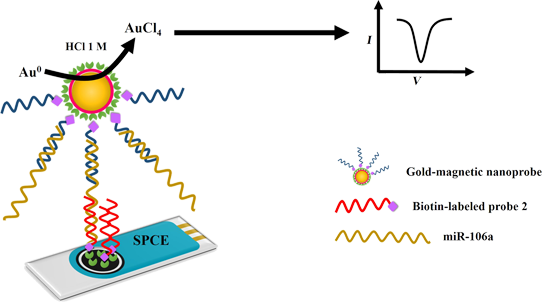
- strategies such as using the thiol group, particle functionalization, and streptavidin–biotin interaction. Streptavidin has an extraordinary high affinity for biotin and the streptavidin–biotin bond is one of the strongest non-covalent interactions known in nature (with a dissociation constant in the order


Functionalized platinum nanoparticles with surface charge trigged by pH: synthesis, characterization and stability studies
Beilstein J. Nanotechnol. 2016, 7, 1822–1828, doi:10.3762/bjnano.7.175
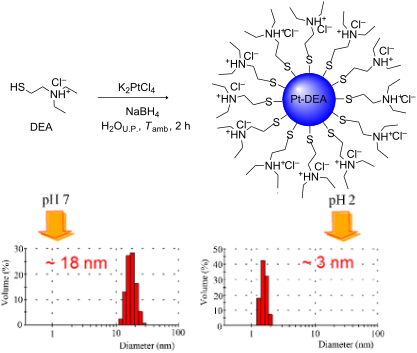
- investigated. PtNPs were obtained by a wet redox procedure using 2-diethylaminoethanethiol hydrochloride (DEA) as capping agent. By varying the Pt/thiol molar ratio, monodispersed and stable particles with diameters in the range of 3–40 nm were isolated. The amino functionality allows neutral particles to be
- colloidal system. Keywords: functionalized platinum nanoparticles; pH responsive materials; synthesis of metal nanoparticles; thiol functionalization; Introduction Metal nanoparticles (MNPs), in particular, platinum nanoparticles (PtNPs) offer a wide range of chemico-physical properties that can be of
- colloidal stability; hydrophobic or hydrophilic thiol-based ligands have been deeply exploited [14][15]. Among others, 2-diethylaminoethanethiol hydrochloride (DEA) has been used as a stabilizing thiol for gold nanoparticles used for the immobilization of lipase [16]. Among others, hydrothermal and


Hydrophilic silver nanoparticles with tunable optical properties: application for the detection of heavy metals in water
Beilstein J. Nanotechnol. 2016, 7, 1654–1661, doi:10.3762/bjnano.7.157
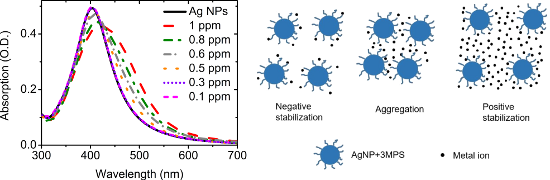
- nitrate as precursor molecules, hydrophilic thiol (3-mercapto-1-propanesulfonic acid sodium salt, 3MPS) and sodium borohydride as capping and reducing agents, respectively. The AgNPs were characterized using techniques such as surface plasmon resonance (SPR) spectroscopy, dynamic light scattering (DLS
- synthesis AgNPs were synthesized by wet reduction, using sodium borohydride as a reducing agent and 3-mercapto-1-propanesulfonic acid sodium salt as a capping agent. The water solubility of the thiol induces a strongly hydrophilic character with respect to the nanoparticles, which present the sulfonate


Photothermal effect of gold nanostar patterns inkjet-printed on coated paper substrates with different permeability
Beilstein J. Nanotechnol. 2016, 7, 1480–1485, doi:10.3762/bjnano.7.140
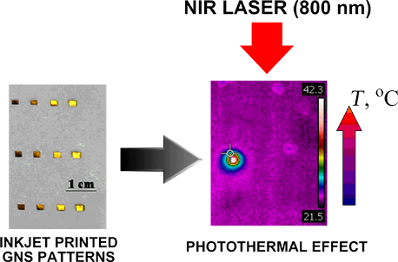
- printing because of their conductive and thermal properties [1][8]. Within the existing types of metal nanoparticles, the beneficial properties of gold, such as good biocompatibility, excellent resistance to oxidation and acids, and high affinity to thiol containing biomolecules promote the applicability
- this factor is studied in this letter. Therefore, GNS with well-controlled structure and with LSPR centred at about 760 nm were synthesized, decorated with poly(ethylene glycol) thiol (PEG-SH) [18], and inkjet-printed onto three differently coated paper substrates at various drop density values (δ


Straightforward and robust synthesis of monodisperse surface-functionalized gold nanoclusters
Beilstein J. Nanotechnol. 2016, 7, 1278–1283, doi:10.3762/bjnano.7.118
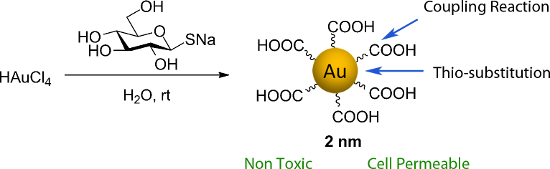
- reduction of HAuCl4 with citrate at high temperatures [21], sodium borohydride can act as a reducing agent while an alkanethiol stabilizes the nanoparticles [22]. The latter method was used to prepare glyconanoparticles by adding thiol-terminated glycoconjugates [23]. Gold nanoparticles have also been


Tunable longitudinal modes in extended silver nanoparticle assemblies
Beilstein J. Nanotechnol. 2016, 7, 1219–1228, doi:10.3762/bjnano.7.113
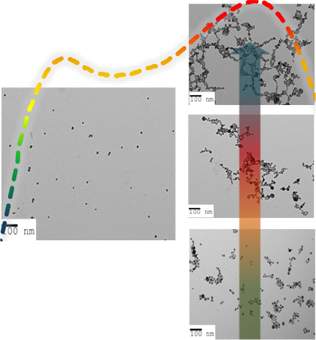
- temperatures. These robust AgNPs assemblies are comparably thermally resistant to previously described self-assembled gold nanoparticles [38] allowing for a broader blue-shifted bimodal optical tuning of plasmonic assemblies. To further examine the influence of hydrogen bonding on the assembly, the thiol and