Search results
Search for "transfer" in Full Text gives 1093 result(s) in Beilstein Journal of Nanotechnology. Showing first 200.
Insights into the electronic and atomic structures of cerium oxide-based ultrathin films and nanostructures using high-brilliance light sources
Beilstein J. Nanotechnol. 2025, 16, 860–871, doi:10.3762/bjnano.16.65

- photoemission, as compared to non-resonant photoemission. Synchrotron radiation-based resonant photoemission has facilitated an accurate determination of the dependence of Ce3+ concentration on dimensionality [23]. The technique has also provided an accurate description of the charge transfer processes and
- was possible to identify different types of interactions between Pt NPs and cerium oxide surfaces including electron transfer from Pt NPs to CeO2 and transport of oxygen atoms from ceria to Pt NPs, the latter occurring only when the ceria support surface is nanostructured [26]. In addition, thanks to
- reported in Figure 3c. The exposure to the photon beam induces a much more pronounced decrease of Zr4+ intensity in the ceria–zirconia mixed oxide film than in pure zirconia. This was ascribed to a synergy between the two oxides inducing an oxygen transfer from ceria to zirconia upon reduction using soft X


Synchrotron X-ray photoelectron spectroscopy study of sodium adsorption on vertically arranged MoS2 layers coated with pyrolytic carbon
Beilstein J. Nanotechnol. 2025, 16, 847–859, doi:10.3762/bjnano.16.64
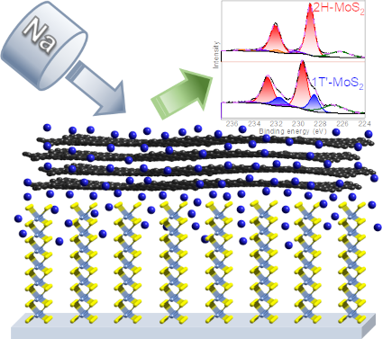
- fast intercalation reaction kinetics. Flower-like MoS2–carbon hybrids have demonstrated superior alkali metal storage capability and high rate performance due to the fast Na+ diffusion in radially orientated ultrathin MoS2 and graphene layers; the latter component ensured high electron transfer and
- wet transfer method (see the Experimental section for details). The resulting hybrid, designated PyC-MoS2, together with a surface-cleaned MoS2/SiO2/Si sample and a PyC film transferred onto a SiO2/Si substrate, were used to comparatively study the ability to adsorb and accumulate evaporated sodium
- intensity in the regions before and after the π* resonance at 284–285 eV and 286–289 eV can be associated with the interaction between PyC and MoS2 components [43]. The shift of the C K-edge spectrum of the PyC-MoS2 film toward lower photon energies corresponds to the electron density transfer from the


Facile one-step radio frequency magnetron sputtering of Ni/NiO on stainless steel for an efficient electrode for hydrogen evolution reaction
Beilstein J. Nanotechnol. 2025, 16, 837–846, doi:10.3762/bjnano.16.63
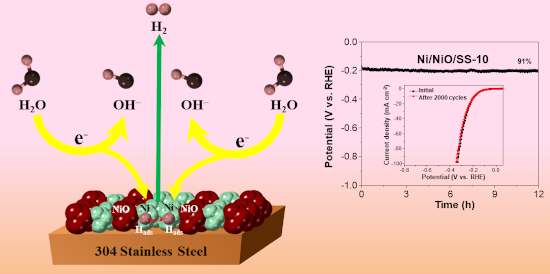
- spectroscopy (EIS) was carried out at a voltage of −200 mV to confirm the HER kinetics. Figure 6c shows the Nyquist plots of the various electrodes accompanied by an equivalent circuit (inset of Figure 6c). Ni/NiO/SS-10 has a charge transfer resistance (Rct) of 5.35 Ω, which is much smaller than that of SS
- (30.75 Ω), Ni/NiO/SS-5 (9.79 Ω), Ni/NiO/SS-15 (10.58 Ω), and Ni/NiO/SS-20 (19.87 Ω). The lowest Rct of Ni/NiO/SS-10 indicates the best electron/ion transfer kinetics for HER, consistent with the Tafel slope analysis. In general, the electrochemical surface area (ECSA) can be predicted by measuring the


Supramolecular hydration structure of graphene-based hydrogels: density functional theory, green chemistry and interface application
Beilstein J. Nanotechnol. 2025, 16, 806–822, doi:10.3762/bjnano.16.61
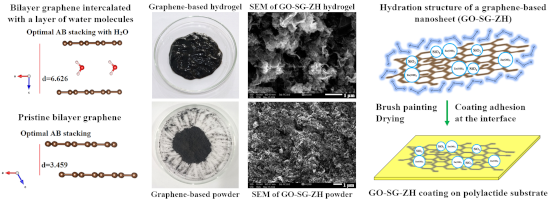
- % higher than that of blank PLA film. Nanosilica and graphene-based nanosheets were nanostructures with high elastic modulus for reinforcement of PLA films through load transfer mechanism. High elasticity of SG and GO-SG-ZH coatings led to the increases in elastic moduli of the coated films. Besides
- due to the load transfer from the polylactide substrate to the graphene-based coating during the tensile process. Effective coating adhesion to the substrate and high elastic modulus of graphene-based nanosheets contributed to the higher tensile properties. Supporting Information File 1, Figure S6


Morphology and properties of pyrite nanoparticles obtained by pulsed laser ablation in liquid and thin films for photodetection
Beilstein J. Nanotechnol. 2025, 16, 785–805, doi:10.3762/bjnano.16.60
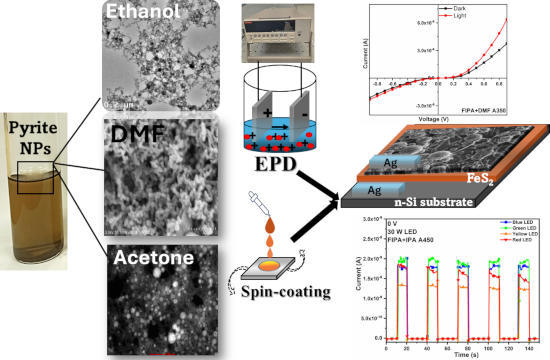
- , and rapid energy transfer from the plasma to the surrounding liquid. The target and liquid are heated during the shockwave propagation, which may aid in the separation of material from the crater. The plasma plume cools down and releases energy to the liquid solution as it expands. This event causes
- combination of rice-like shaped particles with sphere-like particles as in FDMF spin-coated films (in our case) are intriguing because the rice-shaped NPs probably have a less dense capping layer at the sharp apex, which makes carrier transfer easier [61]. Due to their benefits of high sensitivity, device
- phase, where the accumulation of minority carriers near the interface leads to recombination and electron flow into the surface. Over time, a steady state is reached when the rate of hole influx at the interface balances charge transfer and recombination, resulting in a stable photocurrent. When the






Thickness dependent oxidation in CrCl3: a scanning X-ray photoemission and Kelvin probe microscopies study
Beilstein J. Nanotechnol. 2025, 16, 749–761, doi:10.3762/bjnano.16.58
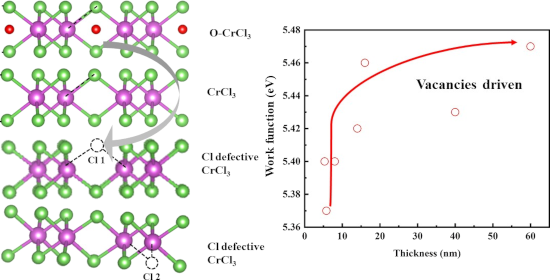
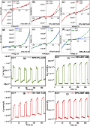
- investigates interfaces made by dry transfer of CrCl3 flakes in an atmospheric environment. Cl vacancies and the formation of O/CrCl3 are induced, serving as dissociation centers that facilitate the migration of Cl vacancies between the top and bottom surfaces. By manipulating 2D atomic layers via surface
- showed that oxygen adsorption on cleaved surfaces facilitates the formation of a stable structure with charge transfer signatures, as identified by high-resolution photoemission spectroscopy [8]. It remains unclear whether similar effects occur in exfoliated thin flakes. Like in other materials, the
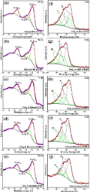
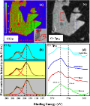
- at 576 eV appeared because of the presence of Cl vacancies and the subsequent formation of reactive sites for the dissociation [16] of molecular oxygen to induce a stable phase of Cr–O–Cl [8]. We realized that the low-binding-energy component in Cr 2p3/2 is arising because of charge transfer effects





Efficiency of single-pulse laser fragmentation of organic nutraceutical dispersions in a circular jet flow-through reactor
Beilstein J. Nanotechnol. 2025, 16, 711–727, doi:10.3762/bjnano.16.55
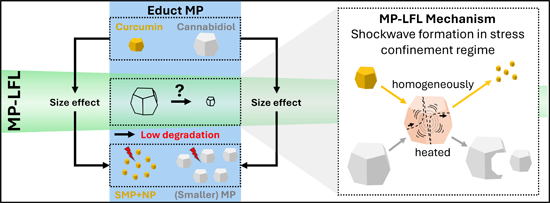
- understood. In the last two decades, the transfer of these laser-based processes to organic substances has been reported with a particular focus on particle size reduction by LFL [10][16][17]. One motivation behind the size reduction of organic particles like drugs or near-infrared absorbing dyes, which


High-temperature epitaxial growth of tantalum nitride thin films on MgO: structural evolution and potential for SQUID applications
Beilstein J. Nanotechnol. 2025, 16, 690–699, doi:10.3762/bjnano.16.53
- interactions and a relatively unperturbed plume expansion. As the background pressure increases, the collision frequency between plume particles and background gas molecules rises. This leads to more pronounced interactions, including increased scattering, energy transfer, and chemical reactions. In the


Colloidal few layered graphene–tannic acid preserves the biocompatibility of periodontal ligament cells
Beilstein J. Nanotechnol. 2025, 16, 664–677, doi:10.3762/bjnano.16.51
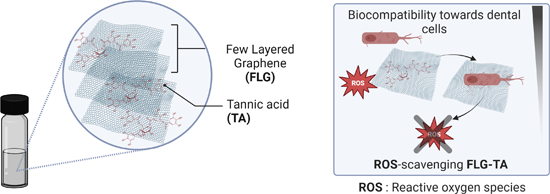
- include superoxide radicals, hydroxyl radicals, and hydrogen peroxide, are natural byproducts of the oxidative metabolism. Mammalian cells maintain balanced ROS levels for homeostasis and cellular proliferation. However, excess ROS creates an electron imbalance that triggers continuous electron transfer
- multiple sources including metal impurities (such as Fe, Ni, or Cu) present in the graphene structure, as well as from the intrinsic electronic properties of graphene itself. Indeed, graphene’s sp2 hybridization and delocalized π electrons can participate in electron transfer reactions, potentially leading
- capabilities through multiple mechanisms, namely, electron transfer, where hydroxy groups donate electrons to neutralize free radicals, and hydrogen atom transfer, where hydrogen atoms from hydroxy groups are donated to stabilize ROS [17][34]. This retained antioxidant activity could play a crucial role in




Nanoscale capacitance spectroscopy based on multifrequency electrostatic force microscopy
Beilstein J. Nanotechnol. 2025, 16, 637–651, doi:10.3762/bjnano.16.49

- capacitance gradient, we need to calculate the electrostatic force from the detected amplitude signal, Adet, taking into account the cantilever’s frequency-dependent spring constant or transfer function, k(ω): Interestingly, the forces in Equation 11 only depend on the frequency difference, Δωe, of the
- ). To enhance the signal, we select ωE such that 2ωE coincides with the second resonance of the cantilever (2ωE = ωm,2). We connect the numerical value of the capacitance gradient to the detected amplitude using the cantilever’s frequency-dependent transfer function or spring constant k(ω) by For the
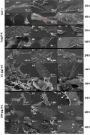
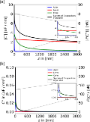
- capacitance gradient can be found in Figure 4a and Figure 4b, respectively. Schematic illustration of the excitation and detection frequencies in MFH-EFM. The lower part shows the transfer function of the cantilever, where the amplitude is plotted as function of the logarithmic angular frequency. The upper




Nanomaterials in targeting amyloid-β oligomers: current advances and future directions for Alzheimer's disease diagnosis and therapy
Beilstein J. Nanotechnol. 2025, 16, 561–580, doi:10.3762/bjnano.16.44
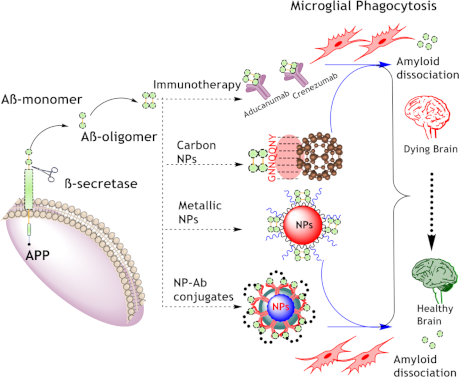
- their neuroprotective effects in primary hippocampal cultures exposed to AβOs. Their results indicated that hMSC-EVs could protect neurons from AβO-induced damage, largely attributed to the transfer of enzymatically active catalase contained within the EVs. This approach holds promise for developing


Retrieval of B1 phase from high-pressure B2 phase for CdO nanoparticles by electronic excitations in CdxZn1−xO composite thin films
Beilstein J. Nanotechnol. 2025, 16, 551–560, doi:10.3762/bjnano.16.43

- supported in the literature. Upon penetration in a solid, energetic ions lose energy through two mechanisms: direct energy transfer to target nuclei via elastic collisions (nuclear energy loss (Sn)) and ionization of the target atoms through inelastic collisions (electronic energy loss (Se)). In the present
- transfer to the electronic system occurs through electron–electron interactions, followed by transference to the lattice atomic system via electron–phonon correlation [20][21]. Along the ion trajectory, a cylindrical region is generated, characterized by temperature exceeding the melting point of the
- 120 MeV silver ion irradiation. The subsequent two coupled differential equations describe the energy distribution within the electronic and lattice subsystems, framed within cylindrical geometry, and represent the transient thermal process involved: Equation 2 corresponds to the energy transfer to


Functionalized gold nanoflowers on carbon screen-printed electrodes: an electrochemical platform for biosensing hemagglutinin protein of influenza A H1N1 virus
Beilstein J. Nanotechnol. 2025, 16, 540–550, doi:10.3762/bjnano.16.42
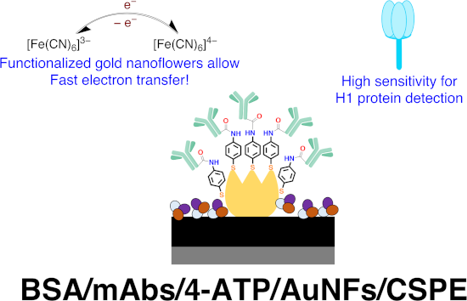
- was amplified by functionalization of the gold nanoflowers with 4-aminothiophenol, which resulted in a 100-fold decrease of the charge transfer resistance due to a tunneling effect. Subsequently, monoclonal antibodies against H1 were immobilized on the surface via covalent amide bond formation
- was coupled to an automated microfluidics system, and no significant decrease of the electrochemical signal was observed. Keywords: charge transfer; cyclic voltammetry; differential pulse voltammetry; electrochemical impedance spectroscopy; electrodeposition; Introduction Viral infections pose a
- electron charge transfer at the surface of the electrode. To the best of our knowledge, this is the first time that the charge transfer enhancement with 4-ATP, a small organic molecule with delocalized π-electron system, has been employed to improve the sensitivity of electrochemical biosensing of proteins


Electron beam-based direct writing of nanostructures using a palladium β-ketoesterate complex
Beilstein J. Nanotechnol. 2025, 16, 530–539, doi:10.3762/bjnano.16.41
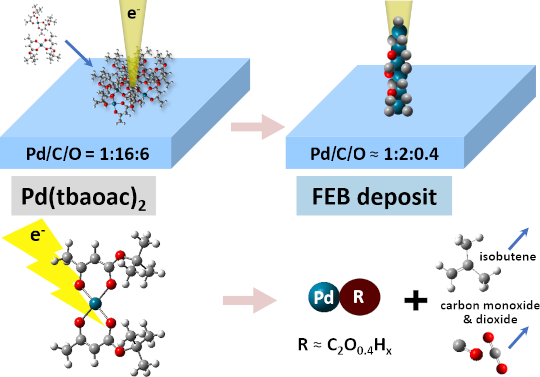
- FEBID deposit composition suggests that each [Pd(tbaoac)2] undergoes fragmentation leading to multiple fragments, either simultaneously or sequentially. Such a process requires a few electronvolts of energy deposited in the molecule, which hints towards the possible role of SEs (large energy transfer


Water in nanoporous hexagonal boron nitride nanosheets: a first-principles study
Beilstein J. Nanotechnol. 2025, 16, 510–519, doi:10.3762/bjnano.16.39
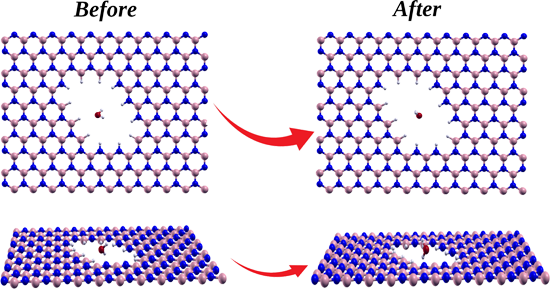
- the high binding energy observed between water and porous h-BN, despite Mulliken analysis indicating no significant charge transfer. The calculated O–-H bond lengths suggest the presence of hydrogen bonding, and a comparison of binding energies obtained using PBE and BH functionals indicates that van




N2+-implantation-induced tailoring of structural, morphological, optical, and electrical characteristics of sputtered molybdenum thin films
Beilstein J. Nanotechnol. 2025, 16, 495–509, doi:10.3762/bjnano.16.38
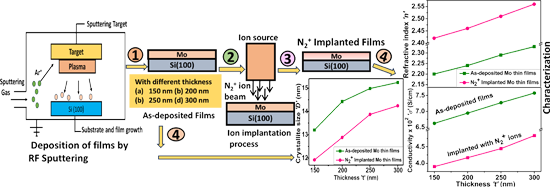
- the target material. This balance highlights the importance of electronic and nuclear interactions in the energy transfer processes during ion implantation. Furthermore, of the total energy of 15 keV from a single nitrogen ion, 8.5 keV produce ionization, while 6.2 keV generate phonons, and 0.29 keV


Synthetic-polymer-assisted antisense oligonucleotide delivery: targeted approaches for precision disease treatment
Beilstein J. Nanotechnol. 2025, 16, 435–463, doi:10.3762/bjnano.16.34

- cytotoxicity and improved intracellular delivery of Bcl-2 siRNAs compared to PLL–siRNA and PEG-b-PLL–siRNA nanocarriers [145]. Nowadays, because of the straightforward synthesis and commercial availability, PAMAM dendrimers are considered the main dendritic system for nucleic acid delivery and gene transfer


Quantification of lead through rod-shaped silver-doped zinc oxide nanoparticles using an electrochemical approach
Beilstein J. Nanotechnol. 2025, 16, 422–434, doi:10.3762/bjnano.16.33
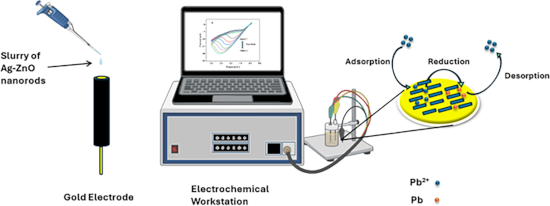
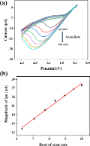
- electrode can provide additional details about the electrochemical process. It can help to understand the kinetics of electron transfer reactions, analyte diffusion, and electrode surface contact mechanisms. A modified Ag@ZnO NRs electrode with greater impedance is more stable and durable. This provides
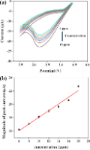
- of lead chemical sensors. The significant rise in peak height is indicative of a faster electron-transfer event because it causes a sharper, more defined peak. Furthermore, the absence of a cathodic current in the reverse cycle indicates the irreversibility of the electrochemical response that was





Biomimetics and bioinspired surfaces: from nature to theory and applications
Beilstein J. Nanotechnol. 2025, 16, 418–421, doi:10.3762/bjnano.16.32

- the structure–function relationships of these surfaces useful for translational approaches. Further general insights into biological principles and their subsequent transfer into biomimetic engineering are provided in a multiscale biological analysis by Amador et al. [6], ranging from viruses to

ReactorAFM/STM – dynamic reactions on surfaces at elevated temperature and atmospheric pressure
Beilstein J. Nanotechnol. 2025, 16, 397–406, doi:10.3762/bjnano.16.30
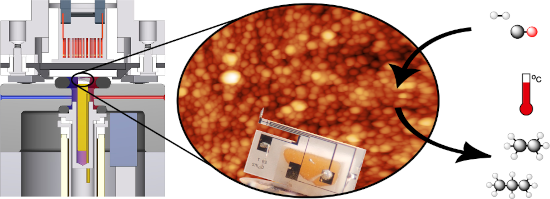
- setup by means of a load lock and transferred throughout the chambers with a transfer stick. The preparation chamber accommodates standard surface preparation techniques including an ion sputter gun, an e-beam evaporator, a quadrupole mass spectrometer, as well as a combined low-energy electron
- annealing at 1000 K for 5 min. The oxide is deposited ex situ (in a nearby setup, transfer is done in air) by physical vapor deposition using an aluminum oxide sputter target and NiAl(110) as substrate. The deposition was performed at a 10−3 mbar argon pressure for a duration of 40 min. Once placed back in


Pulsed laser in liquid grafting of gold nanoparticle–carbon support composites
Beilstein J. Nanotechnol. 2025, 16, 349–361, doi:10.3762/bjnano.16.26
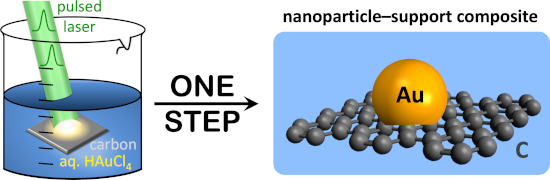
- fibers, taking advantage of the high internal surface area of carbon fiber paper. The pulsed laser-grafted composites exhibited zero measurable charge transfer resistance between gold nanoparticles and the carbon support, leading to superior cathode performance over conventionally prepared electrodes for
- resistances (R) and capacitances at all interfaces and the electrolyte. In our EIS measurements, the most relevant circuit element is the charge transfer resistance (Rct) between the gold nanoparticles and the graphitic carbon support, measured at open circuit potential so that electrochemical reactions do
- -grafted gold nanoparticle–carbon fiber paper composites showed zero measurable charge transfer resistance (Figure 5B) and, therefore, excellent electrical contact. In contrast, chemically synthesized gold nanoparticles with citrate surfactants, electrostatically attached to hydrophilic carbon fiber paper


Enhancing mechanical properties of chitosan/PVA electrospun nanofibers: a comprehensive review
Beilstein J. Nanotechnol. 2025, 16, 286–307, doi:10.3762/bjnano.16.22

- explained by the formation of strong hydrogen bonds in the chitosan/PVA nanofiber matrix induced by the O2 plasma, leading to a high cross-link density in the nanofibers and resulting in substantial load transfer to the nanofiber matrix [172]. Additionally, the O2 plasma treatment assists in the formation


Emerging strategies in the sustainable removal of antibiotics using semiconductor-based photocatalysts
Beilstein J. Nanotechnol. 2025, 16, 264–285, doi:10.3762/bjnano.16.21
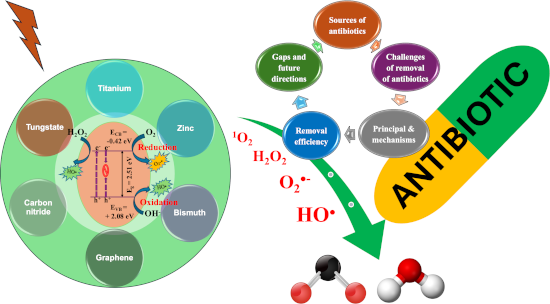
- generation of holes and electrons. Specifically, it contributed 70.1% of the holes and 29.9% of the electrons, in comparison to Co-doped TiO2 and N-doped TiO2 [60]. This can be attributed to the electron-trapping capabilities of Co ions, which enhance charge transfer and facilitate highly efficient electron
- potential difference is applied in heterojunction systems, electrons transfer from the conduction band (CB) of semiconductor 1 (SC1) to the CB of semiconductor 2 (SC2). At the same time, holes in the valence band (VB) of SC1 migrate to the VB of SC2. This charge transfer occurs in type-I heterojunctions, as
- heterojunctions are classified based on their charge transfer mechanism and the presence or absence of mediators. The direct Z-scheme relies on the direct electron transfer between photocatalysts; eliminating the electron mediator simplifies the design and enhances stability but may suffer from higher charge



Preferential enrichment and extraction of laser-synthesized nanoparticles in organic phases
Beilstein J. Nanotechnol. 2025, 16, 254–263, doi:10.3762/bjnano.16.20
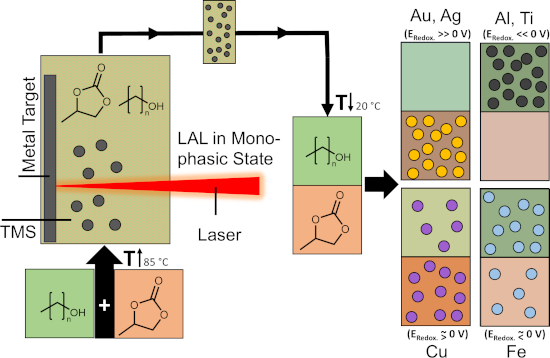
- ) functionalization of the nanoparticles have been observed, which ultimately should affect their lipophilicity and, hence, colloidal stability in apolar or polar solvents. Two-phase liquid systems and the possibility to transfer the surfactant-free nanoparticles from one liquid phase into another remain practically
- ) was found to direct both the nanoparticles’ phase selectivity and recovery after cycling. The observed correlations provide potential guidelines for nanoparticle extraction and size separation, relevant for phase transfer and cycling during homogeneous catalysis. Keywords: catalysis; laser ablation
- in liquid; laser synthesis and processing of colloids; phase transfer; size separation; thermomorphic multiphase system; Introduction Laser ablation in liquids (LAL) provides nanoparticles without the need of external surfactants while retaining the initial composition of the educt material in the




Radiosensitizing properties of dual-functionalized carbon nanostructures loaded with temozolomide
Beilstein J. Nanotechnol. 2025, 16, 229–251, doi:10.3762/bjnano.16.18
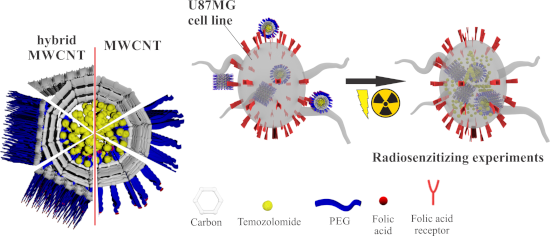
- effects [78][79], while another shows accumulation in microglia cells (BV2 glioma cell line) with uptake mechanisms that include energy-dependent (transcytosis) and/or independent mechanisms (needle like transfer through the cell membranes) [80]. Recently, it was shown that graphene enters into the cells