Search results
Search for "CNTs" in Full Text gives 175 result(s) in Beilstein Journal of Nanotechnology.
Dispersion of single-wall carbon nanotubes with supramolecular Congo red – properties of the complexes and mechanism of the interaction
Beilstein J. Nanotechnol. 2017, 8, 636–648, doi:10.3762/bjnano.8.68
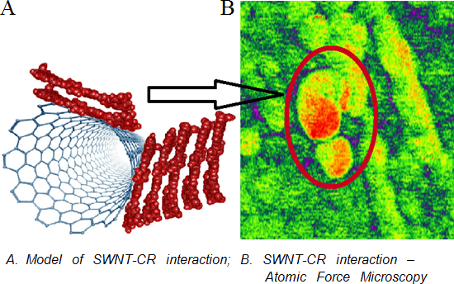
- ; Introduction Carbon nanotubes (CNTs) present enormous application potential in many areas of chemistry, technology and medicine and are currently one of the most intensely studied nanomaterials. Biomedical use of CNTs includes biosensors [1], bioimaging [2][3], drug delivery [4][5][6][7][8][9] and tissue
- engineering [10][11][12]. Pristine CNTs exist in form of bundles composed of hundreds of single tubes bound by van der Waals interactions. Most applications of carbon nanotubes require their dispersion (solubilization) which can be achieved by either covalent or noncovalent functionalization [8][13][14
- amphiphilic molecules that cover the hydrophobic CNT surface with hydrophilic groups [15]. Functionalization leads not only to the increased water dispersibility of CNTs but also improves their biocompatibility due to enhanced penetration through biological membranes and reduced cytotoxicity [16][17


Gas sensing properties of MWCNT layers electrochemically decorated with Au and Pd nanoparticles
Beilstein J. Nanotechnol. 2017, 8, 592–603, doi:10.3762/bjnano.8.64
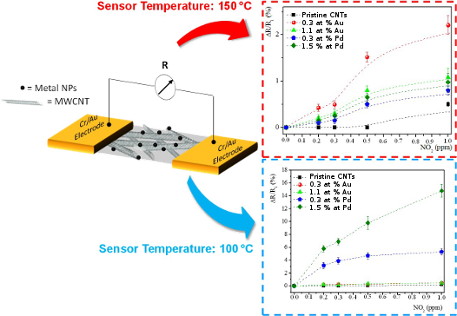
- greatly to the improvement and diffusion of gas sensor technology [5]. Specifically, the discovery of carbon nanotubes (CNTs) has extensively advanced gas sensor applications [6]. Indeed, CNTs are a class of promising materials in the field of gas sensors, thanks to their unique properties, such as a
- analyte gaseous molecules and CNTs, making their desorption difficult [11][12]. Several attempts have been made to improve the CNT-based sensor performance by modifying CNTs with polymeric composites [13], and/or catalyst metals, hybrid, and other catalytic materials [14]. Recently, a surfactant-free
- approach, not requiring any post-treatment for the removal of dispersants or any CNT functionalization, has been developed to reduce the production costs and, at the same time, to obtain CNTs with improved sensing performance thanks to the use of continuous in situ UV irradiation to accelerate the gas


Nanostructured carbon materials decorated with organophosphorus moieties: synthesis and application
Beilstein J. Nanotechnol. 2017, 8, 485–493, doi:10.3762/bjnano.8.52
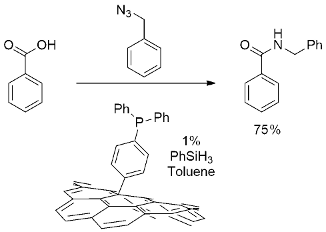
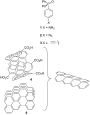
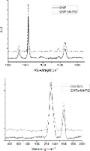
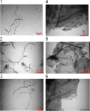
- , Raman spectroscopy, TEM, XPS, elemental analysis and ICP-AES. The cycloaddition of nitrene provided the higher loading on ox-MWCNTs and GPs as well, while the Tour approach gave best results with nanotubes (CNTs). Finally, we investigated the possibility to reduce the TPPO functionalized CNMs to the
- of reactions most used for their functionalization are the same and limited in number. The Tour reaction [8] is one of the most used synthetic approach for the functionalization of CNTs and GPs. In this reaction, an aniline derivative is transformed into a diazonium ion that, upon decomposition and
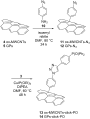
- dispersion. Subsequently, substrates 4 and 5 were reacted with the azido derivative 2 (Scheme 2). The mixture of the reagents in dichlorobenzene was kept in the ultrasound bath for 25 min, to obtain a homogeneous dispersion, and subsequently stirred at 165 °C for four days [10][31][32]. Again CNTs derivative





Nanocrystalline ZrO2 and Pt-doped ZrO2 catalysts for low-temperature CO oxidation
Beilstein J. Nanotechnol. 2017, 8, 264–271, doi:10.3762/bjnano.8.29
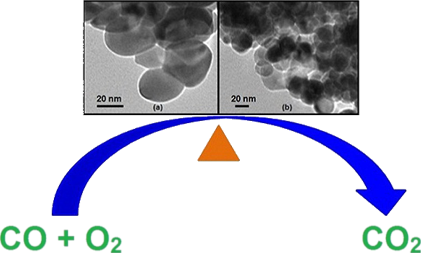
- anthropogenic activities. The catalytic CO oxidation is a very well established and exploited process. So far, noble metals such as Pt, Pd, Rh and Au dominated as catalysts for CO oxidation [10][11][12]. Various supports such as Al2O3, TiO2, SiO2, CeO2, Fe2O3 and carbon nanotubes (CNTs) have also been used for


Photo-ignition process of multiwall carbon nanotubes and ferrocene by continuous wave Xe lamp illumination
Beilstein J. Nanotechnol. 2017, 8, 134–144, doi:10.3762/bjnano.8.14
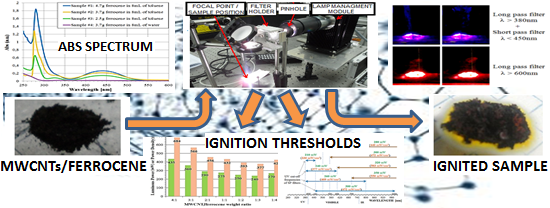
- ignitors; multiwalled carbon nanotubes; photo-induced ignition; Introduction The photo-ignition process of carbon nanotubes (CNTs) was observed for the first time accidentally by exposing single-wall carbon nanotubes (SWCNTs) to the flash of an ordinary camera [1]. Following this, studies [2] highlighted
- that this photo-effect occurs in air for different types of SWCNTs prepared with different methodologies and weight percent of CNTs (in the range 50–90 wt %) with respect to the Fe metal catalyst mixed with them. The authors conjectured that the ignition and combustion occur when there is a local
- dispersed in the CNTs is pivitol [1][2][4], Sysoev et al. [6] gave a qualitative description of the processes that occur during photo-ignition of carbon nanotubes. This analysis determined the roles and functionalities of the different stages of combustion. At the first stage (during flash ignition), the




Sensitive detection of hydrocarbon gases using electrochemically Pd-modified ZnO chemiresistors
Beilstein J. Nanotechnol. 2017, 8, 82–90, doi:10.3762/bjnano.8.9
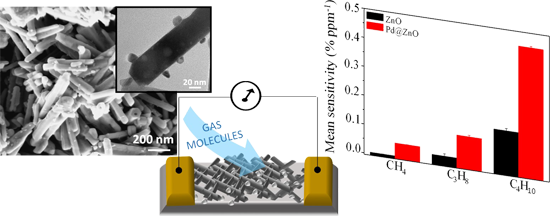
- scientific community. HCs gas sensors based on organic conducting polymers (such as polyaniline (PANI) [15][16], polypyrrole (PPy) [17] and polythiophene (PTh) [18]) and on carbon-based nanomaterials with desired functionality and conductivity (e.g., carbon nanotubes (CNTs) [19] and graphene [20]) exhibit a


Diffusion of dilute gas in arrays of randomly distributed, vertically aligned, high-aspect-ratio cylinders
Beilstein J. Nanotechnol. 2017, 8, 64–73, doi:10.3762/bjnano.8.7
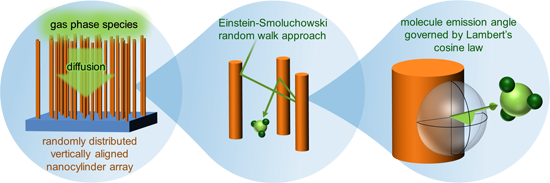
- arrays have been extensively studied for years, rather less attention has been paid to modelling of the diffusion phenomena. Diffusion modelling was attempted in the context of ALD coatings of CNTs [17] or VACNT growth [19][21][22]. These studies deliver rough estimates of the gas transport and lack


Sub-nanosecond light-pulse generation with waveguide-coupled carbon nanotube transducers
Beilstein J. Nanotechnol. 2017, 8, 38–44, doi:10.3762/bjnano.8.5
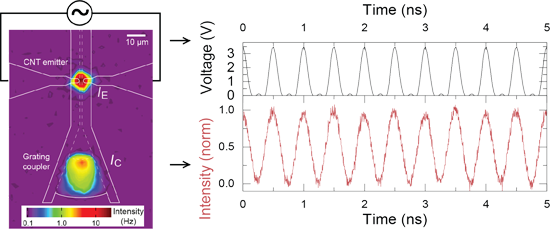
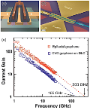
- Physics, University of Münster, Münster 48149, Germany 10.3762/bjnano.8.5 Abstract Carbon nanotubes (CNTs) have recently been integrated into optical waveguides and operated as electrically-driven light emitters under constant electrical bias. Such devices are of interest for the conversion of fast
- electrical signals into optical ones within a nanophotonic circuit. Here, we demonstrate that waveguide-integrated single-walled CNTs are promising high-speed transducers for light-pulse generation in the gigahertz range. Using a scalable fabrication approach we realize hybrid CNT-based nanophotonic devices
- , which generate optical pulse trains in the range from 200 kHz to 2 GHz with decay times below 80 ps. Our results illustrate the potential of CNTs for hybrid optoelectronic systems and nanoscale on-chip light sources. Keywords: carbon nanotubes; infrared; integrated optics devices; nanomaterials


Graphene–polymer coating for the realization of strain sensors
Beilstein J. Nanotechnol. 2017, 8, 21–27, doi:10.3762/bjnano.8.3
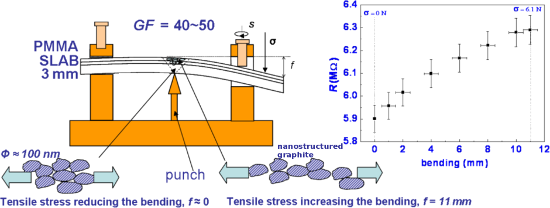
- the IRT technique is shown. The carbon nanotubes (CNTs) can be used as a filler in the polymer composite system to obtain ultralight structural materials (nanocomposites) with enhanced electrical, thermal and optical characteristics. Glass-reinforced plastic (GRP) is used for the realization of the


Fabrication and characterization of branched carbon nanostructures
Beilstein J. Nanotechnol. 2016, 7, 1260–1266, doi:10.3762/bjnano.7.116
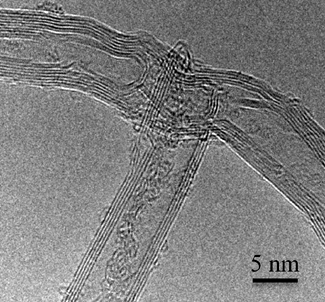
- 10.3762/bjnano.7.116 Abstract Carbon nanotubes (CNTs) have atomically smooth surfaces and tend not to form covalent bonds with composite matrix materials. Thus, it is the magnitude of the CNT/fiber interfacial strength that limits the amount of nanomechanical interlocking when using conventional CNTs to
- offer benefits for applications such as transport, energy storage/conversion and bone/tooth replacement. Hence, the mechanical properties of CNTs are utilized in reinforcing polymer composites [1][2][3][4], and their electrical conductivity is utilized for conducting polymers [4][5][6]. Under tensile
- design, development and production of supercapacitors, solar cells and Li-ion batteries. The first experimental observation of branched carbon nanotubes appears to have been in 1995, when after using an arc-discharge method L-, Y- and T-shaped MWCNTs were produced [18]. Subsequently, branched CNTs have


Reasons and remedies for the agglomeration of multilayered graphene and carbon nanotubes in polymers
Beilstein J. Nanotechnol. 2016, 7, 1174–1196, doi:10.3762/bjnano.7.109
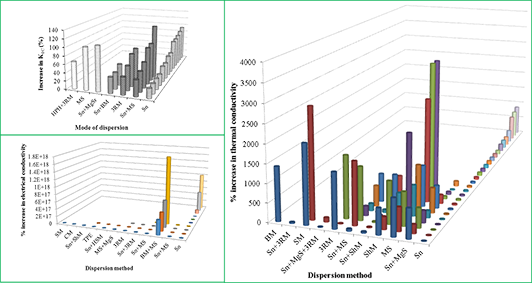
- dispersion state of filler as multilayered graphene (MLG) and carbon nanotubes (CNTs) tend to agglomerate due to van der Waals forces. The agglomeration can be avoided by using organic solvents, selecting suitable dispersion and production methods, and functionalizing the fillers. Another proposed method is
- for both current and prospective researchers in the field of MLG- and CNT-based polymer nanocomposites to achieve maximum enhancement in mechanical, thermal, and electrical properties of produced polymer nanocomposites. Keywords: agglomeration; carbon nanotubes (CNTs); dispersion state; multilayered
- results in strong interfacial interactions. Polymer composite theory foretells improved mechanical properties due to improved interfacial bonding [3]. In addition, due to the high thermal and electrical conductivities of multilayered graphene (MLG) and carbon nanotubes (CNTs), thermally and electrically


Voltammetric determination of polyphenolic content in pomegranate juice using a poly(gallic acid)/multiwalled carbon nanotube modified electrode
Beilstein J. Nanotechnol. 2016, 7, 1104–1112, doi:10.3762/bjnano.7.103
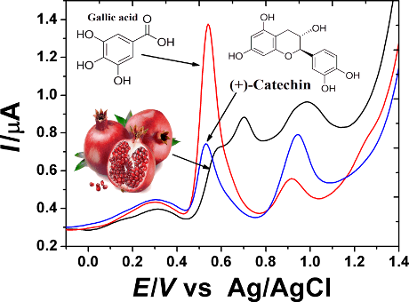
- uniformly distributed and held together into bundles. The white circular species represent the ends of the CNTs on the surface. Electrochemical characterization of PGA/MWCNT/GC modified electrode Cyclic voltammetry Cyclic voltammograms of 1.0 mM gallic acid in 0.2 M H3PO4 at three different glassy carbon


Multiwalled carbon nanotube hybrids as MRI contrast agents
Beilstein J. Nanotechnol. 2016, 7, 1086–1103, doi:10.3762/bjnano.7.102
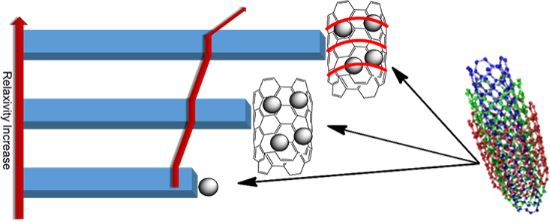
- the realm of CNTs showed great potential but also the problems and imperfections that needed to be overcome. One of the first challenges was to reduce the tendency of CNTs for aggregation, which seriously affected the stability of their aqueous and buffered dispersions. Another issue was to enhance
- properties are described. Finally, toxicity and in vivo MRI effects are discussed. Some researchers have already pointed to poor consistency of the data presented in the literature which results from missing information regarding both the composition and morphology of CNTs in all stages of their
- transformations [18]. Surprising results of the relaxation effects both in vitro and in vivo and depending on a number of parameters, such as content of the residual catalyst, size of the CNTs or "wrapping media" (the electrolyte used to stabilize the dispersions), were also reported [18][19]. We discuss these



Photocurrent generation in carbon nanotube/cubic-phase HfO2 nanoparticle hybrid nanocomposites
Beilstein J. Nanotechnol. 2016, 7, 1075–1085, doi:10.3762/bjnano.7.101
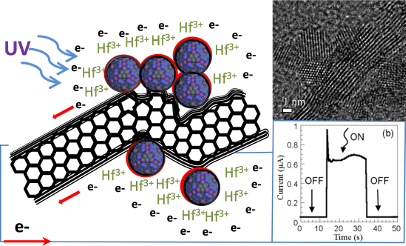
- combination of nanoparticles with carbon nanotubes (CNTs) has proven to greatly broaden the area of potential applications, such as gas sensors [1][2], solar cells [3][4], bioimaging [5] and IR detectors [6], most of which require efficient charge transfer from the nanoparticle to the CNT and charge
- conduction via the CNT. To date, numerous studies have been reported on the decoration of CNTs with metal oxides including TiO2 [7][8] and ZnO [9] for solar cell applications and SnO2 for gas sensors. Reports on the fabrication of an all carbon nanocomposite combining CNTs, graphene and carbon quantum dots
- -phase HfO2 nanoparticles, oxygen vacancies acting as luminescence trap states are present in large amounts [22]. In the variety of different techniques used to decorate CNTs, the first step is usually the dispersion of the CNTs in a liquid solution as they exist in the form of bundled ropes [23]. Acid


Customized MFM probes with high lateral resolution
Beilstein J. Nanotechnol. 2016, 7, 1068–1074, doi:10.3762/bjnano.7.100
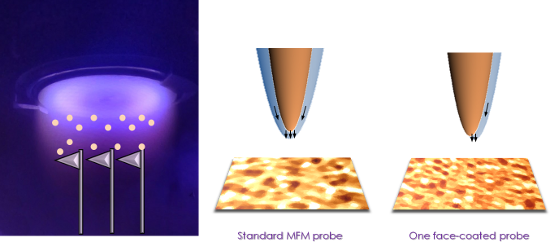
- , either by using focused ion beam (FIB) milled tips [1][2], electron beam deposited tips [3][4] or stencil-deposited metal dots onto an AFM tip [5]. Following a different approach, probes with carbon nanotubes (CNTs) have been fabricated for MFM imaging either by mechanical attachment [6][7][8] or direct
- growth on commercial pyramid tips [9]. Although good control in terms of angle and position can be achieved when attaching CNTs to Si tips by using nanomanipulators [10], it requires sophisticated and time-consuming processes. Other approaches use magnetic nanowires [11] or coated carbon nanocones [12


Signal enhancement in cantilever magnetometry based on a co-resonantly coupled sensor
Beilstein J. Nanotechnol. 2016, 7, 1033–1043, doi:10.3762/bjnano.7.96
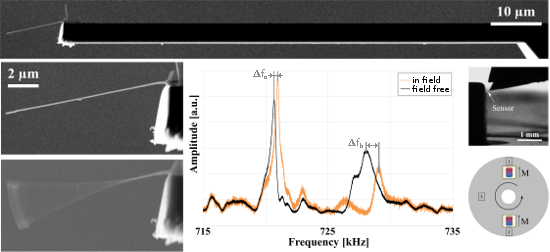
- taken from SEM pictures: Lcant = 85 μm and Lcnt = 10 μm. They have been recalculated into effective lengths by Leff = L/1.377 for the first bending mode [6]. We are aware of the fact that there are carbon nanotubes, especially single wall CNTs, that can exhibit a much lower stiffness than the FeCNT
- magnetons could be achieved. However, as for the effective spring constant, it will probably not be possible to obtain the full moment sensitivity of the nanotube due to the strong interplay between the subsystems, but by using softer cantilevers and softer (unfilled) CNTs the coupled sensor concept has a


![[Graphic 11]](/bjnano/content/inline/2190-4286-7-96-i21.png?max-width=637&scale=1.18182) on the interaction spring constant k3. Th...
on the interaction spring constant k3. Th...
Reorientation of single-wall carbon nanotubes in negative anisotropy liquid crystals by an electric field
Beilstein J. Nanotechnol. 2016, 7, 825–833, doi:10.3762/bjnano.7.74
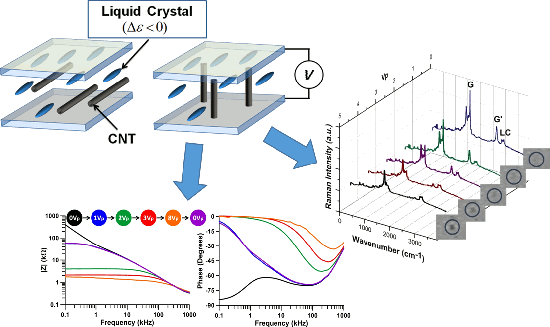
- modifications in the electrical and electro-optical properties of liquid crystals. The control of the SWCNT concentration, distribution and reorientation in such self-organized fluids allows for the possibility of tuning the liquid crystal properties. The alignment and reorientation of CNTs are studied in a
- system where the liquid crystal orientation effect has been isolated. Complementary studies including Raman spectroscopy, microscopic inspection and impedance studies were carried out. The results reveal an ordered reorientation of the CNTs induced by an electric field, which does not alter the
- orientation of the liquid crystal molecules. Moreover, impedance spectroscopy suggests a nonnegligible anchoring force between the CNTs and the liquid crystal molecules. Keywords: Anchoring; carbon nanotubes; impedance; liquid crystal; negative anisotropy; Raman spectroscopy; reorientation; single-wall CNTs


Comparison of the interactions of daunorubicin in a free form and attached to single-walled carbon nanotubes with model lipid membranes
Beilstein J. Nanotechnol. 2016, 7, 524–532, doi:10.3762/bjnano.7.46
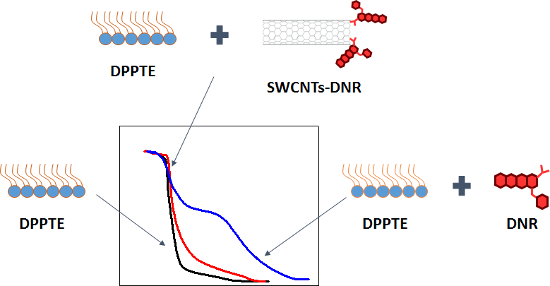
- -stranded DNA or RNA sequences showing high specificity and affinity to their targets, which were employed as molecular targeting agents for targeted drug transport. Carbon nanotubes (CNTs) are among the promising drug delivery systems. They attract scientists’ attention due to their properties such as
- mechanisms proposed to explain the cellular uptake of CNTs including the passive diffusion in a non-invasive manner (tiny nanoneedle mechanism) [18]. Carbon nanotubes have been successfully used to transport different types of anticancer agents including camptothecin, doxorubicin and daunorubicin [19]. The
- two main methods of attaching the drugs comprise either covalent attachment or physical adsorption based on π–π stacking interactions. There are a few reports in the literature on the preparation and characterization of CNTs-DNR adducts used as drug delivery systems. In those works daunorubicin was




Free vibration of functionally graded carbon-nanotube-reinforced composite plates with cutout
Beilstein J. Nanotechnol. 2016, 7, 511–523, doi:10.3762/bjnano.7.45
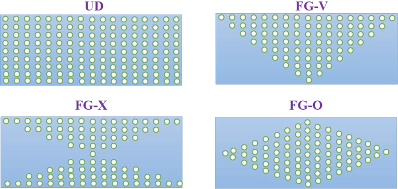
- -mechanical properties, carbon nanotubes (CNTs) have attracted increasing attention in the past decades. CNTs are a promising candidate for the reinforcement of the matrix phase in a composite. Kwon et al. [1] reported that using a powder metallurgy fabrication process, carbon-nanotube-reinforced composites
- (CNTRCs) may be achieved with a nonuniform distribution of CNTs through the media. This type of reinforced composite media is known as functionally graded carbon-nanotube-reinforced composite (FG-CNTRC). An overview on the properties, modeling and characteristics of FG-CNTRC beams, plates and shells is
- provided by Liew et al. [2] It has been shown that the bending moment may be significantly alleviated through a functionally graded distribution of CNTs in a polymeric matrix [3]. In the five years following the discovery of this interesting feature, various investigations were reported on the mechanics of


Synthesis and applications of carbon nanomaterials for energy generation and storage
Beilstein J. Nanotechnol. 2016, 7, 149–196, doi:10.3762/bjnano.7.17
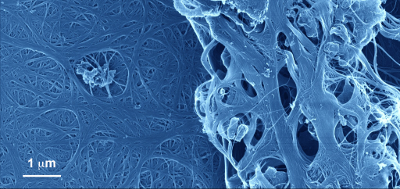
- able to generate, store and transport electricity in a clean and more efficient way and with smaller space requirements. Specifically, the use of nanostructured allotrope forms of carbon and derivatives such as fullerenes, carbon nanotubes (CNTs) and graphene have been widely investigated over the past
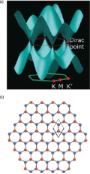
- , thermal and electrical properties of the different allotrope forms are directly correlated to their structure and hybridization state, opening up the possibility to use the same material for a wide range of applications [19]. Herein, the synthesis and application of fullerenes, CNTs and graphene will be
- it with o-dichlorobenzene solution or with trifluoroacetic acid (Figure 8) [36]. Carbon nanotubes Carbon nanotubes (CNTs), discovered by Ijima in 1991 [37], are another allotrope form of carbon with a cylindrical structure. The unique structure of CNTs results in many extraordinary properties. Since















Application of biclustering of gene expression data and gene set enrichment analysis methods to identify potentially disease causing nanomaterials
Beilstein J. Nanotechnol. 2015, 6, 2438–2448, doi:10.3762/bjnano.6.252
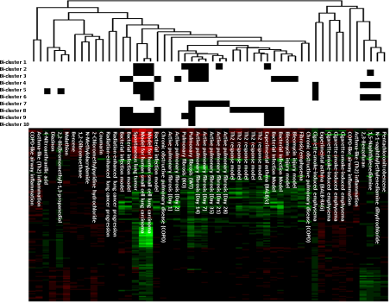
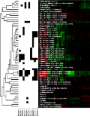
- black (CB) or carbon nanotubes (CNTs) to determine the disease significance of these data-driven gene sets. Results: Biclusters representing inflammation (chemokine activity), DNA binding, cell cycle, apoptosis, reactive oxygen species (ROS) and fibrosis processes were identified. All of the NM studies
- fibrosis. The pro-fibrogenic potential of CNTs is well established. Although CB has not been shown to induce fibrosis, it induces stronger inflammatory, oxidative stress and DNA damage responses than nano-TiO2 particles. Conclusion: The results of the analysis correctly identified all NMs to be
- inflammogenic and only CB and CNTs as potentially fibrogenic. In addition to identifying several previously defined, functionally relevant gene sets, the present study also identified two novel genes sets: a gene set associated with pulmonary fibrosis and a gene set associated with ROS, underlining the
Plasma fluorination of vertically aligned carbon nanotubes: functionalization and thermal stability
Beilstein J. Nanotechnol. 2015, 6, 2263–2271, doi:10.3762/bjnano.6.232
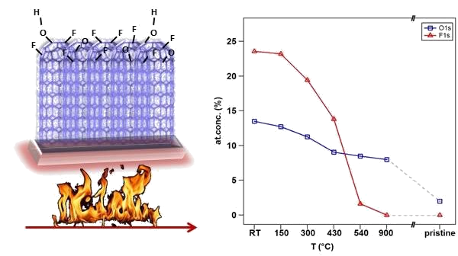
- chamber, mainly as water vapor, is also grafted on the CNTs surface in addition to fluorine species leading to oxyfluorination of the vCNTs. The fluorine functionalization causes the hybridization change from sp2 to sp3 of the carbon atoms. We show that controlled thermal heating of the sample allows for
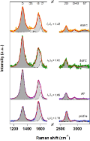
- displayed in Figure 4 confirm the impact of the plasma fluorination on the vibrational modes of the pristine sample. This technique is often used for a qualitative investigation of the functionalization effect on carbon nanotubes structures [2][44][45][46][47] and to quantify the defect density in the CNTs


NanoE-Tox: New and in-depth database concerning ecotoxicity of nanomaterials
Beilstein J. Nanotechnol. 2015, 6, 1788–1804, doi:10.3762/bjnano.6.183
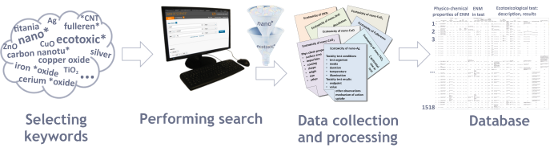
- database NanoE-Tox that is available as Supporting Information File 2. The database is based on existing literature on ecotoxicology of eight ENMs with different chemical composition: carbon nanotubes (CNTs), fullerenes, silver (Ag), titanium dioxide (TiO2), zinc oxide (ZnO), cerium dioxide (CeO2), copper
- sensitive organism (data derived from three or more articles) the toxicity order was as follows: Ag > ZnO > CuO > CeO2 > CNTs > TiO2 > FeOx. We believe NanoE-Tox database contains valuable information for ENM environmental hazard estimation and development of models for predicting toxic potential of ENMs
- : carbon nanotubes (CNTs), fullerenes, silver (Ag), titanium dioxide (TiO2), zinc oxide (ZnO), cerium dioxide (CeO2), copper oxide (CuO), and iron oxide (FeOx; Fe2O3, Fe3O4). Furthermore, all these ENMs, except CuO, are listed by the Organisation for Economic Co-operation and Development (OECD) Working


Possibilities and limitations of advanced transmission electron microscopy for carbon-based nanomaterials
Beilstein J. Nanotechnol. 2015, 6, 1541–1557, doi:10.3762/bjnano.6.158
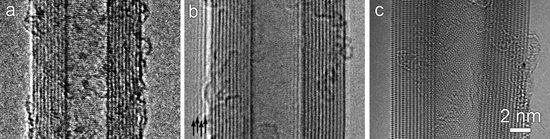
- nanoparticles were also essential ingredients in inks and printing pastes used over centuries in various cultures [17]. Another example are carbon nanotubes (CNTs) [18] which found their way into the secret recipe of ultra-sharp Damascus steel, which dates back to seventeenth century, and are believed to be
- dispersed into a colloidal solution. CNTs in Damascus steel are found to encapsulate cementite nanowires which might account for its super-plastic behavior. More recently, the report of graphene [22] has triggered extensive studies on its rich physics and has opened up wide applications in photoelectric
- al. commented that extended holes (rather than a knock-on vacancy) grow over a wide range from 20 to 100 keV, or even below 20 keV. A mechanism of beam-induced etching with residual water or oxygen in the system is therefore suggested [40]. The strong anisotropic tubular structure of CNTs leads to an


Heterometal nanoparticles from Ru-based molecular clusters covalently anchored onto functionalized carbon nanotubes and nanofibers
Beilstein J. Nanotechnol. 2015, 6, 1287–1297, doi:10.3762/bjnano.6.133
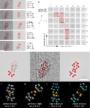
- explained by the elongated shape of the CNTs and CNFs. The molecular peak corresponding to the intact cluster was not observed. This could have been an indication of the fact that it is transformed by the anchoring process. However, both metals and some fragments are detected by SIMS at the surface, which
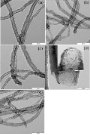
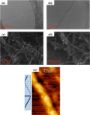
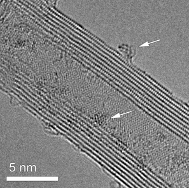
- (TEM) imaging is used to determine particle sizes after activation and to image their dispersion. TEM images of clusters 1 to 3 on MWNT–PPh2 (Figure 3a–c) reveal that nanoparticles with diameters of 1–3 nm are homogeneously dispersed on CNTs. Cluster 4 on MWNT–PPh2 (Figure 3f) or CNF–PPh2 (Figure 3d,e