


Search results
Search for "albumin" in Full Text gives 133 result(s) in Beilstein Journal of Nanotechnology.
Surface coating affects behavior of metallic nanoparticles in a biological environment
Beilstein J. Nanotechnol. 2016, 7, 246–262, doi:10.3762/bjnano.7.23
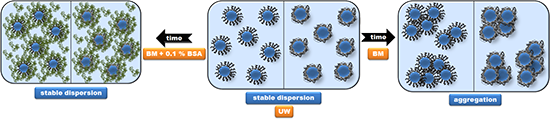
- albumin (BSAAgNPs), Brij 35 (BrijAgNP) and Tween 20 (TweenAgNP). The SPIONs were prepared as uncoated γ-Fe2O3 NPs (UNSPIONs), and coated with D-mannose (MANSPIONs) or poly(L-lysine) (PLLSPIONs). Three media for NP dispersion were investigated: ultrapure water (UW), biological cell culture medium without
- broad range of mammalian cells, was used as a model biological fluid. Bovine serum albumin (BSA) served as a model serum protein due to its biological relevance and high significance in biomedical applications. Albumin is the most abundant protein in mammalian blood plasma and has outstanding buffering
- evaluation of metallic NPs in biological environments. Effect of albumin on the dispersibility of AgNPs and SPIONs in biological media When suspended in biological fluids, NPs rapidly interact with proteins that form a dynamical layer all over the NP surface, known as a protein corona (PC) [36][37][39




Au nanoparticle-based sensor for apomorphine detection in plasma
Beilstein J. Nanotechnol. 2015, 6, 2224–2232, doi:10.3762/bjnano.6.228
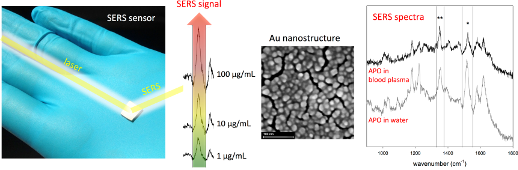
- APO in blood plasma, as shown in Figure 7B. The kinetics of APO adsorption onto the gold nanostructured surface are expected to be strongly affected by matrix effects. In particular, the presence of proteins, such as human serum albumin, an abundant plasma protein that binds a wide range of drugs


Optimized design of a nanostructured SPCE-based multipurpose biosensing platform formed by ferrocene-tethered electrochemically-deposited cauliflower-shaped gold nanoparticles
Beilstein J. Nanotechnol. 2015, 6, 1840–1852, doi:10.3762/bjnano.6.187
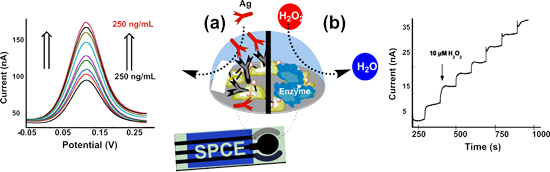
- , produced in goat), bovine serum albumin (98%), ascorbic acid, dopamine, H2O2, silica gel 60 mesh and F254 nm fluorescent silica-coated aluminum TLC plates were purchased from Sigma-Aldrich (Germany) and used as received without further purification. All solvents used were of analytical grade and were used


Probing fibronectin–antibody interactions using AFM force spectroscopy and lateral force microscopy
Beilstein J. Nanotechnol. 2015, 6, 1164–1175, doi:10.3762/bjnano.6.118
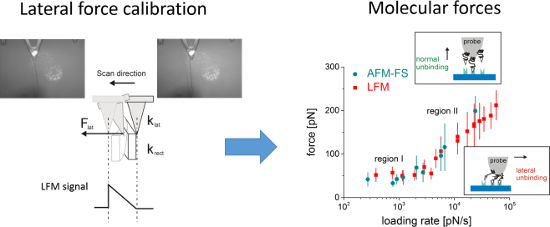
- for a similar type of interaction between an antigen and an antibody (i.e., bovine serum albumin and its monoclonal antibody) [35]. Our experiments do not allow for determination of which region (module) of FN interacts with Mab. As the bond dissociation is a nonequilibrium, dynamic process



Protein corona – from molecular adsorption to physiological complexity
Beilstein J. Nanotechnol. 2015, 6, 857–873, doi:10.3762/bjnano.6.88

- revealed a decrease of the collision efficiency (i.e., the overall number of collisions divided by the number of collisions that form an agglomerate) with an increasing protein (human serum albumin, HSA) concentration (Figure 1a). Intriguingly, they found that their colloid was stable at a point where
- further attention. Treuel and coworkers employed circular dichroism (CD) spectroscopy to study the thermodynamic and structural aspects of NP–protein interactions [47]. They investigated the formation of a serum albumin, an established model protein [7][8][9][80][111], corona around Au (13 ± 2 nm) and Ag
- the polymer shell), by live HeLa cells in the presence or absence of human transferrin (TF) and human serum albumin (HSA) in phosphate-buffered saline (PBS) medium. They studied the uptake of the NPs by quantitative confocal fluorescence microscopy. For comparison, they also studied the cellular



Influence of gold, silver and gold–silver alloy nanoparticles on germ cell function and embryo development
Beilstein J. Nanotechnol. 2015, 6, 651–664, doi:10.3762/bjnano.6.66
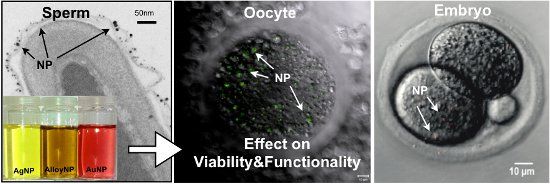
- ) and oligonucleotide conjugated AuNP (diameter 7.3 nm, 94 biomolecules per particle, Zeta potential −32 mV) which were tested by using bovine sperm, as well as bovine serum albumin (BSA) coated gold (diameter 6–20 nm), silver (diameter 11 nm; AgNP) and various gold silver alloy nanoparticles (silver
- concentration was 10 µg/mL and all particles were conjugated with bovine serum albumin. Reproduced with permission from [50]. Copyright 2014 Royal Society of Chemistry. Representative laser scanning microscope images of porcine cumulus–oocyte complexes after 46 h co-incubation during in vitro maturation. (A
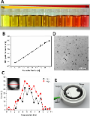
- ) conjugated to bovine serum albumin (BSA) as measured by disc centrifugation. xc has been calculated by log-normal fitting. (B) Oocyte maturation rates after exposure to AgNP in situ or ex situ bioconjugated to BSA. *p < 0.05. Blastocyst development rates after microinjection of nanoparticles into 2-cell





Silica micro/nanospheres for theranostics: from bimodal MRI and fluorescent imaging probes to cancer therapy
Beilstein J. Nanotechnol. 2015, 6, 546–558, doi:10.3762/bjnano.6.57
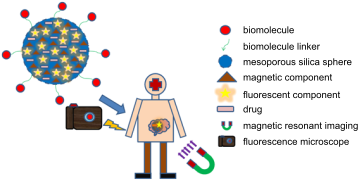
- . The silica-coated magnetic and fluorescent NPs were then conjugated with bovine serum albumin (BSA) by using N-hydroxysuccinimide (NHS) as cross linker. The synthesized NPs were then characterized by XRD, IR, TEM, absorption and fluorescence spectroscopy. The XRD diffraction peaks indicate the cubic


Increasing throughput of AFM-based single cell adhesion measurements through multisubstrate surfaces
Beilstein J. Nanotechnol. 2015, 6, 157–166, doi:10.3762/bjnano.6.15
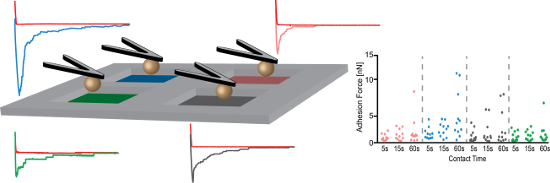
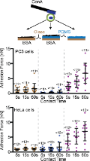
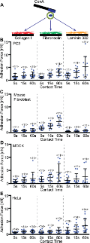
- performed with an inverted scanning confocal microscope (Axio Observer.Z1, LSM 700, Zeiss) equipped with a plan, apochromat, 25×, 0.8 numerical aperture, water-immersion objective lens (Zeiss). FITC–albumin (Sigma), fibronectin–HiLyte488 (LuBioScience), laminin–rhodamine (LuBioScience) and FITC-collagen I


The fate of a designed protein corona on nanoparticles in vitro and in vivo
Beilstein J. Nanotechnol. 2015, 6, 36–46, doi:10.3762/bjnano.6.5
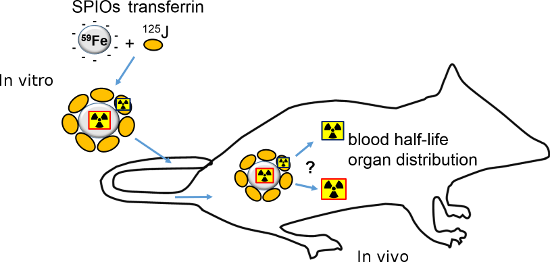
- surface was modified by PEGylation with mono- or bifunctional poly(ethylene oxide)amines (PEG). Using 125I-labeled test proteins (transferrin, albumin), the binding and exchange of corona proteins was studied first in vitro. Incubation with 125I-transferrin showed that with increasing grade of PEGylation
- the binding was substantially diminished without a difference between simply adsorbed and covalently bound protein. However, after incubation with excess albumin and subsequently whole plasma, transferrin from the preformed transferrin corona was more and more lost from SPIOs in the case of adsorbed
- proteins. If non-labeled transferrin was used as preformed corona and excess 125I-labeled albumin was added to the reaction mixtures with different SPIOs, a substantial amount of label was bound to the particles with initially adsorbed transferrin but little or even zero with covalently bound transferrin


Proinflammatory and cytotoxic response to nanoparticles in precision-cut lung slices
Beilstein J. Nanotechnol. 2014, 5, 2440–2449, doi:10.3762/bjnano.5.253
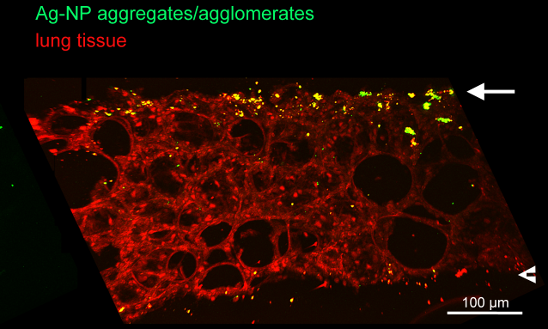
- nucleoside analogue to thymidine) at 0, 20, 44, and 68 h after preparation. Subsequently, four PCLS per time point were fixed with buffered 4% paraformaldehyde (Microcos GmbH, Saaldorf-Surheim, Germany) at room temperature for 15 min. Then PCLS were washed twice in PBS supplemented with 3% bovine albumin


Inorganic Janus particles for biomedical applications
Beilstein J. Nanotechnol. 2014, 5, 2346–2362, doi:10.3762/bjnano.5.244
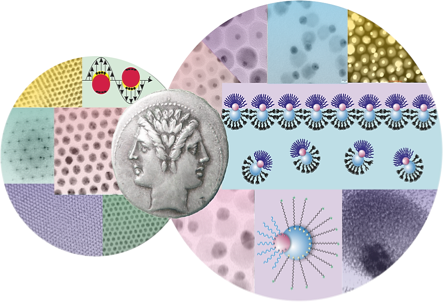
- binding of apolipoproteins and serum albumin to hydrophobic nanoparticles by Cedervall and co-workers [115]. Interestingly, there is a significant and unexpected difference in the composition of the protein corona of isotropic silica encapsulated MnO and Fe3O4 nanoparticles. By studying the protein






Coating with luminal gut-constituents alters adherence of nanoparticles to intestinal epithelial cells
Beilstein J. Nanotechnol. 2014, 5, 2308–2315, doi:10.3762/bjnano.5.239
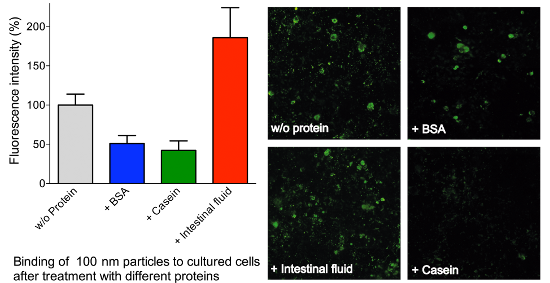
- the presence of the proteins bovine serum albumin (BSA) and casein the fluorescence intensities were discernibly decreased, no matter of which size the NPs were. We speculate that a protein coating produced by passive adsorption of the proteins to the NPs is responsible for this observed reduction in
- ], and possible implications for the particle–cell interactions are considered. For example, it was shown that human serum albumin (HSA), BSA and fetal bovine serum can build a protein corona around NPs whereby the particles are stabilized against agglomeration and the colloid stability of the particle



Anticancer efficacy of a supramolecular complex of a 2-diethylaminoethyl–dextran–MMA graft copolymer and paclitaxel used as an artificial enzyme
Beilstein J. Nanotechnol. 2014, 5, 2293–2307, doi:10.3762/bjnano.5.238
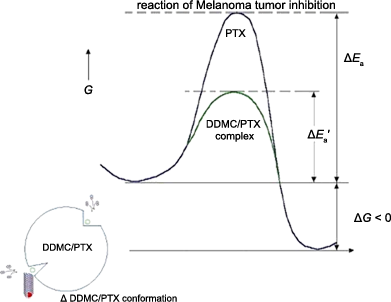
- polyglutamate [43] and albumin [44], encapsulated in cationic liposomes [45], or PEG-polyaspartate [46]. By using these carriers, PTX is thought to be transported into and released directly in cells, thus improving its efficacy. However, the DDMC/PTX complex will be not degraded in the cell, and its efficacy


Nanoencapsulation of ultra-small superparamagnetic particles of iron oxide into human serum albumin nanoparticles
Beilstein J. Nanotechnol. 2014, 5, 2259–2266, doi:10.3762/bjnano.5.235
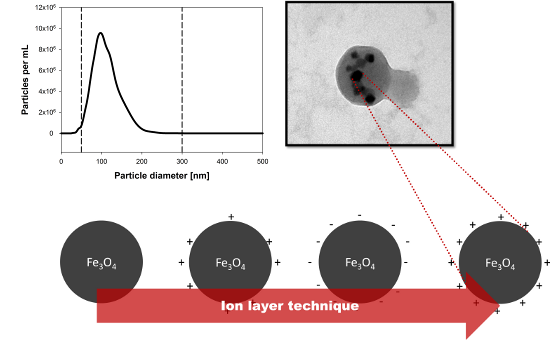
- Technische Universität Darmstadt, Technical Chemistry, D-64287 Darmstadt, Germany Merck KGaA, D-64287 Darmstadt, Germany 10.3762/bjnano.5.235 Abstract Human serum albumin nanoparticles have been utilized as drug delivery systems for a variety of medical applications. Since ultra-small superparamagnetic
- with the surface modification and nanoencapsulation of USPIO into an albumin matrix by using ethanolic desolvation. Particles of narrow size distribution and with a defined particle structure have been achieved. Keywords: diagnostics; HSA; nanoencapsulation; nanoparticles; USPIO; Introduction Over
- systemic exposition of patients with the carrier [6]. Human serum albumin (HSA) represents a promising candidate that binds a wide range of compounds with different physicochemical characteristics. In 2007, with Abraxane®, a first polymeric nanoparticle formulation consisting of this material has been


Biopolymer colloids for controlling and templating inorganic synthesis
Beilstein J. Nanotechnol. 2014, 5, 2129–2138, doi:10.3762/bjnano.5.222
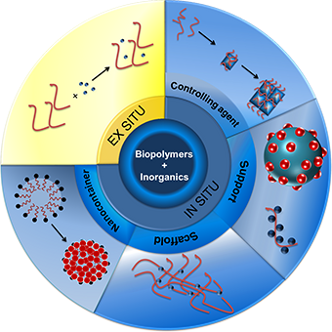
- synthetic polymers (see Section 4 in [60] for a review), but only a limited number of works are found for biopolymers. Li et al. [61] prepared cross-linked chitosan microspheres and immobilized bovine serum albumin covalently on their surface. On the resulting particles, silica was formed by a sol–gel


Effects of surface functionalization on the adsorption of human serum albumin onto nanoparticles – a fluorescence correlation spectroscopy study
Beilstein J. Nanotechnol. 2014, 5, 2036–2047, doi:10.3762/bjnano.5.212
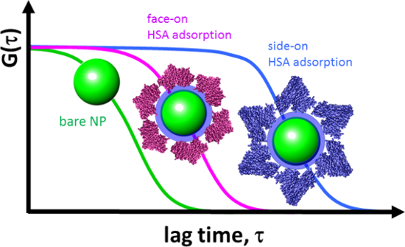
- Marburg, Renthof 7, 35037 Marburg, Germany, Department of Physics, University of Illinois at Urbana-Champaign, 1110 West Green Street, Urbana, IL 61801, USA 10.3762/bjnano.5.212 Abstract By using fluorescence correlation spectroscopy (FCS), we have studied the adsorption of human serum albumin (HSA) onto
- four orders of magnitude. These variations can be understood in terms of specific Coulombic interactions between the proteins and the NP surfaces. Keywords: fluorescence correlation spectroscopy; human serum albumin; nanoparticles; protein corona; quantum dots; Introduction In recent years, both
- reliable in our hands. In our original FCS study [45], we investigated the adsorption of human serum albumin (HSA) onto carboxyl-functionalized, polymer-encased iron platinum nanoparticles (Fe–Pt NPs) with a hydrodynamic radius, RH, of 5–6 nm. We prepared HSA solutions of different concentrations in




PVP-coated, negatively charged silver nanoparticles: A multi-center study of their physicochemical characteristics, cell culture and in vivo experiments
Beilstein J. Nanotechnol. 2014, 5, 1944–1965, doi:10.3762/bjnano.5.205

- adsorption onto nanoparticle surfaces is a critical step towards understanding the formation of the protein corona at the full complexity of the physiological situation [45][54][55][56][57][58]. We have investigated the formation of a protein corona of serum albumin around silver nanoparticles [56
- ]. Specifically, we have addressed the effect of a PVP coating around the metallic surface of silver and, for comparison, gold nanoparticles, on the adsorption/desorption equilibrium of serum albumin molecules – an established model protein [57][59][60][61][62]. To quantify this equilibrium, we have used circular
- ][68], the quantitative analysis of the corresponding CD signals has been shown to be a good indicator for the overall extent to which the original secondary structure of serum albumin is preserved in the "equilibrated" corona [54][69][70]. The exact mechanisms of partial or full protein denaturation


Imaging the intracellular degradation of biodegradable polymer nanoparticles
Beilstein J. Nanotechnol. 2014, 5, 1905–1917, doi:10.3762/bjnano.5.201
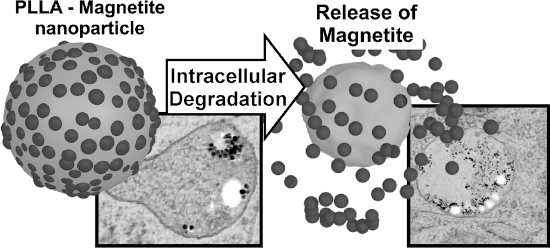
- bovine serum albumin (BSA), which is a main component of FCS that is added to the cell medium. The results showed that BSA significantly increased the exocytosis of the tested PLGA nanoparticles [28]. Given that we used FCS in the cell medium, the high exocytosis might be responsible for the significant


Biocompatibility of cerium dioxide and silicon dioxide nanoparticles with endothelial cells
Beilstein J. Nanotechnol. 2014, 5, 1795–1807, doi:10.3762/bjnano.5.190
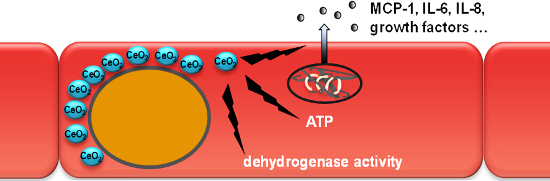
- with buffer (1% BSA [Albumin Fraktion V, Carl Roth GmbH & CO. KG, Germany] in Hank’s BSS [PAA Laboratories GmbH, Austria]). Then the cells were fixed with 2% (v/v) formaldehyde (Carl Roth GmbH & CO. KG, Germany) in Hank’s BSS for 15 min at room temperature. The cells were then washed with Hank’s BSS


In vitro and in vivo interactions of selected nanoparticles with rodent serum proteins and their consequences in biokinetics
Beilstein J. Nanotechnol. 2014, 5, 1699–1711, doi:10.3762/bjnano.5.180
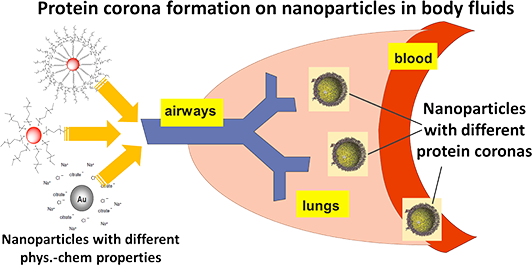
- agglomeration behavior [5]. The proteins chosen were albumin, transferrin and apolipoprotein A-1, which exist both in blood serum and in the lung epithelial lining fluid. Protein concentrations before and after NP incubation were determined by a depletion method using the Bio-Rad protein assay. In all cases, a
- protein in the circulation), serum albumin (most abundant blood multi-functional protein), fibrinogen beta (modulation of blood coagulation and opsonisation of foreign bodies [8]), and apolipoprotein E (ApoE) (mediating protein for transcytosis across biological membranes [9][10]). More detected proteins
- groups, but also with polyethylene glycol (PEG) or other polymers or polyelectrolytes and, finally, with tightly grafted plasma proteins (albumin or apolipoprotein E). All AuNP had been radioactively labeled with 198Au by neutron activation in a nuclear research reactor. Most of these studies were


Current state of laser synthesis of metal and alloy nanoparticles as ligand-free reference materials for nano-toxicological assays
Beilstein J. Nanotechnol. 2014, 5, 1523–1541, doi:10.3762/bjnano.5.165
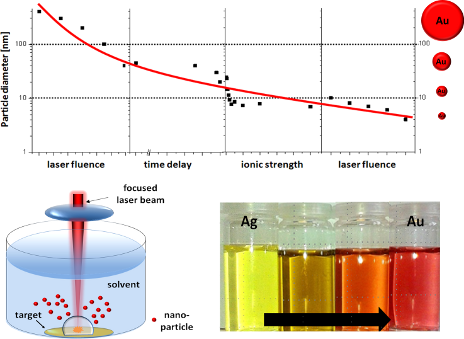
- , mammalian cells and bacteria are considered. Keywords: albumin; gold-silver; implant alloy; laser ablation; nickel-titanium; size control; wear debris; Introduction The widespread use of medical implants consisting of metals (e.g., gold coatings [1]) and alloys (e.g., NiTi, CoCr, stainless steel) [2][3][4
- ). In this case quenching of particle growth was achieved by albumin addition at a fixed position in a flow-through reactor (reactor design described elsewhere [81]) (Figure 4C, black curve). Here, particle diameters were determined by analytical disk centrifugation and size control in a regime of 15–34
- occur on bare nanoparticle surfaces [111]. In order to examine the influence of protein stabilization on ligand-free nanoparticles, albumin may be an appropriate model substance, which is known to be abundant in the protein corona and is one of the most frequent proteins in serum-containing cell culture


In vitro interaction of colloidal nanoparticles with mammalian cells: What have we learned thus far?
Beilstein J. Nanotechnol. 2014, 5, 1477–1490, doi:10.3762/bjnano.5.161
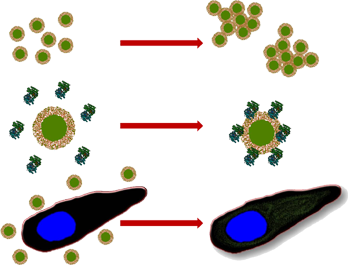
- metal NPs, in particular to Au NPs [125][126]. v) Proteins, in general, tend to adsorb to surfaces, which is also true on the nanometer scale. Adsorption of albumin is, for example, an integral part of opsonization [127][128]. The proteins adsorbed to the surface of NPs are typically termed protein
- fluorescence correlation spectroscopy (FCS), Röcker et al. investigated the adsorption of human serum albumin onto FePt NPs and found clear evidence that the proteins formed a monolayer on the surface of the NP [136]. Additional FCS studies by using other important serum proteins invariably confirmed the


Protein-coated pH-responsive gold nanoparticles: Microwave-assisted synthesis and surface charge-dependent anticancer activity
Beilstein J. Nanotechnol. 2014, 5, 1452–1462, doi:10.3762/bjnano.5.158
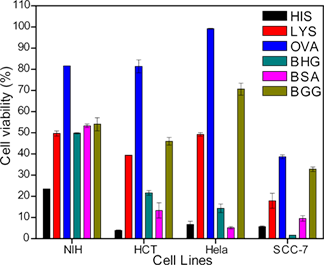
- ]. Biomolecules have been reported to interact with gold salts and reduce them into metallic gold, acting both as a reductant and stabilizer [12][17][18][19][20][21]. Proteins, such as bovine serum albumin, silk fibroin protein, chicken egg white lysozyme, α-amylase, green fluorescent protein and apoferritin have
- mg/mL and 0.5 mM, respectively. These conditions did not result in the formation of AuNPs. The addition of Ag ions to a mixture containing Au ions has been reported to form AuNPs in the presence of bovine serum albumin (BSA) [33]. Hence, we added AgNO3 at a ratio of 5:1 between the Au and Ag ions and
- histone (HIS), chicken egg white lysozyme (LYS), ovalbumin (OVA), bovine serum albumin (BSA), bovine hemoglobin (BHG), bovine gamma globulin (BGG), glucose oxidase (Aspergillus niger) (GOX), and trypsin (porcine pancreas, TRY), used for the experiments were obtained from Sigma (USA) as a lyophilized


The protein corona protects against size- and dose-dependent toxicity of amorphous silica nanoparticles
Beilstein J. Nanotechnol. 2014, 5, 1380–1392, doi:10.3762/bjnano.5.151
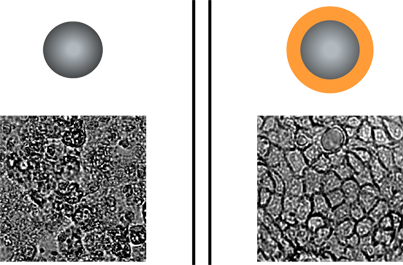
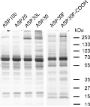
- albumin, indicated by the prominent protein band of approximately 70 kDa, high molecular weight proteins were found to be enriched particularly on the ASP30 and ASP30L. Discussion Besides ingestion, inhalation is one of the major entry routes for nanomaterials into the GI tract. Indeed, the majority of




Nanodiamond-DGEA peptide conjugates for enhanced delivery of doxorubicin to prostate cancer
Beilstein J. Nanotechnol. 2014, 5, 937–945, doi:10.3762/bjnano.5.107
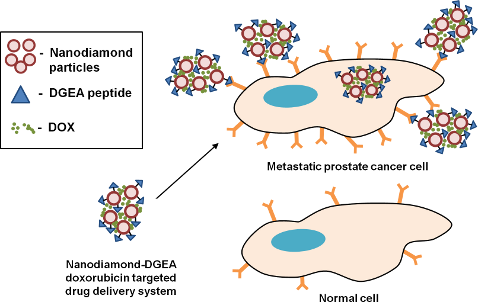
- tumor types [6][7][8][9]. Currently, there are several clinically approved nanoparticle-based cancer drugs using liposomes, nanoparticle albumin-bound (nab) technology, dendrimers, polymeric, carbon, and metal nanoparticles [6][8]. Gold nanorods, iron magnetic nanoparticles, polymer nanospheres, lipids





