


Search results
Search for "antibacterial" in Full Text gives 136 result(s) in Beilstein Journal of Nanotechnology.
BN/Ag hybrid nanomaterials with petal-like surfaces as catalysts and antibacterial agents
Beilstein J. Nanotechnol. 2018, 9, 250–261, doi:10.3762/bjnano.9.27
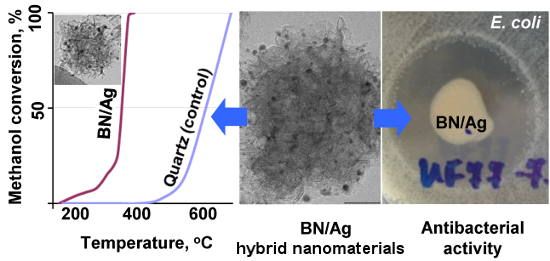
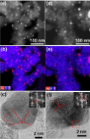
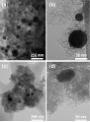
- 10.3762/bjnano.9.27 Abstract BN/Ag hybrid nanomaterials (HNMs) and their possible applications as novel active catalysts and antibacterial agents are investigated. BN/Ag nanoparticle (NP) hybrids were fabricated using two methods: (i) chemical vapour deposition (CVD) of BN NPs in the presence of Ag
- spectroscopy (XPS), and infrared spectroscopy (FTIR). They were also characterized in terms of thermal stability, Ag+ ion release, catalytic and antibacterial activities. The materials synthesized via UV decomposition of AgNO3 demonstrated a much better catalytic activity in comparison to those prepared using
- the CVD method. The best catalytic characteristics (100% methanol conversion at 350 °C) were achieved using the UV BN/Ag HNMs without preliminary annealing at 600 °C in an oxidizing atmosphere. Both types of the BN/Ag HNMs possess a profound antibacterial effect against Escherichia coli K-261 bacteria





Vapor-based polymers: from films to nanostructures
Beilstein J. Nanotechnol. 2017, 8, 2219–2220, doi:10.3762/bjnano.8.221

- from the coating material, which, in turn, often results in superior biocompatibility [10]. This, together with the conformal character of the coating, is of importance in a novel antibacterial catheter introduced by Franz et al. [11] Here, poly(p-xylylene), which is deposited via chemical vapor
- deposition, is used as a top layer above an electro-deposited silver coating, ensuring the prolonged release of antibacterial silver ions. Another advantage of vapor deposition techniques is the potential of synthesizing copolymers of chemically or functionally distinct monomers [12]. Alternatively, vapor
Evaluating the toxicity of TiO2-based nanoparticles to Chinese hamster ovary cells and Escherichia coli: a complementary experimental and computational approach
Beilstein J. Nanotechnol. 2017, 8, 2171–2180, doi:10.3762/bjnano.8.216

- chlorination). Unmodified titania NPs are generally considered to be inert and non-toxic [3]. However, several studies have reported that TiO2 nanomaterials may elicit toxic effects towards bacteria under UV light [4], which makes it possible to use them as an antibacterial material [5][6]. In TiO2-based
- nanoparticles, electron/hole (e−/h+) pairs can be generated under UV light. Under such conditions, free radicals are produced, which is one of the major pathways of the antibacterial activity of TiO2-based NPs. In the absence of UV light, photoactive TiO2 nanomaterials demonstrate little or no bacteria
- ions. For instance, TiO2 NPs doped with either copper (Cu) or silver (Ag), exhibited enhanced antibacterial activity against Staphylococcus aureus, whereas their toxicity towards mouse cells from L929 cell line remained low [19]. Ag-TiO2 NPs, which were activated by UV–vis light, exhibited stronger


Bi-layer sandwich film for antibacterial catheters
Beilstein J. Nanotechnol. 2017, 8, 1982–2001, doi:10.3762/bjnano.8.199
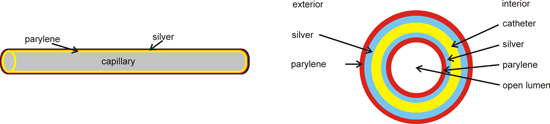
- antibacterial balloon catheters and ureteral stents. The antibacterial coating of these stents should not only prevent the ascend of bacteria into the renal pelvis, but also the formation of encrustations. Bacteria, especially proteus mirabilis, release urease, an enzyme that is capable to hydrolyze urea into
- it remains free to act as antibacterial source. The “Erlanger Silberkatheter” (silver catheter of Erlangen) The “Erlanger Silberkatheter” was described by Guggenbichler et al. in the 1990’s [8][9]. Remembering that for more than 2000 years, the antibacterial impact of silver has been known, and that
- above mentioned concepts do not address these deficits: 1. The exterior side of the catheter has intimate contact to the urethra along its whole length. Therefore, it is most likely that contamination with bacteria only happens during its implantation. Depositing an antibacterial layer only on the


Synthesis of graphene–transition metal oxide hybrid nanoparticles and their application in various fields
Beilstein J. Nanotechnol. 2017, 8, 688–714, doi:10.3762/bjnano.8.74
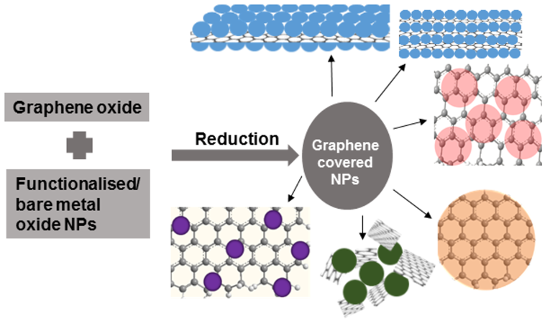
- binding energy of 60 meV. It has been extensively studied because of its potential application in solar cells, sensors, diode lasers, piezoelectric devices, as surface acoustic wave propagators, antibacterial agents and ultraviolet light emitters. Graphene-based ZnO hybrids proved to be promising






Nanoscale isoindigo-carriers: self-assembly and tunable properties
Beilstein J. Nanotechnol. 2017, 8, 313–324, doi:10.3762/bjnano.8.34
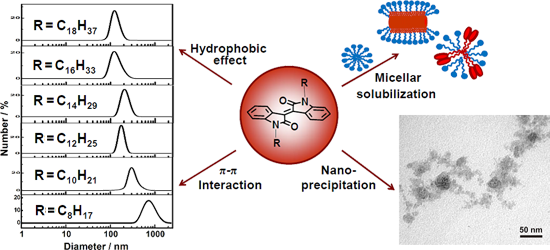
- pharmaceutical and synthetic protocols [12][13][14][15][16][17][18][19][20][21]. It is known that isatin and isoindigo derivatives possess antibacterial [12][22], antifungal [23][24], and antiviral activity [25][26]; they are promising platforms for the design of anti-HIV agents [27] and they are also used in

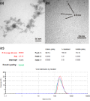
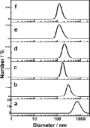


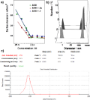

Chitosan-based nanoparticles for improved anticancer efficacy and bioavailability of mifepristone
Beilstein J. Nanotechnol. 2016, 7, 1861–1870, doi:10.3762/bjnano.7.178
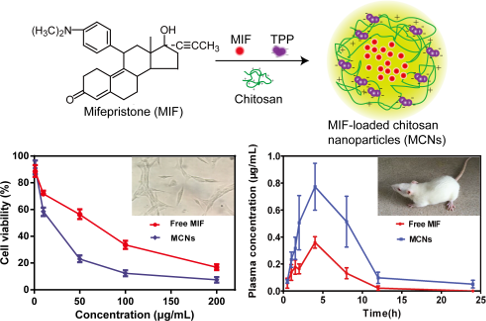
- biodegradability [9]. It possesses various bioactivities such as anti-inflammatory, antibacterial, antifungal, muco-adhesive, and antitumor effects [10][11]. Therefore, chitosan has been widely used as a biomaterial or adjuvant in disease therapy [12], tissue engineering, and drug delivery [13]. Owning to the


Hydrophilic silver nanoparticles with tunable optical properties: application for the detection of heavy metals in water
Beilstein J. Nanotechnol. 2016, 7, 1654–1661, doi:10.3762/bjnano.7.157
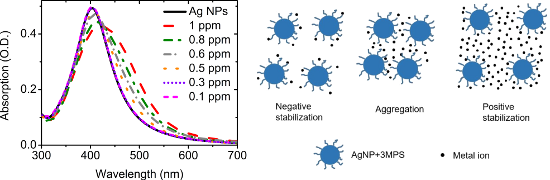
- devices, nanobiotechnology and nanomedicine. In particular, from the environmental monitoring perspective, sensors based on silver nanoparticles are in great demand because of their antibacterial and inexpensive synthetic method. In the present study, we synthesized AgNPs in water phase using silver


Photothermal effect of gold nanostar patterns inkjet-printed on coated paper substrates with different permeability
Beilstein J. Nanotechnol. 2016, 7, 1480–1485, doi:10.3762/bjnano.7.140
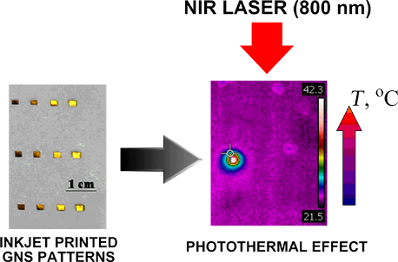
- , and our future study will be focused on studying antibacterial and antifungal properties of these surfaces, and on the NIR-triggered release of drugs bound to printed gold surface as an additional and valuable effect. AFM topographical images (10 µm ×10 µm) of paper substrates with (left side) and


Preparation of alginate–chitosan–cyclodextrin micro- and nanoparticles loaded with anti-tuberculosis compounds
Beilstein J. Nanotechnol. 2016, 7, 1208–1218, doi:10.3762/bjnano.7.112
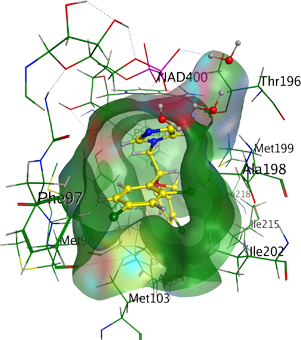
- addition to this, ISN has an antibacterial effect against gram-positive bacteria (B. cereus, C. tuberculostearicum, S. aureus MR, S. haemolyticus, S. hominis, and S. salivarius) confirmed by numerous reports on its antibacterial activity [21][22][23][24][25]. The antibacterial activity of ISN has been



Microwave solvothermal synthesis and characterization of manganese-doped ZnO nanoparticles
Beilstein J. Nanotechnol. 2016, 7, 721–732, doi:10.3762/bjnano.7.64
- , varistors, TFT display windows and laser technology [5][6][7]. ZnO displays pyroelectric and piezoelectric properties, thanks to which it is used in electroacoustic devices [8]. It is a biocompatible material used for producing biosensors and in drug delivery applications [9]. Thanks to antibacterial


Unraveling the neurotoxicity of titanium dioxide nanoparticles: focusing on molecular mechanisms
Beilstein J. Nanotechnol. 2016, 7, 645–654, doi:10.3762/bjnano.7.57
- characteristics [1] including antibacterial, ultraviolet-absorbing, photocatalytic, and self-cleaning properties [2]. Thus, TiO2 NPs are widely used in cosmetics, sun screens, ceramics, paints, packaging, lithium batteries, the food industry, and in medical applications [3]. However, the rapid development of
Antibacterial activity of silver nanoparticles obtained by pulsed laser ablation in pure water and in chloride solution
Beilstein J. Nanotechnol. 2016, 7, 465–473, doi:10.3762/bjnano.7.40
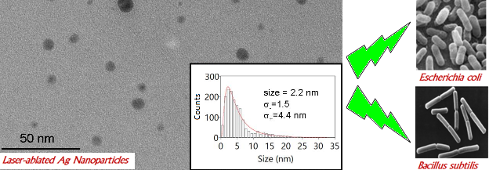
- as antibacterial agents with applications in several fields due to their strong, broad-range antimicrobial properties. AgNP synthesis by pulsed laser ablation in liquid (PLAL) permits the preparation of stable Ag colloids in pure solvents without capping or stabilizing agents, producing AgNPs more
- also be affected by other parameters linked to the ablation conditions, such as the pulse width. The antibacterial activity of AgNPs was evaluated for NPs obtained either by nanosecond (ns) or picosecond (ps) PLAL using a 1064 nm ablation wavelength, in pure water or in LiCl aqueous solution, with
- -potential values were very negative, indicating excellent long-term colloidal stability. Antibacterial activity was observed against both microorganisms for the four AgNP formulations, but the ps-ablated nanoparticles were shown to more effectively inhibit the growth of both microorganisms. Moreover, LiCl


Surface coating affects behavior of metallic nanoparticles in a biological environment
Beilstein J. Nanotechnol. 2016, 7, 246–262, doi:10.3762/bjnano.7.23
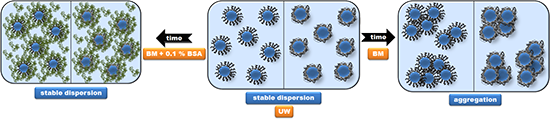
- currently in use for medical purposes [3], for example silver nanoparticles (AgNPs) and superparamagnetic iron oxide nanoparticles (SPIONs). AgNPs are exploited in medicine for biocidal therapy owing to their antibacterial, antifungal, antiviral, and anti-inflammatory properties. In addition, they attract




Sonochemical co-deposition of antibacterial nanoparticles and dyes on textiles
Beilstein J. Nanotechnol. 2016, 7, 1–8, doi:10.3762/bjnano.7.1
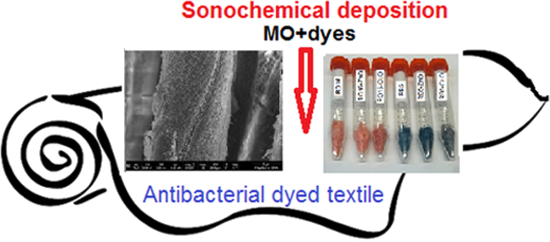
- wide range of applications. Here, we report for the first time on the simultaneous sonochemical dyeing and coating of textiles with antibacterial metal oxide (MO) nanoparticles. In this one-step process the antibacterial nanoparticles are synthesized in situ and deposited together with dye
- nanoparticles on the fabric surface. It was shown that the antibacterial behavior of the metal oxides was not influenced by the presence of the dyes. Higher K/S values were achieved by sonochemical deposition of the dyes in comparison to a dip-coating (exhaustion) process. The stability of the antibacterial
- properties and the dye fastness was studied for 72 h in saline solution aiming at medical applications. Keywords: antibacterial nanoparticles; coating stability; dyes; sonochemical coating; Introduction The preferred technique for coating with nanoparticles (NPs) in most scientific and industrial examples




Blue and white light emission from zinc oxide nanoforests
Beilstein J. Nanotechnol. 2015, 6, 2463–2469, doi:10.3762/bjnano.6.255
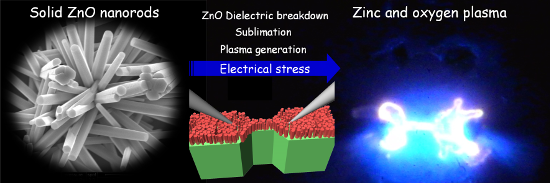
- nanostructures [2], nanoscale electronic devices and large area electronics has led to significant research efforts in metal-oxide semiconductors such as ZnO. ZnO is a common, low-cost, antibacterial [3] material that forms various nanostructures depending on the process conditions. It is a direct and wide band


Ultrastructural changes in methicillin-resistant Staphylococcus aureus induced by positively charged silver nanoparticles
Beilstein J. Nanotechnol. 2015, 6, 2396–2405, doi:10.3762/bjnano.6.246
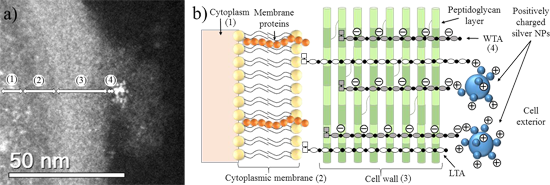
- Abstract Silver nanoparticles offer a possible means of fighting antibacterial resistance. Most of their antibacterial properties are attributed to their silver ions. In the present work, we study the actions of positively charged silver nanoparticles against both methicillin-sensitive Staphylococcus
- polyanionic backbones of teichoic acids and the related cell wall glycopolymers of bacteria as a first target, consequently stressing the structure and permeability of the cell wall. This hypothesis provides a major mechanism to explain the antibacterial effects of silver nanoparticles on Staphylococcus
- , leading to structural strain in and permeability of the bacterial cell wall. This finding provides a major mechanism to explain the antibacterial properties of silver nanoparticles on Staphylococcus aureus. Results and Discussion Characterization of AgNPs TEM images of silver nanoparticles (Figure 1a


Green and energy-efficient methods for the production of metallic nanoparticles
Beilstein J. Nanotechnol. 2015, 6, 2354–2376, doi:10.3762/bjnano.6.243
- exhibited higher thermal stability of Ag–CTS in comparison to CTS. Their microbial experiments showed that the antibacterial performance of Ag–CTS is more than either Ag NPs or CTS [72]. Sun et al. prepared Au NPs using HAuCl4 as a precursor and CTS as the reducing agent and stabilizer in a 30 h reaction at
- , 6, 24 and 48 h, respectively. According to the measured zeta potential of 54.5 mV, they concluded that the synthesized Ag NPs had acceptable stability [4]. In another study, they studied the antibacterial activity of different sizes of Ag NPs against two different bacteria and observed that Ag NPs
- with smaller size have a higher antibacterial activity [62]. Li et al. synthesized Ag NPs using PEG-200 as reducing and stabilizing agent and AgNO3 as precursor at ambient temperature within 6 h. Their analysis showed that the Ag NPs are spherical and stable for several weeks and the particle sizes are


Paramagnetism of cobalt-doped ZnO nanoparticles obtained by microwave solvothermal synthesis
Beilstein J. Nanotechnol. 2015, 6, 1957–1969, doi:10.3762/bjnano.6.200
- attractive material with a wide range of applications such as: transparent transistors based on semiconducting transparent oxides [4], ultraviolet (UV) light blockers [5], photocatalysts [6] or antibacterial uses [7]. The energy band gap of ZnO is ≈3.3 eV at room temperature, corresponding to a wavelength of




Synthesis, characterization and in vitro effects of 7 nm alloyed silver–gold nanoparticles
Beilstein J. Nanotechnol. 2015, 6, 1212–1220, doi:10.3762/bjnano.6.124
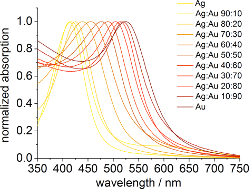
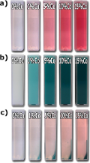
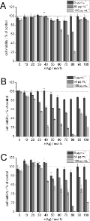
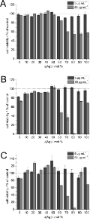
- bacteria [6][7][8]. As a result, they are often employed as antibacterial agents in biomedicine or in consumer products [9][10][11]. Unfortunately, the therapeutic window for silver nanoparticles is rather narrow as silver nanoparticles are also toxic towards eukaryotic cells [11][12]. In contrast, gold


Fulleropeptide esters as potential self-assembled antioxidants
Beilstein J. Nanotechnol. 2015, 6, 1065–1071, doi:10.3762/bjnano.6.107
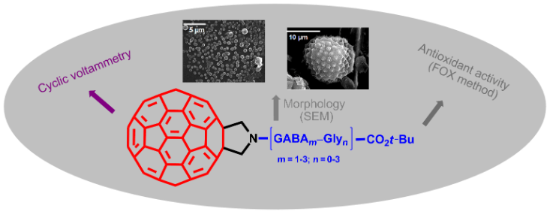
- , Keller et al. [18] reported the synthesis of fullerenedihydropyrrole cationic peptides, which did not show antibacterial activity. Neuroprotective and antioxidant properties are based on the fact that fullerene derivatives possess an extended π-bond system, with high electron and free-radical species


Novel ZnO:Ag nanocomposites induce significant oxidative stress in human fibroblast malignant melanoma (Ht144) cells
Beilstein J. Nanotechnol. 2015, 6, 570–582, doi:10.3762/bjnano.6.59
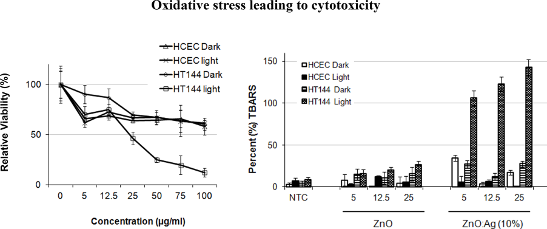
- antibacterial properties [12][13], are used in the cosmetics industry [14][15], and are used as nanoscale biosensors [11] and as drug carriers [16][17]. These NPs are being increasingly recognized due to their differential activity against tumor cells while being non-toxic to normal cells [18][19][20][21][22
- in the light source used, the percentage of Ag content or the cellular model used. Sharma et al. [32] reported zinc oxide nanoparticles with different formulations (0.1, 0.2, 0.3 and 0.4%) of Ag (size range: 23–59 nm) for their antibacterial activity and Shah et al. [33] reported that ZnO nanorods




Green preparation and spectroscopic characterization of plasmonic silver nanoparticles using fruits as reducing agents
Beilstein J. Nanotechnol. 2015, 6, 293–299, doi:10.3762/bjnano.6.27
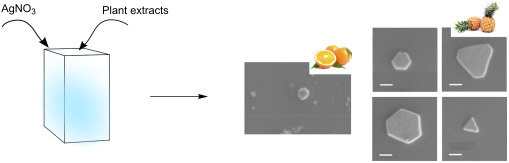
- catalyst, as antibacterial agents in medicine or plasmonic active structures in optical sensing and imaging [1][2][3][4][5][6]. These broad fields of applications generate a strong interest also in the preparation of metal nanoparticles. Many methods have been invented to synthesize nanoparticles, which


Overview about the localization of nanoparticles in tissue and cellular context by different imaging techniques
Beilstein J. Nanotechnol. 2015, 6, 263–280, doi:10.3762/bjnano.6.25
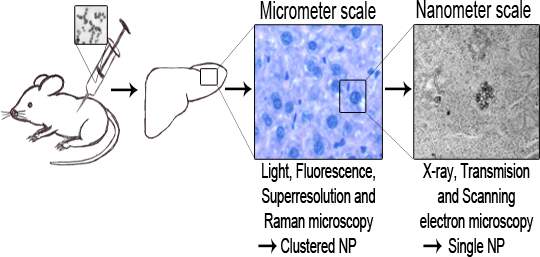
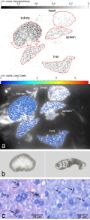
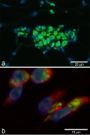
- manifold. For example, nanomaterials find application in surgical implants to improve tissue formation or due to their antibacterial action, they may be useful for gene or drug delivery systems as well as diagnostic imaging tools [3][4][5][6][7]. On the other hand, due to the entirely new properties of NP



Nanobioarchitectures based on chlorophyll photopigment, artificial lipid bilayers and carbon nanotubes
Beilstein J. Nanotechnol. 2014, 5, 2316–2325, doi:10.3762/bjnano.5.240
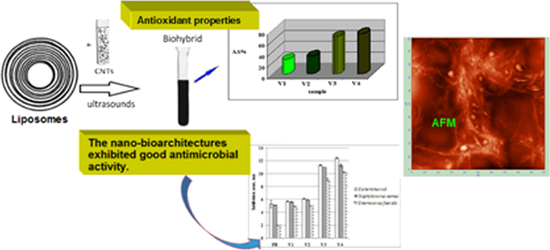
- radical scavenging ability (affording an antioxidant activity of 73.25%) and enhanced biocidal ability, offering inhibition zones of 12.4, 11.3 and 10.2 mm in diameter, against Escherichia coli, Staphylococcus aureus and Enterococcus faecalis, respectively. Keywords: antibacterial activity; antioxidant
- , which has been exploited in the preparation of anti-aging cosmetics and sunscreen creams to protect skin against free radicals formed by the body or by UV sunlight [10]. The goal of this work is to achieve antioxidant and antibacterial bionanomaterials based on liposomes and carbon nanotubes, which
- standard sample at t = 5 s, and I is the maximum CL intensity for a sample at t = 5 s [29]. Three measurements were performed for each sample in order to accurately evaluate the antioxidant activity. Antibacterial assay The antibacterial activity of the samples was tested against Gram-positive and Gram





