Search results
Search for "bacteria" in Full Text gives 182 result(s) in Beilstein Journal of Nanotechnology.
Antimicrobial metal-based nanoparticles: a review on their synthesis, types and antimicrobial action
Beilstein J. Nanotechnol. 2020, 11, 1450–1469, doi:10.3762/bjnano.11.129
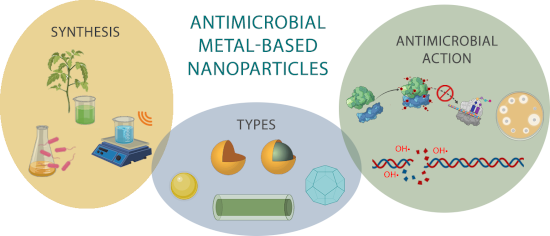
- and private research centers, in order to reduce nosocomial infections and foodborne diseases. The elimination of pathogenic microorganisms, such as bacteria, fungi, and yeast, in order to avoid health issues has been a major goal in these fields. There are two terms that can define the antibacterial
- efficiency of a given compound: An agent is considered “bacteriostatic” if it delays the bacterial growth, maintaining the initial growth phase for a longer period of time. An antibacterial agent can also be “bactericidal” if it completely inhibits and kills the bacteria. However, the bacteriostatic and
- bactericidal effects exhibited by the compounds during in vitro experiments depend on several factors, including bacterial density, test duration, growth conditions, and the reduction in bacteria concentration. For these reasons, in many studies the compounds are better described as substances with excellent


Photothermally active nanoparticles as a promising tool for eliminating bacteria and biofilms
Beilstein J. Nanotechnol. 2020, 11, 1134–1146, doi:10.3762/bjnano.11.98
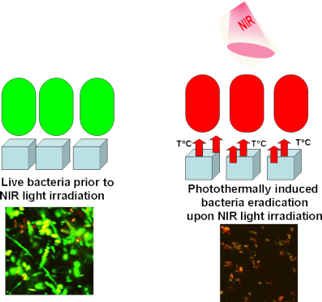
- being drawn to photothermally active nanoparticles that are capable of converting absorbed light into heat. These nanoparticles can efficiently eradicate bacteria and biofilms upon light activation (predominantly near the infrared to near-infrared spectral region) due a rapid and pronounced local
- nanocomposites for the light-triggered eradication of bacteria and biofilms. Keywords: antibacterial activity; bacteria eradication; nanoparticles; NIR light; photothermal effect; Introduction Bacteria are considered the major source of hospital-acquired nosocomial infections and patients are at a risk higher
- than 13.5% of contracting these diseases [1][2]. In addition, the bacterial strains are becoming increasingly resistant to conventional drug treatments [3]. One reason for bacterial resistance is that after attaching to a surface, bacteria can generate biofilms. Biofilms are organized sessile microbial


Gram-scale synthesis of splat-shaped Ag–TiO2 nanocomposites for enhanced antimicrobial properties
Beilstein J. Nanotechnol. 2020, 11, 1119–1125, doi:10.3762/bjnano.11.96
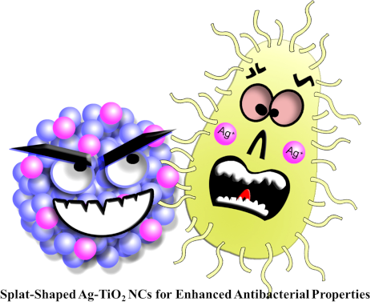
- reproduction rate, such as virus, fungi and bacteria, has an influence on the human health and environment. However, it is a challenge to find remedies against these bacteria to control the permanent adhesive reaction. The Food and Drug Administration (FDA) has approved some potential antibacterial agents
- based on polymers and layer-by-layer coating to prevent pathogenic bacteria. Antibacterial agents, such as antibiotics, quaternary ammonium compounds and metal ions have been widely used. However, the extensive use of antibiotics against some bacteria might increase the bacterial resistance to these
- which have significant antimicrobial activity against Gram-positive and Gram-negative bacteria [16][17]. Importantly, Ag and TiO2 NPs have been reported to be less toxic to humans [2][18][19][20]. In comparison to single NPs, the nanocomposites have advantages in terms of multifunctional use


Wet-spinning of magneto-responsive helical chitosan microfibers
Beilstein J. Nanotechnol. 2020, 11, 991–999, doi:10.3762/bjnano.11.83
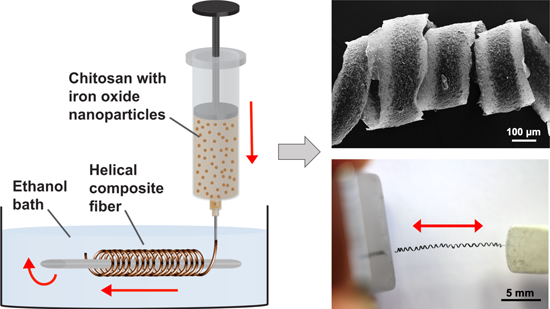
- [1], the nanoscopic flagella in bacteria [2], the spiral shape of some bacteria (e.g., Helicobacter pylori) [3], the chiral seed pods [4], and the macroscopic tendrils of climbing plants [5][6]. With their ability to store mechanical energy and to optimize the accessible surface area of a biological


Integrated photonics multi-waveguide devices for optical trapping and Raman spectroscopy: design, fabrication and performance demonstration
Beilstein J. Nanotechnol. 2020, 11, 829–842, doi:10.3762/bjnano.11.68
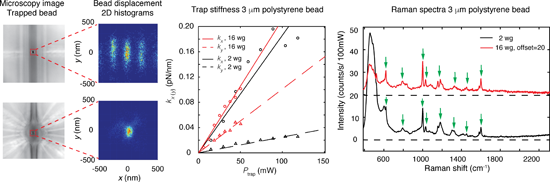
- bacteria and various types of biological cells [1]. In this context, LOC devices for optical trapping and Raman spectroscopy are very promising. An ultimate goal for such LOC devices is on-the-spot identification of single biological particles by Raman spectroscopy using a chip-based portable system. These
- powers of several milliwatts. Thus, we have quite some power left for making the transition to stable trapping of, for example, bacteria, human cells or extracellular vesicles. The 16-waveguide device is the better choice in this respect, since Table 1 indicates that it clearly has a higher trap
- bacteria. Making this transition can be challenging, due to the lower refractive index contrast of biological particles with respect to water (thus making these particles harder to trap) and the lower concentration of molecules contributing to Raman peaks. Schematic of the device concept with four


Silver-decorated gel-shell nanobeads: physicochemical characterization and evaluation of antibacterial properties
Beilstein J. Nanotechnol. 2020, 11, 620–630, doi:10.3762/bjnano.11.49
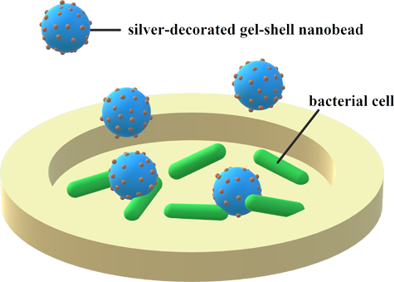
- incorporation of [Ag(NH3)2]+ complexes, followed by the reduction of the silver precursor with polyvinylpyrrolidone [23]. The resulting composite was examined with regard to its antimicrobial properties against Escherichia coli and Staphylococcus aureus bacteria. Similarly, Liao et al. obtained polystyrene
- antibacterial potential of the synthesized material, precise broth micro-dilution assays have been performed for selected gram-negative and gram-positive bacteria, mostly pathogens. The obtained results are presented in Table 1. The concentrations are expressed as the mass of metallic silver contained in the
- reports indicating a profound resistance of bacteria grown in biofilms to antimicrobials. Bacterial biofilms are generally less susceptible to silver nanoparticles than planktonic cells, probably due to the extracellular matrix coating the cells in a biofilm, aggregation of the cells to reduce their


Luminescent gold nanoclusters for bioimaging applications
Beilstein J. Nanotechnol. 2020, 11, 533–546, doi:10.3762/bjnano.11.42
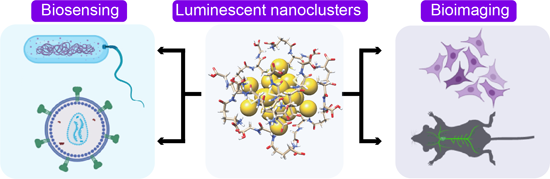
- been previously summarized in several reports [54][78][79][80][81][82]. This review discusses an overview of the application of gold NCs in biosensing and bioimaging. Importantly, the sensing of pathogenic bacteria and viruses, in vitro imaging of cell lines and in vivo bioimaging using animal models
- systematic study used several other pathogenic bacteria, including Streptococcus pyogenes, vancomycin-resistant Enterococcus faecalis (VRE), E. Coli J96, Pseudomonas aeruginosa, pandrug-resistant Acinetobacter baumannii and Enterobacter cloacae in phosphate-buffered saline (PBS) at pH 6 (Figure 2A
- rigidify the surface resulting in a 28-fold increase in the PL of Au-MTU/Prot NCs compared to that of Au-MTU NCs. The resulting Au-MTU/Prot NCs displayed antibacterial properties with abilities to kill both Gram-positive and Gram-negative bacteria, which was shown using E. coli and SA strains. The addition


Preparation and in vivo evaluation of glyco-gold nanoparticles carrying synthetic mycobacterial hexaarabinofuranoside
Beilstein J. Nanotechnol. 2020, 11, 480–493, doi:10.3762/bjnano.11.39
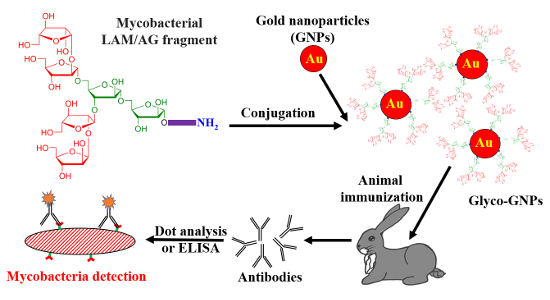
- . coli cells, confirms the antigenic identity of the Ara6 epitope and surface cell antigens for all Mycobacteria and the specificity for this group of bacteria. Nevertheless, we have identified differences in the interaction of antibodies, obtained with Ara6-GNPs, with the cells of three mycobacterial


Interactions at the cell membrane and pathways of internalization of nano-sized materials for nanomedicine
Beilstein J. Nanotechnol. 2020, 11, 338–353, doi:10.3762/bjnano.11.25
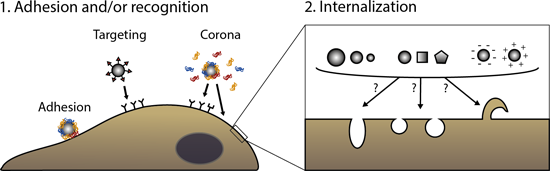
- bacteria capable to travel to other intracellular locations [173][174][175][176]. Several reviews fully focused on endo-lysosomal escape have summarised current efforts in this direction [174][175][176][177]. Another open question that is debated in the field is whether nano-sized materials, including


Facile biogenic fabrication of hydroxyapatite nanorods using cuttlefish bone and their bactericidal and biocompatibility study
Beilstein J. Nanotechnol. 2020, 11, 285–295, doi:10.3762/bjnano.11.21
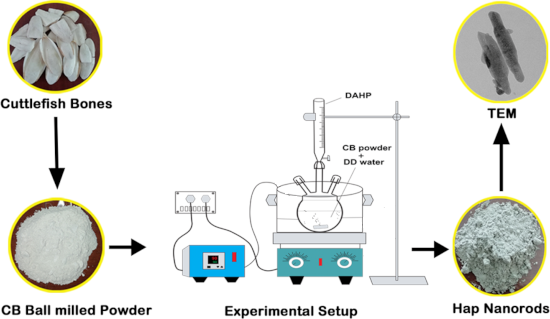
- confirm the presence of nanorods and to evaluate their physicochemical properties. Furthermore, in vitro antimicrobial studies with gram-positive (Staphylococcus aureus) and gram-negative (Escherichia coli) bacteria, in addition to hemolysis studies with healthy human blood were performed to evaluate the
- activity showed better activity against gram-positive S. aureus bacteria. Moreover, the Hap can be incorporated with metal dopants in future experiments to further elevate their biocompatibility towards blood cells and increase their antibacterial efficacy. These enhanced biological properties of biogenic
- heating rate of 20 °C/min under 100 mL/min nitrogen flow rate. Biological studies Antibacterial study The bactericidal activity of the CB-Hap NRs was assessed using well diffusion methods against two different gram-positive and gram-negative bacteria, E. coli, and S. aureus, respectively. The nutrient


Microfluidics as tool to prepare size-tunable PLGA nanoparticles with high curcumin encapsulation for efficient mucus penetration
Beilstein J. Nanotechnol. 2019, 10, 2280–2293, doi:10.3762/bjnano.10.220
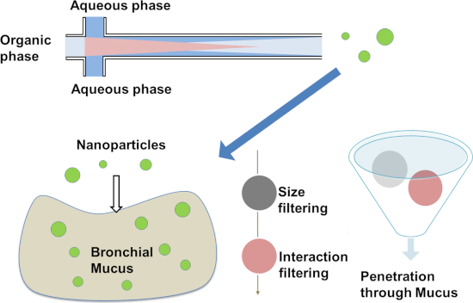
- , 66119 Saarbrücken, Germany KIST Europe, 66123 Saarbrücken, Germany 10.3762/bjnano.10.220 Abstract Great challenges still remain to develop drug carriers able to penetrate biological barriers (such as the dense mucus in cystic fibrosis) and for the treatment of bacteria residing in biofilms, embedded in


Nitrogen-vacancy centers in diamond for nanoscale magnetic resonance imaging applications
Beilstein J. Nanotechnol. 2019, 10, 2128–2151, doi:10.3762/bjnano.10.207
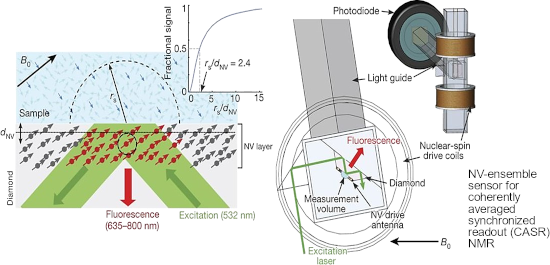
- magnetotactic bacteria were deposited. Magnetic imaging of living magnetotactic bacteria under room-temperature conditions was achieved with a sub-cellular spatial resolution of 400 nm and a field-of-view of 100 μm. By NV center spin states, vector images of the magnetic field emitted by chains of MNPs
- , produced by the bacteria placed on the diamond surface, were rapidly reconstructed. These nanoparticle magnetic field maps were correlated with optical images together in the same apparatus. This result provided a new capability for imaging bio-magnetic structures in living cells under room-temperature
- conditions with high spatial resolution. Another demonstration of ambient temperature in-cell imaging of biomagnetic nanostructures with resolution down to 400 nm has been given by layering magnetotactic bacteria on diamond with a superficial array of NV centers. Optical detection of quantum spin states


Review of advanced sensor devices employing nanoarchitectonics concepts
Beilstein J. Nanotechnol. 2019, 10, 2014–2030, doi:10.3762/bjnano.10.198
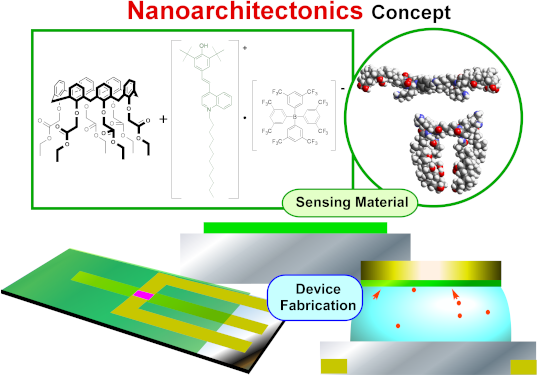
- large-scale climate monitoring. Although various living creatures, including bacteria, insects, birds, and sharks, can sense magnetic fields for orientation and navigation, humans are basically insensitive to magnetic fields. The human detection of magnetic fields can be realized using electro-skin-type





Preservation of rutin nanosuspensions without the use of preservatives
Beilstein J. Nanotechnol. 2019, 10, 1902–1913, doi:10.3762/bjnano.10.185
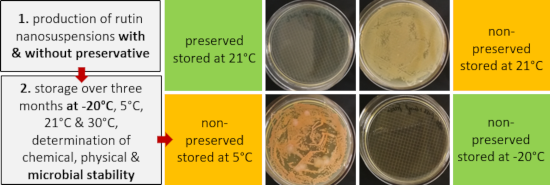
- of all aliquots during storage. The data are in good agreement with a recent study by Müller et al. in which the authors could prove chemical stability of a rutin nanosuspension for more than nine years [25]. Microbial quality The growth of bacteria and fungi was determined for all formulations after
- one, two and three months of storage. All preserved formulations showed excellent microbial quality. No fungi or bacteria were detected during the three months of storage (Figure 10). For the non-preserved nanosuspensions, data indicated that for all formulations the number of bacteria was fairly low
- upon the production with high-pressure homogenization, which is a well-described technique to reduce the number of bacteria in liquids [26]. The growth of microorganisms during storage was temperature-dependent and was also found to be slightly influenced by the type of stabilizer, i.e., a slightly


Nanoarchitectonics meets cell surface engineering: shape recognition of human cells by halloysite-doped silica cell imprints
Beilstein J. Nanotechnol. 2019, 10, 1818–1825, doi:10.3762/bjnano.10.176
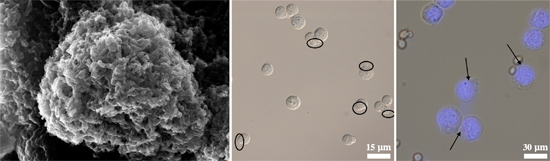
- . The cells were chemically decomposed, while the empty shells were broken by ultrasound and later used for shape-based recognition and killing of bacteria [24][25]. Inspired by the previous reports on the fabrication of colloidal cell imprints capable of microbial cell recognition [24][25], we have
- constituent of halloysite nanotubes. The main goal of this study was to demonstrate the recognition of human cells by cell-templated imprints in a similar way as was reported previously for bacteria recognition [24][25]. To do so, we have mixed the imprints (0.1 g·mL−1) with suspended HeLa cells (106 mL−1) in
- apparently facilitated by the shape matching between the bacteria with rigid cell walls and the relatively uniform hollow imprints. In our study large-scale shape recognition is not likely to occur because HeLa cells are labile and do not keep the shape as well as bacteria do. We therefore believe that the


Novel hollow titanium dioxide nanospheres with antimicrobial activity against resistant bacteria
Beilstein J. Nanotechnol. 2019, 10, 1716–1725, doi:10.3762/bjnano.10.167
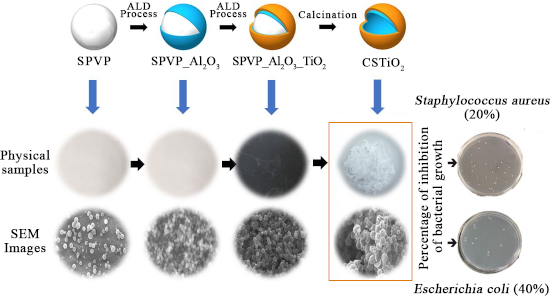
- bacteria, including resistant E. coli and S. aureus strains, and when compared to commercial TiO2 nanoparticles, CSTiO2 nanospheres exhibited superior performance. In addition, the positive effect of UV irradiation on the antimicrobial activity was demonstrated. Keywords: antimicrobial nanoparticles
- -positive and Gram-negative bacteria [2]. In recent years, metal and metal oxide NPs, such as silver, gold, titanium and zinc oxide NPs, have been extensively studied due to their interesting antimicrobial character [3][4][5]. Titanium dioxide (TiO2) NPs have also attracted significant attention due to
- , structural and thermal properties. In addition, the antimicrobial activity against common and multidrug-resistant bacteria were also studied. Crucial factors, such as the size, surface morphology and crystal structure of the NPs, were found to affect their antibacterial mechanism. Thus, the comparison of the


Targeting strategies for improving the efficacy of nanomedicine in oncology
Beilstein J. Nanotechnol. 2019, 10, 168–181, doi:10.3762/bjnano.10.16
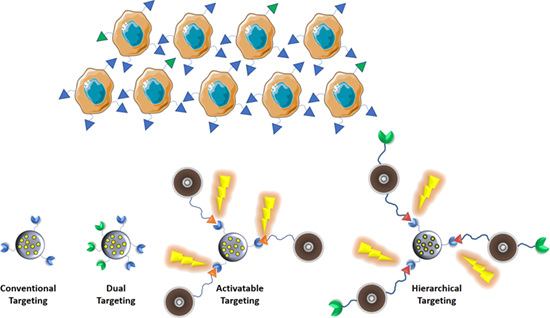
- eliminating them before the appearance of any symptoms. Nanoparticles can interact with cells, bacteria and viruses in a very intimate and efficient way because they present a similar size than these biological entities [1]. This close interaction has been exploited for achieving important abilities such as


New micro/mesoporous nanocomposite material from low-cost sources for the efficient removal of aromatic and pathogenic pollutants from water
Beilstein J. Nanotechnol. 2019, 10, 119–131, doi:10.3762/bjnano.10.11
- developed multiple resistances over the years. Moreover, as bacteria also have a spore or vegetative phase, biological pathogens can persist for a very long time in the environment and withstand common disinfection methods [7][8]. Thus, there is a real need for advanced water treatment processes that
- observation, we have modified the synthesis strategy using microwave irradiation rather than thermal treatment during synthesis. The resulting materials have been successfully used for the removal of phosphates and gram-negative bacteria from aqueous media [21][22]. Unfortunately, these materials are not
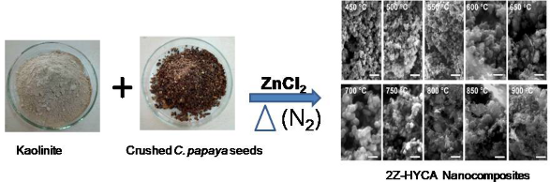
- -nitrophenol and E. coli bacteria, we prepared an initial set of materials with MgCl2 and ZnCl2 at a reaction temperature of 500 °C. Figure 1a shows the nitrogen sorption isotherms of 1M-HYCA, 1Z-HYCA, and 2Z-HYCA (see experimental part for sample labels). The shape of the isotherms suggests the presence of




Comparative biological effects of spherical noble metal nanoparticles (Rh, Pd, Ag, Pt, Au) with 4–8 nm diameter
Beilstein J. Nanotechnol. 2018, 9, 2763–2774, doi:10.3762/bjnano.9.258
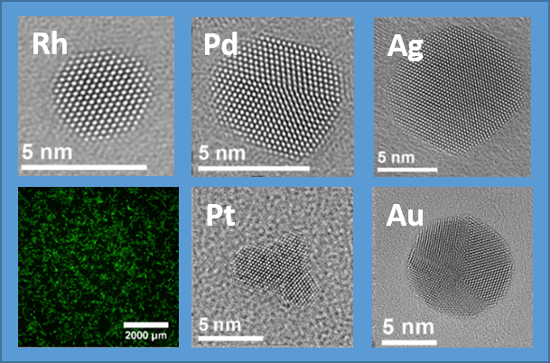
- ]. Some authors have reported antimicrobial activity of gold, platinum, and palladium nanoparticles in the size range of 5 to 30 nm against gram-negative and gram-positive bacteria [23][24][25] and distinct adverse biological effects such as genotoxicity, induction of apoptosis and cell cycle arrest of


Nanocellulose: Recent advances and its prospects in environmental remediation
Beilstein J. Nanotechnol. 2018, 9, 2479–2498, doi:10.3762/bjnano.9.232
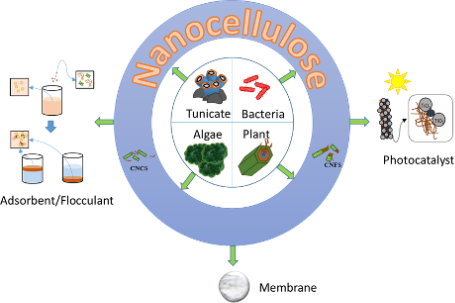
- by the action of bacteria. In this review, some invigorating perspectives on the challenges, future direction, and updates on the most relevant uses of nanocellulose in environmental remediation are discussed. The reported applications and properties of nanocellulose as an adsorbent, photocatalyst
- purification steps must be taken to extract and obtain CNC. Sources of nanocellulose Cellulose, generally speaking, has to be extracted from a source before nanocellulose can be produced. To date, cellulose can be obtained from a broad range of sources including algae, bacteria, plants, and tunicates. The
- compared with bacteria [43]. Bacteria Building on the multifunctional and environmental benefits of nanocellulose materials, many researchers have started to investigate the capacity for nanocellulose production through microbial hosts. Similar to algae-based cellulose, BC is of high purity as it is free


Block copolymers for designing nanostructured porous coatings
Beilstein J. Nanotechnol. 2018, 9, 2332–2344, doi:10.3762/bjnano.9.218
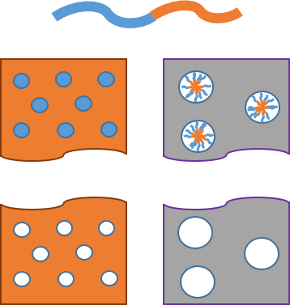
- , beer, and juices) [26], or in the selective removal of bacteria in blood [27]. Porous polymeric coatings possess the advantages of high surface area materials with a well-defined porosity [28][29], easy processability (i.e., to form molded monoliths or thin films) [30][31][32], and the possibility of
- many separation processes of complex matrices, such as in the clarification of beverages (i.e., milk, beer, and juices), the remediation of polluted water, or in the selective removal of bacteria and viruses from bloods. The main advantage of this technique is that membrane technology is a simple


Fabrication of photothermally active poly(vinyl alcohol) films with gold nanostars for antibacterial applications
Beilstein J. Nanotechnol. 2018, 9, 2040–2048, doi:10.3762/bjnano.9.193
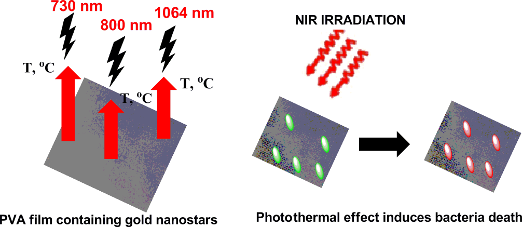
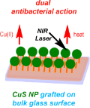
- resulting films displayed good mechanical properties and a pronounced photothermal effect under NIR irradiation. The local photothermal effect triggered by NIR irradiation of the PVA-GNS films is highly efficient at killing bacteria, therefore providing an opportunity to develop new types of protective
- studies have reported the preparation and the antibacterial efficacy of PVA films containing plant extracts, silver nanoparticles or zinc oxide nanoparticles [17][18][19][20][21][22]. However, when bacteria start to form biofilms they become resistant and conventional antibiotics do not eradicate biofilms
- on glass slides [8]. In this case, the efficient photothermal response of the monolayers resulted in a local hyperthermia effect that was capable of killing bacteria in Staphylococcus aureus biofilms [8]. Therefore, the motivation of the present work lies on the assumption that the incorporation of


Recent highlights in nanoscale and mesoscale friction
Beilstein J. Nanotechnol. 2018, 9, 1995–2014, doi:10.3762/bjnano.9.190
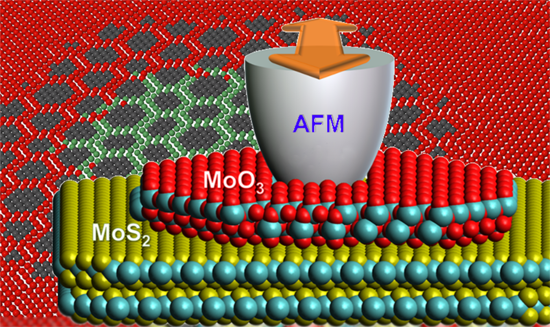
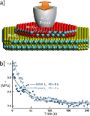
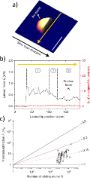
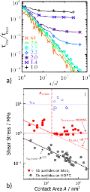
- very demanding to keep the contamination with multi-resistant bacteria at the lowest possible levels. The question to be addressed here is: Is it possible to influence friction and wear by mechanical, optical, electrical or magnetic stimuli? For instance, previous experiments on the nanometer scale


Review on nanoparticles and nanostructured materials: history, sources, toxicity and regulations
Beilstein J. Nanotechnol. 2018, 9, 1050–1074, doi:10.3762/bjnano.9.98

- produced nanomaterials Apart from incidental and engineered nanomaterials, nanoparticles and nanostructures are present in living organisms ranging from microorganisms, such as bacteria, algae and viruses, to complex organisms, such as plants, insects, birds, animals and humans. Recent developments in the
- living organism inside host cells. Generally, they are considered to be harmful as they cause disease in bacteria [121], plants [122], animals [123] and humans [124]. Advances in molecular biology have increased the possibility to genetically tailor viruses for use as catalysts and bio-scaffolds
- [131][132]. Plant viruses have been found to be nontoxic towards human cells at required dosages for effective administration of the drug load [133][134]. Nanobacteria and nanobes: Generally, bacteria will bind to soluble, toxic heavy metals and precipitate them to their surface, producing metal NPs


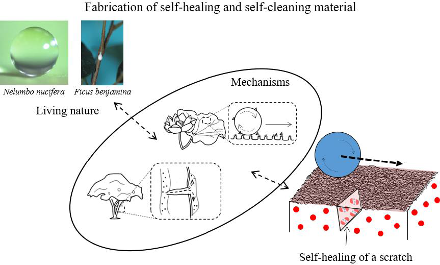
Bioinspired self-healing materials: lessons from nature
Beilstein J. Nanotechnol. 2018, 9, 907–935, doi:10.3762/bjnano.9.85