


Search results
Search for "cell membrane" in Full Text gives 147 result(s) in Beilstein Journal of Nanotechnology.
Uptake of the proteins HTRA1 and HTRA2 by cells mediated by calcium phosphate nanoparticles
Beilstein J. Nanotechnol. 2017, 8, 381–393, doi:10.3762/bjnano.8.40
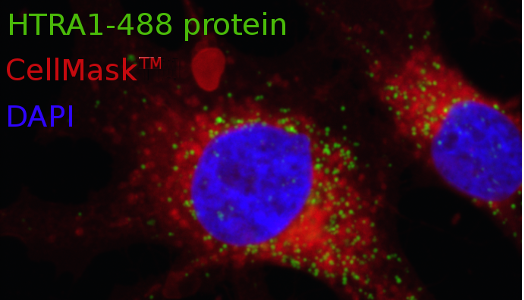
- flow cytometry. All proteins were readily transported into the cells by cationic calcium phosphate nanoparticles. Notably, only HTRA1 was able to penetrate the cell membrane of MG-63 cells in dissolved form. However, the application of endocytosis inhibitors revealed that the uptake pathway was
- different for dissolved HTRA1 and HTRA1-loaded nanoparticles. Keywords: calcium phosphate; endocytosis; nanoparticles; proteins; Introduction Many receptors for drugs or proteins are located inside cells [1][2]. However, because many biomolecules are not able to penetrate the cell membrane on their own, a
- suitable carrier is required [3][4]. Nanoparticles are readily taken up by cells via endocytosis and are easily able to deliver their cargo into cells across the cell membrane [5][6][7]. Calcium phosphate nanoparticles have demonstrated to be very efficient to transport (bio)molecules into cells [8][9


On the pathway of cellular uptake: new insight into the interaction between the cell membrane and very small nanoparticles
Beilstein J. Nanotechnol. 2016, 7, 1296–1311, doi:10.3762/bjnano.7.121
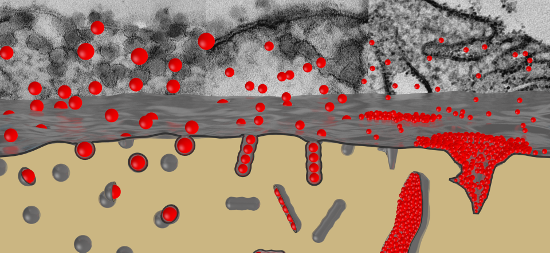
- to that, SiNPs seem to have the potential of disturbing Ca2+ homeostasis [27]. The aim of our study is to expand the window of nanoparticle–cell membrane ultrastructural investigations to particle sizes well below 25 nm in diameter. Little electron microscopic information exists in this size regime
- adsorption of proteins to the silica surface followed by some kind of flocculation process. The hydrodynamic radius of these agglomerates was in the order of 100 to 300 nm (Table 2, Figure 2A). Morphological examination of the NP–cell membrane interaction This directly raises the question, if the
- agglomeration of NPs plays a crucial role in their uptake into cells. Accordingly, one has to examine the adsorption of the NP agglomerates on the cell membrane. Figure 3 shows a scanning electron microscope (SEM) micrograph of a HeLa cell exposed to 100 µg·mL−1 SiNP-22 for 15 min prior to fixation. It is worth




High antiviral effect of TiO2·PL–DNA nanocomposites targeted to conservative regions of (−)RNA and (+)RNA of influenza A virus in cell culture
Beilstein J. Nanotechnol. 2016, 7, 1166–1173, doi:10.3762/bjnano.7.108
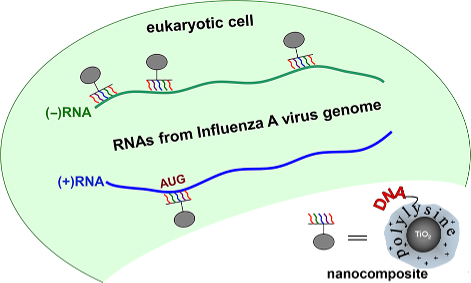
- inhibit the reproduction of IAV in cell culture. TiO2 nanoparticles (of ≈5 nm in diameter) are known to penetrate through cell membrane [23]. It was clearly demonstrated in our previous work [17][18] that they are good vehicles to transport DNA fragments into cells. There are literature data that show


Multiwalled carbon nanotube hybrids as MRI contrast agents
Beilstein J. Nanotechnol. 2016, 7, 1086–1103, doi:10.3762/bjnano.7.102
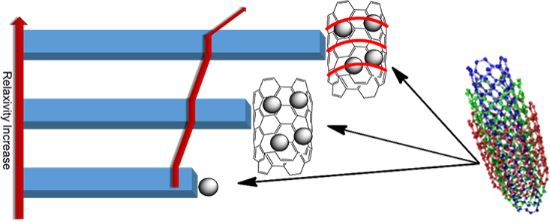
- their potential as CAs exclusively in one of the MRI modes (T1 or T2). Further requirements consisted in better biocompatibility with the targeting of tumor cells, coupling with stem cells as well as crossing the cell membrane and blood–brain barrier. Finally, involving CNT activity in other diagnostic
- vivo studies. It is not clear whether the polyether chains of the poloxamer Pluronic® served as a non-ionic wrapping agent securing solid anchoring of the MWCNTs on the cell membrane [23][24]. Alternatively, its role might be more focused on stabilizing a disperse system by preventing the CNTs from
- agglomeration, while the lipophilic surface of the MWCNT has sufficiently high affinity to the cell membrane for permanent connections. Chen subjected pristine MWCNT to LBL (layer-by-layer) non-covalent functionalizations with the polyelectrolyte poly(allylamine hydrochloride) (PAH) followed by silica coating



Improved biocompatibility and efficient labeling of neural stem cells with poly(L-lysine)-coated maghemite nanoparticles
Beilstein J. Nanotechnol. 2016, 7, 926–936, doi:10.3762/bjnano.7.84
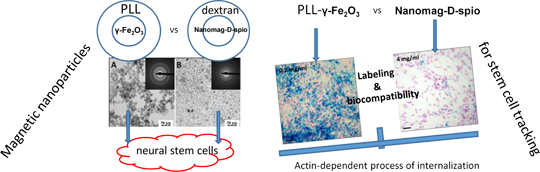
- electrostatic interaction between negatively charged ions of the cell membrane and the surface of the culture plate. Due to the presence of NH2 groups, which promote cell adhesion, PLL is as well used as a non-viral transfection agent for gene delivery and DNA complexation [20]. Our previous studies showed that




Unraveling the neurotoxicity of titanium dioxide nanoparticles: focusing on molecular mechanisms
Beilstein J. Nanotechnol. 2016, 7, 645–654, doi:10.3762/bjnano.7.57
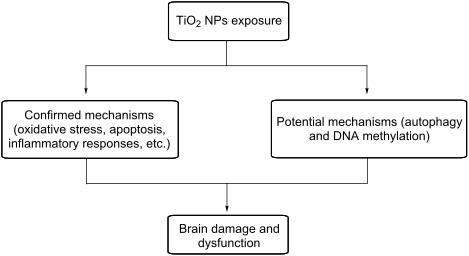
- toxic effects on cell structures Cell components, such as the cell membrane and mitochondria, can be targets of TiO2 NPs. TiO2 NPs can decrease cell viability of primary rat astrocytes. Herein, the mitochondrial morphology was changed and mitochondrial membrane potential (MMP) was reduced, suggesting
- mitochondrial impairment. At the same time, glutamate uptake was down-regulated, and ROS was promoted [38]. Coccini et al. [39] found that when D384 (human glial cell line) and SH-SY5Y (human neuronal cell line) cells were treated with TiO2 NPs, mitochondrial dysfunction, impaired cell membrane, and changes in
Antibacterial activity of silver nanoparticles obtained by pulsed laser ablation in pure water and in chloride solution
Beilstein J. Nanotechnol. 2016, 7, 465–473, doi:10.3762/bjnano.7.40
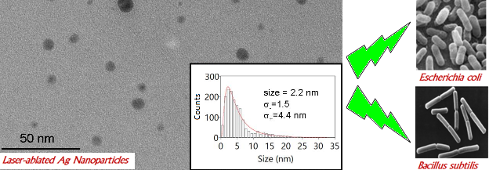
- the microbial cell, which disturbs the power functions of the cell membrane and causes structural damage; (b) the generation of reactive oxygen species (ROS), which damage the cell membrane; and (c) the interference with DNA replication and inhibition of enzymes and other proteins [13][17][18][19][20
- ][30]. The bactericidal activity is at least partly related to the direct interaction of the NPs with the cell membrane. In this respect, Morones et al. [13] demonstrated that with Gram-negative bacteria, this type of interaction is size dependent, and it occurs when NPs exhibit a diameter of ≈1–10 nm


pH-Triggered release from surface-modified poly(lactic-co-glycolic acid) nanoparticles
Beilstein J. Nanotechnol. 2015, 6, 2504–2512, doi:10.3762/bjnano.6.260
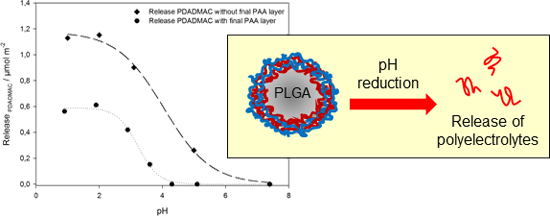
- taken up by endocytosis. During the process of endocytosis, nanoparticular drug carriers most often end up in endolysosomes with a reduced internal pH value. In order to provide improved accessibility of the drug to the whole cell, membrane destruction of the endolysosomal bilayer would be beneficial


Ultrastructural changes in methicillin-resistant Staphylococcus aureus induced by positively charged silver nanoparticles
Beilstein J. Nanotechnol. 2015, 6, 2396–2405, doi:10.3762/bjnano.6.246
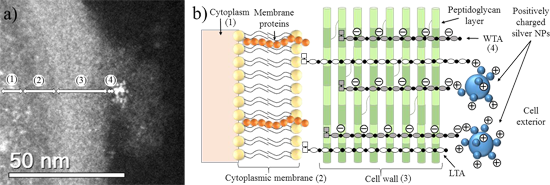
- permeability [38]. After penetrating the cell membrane, AgNPs can also alter sulfur-containing amino acids and phosphorus (a main constituent of DNA), inhibiting replication via attaching to the bacterial ribosome [39][40]. The proteomic signatures of AgNP-treated E. coli demonstrated an accumulation of
- cell wall becomes deformed and damaged is shown. Disruption of bacterial membranes induces pore and hole formation (Figure 9a,b) and also generates deformation of cell shape (Figure 7 and Figure 9a), damage of the PG layer, porosity of the cell membrane and consequent discharge of cytoplasmic (Figure
- the bacterial cell membrane and causing osmotic rupture and lysis (Figure 4b, Figure 7d, Figure 8b and Figure 9a). WTAs and related CWGs have important functions in the cell architecture, replication, and other main characteristics of Gram-positive bacteria [20]. Therefore, membrane integrity is vital


NanoE-Tox: New and in-depth database concerning ecotoxicity of nanomaterials
Beilstein J. Nanotechnol. 2015, 6, 1788–1804, doi:10.3762/bjnano.6.183
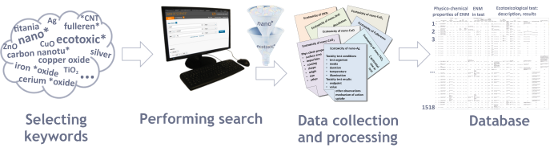
- interactions may cause cell membrane damage [13][46]. In most studies ζ-potential is used as an indication of the surface charge of ENMs and NPs are considered to be stable in aqueous suspension if the ζ-potential is greater than ±30 mV [47]. In NanoE-Tox database, ζ-potential was reported in 40% of the


Atomic force microscopy as analytical tool to study physico-mechanical properties of intestinal cells
Beilstein J. Nanotechnol. 2015, 6, 1457–1466, doi:10.3762/bjnano.6.151
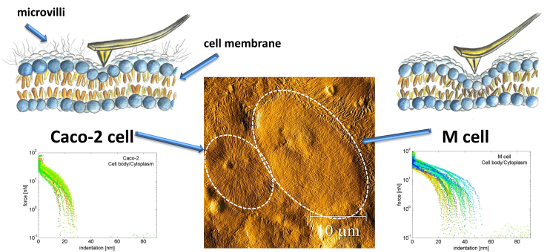
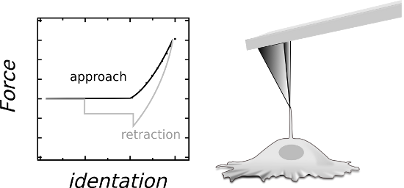
- parameters that reflect the plastic and/or elastic (deformation) behavior of the sample under load. For a mechanical response, which is ideally elastic, the indentation and retraction curve will be identical (overlap). Cells undergoing plastic deformations (i.e., the cell membrane is non-reversible distorted
- the cantilever got in contact with the sample. Due to strong adhesion forces (van der Waals forces), the tip snapped in contact with the cell membrane. When retracting the tip, adhesion was maintained until the cantilever-force overcame the pull-off force (also referred as adhesion force) [51]. Lowest
- permeation enhancer via altering of the cell membrane integrity [60]. Moreover, bile salts form micells in aequeous solutions, enhancing transport of foreign substances [61]. This clearly shows that further research activities (e.g.; liquid-state AFM imaging using simulated intestinal fluid) are required to


Protein corona – from molecular adsorption to physiological complexity
Beilstein J. Nanotechnol. 2015, 6, 857–873, doi:10.3762/bjnano.6.88
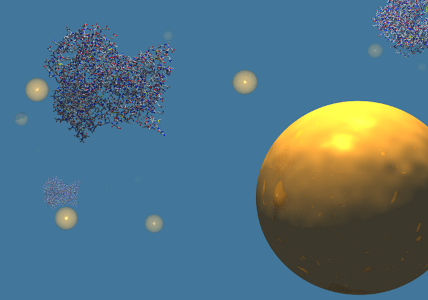
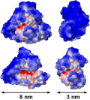
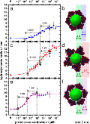
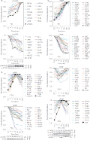
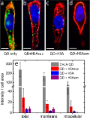
- confocal microscopy. In these experiments, all QDs were found to accumulate at the cell membrane within minutes after exposure. However, the kinetic analysis of this process showed characteristic times for QD association to the membrane to differ by more than one order of magnitude. Rate coefficients were
- also determined for internalization of NPs and varied less than a factor of 2. The combined interpretation of their data, allowed them to deduce that the overall uptake is controlled by the binding of the NP to the cell membrane. These findings will clearly help to design NPs for directed cellular



Hematopoietic and mesenchymal stem cells: polymeric nanoparticle uptake and lineage differentiation
Beilstein J. Nanotechnol. 2015, 6, 383–395, doi:10.3762/bjnano.6.38
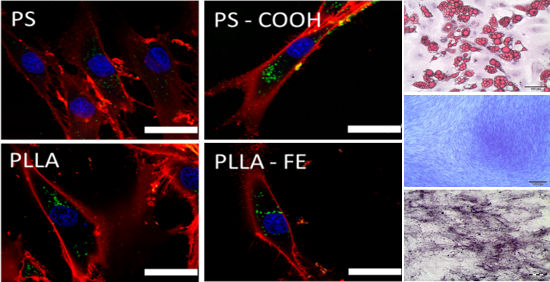
- localization of nanoparticles. Images were taken with a Leica SP5 II with a 60× oil immersion objective. The particle dye PMI was excited with the 488 nm laser, and the emission was collected at 510–540 nm. The cell membrane was stained with Cell Mask Orange according to the recommendations of the manufacturer
- , Figure S1. Particle uptake into hMSCs detected by cLSM after 24 h incubation with 300 µg/mL nanoparticles. (A) PS, (B) PS–COOH, (C) PLLA, (D) PLLA–Fe. The cell membrane is stained with CellMask Orange (red), nanoparticles are depicted in green, the cell nucleus is stained with DraQ5 and is pseudo-colored


Biological responses to nanoscale particles
Beilstein J. Nanotechnol. 2015, 6, 380–382, doi:10.3762/bjnano.6.37

- techniques have been developed to unravel the chemical and molecular mechanistic details, as well as their biological consequences. Depending on whether a given cell spends energy during the uptake of nanoparticles or not, such uptake through the cell membrane is considered to be active or passive. While
Comparative evaluation of the impact on endothelial cells induced by different nanoparticle structures and functionalization
Beilstein J. Nanotechnol. 2015, 6, 300–312, doi:10.3762/bjnano.6.28
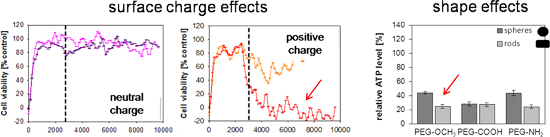
- of different nanoparticles by endothelial cells depends mainly on the surface charge. Microscopical analysis of nanoparticle uptake after 24 h of incubation: (a) SVEC4-10 after treatment with quantum dots (QDs). The QDs are indicated in red (red fluorescence), the cell membrane in green and the




The effect of surface charge on nonspecific uptake and cytotoxicity of CdSe/ZnS core/shell quantum dots
Beilstein J. Nanotechnol. 2015, 6, 281–292, doi:10.3762/bjnano.6.26
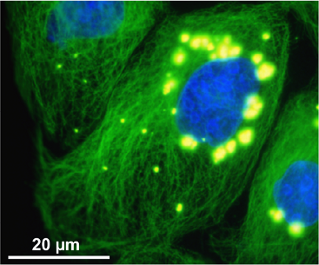
- during 2–4 hours of exposure of cells to CA–QDs. A series of frames shown in Supporting Information File 1, Figure S3 illustrates the CA–QD-induced endosome shaping from the MDCKII cell membrane into the cellular interior after 2 h of interaction. The fluorescent spot corresponding to the formed vesicle

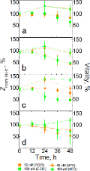


Tailoring the ligand shell for the control of cellular uptake and optical properties of nanocrystals
Beilstein J. Nanotechnol. 2015, 6, 232–242, doi:10.3762/bjnano.6.22
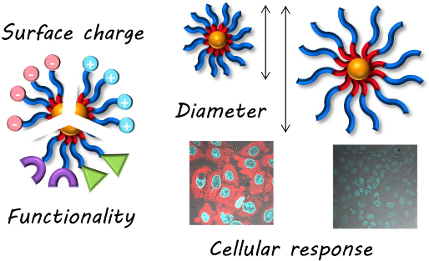
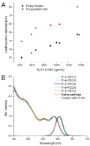
- to enhance the cellular uptake, due to the attractive interaction with the negatively charged cell membrane [35][36]. Therefore, control over the surface chemistry is crucial to study the nanocontainers behavior in vitro and in vivo. Figure 7 shows possible functionalization of PI-b-PEG prior to the
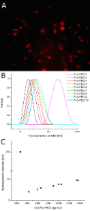
- samples, bearing the amino functions showed no unspecific interaction with the cell membrane, which qualifies the nanocontainers in a first step as versatile tools for specific targeting, since no unspecific background has to be expected. Figure 10 shows exemplarily the confocal microscopy images for the






Mechanical properties of MDCK II cells exposed to gold nanorods
Beilstein J. Nanotechnol. 2015, 6, 223–231, doi:10.3762/bjnano.6.21
- periphery of the nucleus. However, we never observed particles inside the nucleus. On some TEM images, particles are located in close proximity to the inner cell membrane [13]. In essence, we observed uptake and aggregation of CTAB coated particles almost immediately after addition, at least within a few
- of nanomedicine results from both their therapeutic and diagnostic potential based on their tuneable size in the range of 1–100 nm [1][2][3][4][5]. Being in the size-regime of cellular components such as DNA and proteins, nanoparticles are capable to overcome native dielectric barriers like the cell
- membrane rendering them prime candidates for multifunctional carriers [6][7][8]. Potential applications encompass selective drug delivery, photothermal therapy, reporters for biosensors and the use as contrast agents [5][9]. Targets can be addressed specifically by functionalization of the particle surface


Caveolin-1 and CDC42 mediated endocytosis of silica-coated iron oxide nanoparticles in HeLa cells
Beilstein J. Nanotechnol. 2015, 6, 167–176, doi:10.3762/bjnano.6.16
- numbers were observed, which confirmed no severe impact of the treatment on cell viability within the observation period. Quantitative iron analysis For quantitative determination of iron, which was taken up by cells and not attached to the plastic surface or to the outer cell membrane, cells were washed
- compositions via the Dharmacon SMARTpool® technology. As described above, cells were incubated with PEGylated SPIONs for 24 h and iron content per cell was determined. To distinguish between nanoparticles inside the cells and nanoparticles, which are attached to the outer cell membrane, control experiments at
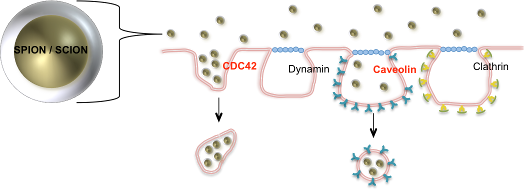
- of SCIONs by HeLa cells. This could be an indication for an unknown, alternative uptake mechanism, which is dependent on Caveolin-1 but independent from Dynamin 2. Because it is known, that Dynamin 2 plays an important role in the constriction of caveolae-coated vesicles from the inner cell membrane


Increasing throughput of AFM-based single cell adhesion measurements through multisubstrate surfaces
Beilstein J. Nanotechnol. 2015, 6, 157–166, doi:10.3762/bjnano.6.15
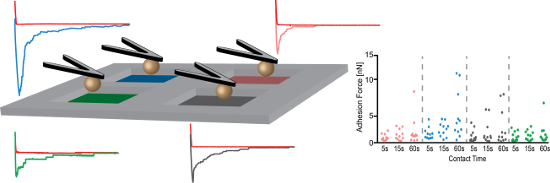
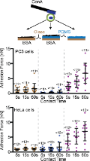
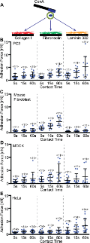
- with the unbinding of either single or clustered CAMs and can be characterized as either rupture or tether events [15][17][20]. The analysis of these unbinding events may be used to characterize the strength of single bonds and cell membrane properties [17][24][25]. Examples of the utility of SCFS
- . Rupture events are recorded when the CAM–ligand bond of a cytoskeleton-linked CAM fails. Tether events are recorded when a membrane tether is extruded from the cell membrane with the CAM at its tip (tethers). In the latter case, attachment of the CAM to the cytoskeleton is either too weak to resist the


Synthesis of boron nitride nanotubes and their applications
Beilstein J. Nanotechnol. 2015, 6, 84–102, doi:10.3762/bjnano.6.9
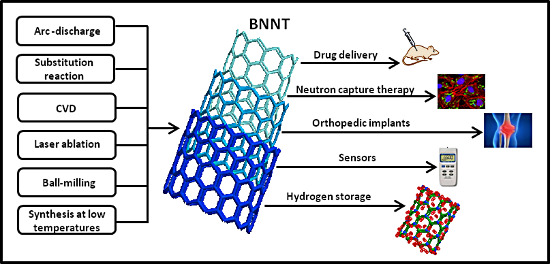
- block ATP. They concluded that the PLL–BNNTs accumulation occurred in the cell membrane with energy dependent pathways. At a concentration of up to 10 µg/mL, the PLL–BNNTs exhibited no evidence of apoptosis, necrosis and membrane permeabilization [79]. Danti et al. investigated the cellular uptake of
- demonstrated that a low electric field was adequate for electroporation. The BNNTs acted as mediators for electroporation as they interacted with the cell membrane. These experimental findings indicated that the BNNTs are promising tools for drug and gene delivery using electroporation [87]. A theoretical




Mammalian cell growth on gold nanoparticle-decorated substrates is influenced by the nanoparticle coating
Beilstein J. Nanotechnol. 2014, 5, 2479–2488, doi:10.3762/bjnano.5.257
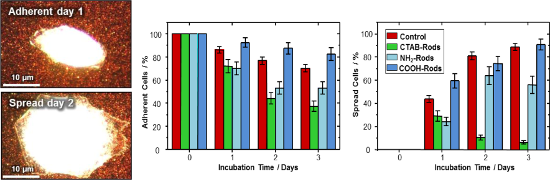
- results to cell growth on bare substrates. The study utilized three different surface coatings because the particle-bound molecules (stabilizing agents) are expected to promote diverse interactions with the cell membrane [21][22]. One coating consists of cetyltrimethylammonium bromide (CTAB), which is a
- translucent that the scattered light from the particles below the membrane can pass through and is visible (Figure 1B: cortical membrane of Figure 1A enlarged). The membrane tightly covers the particles, which is verified by a scanning electron microscopy image in Figure 1C. When the cell membrane retracts, a
- impact on the cells compared to growth on bare substrates, since the particle bound molecules (stabilizing agents) are expected to promote diverse interactions with the cell membrane [21][22]. One coating was cetyltrimethylammonium bromide (CTAB), which is a relatively cytotoxic cationic surfactant [11


Intake of silica nanoparticles by giant lipid vesicles: influence of particle size and thermodynamic membrane state
Beilstein J. Nanotechnol. 2014, 5, 2468–2478, doi:10.3762/bjnano.5.256
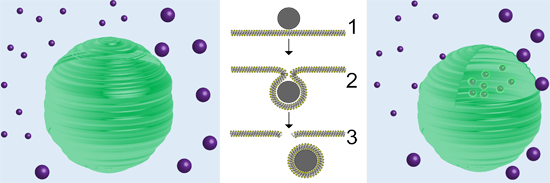
- possessing such a machinery [13]. This indicates that endocytosis-like particle uptake can be driven by physical interactions between cargo and cell membrane. The investigation of simplified model systems thus offers a possibility for an understanding of these processes on a theoretical physical base. In
- interactions and possible thermodynamic changes of the lipid membrane, which can result in drastic alterations of its physical properties (e.g., bending stiffness, permeability and spontaneous curvature). Even though the model system that was investigated here is quite distinct from a real cell membrane we
- −20 mV for HeLa cells and −30 mV for red blood cells were measured [49]. The dotted curve in Figure 4 shows the expected electrostatic force between a cationic particle with ζ = +30 mV and a cell membrane with ζ = −30 mV in a medium with an ionic strength of I = 160 mM. The physical forces in this


Proinflammatory and cytotoxic response to nanoparticles in precision-cut lung slices
Beilstein J. Nanotechnol. 2014, 5, 2440–2449, doi:10.3762/bjnano.5.253
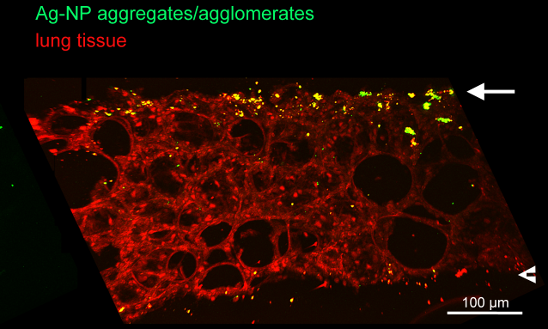
- staining, and WST-1 assay. As LDH is present in the cytoplasm of cells, detection of LDH in the culture medium of PCLS indicates a loss of cell membrane integrity. Therefore, LDH release is a direct measure of a cytotoxic response or an indirect measure of cell viability. As displayed in Figure 1, the LDH


Nanoparticle interactions with live cells: Quantitative fluorescence microscopy of nanoparticle size effects
Beilstein J. Nanotechnol. 2014, 5, 2388–2397, doi:10.3762/bjnano.5.248
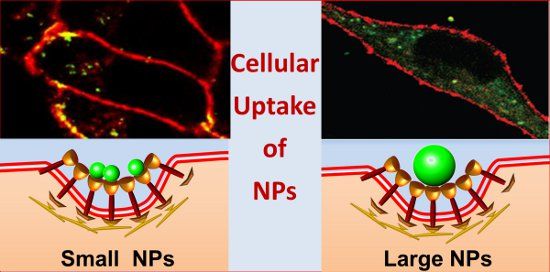
- . By using spinning disk confocal microscopy in combination with quantitative image analysis, we studied the time courses of NP association with the cell membrane and subsequent internalization. NPs with diameters of less than 10 nm were observed to accumulate at the plasma membrane before being
- machinery in order to trigger the subsequent internalization. Keywords: cell membrane; endocytosis; fluorescence microscopy; nanoparticle; size effect; Introduction Understanding the interaction between engineered nanomaterials and living matter has attracted increasing attention in recent years
- internalization machinery involved, different endocytic mechanisms are utilized. Most cells are capable of pinocytosis (drinking by cells), in which particles of up to several hundred nanometers can be internalized [11]. In this process, an invagination forms in the cell membrane. Typically, the inward budding





