


Search results
Search for "chemistry" in Full Text gives 1177 result(s) in Beilstein Journal of Nanotechnology. Showing first 200.
Instance maps as an organising concept for complex experimental workflows as demonstrated for (nano)material safety research
Beilstein J. Nanotechnol. 2025, 16, 57–77, doi:10.3762/bjnano.16.7

- properties can be tailored by changing their size, shape, surface chemistry, and functionality, have led to the designation of nanomaterials as a key enabling technology and to their subsequent inclusion in the broader categorisation of advanced materials [1][2]. Applications of nanomaterials derive in many



Advanced atomic force microscopy techniques V
Beilstein J. Nanotechnol. 2025, 16, 54–56, doi:10.3762/bjnano.16.6

- Philipp Rahe Ilko Bald Nadine Hauptmann Regina Hoffmann-Vogel Harry Monig Michael Reichling Institut für Physik, Universität Osnabrück, Barbarastraße 7, 49076 Osnabrück, Germany Institute of Chemistry, Hybrid Nanostructures, University of Potsdam, Karl-Liebknecht-Straße 24–25, 14476 Potsdam
Bioinspired nanofilament coatings for scale reduction on steel
Beilstein J. Nanotechnol. 2025, 16, 25–34, doi:10.3762/bjnano.16.3

- Siad Dahir Ali Mette Heidemann Rasmussen Jacopo Catalano Christian Husum Frederiksen Tobias Weidner Department of Chemistry, Aarhus University, 8000 Aarhus C, Denmark Department of Biological and Chemical Engineering, Aarhus University, 8000 Aarhus C, Denmark Danish Offshore Technology Centre
- moisture control and water interaction [1][2]. The structure and chemistry of insect skin are finely tuned to navigate these challenges, showcasing a sophisticated natural adaptation to efficiently repel water [3]. Springtails have mastered this capability using micro- and nanostructured skin surfaces
- polymerization of a polysiloxane on the material surface [18]. The polysiloxane methyl groups lower the surface energy and render the surface hydrophobic. Clearly, the surface chemistry of steel surfaces is very different from the previously used materials such as glass [11][12][13][18], polymers [10][11][12


A nanocarrier containing carboxylic and histamine groups with dual action: acetylcholine hydrolysis and antidote atropine delivery
Beilstein J. Nanotechnol. 2025, 16, 11–24, doi:10.3762/bjnano.16.2

- Elina E. Mansurova Andrey A. Maslennikov Anna P. Lyubina Alexandra D. Voloshina Irek R. Nizameev Marsil K. Kadirov Anzhela A. Mikhailova Polina V. Mikshina Albina Y. Ziganshina Igor S. Antipin A.E. Arbuzov Institute of Organic and Physical Chemistry, FRC Kazan Scientific Centre, Russian Academy of
- Sciences, Arbuzov str. 8, Kazan 420088, Russia Alexander Butlerov Institute of Chemistry, Kazan Federal University, Lobachevsky str. 1/29, Kazan 420008, Russia Kazan National Research Technical University named after A.N. Tupolev - KAI, 10, K. Marx str., Kazan 420111, Russia Kazan National Research
- directly in the growth medium. Нemocompatibility Human erythrocytes were obtained at the medical office of the A.E. Arbuzov Institute of Organic and Physical Chemistry from two Caucasian volunteers (52 years old, blood group II and 24 years old, blood group IV), after receiving informed consent. The study


Orientation-dependent photonic bandgaps in gold-dust weevil scales and their titania bioreplicates
Beilstein J. Nanotechnol. 2025, 16, 1–10, doi:10.3762/bjnano.16.1
- Norma Salvadores Farran Limin Wang Primoz Pirih Bodo D. Wilts Department for Chemistry and Physics of Materials, University of Salzburg, Jakob-Haringer-Str. 2a, 5020 Salzburg, Austria Current address: Institute of Materials Science and Technology, Vienna Technical University, 1060 Vienna, Austria
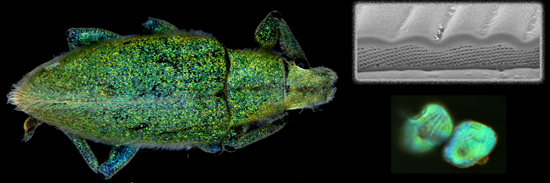
- }-oriented domains exhibits polarization conversion, rotating the angle of linearly polarized light. The overall coloration, resulting from the reflections from many scales, is close to uniformly diffuse because of the random orientation of the domains. Using titania sol–gel chemistry, we produced negative
- exposed photonic crystals using a sol–gel chemistry approach [14][24]. The increased refractive index contrast and the increased fill fraction of the replicas resulted in a redshift, which was confirmed with full-wave modeling. Full-wave modeling further suggested that the titania replicated from a 3D


Attempts to preserve and visualize protein corona on the surface of biological nanoparticles in blood serum using photomodification
Beilstein J. Nanotechnol. 2024, 15, 1654–1666, doi:10.3762/bjnano.15.130

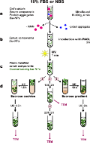
- photomodification to obtain NPs bearing a full protein corona on the lipid surface, the proteins of which could be identified by mass analysis [23]. Hossein Mohammad-Beigi and colleagues published another approach in 2020 [7]. They used methods of click chemistry to fix proteins on the surface of silica and
- polystyrene NPs and thereby obtained the full corona. In principle, the effect of click chemistry and photomodification is the same. Both fix the full corona; however, the methods differ in details. When click chemistry is performed, soft corona proteins bind only to pre-modified hard corona proteins, whereas



Fabrication of hafnium-based nanoparticles and nanostructures using picosecond laser ablation
Beilstein J. Nanotechnol. 2024, 15, 1639–1653, doi:10.3762/bjnano.15.129
- ; now DIA-CoE, University of Hyderabad), and the School of Chemistry for providing access to the necessary instruments. Funding Funding is provided by IOE, UoH, and ACRHEM/DRDO. Mangababu acknowledges financial support from CSIR India (for SRF) and IOE BHU (for RJP PDF). S.V.S Nageswara Rao DST PURSE




Liver-targeting iron oxide nanoparticles and their complexes with plant extracts for biocompatibility
Beilstein J. Nanotechnol. 2024, 15, 1593–1602, doi:10.3762/bjnano.15.125
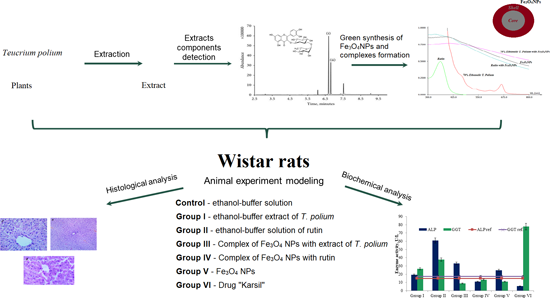
- and toxicity effects; as of May 2024, the website clinicaltrials.gov listed data on the development of 51 clinical protocols involving iron oxides NPs [25][26][27]. Surface chemistry and delivery route of MNPs affect their biodistribution patterns and circulation time in the body [28]. It is known


Facile synthesis of size-tunable L-carnosine-capped silver nanoparticles and their role in metal ion sensing and catalytic degradation of p-nitrophenol
Beilstein J. Nanotechnol. 2024, 15, 1576–1592, doi:10.3762/bjnano.15.124
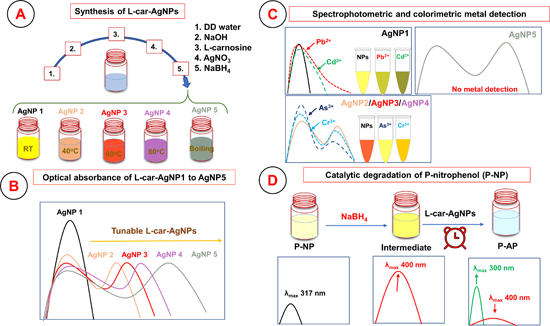
- sustainability and public health. Silver nanoparticles (AgNPs) have attracted the interest of researchers worldwide in recent years because of their promising use in environmental chemistry. The unique optochemical properties of AgNPs, including high surface area to volume ratio, optical absorbance, excellent
- through surface chemistry and other parameters such as size and shape [13]. Kästner and Thünemann described the catalytic degradation of P-NP using silver nanoparticles with the activity depending on the capping agents [14]. To design a dual-functional system for environmental applications, a potential




Green synthesis of silver nanoparticles derived from algae and their larvicidal properties to control Aedes aegypti
Beilstein J. Nanotechnol. 2024, 15, 1566–1575, doi:10.3762/bjnano.15.123
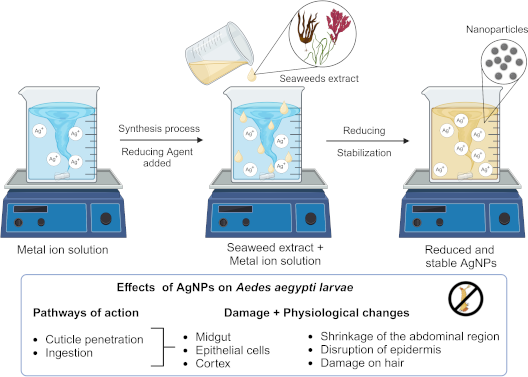
- (FIOCRUZ), 50670-420, Recife, PE, Brazil Chemical Process Engineering and Forest Products Research Centre (CIEPQPF), Department of Chemical Engineering, University of Coimbra, 3030-790, Coimbra, Portugal Department of Fundamental Chemistry (DQF), Federal University of Pernambuco (UFPE), 50740-560, Recife


The round-robin approach applied to nanoinformatics: consensus prediction of nanomaterials zeta potential
Beilstein J. Nanotechnol. 2024, 15, 1536–1553, doi:10.3762/bjnano.15.121
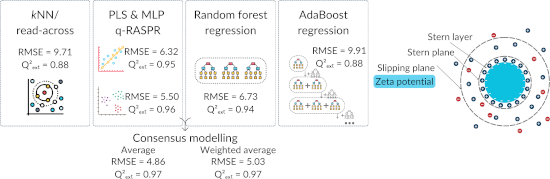
- Chemistry, Laboratory of Environmental Chemoinformatics, Wita Stwosza 63, 80-308 Gdańsk, Poland Division of Physical Sciences and Applications, Hellenic Military Academy, Vari 16672, Greece School of Geography, Earth and Environmental Sciences, University of Birmingham, Edgbaston, B15 2TT Birmingham, United
- [36], the following four were included in this study because of the completeness of the data (absence of data gaps): the NMs’ core chemistry, coating, morphology, and hydrodynamic diameter measured using dynamic light scattering (DLS). The ZP of the NMs was measured in water (pH 6.5–8.5). To enrich


Electrochemical nanostructured CuBTC/FeBTC MOF composite sensor for enrofloxacin detection
Beilstein J. Nanotechnol. 2024, 15, 1522–1535, doi:10.3762/bjnano.15.120
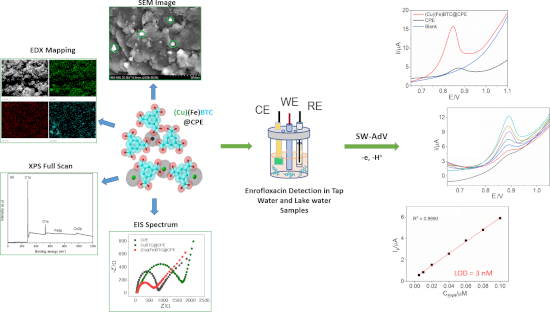
- Thi Kim Ngan Nguyen Tien Dat Doan Huy Hieu Luu Hoang Anh Nguyen Thi Thu Ha Vu Quang Hai Tran Ha Tran Nguyen Thanh Binh Dang Thi Hai Yen Pham Mai Ha Hoang Graduate University of Science and Technology, Viet Nam Academy of Science and Technology, Ha Noi, Vietnam Faculty of Chemistry, TNU-University
- of Sciences, Tan Thinh Ward, Thai Nguyen City, Vietnam Institute of Chemistry, Vietnam Academy of Science and Technology, 18 Hoang Quoc Viet Street, Cau Giay District, Ha Noi, Vietnam Hanoi University of Industry, 298 Cau Dien Street, Bac Tu Liem District, Ha Noi, Vietnam National Key Laboratory of
- Informatics in Chemistry, Institute of Chemistry, Vietnam Academy of Science and Technology). Electrochemical impedance spectroscopy (EIS) was performed by using an Autolab PGSTAT 302 in a frequency range of 100 kHz to 0.01 Hz. A three-electrode electrochemical setup was used including a platinum wire counter





Integrating high-performance computing, machine learning, data management workflows, and infrastructures for multiscale simulations and nanomaterials technologies
Beilstein J. Nanotechnol. 2024, 15, 1498–1521, doi:10.3762/bjnano.15.119
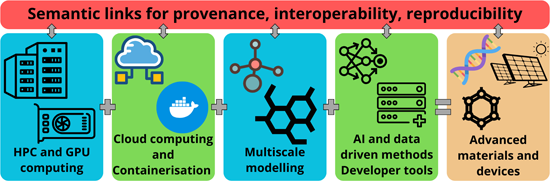
- dynamics and quantum chemistry calculations [23][24]. Even more significant has been the impact of GPU computing on AI. GPUs are inherently designed for parallel processing, making them exceptionally well-suited for the demanding calculations and massive data throughput required in AI tasks. Accordingly
- concept involves utilizing models to represent the underlying physics or chemistry of the system, while incorporating data-driven approaches to enhance the accuracy and predictive power of these models. Data-driven techniques provide valuable insights into the complex relationships and interactions within
- . Physics-based models are built upon fundamental principles and equations, capturing the underlying physics or chemistry of materials. These models describe the interactions between atoms, molecules, or particles, allowing researchers to simulate and predict material properties and behavior at different


Polymer lipid hybrid nanoparticles for phytochemical delivery: challenges, progress, and future prospects
Beilstein J. Nanotechnol. 2024, 15, 1473–1497, doi:10.3762/bjnano.15.118
- International University, Erbil 44001, Kurdistan Region, Iraq Center for Global Health Research, Saveetha Medical College and Hospital, Saveetha Institute of Medical and Technical Sciences (SIMATS), Saveetha University, Chennai-602105, Tamil Nadu, India Department of Pharmaceutical Chemistry, Dr. D.Y Patil
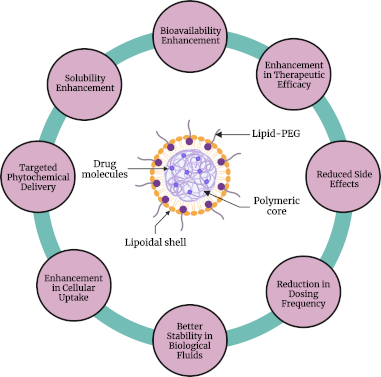
- ., erythrocytes) to develop membrane-camouflaged PLHNPs. These hybrid nanocarriers are also called biomimetic hybrid nanocarriers because their surface chemistry mimics natural cell membranes [57]. The PLHNPs are coated with cell membranes via the extrusion technique. The coating of PLHNPs with red blood cells


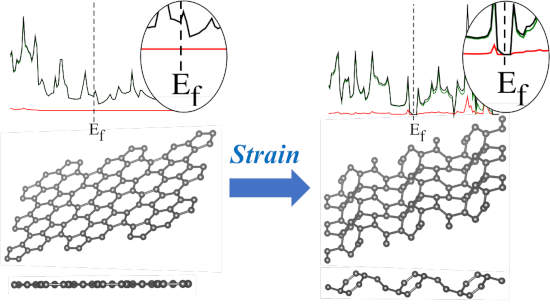
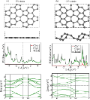
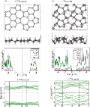
Strain-induced bandgap engineering in 2D ψ-graphene materials: a first-principles study
Beilstein J. Nanotechnol. 2024, 15, 1440–1452, doi:10.3762/bjnano.15.116
- Kamal Kumar Nora H. de Leeuw Jost Adam Abhishek Kumar Mishra Department of Physics, Applied Science Cluster, School of Advanced Engineering, University of Petroleum and Energy Studies (UPES), Bidholi via Premnagar, Dehradun, Uttarakhand 248007, India School of Chemistry, University of Leeds, Leeds


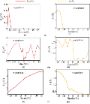
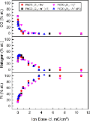
Ion-induced surface reactions and deposition from Pt(CO)2Cl2 and Pt(CO)2Br2
Beilstein J. Nanotechnol. 2024, 15, 1427–1439, doi:10.3762/bjnano.15.115

- Mohammed K. Abdel-Rahman Patrick M. Eckhert Atul Chaudhary Johnathon M. Johnson Jo-Chi Yu Lisa McElwee-White D. Howard Fairbrother Department of Chemistry, Johns Hopkins University, Baltimore, MD, 21218, USA Department of Chemistry, University of Florida, Gainesville, Florida, 32611-7200, USA



A biomimetic approach towards a universal slippery liquid infused surface coating
Beilstein J. Nanotechnol. 2024, 15, 1376–1389, doi:10.3762/bjnano.15.111
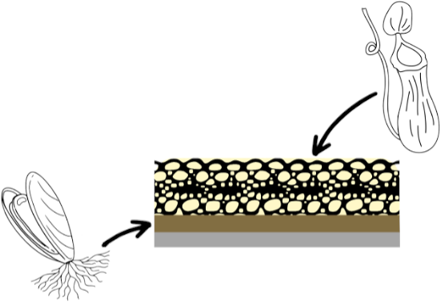
- is anchored to a substrate, creating a smooth liquid layer that is energetically favored to interact with the solid surface. The surface chemistry of the anchoring layer is crucial to the viability of the overall coating as the lubricant must have a greater affinity for the substrate surface than for
- defined by either a porous or flat solid surface that consists of chemistry that is similar to the pervading liquid [11][17]. The substrate serves an anchor to a lubricant, which provides a smooth liquid layer that provides some sort of resistance to surface adhesion. The liquid is anchored to the surface
- ][13], anodization [3][14], silane chemistry [18], and polymer multilayers [5][15]. While these methods are effective, there is often a requirement for a specific chemical environment, like a plasma processing step or the growth of an oxide layer. In this investigation, we aim to simplify the


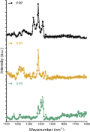


Nanoarchitectonics with cetrimonium bromide on metal nanoparticles for linker-free detection of toxic metal ions and catalytic degradation of 4-nitrophenol
Beilstein J. Nanotechnol. 2024, 15, 1312–1332, doi:10.3762/bjnano.15.106
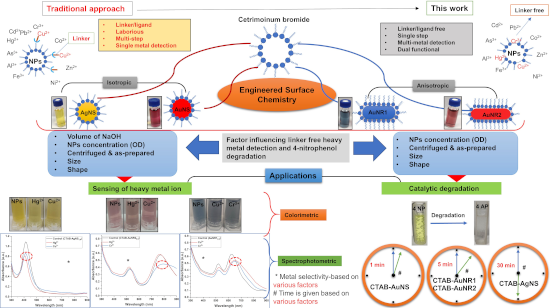
- that is rapid and affordable for the detection of heavy metal ions as well as for the degradation of organic pollutants such as 4-nitrophenol. Developing a robust sensing platform based on metal nanoparticles requires a modulation of the surface chemistry, which is governed by the choice of capping




Interaction of graphene oxide with tannic acid: computational modeling and toxicity mitigation in C. elegans
Beilstein J. Nanotechnol. 2024, 15, 1297–1311, doi:10.3762/bjnano.15.105
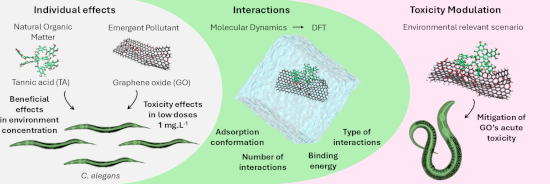
- interaction of GO with tannic acid (TA) and its consequences for GO toxicity. We focused on understanding how TA interacts with GO, its impact on the material surface chemistry, colloidal stability, as well as, toxicity and biodistribution using the Caenorhabditis elegans model. Employing computational
- , carboxyl, ether, and carbonyl groups. The sheets present different levels of oxidation as well as specific structures such as edges, wrinkles, and holes. Because of its surface chemistry, GO has better water solubility than graphene; furthermore, it is straightforward to be functionalized and synthesized
- understand how GO’s toxicity changes regarding surface modifications such as interactions with biomolecules. In this study, we investigate the interaction of GO with TA linked to its impacts on surface chemistry, colloidal stability, lethality, and biodistribution in the C. elegans model for the first time


Mn-doped ZnO nanopowders prepared by sol–gel and microwave-assisted sol–gel methods and their photocatalytic properties
Beilstein J. Nanotechnol. 2024, 15, 1283–1296, doi:10.3762/bjnano.15.104
- Cristina Maria Vladuț Crina Anastasescu Silviu Preda Oana Catalina Mocioiu Simona Petrescu Jeanina Pandele-Cusu Dana Culita Veronica Bratan Ioan Balint Maria Zaharescu Institute of Physical Chemistry ‘‘Ilie Murgulescu’’ of the Romanian Academy, 202 Splaiul Independentei, 060021 Bucharest, Romania
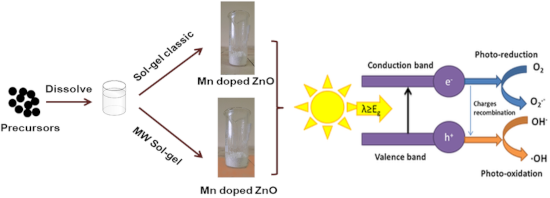
- fluorescent compound, namely umbelliferone, a coumarin degradation product obtained in the presence of hydroxyl radicals. Figure 11a–c clearly shows that ·OH radicals are photogenerated to a greater extent by the MW catalyst. This could be the result of specific differences in surface chemistry of the two
- catalyst bandgap and its surface chemistry relative to reactant adsorption and photocatalytic activity were also clearly shown [56]. According to the abovementioned data, the possible routes for the present photocatalytic process can be described as follows: The main question to be answered is which of


Dual-functionalized architecture enables stable and tumor cell-specific SiO2NPs in complex biological fluids
Beilstein J. Nanotechnol. 2024, 15, 1238–1252, doi:10.3762/bjnano.15.100
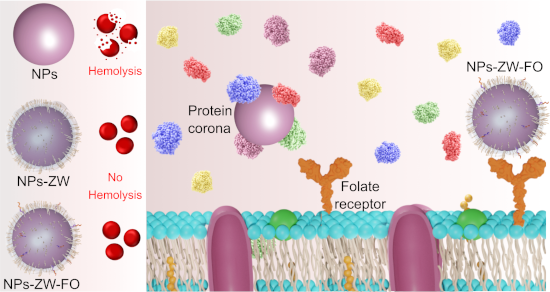
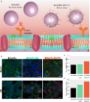
- Iris Renata Sousa Ribeiro Raquel Frenedoso da Silva Romenia Ramos Domingues Adriana Franco Paes Leme Mateus Borba Cardoso Institute of Chemistry (IQ), University of Campinas (UNICAMP), Postal Code 13083- 970, Post Office Box 6154, Campinas, SP, Brazil Brazilian Synchrotron Light Laboratory (LNLS


Enhanced catalytic reduction through in situ synthesized gold nanoparticles embedded in glucosamine/alginate nanocomposites
Beilstein J. Nanotechnol. 2024, 15, 1227–1237, doi:10.3762/bjnano.15.99
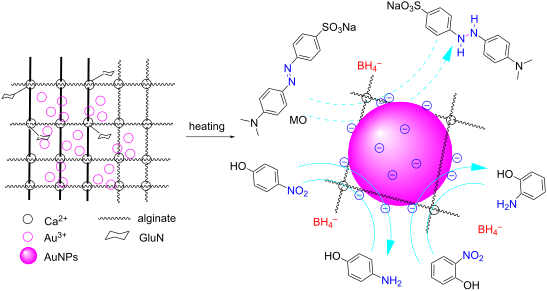
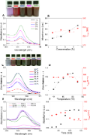
- environment and biological systems. Consequently, integrating green chemistry principles into nanotechnology has become a focus of nanoscience research [6][7]. Numerous studies have highlighted the use of natural compounds or natural sources in the green synthesis of AuNPs [8][9]. Polysaccharides, in



Realizing active targeting in cancer nanomedicine with ultrasmall nanoparticles
Beilstein J. Nanotechnol. 2024, 15, 1208–1226, doi:10.3762/bjnano.15.98
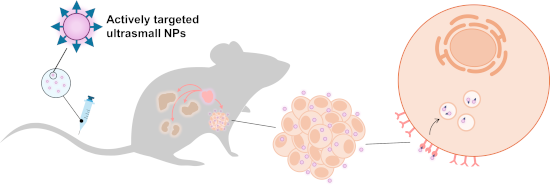
- , indicating the formation of a “permanently” bound (hard) protein corona. Moreover, given the appropriate combination of size and surface chemistry, nonspecific interactions between usNPs and proteins can be virtually eliminated (Figure 2C). Notably, achieving highly stable and “stealth” usNPs is feasible
- , usNPs are therefore more biocompatible than larger NPs. However, it is important to emphasize that the physicochemical and biological properties of usNPs are highly sensitive to NP size and surface chemistry [64][67][68], and usNPs can still impact protein activity, biochemical pathways, and cellular
- potential for tumor accumulation though passive targeting [76]. Fortunately, strategies to slow down renal clearance and extend the blood half-life of usNPs for more efficient tumor uptake are feasible, including fine-tuning hydrodynamic diameter (HD) through surface chemistry [77], controlling core density


Synthesis, characterization and anticancer effect of doxorubicin-loaded dual stimuli-responsive smart nanopolymers
Beilstein J. Nanotechnol. 2024, 15, 1189–1196, doi:10.3762/bjnano.15.96
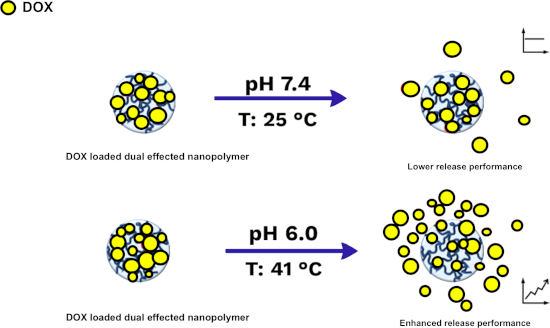
- Belarus, Minsk, Belarus Faculty of Arts and Science, Chemistry Department, Aksaray University, Aksaray, Turkey 10.3762/bjnano.15.96 Abstract Nanopolymers represent a significant group of delivery vehicles for hydrophobic drugs. In particular, dual stimuli-responsive smart polymer nanomaterials might be


AI-assisted models to predict chemotherapy drugs modified with C60 fullerene derivatives
Beilstein J. Nanotechnol. 2024, 15, 1170–1188, doi:10.3762/bjnano.15.95
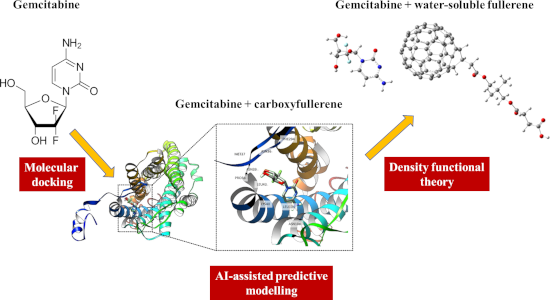
- chemistry at the density functional-based tight binding DFTB3 level. The results indicate that drug–fullerene complexes interact more with CXCR7 than isolated drugs. Specific binding sites were identified, with varying locations for each drug complex. Predictive models, developed using multiple linear





