Search results
Search for "drug delivery" in Full Text gives 371 result(s) in Beilstein Journal of Nanotechnology. Showing first 200.
Curcumin-loaded nanostructured systems for treatment of leishmaniasis: a review
Beilstein J. Nanotechnol. 2024, 15, 37–50, doi:10.3762/bjnano.15.4
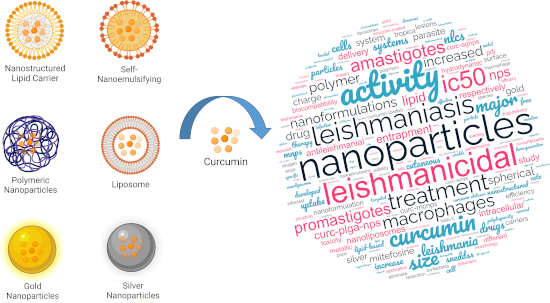
- solving biopharmaceutical challenges associated with drugs, such as curcumin. From a drug delivery standpoint, nanocarriers (1–1000 nm) can improve stability, increase solubility, promote intracellular delivery, and increase biological activity. Thus, this review offers a deep look into curcumin-loaded
- parasite towards a given drug through decreased uptake of the drug by macrophages [55][56][57]. Thus, nanotechnology-based systems are a promising alternative for drug delivery and vectorization in the treatment of leishmaniasis as they present several advantages. One could mention decreased side effects
- . Nanostructured systems with curcumin for the treatment of leishmaniasis Different nanostructured systems with curc intended for the treatment of leishmaniasis have been developed (Figure 3). The articles included in this work approach the following nanosystems: (i) self-nanoemulsifying drug-delivery systems


Nanotechnological approaches in the treatment of schistosomiasis: an overview
Beilstein J. Nanotechnol. 2024, 15, 13–25, doi:10.3762/bjnano.15.2
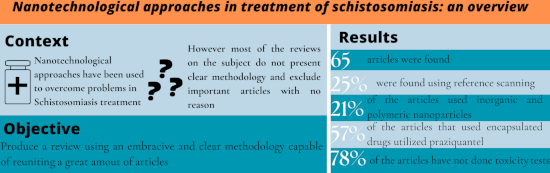
- nanocarriers to enhance drug delivery by ensuring that drugs are delivered in appropriate amounts to specific target areas and remains in the body for the necessary duration [12]. As a result, nanoparticles have been utilized mainly as drug delivery systems in various parasitic diseases, including
- narrative reviews limited to a specific drug or nanoparticle categories. For instance, some reviews only focus on PZQ [14], while others solely showcase nanosystems for drug delivery [15]. Nonetheless, recent literature reveals several works that employ various drugs and utilize nanoparticles not only as
- S1 (Supporting Information File 1) summarizes all the articles found regarding the use of nanosystems and encapsulated drugs. In Figure 1, it is possible to observe that only 59% of the publications show effectiveness data solely in vivo. Also, most articles use nanoparticles as drug delivery systems


Fluorescent bioinspired albumin/polydopamine nanoparticles and their interactions with Escherichia coli cells
Beilstein J. Nanotechnol. 2023, 14, 1208–1224, doi:10.3762/bjnano.14.100
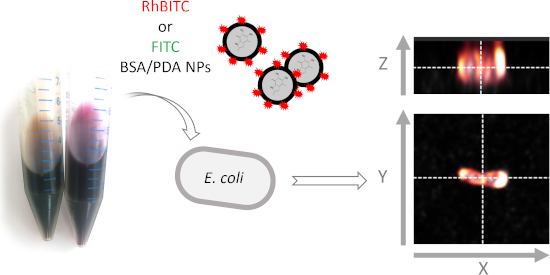
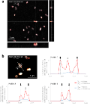
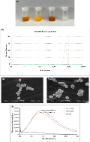
- with a fluorescent dye or oxidizing them, as reported by Ma et al. for other PDA NPs [21]. However, the capacity of PDA-based nanoparticles to target and penetrate bacteria for drug delivery, photothermic action, or fluorescent labelling of cells is unknown. Few publications have reported that



Elasticity, an often-overseen parameter in the development of nanoscale drug delivery systems
Beilstein J. Nanotechnol. 2023, 14, 1149–1156, doi:10.3762/bjnano.14.95
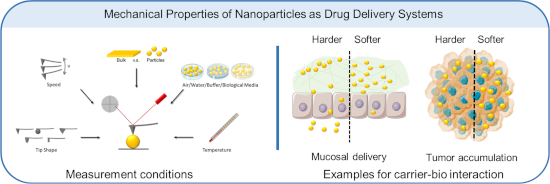
- Agnes-Valencia Weiss Marc Schneider Department of Pharmacy, Biopharmaceutics and Pharmaceutical Technology, Saarland University, Campus C4 1, Saarbruecken, Germany 10.3762/bjnano.14.95 Abstract Nanoparticles have shown an enormous potential as drug delivery systems in the lab. However
- drug delivery can be achieved, are mechanical properties of nanoparticles. Even though this is often not even considered during formulation development, and it is not requested for approval, an increasing number of studies show that it is important to have knowledge about these characteristics. In this
- properties of drug carriers. Keywords: atomic force microscopy; drug delivery; elasticity; mechanical properties; nanomedicine; nanoparticles; stiffness measurement; tissue/body distribution; Introduction Drug delivery systems are developed with the aim to transport a given drug to the site of action


Curcumin-loaded albumin submicron particles with potential as a cancer therapy: an in vitro study
Beilstein J. Nanotechnol. 2023, 14, 1127–1140, doi:10.3762/bjnano.14.93
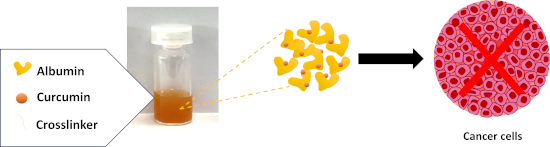
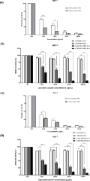
- to confirm the uptake of CUR-HSA-MPs by cancer cells. Our studies revealed that HSA-MPs are potentially promising vehicles for increasing the solubility and bioavailability of CUR. Keywords: albumin submicron particles; cancer therapy; curcumin; drug delivery; Introduction Curcumin (CUR) is a
- carrier of CUR through direct binding [22]. Kar et al. evaluated the affinity of HSA molecules to interact with CUR and reported that the binding constant was about 1.74 × 10⁵ M−1, suggesting a strong interaction [23]. Therefore, albumin can be considered a useful carrier in drug delivery systems for
- . Also, it is seen that, despite the addition of CUR, a typical peanut-like structure was formed by the porous MnCO3 template, as previously found in our studies using the CCD technique [26][27][28][29]. There are strict size requirements for particles in drug delivery systems, typically around 100 nm




Recognition mechanisms of hemoglobin particles by monocytes – CD163 may just be one
Beilstein J. Nanotechnol. 2023, 14, 1028–1040, doi:10.3762/bjnano.14.85
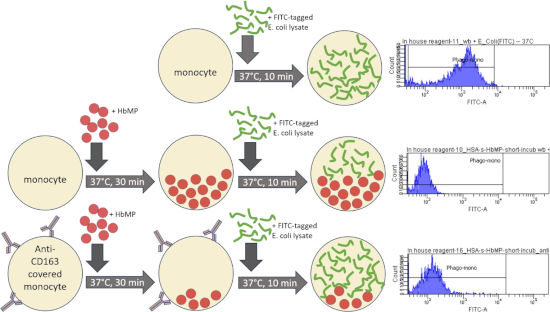
- arise spontaneously from C3 by hydrolysis, could be considered here. Moghimi et al. report numerous possible interactions of the complement system with, among others, nanoparticles as a drug delivery system [44]. The authors also discussed the possible effects of spontaneously forming water shells and




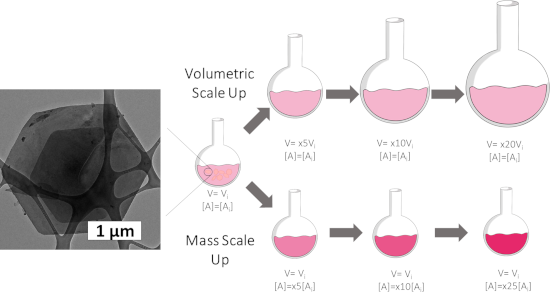
Upscaling the urea method synthesis of CoAl layered double hydroxides
Beilstein J. Nanotechnol. 2023, 14, 927–938, doi:10.3762/bjnano.14.76
- ]. These materials play a key role both from a fundamental point of view and regarding potential applications in electronic devices, drug delivery, and energy storage and conversion, to name a few [5][6][7][8]. Layered materials range from monoelementals (i.e., graphene, silicene, germanene, or pnictogens


Antibody-conjugated nanoparticles for target-specific drug delivery of chemotherapeutics
Beilstein J. Nanotechnol. 2023, 14, 912–926, doi:10.3762/bjnano.14.75
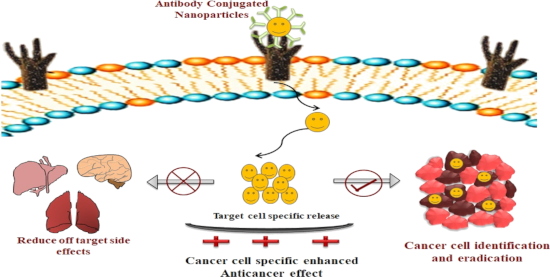
- the theranostic applications of ACNPs for the treatment of cancer. Keywords: active targeting; chemical conjugation; chemotherapeutics; drug delivery; monoclonal antibody; Introduction Off-target side effects, such as myelosuppression, mucositis, alopecia, organ dysfunction, and thrombocytopenia
- targeting capabilities [7]. Researchers focused their interest on understanding the obstructions that impede targeted drug delivery, and several advances have been made to develop NPs with enhanced ability to cross these barriers. Bio-pharmacological drugs, which include recombinant proteins, monoclonal
- antibodies (mAbs), and nucleic acid-based materials for targeted drug delivery, have been approved by the Food and Drug Administration (FDA) for the treatment of cancer, arthritis, asthma, psoriasis, pemphigus vulgaris, and chronic urticaria [8]. Antibodies are the primary homing ligands in tumor-targeted



Industrial perspectives for personalized microneedles
Beilstein J. Nanotechnol. 2023, 14, 857–864, doi:10.3762/bjnano.14.70
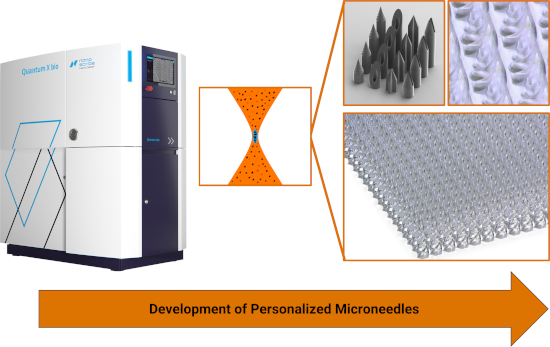
- medical devices for painless transdermal drug delivery. New and improved additive manufacturing methods enable novel microneedle designs to be realized for preclinical and clinical trial assessments. However, current literature reviews suggest that industrial manufacturers and researchers have focused
- their efforts on one-size-fits-all designs for transdermal drug delivery, regardless of patient demographic and injection site. In this perspective article, we briefly review current microneedle designs, microfabrication methods, and industrialization strategies. We also provide an outlook where
- microneedles may become personalized according to a patient’s demographic in order to increase drug delivery efficiency and reduce healing times for patient-centric care. Keywords: 3D printing; microfabrication; microneedles; personalized medicine; transdermal drug delivery; two-photon polymerization


Silver nanoparticles loaded on lactose/alginate: in situ synthesis, catalytic degradation, and pH-dependent antibacterial activity
Beilstein J. Nanotechnol. 2023, 14, 781–792, doi:10.3762/bjnano.14.64
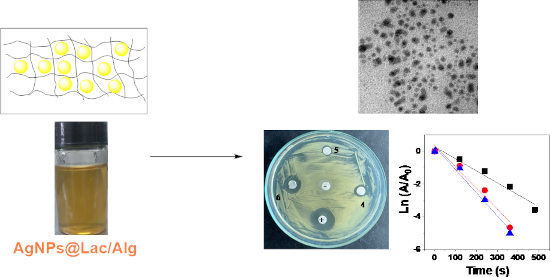
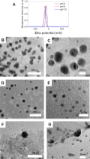
- of the nanocomposite could be tailored to specific pharmaceutical applications, such as drug delivery, by adjusting the release medium. To investigate the pH-dependent antibacterial effectiveness, zeta potential and morphology of the nanocomposite were examined at pH 4, 6, and 12, as shown in Figure


Nanoarchitectonics for advanced applications in energy, environment and biology: Method for everything in materials science
Beilstein J. Nanotechnol. 2023, 14, 738–740, doi:10.3762/bjnano.14.60

- also discuss coordination-assembled myricetin nanoarchitectonics [32], nanoarchitectonics for membranes with enhanced gas separation capabilities [33], nanoarchitectonics of the cathode of Li–O2 batteries [34], nanoarchitectonics in moist-electric generation [35], nanoarchitectonics for drug delivery

Metal-organic framework-based nanomaterials as opto-electrochemical sensors for the detection of antibiotics and hormones: A review
Beilstein J. Nanotechnol. 2023, 14, 631–673, doi:10.3762/bjnano.14.52
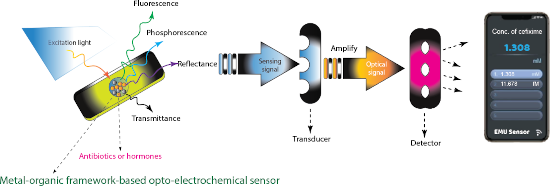
- in MOFs can either be quenched or enhanced. Due to their exceptional characteristics, MOFs have found usage in a variety of fields, including sensors, gas adsorption, energy storage, drug delivery, catalysis, water treatment, and bio-medical imaging [89][90][91][92][93][94][95][96][97][98][99][100


Microneedle patches – the future of drug delivery and vaccination?
Beilstein J. Nanotechnol. 2023, 14, 494–495, doi:10.3762/bjnano.14.40
- diagnostics. Microneedles provide shallow transdermal access to the ISF and are an excellent match to these and other developments when integrated into arrays on a substrate to form a patch. The possibility of inexpensive mass-manufactured MN patches for drug delivery, vaccination, and diagnostic testing is a
- ][9]. Recent progress may be broadly categorised as MN design, fabrication, skin penetration studies, and applications, ranging from drug delivery and vaccination to diagnostics. The first two of these have received most attention, but considerable work is still to be done in all categories – more in
- vaccination and drug delivery, but there is growing evidence of future potential in diagnostics and even in plant science [11]. If the thematic issue helps to inform existing researchers and to encourage others to join them, as editors, we will meet our objectives, the ultimate goal being the acceptance and
New trends in nanobiotechnology
Beilstein J. Nanotechnol. 2023, 14, 377–379, doi:10.3762/bjnano.14.32
- some of the areas of focus in the field known as nanobiotechnology [1]. Nanobiotechnology has a wide array of applications: from organ-on-a-chip technologies to nanobiosensors and nanocatalysts for advanced characterisation and imaging tools, from intelligent drug delivery systems to artificial
Quercetin- and caffeic acid-functionalized chitosan-capped colloidal silver nanoparticles: one-pot synthesis, characterization, and anticancer and antibacterial activities
Beilstein J. Nanotechnol. 2023, 14, 362–376, doi:10.3762/bjnano.14.31
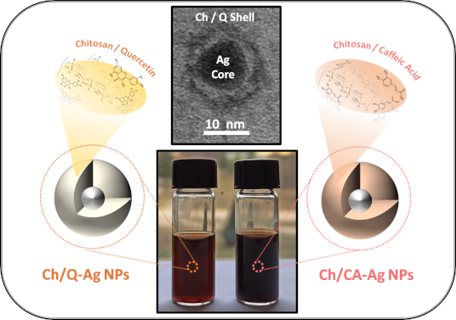
- Gram-negative bacteria and Gram-positive bacteria. More specifically, Ch/Q- and Ch/CA-Ag NPs exhibited a bit higher inhibitions against P. aeruginosa. Consequently, such combinations may provide several advantages in targeted drug delivery systems, such as minimal toxicity to normal cells and enhanced


Polymer nanoparticles from low-energy nanoemulsions for biomedical applications
Beilstein J. Nanotechnol. 2023, 14, 339–350, doi:10.3762/bjnano.14.29
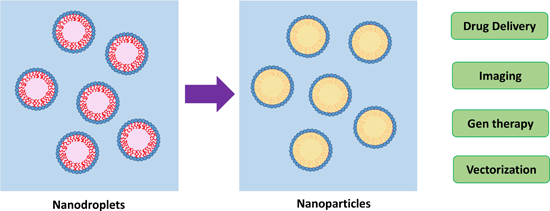
- properties, drug loading, and drug release are discussed. We highlight the utilization of ethyl cellulose, poly(lactic-co-glycolic acid), and polyurethane/polyurea in the field of nanomedicine as potential drug delivery systems. Advances are still needed to achieve better control over size distribution
- . Calderó; R. Montes; M. Llinàs; M. J. García-Celma; M. Porras; C. Solans, “Studies on the formation of polymeric nanoemulsions obtained via low-energy emulsification and their use as templates for drug delivery nanoparticle dispersions”, pages 922-931, Copyright (2016), with permission from Elsevier. This
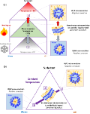


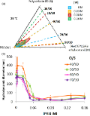


Overview of mechanism and consequences of endothelial leakiness caused by metal and polymeric nanoparticles
Beilstein J. Nanotechnol. 2023, 14, 329–338, doi:10.3762/bjnano.14.28
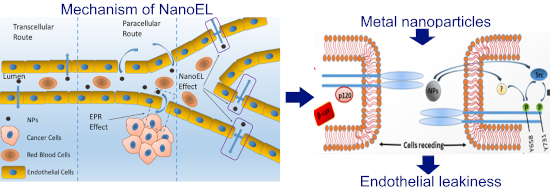
- therapeutic targets and strategies to improve drug delivery through controlling and regulating NanoEL. Nevertheless, the NanoEL mechanism also carries some limitations that result from an incomplete understanding of NP metabolism and toxicity, and the possibility of their participation in the unintended
- whose therapeutic success depends on the effective drug delivery to the target sites through highly selective vascular barriers. A relatively new method that overcomes the endothelial barrier is the use of nanoparticles (NPs), especially different metal nanoparticles, for example, Au or Ti nanoparticles
- endothelial layer [18][24][25]. NP-modulated endothelial leakiness (NanoEL) could lead to the discovery of new therapeutic targets and strategies to improve drug delivery through controlling and regulating NanoEL. However, the NanoEL mechanism also carries some limitations that result from an incomplete


Biocatalytic synthesis and ordered self-assembly of silica nanoparticles via a silica-binding peptide
Beilstein J. Nanotechnol. 2023, 14, 280–290, doi:10.3762/bjnano.14.25
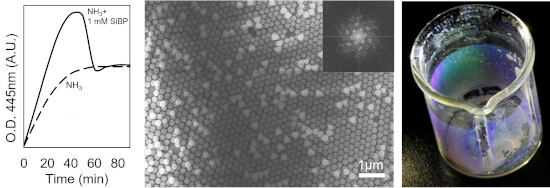
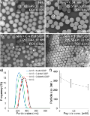
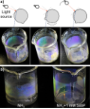
- methods for manufacturing ordered structures of nanoparticles is an ongoing challenge. Ordered structures of SiO2 nanoparticles have gained increased attention due to the great potential they offer in filtering, separation, drug delivery, optics, electronics, and catalysis. Biomolecules, such as peptides
- gained increased attention due to the great potential they offer in filtering, separation, drug delivery, optics, electronics, and catalysis [1][2][3][4][5]. Nanoparticles with ordered 3D structures, such as supra-particles or super lattices, can possess properties that are not observed in the bulk




Recent progress in cancer cell membrane-based nanoparticles for biomedical applications
Beilstein J. Nanotechnol. 2023, 14, 262–279, doi:10.3762/bjnano.14.24
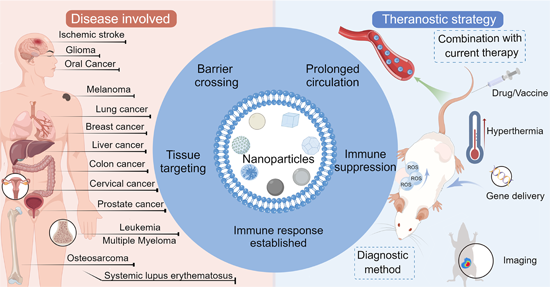
- hemisphere while efficiently reducing infarct volume and protecting nerves, resulting in significantly higher efficacy than that of the bare NPs (Figure 6) [26]. The ability of cancer cells to penetrate biological barriers has shown promise for targeted drug delivery in cerebrovascular disease. 3.4 Immune


Nanotechnology – a robust tool for fighting the challenges of drug resistance in non-small cell lung cancer
Beilstein J. Nanotechnol. 2023, 14, 240–261, doi:10.3762/bjnano.14.23
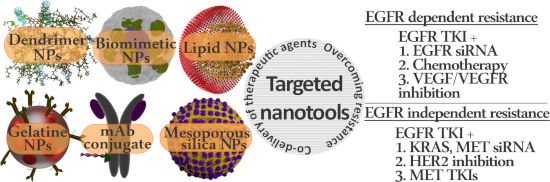
- expression has not only improved current therapeutic plans for cancer patients but has had an impact on the design approaches of the nanotools for cancer imaging and anticancer drug delivery. In recent years, new platforms to enhance the low tumor targeting capacity of nanomedicines using biomimetic
- nanosized drug delivery carriers: Mixed-layer and multilayered nanocarriers with bioresponsive and cleavable layers, possessing different functional properties for improving the enhanced permeability and retention (EPR) effect, diffusion in the tumor microenvironment, cellular internalization and
- toxicity, and efficient tumor inhibition in vitro and in a tumor mouse model [97]. An additional example of multilayered cleavable pH-responsive nanoparticles for KRAS mutated cancer is described in Table 2. Multistage drug delivery systems: Multistage nanocarriers address the issue of heterogenous


Cyclodextrins as eminent constituents in nanoarchitectonics for drug delivery systems
Beilstein J. Nanotechnol. 2023, 14, 218–232, doi:10.3762/bjnano.14.21
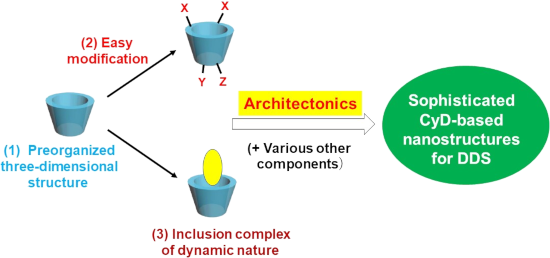
- Makoto Komiyama Research Center for Advanced Science and Technology (RCAST), The University of Tokyo, 4-6-1 Komaba, Meguro, Tokyo 153-8904, Japan 10.3762/bjnano.14.21 Abstract Cyclodextrins have been widely employed for drug delivery systems (DDSs) in which drugs are selectively delivered to a
- nanoarchitectures are highly promising for future applications in medicine, pharmaceutics, and other relevant fields. Keywords: cyclodextrin; drug delivery system (DDS); nanoarchitecture; phototherapy; siRNA; Review 1 Introduction Recently, drug delivery systems (DDSs) have been attracting much interest [1][2][3
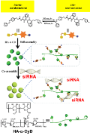
- delivery of chemical drugs Light irradiation is an eminent stimulus for the on–off control of drug delivery since light can be strictly focused to target sites and irradiated only when necessary. These two factors facilitate the precise spatiotemporal control of the therapy and minimize undesired side




Concentration-dependent photothermal conversion efficiency of gold nanoparticles under near-infrared laser and broadband irradiation
Beilstein J. Nanotechnol. 2023, 14, 205–217, doi:10.3762/bjnano.14.20
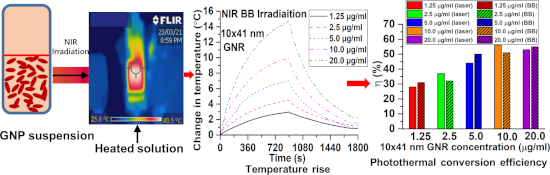
- applications. Keywords: broadband irradiation; gold nanoparticles; laser; near-infrared; photothermal conversion efficiency; plasmonics; Introduction Plasmonic photothermal properties of gold nanoparticles (GNPs) are useful for a variety of applications including those in biomedicine, such as drug delivery
- nanoparticles shifts due to changes in the surrounding medium [14][17][26]. Thus, the same laser source may lose its suitability for applications such as photothermal therapeutics, photoacoustic imaging, and drug delivery. Also, the maximum absorption of the incident radiation is desired, which depends on the




Two-step single-reactor synthesis of oleic acid- or undecylenic acid-stabilized magnetic nanoparticles by thermal decomposition
Beilstein J. Nanotechnol. 2023, 14, 11–22, doi:10.3762/bjnano.14.2
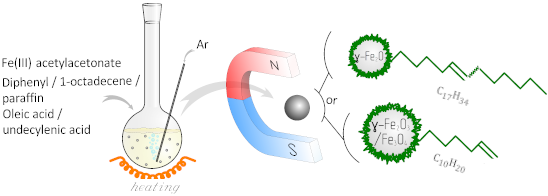
- nanoparticles have been proposed as contrast agents for magnetic resonance imaging, high-precision biosensors, and carriers in magnetic-assisted drug delivery systems. Furthermore, they are used for tumor treatment via the hyperthermia method and in bone tissue regenerative medicine [5][6]. However, using iron
- makes them ideal candidates for magnetic-assisted targeted drug delivery [12]. Nanoscale magnetite can be obtained through well-known synthesis routes, such as hydrothermal synthesis, thermal decomposition, or co-precipitation [10][11]. Each of these synthetic approaches has certain advantages and


Frequency-dependent nanomechanical profiling for medical diagnosis
Beilstein J. Nanotechnol. 2022, 13, 1483–1489, doi:10.3762/bjnano.13.122
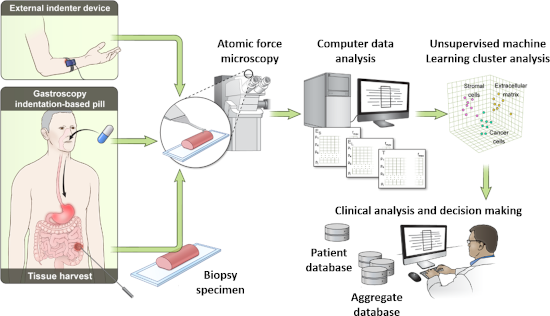
- . Similar considerations exist for the development of soft wearable sensors or hydrogels for wound healing or drug delivery, among others. In all cases, it is of prime importance to create project teams with the appropriate make-up of expertise and within a well-designed strategy, such that ideas can be


Facile preparation of Au- and BODIPY-grafted lipid nanoparticles for synergized photothermal therapy
Beilstein J. Nanotechnol. 2022, 13, 1432–1444, doi:10.3762/bjnano.13.118
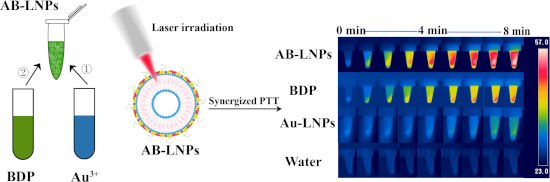
- are hydrophobic PTAs with rigid structure and poor water solubility [11][12]. Therefore, several lipid nanoparticulate drug delivery systems have been reported to encapsulate BODIPYs to improve their water solubility and photostability while retaining their original photothermal effects [13][14
- Student’s t-test or one-way analysis of variance (ANOVA). The differences were considered significant for p < 0.05, and p < 0.01 was indicative of a very significant difference. Results Optimizing the reaction order to prepare AB-LNPs Drug molecules can self-assemble into nanoparticles or be loaded into drug
- delivery systems through van der Waals forces, hydrogen bonds, π–π stacking, or electrostatic or hydrophobic interactions [24]. Several BODIPYs have been reported to be loaded into liposomes for cancer therapy [25]. Therefore, we speculated that BODIPY can be associated with our previously reported