Search results
Search for "environment" in Full Text gives 1023 result(s) in Beilstein Journal of Nanotechnology. Showing first 200.
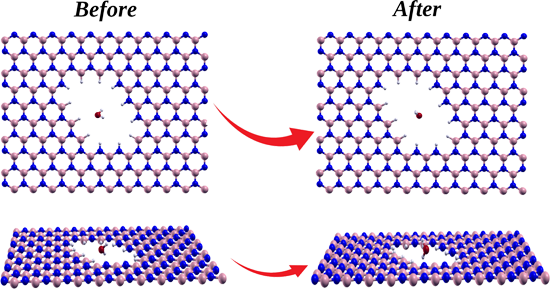
Water in nanoporous hexagonal boron nitride nanosheets: a first-principles study
Beilstein J. Nanotechnol. 2025, 16, 510–519, doi:10.3762/bjnano.16.39
- environment) or μN (i.e., a N-rich environment). To determine the chemical potential of nitrogen in N-rich environments, we utilize either the N2 molecule (whereby and μB = μBN − μN) or the NH3 molecule (in this case, and μB = μBN − μN). In boron-rich environments, the BH3 molecule is employed to determine
- values, the transition from a B-rich to a N-rich environment has a small effect on the formation energy of the two most stable porous h-BN structures. These structures remain significantly more energetically stable than the other triangular porous h-BN monolayers. The adsorption energy, Eads, was
- typically observed at lower temperatures. The incorporation of B–H or B–OH moieties at the vertices of triangular pores results in a significant reduction in formation energies. The decrease in energy per atom ranges from −1.230 to −0.525 eV, depending on the chemical environment (B-rich or N-rich, defined




N2+-implantation-induced tailoring of structural, morphological, optical, and electrical characteristics of sputtered molybdenum thin films
Beilstein J. Nanotechnol. 2025, 16, 495–509, doi:10.3762/bjnano.16.38
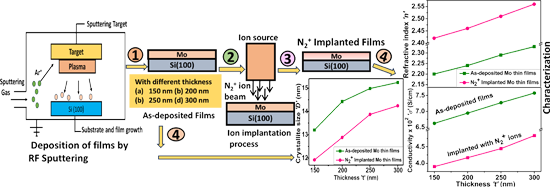
- for various applications in photovoltaics, sensors, optoelectronics, and electronic devices. In the present work, Mo thin films with varying thickness of 150, 200, 250, and 300 nm were deposited on Si(100) substrates using radio frequency (RF) sputtering in an argon environment at ambient temperature


Performance optimization of a microwave-coupled plasma-based ultralow-energy ECR ion source for silicon nanostructuring
Beilstein J. Nanotechnol. 2025, 16, 484–494, doi:10.3762/bjnano.16.37

- exploring optimal parameters to achieve stable and intense beam currents. The cost-effectiveness and versatility of this ion source make it particularly noteworthy, offering a practical solution for generating reasonable beam currents. The ion source operates within an ultrahigh-vacuum environment


Effect of additives on the synthesis efficiency of nanoparticles by laser-induced reduction
Beilstein J. Nanotechnol. 2025, 16, 464–472, doi:10.3762/bjnano.16.35
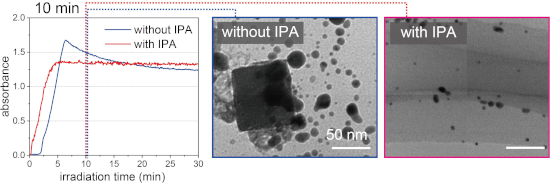
- practical use. In this study, we attempted to improve the synthesis efficiency of nanoparticles using LRL by controlling the reaction environment of the solution during laser irradiation. Results and Discussion Increasing the synthesis efficiency of nanoparticles via laser-induced reduction by adding


Synthetic-polymer-assisted antisense oligonucleotide delivery: targeted approaches for precision disease treatment
Beilstein J. Nanotechnol. 2025, 16, 435–463, doi:10.3762/bjnano.16.34

- stability in the bloodstream and enabled the controlled release of MALAT1 ASO in the brain’s reductive environment. As a result, significant knockdown of targeted long non-coding RNA was observed in key brain regions, including the cerebral cortex and hippocampus, after a single intravenous administration


Quantification of lead through rod-shaped silver-doped zinc oxide nanoparticles using an electrochemical approach
Beilstein J. Nanotechnol. 2025, 16, 422–434, doi:10.3762/bjnano.16.33
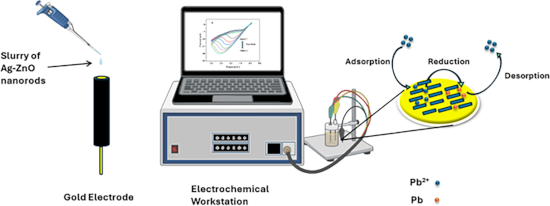
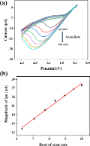
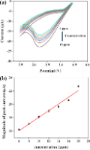
- ; Introduction According to the literature, a lot of work has been done to create durable and dependable smart sensors for the effective identification of analytes that are harmful but also crucial for the environment and technology [1]. Even at very low levels, heavy metals can permanently harm health, and
- their acute exposure leads to chronic disorders by affecting organ functions [2]. For example, lead poisoning in liquid effluents, is one of the worst environmental hazards which can affect human health and readily impact immune responses [3]. Due to the detrimental effects on the environment and human





Biomimetics and bioinspired surfaces: from nature to theory and applications
Beilstein J. Nanotechnol. 2025, 16, 418–421, doi:10.3762/bjnano.16.32

- environmental pressures. Such pressures involve intricate interactions between surface structures and the environment across different scales, including nano-, micro-, and macroscales. Biomimetics aims at making use of understanding how these adaptations and the particular material properties of these surfaces

Size control of nanoparticles synthesized by pulsed laser ablation in liquids using donut-shaped beams
Beilstein J. Nanotechnol. 2025, 16, 407–417, doi:10.3762/bjnano.16.31
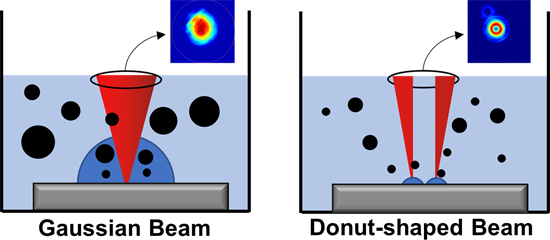
- different. The maximum size (and thereby the lifetime) of the bubble was significantly reduced for the donut-shaped beam compared to the tight focus, which was attributed to the altered bubble shape. The donut beam shape appears to influence the bubble dynamics, potentially creating a different environment


Engineered PEG–PCL nanoparticles enable sensitive and selective detection of sodium dodecyl sulfate: a qualitative and quantitative analysis
Beilstein J. Nanotechnol. 2025, 16, 385–396, doi:10.3762/bjnano.16.29
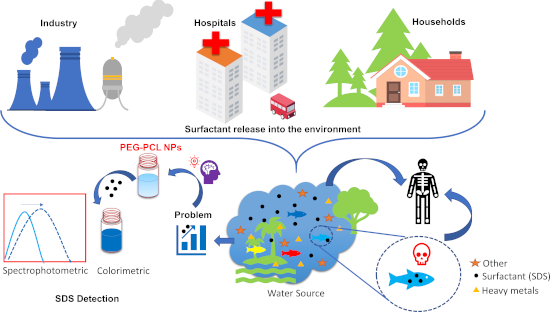
- Soni Prajapati Ranjana Singh Department of Biochemistry, King George’s Medical University, Lucknow, India 10.3762/bjnano.16.29 Abstract Sodium dodecyl sulfate (SDS) is a widely used anionic surfactant in laboratory, household, and industrial applications, which ultimately enters the environment
- reagent). This interaction disrupts the local environment around the dye molecules, changing the optical properties of the PEG–PCL NPs–Bradford reagent complex. The ionic interactions cause the G-250 dye (from the Bradford reagent), which originally exhibits a brownish color, to change into a blue color


Development of a mucoadhesive drug delivery system and its interaction with gastric cells
Beilstein J. Nanotechnol. 2025, 16, 371–384, doi:10.3762/bjnano.16.28

- site. In situ mucoadhesion studies The ability of nanoparticles to stick to mucus, known as mucoadhesion, is important for retention at mucus-bearing sites and, thus, prolonged drug release into the environment [52]. The mucus interaction of the EudAlg NPs was first studied by DLS measurements, where


Tailoring of physical properties of RF-sputtered ZnTe films: role of substrate temperature
Beilstein J. Nanotechnol. 2025, 16, 333–348, doi:10.3762/bjnano.16.25
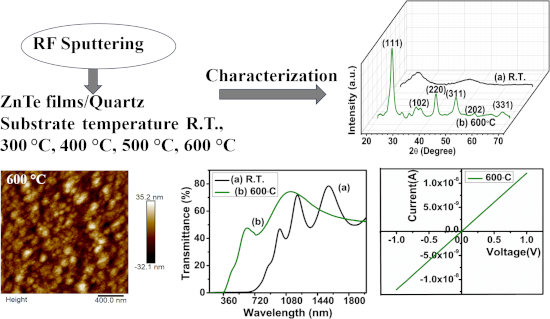
- sample. The peaks observed in the emission spectra are accredited to deep and shallow band transitions. The variation in the width of emission peaks may be due to the change in the lattice environment with substrate temperature. The photoluminescence intensity depends on the number of charge carriers




Graphene oxide–chloroquine conjugate induces DNA damage in A549 lung cancer cells through autophagy modulation
Beilstein J. Nanotechnol. 2025, 16, 316–332, doi:10.3762/bjnano.16.24
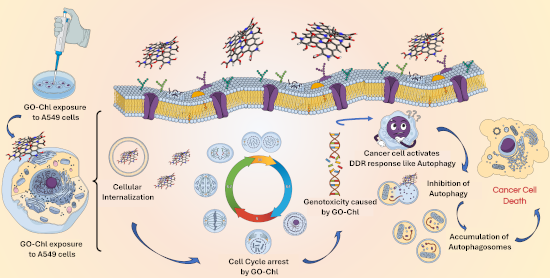
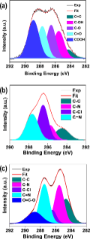
- /IG ratio (0.882) is observed for the GO–Chl sample compared to that of GO (0.929). This indicates a possible conversion of the sp3 carbon to sp2 carbon due to the reducing environment imparted by the amino functionalities present on the Chl, which was also corroborated by FTIR data [47]. Furthermore



Enhancing mechanical properties of chitosan/PVA electrospun nanofibers: a comprehensive review
Beilstein J. Nanotechnol. 2025, 16, 286–307, doi:10.3762/bjnano.16.22

- , and environment. For electrospinning, factors such as applied electric field, distance between the needle and collector, flow rate, and needle diameter affect the fabrication of the nanofibrous sample. Solution parameters include the types of solvent, polymer concentration, viscosity, and solution
- environment because it mitigates the long-term effects of PVA waste on ecosystems. Research on PVA biodegradation further supports its status as an environmentally friendly polymer [65]. The mechanical properties of PVA depend on several factors, such as molecular weight and retained moisture [66]. Dry, fully
- properties [170][171]. This technology is advantageous in terms of energy consumption, processing time, and solvent use, and it is also non-hazardous to the environment [161]. In a study on the surface modification of electrospun chitosan/PVA nanofibers, PVA was dissolved in distilled water and mixed with


Emerging strategies in the sustainable removal of antibiotics using semiconductor-based photocatalysts
Beilstein J. Nanotechnol. 2025, 16, 264–285, doi:10.3762/bjnano.16.21
- , Chittagong University of Engineering and Technology, Chattogram-4349, Bangladesh Department of Civil Engineering, Chittagong University of Engineering and Technology, Chattogram-4349, Bangladesh Water Management & Treatment Technologies Institute, Sustainability & Environment Sector, King Abdulaziz City for
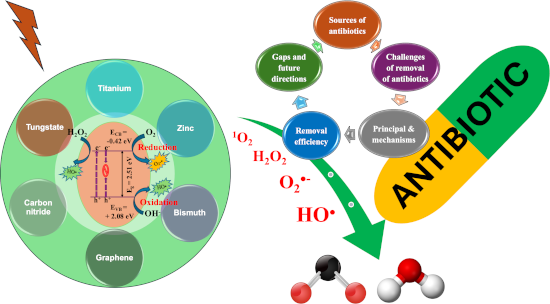
- antibiotics has raised public concern, especially because they are environmental contaminants originating from human and animal waste [5]. These antibiotics can persist without change or as active metabolites in the environment, posing significant toxicity risks to aquatic and human life [6][7][8]. The
- mechanisms of how these materials or processes degrade antibiotics. They do not address the entry of antibiotics into the environment, their adverse impact on human health and the environment, or the effects of each treatment process in relation to established industrial applications. As a result, there is a



Radiosensitizing properties of dual-functionalized carbon nanostructures loaded with temozolomide
Beilstein J. Nanotechnol. 2025, 16, 229–251, doi:10.3762/bjnano.16.18
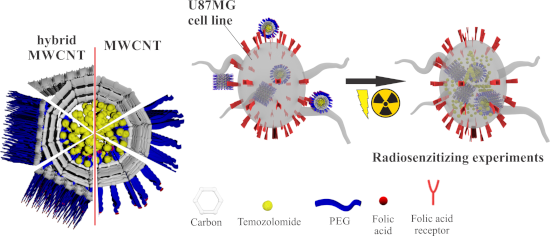
- effect of PEG on cell growth and its biocompatibility by inducing metabolism modulations and survival autophagy through creating an intracellular hypoxic environment. Although there is no consensus on whether the role of folate in cancer cells is protective or harmful, a cytotoxic effect was also




Synthesis and the impact of hydroxyapatite nanoparticles on the viability and activity of rhizobacteria
Beilstein J. Nanotechnol. 2025, 16, 216–228, doi:10.3762/bjnano.16.17
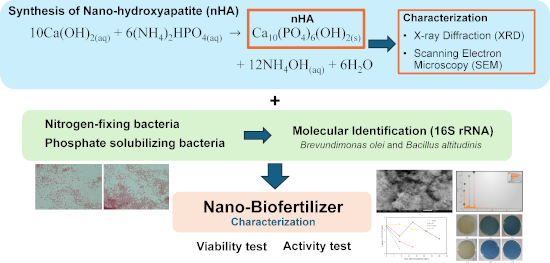
- to the nHA carrier material is not fully understood. However, the structure of nHA, characterized by its voids and crevices, provides an environment conducive to the growth and survival of rhizobacteria, a phenomenon known as biological fixation [33]. Figure 6, along with Table 3 and Table 4, shows


Recent advances in photothermal nanomaterials for ophthalmic applications
Beilstein J. Nanotechnol. 2025, 16, 195–215, doi:10.3762/bjnano.16.16
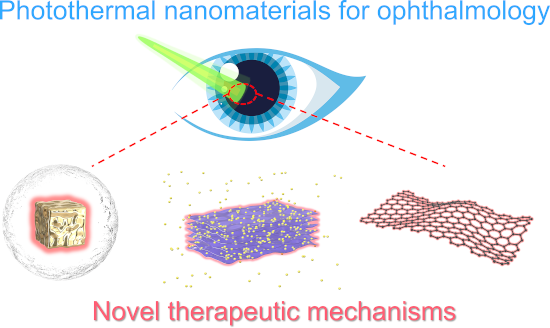
- the dielectric environment present during their synthesis (see below in Figure 2b) [48][49]. Because of the direct occurrence of photothermal conversion on the surfaces of LSPR metals and its rapid nature, combined with the metals’ inherent high thermal conductivity and strong hydrophilicity, LSPR
- for clinical ILM staining, is better suited for generating VNBs on the ILM, and the high NIR absorbance of ICG is beneficial in the in vivo environment. Karen Peynshaert’s team [169] demonstrated that ICG can bind to the ILM and generate VNBs upon pulsed laser irradiation, thereby disrupting the


TiO2 immobilized on 2D mordenite: effect of hydrolysis conditions on structural, textural, and optical characteristics of the nanocomposites
Beilstein J. Nanotechnol. 2025, 16, 128–140, doi:10.3762/bjnano.16.12
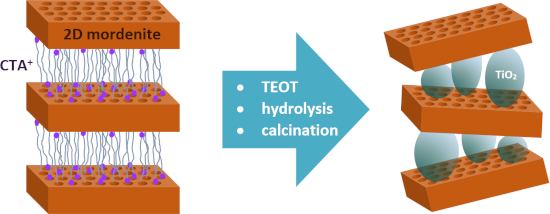
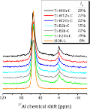
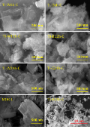
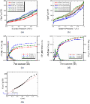
- nanoparticles of about 4 nm in size. It was found that the textural properties of the resulting materials are sensitive to the environment in which TEOT hydrolysis takes place. Alkoxides are, generally, not stable in protic solvents such as water. However, because of this property they are widely used as


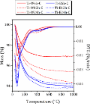

Comparison of organic and inorganic hole transport layers in double perovskite material-based solar cell
Beilstein J. Nanotechnol. 2025, 16, 119–127, doi:10.3762/bjnano.16.11
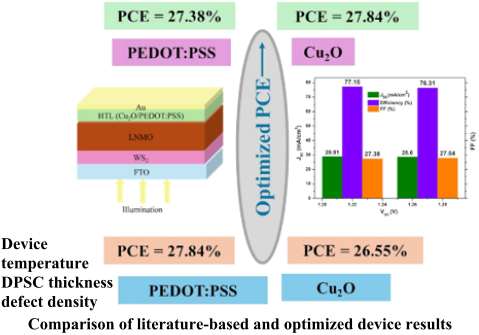
- , as well as geothermal, tidal, and solar energy. Renewable energy sources are unlimited and can be constantly replenished. In the coming years, renewable energy sources will contribute to decarbonizing energy systems. Solar energy safeguards both human health and a healthy environment [1]. Akmam and


Nanocarriers and macrophage interaction: from a potential hurdle to an alternative therapeutic strategy
Beilstein J. Nanotechnol. 2025, 16, 97–118, doi:10.3762/bjnano.16.10
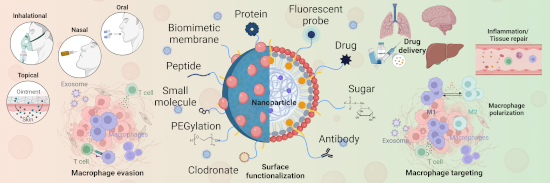
- standard treatment regimen for AIH. 6.2 Targeting lung diseases The immune system plays an essential role in the lungs, representing the largest surface exposed to the external environment. Pathogens can enter through the inhaled air via the epithelial layer or through the bloodstream via the endothelium


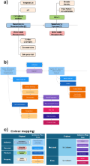
Instance maps as an organising concept for complex experimental workflows as demonstrated for (nano)material safety research
Beilstein J. Nanotechnol. 2025, 16, 57–77, doi:10.3762/bjnano.16.7

- of engineered nanomaterials to change characteristics based on the properties of their environment presents a unique challenge for evaluating their potential environmental and human risks [15][16]. This “context dependence” of many nanomaterials’ properties requires distinction between extrinsic


Advanced atomic force microscopy techniques V
Beilstein J. Nanotechnol. 2025, 16, 54–56, doi:10.3762/bjnano.16.6
- software tool (”unDrift”), which allows reliable and fast drift correction. Dickbreder et al. demonstrate the robust performance of the software tool by AFM data recorded under varying conditions (vacuum or liquid environment) on calcite surfaces with recording times up to several hours. The work by Nony
Orientation-dependent photonic bandgaps in gold-dust weevil scales and their titania bioreplicates
Beilstein J. Nanotechnol. 2025, 16, 1–10, doi:10.3762/bjnano.16.1
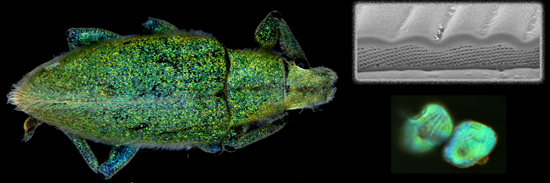
- in insect scales are, however, ideal templates for transferring these complex geometries, which cannot be otherwise synthesized, into media with higher refractive index. Plasma etching is an effective way to open the beetle scales and make them accessible to the chemical environment used for


Mechanistic insights into endosomal escape by sodium oleate-modified liposomes
Beilstein J. Nanotechnol. 2024, 15, 1667–1685, doi:10.3762/bjnano.15.131
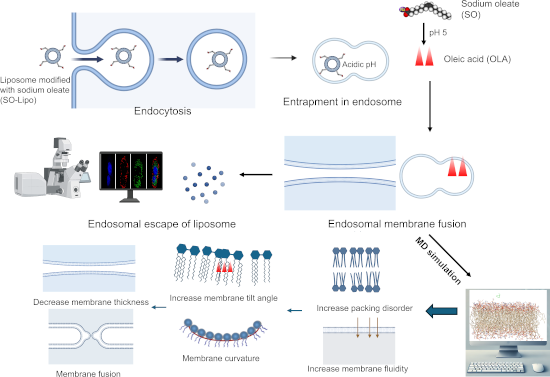
- using anionic SO, a pH-sensitive lipid-based molecule with amphipathic characteristics, as an innovative agent for overcoming endosomal entrapment. At physiological pH, SO carries a negative charge, limiting its interaction with cell membranes. However, within the acidic endosomal environment, SO
- environment, which is representative of endosomal conditions. In contrast, at pH 7.4, the fusion percentage for SO was significantly lower, peaking at only 10% at the highest concentration, highlighting the pH-sensitivity of SO’s fusogenic effect. A similar trend was observed for the positive control, DOPE
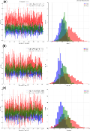
- the membrane surface rather than penetrating deeply. This distribution reflects AUR’s amphipathic nature, where the peptide’s hydrophilic regions interact with the aqueous environment, while the hydrophobic regions associate with the lipid headgroups. The hydrogen bond analysis (Figure 6b,d




Fabrication of hafnium-based nanoparticles and nanostructures using picosecond laser ablation
Beilstein J. Nanotechnol. 2024, 15, 1639–1653, doi:10.3762/bjnano.15.129
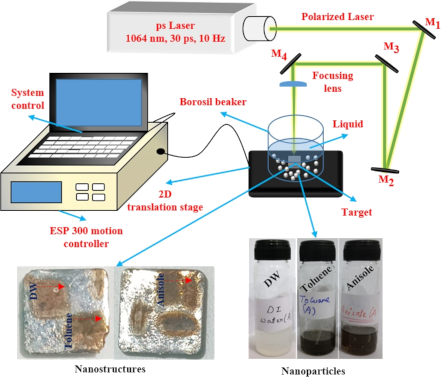
- ][41][43]. The decomposed surrounding liquid has a carbon-rich environment. As the polycrystals grow, they also act as a nucleus for carbon atoms to self-assemble [27][50], forming graphite layers and, eventually, core–shell NPs of different sizes. This formation of graphite layers might prevent the
- formation of fibres. As no hafnium oxide was observed, it can be stated that oxygen in the plasma from HfO0.25 did not react with Hf4+. This can be explained through the fact that the carbon-rich environment near the plasma shifts the reaction equilibrium in favour of the formation of HfC [23][24][51][52
- ) in different solvents. They observed that the choice of the surrounding liquid environment allowed them to tune the properties of the iron-based NPs, for example, the generation of iron oxides or carbides. In the present case, the surrounding liquid possibly had a huge influence on the formation of