


Search results
Search for "plant" in Full Text gives 159 result(s) in Beilstein Journal of Nanotechnology.
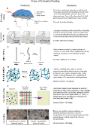
Bioinspired self-healing materials: lessons from nature
Beilstein J. Nanotechnol. 2018, 9, 907–935, doi:10.3762/bjnano.9.85
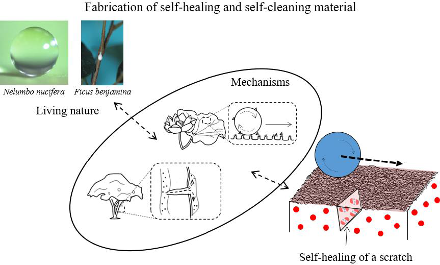
- Joseph C. Cremaldi Bharat Bhushan Nanoprobe Laboratory for Bio & Nanotechnology and Biomimetics (NLBB), The Ohio State University, 201 W. 19th Avenue, Columbus, Ohio 43210-1142, USA 10.3762/bjnano.9.85 Abstract Healing is an intrinsic ability in the incredibly biodiverse populations of the plant
- . Every organism has evolved to occupy a specific role in the ecosystem, with underlying themes in reproduction, animal complexity, the food chain, and the environment [1][2][3]. Evolution has created a very large amount of diversity in the animal and plant kingdoms. Approximately 1 M of the 7.7 M animals
- thought to exist have been discovered [1][4][5], and on the order of 200,000 out of the 300,000 plant species thought to exist have been discovered [4][5]. This biological diversity has also resulted in incredibly diverse types of healing and injury prevention found throughout nature. Therefore, having a







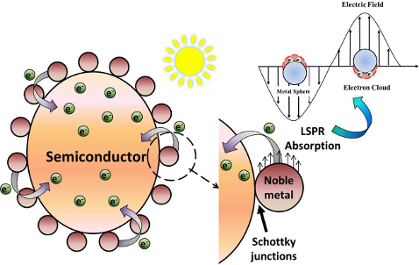
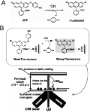
Mechanistic insights into plasmonic photocatalysts in utilizing visible light
Beilstein J. Nanotechnol. 2018, 9, 628–648, doi:10.3762/bjnano.9.59
- capsids and DNA origami as biological scaffolds to increase fluorescence intensity by tuning the distance between capsid and Au NPs [155]. In recent years, the phytochemicals present in plant-based and waste materials have been used as reducing and stabilizing agents to prepare plasmonic metals (Au and Ag





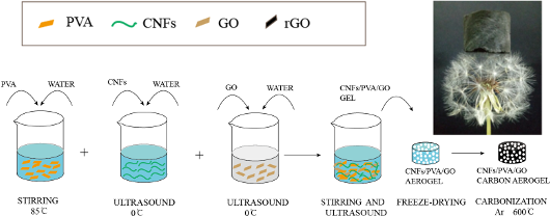
Ultralight super-hydrophobic carbon aerogels based on cellulose nanofibers/poly(vinyl alcohol)/graphene oxide (CNFs/PVA/GO) for highly effective oil–water separation
Beilstein J. Nanotechnol. 2018, 9, 508–519, doi:10.3762/bjnano.9.49
- history of using plant cellulose fibers as reinforcements in polymer composite materials [13][14]. However, the use of nanoscale cellulose fibers to reinforce polymers is a relatively recent effort [15][16]. Despite the challenges described below, CNFs have been combined with various polymer matrices


Kinetics of solvent supported tubule formation of Lotus (Nelumbo nucifera) wax on highly oriented pyrolytic graphite (HOPG) investigated by atomic force microscopy
Beilstein J. Nanotechnol. 2018, 9, 468–481, doi:10.3762/bjnano.9.45
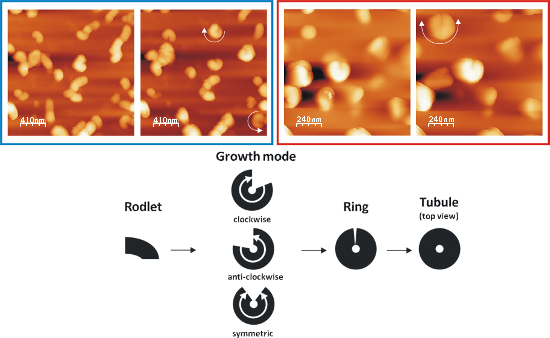
- ; crystallization; epicuticular wax; Lotus; Nelumbo nucifera; nonacosanol tubules; self-assembly; superhydrophobic; Introduction The plant cuticle, a cutin matrix embedded and covered by waxes provides a multitasking interface between plant and environment [1]. These waxes are either reside within the cutin layer
- (intracuticular wax) or deposited over the cutin surface (epicuticular wax) of primary plant organs. Being the first point of contact between plants and environment, the cuticle provides protection against water loss and external environmental stresses. Other important functions include control of transpiration
- , hydrophobicity, protection of photo synthetic cells, interaction with chemicals and other organisms, providing optical properties etc. [2][3][4][5][6][7][8][9]. Plant waxes are a conglomerate of various long chain (>C20) hydrocarbons, aldehydes, ketones, acids, alcohols etc. [10]. Further, cyclic compounds, e.g


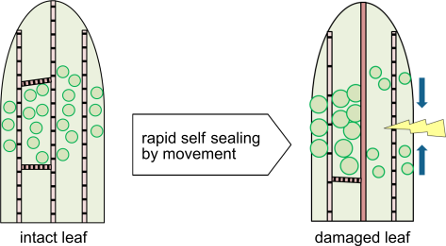
Humidity-dependent wound sealing in succulent leaves of Delosperma cooperi – An adaptation to seasonal drought stress
Beilstein J. Nanotechnol. 2018, 9, 175–186, doi:10.3762/bjnano.9.20
- Olga Speck Mark Schlechtendahl Florian Borm Tim Kampowski Thomas Speck Plant Biomechanics Group, Botanic Garden, Faculty of Biology, University of Freiburg, Schänzlestraße 1, 79104 Freiburg, Germany Competence Network Biomimetics, Baden-Württemberg, Schänzlestraße 1, 79104 Freiburg, Germany
- the last 3.8 billion years of biological evolution, plants have increasingly evolved diverse mechanisms of wound reactions. High selective pressure on the development of self-repair in the plant kingdom and the independent evolution of various mechanisms of self-repair in the different plant groups
- and plant species is thus highly probable. During self-repair processes in all the plant species investigated so far, an initial self-sealing phase and subsequent self-healing phase can be discerned. The rapid self-sealing is characterised by a functionally repaired but still present fissure. This


Review on optofluidic microreactors for artificial photosynthesis
Beilstein J. Nanotechnol. 2018, 9, 30–41, doi:10.3762/bjnano.9.5
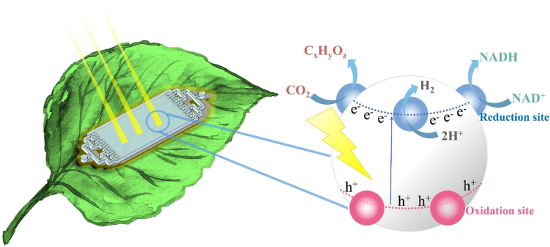
- utilize sunlight, water and CO2 to synthesize energy-rich carbohydrates [10][11]. The chloroplast is the place where NPS occurs. To clearly introduce this organelle, progressively smaller structures (plant cell, chloroplast, thylakoid membrane) of a general leaf are shown in Figure 1A–D. Each chloroplast
- typical plant leaf. (B) Chloroplasts inside the plant cells. The average size of the chloroplasts is 6 µm (ranging from 3 to 10 µm). (C) Plant cell chloroplast structure. Adapted from [22], copyright BioMed Central Ltd. 2014. (D) Thylakoid membrane containing photosystem II reaction centers P680 and


Surfactant-induced enhancement of droplet adhesion in superhydrophobic soybean (Glycine max L.) leaves
Beilstein J. Nanotechnol. 2017, 8, 2345–2356, doi:10.3762/bjnano.8.234
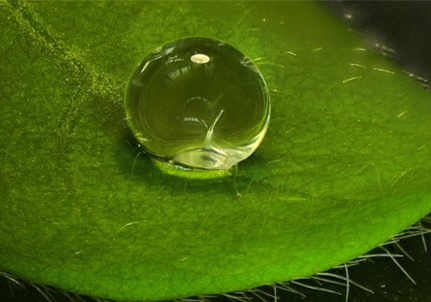
- applied droplets, even on superhydrophobic leaves, to reduce undesirable soil contamination by roll-off of agrochemical formulations from the plant surfaces. The wettability and morphology of soybean (Glycine max L.) leaf surfaces before and after treatment with six different surfactants (Agnique® SBO10
- higher plant surfaces, represents the interface between plants and their environment and accomplishes essential functions to ensure the maintenance of a terrestrial plant life, such as the reduction of water loss [1], control of gas exchange [2][3], protection from harmful UV radiation [4] and aiding
- mechanical stability [5]. Furthermore, the cuticle interacts with its biotic environment and plays a crucial role for insect signaling [6] and insect attachment [7][8][9]. The leaf surfaces are composed of epidermis cells covered by a cuticle, which is a continuous extracellular membrane on primary plant


Air–water interface of submerged superhydrophobic surfaces imaged by atomic force microscopy
Beilstein J. Nanotechnol. 2017, 8, 1671–1679, doi:10.3762/bjnano.8.167
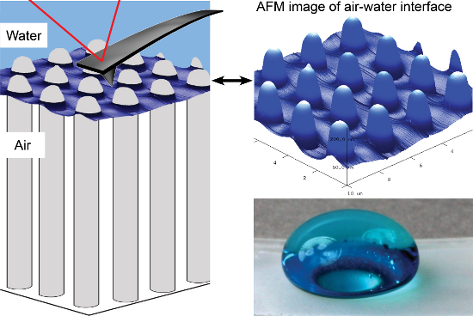
- most complex plant surfaces is exhibited by the giant floating fern Salvinia molesta (Figure 1a,b). With its elastic egg-beater-like shaped trichomes and chemical heterogeneities [5], the fern is capable of maintaining a stable air layer underwater for several weeks. Another example is the backswimmer



Development of a nitrogen-doped 2D material for tribological applications in the boundary-lubrication regime
Beilstein J. Nanotechnol. 2017, 8, 1476–1483, doi:10.3762/bjnano.8.147
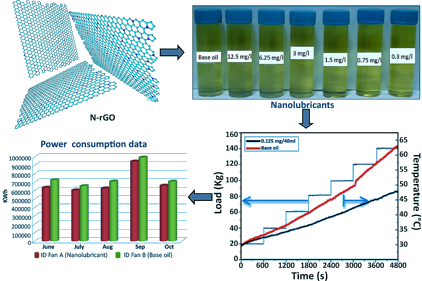
- in tribological properties can be attributed to the sliding mechanism of N-rGO accompanied by the high mechanical strength of graphene. Further, the nanolubricant is prepared at large scale (700 liter) and field trials are carried out at one NTPC thermal plant in India. The implementation of the
- heat transfer fluid and decreases the temperature at friction interfaces. Application of the nanolubricant in induced draft (ID) fans Stable nanolubricants were prepared in large scale (700 liter) for field trial at a power plant of the National Thermal Power Corporation (NTPC) in India. The study was
- Information Supporting Information File 152: Additional experimental data. Acknowledgements This research work is supported by NTPC Ltd and authors are grateful to NTPC management for permission to publish this work. The help received from plant engineers is thankfully acknowledged.


Growth, structure and stability of sputter-deposited MoS2 thin films
Beilstein J. Nanotechnol. 2017, 8, 1115–1126, doi:10.3762/bjnano.8.113
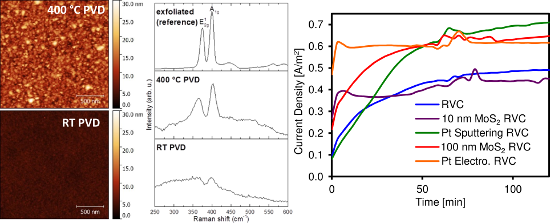
- electrocatalysis applications of our PVD MoS2 films. Experimental Magnetron sputter deposition MoS2 deposition was undertaken in a modified, industrially compatible sputtering plant (Pfeiffer Vakuum, Germany). Thin films have been sputter deposited by an unbalanced cathode from AJA (AJA International, North


Treatment of fly ash from power plants using thermal plasma
Beilstein J. Nanotechnol. 2017, 8, 1043–1048, doi:10.3762/bjnano.8.105
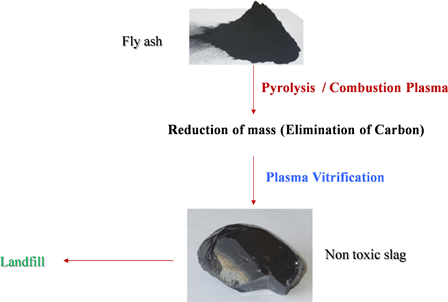
- glassy. Keywords: fly ash; power plant; stabilization/solidification; surface characterization; thermal plasma; Introduction Fly ash is a residue material produced in power plants. This fly ash contains a high level of residual carbon [1], and it contains also transition metals (Fe, Mn, and Co) and



Dispersion of single-wall carbon nanotubes with supramolecular Congo red – properties of the complexes and mechanism of the interaction
Beilstein J. Nanotechnol. 2017, 8, 636–648, doi:10.3762/bjnano.8.68
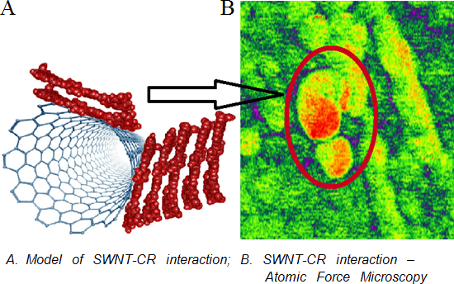
- , Poland Institute of Catalysis and Surface Chemistry, Polish Academy of Science, Niezapominajek 8, Kraków 30-239, Poland Department of Plant Physiology and Biochemistry, Faculty of Biochemistry, Biophysics and Biotechnology, Jagiellonian University, Krakow, Poland Malopolska Centre of Biotechnology


Biological and biomimetic materials and surfaces
Beilstein J. Nanotechnol. 2017, 8, 403–407, doi:10.3762/bjnano.8.42

- Stanislav Gorb Thomas Speck Department of Functional Morphology and Biomechanics, Zoological Institute of the University of Kiel, Am Botanischen Garten 9, 24118 Kiel, Germany Plant Biomechanics Group & Botanic Garden, Faculty of Biology, University of Freiburg, Schänzlestr. 1, 79104 Freiburg
- , an observant naturalist, and a truly outstanding personality, on the occasion of his 70th birthday. One of his most important achievements was building a bridge between systematic studies of plant surfaces and the nano-/microtechnology of superhydrophobic, self-cleaning, and air-holding technical
- reason for this physicochemical “self-cleaning behaviour” is the double-structured water-repellent surface of the plant leaves which is comprised of micro- and nanostructured wax on dome-shaped papillose epidermis cells. Dirt particles as well as microorganisms and fungus spores are attached only via a
Innovations from the “ivory tower”: Wilhelm Barthlott and the paradigm shift in surface science
Beilstein J. Nanotechnol. 2017, 8, 394–402, doi:10.3762/bjnano.8.41
- , the unique natural history of isolated rocky outcrops called inselbergs, or the global distribution of biodiversity), plant surfaces and especially the tremendous diversity of minute structures on leaves, fruits, seeds and other parts of plants represent a common thread through 40 years of scientific
- compiling, to our knowledge, the largest dataset on plant epicuticular surface features. Epicuticular waxes are made up of various soluble lipids and, at least most of them, originate from self-assembly, again a topic studied in various different types of crystals accompanied by recrystallization
- experiments and modern microscopy techniques [29][30][31][32][33][34][35][36][37][38]. Examining plant surfaces, especially fine structures of micrometre size and smaller, through scanning electron microscopy needed careful preparation, including cleaning of the surfaces. After repeating these procedures


Association of aescin with β- and γ-cyclodextrins studied by DFT calculations and spectroscopic methods
Beilstein J. Nanotechnol. 2017, 8, 348–357, doi:10.3762/bjnano.8.37
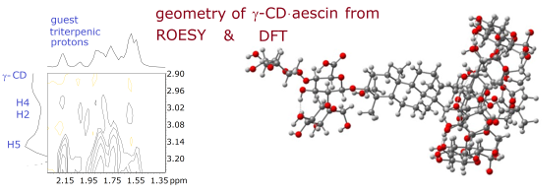
- for over two decades, being first reported as a sequestering agent and sweetness inhibitor for strognin, a natural sweetener found in the Malaysian plant Staurogyne merguensi [15]. With glycemnic acid, a sweetness suppressing agent, γ-CD also acts as inhibitor, thus restoring one’s ability to taste


When the going gets rough – studying the effect of surface roughness on the adhesive abilities of tree frogs
Beilstein J. Nanotechnol. 2016, 7, 2116–2131, doi:10.3762/bjnano.7.201
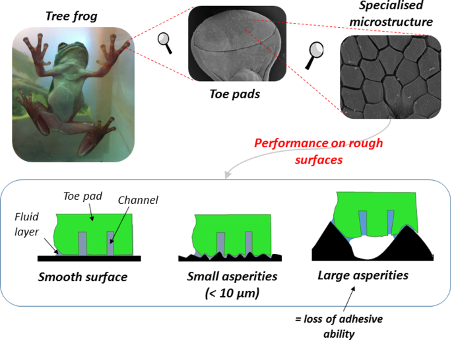
- require low fluid contact angles), and deprive the pads of adhesive ability. Indeed, many plant surfaces are hydrophobic, as this reduces water loss [5]. Turning to surface roughness, this affects the ability of the pad surface to form close contact with the surface. With fine-scale roughness, the volume
- possess claws as well as adhesive pads. Additionally, there are studies of plant surfaces that have evolved to be anti-adhesive as far as insects are concerned. The effects of surface roughness on animals with hairy pads (geckos, spiders, insects such as beetles) are reasonably predictable. When the




The cleaner, the greener? Product sustainability assessment of the biomimetic façade paint Lotusan® in comparison to the conventional façade paint Jumbosil®
Beilstein J. Nanotechnol. 2016, 7, 2100–2115, doi:10.3762/bjnano.7.200
- Florian Antony Rainer Griesshammer Thomas Speck Olga Speck Plant Biomechanics Group, Botanic Garden, Faculty of Biology, University of Freiburg, 79104 Freiburg, Germany Öko-Institut e.V., Institute for Applied Ecology, 79017 Freiburg, Germany Competence Network Biomimetics, Germany Freiburg
- developments were derived from biological examples over the last years [5][6][7]. The analysis of plant surfaces as contribution to the systematics of plants lead to the discovery of the operating principle of the self-cleaning effect of plant surfaces. This was brought into the construction market as
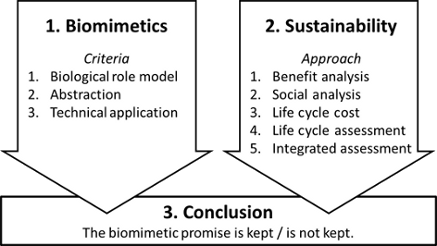
- paint with self-cleaning properties. Results and Discussion Test of the criterion: Biomimetic product yes or no As suggested by Antony et al. [16], clarifying whether the superhydrophobic properties of double-structured rough plant surfaces like the one of the sacred lotus (Nelumbo nucifera) have been


“Sticky invasion” – the physical properties of Plantago lanceolata L. seed mucilage
Beilstein J. Nanotechnol. 2016, 7, 1918–1927, doi:10.3762/bjnano.7.183
- Agnieszka Kreitschitz Alexander Kovalev Stanislav N. Gorb Department of Plant Developmental Biology, Institute of Experimental Biology, University of Wrocław, ul. Kanonia 6/8, 50-328 Wrocław, Poland Department of Functional Morphology and Biomechanics, University of Kiel, Am Botanischen Garten 9
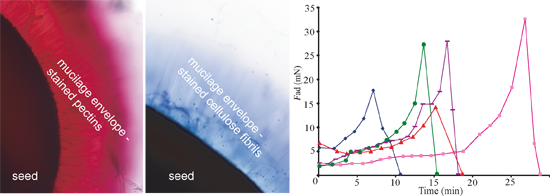
- characteristic of plants that grow in dry or disturbed habitats [1][3]. The presence of mucilage results in different benefits for the plant including (1) fixation of diaspores to the ground, (2) water supply essential for germinating an embryo or (3) egzo- and endozoochoric dispersal by animals [1][2][3
- kind of nanobiomaterial. Cellulose is well known as natural and renewable plant polymer. Nano-cellulose is used in biomedicine, cosmetics and food industry [30]. Mucilage, which contains diverse polysaccharides, among them cellulose, exhibits a high cohesive and adhesive properties. Due to this


Biomechanics of selected arborescent and shrubby monocotyledons
Beilstein J. Nanotechnol. 2016, 7, 1602–1619, doi:10.3762/bjnano.7.154
- Tom Masselter Tobias Haushahn Samuel Fink Thomas Speck Plant Biomechanics Group, Botanic Garden, Faculty of Biology, University of Freiburg, Schänzlestraße 1, D-79104 Freiburg im Breisgau, Germany 10.3762/bjnano.7.154 Abstract Main aims of the study are a deepened understanding of the
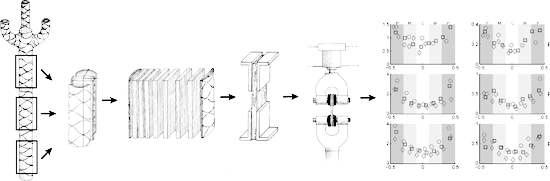
- properties concentrate on two hierarchical levels: On a first level, the radial and axial Young’s moduli of stem tissues in the five “woody” monocotyledon species are analysed (Figure 2A). In addition, in stems of Dracaena marginata, which was chosen as a representative model plant for “woody” monocotyledons
- structural and mechanical requirements of Dracaena marginata, which was chosen as a representative model organism for arborescent monocotyledonous plants with lignified vascular bundles and anomalous secondary growth. Morphology and anatomy of monocotyledons The model plant Dracaena marginata was chosen for



Surface roughness rather than surface chemistry essentially affects insect adhesion
Beilstein J. Nanotechnol. 2016, 7, 1471–1479, doi:10.3762/bjnano.7.139
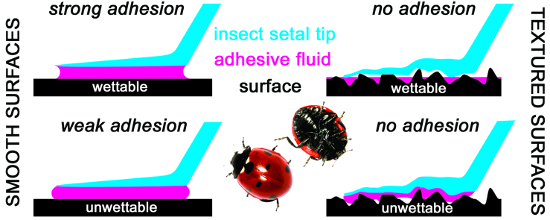
- hydrocarbons [26][27][28][29][30][31][32]. Several hypotheses exist on how plant surfaces prevent insect attachment. These are typically based on (1) the reduction of the contact area between the substrate and the insect adhesive pad through surface micro-roughness, (2) a decrease in substrate surface energy
- ]. However, recent studies on insect attachment have yielded contradicting results. For example, a previous experimental study on attachment of the beetle Gastrophysa viridula to the leaf surface of its host plant Rumex obtusifolius, and artificial micro-roughened and smooth (hydrophobic and hydrophilic
- pronounced reduction. Prüm et al. [17] measured the traction force of the beetle Leptinotarsa decemlineata on different plant surfaces and their artificial replicas, and reported that surface roughness exerted a strong influence on attachment, whereas surface chemistry was found to have no significant



Influence of ambient humidity on the attachment ability of ladybird beetles (Coccinella septempunctata)
Beilstein J. Nanotechnol. 2016, 7, 1322–1329, doi:10.3762/bjnano.7.123
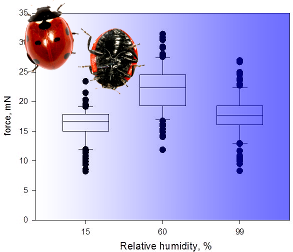
- niche occupation of plant-dwelling insects, since it is substantial for resting and locomotion in a complex environment. Consequently, a high diversity of friction and adhesion enhancing structures has evolved among insects [1][2]. Several studies showed that not only the intrinsic structure of an
- geckoes [10][11][12][13] and spiders [14]. For small arthropods these conditions may highly vary micro-spatially, especially in the boundary layer of plant leaves [15]. Furthermore, on most surfaces there is an adsorbed film of water molecules, with a thickness and mechanical properties highly influenced
- species is a generalist, living on diverse plant surfaces [38][39]. In their natural environment, beetles are exposed to various humidities, hence, their adhesive system must be well adapted to changing environmental conditions. Beetles were collected from bracken (Pteridium aquilinum) in the New


Fabrication and characterization of branched carbon nanostructures
Beilstein J. Nanotechnol. 2016, 7, 1260–1266, doi:10.3762/bjnano.7.116
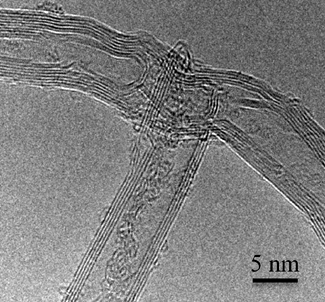
- experiments [12][13][14] that branched fibers can greatly enhance interfacial bonding and dispersability. Such an approach is exemplified by the process of adding straw (branched plant fibers) to mud to make stronger bricks which has been used since the Neolithic period, i.e., before 3400 BC [15]. More


Experimental and simulation-based investigation of He, Ne and Ar irradiation of polymers for ion microscopy
Beilstein J. Nanotechnol. 2016, 7, 1113–1128, doi:10.3762/bjnano.7.104
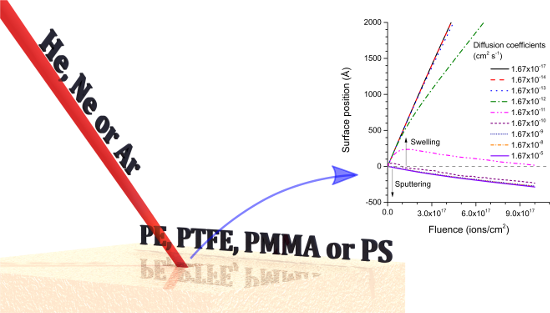
- microbiology [9] and plant biology [10][11]. In studies of this kind, elemental mapping by dynamic SIMS has the advantage of high lateral resolution and better chemical sensitivity than many other techniques. To get valuable information from samples, it is important to control the interactions between primary


Templated green synthesis of plasmonic silver nanoparticles in onion epidermal cells suitable for surface-enhanced Raman and hyper-Raman scattering
Beilstein J. Nanotechnol. 2016, 7, 834–840, doi:10.3762/bjnano.7.75
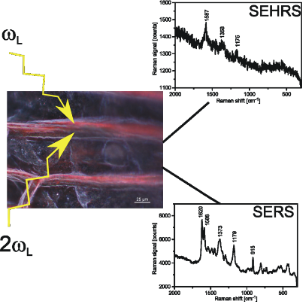
- environment supports the generation of silver nanostructures in two ways. The plant tissue delivers reducing chemicals for the initial formation of small silver clusters and their following conversion to plasmonic particles. Additionally, the natural morphological structures of the onion layers, in particular
- nanoparticles using many very different pre-treated plant materials, such as extracts collected from leafs or vegetables and fruits has been demonstrated in numerous publications [15][16][17][18][19]. The diversity of bioorganic molecules available in plants provides many combinations of reducing and
- stabilizing agents. This gives rise to a broad variety of parameters in the green preparation process, resulting in metal nanoparticles of different sizes and shapes. While pre-treated plant materials such as extract and juice have been used in former studies [14][15][18][19][20]. In this article, we


Comparative kinematical analyses of Venus flytrap (Dionaea muscipula) snap traps
Beilstein J. Nanotechnol. 2016, 7, 664–674, doi:10.3762/bjnano.7.59
- Simon Poppinga Tim Kampowski Amelie Metzger Olga Speck Thomas Speck Plant Biomechanics Group, Botanic Garden, University of Freiburg, Schänzlestraße 1, 79104 Freiburg, Germany Freiburg Materials Research Center (FMF), University of Freiburg, Stefan-Meier-Straße 21, 79104 Freiburg, Germany Freiburg
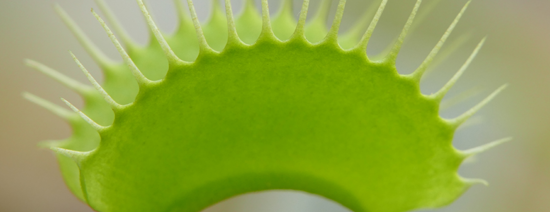
- context. Keywords: biomechanics; carnivorous plant; Droseraceae; fast plant movement; functional morphology; Introduction The terrestrial Venus flytrap (Dionaea muscipula) is certainly the most iconic carnivorous plant [1][2][3], but the spectacular movement of its snap traps (Figure 1) is not yet fully
- a firmly sealed digestion chamber [2] that acts similar to an animal stomach. Knowledge about the functionality of the traps under various, naturally occurring environmental conditions and in the different developmental stages of the plant is scarce at best. Dionaea grows in habitats that become





