


Search results
Search for "polymer" in Full Text gives 784 result(s) in Beilstein Journal of Nanotechnology. Showing first 200.
Comparative electron microscopy particle sizing of TiO2 pigments: sample preparation and measurement
Beilstein J. Nanotechnol. 2024, 15, 317–332, doi:10.3762/bjnano.15.29
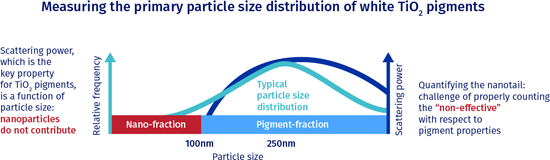
- as in [11], differences in method M1 with respect to [11][21] are described below. These three methods differ substantially in all their characteristic steps, including ultrasonic bath dispersion in water, dry dispersion in a solid polymer, and the powdering onto a sticky sample stub without


Vinorelbine-loaded multifunctional magnetic nanoparticles as anticancer drug delivery systems: synthesis, characterization, and in vitro release study
Beilstein J. Nanotechnol. 2024, 15, 256–269, doi:10.3762/bjnano.15.24
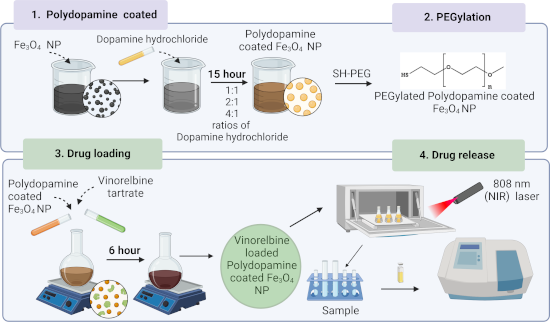
- the use of poly(ethylene glycol) (PEG) polymer, is a widely used modification method to improve passive tumor targeting and retention [26][27][28]. In a study presented in the literature, PEGylation was used to impart passive tumor targeting properties to PDA nanoparticles. In in vivo experiments
- morphology and a size of 18 nm. After coating with PDA at different ratios, the size reaches up to 28, 61, and 225 nm. Another point is that PEGylation has been applied using SH-PEG polymer to enhance biocompatibility. Notably, our study demonstrates a significantly higher drug loading efficiency of 98
- external magnetic field. This finding is crucial for future studies on magnetic field-guided drug release and tumour treatment. Particularly, our research also investigates the effect of varying polymer ratios on drug release kinetics and photothermal efficiency, which was not addressed in the


Nanocarrier systems loaded with IR780, iron oxide nanoparticles and chlorambucil for cancer theragnostics
Beilstein J. Nanotechnol. 2024, 15, 180–189, doi:10.3762/bjnano.15.17
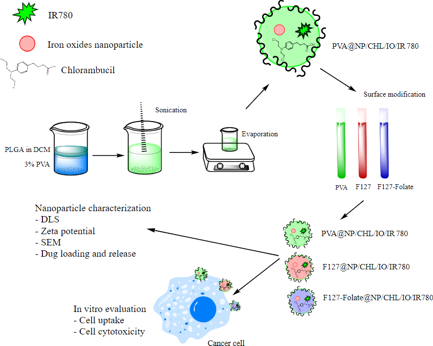
- mg of F127 was separately added to the tubes, and the ligand exchange was performed at 4 °C for one week. The tube without added polymer was designated as PVA@PLGA/IO/CHL/IR780 (PVA@NP). Then, the nanoparticles were centrifuged for 30 min at 12,000 rpm and resuspended in distilled water. The final
- approx. 150 nm. However, there was a polymer layer covering the outside of the NPs, which made the spherical shape of the NPs not clear. Drug loading and release Entrapment of chlorambucil The entrapment of chlorambucil in the NPs was calculated by measuring the OD absorption of CHL in NPs after
- theragnostic applications, we have produced PLGA nanoparticles that carry chlorambucil as the chemotherapeutic medication and iron oxide nanoparticles as the imaging agent. Li et al., 2023, published similar results on F127@PLGA nanoparticles and claimed that the F127 polymer flocculates over the PVA layer


CdSe/ZnS quantum dots as a booster in the active layer of distributed ternary organic photovoltaics
Beilstein J. Nanotechnol. 2024, 15, 144–156, doi:10.3762/bjnano.15.14
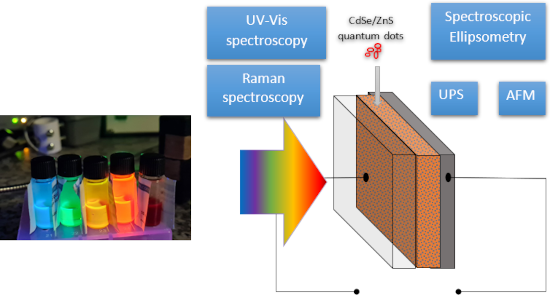
- studies on CdSe/ZnS nanodots as dopants in a polymer–fullerene matrix for application in organic solar cells. An assembly of poly(3-hexylthiophene-2,5-diyl) and 6,6-phenyl-C71-butyric acid methyl ester was used as the active reference layer. Absorption and luminescence spectra as well as the dispersion
- of QD-doped devices was compared to the reference system (ITO/PEDOT:PSS/P3HT:PCBM/aluminium). PEDOT:PSS ([poly(3.4-ethylene dioxythiophene] polystyrene sulfonate) is an intrinsically conductive polymer, a mixture of two ionomers, with a HOMO level equal to 5.17 eV [61]. It is widely used as a charge
- -hexylthiophene) (P3HT)/polymer-[6,6]-phenyl-C61-butyric acid methyl ester (PCBM)/Ca/Al [66]. With poly{[2,7-(9-(2-ethylhexyl)-9-hexylfluorene])-alt-[5,5-(4,7-di-2-thienyl-2,1,3-benzothiadiazole)]} (PFDTBT) quantum dots doped into organic solar cells, a maximum PCE equal to 6.81% was obtained, corresponding to a




Study of the reusability and stability of nylon nanofibres as an antibody immobilisation surface
Beilstein J. Nanotechnol. 2024, 15, 83–94, doi:10.3762/bjnano.15.8
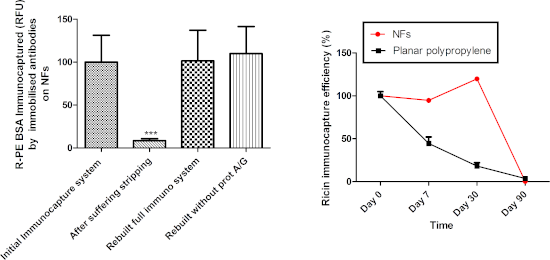
- amide groups and free amine groups at the ends of its polymer chains, as well as carboxyl groups. These amide and amine groups provide excellent hydrogen bonding sites [23][24]. Regarding the binding of antibody to protein A/G, it has been described that this occurs at pH values between 5 and 8 because


Berberine-loaded polylactic acid nanofiber scaffold as a drug delivery system: The relationship between chemical characteristics, drug-release behavior, and antibacterial efficiency
Beilstein J. Nanotechnol. 2024, 15, 71–82, doi:10.3762/bjnano.15.7
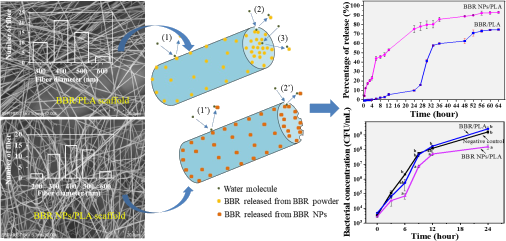
- polymer solution blended with additional components is applied under a high-voltage electrostatic field, generating a charged and stretched solution jet following nanofiber formation [8][9]. Drug delivery systems based on nanofiber scaffolds produced by electrospinning method have strongly attracted
- nanofiber compositions [11][12][13]. For a long-term drug release, hydrophobic polymers are chosen for the preparation of drug-loaded nanofiber scaffolds. This is because the hydrophobicity of the polymer could form air gaps, slowing matrix hydration and suppressing drug diffusion from the nanofibers [14
- ]. The core/shell nanofiber structure can also prolong the drug release since the polymer shell plays a role as a rate-control barrier [15]. On the other hand, the nanofiber scaffolds fabricated using suitable hydrophilic or water-soluble polymers are used to improve the dissolution profile and


Influence of conductive carbon and MnCo2O4 on morphological and electrical properties of hydrogels for electrochemical energy conversion
Beilstein J. Nanotechnol. 2024, 15, 57–70, doi:10.3762/bjnano.15.6
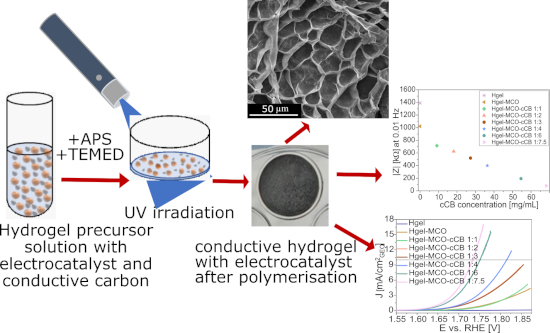
- -stage synthesis of polymer composites based on PNIPAAm hydrogel was presented. Both conductive particles in the form of conductive carbon black (cCB) and MnCo2O4 (MCO) spinel particles were suspended in the three-dimensional structure of the hydrogel. The MCO particles in the resulting hydrogel
- ; hydrogel; hydrogen; oxygen evolution reaction; polymer composites; Introduction Hydrogels are defined as a group of polymeric materials with an insoluble hydrophilic structure which gives them the ability to absorb and hold large amounts of water (up to over 99 wt %) in their three-dimensional network
- . The phenomenon in which hydrogels swell in water while not dissolving in it is due to hydrophilic functional groups attached to the polymer backbone and cross-links between the network chains. High water content makes hydrogel materials similar in terms of microstructure and flexibility to living


Curcumin-loaded nanostructured systems for treatment of leishmaniasis: a review
Beilstein J. Nanotechnol. 2024, 15, 37–50, doi:10.3762/bjnano.15.4
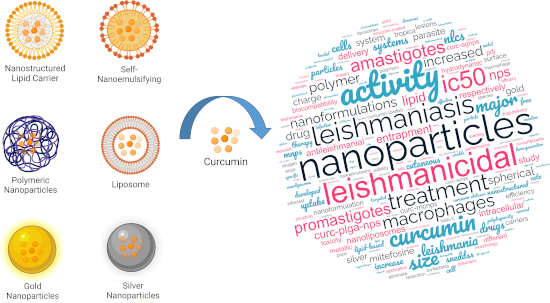
- impact specific drug release kinetics and increase biocompatibility [60]. Different biodegradable polymers have been used for the development of targeted PNPs for the treatment of leishmaniasis [102]. In this scenario, chitosan is an interesting polymer for NP synthesis due to its positive charge, which
- favors adsorption by negatively charged cell membranes [103]. Additionally, studies have revealed antileishmanial properties of this polymer against Leishmania parasites, making it attractive for the synthesis of NPs intended for this treatment [56][104]. Therefore, Chaubey and colleagues developed
- cytotoxicity observed in in vivo studies. Hence, chitosan-based nanoparticles are a good strategy for drug delivery intended to treat leishmaniasis. This polymer can stimulate macrophages to produce pro-inflammatory cytokines, as they bind to receptors present in the cells of the immune system [106]. In this


Nanotechnological approaches in the treatment of schistosomiasis: an overview
Beilstein J. Nanotechnol. 2024, 15, 13–25, doi:10.3762/bjnano.15.2
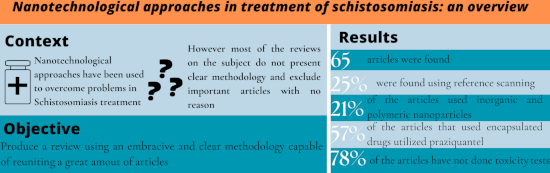
- , an exponential drug release [17][20]. Our research found that many articles utilized poly(lactic-co-glycolic acid) (PLGA) and chitosan nanoparticles, especially because they are biocompatible polymers and present great biodegradability. The polymer PLGA is approved for clinical use by Food and Drug
- Administration since 1989 [21] and, although no human data attests to chitosan safety, many animal tests prove its safety [22]. Eudragit L 100 is another polymer commonly used in literature because of its biocompatibility [8]. Overall, it is used when a delayed release is required. It is derived from polyacid


Curcumin-loaded albumin submicron particles with potential as a cancer therapy: an in vitro study
Beilstein J. Nanotechnol. 2023, 14, 1127–1140, doi:10.3762/bjnano.14.93
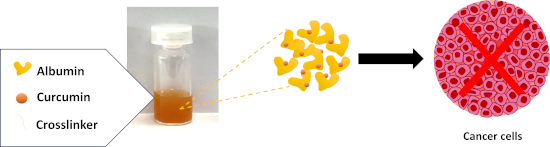
- % (Huh-7, Figure 6B) and 58% to 32% (MCF-7, Figure 6D). The CUR-HSA-MPs showed lower cytotoxicity than free CUR at the same drug concentrations. This could be explained by its drug delivery process, which is a common feature of polymer anticancer drugs. Enhanced and sustained release of CUR is attributed




Sulfur nanocomposites with insecticidal effect for the control of Bactericera cockerelli
Beilstein J. Nanotechnol. 2023, 14, 1106–1115, doi:10.3762/bjnano.14.91
- ]. Furthermore, different kinds of polysaccharides (e.g., chitosan, alginates, and polyethylene glycol) have been used for the synthesis of nanoinsecticides [15]. While other forms of polymer and non-polymer nanoformulations, such as nanofibers, nanocapsules, nanogels, nanomicelles, and nanospheres, have been


Dual-heterodyne Kelvin probe force microscopy
Beilstein J. Nanotechnol. 2023, 14, 1068–1084, doi:10.3762/bjnano.14.88
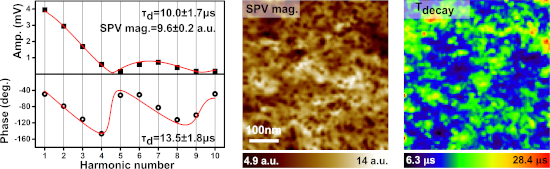
- areas also showed a positive SPV [4]. Although the following model remains tentative, the picture that seems to emerge is that the BHJs investigated in this work feature nanophase-segregated networks with a higher concentration of the electron-donor polymer (accounting for the positive SPV), and/or a




Recognition mechanisms of hemoglobin particles by monocytes – CD163 may just be one
Beilstein J. Nanotechnol. 2023, 14, 1028–1040, doi:10.3762/bjnano.14.85
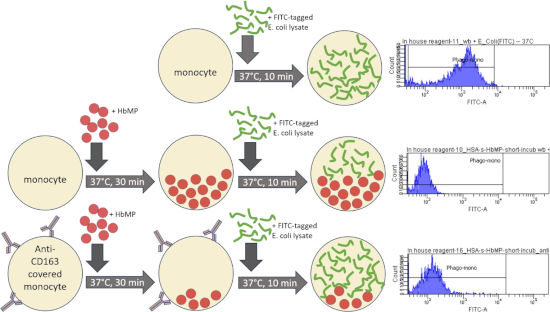
- site within the Hb α chain is freely accessible (exclusively β-crosslinked Hb vs α-crosslinked Hb) [27]. Intermolecular modifications changing the molecular or polymer size of HBOCs [16][19][30] are relevant for protein binding as well. Hemoglobin sub-micron particles (HbMPs) obtained via




Exploring internal structures and properties of terpolymer fibers via real-space characterizations
Beilstein J. Nanotechnol. 2023, 14, 1004–1017, doi:10.3762/bjnano.14.83
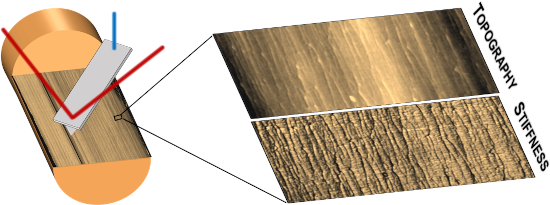
- ; structure–property relationships; Technora®; Introduction High-performance polymer fibers have enabled groundbreaking advancements in numerous applications, from personal armor to tires to sports equipment, that aim to maximize mechanical performance while minimizing weight. The successes achieved with
- forerunners in the field, such as Kevlar® and ultrahigh molecular weight polyethylene (UHMWPE), have driven tremendous interest in new fiber chemistries and processing techniques. The development of Technora® in 1987 marked a new approach to polymer fiber design, with an emphasis on aligning extended
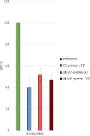
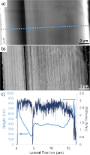
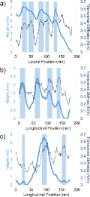
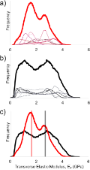
- -diameter map were fibrillar in structure (Figure 3a). The surface consisted of a branched network of fibrils closely aligned to the fiber axis, as highlighted in Figure 3b. The widths of individual fibrils varied substantially (20–45 nm) along their length. Unlike in other polymer fibers we have explored






Nanoarchitectonics of photothermal materials to enhance the sensitivity of lateral flow assays
Beilstein J. Nanotechnol. 2023, 14, 988–1003, doi:10.3762/bjnano.14.82
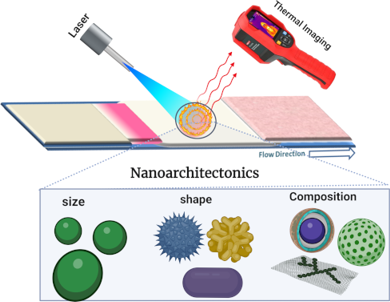
- properties, that is, plasmonic materials (e.g., Au, Ag, and Pt), semiconductor materials (e.g., transition metal oxides, transition metal chalcogenides, and transition metal dichalcogenides), carbon-based nanomaterials (such as graphene oxide and carbon nanotubes), and polymer nanomaterials [33][34] (Figure
- nanoparticles in the composite can increase the light absorption through surface plasmon resonance. Hence, graphene-based multifunctional nanocomposite materials could be employed as promising photothermal agents [44]. Polymer-based nanomaterials: Because of high biocompatibility, high PCE, and facile synthesis
- ]. NIR light irradiation for 10 min can yield temperatures up to 61 °C in mesoporous PDA with a photoconversion efficiency of 26.7%. Despite the advantages, many of the polymer nanoparticles show strong photoluminescence and do not withstand long-term light irradiation. To overcome this challenge, hybrid


Antibody-conjugated nanoparticles for target-specific drug delivery of chemotherapeutics
Beilstein J. Nanotechnol. 2023, 14, 912–926, doi:10.3762/bjnano.14.75
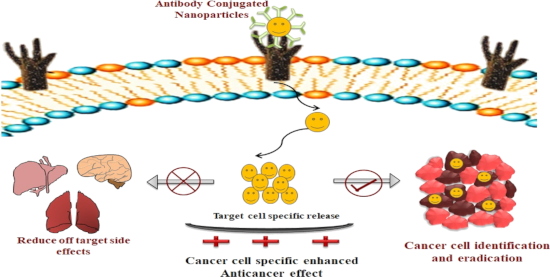
- , are the most significant clinical challenge when using conventional chemotherapeutics [1]. To improve therapeutic efficacy and to reduce off-target side effects, strategies such as cancer cell-specific targeted delivery, thermally responsive polymer–drug conjugates, macromolecule drug conjugates, gene
- or elimination of NP targeting capability by shielding or completely covering relevant functional groups. To block the adhesion of corona proteins on NP surfaces, various strategies have been established using surface barrier layers, such as polymer, protein, or biomimetic coatings, with the ultimate



Industrial perspectives for personalized microneedles
Beilstein J. Nanotechnol. 2023, 14, 857–864, doi:10.3762/bjnano.14.70
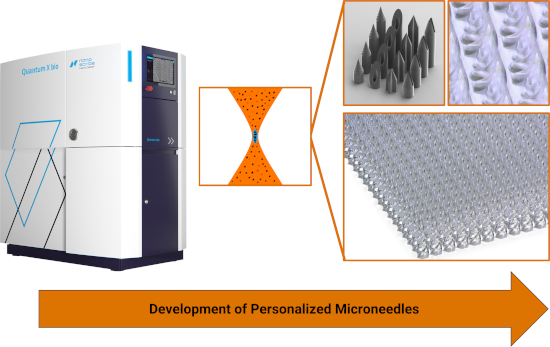
- printers (e.g., Nanoscribe Quantum X platforms) producing polymer masters. The increased scan speed and throughput are the result of new supporting technologies coming to market, such as replacing piezoelectric stages with galvanometric mirrors. These new technologies continue to decrease the gap in
- millions of pieces for each ethnic population. Today, there are mass production methods using light-based 3D printing that mitigate the risks associated with scaling up production, namely (1) polymer masters for solid microneedle replication and (2) direct printing of hollow microneedles The first approach
- to fabricate solid microneedles from polymer masters is more favorable for mass production because soft and hard molds can be generated rapidly [50][67]. From these molds, medical device manufacturers can mass-produce drug-loaded microneedle arrays, which lowers the overall production cost [50]. The


Biomimetics on the micro- and nanoscale – The 25th anniversary of the lotus effect
Beilstein J. Nanotechnol. 2023, 14, 850–856, doi:10.3762/bjnano.14.69

- pest insects by reducing the frictional forces experienced when they walk on the leaves. This structure might also provide mechanical stability to the growing plant organs and has an impact on the wettability of the leaves. Using polymer replicas of adaxial leaf surfaces at various scales, the surface


A wearable nanoscale heart sound sensor based on P(VDF-TrFE)/ZnO/GR and its application in cardiac disease detection
Beilstein J. Nanotechnol. 2023, 14, 819–833, doi:10.3762/bjnano.14.67
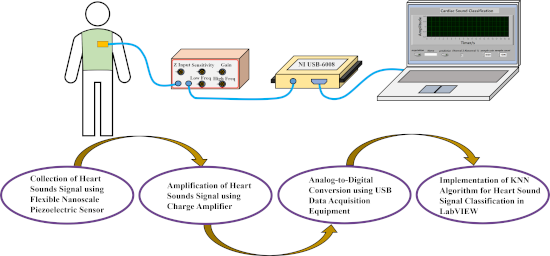
- polymer material with a wide frequency bandwidth, good biocompatibility, and softness. It is one of the preferred materials for flexible piezoelectric sensors [12]. However, compared to rigid piezoelectric materials such as PZT, pure P(VDF-TrFE) has inferior piezoelectric properties [13]. Researchers have


Nanostructured lipid carriers containing benznidazole: physicochemical, biopharmaceutical and cellular in vitro studies
Beilstein J. Nanotechnol. 2023, 14, 804–818, doi:10.3762/bjnano.14.66
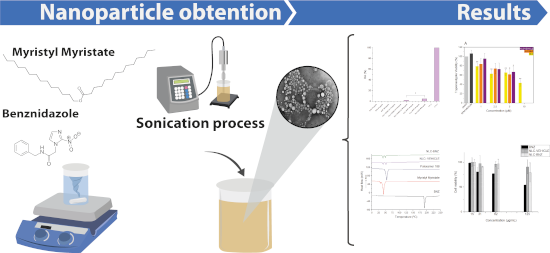
- –Peppas model, also called power law, was initially used to describe drug release in polymeric systems where the two predominant mechanisms were relaxation of the polymer chains and diffusion. In this model (Equation 2), Mt/M∞ is the fraction dissolved, K is a constant that incorporates structural and
- , the estimated value of n was 0.56, suggesting mixed release mechanisms at play with a strong contribution of diffusion. As in our case there is no polymer relaxation involved, it may be hypothesized that the burst effect could be slightly affecting the global kinetics of the process [35]. Although


Nanoarchitectonics for advanced applications in energy, environment and biology: Method for everything in materials science
Beilstein J. Nanotechnol. 2023, 14, 738–740, doi:10.3762/bjnano.14.60
- creation quickly progressed because of the introduction and development of various scientific fields, which mainly developed in the last century. Organic chemistry, inorganic chemistry, polymer chemistry, supramolecular chemistry, coordination chemistry, and various materials science fields have enabled

Metal-organic framework-based nanomaterials as opto-electrochemical sensors for the detection of antibiotics and hormones: A review
Beilstein J. Nanotechnol. 2023, 14, 631–673, doi:10.3762/bjnano.14.52
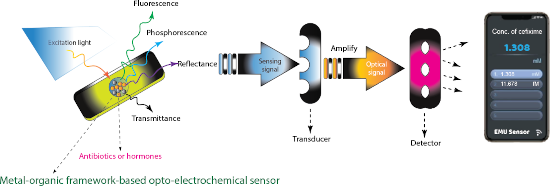
- devices. The most often employed nanomaterials for electrochemical sensors are divided into four categories based on their chemical makeup: (i) metal oxides and metal-based materials (including MOF), (ii) dendrimers and polymer-based, (iii) carbonaceous materials, and (iv) hybrids or composites. Because


Carbon nanotube-cellulose ink for rapid solvent identification
Beilstein J. Nanotechnol. 2023, 14, 535–543, doi:10.3762/bjnano.14.44
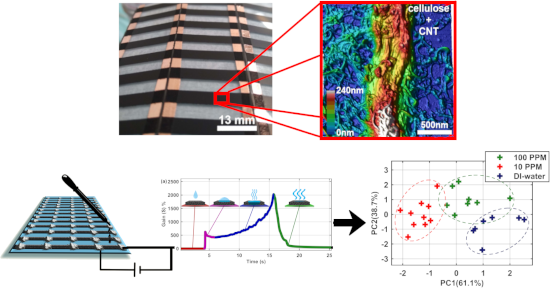
- production of liquid sensors, besides the constant need for sensor recalibration, has hindered broader commercialization of such devices [13][20]. A wide variety of materials have been explored for liquid sensing. For instance, electrically conductive polymer composites (CPCs), which are generally composed
- of lightweight materials comprising a conductive ingredient (e.g., carbon nanotubes (CNTs), graphene, graphene oxide, and metal particles) embedded in a polymer matrix, have been extensively studied as liquid sensors [14][15][16][17][21][22]. The main idea is to combine the responsive electrical
- properties of carbon nanostructured materials with the polymer’s distinguished mechanical properties. These composites are usually non-selective and can react to various ambient stimuli [20][22][23][24][25][26][27][28][29]. Among polymers, cellulose is the most abundant natural organic polymer on earth. It


Microneedle patches – the future of drug delivery and vaccination?
Beilstein J. Nanotechnol. 2023, 14, 494–495, doi:10.3762/bjnano.14.40
- originally developed for the microelectronics industry; they were inevitably made from silicon. Since then, silicon MNs have been largely abandoned in favour of polymer versions because of their superior mechanical properties, biocompatibility, ease of manufacture, and ultimate scalability [5][6]. Polymer
- vivo studies for example. In the meantime, progress towards large-scale manufacture of moulded polymer MNs is progressing at pace, with the aid of new advanced 3D mould fabrication tools [10]. This special edition provides a snapshot of current research into MNs and their applications. It focuses on
Conjugated photothermal materials and structure design for solar steam generation
Beilstein J. Nanotechnol. 2023, 14, 454–466, doi:10.3762/bjnano.14.36
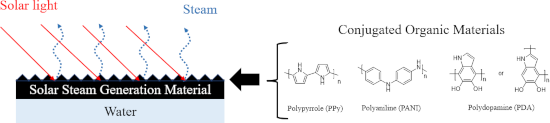
- (PPy), polyaniline (PANI), and polydopamine (PDA) (Figure 5). Polypyrrole: Polypyrrole (PPy), a conjugated conducting polymer, has a broad optical absorption spectrum and is an excellent solar thermal material. PPy is a promising candidate because of its inexpensive and simple synthetic process
- broad light absorption, high photothermal conversion efficiency, biocompatibility, and hydrophilicity. The resulting polymer is highly conjugated due to the aromatization of the ethylamine moiety via cyclization and, accordingly, PDA is widely used as a PTM for SSG applications [43][44][45][46][47][48
- [51]. Nanofibers Polymer-based nanofibers can be produced from various processable polymers, and they have wide application possibilities with improved physical properties compared to the pristine polymer solids. Polymer-based nanofibers have characteristic properties, such as a high surface-to-volume





