Search results
Search for "precipitation" in Full Text gives 297 result(s) in Beilstein Journal of Nanotechnology. Showing first 200.
Layered double hydroxide/sepiolite hybrid nanoarchitectures for the controlled release of herbicides
Beilstein J. Nanotechnol. 2019, 10, 1679–1690, doi:10.3762/bjnano.10.163
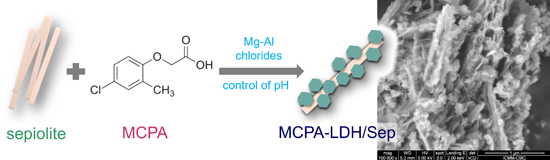
- clay or in interaction with the clay and the LDH particles. We have confirmed that at the pH value used in the synthesis process there is no precipitation of Al-MCPA or Mg-MCPA salts, although at lower pH values it is possible to produce precipitates in the presence of Al3+ ions. As reported in
- previous studies [42] and mentioned above, it has been demonstrated that sepiolite does not absorb large amounts of MCPA. However, we have observed that the adsorption of MCPA on sepiolite increases in the presence of Mg2+ and Al3+ salts at pH values below those required for the precipitation of the LDH


Nanoporous smartPearls for dermal application – Identification of optimal silica types and a scalable production process as prerequisites for marketed products
Beilstein J. Nanotechnol. 2019, 10, 1666–1678, doi:10.3762/bjnano.10.162
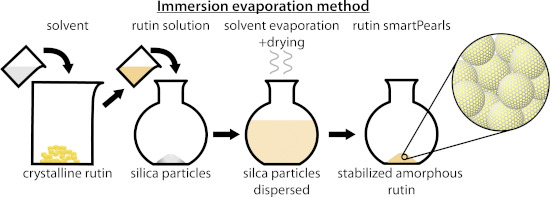
- concentration of the active agent increases, precipitation takes place, and continues until complete removal of the solvent. It was expected that precipitation takes place preferentially in the pores because of the largest available surface area. Minor precipitation on the outer shell of the particles as a thin
- molar weight of 610.5 g/mol and a minimum projection area of 9.2 nm2 was assumed to be too large to efficiently diffuse into the pores prior to precipitation. Thus, such small pores promote agglomeration on the outside of the pores. Based on the behavior observed, silica particles with a larger size




Materials nanoarchitectonics at two-dimensional liquid interfaces
Beilstein J. Nanotechnol. 2019, 10, 1559–1587, doi:10.3762/bjnano.10.153
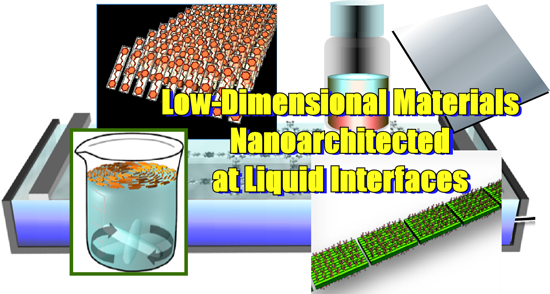
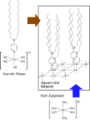
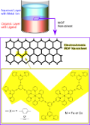
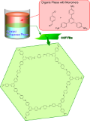
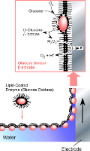
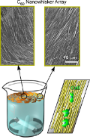
- –Blodgett method, liquid–liquid interfacial precipitation, instructed assembly, and layer-by-layer assembly to give low-dimensional materials including nanowires, nanowhiskers, nanosheets, cubic objects, molecular patterns, supramolecular polymers, metal-organic frameworks and covalent organic frameworks
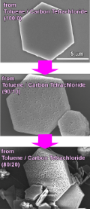
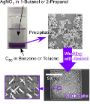
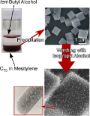
- single elemental composition (carbon) are an intriguing fundamental topic in supramolecular chemistry [236]. Miyazawa and co-workers initiated a simple but highly useful method, i.e., liquid–liquid interfacial precipitation, to fabricate fullerene assemblies (crystals) with various morphologies (Figure
- controlled assemblies of fullerene molecules through liquid–liquid interfacial precipitation [240]. For example, the conversion from one-dimensional structures to three-dimensional morphologies of C60 rods and tubes was carried out via a surfactant-assisted process in liquid–liquid interfacial precipitation













Energy distribution in an ensemble of nanoparticles and its consequences
Beilstein J. Nanotechnol. 2019, 10, 1452–1457, doi:10.3762/bjnano.10.143
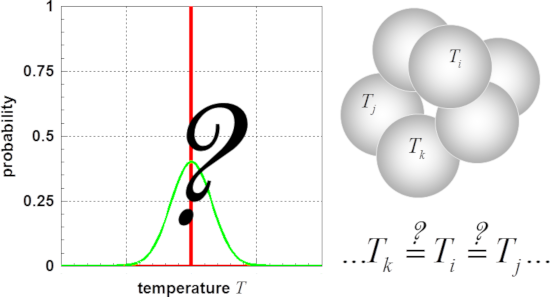
- distribution, which is typical for particles synthesized by chemical precipitation, is applied even when it is known that the tail on the side of large particles is often not properly described. When experimental data is evaluated, the parameters of the distribution functions are determined by a least square
- two normal distributions was performed. Such a size distribution may occur by minor changes of the conditions during chemical precipitation. As Figure 3 shows, this assumption leads to an improved approximation to the experimental data. The resulting distribution functions for the particle sizes are


BiOCl/TiO2/diatomite composites with enhanced visible-light photocatalytic activity for the degradation of rhodamine B
Beilstein J. Nanotechnol. 2019, 10, 1412–1422, doi:10.3762/bjnano.10.139
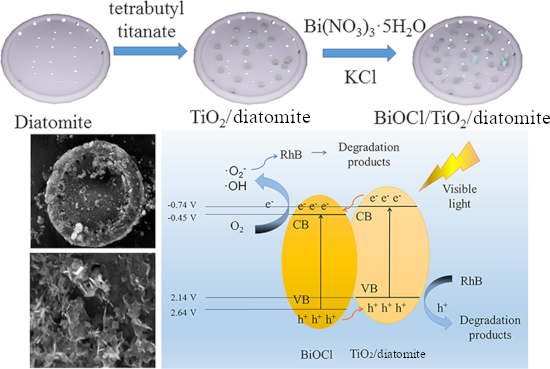
- Abstract A BiOCl/TiO2/diatomite (BTD) composite was synthesized via a modified sol–gel method and precipitation/calcination method for application as a photocatalyst and shows promise for degradation of organic pollutants in wastewater upon visible-light irradiation. In the composite, diatomite was used as
- −, OH and holes, have strong redox ability, and as a result, RhB can be degraded into small molecules to complete the photocatalytic process. Conclusion In summary, a BiOCl/TiO2/diatomite (BTD) composite was synthesized by a modified sol–gel method and precipitation/calcination method. The prepared BTD


Gas sensing properties of individual SnO2 nanowires and SnO2 sol–gel nanocomposites
Beilstein J. Nanotechnol. 2019, 10, 1380–1390, doi:10.3762/bjnano.10.136
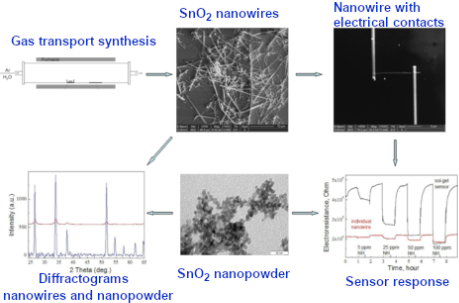
- the surface of the quartz tube and on quartz substrates (Figure 1a,b). The diameter of the nanowires ranged between 15 and 150 nm (Figure 1c). SnO2 nanopowder synthesis The precipitation method, reported in [30], was used to synthesize nanodispersed tin dioxide. Tin(II) acetate was dissolved in
- glacial acetic acid. A surplus of hydrogen peroxide was added to the solution: where NH3·H2O was added dropwise to cause hydrolytic precipitation of tin oxide as follows: The obtained colloid was precipitated by centrifugation, dried and annealed. Tin dioxide nanopowder was formed as a result of tin acid




Construction of a 0D/1D composite based on Au nanoparticles/CuBi2O4 microrods for efficient visible-light-driven photocatalytic activity
Beilstein J. Nanotechnol. 2019, 10, 1360–1367, doi:10.3762/bjnano.10.134
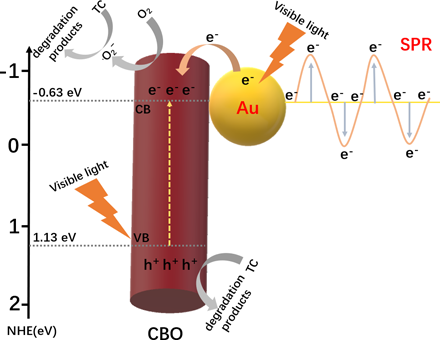
- photocatalyst consisting of Au nanoparticles (NPs) and CuBi2O4 microrods (Au/CBO) was designed and prepared by a simple thermal reduction–precipitation approach. It shows excellent photocatalytic performance in the degradation of tetracycline (TC). The maximum photocatalytic degradation rate constant for Au/CBO
- rationally designed and prepared by a facile in situ thermal reduction–precipitation method. The fabricated Au/CBO composites showed a higher photocatalytic activity in the removal of a typical antibiotic (tetracycline, TC, 10 mg/L) under visible-light irradiation (λ > 420 nm) than pristine CBO. Furthermore
- onto the surface of CBO by a facile simple thermal reduction–precipitation method. A certain amount of prepared CBO microrods was added to an aqueous solution of HAuCl4·4H2O. Afterward, the mixed solution was heated to boiling under continuous stirring for 10 min. The as-prepared product was washed and


The effect of magneto-crystalline anisotropy on the properties of hard and soft magnetic ferrite nanoparticles
Beilstein J. Nanotechnol. 2019, 10, 1348–1359, doi:10.3762/bjnano.10.133
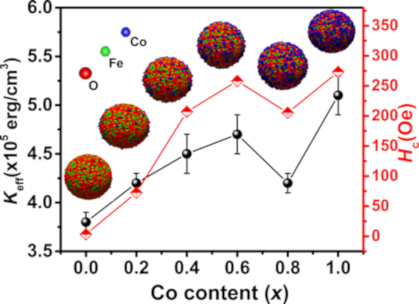
- anisotropy and magnetic interactions on properties of magnetic nanoparticles, in this work, a series of CoxFe3−xO4 (0 ≤ x ≤ 1) NPs was synthesized using a co-precipitation method. The effect of Co doping on the structural, magnetic and hyperthermia properties of CoxFe3−xO4 nanoparticles has been studied. We
- magnetization and particle size. Our results showed that the heat-generation efficiency is highly impacted by the magnetic anisotropy of the nanoparticles. Experimental Synthesis CoxFe3−xO4 nanoparticles were synthesized using a facile co-precipitation method at 80 °C in air. The chemical reaction can be


Green fabrication of lanthanide-doped hydroxide-based phosphors: Y(OH)3:Eu3+ nanoparticles for white light generation
Beilstein J. Nanotechnol. 2019, 10, 1200–1210, doi:10.3762/bjnano.10.119
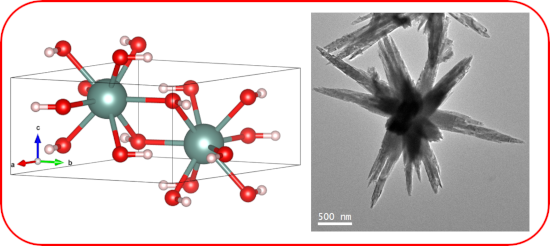
- methods have been widely used such as sol–gel, hydrothermal, combustion, emulsion, and precipitation methods [31][32][33][34]. Among those, the sol–gel and co-precipitation methods are, in general, slow and usually involve additional steps. On the other hand, there is a huge waste of organic solvents



Tailoring the magnetic properties of cobalt ferrite nanoparticles using the polyol process
Beilstein J. Nanotechnol. 2019, 10, 1166–1176, doi:10.3762/bjnano.10.116
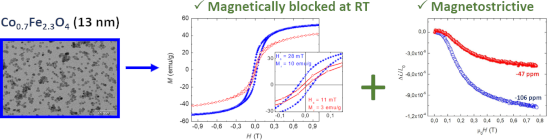
- magnetostrictive properties of cobalt ferrite materials [15]. Among the several chemical techniques that can be used for synthesizing magnetic metal-oxide NPs (such as thermal decomposition [16], hydrothermal method [17], co-precipitation of precursors [18], combustion reaction [19]), the polyol process has




A highly efficient porous rod-like Ce-doped ZnO photocatalyst for the degradation of dye contaminants in water
Beilstein J. Nanotechnol. 2019, 10, 1157–1165, doi:10.3762/bjnano.10.115
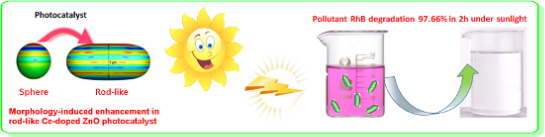
- al. [36] reported a series of Ce-doped ZnO with different molar ratio by using the co-precipitation method. The SEM images of their products demonstrated that as the molar ratio is increased, the spherical nanoparticles changed to irregular and elongated shapes, which is similar to our results. In


Photoactive nanoarchitectures based on clays incorporating TiO2 and ZnO nanoparticles
Beilstein J. Nanotechnol. 2019, 10, 1140–1156, doi:10.3762/bjnano.10.114
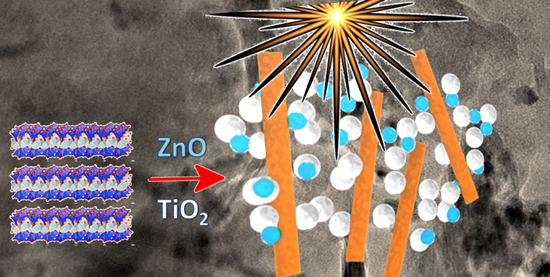
- nanostructured materials prepared by in situ formation of NPs can be achieved by applying various procedures such as impregnation by precipitation, sol–gel, solvothermal and microwave-assisted reactions. As already indicated, clay-based nanoarchitectures containing TiO2 NPs (anatase phase) are currently the most
- , when exposed to UV light [117]. Other alternative approaches include the direct precipitation of the ZnO from Zn salts in presence of bentonite dispersed in ethanol [124] or the association of ZnO NPs with Laponite® using poly(vinyl alcohol) as binder agent [125]. In both cases, the resulting materials



Scavenging of reactive oxygen species by phenolic compound-modified maghemite nanoparticles
Beilstein J. Nanotechnol. 2019, 10, 1073–1088, doi:10.3762/bjnano.10.108
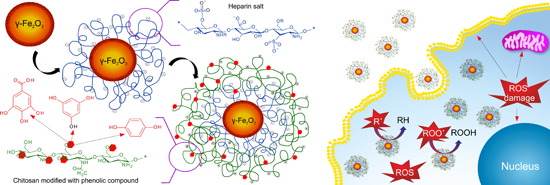
- Abstract Maghemite (γ-Fe2O3) nanoparticles obtained through co-precipitation and oxidation were coated with heparin (Hep) to yield γ-Fe2O3@Hep, and subsequently with chitosan that was modified with different phenolic compounds, including gallic acid (CS-G), hydroquinone (CS-H), and phloroglucinol (CS-P
- conjugation via esterification or amidation, and free-radical grafting [16]. The aim of this work was to design and fabricate superparamagnetic iron oxide nanoparticles with antioxidant properties. Positively charged γ-Fe2O3 nanoparticles were synthesized through co-precipitation, and their surface was
- -modified chitosan), and CS-P (phloroglucinol-modified chitosan). Synthesis of magnetic nanoparticles Iron oxide particles were prepared by a co-precipitation method with slight modifications [39]. Briefly, FeCl2·4H2O (1.191 g) and FeCl3·6H2O (3.242 g) were dissolved in water (175 mL), the solution was






Tailoring the stability/aggregation of one-dimensional TiO2(B)/titanate nanowires using surfactants
Beilstein J. Nanotechnol. 2019, 10, 1024–1037, doi:10.3762/bjnano.10.103
- -Helmholtz-Platz 1, 76344 Eggenstein-Leopoldshafen, Germany Center of Excellence for Advanced Materials and Sensing Devices, Institute of Physics, Bijenička 46, 10000 Zagreb, Croatia, Laboratory for Precipitation Processes, Division of Materials Chemistry, Ruđer Bošković Institute, Bijenička Cesta 54, 10000


Structural and optical properties of penicillamine-protected gold nanocluster fractions separated by sequential size-selective fractionation
Beilstein J. Nanotechnol. 2019, 10, 955–966, doi:10.3762/bjnano.10.96
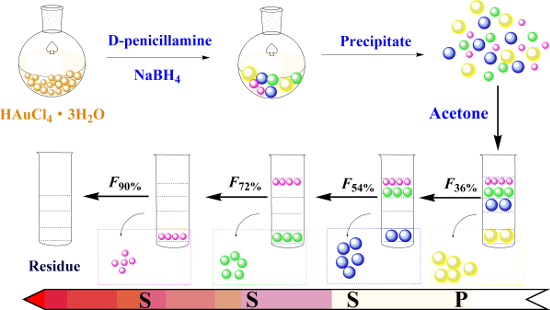
- University, 224 Waterloo Road, Kowloon Tong, Hong Kong SAR, China 10.3762/bjnano.10.96 Abstract Polydisperse water-soluble gold nanoclusters (AuNCs) protected by penicillamine have been synthesized in this work. The sequential size-selective precipitation (SSSP) technique has been applied for the size
- them from widely being used for the fractionation of NCs into monodisperse sizes. Moreover, the fractionation of monolayer-protected NCs by other methods often depends on the core or ligand properties, in addition to being time-consuming and sophisticated. Size-selective precipitation is a simple and
- -soluble NCs and impurities. The separation by conventional purification techniques such as extraction, precipitation, chromatography or dialysis is incomplete. Some research in our group has already addressed the purification and separation of water-soluble N-acetyl-L-cysteine monolayer-protected






In situ AFM visualization of Li–O2 battery discharge products during redox cycling in an atmospherically controlled sample cell
Beilstein J. Nanotechnol. 2019, 10, 930–940, doi:10.3762/bjnano.10.94
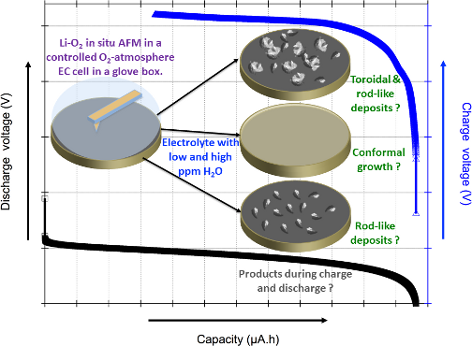
- reversible formation of reaction products was observed in the process of initial precipitation from solution, followed by surface nucleation and growth during discharge, and abrupt disappearance of deposits during recharge. An 11-fold increase in the cell discharge capacity was measured as the water


Deposition of metal particles onto semiconductor nanorods using an ionic liquid
Beilstein J. Nanotechnol. 2019, 10, 718–724, doi:10.3762/bjnano.10.71
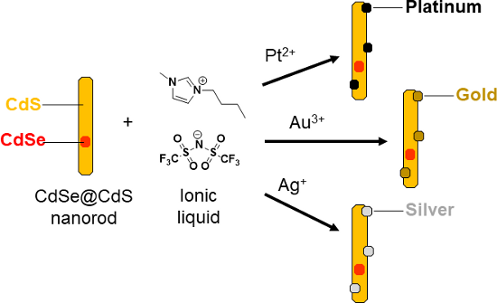
- afforded a mixture of platinum-decorated nanorods and additional platinum nanoparticles that were not attached to CdSe@CdS nanorods. For the platinum deposition conducted in toluene, the unattached platinum particles were removed by several dissolution and precipitation cycles using toluene and ethanol


Outstanding chain-extension effect and high UV resistance of polybutylene succinate containing amino-acid-modified layered double hydroxides
Beilstein J. Nanotechnol. 2019, 10, 684–695, doi:10.3762/bjnano.10.68
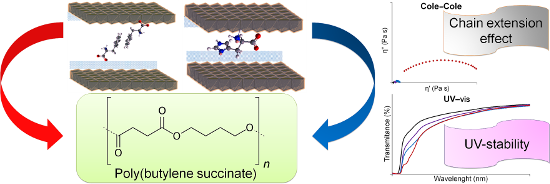
- preparation involving soft chemistry routes. Layered double hydroxides can be obtained as naturally existing materials or can be produced by synthetic routes (e.g., co-precipitation or ion exchange). They are also known as anionic clays or hydrotalcite-like materials and are described by the general formula
- medium wavelength range of the ultraviolet C (UVC) and ultraviolet B (UVB) regions. In the present work, Mg2Al LDH materials were first organo-modified with histidine and phenylalanine using a co-precipitation method and then characterized by X-ray diffraction (XRD), Fourier transform infrared
- Sigma-Aldrich. PBS (PBE003) was purchased from NaturePlast. All the materials were reagent grade and used as received. Layered double hydroxide synthesis The LDH hybrids with general formula Mg2Al(OH)6[amino acid]·2H2O were prepared by a co-precipitation method according to a similar procedure as


Ultrasonication-assisted synthesis of CsPbBr3 and Cs4PbBr6 perovskite nanocrystals and their reversible transformation
Beilstein J. Nanotechnol. 2019, 10, 666–676, doi:10.3762/bjnano.10.66
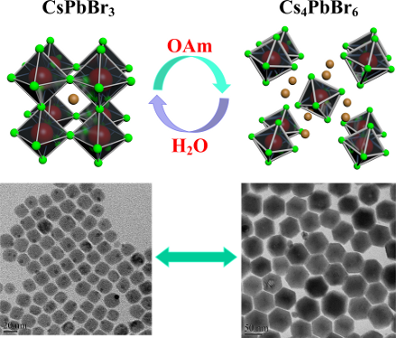
- Scheme 1. Cs2CO3 and PbBr2 were loaded into the liquid paraffin/OAm/OA solution. Then, the precursors were processed by tip-sonication and purified via centrifuging in the presence of methyl acetate as precipitation agent. Subsequently, the sediment was redispersed in toluene for further characterization



Topochemical engineering of composite hybrid fibers using layered double hydroxides and abietic acid
Beilstein J. Nanotechnol. 2019, 10, 589–605, doi:10.3762/bjnano.10.60
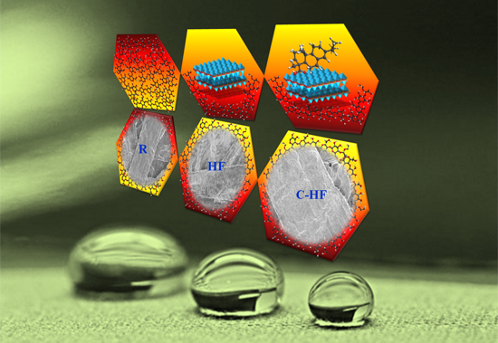
- -precipitation of layered double hydroxide (LDH) was performed to grow LDH crystals on the surface of the cellulose fibers, followed by the immobilization of abietic acid (AA) on LDH-grafted cellulose. Here we aimed to benefit from the hydrogen bonding between –OH groups of cellulose and LDH, and the –COOH
- unbound cellulose fibers as prepared above were hybridized with Mg–Al LDH through in situ co-precipitation. Typically, 3.0 g of disintegrated fibers (oven dry mass) was dispersed in a flask containing mixed metal-salt solutions (Mg and Al nitrate, molar ratio 3:1) under gentle stirring until a homogenous
- slurry was obtained. Aqueous solution of sodium carbonate was added dropwise to the reaction flask under constant magnetic stirring to ensure homogeneity of the reaction medium. The reaction was performed at room temperature and air atmosphere. The pH value of the co-precipitation medium was kept




Ceria/polymer nanocontainers for high-performance encapsulation of fluorophores
Beilstein J. Nanotechnol. 2019, 10, 522–530, doi:10.3762/bjnano.10.53
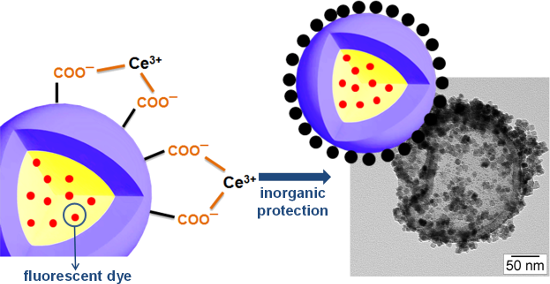
- dissolved in 2 mL of demineralized water and 200 µL of the latex dispersion was added to the solution. Afterwards, the precipitation of the oxide was carried out by adding dropwise 2 mL of aqueous NaOH solution (0.1 M) using a syringe pump (dropping speed of 1 mL·h−1). The addition of the base leads to the
- precipitation of Ce(OH)3, which is insoluble in water. In an alkaline environment, Ce(OH)3 is spontaneously oxidized to hydrated Ce(IV) ions by the oxygen of the environment, and then hydrolyzed to form hydroxocomplexes, which eventually evolve to CeO2 [47]. The mixture was further stirred for 24 h to complete


Geometrical optimisation of core–shell nanowire arrays for enhanced absorption in thin crystalline silicon heterojunction solar cells
Beilstein J. Nanotechnol. 2019, 10, 322–331, doi:10.3762/bjnano.10.31
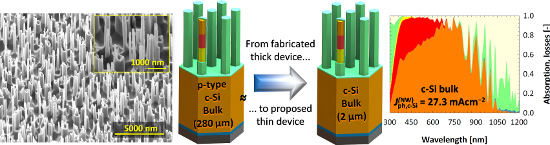
- bombarding the surface of the sample. Such effect occurs with higher speed on the horizontal than on the vertical plane, due to the larger angle of incidence of ions hitting the vertical side walls, which leads to a strong anisotropy of the Si etching rate. The process is made mask-less by the precipitation


Thermal control of the defunctionalization of supported Au25(glutathione)18 catalysts for benzyl alcohol oxidation
Beilstein J. Nanotechnol. 2019, 10, 228–237, doi:10.3762/bjnano.10.21
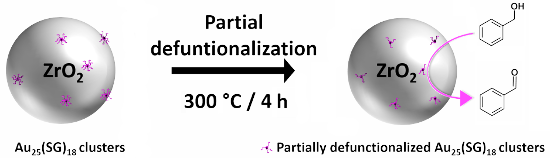
- did not inhibit high catalytic activity, in contrast, it was enhanced, which was similar to a recent reported work [25]. The catalyst performance was compared to a catalyst synthesized by the deposition-precipitation method of gold nanoparticles on ZrO2 nanoparticles, compound (B). The average
- °C for 4 hours. The final product Au25(SG)18 was filtered, isolated by precipitation with methanol and centrifuged (10000 rpm for 15 minutes), washed several times with methanol (5000 rpm, 15 minutes), and was air-dried. Synthesis of the composite material Au25(SG)18@ZrO2 Gold cluster deposition Au25
- air, with a rate of 2 °C/min. Synthesis of AuNP@ZrO2 by deposition-precipitation The synthesis of AuNP@ZrO2 was done according to a reported protocol [40]. An aqueous solution of tetrachloroauric acid trihydrate (1.5% by mass, in 10 mL H2O) was added dropwise to ZrO2 (1 g) dispersed in 30 mL H2O while




Raman study of flash-lamp annealed aqueous Cu2ZnSnS4 nanocrystals
Beilstein J. Nanotechnol. 2019, 10, 222–227, doi:10.3762/bjnano.10.20
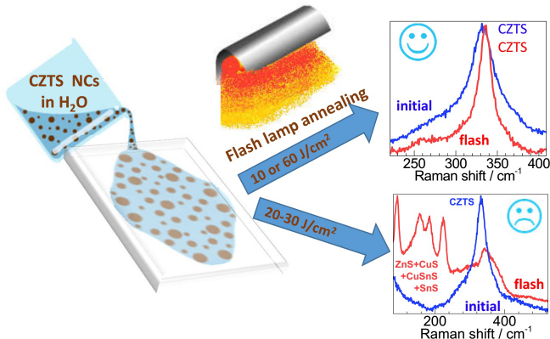
- valence states (Cu+, Zn2+, Sn4+, S2−), Cu(II) was reduced to Cu(I) and Sn(II) was oxidized to Sn(IV) in situ during the NC formation. The concentration of the as-prepared CZTS colloids was around 30 g/L and can be further increased by solvent evaporation or a precipitation/redispersion procedure [21


Uniform Sb2S3 optical coatings by chemical spray method
Beilstein J. Nanotechnol. 2019, 10, 198–210, doi:10.3762/bjnano.10.18
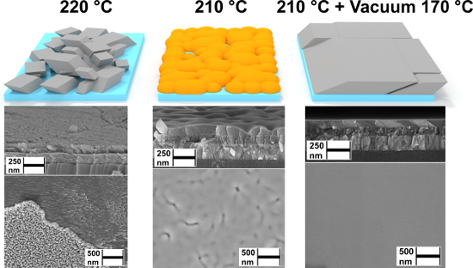
- precipitation from a molten SbCl3–SC(NH2)2 mixture: A – Amorphous Sb2S3 islands nucleate on the rigid TiO2 substrate and grow by 3D Volmer–Weber growth, surrounded by a protective bubbling liquid film of volatile SbCl3 and TU decomposition products (1), eventually interconnecting by coalescence of sufficiently