


Search results
Search for "toxicity" in Full Text gives 423 result(s) in Beilstein Journal of Nanotechnology. Showing first 200.
On the additive artificial intelligence-based discovery of nanoparticle neurodegenerative disease drug delivery systems
Beilstein J. Nanotechnol. 2024, 15, 535–555, doi:10.3762/bjnano.15.47
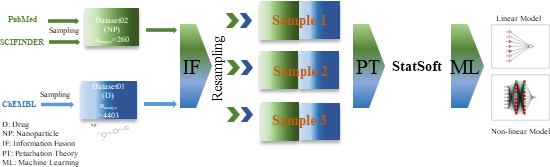
- compound towards the target site with a substantial reduction of toxicity for the adjacent tissues, and help the NDDs to pass physiological barriers, increasing bioavailability without resorting to high dosages [5][11]. Therefore, researchers are studying and developing new treatment approaches that use
- , we consider AI/ML to be helpful in the development of N2D3Ss to select the most efficient combination of NP and drug, taking into account properties regarding chemical absorption, distribution, metabolism, excretion, and toxicity (ADMET), and the biological activity regarding NDs [20]. Nevertheless
- ]. In this paper the IFPTML method was used to combine preclinical assays of NDDs and NPs. Speck-Planche et al. described multiple IFPTML approaches regarding toxicity and drug delivery of NPs with a large number of species under a wide variety of experimental conditions. However, this study did not



Cholesterol nanoarchaeosomes for alendronate targeted delivery as an anti-endothelial dysfunction agent
Beilstein J. Nanotechnol. 2024, 15, 517–534, doi:10.3762/bjnano.15.46
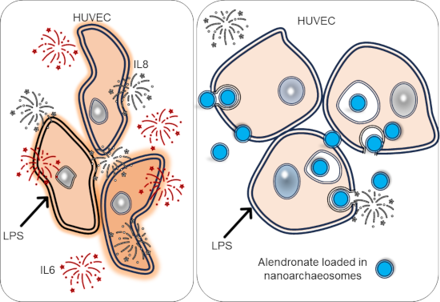
- with sufficient effectivity under dynamic conditions [26]. However, simple in vitro experimental settings employing static conditions could anticipate both potential toxicity and therapeutic effects. In this context, new natural biomaterials such as archaeolipids are being explored with growing





Photocatalytic degradation of methylene blue under visible light by cobalt ferrite nanoparticles/graphene quantum dots
Beilstein J. Nanotechnol. 2024, 15, 475–489, doi:10.3762/bjnano.15.43
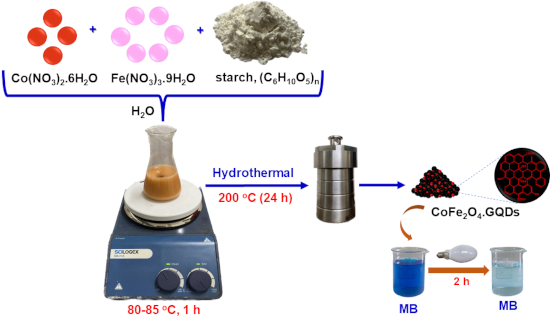
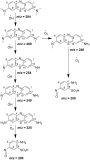
- degradation and other dyes. Keywords: cobalt ferrite; graphene quantum dots; methylene blue; Introduction Graphene quantum dots (GQDs) have unique properties, including photoluminescence, biocompatibility, slight chemical toxicity, inertness, and excellent photostability [1][2]. Graphene quantum dots




Potential of a deep eutectic solvent in silver nanoparticle fabrication for antibiotic residue detection
Beilstein J. Nanotechnol. 2024, 15, 426–434, doi:10.3762/bjnano.15.38
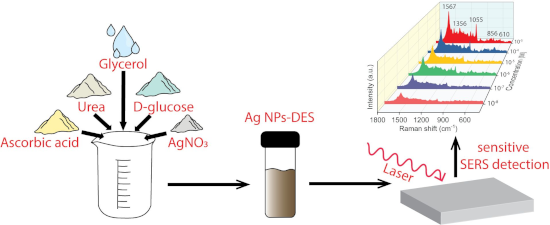
- thermal stability, high polarity, low vapor pressure, and low toxicity, which makes DESs promising candidates for the replacement of thousands of industrial solvents [24][25]. DESs are so versatile that they have been used for nanomaterials synthesis [26][27]. Regarding plasmonic materials, gold


Classification and application of metal-based nanoantioxidants in medicine and healthcare
Beilstein J. Nanotechnol. 2024, 15, 396–415, doi:10.3762/bjnano.15.36
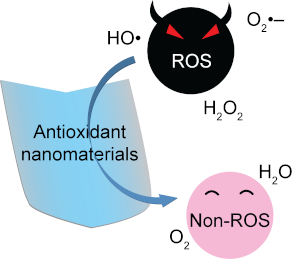
- of nanosized metals plays a major role in their toxicity. The toxicity of nanosized metal-based antioxidants can be divided into chronic toxicity and acute toxicity. Chronic toxicity is caused by long-term exposure to nanosized metal-based antioxidants, facilitating organ damage and cancers, while
- acute toxicity causes tissue damage immediately after exposure to certain nanosized metals. Besides, the large specific surface area of nanomaterials has some benefits regarding excellent ROS scavenging; yet, a large specific surface area can also be a double-sided sword because it increases nano–bio
- of metal-based nanoantioxidants and the reduction of detrimental effects of these nanomaterials on human health. Surface modification can become an effective method to decrease the toxicity of nanomaterials through coating with biocompatible polymers such as chitosan, polydopamine, and polyethylene


Nanomedicines against Chagas disease: a critical review
Beilstein J. Nanotechnol. 2024, 15, 333–349, doi:10.3762/bjnano.15.30
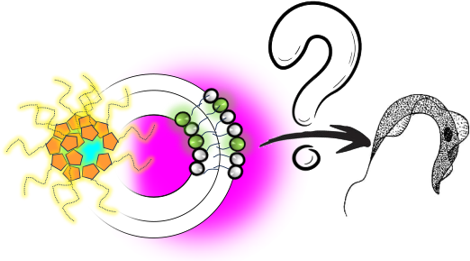
- benznidazole. Nanomedicines reduce toxicity and increase the effectiveness of current oncological therapies. Could nanomedicines improve the treatment of the neglected CD? This question will be addressed in this review, first by critically discussing selected reports on the performance of benznidazole and
- still required regarding a realistic use of nanomedicines effective against CD. Keywords: benznidazole; liposomes; nanocrystals; nanomedicines; nanoparticles; Trypanosoma cruzi; Introduction Nanomedicines are used to solve the problems posed by poor solubility and/or permeability and high toxicity of
- drugs with low molecular weight [1][2]. Different 2-nitroimidazole-based nanomedicines against Chagas disease (CD) to reduce the toxicity and increase the effectiveness of benznidazole (BNZ) treatment have been preclinically screened in the last two decades (see the recently reviewed BNZ-based

Exploring the relationships between physiochemical properties of nanoparticles and cell damage to combat cancer growth using simple periodic table-based descriptors
Beilstein J. Nanotechnol. 2024, 15, 297–309, doi:10.3762/bjnano.15.27
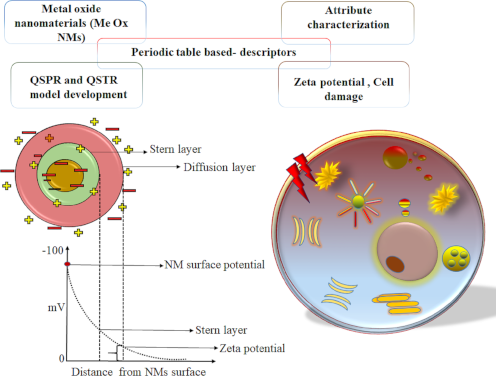
- new ways for modeling the structural properties and bio-toxic effects of NMs. The goal of the study is to construct fully validated property-based models to extract relevant features for estimating and influencing the zeta potential and obtaining the toxicity profile regarding cell damage in the
- oxidative damage through free radical accumulation, which could lead to changes in the survival rate of cancerous cells. The developed QSPR and quantitative structure–activity relationship models also give hints regarding safer design and toxicity assessment of MeOx NMs. Keywords: cancer cell treatment
- studies have demonstrated that metal oxide nanoparticles (MeOx NPs) are toxic and tend to have adverse effects on living organisms and the environment [2][3][4][5][6]. The toxicity of NPs depends on various structural (intrinsic) [7] and extrinsic properties. Depending on the dispersing environment


Determining by Raman spectroscopy the average thickness and N-layer-specific surface coverages of MoS2 thin films with domains much smaller than the laser spot size
Beilstein J. Nanotechnol. 2024, 15, 279–296, doi:10.3762/bjnano.15.26
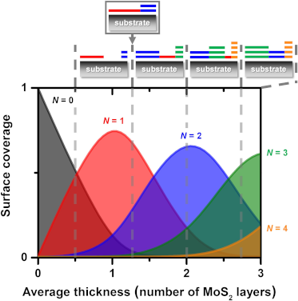
- growth of wafer-scale MoS2 thin films on SiO2/Si substrates by direct liquid injection pulsed-pressure chemical vapor deposition (DLI-PP-CVD) using low-toxicity precursors [27]. Such MoS2 thin films showed good stoichiometry (Mo/S = 1.94–1.95) and the potential for high photoluminescence quantum yield


Vinorelbine-loaded multifunctional magnetic nanoparticles as anticancer drug delivery systems: synthesis, characterization, and in vitro release study
Beilstein J. Nanotechnol. 2024, 15, 256–269, doi:10.3762/bjnano.15.24
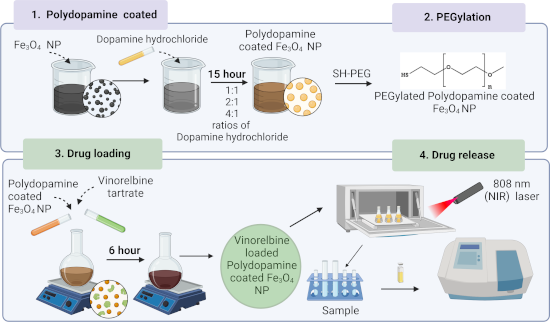
- nanostructures employed, particular emphasis has been placed on iron oxide (Fe3O4) nanoparticles. The biocompatibility and low toxicity of Fe3O4 nanoparticles have garnered significant attention in magnetic drug delivery for cancer diagnosis and treatment, primarily because of their magnetic properties [11][12
- efficacy. The application of vinorelbine tartrate is limited because of its dose-related toxicity to the nervous, pulmonary, and gastrointestinal systems and reduced absorption when taken orally [33]. Encapsulation studies specifically aim to create a controlled drug delivery system to reduce existing side
- photothermal therapy capabilities, the PDA shell mitigates nanomaterial toxicity while increasing biocompatibility. The strategic integration of PEGylation into tumor-targeted drug delivery systems significantly amplifies passive tumor targeting and retention through the enhanced permeability and retention


Multiscale modelling of biomolecular corona formation on metallic surfaces
Beilstein J. Nanotechnol. 2024, 15, 215–229, doi:10.3762/bjnano.15.21
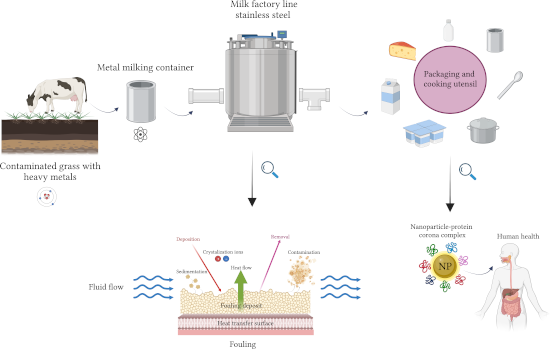
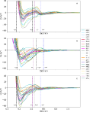
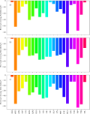
- concerns regarding the safety of nanoparticles (NPs) in relation to human and animal health. The toxicity of NPs is closely linked to their chemical aggressiveness and varies with their physicochemical properties, including surface area, charge, and reactivity. Understanding the intricate interplay between




Nanocarrier systems loaded with IR780, iron oxide nanoparticles and chlorambucil for cancer theragnostics
Beilstein J. Nanotechnol. 2024, 15, 180–189, doi:10.3762/bjnano.15.17
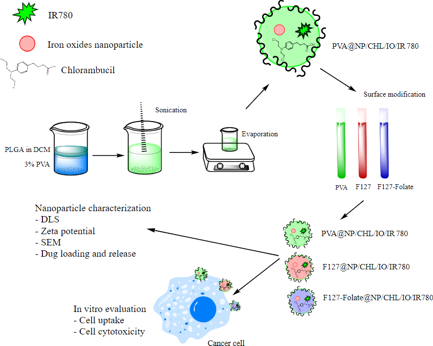
- observed for all three kinds of NPs. The release of chlorambucil was quicker at pH 5.4 than at pH 7.4 at 37 °C. The F127@NPs and F127-folate@NPs demonstrated much greater cell uptake and toxicity up to 72 h after incubation. Our in vitro results of F127@NPs and F127-folate@NPs have demonstrated the ability
- the nanoparticles This experiment was conducted to assess the toxicity of CHL nanoparticles to four distinct cell types (Figure 4). After 72 h of incubation, the IC50 of CHL for HepG2 was 0.45 µg/mL. After 72 h of NP exposure to HepG2, the cell viability at the highest dose (1.50 μg/mL) was reduced to
- approximately 60%. At 72 h, the viability was lower than that at 48 hours. The cellular toxicity at concentrations of 1 mg/mL and 1.5 mg/mL at 48 and 72 h was the same. At 72 h, the concentration of F127@NP and F127-folate@NP was significantly lower than that of PVA-NP. No significant differences existed


Assessing phytotoxicity and tolerance levels of ZnO nanoparticles on Raphanus sativus: implications for widespread adoptions
Beilstein J. Nanotechnol. 2024, 15, 115–125, doi:10.3762/bjnano.15.11
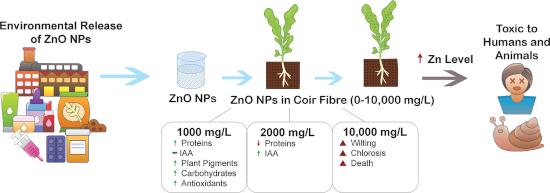
- on Raphanus sativus (R. sativus) concerning its tolerance levels, toxicity, and accumulation. ZnO NPs were synthesized by the wet chemical method and characterized by powder X-ray diffraction (PXRD), Fourier-transform infrared (FTIR) spectroscopy, ultraviolet–visible (UV–vis) spectroscopy, dynamic
- (p < 0.05) in soluble protein content by 23.1%, accompanied by a notable increase in IAA by 31.1%, indicating potential toxicity. The use of atomic absorption spectroscopy confirmed the internalization of zinc in seedlings, with a statistically significant increase (p < 0.05). In control plants
- without ZnO NPs, Zn concentration was 0.36 mg/g, while at the highest ZnO NPs tested dose of 10,000 mg/L, it significantly rose to 1.76 mg/g, causing leaf chlorosis and stunted seedling growth. This suggests potential health risks related to Zn toxicity for consumers. Given the adverse effects on R


Development and characterization of potential larvicidal nanoemulsions against Aedes aegypti
Beilstein J. Nanotechnol. 2024, 15, 104–114, doi:10.3762/bjnano.15.10
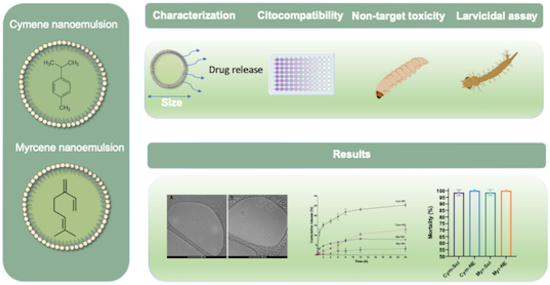
- formulations, specifically nanoemulsions, has emerged as a prospective strategy to surmount these obstacles. In this study, we developed and characterized nanoemulsions based on cymene and myrcene and assessed their toxicity both in vitro using human keratinocytes (HaCAT) cells and in an in vivo model
- low toxicity towards HaCAT cells and Galleria mellonella larvae. Moreover, the nanoemulsions exhibited significant lethality against third-instar Aedes aegypti larvae at a concentration of 50 mg/L. In conclusion, the utilization of nanoemulsions encapsulating cymene and myrcene presents a promising
- mosquitoes [4][5]. Therefore, it becomes urgent to search for safer and more effective vector control agents to prevent vector-borne diseases [6]. Bioinsecticides from plant derivatives, which degrade rapidly in the environment and have less toxicity in non-target organisms, are a promising option for vector


Study of the reusability and stability of nylon nanofibres as an antibody immobilisation surface
Beilstein J. Nanotechnol. 2024, 15, 83–94, doi:10.3762/bjnano.15.8
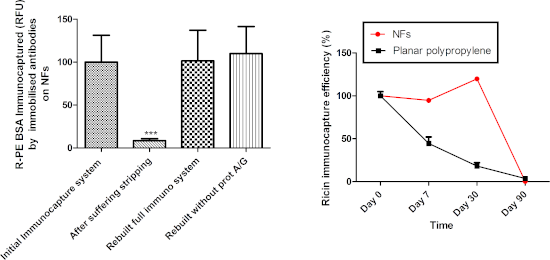
- reusability study”. Ricin has been chosen as a representative biotoxin because it has been used in biological warfare attacks because of its high toxicity, stability, and availability. It belongs to the ribosome-inactivating protein family and causes cell death by disrupting protein synthesis [20]. Results


Curcumin-loaded nanostructured systems for treatment of leishmaniasis: a review
Beilstein J. Nanotechnol. 2024, 15, 37–50, doi:10.3762/bjnano.15.4
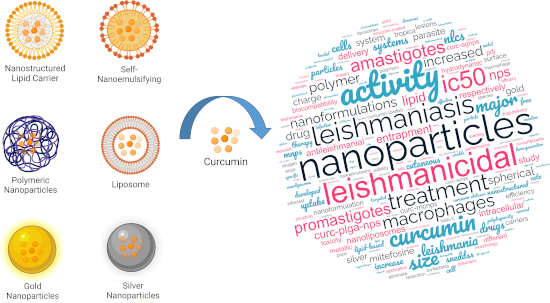
- drugs cause cardiotoxicity, renal, pancreatic, and liver toxicity, and teratogenicity. Furthermore, cases of drug resistance are already well reported for antileishmanial drugs, such as the pentavalent antimonial salts [8]. Therefore, finding new therapeutic alternatives for this neglected tropical
- protocols, most are only capable of controlling the infection and relieving symptoms, while displaying concerning toxicity and numerous therapeutic limitations [34][35][36]. Furthermore, treatment abandonment and failure due to drug resistance are two of the problems encountered with the usual treatments
- limitations of the drugs used, such as (i) high levels of toxicity and prolonged treatment time, which leads patients to discontinue treatment, (ii) high cost of treatment and parasite resistance to drugs, which is a major issue and occurs as a result of genetic mutations that reduce the response of the


Nanotechnological approaches in the treatment of schistosomiasis: an overview
Beilstein J. Nanotechnol. 2024, 15, 13–25, doi:10.3762/bjnano.15.2
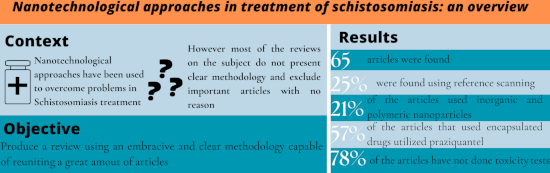
- (82%), and most of them encapsulated PZQ (Figure 2). Polymeric (23%) and inorganic (20%) nanoparticles were used in the majority of the studies (Figure 3). Most of the papers (78%) have not done toxicity tests, and the main route of administration was the oral route (Figure 4). It is important to
- four weeks postinfection altered the drug release pattern in vitro, were more efficient in reducing worm burden and the amount of eggs in the gut than PZQ alone, and altered the oogram pattern with the predominant presence of dead eggs. In addition, the nanoformulation showed no relevant toxicity in in
- , for example, was part of the first class of compounds used to treat schistosomiasis [77]. However, due to their low therapeutic index and the rise of less toxic new drugs, it was discontinued. de Melo et al. [78] proved that pegylated liposomes could reduce toxicity and mortality of tartar emetic in


Elasticity, an often-overseen parameter in the development of nanoscale drug delivery systems
Beilstein J. Nanotechnol. 2023, 14, 1149–1156, doi:10.3762/bjnano.14.95
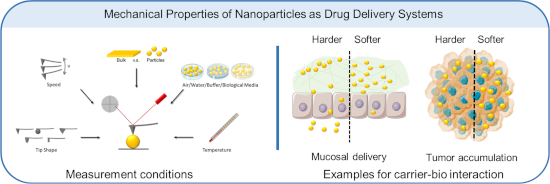
- uptake for softer particles [30]. Cell uptake is often the first biological evaluation during the development phase besides toxicity and biocompatibility. However, after application, particles first need to reach the cells and overcome several other biological barriers. During uptake, other biological


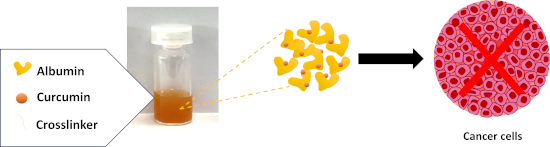
Curcumin-loaded albumin submicron particles with potential as a cancer therapy: an in vitro study
Beilstein J. Nanotechnol. 2023, 14, 1127–1140, doi:10.3762/bjnano.14.93
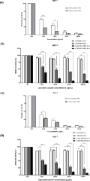
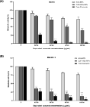
- /mL) had toxic effects toward fibroblasts, whereas CUR-HSA-MPs significantly reduced the toxicity of the free drug (Figure 7A,B). However, when the CUR concentration in CUR-HSA-MPs was increased to 50 μg/mL, a significant loss of viability was observed in fibroblasts. Moreover, CUR-HSA-MPs showed a
- proliferating cells. This effect is more pronounced in cancer cells than in healthy ones. As a result, CUR-HSA-MPs have higher specificity and less toxicity against normal cells than cancer cells [48]. Furthermore, the number of albumin receptors on cancer cells is greater than on normal cells, leading to




Sulfur nanocomposites with insecticidal effect for the control of Bactericera cockerelli
Beilstein J. Nanotechnol. 2023, 14, 1106–1115, doi:10.3762/bjnano.14.91
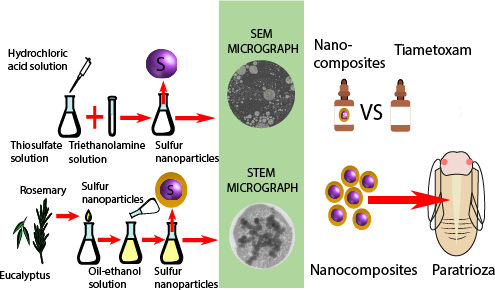
- , carbamates, and pyrethroids, that are used to combat this pest [9]. The insect pest has developed resistance through high fecundity and short doubling time [10]. Also, persistence, bioaccumulation, toxicity, misuse, and overuse of synthetic insecticides have led to deterioration of soil, air pollution


A visible-light photodetector based on heterojunctions between CuO nanoparticles and ZnO nanorods
Beilstein J. Nanotechnol. 2023, 14, 1018–1027, doi:10.3762/bjnano.14.84
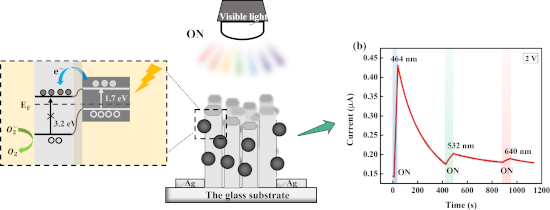
- because of its large exciton binding energy of 60 meV at room temperature [20], excellent chemical and thermal stability, high electron mobility, non-toxicity, low cost, and simple synthesis [21][22]. Various shapes of ZnO nanomaterials can be easily obtained by controlling synthesis conditions (e.g


Nanoarchitectonics of photothermal materials to enhance the sensitivity of lateral flow assays
Beilstein J. Nanotechnol. 2023, 14, 988–1003, doi:10.3762/bjnano.14.82
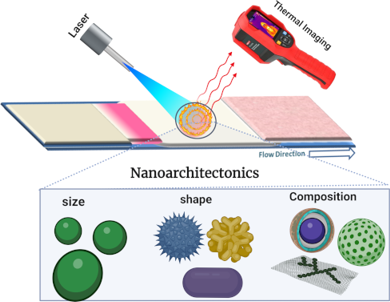
- ]. Transition metal chalcogenides are another class of photothermal nanomaterials that exhibit strong NIR absorption, good photostability, and low toxicity. The architectonics of these nanomaterials also plays an important role regarding the PCE. Among the different types of transition metal oxide nanoparticles
- , iron oxide nanoparticles are the most prominent ones because of their biocompatibility, low toxicity, ease of synthesis, and high photothermal conversion efficiency. The influence of a magnetic field can also increase temperature generation by such nanoparticles, which is called magnetic hyperthermia


Fragmentation of metal(II) bis(acetylacetonate) complexes induced by slow electrons
Beilstein J. Nanotechnol. 2023, 14, 980–987, doi:10.3762/bjnano.14.81
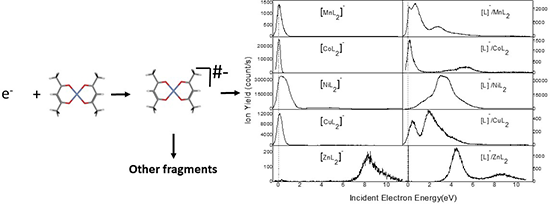
- nanocrystals [13][14]. The popularity of these compounds is related to their volatile nature, ease of preparation, and often lower air sensitivity and toxicity in comparison to organometallic compounds containing carbon–metal bonds (e.g., metallocenes). In the context of a potential use of these organometallic


Prediction of cytotoxicity of heavy metals adsorbed on nano-TiO2 with periodic table descriptors using machine learning approaches
Beilstein J. Nanotechnol. 2023, 14, 939–950, doi:10.3762/bjnano.14.77
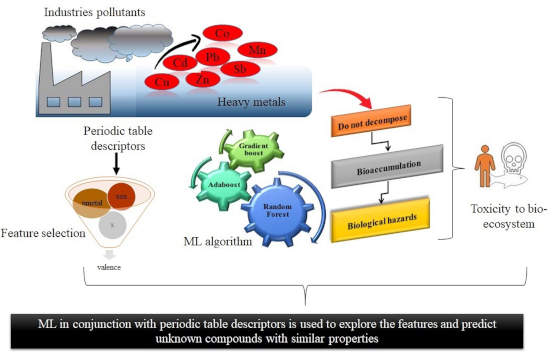
- properties [3]. It absorbs UV radiation and shows self-cleaning ability. Nanoparticles have a susceptibility to adsorb other substances to form a mixture leading to a shift of toxicity to living organisms [4]. Hence, many studies have reported cytotoxic characteristics of TiO2 [5][6]. Some NPs are fatal to
- have become an important factor limiting crop yields and, thus, threatening food security. Therefore, to improve crop yields, heavy metals need to be removed. The toxicity of single-substance NPs has been tested extensively; however, the combination of single-substance NPs with other NPs or metals may
- most widely used. Therefore, the joint organismal toxicity should be assessed. Recently, nanoscale quantitative structure–activity relationship (nano-QSAR) models have been successfully applied to investigate the toxicity of NPs. QSAR models for predicting the biological activity of 48 fullerene


Antibody-conjugated nanoparticles for target-specific drug delivery of chemotherapeutics
Beilstein J. Nanotechnol. 2023, 14, 912–926, doi:10.3762/bjnano.14.75
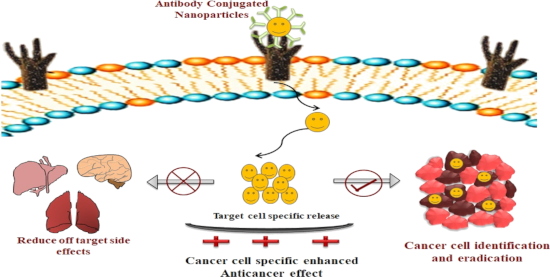
- -directed enzyme prodrug therapy, small molecule drug conjugates, and others are being investigated [2][3]. Targeted delivery with nanoparticles (NPs) has received a lot of attention because it reduces toxicity while also providing good drug compatibility and loadability. Furthermore, NPs increase drug
- drug delivery because of their high specificity, recognition ability, and intracellular stability [9][10]. The mAb-mediated targeted drug delivery specifically eradicates tumor cells without causing systemic toxicity associated with conventional chemotherapeutic agents [11]. Complete mAbs or just the
- NPs specifically bind to the cell surface proteins and deliver the drug cargo to tumor sites via passive or active targeting. As a result, the therapeutic ratio is improved. At the same time, the systemic toxicity is reduced and the therapeutic efficacy is increased [13]. Antibody-conjugated NPs



Green SPIONs as a novel highly selective treatment for leishmaniasis: an in vitro study against Leishmania amazonensis intracellular amastigotes
Beilstein J. Nanotechnol. 2023, 14, 893–903, doi:10.3762/bjnano.14.73
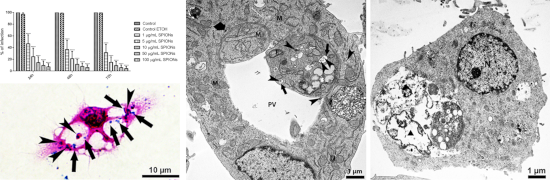
- effort on the search for new treatments for different diseases. Its main objective is to develop therapies with higher specificity, effectiveness, and safety, as well as less toxicity [6]. One interesting class of nanomaterials in medicine are superparamagnetic iron oxide nanoparticles (SPIONs). SPIONs





