Search results
Search for "applications" in Full Text gives 1941 result(s) in Beilstein Journal of Nanotechnology. Showing first 200.
Insights into the electronic and atomic structures of cerium oxide-based ultrathin films and nanostructures using high-brilliance light sources
Beilstein J. Nanotechnol. 2025, 16, 860–871, doi:10.3762/bjnano.16.65

- -scale information about material behavior under different conditions. This thorough understanding can be leveraged to optimize materials for various applications, including energy storage, catalysis, and electronics. This review focuses on cerium oxide, an important material for catalytic and energy
- applications, examining the application of high-brilliance light sources on model systems such as supported thin films and epitaxial nanostructures. We review selected studies exploiting the high energy resolution and sensitivity of synchrotron radiation-based X-ray photoelectron spectroscopy and X-ray
- ]. Additionally, because of their often high efficiency at harnessing solar energy, they find application in photocatalysis and photovoltaics [5][6]. Optimizing these applications requires unravelling the often complex processes that influence functionality through an atomic-level description. To this end


Facile one-step radio frequency magnetron sputtering of Ni/NiO on stainless steel for an efficient electrode for hydrogen evolution reaction
Beilstein J. Nanotechnol. 2025, 16, 837–846, doi:10.3762/bjnano.16.63
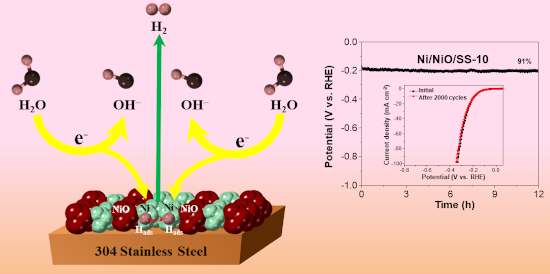
- catalysts were recognized as the best material for electrochemical hydrogen evolution reaction (HER) [11][12][13]. However, it is challenging to use Pt-based nanomaterials for industrial applications because of their non-abundance and high cost. As a result, many studies have explored Pt-free catalysts
- fabricated metal/metal oxide-based nanomaterials using various solution-based methods for alkaline HER because of the efficacy of metal oxides in breaking water molecules. In this context, Ni/NiO-based nanomaterials were evaluated as promising catalysts for industrial applications because of their Gibbs free
- energy of hydrogen/water adsorption. Also, inexpensiveness and high durability are positive aspects regarding large-scale applications. For instance, Oshchepkov and coworkers revealed that the efficacy of NiO in cleaving H–OH bonds accelerated the formation of hydrogen on a Ni metal catalyst [17]. Yan


Synthesis and magnetic transitions of rare-earth-free Fe–Mn–Ni–Si-based compositionally complex alloys at bulk and nanoscale
Beilstein J. Nanotechnol. 2025, 16, 823–836, doi:10.3762/bjnano.16.62
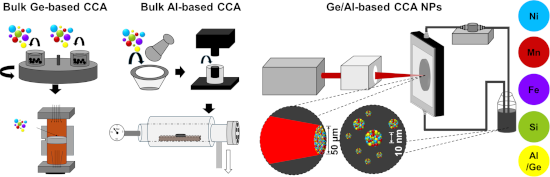
- ), University of Duisburg-Essen, Lotharstr. 1, 47057 Duisburg, Germany GROC·UJI, Institute of New Imaging Technologies, Universitat Jaume I, Av. De Vicent Sos Baynat s/n, 12071 Castellón, Spain 10.3762/bjnano.16.62 Abstract Magnetic phase transitions at the Curie temperature are essential for applications like
- indicate that the Al-based CCA is a promising, cost-effective alternative to Ge-based CCA at nanoscale, providing an economically viable and cost-effective alternative for nanoscale-based applications. Keywords: compositionally complex alloys; magnetic phase transition; nanoparticles; pulsed laser
- field, exhibit an adiabatic temperature change, enabling energy-efficient and environmentally friendly refrigeration [2]. These solid-state cooling systems are being developed as alternatives to conventional gas-based refrigeration and are especially advantageous for applications requiring tailored


Supramolecular hydration structure of graphene-based hydrogels: density functional theory, green chemistry and interface application
Beilstein J. Nanotechnol. 2025, 16, 806–822, doi:10.3762/bjnano.16.61
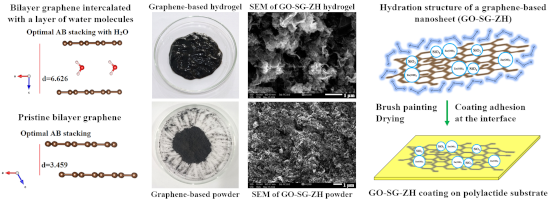
- advance nanoscale properties and nanotechnology applications. Keywords: antibacterial coating; bioinspired hydration; density functional theory; graphene-based hydrogel; supramolecular structure; Introduction Biological cells are assemblies of biomolecules that are hydrated with water molecules. The
- ]. Therefore, supramolecular graphene-based hydrogels with hydration intercalation and hydration force are quite useful for preserving and generating graphene-based nanosheets for many applications. In this manuscript, we calculated van der Waals forces in bilayer graphene structures using density functional
- dispersibility and reduced surface area of graphene-based materials in many applications, such as aqueous dispersions, polymer nanocomposites, and water-based paints. Our previous works demonstrated that in graphene-based hydrogel structures, the intercalation of water molecules between graphene-based sheets


Morphology and properties of pyrite nanoparticles obtained by pulsed laser ablation in liquid and thin films for photodetection
Beilstein J. Nanotechnol. 2025, 16, 785–805, doi:10.3762/bjnano.16.60
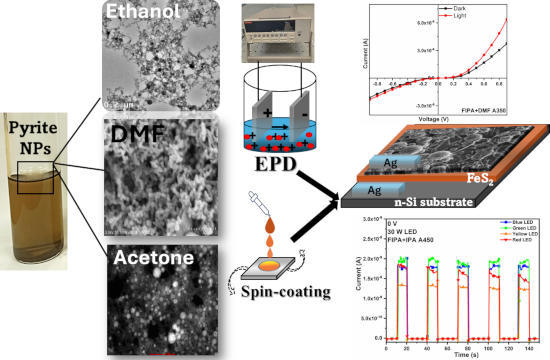
- prepared by PLAL. Keywords: electrophoretic deposition; pulsed laser ablation in liquid; pyrite nanoparticles; self-powered photodetector; spin coating; Introduction Pyrite (FeS2) is one of the earth-abundant and nontoxic semiconductors possessing a promising role in optoelectronic applications. FeS2 has
- Earth, including toxic heavy metals and metalloids, radionuclides, and organic pollutants [5]. In addition to the aforementioned advantages as a semiconductor, it has the potential to be used in various applications through its nanostructures created via pulsed laser ablation in liquid (PLAL) and thin
- a large range of applications. This method does not require expensive equipment or expert labor, and the coatings produced are generally quite homogenous. Other benefits include quick deposition, no substrate shape constraint, application to any material that is available as a fine powder or charged






Thickness dependent oxidation in CrCl3: a scanning X-ray photoemission and Kelvin probe microscopies study
Beilstein J. Nanotechnol. 2025, 16, 749–761, doi:10.3762/bjnano.16.58
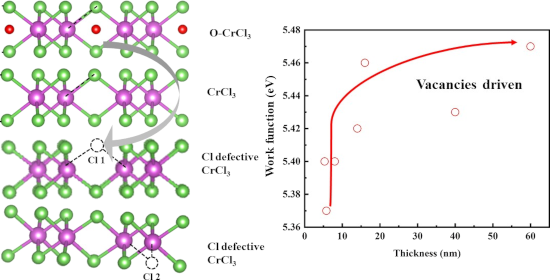
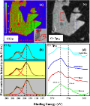
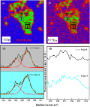
- material. This is an aspect of particular relevance because of the possible applications of the material to monolayer-thin devices. Experimental The preparation of exfoliated CrCl3 flakes from the single crystal bulk material was reported in our previous papers [2][11]. Though preferentially a 270 nm






Efficiency of single-pulse laser fragmentation of organic nutraceutical dispersions in a circular jet flow-through reactor
Beilstein J. Nanotechnol. 2025, 16, 711–727, doi:10.3762/bjnano.16.55
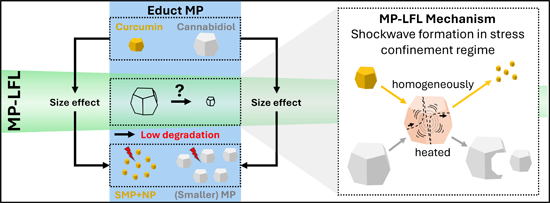
- few decades, as this relatively new fabrication method can be used to produce stable, additive-free colloids of different material classes under high-purity conditions, which are suitable for a wide range of technical applications [1][2][3][4][5]. Pulsed laser ablation (LAL), laser fragmentation (LFL
- often are hydrophobic, is their increased solubilization or aqueous dispersion, relevant for pharmacological, photochemical, and photomedical applications. For example, metal complex phthalocyanines (Pc) [18] such as vanadium (VOPc) [19][20][21][22], copper (CuPc) [23][24], aluminum (AlPc) [24], and
- required, especially when processing sensitive nutraceuticals intended for the use as food additives or medical applications. This is complemented by evaluations of the biocompatibility and antioxidant features (i.e., suppression of reactive oxygen species (ROS)) of laser-processed curcumin. Results and


Nanostructured materials characterized by scanning photoelectron spectromicroscopy
Beilstein J. Nanotechnol. 2025, 16, 700–710, doi:10.3762/bjnano.16.54
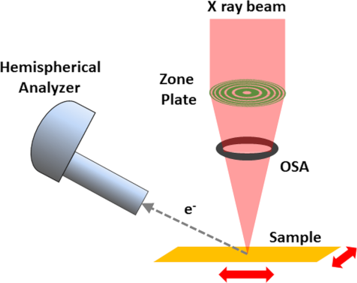
- current and future applications. Due to their nature resulting in diffused heterogeneous structures (chemical and electronic composition typically organized in phases or building blocks) characterizing these materials needs state of the art technologies which combine nanometer spatial resolution
- operando studies of technologically relevant nanoscale heterostructure devices. Self-organized NiO microcavity arrays fabricated by thermal treatments In the class of the very few p-type oxides, NiO stands out as one of the most versatile and promising materials in diverse applications including
- ]. Therefore, it is important to increase research efforts to improve the knowledge and understanding of the properties of this multifaceted material in order to better predict and tailor its role in diverse applications. XPS has been extensively employed in the study of NiO, leading to relevant insights
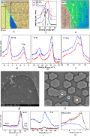


High-temperature epitaxial growth of tantalum nitride thin films on MgO: structural evolution and potential for SQUID applications
Beilstein J. Nanotechnol. 2025, 16, 690–699, doi:10.3762/bjnano.16.53
- transition temperature (Tc). Discovered in 1911 by Heike Kamerlingh Onnes [1], superconductors exhibit unique properties, including perfect conductivity and the Meissner effect [2], that is, the expulsion of magnetic fields. These remarkable properties make them highly valuable for diverse applications, such
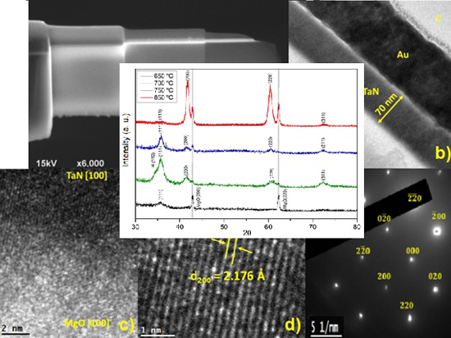
- substrate temperature appears crucial for achieving desirable superconducting performance, making these films promising candidates for applications in superconducting electronics. Experimental TaN thin films were synthesized while systematically varying substrate temperature within the 700–850 °C range and
- makes this film an excellent candidate for superconducting applications, particularly in devices such as superconducting quantum interference devices (SQUIDs). Figure 7 presents an AFM image revealing the low surface roughness (2.2 nm) of even the film deposited at an elevated growth temperature of 850


Colloidal few layered graphene–tannic acid preserves the biocompatibility of periodontal ligament cells
Beilstein J. Nanotechnol. 2025, 16, 664–677, doi:10.3762/bjnano.16.51
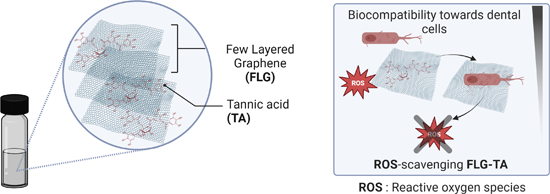
- , demonstrating no cytotoxicity to periodontal ligament cells up to 200 µg·mL−1 while promoting cellular adhesion and maintaining chromatin integrity. Overall, because of its favorable biocompatibility FLG–TA holds promise as a novel biomaterial for dental applications. Keywords: antioxidant properties
- ; biocompatibility; dental applications; few layered graphene–tannic acid biocomposite (FLG–TA); periodontal ligament cells (PDL); Introduction Dental diseases remain a global health challenge [1]. Dental biomaterials are crucial in both therapeutic and preventive strategies, with nanotechnology emerging as a
- yielding high-quality graphene [10][11]. The ability to produce large quantities of FLG with minimal structural defects makes this method particularly well-suited for industrial applications, including those in the dental field [4][12]. A key aspect of LPE is the use of surfactants to prevent the





Focused ion and electron beams for synthesis and characterization of nanomaterials
Beilstein J. Nanotechnol. 2025, 16, 613–616, doi:10.3762/bjnano.16.47

- Induced Processing) communities during the Focused Charged Particle Week held in Krakow in 2022. Over the past decade, following the publication of the comprehensive book edited by Ivo Utke, Stanislav Moshkalev, and Philip Russell on the fundamentals and applications of focused electron and ion beams [3
- unrivaled spatial resolution and 3D capabilities, focused ion and electron beams technologies face challenges in reproducibility and scalability, hindering their commercial applications. Hence, these techniques require better understanding of the atomistic mechanisms involving ions, electrons, adsorbates

Polyurethane/silk fibroin-based electrospun membranes for wound healing and skin substitute applications
Beilstein J. Nanotechnol. 2025, 16, 591–612, doi:10.3762/bjnano.16.46
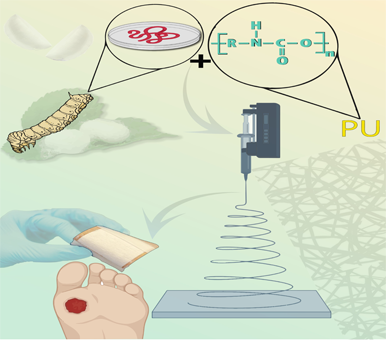
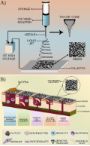
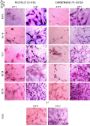
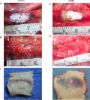
- 37610, Pakistan 10.3762/bjnano.16.46 Abstract The importance of electrospun membranes for biomedical applications has increased, especially when it comes to skin regeneration and wound healing. This review presents the production and applications of electrospun membranes based on polyurethane (PU) and
- silk fibroin (SF) and highlights their benefits as a skin substitute. This review also highlights the electrospinning technique used to prepare nanofibers for these biomedical applications. Silk, well-known for its excellent biocompatibility, biodegradability, structural properties, and low immunogenic
- response, is extensively investigated by addressing its molecular structure, composition, and medical uses. PU is a candidate for potential biomedical applications because of its strength, flexibility, biocompatibility, cell-adhesive properties, and high resistance to biodegradation. PU combined with silk



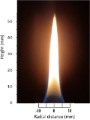
Feasibility analysis of carbon nanofiber synthesis and morphology control using a LPG premixed flame
Beilstein J. Nanotechnol. 2025, 16, 581–590, doi:10.3762/bjnano.16.45
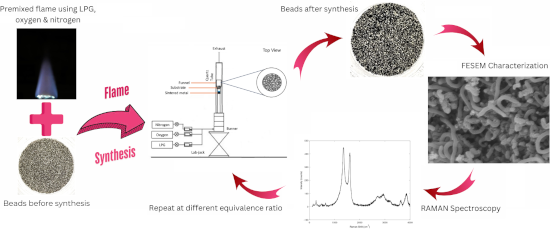
- nucleation rate, which in turn increases the catalyst particle size and the amount of free carbon atoms, producing CNFs with larger diameters and amorphous carbon. According to Raman analysis, the grown CNFs have a high number of defects, which may be good for applications where defective nanomaterials are
- desirable to improve the component performance. The work has proven that flame synthesis of CNFs using commercial LPG is feasible, paving the way for further exploration into cost-efficient CNF production with potential industrial applications. Keywords: carbon nanofiber (CNF); equivalence ratio; flame
- synthesis; liquefied petroleum gas (LPG); nanomaterial synthesis; Introduction Carbon nanotubes (CNTs) and carbon nanofibers (CNFs) have gained significant interest because of their distinctive properties and their wide range of applications in nanotechnology [1][2][3]. CNTs are a modified version of CNFs



Nanomaterials in targeting amyloid-β oligomers: current advances and future directions for Alzheimer's disease diagnosis and therapy
Beilstein J. Nanotechnol. 2025, 16, 561–580, doi:10.3762/bjnano.16.44
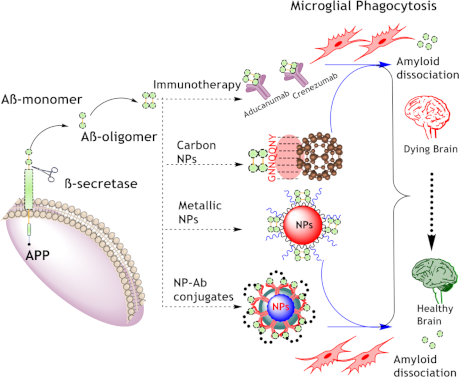
- MNSs was further modified with oligomer-specific antibodies, creating a stable nanobioconjugate for both in vitro and in vivo applications. The MNSs could detect toxic AβOs present on nerve cell surfaces in vitro, demonstrating their specificity and effectiveness. Additionally, upon intranasal delivery
- manage NDs such as Alzheimer’s. In this review, we systematically categorize NPs used for the diagnosis and inhibition of AβOs based on their composition and functionalization. This bifurcation allows for a clearer understanding of the diverse mechanisms and applications of NPs in addressing AD. We have
- physicochemical properties, diverse structural forms, and potential applications in combating NDs. The unique characteristics of CNMs, including their hydrophobic surfaces and variable dimensions, enable them to interact effectively with biomolecules, making them valuable tools in biomedical research and


Retrieval of B1 phase from high-pressure B2 phase for CdO nanoparticles by electronic excitations in CdxZn1−xO composite thin films
Beilstein J. Nanotechnol. 2025, 16, 551–560, doi:10.3762/bjnano.16.43

- electron mobility (>100 cm2/V/s) and high electrical conductivity (>1014 S/cm), demonstrating its potential for optoelectronic applications [2][3][4]. The incorporation of cadmium into ZnO effectively reduces the bandgap, rendering the thin films suitable for applications in the visible region of the
- electromagnetic spectrum [5]. Composite semiconducting thin films have garnered significant attention as their bandgap can be lowered without compromising mobility and conductivity. Beyond optoelectronic applications, CdO–ZnO-based alloys are also employed in gas-sensing technologies [6]. In prior investigations
- , we reported a local pressure-driven structural phase transformation (PT) from B1 (NaCl) to B2 (CsCl) in CdxZn1−xO (x = 0.4) composite binary oxide thin films [1]. The radiation stability of these phases is crucial for optoelectronic applications in space, where the exposure to high-energy particles


Functionalized gold nanoflowers on carbon screen-printed electrodes: an electrochemical platform for biosensing hemagglutinin protein of influenza A H1N1 virus
Beilstein J. Nanotechnol. 2025, 16, 540–550, doi:10.3762/bjnano.16.42
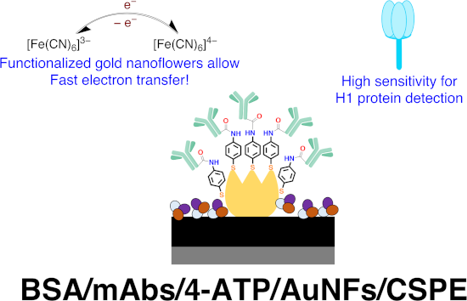
- measuring the AuNFs in the micrograph presented in Figure 2c, a total of 540 AuNFs were identified and measured with the open-source ImageJ software [59]. Microfluidics system A microfluidics device (Figure 9) was designed to use the biosensor in point-of-care applications. This system was coupled to a
- applications, the dimensions are in millimeters, and a photograph of the entire device is shown. Comparison of the designed electrochemical biosensor to other systems from the literature that target influenza A H1N1 virus. Supporting Information Supporting Information File 38: Additional experimental details


Electron beam-based direct writing of nanostructures using a palladium β-ketoesterate complex
Beilstein J. Nanotechnol. 2025, 16, 530–539, doi:10.3762/bjnano.16.41
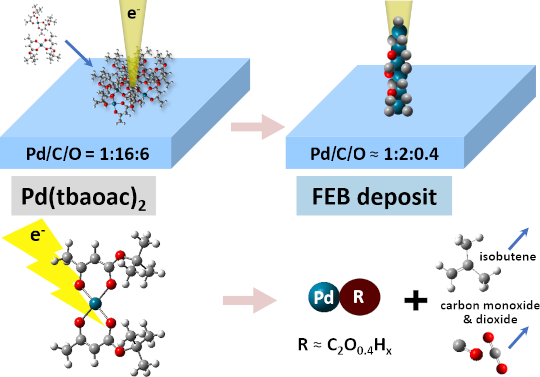
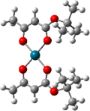
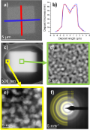
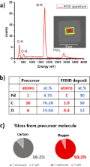
- tool offers many advantages in making nanostructures with complex shapes and novel compositions for evolving nanotechnological applications. In this work, structures were nanoprinted using a fluorine-free β-ketoesterate complex, bis(tert-butylacetoacetate)palladium(II), [Pd(tbaoac)2]. The internal
- use of masks, achieving scales down to a few nanometers with various patterns and shapes, offers significant advantages for a wide range of technological applications. These include areas that require plasmonic [1][2][3], phononic [3][4], magnetic [5][6], optoelectronic [7][8][9], and mechanical [10
- spectrum of electron energies, including secondary electrons (SEs) and backscattered electrons (BSEs). This has a significant impact on the resulting composition, which depends on the specific precursor used. To produce pure metal structures, new precursors are being explored for FEBID applications. In


Zeolite materials with Ni and Co: synthesis and catalytic potential in the selective hydrogenation of citral
Beilstein J. Nanotechnol. 2025, 16, 520–529, doi:10.3762/bjnano.16.40
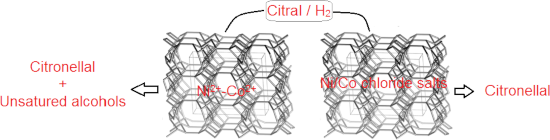
- metallic species for various applications, leading to the invention of new functional materials for sustainable development, such as catalysts [1][2][3]. Among the various methods used to modify zeolites, ion exchange is the most widely employed. Different ion exchange methods are known, such as ion


Water in nanoporous hexagonal boron nitride nanosheets: a first-principles study
Beilstein J. Nanotechnol. 2025, 16, 510–519, doi:10.3762/bjnano.16.39
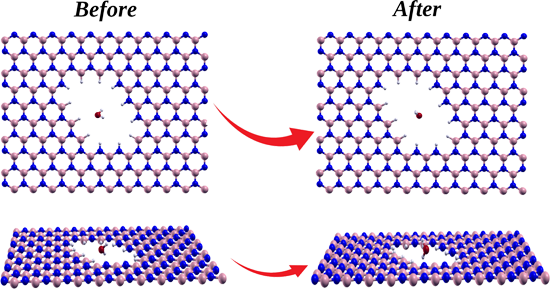
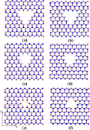
- Cruzeiro, 35400-000, Ouro Preto, MG, Brazil 10.3762/bjnano.16.39 Abstract Nanoporous membranes are being explored as efficient materials for water filtration and desalination applications. In this study, we analyzed the behavior of pores within a freestanding hexagonal boron nitride (h-BN) monolayer in




N2+-implantation-induced tailoring of structural, morphological, optical, and electrical characteristics of sputtered molybdenum thin films
Beilstein J. Nanotechnol. 2025, 16, 495–509, doi:10.3762/bjnano.16.38
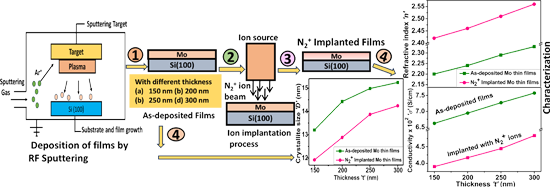
- Usha Rani Kafi Devi Divya Gupta Sanjeev Aggarwal Ion Beam Centre, Department of Physics, Kurukshetra University, Kurukshetra-136119, India 10.3762/bjnano.16.38 Abstract Molybdenum (Mo) thin films have extensive applications in energy storage devices and photovoltaic solar cells because of their
- technological applications owing to their outstanding characteristics. The high melting point and stability of molybdenum ensure that it remains structurally intact under the harsh operating conditions of solar cells [1][2]. This stability is essential for long-term reliability and performance. The low
- material characteristics. Ion implantation is one of the most attractive techniques because it introduces considerable changes in the surface morphology and composition of the films [13][14]. The uses of implanted Mo thin films cover a broad range of applications including microelectronics and


Performance optimization of a microwave-coupled plasma-based ultralow-energy ECR ion source for silicon nanostructuring
Beilstein J. Nanotechnol. 2025, 16, 484–494, doi:10.3762/bjnano.16.37

- pre- and post-bombardment changes in optical properties, resulting from nanopatterned surfaces, are investigated using UV–vis reflectivity measurements and correlated with the dimensions of the nanopatterns. This manuscript highlights the potential applications arising from these findings, emphasizing
- applications and play a crucial role in generating charged particles. Various systems harness energetic ions for diverse purposes, spanning material science, high-energy physics, medical applications, and agricultural science [1][2][3][4][5]. Presently, energetic ions find application in various surface
- nanopatterning and nanoscale functionalization have garnered significant interest, owing to their broad applications in DNA origami [10], tuning of wettability [11] and electrical and magnetic anisotropy [12][13], isolated dot formation [1], nanoscale plasmonic arrays [14], and field emission [15]. Thus, ion


Impact of adsorbate–substrate interaction on nanostructured thin films growth during low-pressure condensation
Beilstein J. Nanotechnol. 2025, 16, 473–483, doi:10.3762/bjnano.16.36

- ], sensors [5], and catalysts [6][7][8]. Nanostructured thin films grown via low-pressure deposition methods have garnered significant attention because of their diverse applications in electronics, optics, catalysis, and sensors [9]. The ability to precisely control properties such as morphology
- , crystallinity, and surface chemistry of the films is crucial for optimizing performance in these applications. In adsorption–desorption processes, where materials are deposited from the gas phase, experimental techniques enable the study the formation of clusters or islands of adsorbed molecules/atoms, which


Effect of additives on the synthesis efficiency of nanoparticles by laser-induced reduction
Beilstein J. Nanotechnol. 2025, 16, 464–472, doi:10.3762/bjnano.16.35
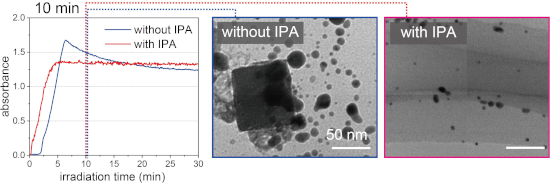
- applications. Keywords: laser-induced reduction; laser synthesis and processing of colloidal nanoparticles; production efficiency; Introduction Metal nanoparticles exhibit unique chemical, physical and optical properties that are not found in their bulk materials, and are used in a variety of fields
- trap oxidizing species such as hydroxyl radicals since it has more reaction points than monovalent alcohols. When considering industrial applications, optimization using additives is essential not only in terms of the efficiency of nanoparticle synthesis but also cost, by-products, and solvent


Synthetic-polymer-assisted antisense oligonucleotide delivery: targeted approaches for precision disease treatment
Beilstein J. Nanotechnol. 2025, 16, 435–463, doi:10.3762/bjnano.16.34

- effective complexation with ASOs and enhanced cellular uptake. Additionally, while these high-generation DPLs exhibited moderate cytotoxicity, complexation with ASOs was shown to reduce toxicity, making them a promising vehicle for gene therapy applications. Confocal microscopy further confirmed the ability
- cell viability, demonstrating its potential for therapeutic applications in dermatology. More recently, Taniguchi et al. explored the use of PLO as a key component in a novel drug delivery system designed for the treatment of advanced breast and pancreatic cancers [90]. The researchers developed a
- its characteristic amphipathic guanidinium group, PLR has been frequently used in biomedical applications, particularly as a carrier for nucleic acid delivery [91]. Moreover, its strong cationic nature allows it to effectively bind to negatively charged molecules, facilitating cellular uptake through


Biomimetics and bioinspired surfaces: from nature to theory and applications
Beilstein J. Nanotechnol. 2025, 16, 418–421, doi:10.3762/bjnano.16.32
- influence their performance and at drawing inspiration for modern technology from the vast array of solutions found in nature [1]. By examining the multiscale structures and mechanisms in biological systems, innovative and technologically advanced solutions can be developed for practical applications
- of studies that form this thematic issue. The thematic issue "Biomimetics and Bioinspired Surfaces: From Nature to Theory and Applications" is composed of nine articles that not only show the possibilities of analyzing natural phenomena in detail, but also empirical applications of bioinspired
- ) approach. For instance, Bartoli et al. [8] reviewed the potential applications of nanostructured carbon coatings – such as nanodiamonds, carbon nanotubes, and graphene-based materials – to improve interaction on the interface between medical implants and living cells. Several biological materials exhibit